
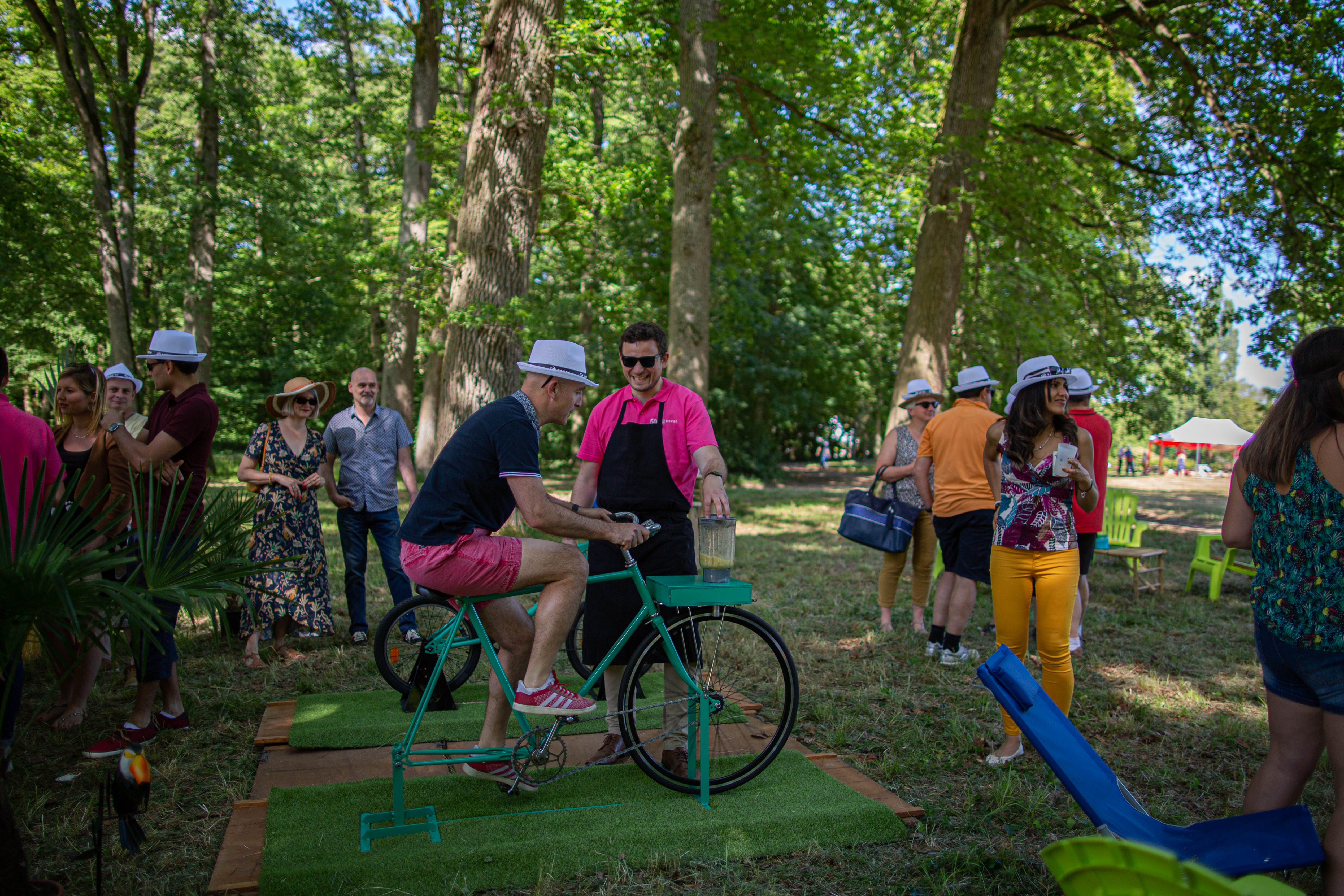
Corporate Garden Party in Liege that runs smoothly for leaders and teams
INNOV'events (Brussels) plans and delivers Corporate Garden Party in Liege formats from 60 to 1,500 guests. We manage the full chain: venue, suppliers, compliance, guest flow, entertainment, and a production team on site. Your stakeholders get a professional experience; your internal teams keep their focus on business, not logistics.
Table of contents
In a Corporate Garden Party, entertainment is not “extra”—it’s the lever that keeps people circulating, talking, and staying present between speeches, food service peaks, and networking objectives. When it’s designed as part of the operational flow (timings, sound, guest movement), it reduces dead time and prevents the typical “two clusters and everyone on their phones” scenario.
In Liege, organisations often want a relaxed outdoor moment without losing corporate control: clear branding, respectful noise management, reliable catering capacity, and an event that still looks professional if a client or public partner drops by. HR and Comms also expect a safe, inclusive format (families, mixed cultures, non-drinkers) that won’t create awkward moments.
We bring Brussels-level production discipline with strong local execution in Liege: supplier coordination, municipal/venue constraints, contingency planning for weather, and a run-of-show that executives can trust. Our job is to protect your image and your teams’ time—before, during, and after the event.
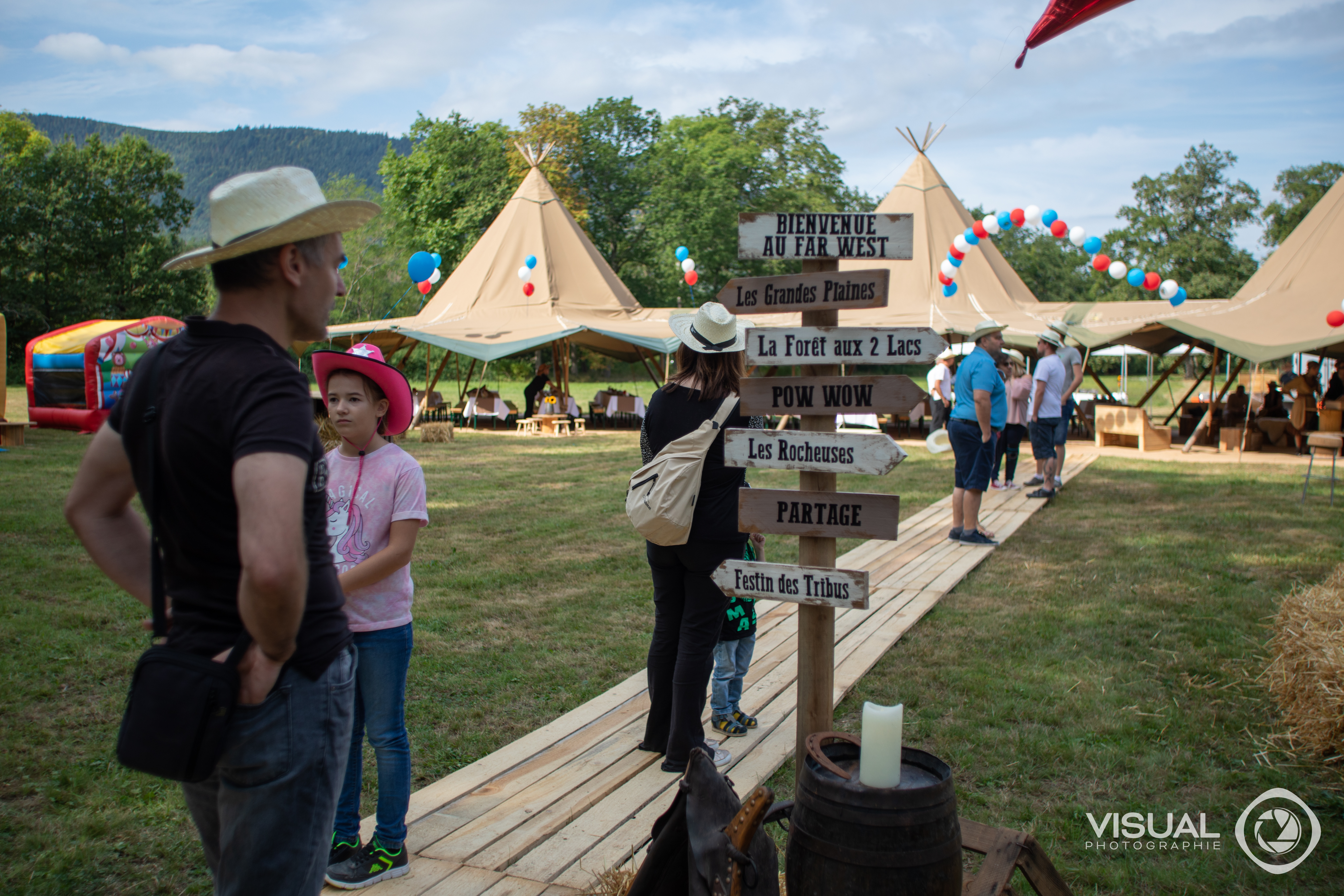
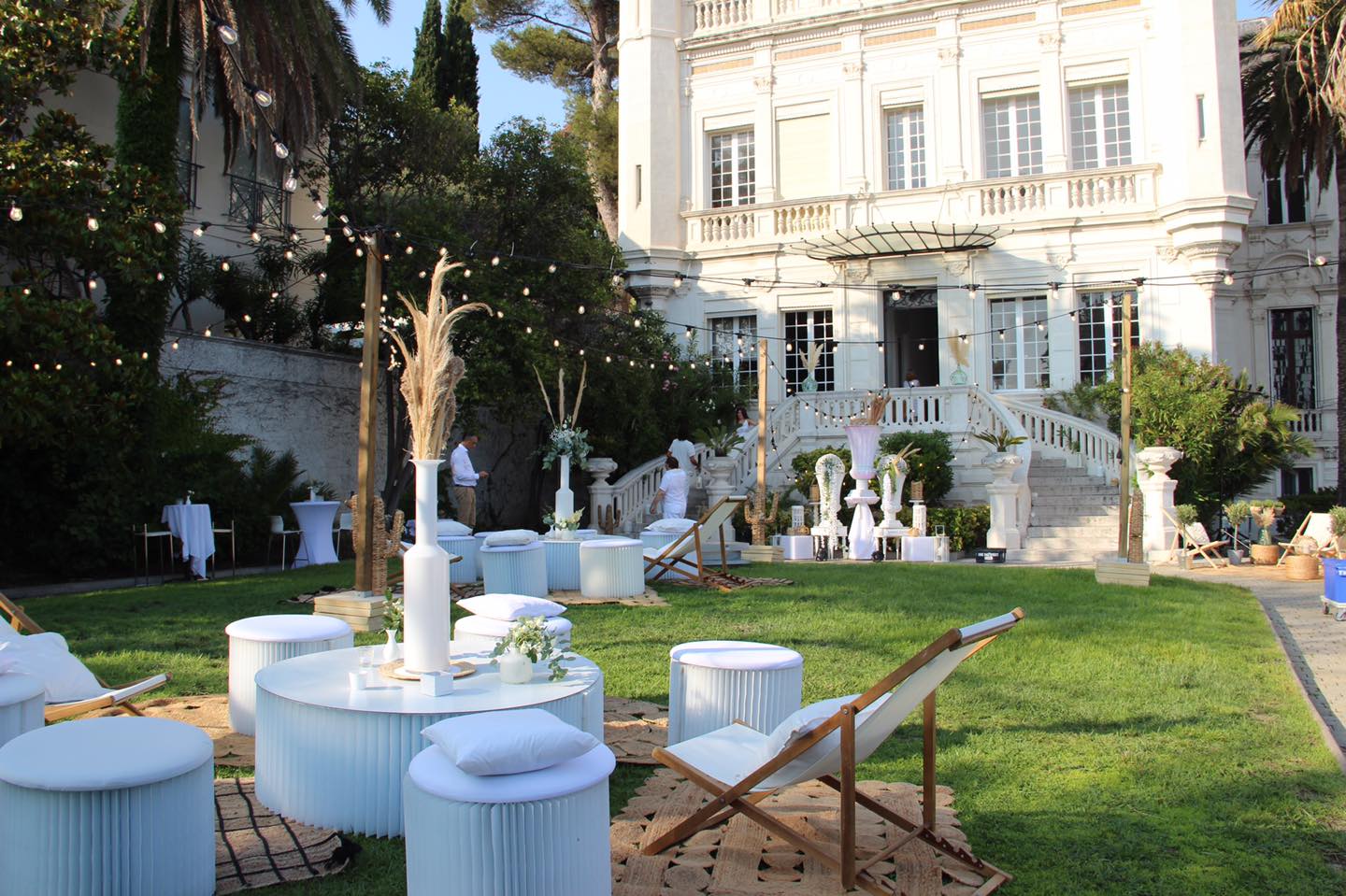
INNOV'events in numbers for Liege decision-makers
15+ years in corporate events across Belgium, with repeat programmes for HR and communication teams.
250+ corporate events delivered annually through our partner network (catering, AV, staging, security, entertainment).
Typical production coverage: 1 event lead + 2 to 12 on-site crew depending on guest count and complexity.
Quote and first production outline in 48 hours for standard formats (venue already selected or short list available).
How to organize a professional event in Liege?
- Define the objective (cohesion, announcement, fidelity, performance).
- Set date, format and size (20–1 000 people).
- Secure the venue and accommodation according to seasonality.
- Lock down technical, suppliers and logistics.
- Drive the day J (timing, scene, entrance, flow).
Who we support year after year in Liege
We regularly work with organisations active in the Liege area—industrial groups, public-facing service companies, and fast-growing tech teams—where the event must satisfy different audiences at once: leadership, line managers, unions or staff reps, and sometimes external partners. Many of our clients come back because they want the same thing each year: a relaxed garden-party atmosphere with corporate-grade execution (timelines, supplier discipline, safety, and consistent brand presentation).
If you share the company names you want us to mention as references, we will integrate them in this section in a compliant, professional way (and only if you confirm we can cite them). In practice, we often operate under NDA, so we can also provide anonymised case summaries and supplier references for Liege projects.
We send you a first proposal within 24h.
Why plan a corporate garden party in Liege this year
A Corporate Garden Party in Liege is one of the few formats that can deliver three objectives at once: leadership visibility, employee connection, and external relationship building—without the formal constraints of a gala. It’s strategic when you need real interactions, not just attendance.
Leadership access without the “town hall” tension: executives can circulate naturally. We structure the space so leadership moments happen organically (short addresses, small-group touchpoints), while avoiding bottlenecks around the stage or bar.
HR retention and engagement: in companies under workload pressure, a well-timed outdoor event can reduce friction and rebuild informal networks. We often see teams reconnect across sites and functions when the format encourages movement and micro-activities rather than one long speech block.
Employer brand with proof, not slogans: a well-produced garden party shows how you treat people—comfort, food quality, inclusion, safety, and attention to detail. These cues are noticed by high potentials, managers, and guests.
Communication control: comms teams get predictable brand touchpoints (welcome signage, subtle logo presence, curated photo angles, a defined “content window” for photos/video) without turning the event into a trade show.
Client and partner hospitality: for B2B companies around Liege, inviting a limited number of customers or public stakeholders works well when the event is not “salesy.” We can create a discreet VIP flow (arrival, seating, catering priority) that doesn’t create a two-class feeling for staff.
Operational realism: compared with an indoor evening gala, a garden party can reduce AV/staging cost—if (and only if) you plan for power distribution, sound management, and weather protection from the start.
Liege has a strong culture of straight-talking operations and community ties. A garden party works when it feels warm and human, but is organised with discipline—exactly what leadership teams expect when they put their name on the invitation.
What Liege-based organisations expect from a garden party partner
In the Liege area, we frequently see a mix of realities that directly impacts event design: multi-site workforces, technical and operational roles, and teams that don’t all share the same schedules. That means your event cannot rely on a single “everyone arrives at 18:00, sits down, and listens” pattern. We plan staggered arrivals, clear signage, and enough activations so people can join at different times without feeling they missed the “main moment”.
Local decision-makers also care about practical proof: parking and shuttle logic, noise limitations, service speed, and the ability to keep the atmosphere calm even when the bar is busy. For HR, a recurring concern is inclusion: dietary requirements (halal/vegetarian/allergens), non-alcohol options that feel adult, and spaces where quieter profiles don’t feel forced into loud music zones.
Finally, in Liege, outdoor events are judged by weather readiness. It’s not only about having tents—it’s about drainage and ground protection, power security, a wet-weather guest route, and a plan B that doesn’t look like panic. We build these elements into the production file and assign ownership on site.
Which entertainment choices work best in Liege garden parties
Entertainment works when it supports your event goals: networking, recognition, culture, or client hospitality. In a Corporate Garden Party in Liege, we favour formats that create small, repeatable interactions rather than one big “show” that half the audience ignores. We also plan entertainment with service rhythms in mind—so activities absorb guests while catering resets, and the event never feels like waiting.
Interactive animations in Liege
Guided mixology and zero-proof bar: a fast-format workshop (8–12 minutes per group) creates rotation and conversation. We include non-alcohol recipes with the same presentation standards so it’s inclusive and feels premium.
Team mini-challenges with soft scoring: short stations (2–4 minutes) that don’t embarrass people—reaction games, cooperative puzzles, or light sports adapted to mixed dress codes. We avoid anything that requires athletic ability or puts guests on stage without consent.
Photo and content corners with a purpose: not just a backdrop—e.g., “thank-you wall” for achievements, values prompts, or milestone storytelling. We position it near a natural waiting zone to avoid artificial crowds.
Networking facilitation for executives: discreet host-led introductions or topic cards for partner guests. This is useful when you invite clients to a staff event and want meaningful conversations without sales pressure.
Art animations in Liege
Acoustic sets during arrivals (jazz trio, guitarist, or small brass): it lifts the atmosphere without forcing attention. We plan sound levels to allow conversation and comply with local constraints.
Roving performers (close-up magician, caricaturist, or elegant mime): these work well because they create micro-moments and reduce “dead zones” across a large garden layout.
Short headline moment (20–30 minutes): if you want a peak, we schedule it strategically and build a clean viewing area so it feels intentional, not chaotic.
Innovative animations in Liege
BBQ with chef stations: faster service and a natural outdoor fit. We design station placement to avoid one long queue and include clear allergen signage.
Local tasting bar: a curated selection that can include Liege-inspired flavours, paired with responsible service. It works especially well for client hospitality.
Ice cream or dessert cart: not as “cute”—as operationally smart. It creates a second wave of movement and keeps energy up late afternoon.
Gourmand animations in Liege
Silent corner for conversations: a shaded lounge away from speakers with low music and comfortable seating. This is a practical inclusion tool for guests who avoid loud zones.
Smart badge or wristband check-in: quick entry and real attendance data for HR and comms. We can set it up to flag VIP arrival discreetly.
Weather-resilient design: flooring tiles in high-traffic areas, modular tents, and power backup. This is “innovation” that protects the event, not a gadget.
Whatever we choose, we validate alignment with your brand and internal culture: a safety-first industrial company in Liege won’t use the same entertainment codes as a creative services firm. The right choice is the one your leadership can stand behind and your teams will actually engage with.
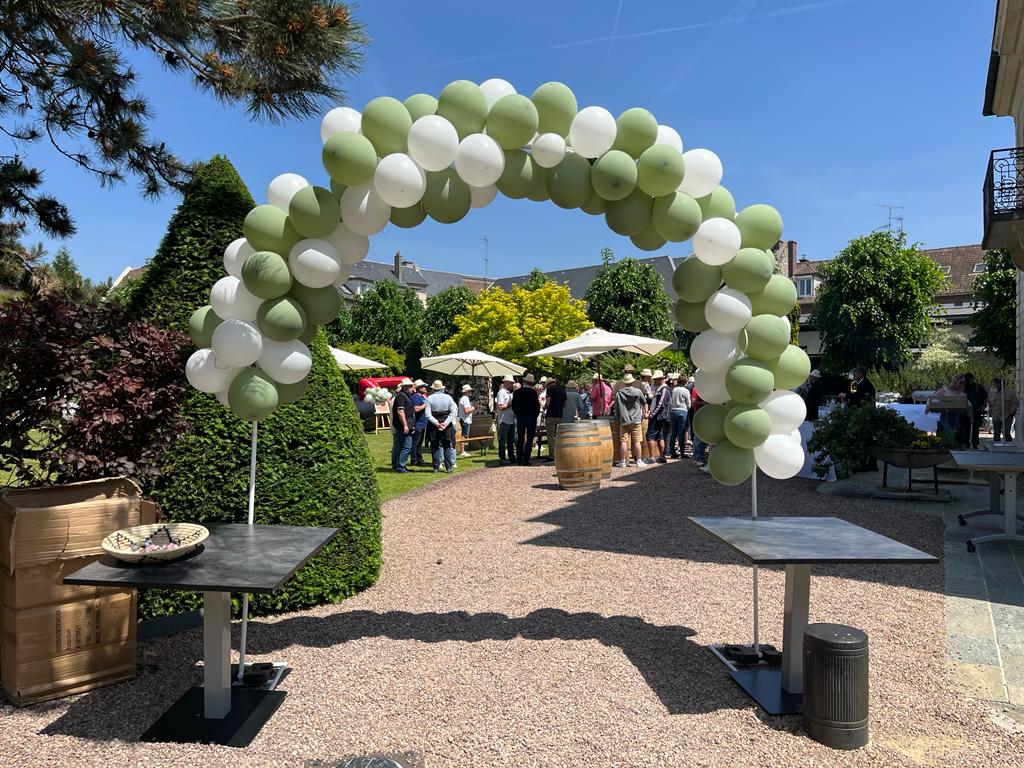
How to choose a venue in Liege for a corporate garden party
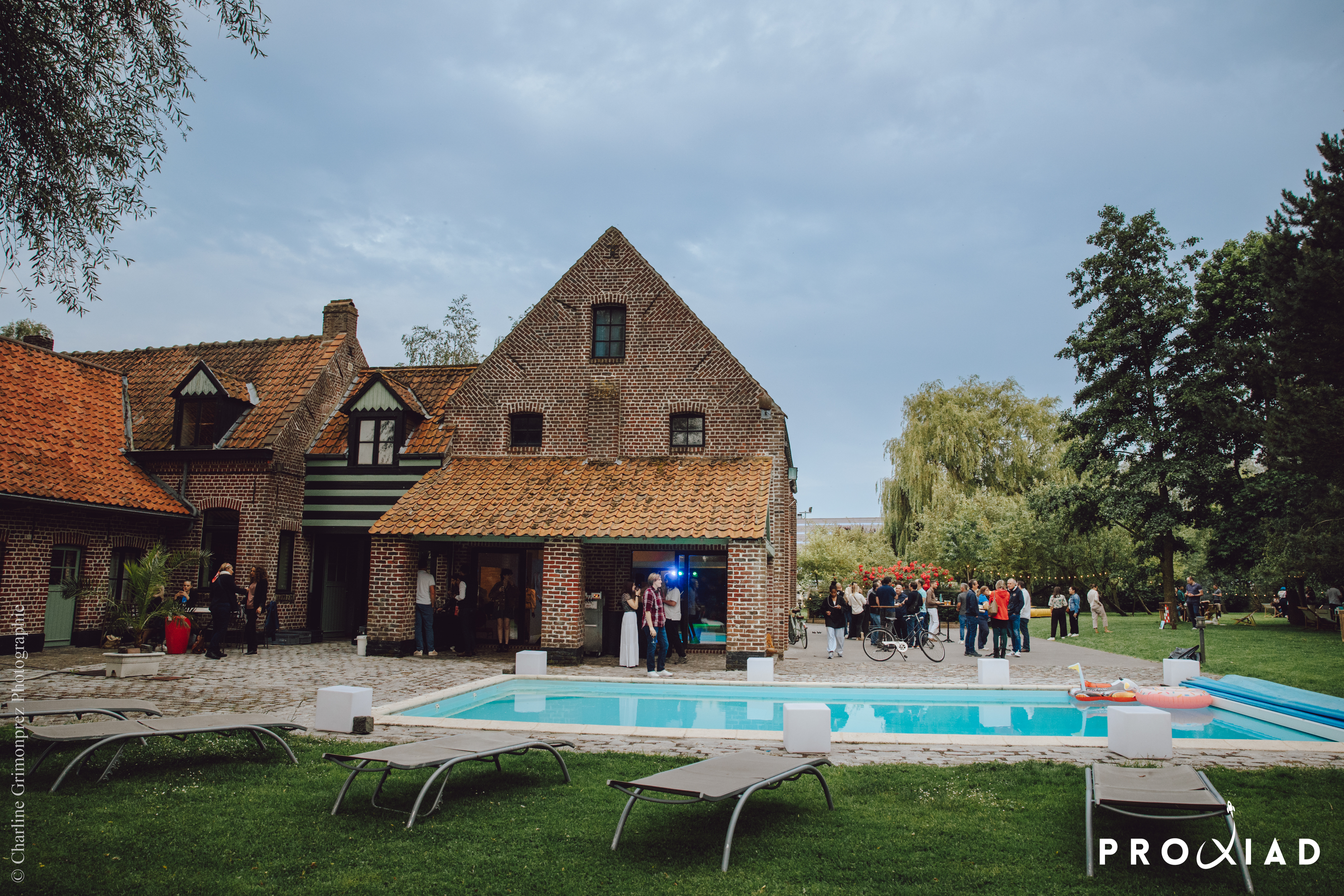
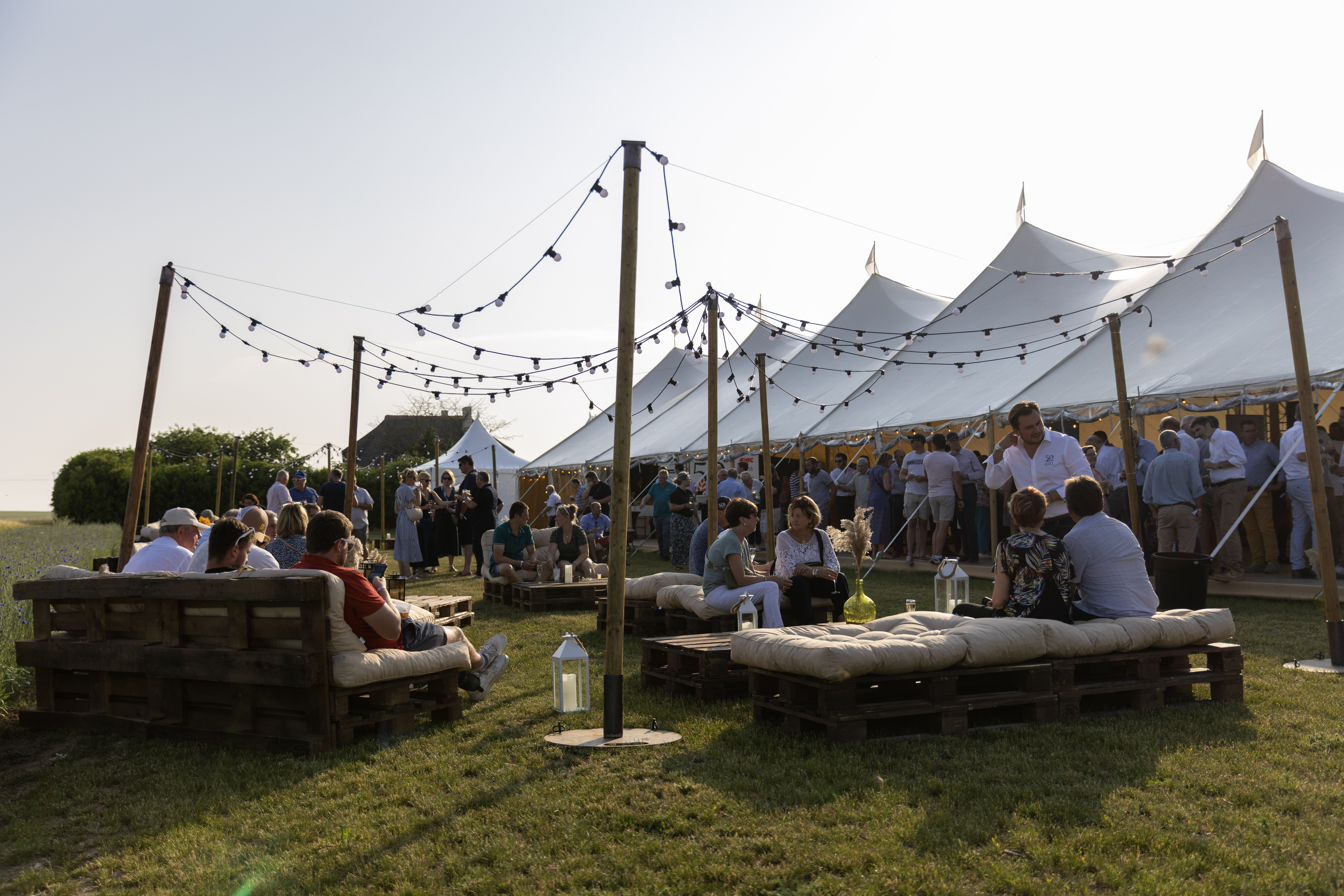
The venue does more than provide a garden—it determines your operational margin. In Liege, we assess access routes, power availability, noise constraints, neighbour proximity, ground condition, and the realism of a wet-weather plan. A beautiful site that cannot handle catering logistics or has strict sound limits can undermine the event’s objectives.
| Venue type | For which objective? | Main strengths | Possible constraints |
|---|---|---|---|
Private estate with garden (region of Liege) | Executive hosting, premium employer brand, client invitations | High perceived value, strong photo rendering, flexible zoning | Power distribution, neighbour noise sensitivity, limited parking |
Corporate site outdoor space (HQ or plant) | Internal cohesion, showcasing operations, cost control | Easy logistics, strong “we are proud of our work” message, less transport | Safety constraints (HSE), restricted areas, need for strong décor to change perception |
Event venue with garden + indoor backup | Risk-managed outdoor format with reliable Plan B | Existing infrastructure (toilets, kitchen access), weather resilience, defined load-in | More rules on suppliers, fixed time slots, sometimes higher rental fees |
We strongly recommend at least one site visit with the caterer and AV lead. In Liege, a 45-minute walk-through often saves hours of last-minute improvisation—especially for power, access, and wet-weather routing.
What a corporate garden party budget looks like in Liege
A Corporate Garden Party in Liege budget depends on guest count, venue conditions, and the level of production you need to protect your brand. Outdoor does not automatically mean cheaper: once you add tents, flooring, power, lighting, and staffing, costs can approach an indoor event. The difference is that outdoor spend is often more visible in guest comfort and flow.
Guest count and service style: 80 guests with plated service is a different model than 600 guests with stations. We model queue time and staffing ratios to keep service smooth.
Venue infrastructure: existing kitchens, toilets, and power reduce rental add-ons. If not, we budget for generators, distribution, and compliant cabling.
Weather protection: tents, sidewalls, flooring, heating (shoulder season), and logistics for a Plan B. This is often the deciding line item in Liege.
Entertainment and sound constraints: acoustic sets vs. amplified acts; roaming performers vs. stage show; local noise limitations can affect technical needs and scheduling.
Branding and comms deliverables: signage, content capture (photo/video), and set dressing. We avoid overproduction and focus on what the camera and guests will actually notice.
Staffing and supervision: coordination, host/hostess, security, first aid, cleaning, and waste management. Understaffing is one of the most expensive “savings”.
Mobility: shuttles, parking management, and accessibility. If you host across multiple sites around Liege, transport can be a major driver.
For leadership, the ROI is rarely measured in “fun”; it’s measured in attendance, internal sentiment, partner relationships, and the absence of operational incidents. A controlled budget with the right safeguards is cheaper than the hidden cost of a damaged employer brand or a chaotic event day.
When to choose an event agency in Liege for your garden party
Local presence is an operational advantage, not a slogan. For a Corporate Garden Party, the risk is not the concept—it’s execution: deliveries, neighbour constraints, last-minute weather decisions, and supplier coordination under time pressure. A team used to working in the Liege area knows which venues are strict on access hours, how long it really takes to load in, and which suppliers consistently perform when plans change.
At INNOV'events, we combine Brussels-level corporate standards with strong local execution. If your priority is a partner anchored in the territory, our event agency in Liege capability ensures you get fast site responsiveness and a supplier network that can be mobilised without drama.
- Faster site interventions: pre-event checks, last-minute measurements, and real-time decisions when weather shifts.
- Supplier reliability under pressure: teams that know each other’s working methods (AV, catering, tenting, security) reduce friction.
- Compliance and neighbour management: a practical approach to noise, access, and local expectations—handled before they become problems.
- Operational realism: accurate timing for set-up/tear-down and a plan that fits the venue, not a generic run sheet.
For leadership, the ROI is rarely measured in “fun”; it’s measured in attendance, internal sentiment, partner relationships, and the absence of operational incidents. A controlled budget with the right safeguards is cheaper than the hidden cost of a damaged employer brand or a chaotic event day.






Examples of Corporate Garden Party formats delivered in Liege
We deliver garden party formats that vary by intent, not by decoration. For an industrial client near Liege, we designed a safety-compliant on-site event with controlled access zones, a visible but calm leadership moment, and entertainment that supported circulation without distracting from HSE constraints. The key was to treat the site like a production environment: clear signage, trained stewards, and a strict vendor load-in plan.
For a services organisation with mixed departments and a high proportion of new hires, we structured the event around short, low-pressure interaction points: roving performers, guided tastings, and a “quiet lounge” for conversations. HR wanted retention impact; comms wanted content; leadership wanted to avoid long speeches. We delivered a run-of-show that created natural touchpoints and ensured the photo/video team captured usable content within a defined window.
For a client-hosting garden party, we created a discreet VIP path (arrival, reserved seating, and a short guided venue moment) while keeping the overall experience egalitarian for staff. This is a frequent executive concern: how to honour external guests without sending the wrong internal signal. The solution is flow design and small details, not heavy-handed separation.
Common mistakes that derail garden parties in Liege
Underestimating weather beyond “rain”: wind, temperature drops after 19:00, ground saturation, and glare can all impact comfort and safety. We plan for each, including flooring and tent anchoring.
One bar, one queue: it looks minor on paper, but it becomes the event. We model service points and place them to distribute guests.
Sound without zoning: a single loud area kills networking. We design sound “layers” and quiet areas, especially important for mixed audiences in Liege.
No realistic load-in schedule: suppliers arrive at the same time, access blocks, and the first hour becomes chaotic. We stagger call times and define a traffic plan.
Forgetting internal stakeholders: security, facilities, IT, and HSE need to be involved early when the venue is your own site. If not, you lose time and risk compliance issues.
Entertainment disconnected from the run-of-show: when activities don’t match service peaks or guest flow, they either flop or create congestion.
Our role is to remove these risks from your team’s plate. We do it with a clear production file, supplier discipline, and an on-site chain of command that makes decisions quickly—without escalating every detail to your leadership.
Why Liege clients keep INNOV'events on their shortlist
Repeat business in corporate events is earned through predictability: timelines respected, budgets controlled, and problems handled quietly. Clients return when they know the event day will not become their internal crisis.
60–70% of our annual activity comes from repeat clients and internal referrals (Belgium-wide).
Average preparation cycle for a garden party: 6 to 12 weeks depending on venue availability and compliance needs.
Typical supplier roster per event: 6 to 15 partners coordinated under one run-of-show.

Loyalty is not about habit; it’s a measurable proxy for reliability. In Liege, where teams value operational credibility, that matters more than big promises.
Our planning process for Liege corporate garden parties
👉 Step 1: Clarify objectives and constraints in Liege
We run a short working session with HR/Comms/Executive sponsor to define success criteria: target audience, attendance goal, internal sensitivities, brand tone, and the one or two outcomes that matter (retention signal, client care, culture, anniversary, post-merger cohesion). We also collect constraints: venue rules, accessibility needs, noise limitations, and any HSE requirements.
👉 Step 2: Build the concept as a flow, not a theme
We translate objectives into guest journey and zoning: welcome, food, bars, activations, quiet zones, leadership moment, and exit. We define timings that respect service peaks and keep the atmosphere stable. This is where we decide whether you need a headline moment or a continuous entertainment rhythm.
👉 Step 3: Venue and supplier engineering for Liege
We confirm venue feasibility (power, ground, access, wet-weather plan) and select suppliers accordingly: catering model, tents/flooring, AV, lighting, furniture, security, first aid, cleaning and waste. We issue clear briefs and consolidate everything into one production plan.
👉 Step 4: Budget control and approvals
We present a structured budget with options (good/better/best) tied to operational impact: what improves comfort, what reduces risk, and what is purely aesthetic. This helps directors arbitrate quickly and protects the project from late scope creep.
👉 Step 5: Production file and run-of-show
We produce the run-of-show, site plan, supplier call times, staffing plan, safety notes, and escalation chain. We schedule checkpoints with your internal stakeholders (facilities, security, IT, HSE) so approvals happen early rather than on event day.
👉 Step 6: On-site delivery and contingency management
On the day, we manage load-in, technical checks, opening readiness, and live coordination. If weather or attendance shifts, we activate pre-defined contingencies (tents, layout changes, staffing reallocation) without disrupting your guests or pulling your team into operational decisions.
👉 Step 7: Debrief and measurable learnings
Within days, we debrief: attendance, flow observations, service timings, incidents (if any), and improvement actions for next year. If you capture content, we align deliverables with comms needs (internal recap, employer brand, partner follow-up).
FAQ sur l'organisation Corporate Garden Party à Liege
What is the best season for a garden party in Liege?
Late May to early July is the most stable window. September can work with stronger weather protection. For April and October, plan for heating and a full wet-weather fallback.
How much does a Corporate Garden Party in Liege cost per person?
For corporate standards, many projects land between €85 and €220 per person all-in, depending on venue infrastructure, catering level, tents/flooring, and entertainment. Under €85 is possible for simple on-site formats, but weather protection and staffing must remain realistic.
How early should we book a venue in Liege?
For popular dates (Thursdays/Fridays in June), book 3 to 6 months ahead. For 300+ guests or venues with strict supplier rules, 6 to 9 months is safer.
What entertainment works best for mixed teams in Liege?
Roving entertainment plus short interactive stations works best: close-up magic, caricature, acoustic sets, guided tastings, and light cooperative games. Avoid formats that force participation or rely on one loud stage moment.
Do we need a Plan B indoor option in Liege?
Yes, for leadership-grade events we recommend either an indoor backup space or a tenting solution that can fully host guests (not just “cover the bar”). Plan B should be defined in the run-of-show with clear triggers (wind/rain/temperature thresholds).
Request a Liege quote and a production outline
If you’re comparing agencies, we can make your decision easier with a clear deliverable: a first production outline (venue logic, guest flow, entertainment rhythm, and key risks) plus a budget range adapted to your headcount and timing in Liege. Share your date options, estimated guest number, and whether you need client-hosting or internal-only—then we’ll come back with a structured proposal and next steps.
Plan early if you want prime venues and the best supplier availability in peak season. Contact INNOV'events to lock the fundamentals and keep the event day calm, controlled, and on-brand.
INNOV'events Liege Agency
Justin JACOB is the manager of the INNOV'events Liege office. Reach out directly by email at belgique@innov-events.be or via the contact form.
Contact the Liege agencyAll our services & entertainment Liege, Belgique
Discover our event services
Discover our event entertainment available in the Belgique
- Event Hostess in Liege
- Escape Game in Liege
- MasterChef Cooking Workshop in Liege
- Magician in Liege
- Marquee Rental in Liege
- Color Analysis Workshop in Liege
- Inflatable Games in Liege
- Valet Parking Service in Liege
- Football Simulator in Liege
- LED Furniture Rental in Liege
- Light Branding in Liege
- Unique Dining Experience in Liege
- Light Painting in Liege
- Murder Mystery Party in Liege
- Prize Contest in Liege
- Promotional Displays (POS) in Liege
- Virtual Reality in Liege
- Molecular Gastronomy Workshop in Liege
- Halloween Entertainment in Liege
- Fireworks Show in Liege
- Giant Games Challenge in Liege
- Event Host / MC in Liege
- Photo Booth Animation in Liege
- Santa Claus Entertainment in Liege
- Kids Entertainment in Liege
- Guided Tour in Liege
- Urban Rally in Liege
- Ball Pit in Liege
- Flight Simulator in Liege
- Food Truck Rental in Liege
- World Record Challenge in Liege
- Surf Simulator in Liege
- Wine Casino in Liege
- Makeover Workshop in Liege
- Perfume Creation Workshop in Liege
- Acting Workshop in Liege
- CSR Activities in Liege
- Archery in Liege
- Security Staff in Liege
- Wine Tasting in Liege
- Mime Performer in Liege
- TV Game Show in Liege
- Funfair in Liege
- Crisis Management Workshop in Liege
- Crisis Negotiation Workshop in Liege
- Arcade Games in Liege
- Indoor Skydiving Simulator in Liege
- Ski Simulator in Liege
- Racing Circuit Experience in Liege
- Introductory Flight Experience in Liege
- Tasting Experience in Liege
- Build Your Own Foosball Workshop in Liege
- 2CV Rally in Liege
- LEGO Challenge in Liege
- Casino Night in Liege
- Interpreter / Translator in Liege
- Promotional Giveaways in Liege
- Shuttle Transport in Liege