
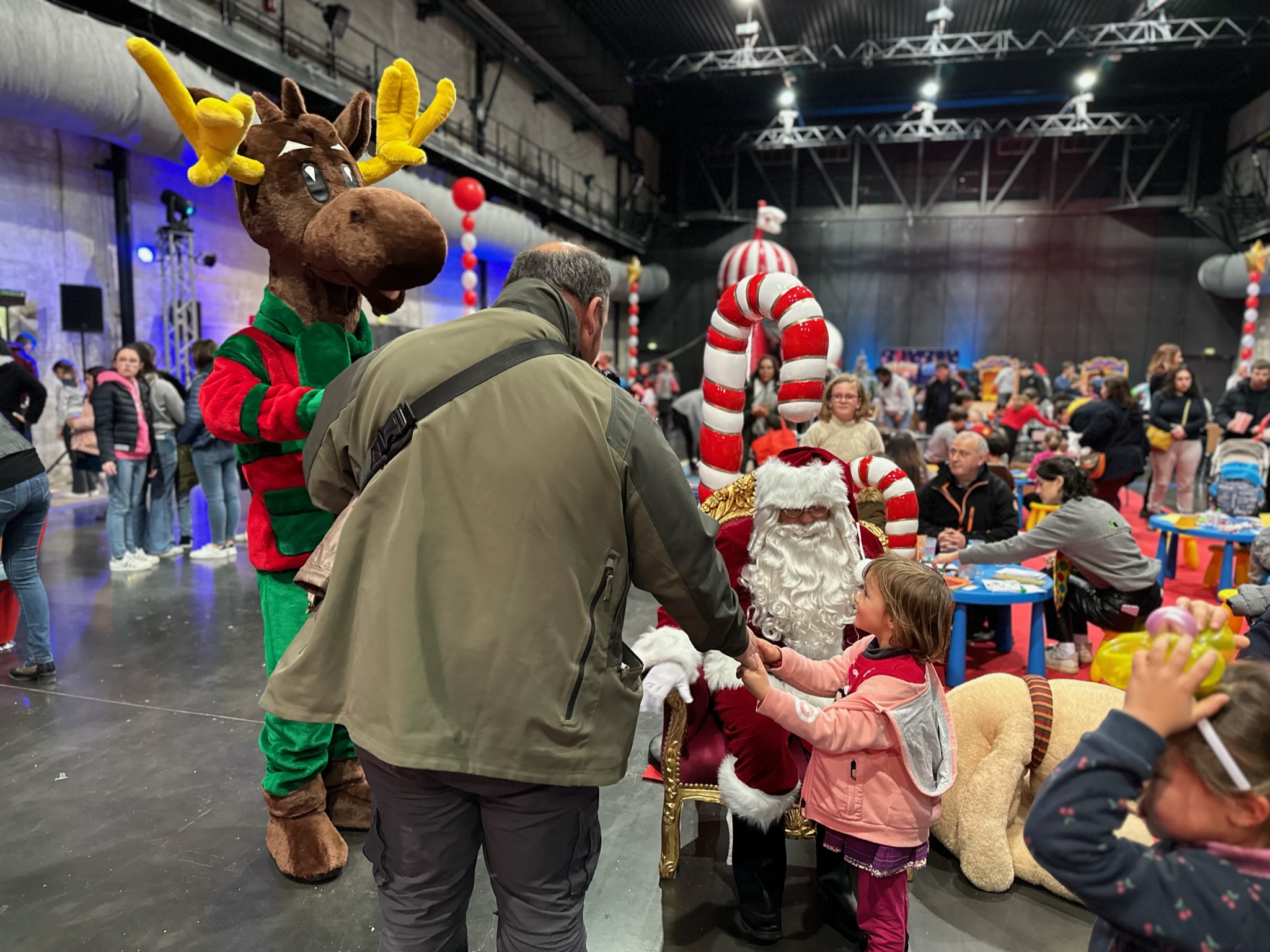
Kids Entertainment in Liege that protects your event flow and your brand
INNOV’events is a Brussels-based corporate event agency delivering Kids Entertainment for company events in Liege, from 30 to 1,500 attendees. We design and operate kids’ zones, supervised workshops, family days and Saint-Nicolas formats—while you keep control of timing, safety, and brand standards.
We handle staffing, materials, zoning, risk management, and on-the-day coordination with your venue and suppliers, so your teams can focus on guests and internal communications.
Sommaire
In corporate settings, Kids Entertainment is not “nice to have”: it is a lever to protect the adult experience. When children are properly hosted, parents stay available for networking, speeches and HR conversations—without stress, without exits mid-event, and without last-minute improvisation.
In Liege, organisations expect practical solutions: clear schedules aligned with speeches, controlled noise levels in shared venues, bilingual facilitation when needed (FR/NL/EN depending on the workforce), and a safety posture that reassures both executives and parents.
INNOV’events operates regularly in the province of Liège with a field-first approach: pre-visit when required, staffing plans per age group, robust supplier coordination, and a single point of contact for your HR/Comms team from brief to event-day wrap-up.
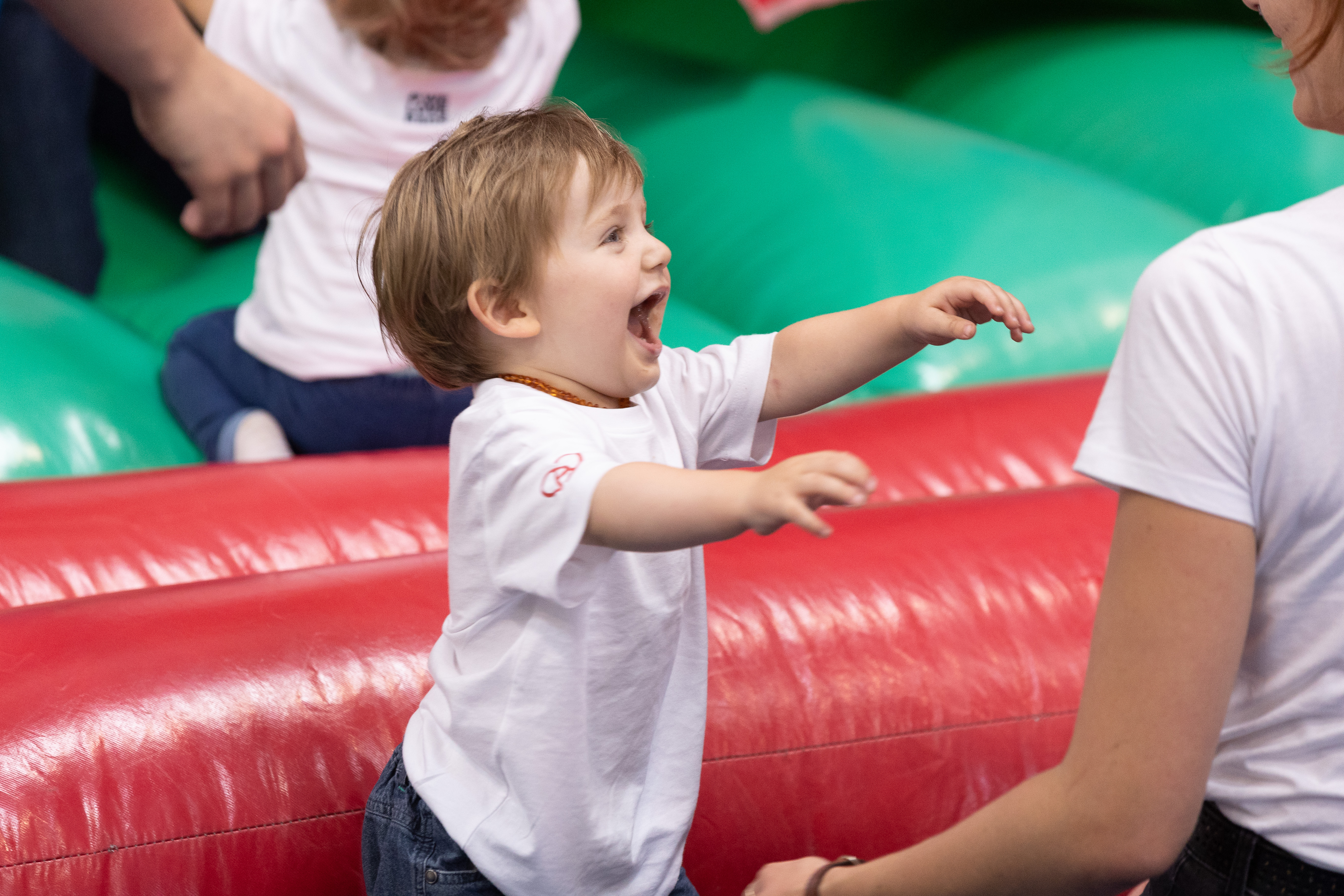
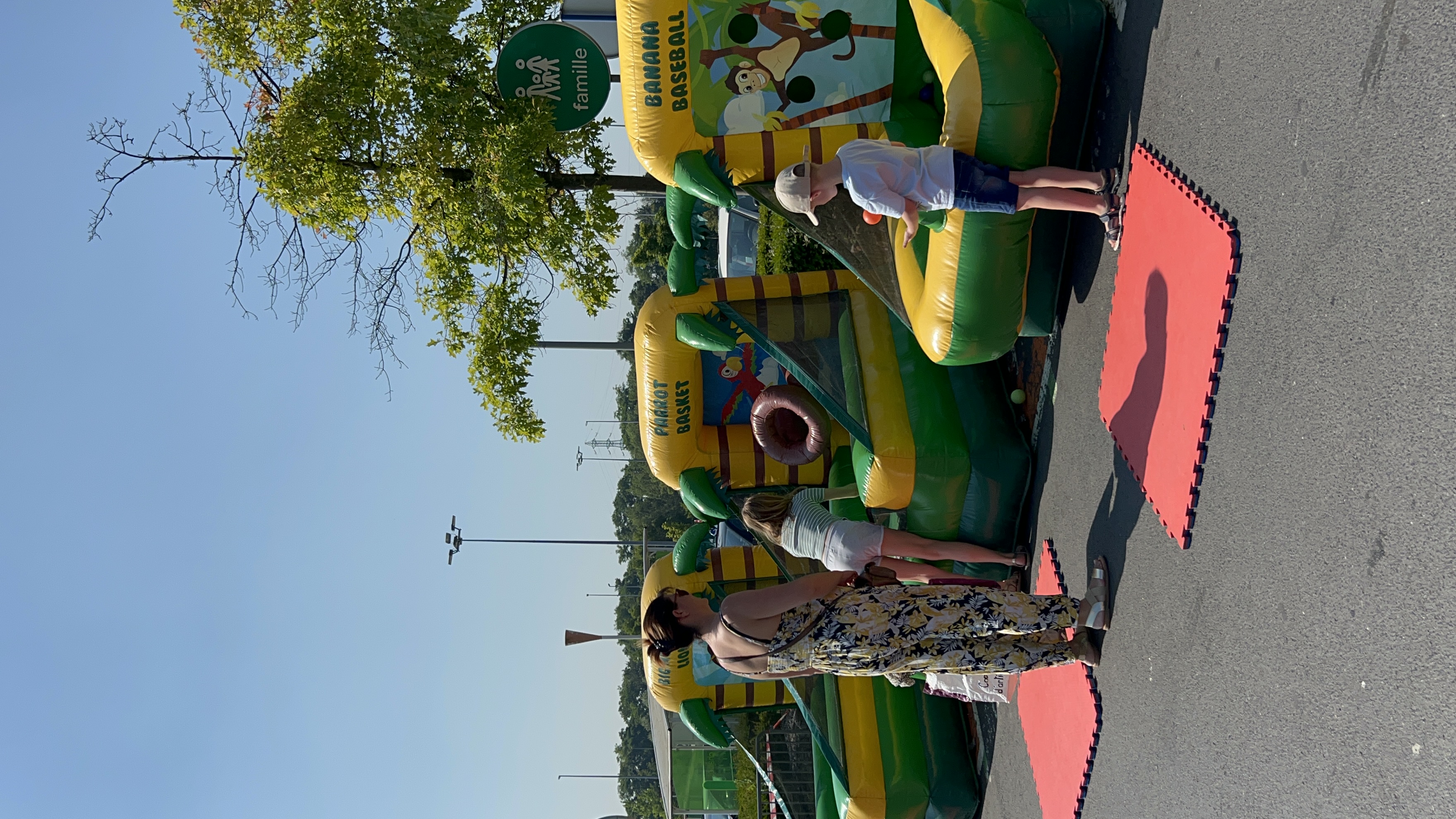
Operational proof points for Liege decision-makers
15+ years managing corporate event operations in Belgium, with repeat programmes for internal communications and employer branding.
120–180 events/year delivered through our Brussels team and Belgian partner network, including family days with children’s zones.
1 dedicated production lead assigned per project in Liege (not a shared inbox): one person accountable for timing, suppliers, staffing and safety.
Typical child-to-animator ratios: 1:6 (3–5 years), 1:8 (6–8 years), 1:10 (9–12 years), adjusted to activity risk and venue constraints.
Companies we support year after year in Liege
We support organisations across Liege and the wider province for internal events, family days and end-of-year celebrations. Some clients come back annually because they need predictability: the same safety standards, the same on-time run of show, and the same ability to handle real-life constraints (late deliveries, weather changes, fluctuating attendance).
Note: you mentioned “the company names I provided”, but none were included in your message. If you share 5–10 reference names you are authorised to publish, we will integrate them here in a compliant and credible way (e.g., “industrial group in Seraing”, “public-sector employer in the Liège area”) and keep the tone professional.
In practice, our local work often involves: coordinating with works councils for access rules, aligning kids’ schedules with executive speeches, and building a children’s area that looks and feels as structured as the rest of the corporate event—because parents notice immediately when it’s improvised.
 Besoin d’un devis rapide ?
Nous vous envoyons une première proposition sous 24h.
Why organise Kids Entertainment in Liege for a corporate event?
For executives and HR teams, a family-inclusive event is primarily an engagement tool. But engagement only happens when operations are solid: safe supervision, a calm check-in, a clear programme per age group, and a layout that doesn’t disrupt adult objectives (communication moments, recruitment messaging, leadership visibility).
Reduce parent attrition during key moments: when the kids’ programme starts before speeches, parents are seated and available. We typically plan a “quiet start” activity (creative workshop or magic warm-up) timed with welcome words.
Protect your employer brand on the ground: children’s areas are where employees judge how “serious” the company is about care and inclusion. Clear signage, clean zones, and structured facilitation matter more than fancy concepts.
Support retention and internal culture: in many Liège-based industrial and logistics companies with shift work, bringing families on-site once a year is a strong recognition gesture—provided that safety rules and site boundaries are respected.
Improve event ROI through better adult participation: when children are busy, adults stay longer at stands, talks and networking. This is measurable through dwell time at internal booths (CSR, training, benefits, recruitment).
Reduce operational risk for HR and Comms: a planned children’s zone avoids the classic problems—kids running near technical areas, parents negotiating exceptions at the entrance, and last-minute requests to “find someone to watch them”.
Liege has a pragmatic business culture: people value well-run operations. A family day that is structured, safe and respectful of the venue will do more for your internal credibility than any “wow” moment that creates noise, queues or uncertainty.
What Liege organisations expect from corporate kids’ zones
In Liege, we frequently see three recurring constraints shaping children’s entertainment at corporate events.
1) Mixed venues and mixed audiences. Many events combine a formal adult part (speech, awards, partner presence) with an informal family part. The kids’ zone must therefore be acoustically and visually managed: defined boundaries, dedicated staff at entrances, and an activity plan that alternates “high energy” and “quiet” blocks. Without that, noise spills into plenary moments and your communication team loses control of the room.
2) Safety and compliance sensitivity. Whether you host in an event venue in the city, a company site near Seraing/Herstal, or a sports hall, the expectation is the same: clear rules for supervision and pick-up, allergy awareness, and first-response readiness. We operationalise this with a check-in/out procedure, wristbands (or stamps) when appropriate, and a named safety lead who coordinates with the venue’s responsible person.
3) Realistic logistics. Local venues can have limited loading access, tight set-up windows, and shared corridors with other events. That is why we prefer entertainment setups that are modular and quick to deploy (folding partitions, mobile workshop stations, battery-powered options when cable paths are restricted). On the day, your leadership team should not see technicians negotiating power access five minutes before doors open.
Finally, language matters. Many Liège workforces are predominantly French-speaking, but international teams often require English facilitation at least on signage and briefings. We plan this upfront so you don’t end up translating safety instructions on the spot.
Which Kids Entertainment in Liege works for corporate constraints?
Engagement comes from rhythm and relevance: children need clear activity prompts, and parents need reassurance that the setup is supervised and safe. Below are formats we deploy frequently in Kids Entertainment in Liege, with an operational lens (space, noise, staffing, and brand alignment).
Interactive animations in Liege
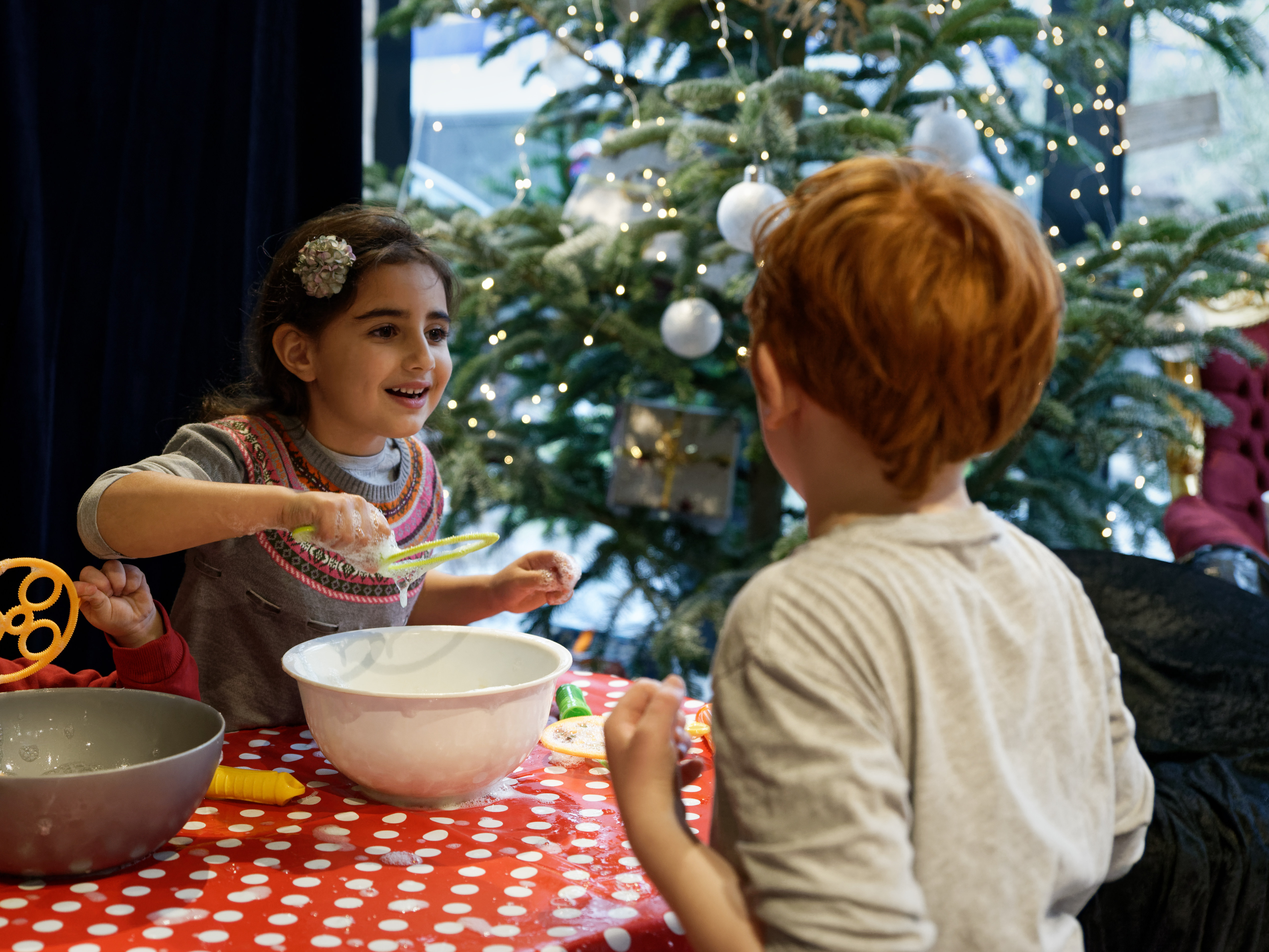
Supervised creative workshops (45–60 min blocks): badge-making with company values, mini “innovation lab” challenges, or recycled-material builds aligned with CSR. Works well in venues with limited ceiling height and when you need a quieter zone during speeches.
Mini team games with controlled capacity: timed relay challenges, puzzle quests, or “mission cards” around the venue. We control flow by releasing missions in waves, preventing 60 kids arriving at one stand at the same time.
Family-friendly photobooth with staff: not just a device in a corner—staff manage props, queue, and ensure that the output respects brand guidelines (no inappropriate props, controlled backdrop, optional logo placement).
Art animations in Liege
Close-up magic adapted for children: short rotations (10–15 minutes) reduce crowding. We schedule these during adult transition moments (after keynote, before dinner) to keep parents available.
Balloon sculpting with safety rules: we plan for latex sensitivity and define a distribution point to avoid balloons spreading into technical areas.
Mini stage show (20–30 minutes): only when venue acoustics allow it. We secure sound limits and positioning to avoid disrupting adult spaces—particularly relevant in central Liege venues with shared rooms.
Innovative animations in Liege
Supervised waffle or pancake station: a classic in the province of Liège, but executed with hygiene, queue control, and allergy labeling. We separate production from serving to keep children away from hot zones.
Mocktail lab for 8–12 years: measured ingredients, branded cups, and a “clean as you go” setup. Useful for older kids who want something more “grown up” during corporate family days.
Gourmand animations in Liege
VR discovery corner (10+ years) with strict throughput: one operator per headset, disinfecting protocol, and pre-selected content (no violent visuals). It works well for tech employers around Liege who want to mirror innovation messaging without taking over the whole event.
Digital graffiti wall: children create visuals that can be exported and used in internal recap communications. We set rules and templates so the output remains brand-safe.
“Build your city” collaborative model: a large-scale construction table where children build landmarks and neighbourhoods. It’s a strong fit when your company wants to anchor its story in Liege without turning the event into a tourism brochure.
Whatever the format, the key is alignment with your brand image and your internal message. We avoid activities that create uncontrolled queues, excessive noise during speeches, or reputational risks (unmanaged photo sharing, unclear supervision, or unsafe materials). That operational discipline is what makes Kids Entertainment credible in a corporate context.
How to choose a venue in Liege for kids’ entertainment
The venue determines what is feasible: noise spill, queue management, safety exits, and whether parents can “drop and return” comfortably. For Kids Entertainment in Liege, we evaluate access, zoning potential, power distribution, and proximity to adult areas to keep your programme coherent.
| Venue type | For which objective? | Main strengths | Possible constraints |
|---|---|---|---|
Conference venue / hotel meeting spaces in Liege | Combine corporate plenary + controlled kids’ zone nearby | Good acoustics, staffing infrastructure, clear safety standards, easy signage | Limited ceiling height for inflatables; strict rules on food/crafts; tight set-up windows |
Industrial site / company premises (Liège province) | Employer branding, family discovery, site pride | High authenticity, strong internal impact, easier to connect to business reality | Strict safety zoning, limited child access areas, higher security and insurance requirements |
Sports hall / community centre around Liege | Large family day with high child volume and active formats | Space for inflatables, easy flow separation, good capacity for peaks | Acoustics can be challenging; need strong visual zoning; heating/comfort varies |
We strongly recommend at least one site visit (or a detailed technical walkthrough) before confirming the kids’ programme. In Liege, small access constraints—stairs, narrow corridors, limited storage—can completely change the choice between a calm workshop format and an active play setup.
What budget to plan in Liege for corporate kids’ entertainment
Pricing for Kids Entertainment depends on operational reality: headcount by age, supervision ratios, venue constraints, and the level of production expected by your leadership team. We prefer transparent budget ranges tied to concrete deliverables, so HR and Procurement can validate quickly.
Attendance and age split: 25 kids aged 8–12 requires a different staffing plan than 60 kids mixed from 3 to 12. Age split drives ratios, risk level, and activity choice.
Duration and timing peaks: a 2-hour kids’ corner during an afterwork is not the same as a 6-hour family day with lunch and transitions. Longer events require breaks, rotation planning, and more materials.
Staffing and supervision level: professional facilitators, a zone manager, bilingual capability, and first-aid-ready staff where required. In corporate settings, under-staffing is the fastest way to create reputational risk.
Infrastructure: partitions, floor protection, power needs, sound management, handwashing points, and storage. Some venues in Liege require additional protection for floors/walls when crafts are used.
Complexity of activities: simple crafts vs. VR, digital walls, or cooking stations; each adds equipment, operating staff, and safety procedures.
Logistics: loading constraints, parking permits, city-centre access, and set-up windows. These elements can add real cost if not anticipated early.
From an ROI perspective, the right budget is the one that protects the adult event objectives: better participation, longer dwell time, and fewer disruptions for executives and speakers. In practice, organisations often find that a well-run kids’ zone reduces last-minute operational stress more than any other event line item.
Why work with an event agency in Liege for kids’ entertainment
For corporate events, local execution capacity is not a comfort—it is risk control. A team that knows the Liege territory can anticipate access limitations, supplier reliability, and venue-specific rules that are rarely visible in a generic proposal. If you are comparing providers, ask who is physically accountable on the day, and who has already operated similar formats in comparable local venues.
When your internal stakeholders are demanding (CEO presence, works council visibility, partner guests), local operational reflexes matter: knowing where queues form, how to manage sound bleed, and how to keep the kids’ area professional without turning it into a fairground.
When relevant, we mobilise our local network through our event agency in Liege ecosystem to secure dependable staffing and technical partners—especially during peak periods such as June family days and December Saint-Nicolas calendars.
- Faster technical decisions: quick site checks, local supplier availability, and realistic set-up timing.
- Better contingency planning: weather alternatives, last-minute attendance changes, and backup equipment sourcing within the province.
- Local compliance awareness: venue rules, city-centre access constraints, and practical safety expectations from local stakeholders.
From an ROI perspective, the right budget is the one that protects the adult event objectives: better participation, longer dwell time, and fewer disruptions for executives and speakers. In practice, organisations often find that a well-run kids’ zone reduces last-minute operational stress more than any other event line item.

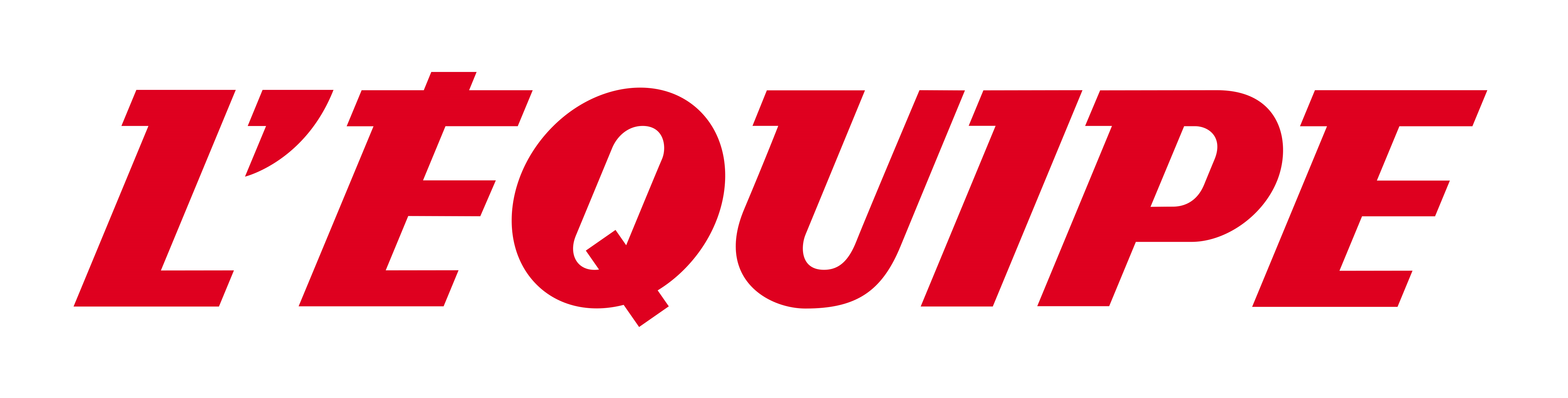





Examples of Kids Entertainment delivered around Liege
Our projects range from compact kids’ corners during corporate ceremonies to full family days with multiple activity zones. What changes is not the “idea” but the operating model: staffing, zoning, and timing discipline.
Example 1: Family day on a company site (Liège province). The client needed a controlled kids’ area that did not interfere with production boundaries. We designed a check-in point with wristband coding, created age-based zones (3–5 / 6–8 / 9–12), and scheduled rotations aligned with guided visits so parents could join tours without worrying about timing. Key lesson: the kids’ programme must be synchronised with the adult flow, not run in parallel as an afterthought.
Example 2: Year-end event in central Liege with speeches. The main risk was noise spill and crowding during plenary moments. We prioritised quiet workshop formats and short “micro-performances” instead of one large show, and we positioned the kids’ zone with visual separation and a staffed entrance. Result: executives kept the room’s attention while parents remained present.
Example 3: Saint-Nicolas corporate celebration. The expectation was emotional, but operations had to remain strict: controlled photo moments, a clear queue system, and a timeboxed meet-and-greet to prevent bottlenecks. We managed a schedule per family, with a calm waiting activity and a separate exit path. This kind of structure is what prevents 20-minute delays from becoming a leadership headache.
Mistakes to avoid when planning kids’ zones in Liege
Underestimating supervision needs: a single animator for a mixed-age group quickly becomes crowd control, not entertainment. The risk is stress for children, complaints from parents, and a safety exposure for HR.
No check-in/out discipline: in corporate venues, “open access” kids’ corners create confusion about who is responsible. We implement a clear process and communicate it in pre-event info.
Choosing activities that don’t match the space: inflatables in low ceilings, messy crafts without protection, or loud shows next to plenary rooms. The venue is not a detail; it is a constraint that must shape the programme.
Ignoring peak moments: arrivals, post-speech surges, snack time, and end-of-event pick-up. If you don’t staff and schedule for peaks, queues form and the adult event loses rhythm.
Brand-risk blind spots: unmanaged photos, unclear consent, inappropriate props, or external entertainers not briefed on corporate conduct. For executives, these details matter because they impact reputation.
Our role is to prevent these risks through concrete planning: staffing ratios, zoning, run of show integration, and on-the-day coordination. That is what makes Kids Entertainment in Liege predictable for leadership teams.
Why Liege clients renew their kids’ entertainment programmes
Most renewals are not about novelty; they are about reliability. HR and Communications teams come back when the event day runs smoothly, when parents feel safe, and when leadership sees that the family format supports—not disrupts—the corporate agenda.
70–80% of our family-day style projects include a renewal discussion for the following year within 30 days of the event, because planning calendars in Belgium fill up quickly.
Average lead time we recommend in the Liege area: 6–10 weeks for standard kids’ zones, 10–14 weeks for multi-zone family days with catering and staged moments.
Most common KPI requested by HR: parent satisfaction and perceived safety, followed by adult participation in internal stands or talks.

Loyalty is a consequence of controlled delivery: clear responsibilities, predictable timing, and a kids’ programme that respects your brand and your venue. That is what we aim for on every project in Liege.
Our delivery process for Liege corporate kids’ entertainment
👉 Brief and constraints mapping in Liege
We start with your non-negotiables: audience profile (employees, partners, families), venue shortlist, key timings (speeches, tours, dinner), and brand constraints. We also identify operational red lines: restricted areas, security requirements, photo consent rules, and internal stakeholders (works council, HSE, facility).
Deliverable: a written scope with headcount assumptions, age split hypotheses, and a first risk map.
👉 Programme design and staffing plan (Liège province)
We build an activity plan by age group and by time block (arrival buffer, core activities, snack, transitions, closing). Staffing is defined with explicit roles: zone lead, facilitators, floaters, and optional bilingual staff. We align the kids’ schedule with your run of show so your plenary moments are protected.
Deliverable: programme grid + staffing matrix (ratios, roles, hours).
👉 Venue layout and technical coordination in Liege
We translate the programme into a practical layout: boundaries, entrance/exit, queue lines, storage, power needs, floor protection, and safety signage. When needed, we perform a site visit or technical call with the venue to confirm access, loading, and noise constraints.
Deliverable: simplified floor plan + technical checklist for venue approval.
👉 Pre-event communication for parents and internal teams
We provide clear instructions to include in your internal comms: ages accepted, check-in/out rules, what children should bring, allergy notes, and timing. This reduces desk questions on the day and protects your front-of-house team.
Deliverable: parent info text + on-site signage wording (FR/EN if needed).
👉 Event-day operations and incident readiness in Liege
On the day, a production lead coordinates set-up, supplier arrivals, and the children’s zone briefing. We run the check-in/out process, manage capacities per station, and keep the programme on time—especially during peaks. If an incident happens, we follow a simple escalation path agreed in advance with your HR/Comms lead.
Deliverable: smooth operations, documented handover at closing, and a short post-event debrief if requested.
FAQ sur l'organisation Kids Entertainment à Liege
How many animators do we need in Liege for 40 kids?
Plan on 4 to 7 facilitators depending on ages and activity risk. As a baseline in Liege: 1:6 for ages 3–5, 1:8 for 6–8, 1:10 for 9–12. Add 1 zone coordinator when you run multiple stations or a long programme.
What is a realistic budget for Kids Entertainment in Liege?
For corporate formats in Liege, a supervised kids’ corner typically starts around €900–€1,800 (2–3 hours, 1–3 facilitators, basic setup). A multi-zone family day generally ranges from €2,500–€8,000+ depending on headcount, duration, equipment (VR, inflatables, cooking), and staffing ratios.
Can you run Kids Entertainment in Liege during a keynote?
Yes—if the zoning and noise plan are designed for it. We prioritise quiet rotations (workshops, calm games, storytelling) during the keynote and schedule higher-energy moments before/after. We also position the kids’ area to avoid acoustic spill and manage entry with a staffed checkpoint.
How do you manage child pick-up and security in Liege venues?
We implement a clear check-in/out process agreed with your HR team: a single entry point, identification of the responsible adult, and a controlled pick-up procedure (wristband/stamp or registration list depending on your policy). In Liege venues with shared corridors, a staffed entrance is essential to prevent “free circulation” into technical or catering areas.
How early should we book kids’ entertainment in Liege?
Book 6–10 weeks in advance for a standard setup, and 10–14 weeks for a larger family day (multiple zones, catering coordination, staged moments like Saint-Nicolas). In Liege, June weekends and December dates fill fast, especially for qualified facilitators.
Request a Liege quote with a clear staffing and safety plan
If you are planning a family day, Saint-Nicolas event, or a corporate celebration with children in Liege, we can structure the entertainment so it supports your agenda rather than competing with it.
Send us your date, venue (or shortlist), estimated number of children by age group, and your key timing constraints (speech, dinner, tours). We will return a proposal with a concrete programme grid, staffing ratios, and the operational requirements (space, power, set-up time) so your internal validation is straightforward.
For high-attendance dates in the Liège province, we recommend reserving facilitators early—this is typically the resource that becomes scarce first.
INNOV'events Liege Agency
Justin JACOB is the manager of the INNOV'events Liege office. Reach out directly by email at belgique@innov-events.be or via the contact form.
Contact the Liege agencyToutes nos prestations & animations Liege, Belgique
Découvrez nos prestations événementielles
Découvrez nos animations événementielles disponibles au Belgique
- Event Hostess in Liege
- Escape Game in Liege
- MasterChef Cooking Workshop in Liege
- Magician in Liege
- Marquee Rental in Liege
- Color Analysis Workshop in Liege
- Inflatable Games in Liege
- Valet Parking Service in Liege
- Football Simulator in Liege
- LED Furniture Rental in Liege
- Light Branding in Liege
- Unique Dining Experience in Liege
- Light Painting in Liege
- Murder Mystery Party in Liege
- Prize Contest in Liege
- Promotional Displays (POS) in Liege
- Virtual Reality in Liege
- Molecular Gastronomy Workshop in Liege
- Halloween Entertainment in Liege
- Fireworks Show in Liege
- Giant Games Challenge in Liege
- Event Host / MC in Liege
- Photo Booth Animation in Liege
- Santa Claus Entertainment in Liege
- Kids Entertainment in Liege
- Guided Tour in Liege
- Urban Rally in Liege
- Ball Pit in Liege
- Flight Simulator in Liege
- Food Truck Rental in Liege
- World Record Challenge in Liege
- Surf Simulator in Liege
- Wine Casino in Liege
- Makeover Workshop in Liege
- Perfume Creation Workshop in Liege
- Acting Workshop in Liege
- CSR Activities in Liege
- Archery in Liege
- Security Staff in Liege
- Wine Tasting in Liege
- Mime Performer in Liege
- TV Game Show in Liege
- Funfair in Liege
- Crisis Management Workshop in Liege
- Crisis Negotiation Workshop in Liege
- Arcade Games in Liege
- Indoor Skydiving Simulator in Liege
- Ski Simulator in Liege
- Racing Circuit Experience in Liege
- Introductory Flight Experience in Liege
- Tasting Experience in Liege
- Build Your Own Foosball Workshop in Liege
- 2CV Rally in Liege
- LEGO Challenge in Liege
- Casino Night in Liege
- Interpreter / Translator in Liege
- Promotional Giveaways in Liege
- Shuttle Transport in Liege