
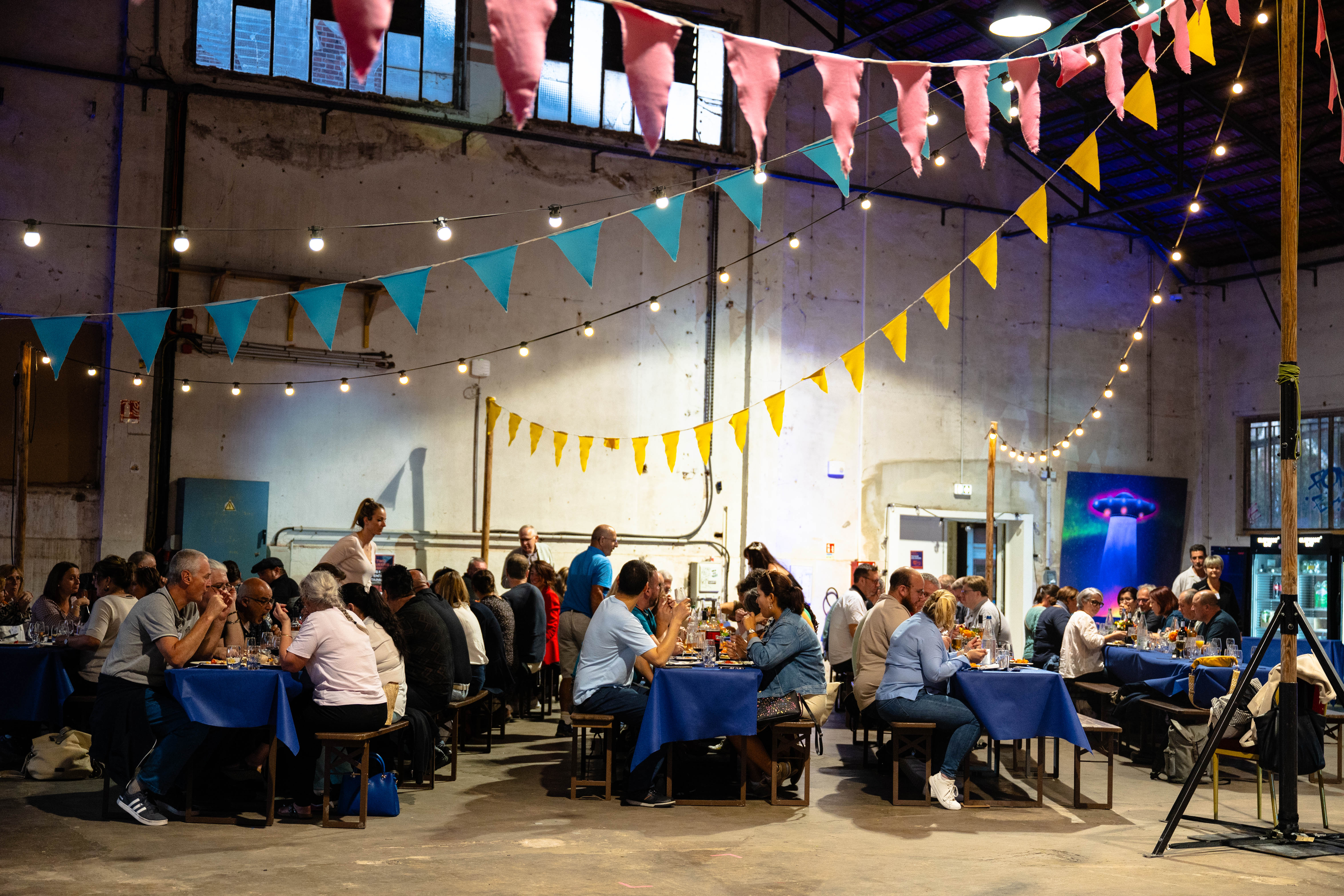
Team Dinner in Liege that aligns teams and protects your brand
INNOV'events is a Brussels-based corporate event agency supporting executive teams, HR and communications to deliver a structured Team Dinner in Liege, typically for 20 to 300 attendees. We manage venue shortlists, catering coordination, run-of-show, supplier briefing, and on-site production so your leaders can host—not troubleshoot. Expect clear options, controlled budgets, and a service level that holds up under real event-day pressure.
Table of contents
Entertainment is not a “nice-to-have” at a corporate dinner: it is a lever to steer energy, reduce silos, and keep the evening’s rhythm on track. When it is designed properly, it supports the leadership message, prevents dead air between courses, and avoids the typical end-of-night drop-off that weakens networking.
Organizations in Liege expect operational precision: parking and access for late arrivals, bilingual hosting when needed, and a dinner pace that respects shift constraints and early trains. They also want discretion—especially when executives, clients, or social partners share the room.
We work with an established supplier network across the province of Liège and coordinate the details that usually cause friction: sound levels in dining rooms, timing with the kitchen, stage placement without blocking service, and clean technical set-up. Our approach is pragmatic: fewer “concepts,” more decisions that reduce risk.
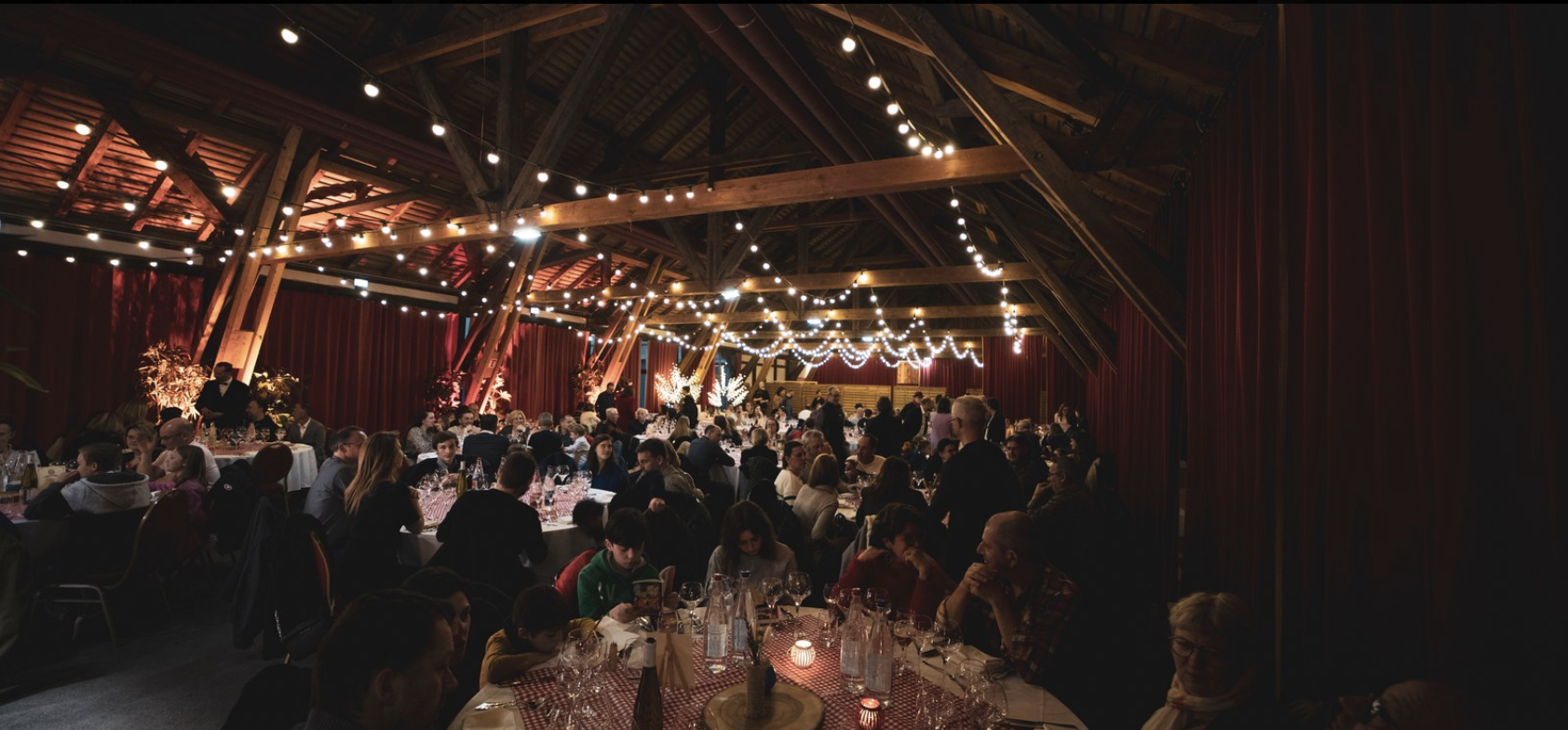
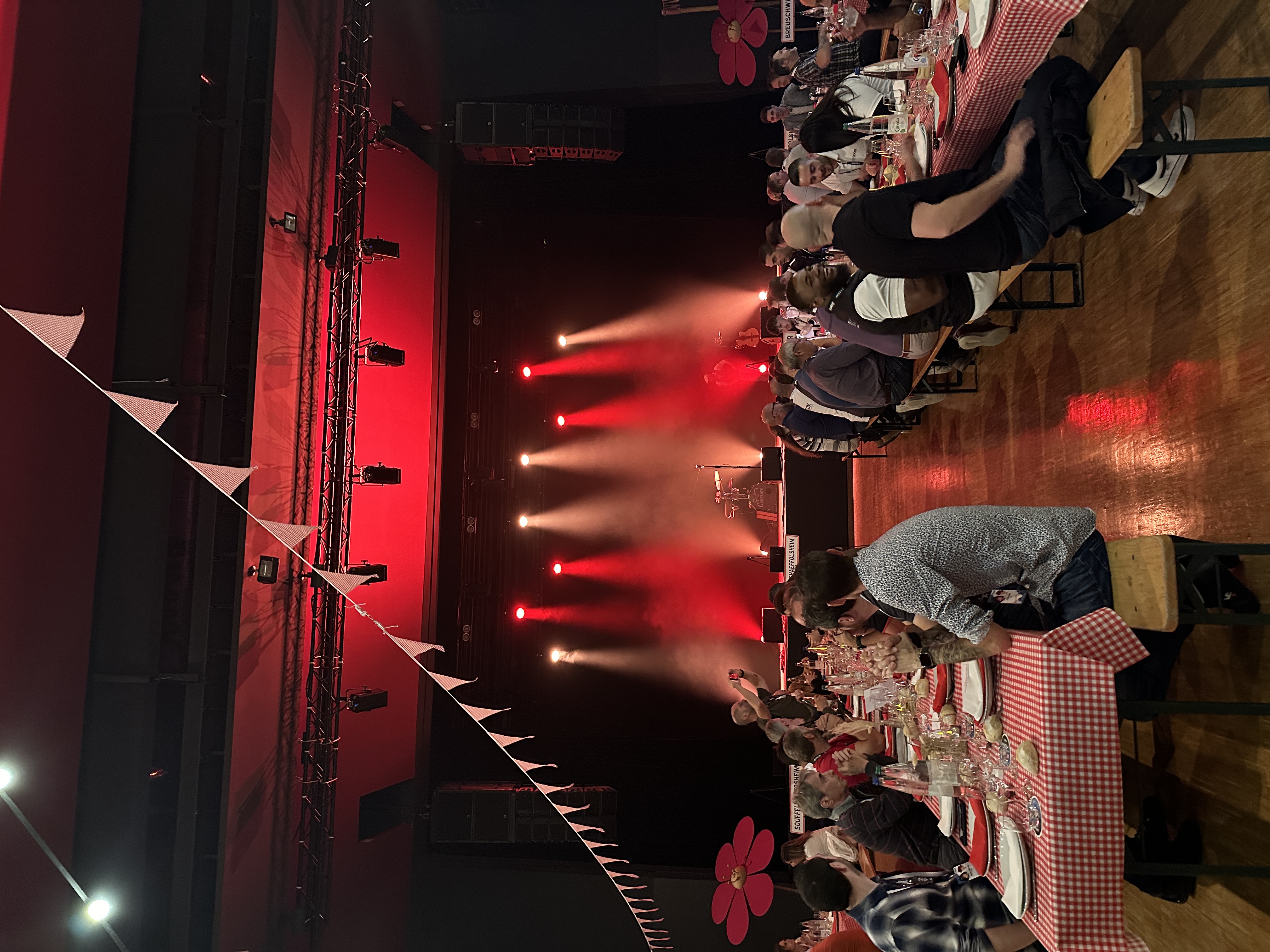
INNOV'events in numbers for Liege decision-makers
10+ years delivering corporate events in Belgium with repeat accounts across multiple regions.
Operational formats from 20 to 1,000+ attendees, with dedicated production staffing scaled to your headcount and venue constraints.
48–72 hours to deliver a first workable shortlist (venues + outline budget) once your brief is validated.
1 single point of contact for HR/Comms plus a production lead on-site to manage suppliers and timing.
How to organize a professional event in Liege?
- Define the objective (cohesion, announcement, fidelity, performance).
- Set date, format and size (20–1 000 people).
- Secure the venue and accommodation according to seasonality.
- Lock down technical, suppliers and logistics.
- Drive the day J (timing, scene, entrance, flow).
Companies we support around Liege year after year
We regularly support organizations active in and around Liege—from industrial sites to service headquarters—where dinner events are used to mark milestones without disrupting operations. Many clients rebook because the format is repeatable: we document what worked (room layout, kitchen timing, sound limits, access routes) and improve it for the next edition instead of starting from scratch.
To keep this page accurate and compliant, we only publish client names when we have explicit approval. If you share your sector (life sciences, logistics, public sector, manufacturing, fintech), we can provide relevant, permissioned references and the type of dinner formats that have performed well in comparable environments in the Liège area.
We send you a first proposal within 24h.
Why schedule a Team Dinner in Liege now
A Team Dinner in Liege becomes strategic when it is tied to a business reality: integration after acquisitions, reorganization fatigue, retention pressure, safety culture reinforcement, or a leadership transition. A well-run dinner gives executives a controlled environment to reconnect with teams, create visibility, and reset the tone—without the stiffness of a town hall.
Reinforce leadership credibility: a structured run-of-show (welcome, short speech, moments of recognition) prevents the classic “CEO speech lost in noise” scenario and ensures the message lands.
Reduce friction between sites or departments: seating strategy and facilitated interactions can connect people who only exchange emails—especially common when teams are split between Liège, Herstal, Seraing, and remote workers.
Support retention and engagement: recognition moments and peer visibility matter most when they are specific (project milestones, safety records, customer outcomes) rather than generic applause.
Create a safe space for networking: the right entertainment is measured and compatible with conversation; it avoids overpowering sound or “forced fun” that executives often push back on.
Protect brand and employer image: consistent tone, respectful timing, and vendor discipline reduce reputational risk—particularly when photos circulate internally the next day.
Operational continuity: when you have shift work or production constraints, a dinner can be planned with staggered arrivals, tighter timelines, and transport solutions without compromising quality.
Liege has a strong culture of straightforward relationships and results-driven management. A corporate dinner works best here when it is well hosted, well timed, and built around real achievements—not spectacle.
What Liege-based teams actually expect from a corporate dinner
In Liege, many companies operate with a mix of head office functions and operational teams. That creates two practical constraints that shape a dinner event: first, timing has to respect shift patterns and commuting realities; second, the format must feel equitable—nobody should feel the “important people” got the premium experience while others were an afterthought.
We plan around local mobility and access. Some venues are excellent on atmosphere but challenging for parking, coach drop-off, or late taxi availability. For dinners with out-of-town colleagues, we check proximity to Liège-Guillemins, clear signposting, and a realistic end time that allows safe returns. If alcohol is part of the evening, we propose transport measures and a service policy that protects your duty of care.
There is also a clear preference for authenticity: food quality and service flow matter more than gimmicks. When entertainment is used, it must be compatible with conversation and with the venue’s acoustic reality (high ceilings, reflective walls, shared spaces). We consider these factors upfront because they are the difference between “pleasant dinner” and “we couldn’t hear anything and the service was late.”
Which dinner entertainment works best in Liege
Entertainment during a Team Dinner is effective when it supports interaction and keeps energy stable across the evening. In practice, that means short sequences, controlled sound, and formats that respect conversation. The best option depends on your leadership goals: recognition, cross-team connection, celebrating a milestone, or simply giving the evening a professional structure.
Interactive animations in Liege
Table-based facilitation (light, optional): a host introduces short prompts between courses (2–3 minutes), designed to connect colleagues without forcing public participation. Effective for mixed seniority groups where not everyone enjoys being on stage.
Team quiz with business-relevant content: not “random trivia,” but questions linked to your year’s priorities—customer wins, safety, innovation, values. We keep it paced (20–25 minutes) and compatible with service.
Recognition moments with structure: awards can be meaningful if criteria are clear and time-boxed. We provide scripts, transitions, and a staging plan so it doesn’t become a long internal meeting.
Art animations in Liege
Acoustic sets or jazz trio (volume-controlled): ideal during aperitif and the first course, where the goal is atmosphere without blocking conversation. We check the room’s acoustic profile in advance to prevent “too loud” complaints.
Close-up magic between tables: works well in restaurants or venues with limited stage options. We schedule it around service so performers don’t block staff circulation.
Short spoken-word or storytelling segment: when aligned with your culture (craft, industry heritage, innovation), it can give the evening a strong identity without feeling like a show.
Innovative animations in Liege
Chef’s tasting with guided pairing: a sommelier or chef introduces key dishes in 3–4 short interventions. This keeps pace and adds perceived value without adding heavy technical needs.
Interactive dessert or coffee station: reduces congestion at the end of the meal and creates a natural networking moment. Particularly useful if you want to avoid a late-night party format.
Local product focus: when appropriate, we integrate regional products in a refined way (not folklore), which resonates well with visiting teams and international stakeholders.
Gourmand animations in Liege
Audio-guided moments (silent format): for venues with strict sound limits, a short silent segment via headsets can deliver a “wow” factor while keeping the room calm for neighbours and restaurant operations.
Data-backed engagement: simple live polling (2–3 questions) tied to your themes can create participation without putting people on the spot. We keep it compliant with your internal comms policies.
Micro-content video recap: a small crew captures short interviews and atmosphere, edited into a 60–90 second internal recap by the next working day—useful for leadership communication without overexposing individuals.
Whatever the format, we align entertainment with your brand image and internal culture: a listed company’s compliance expectations are not the same as a fast-growing scale-up, and a production site has different sensitivities than a head office. In Liege, the winning formula is usually clean execution, respectful tone, and experiences that help people connect without feeling managed.
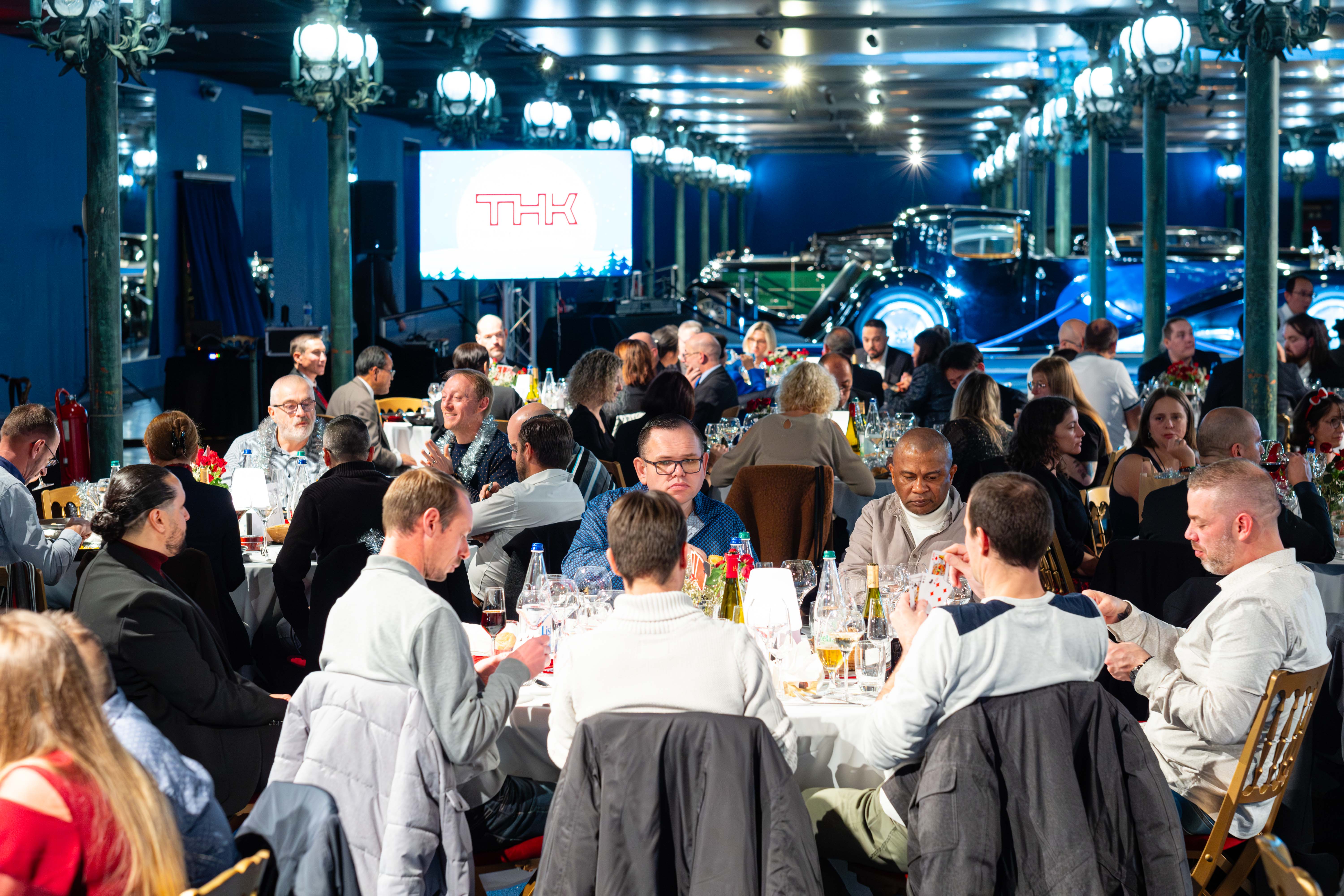
How to choose a venue in Liege for a Team Dinner
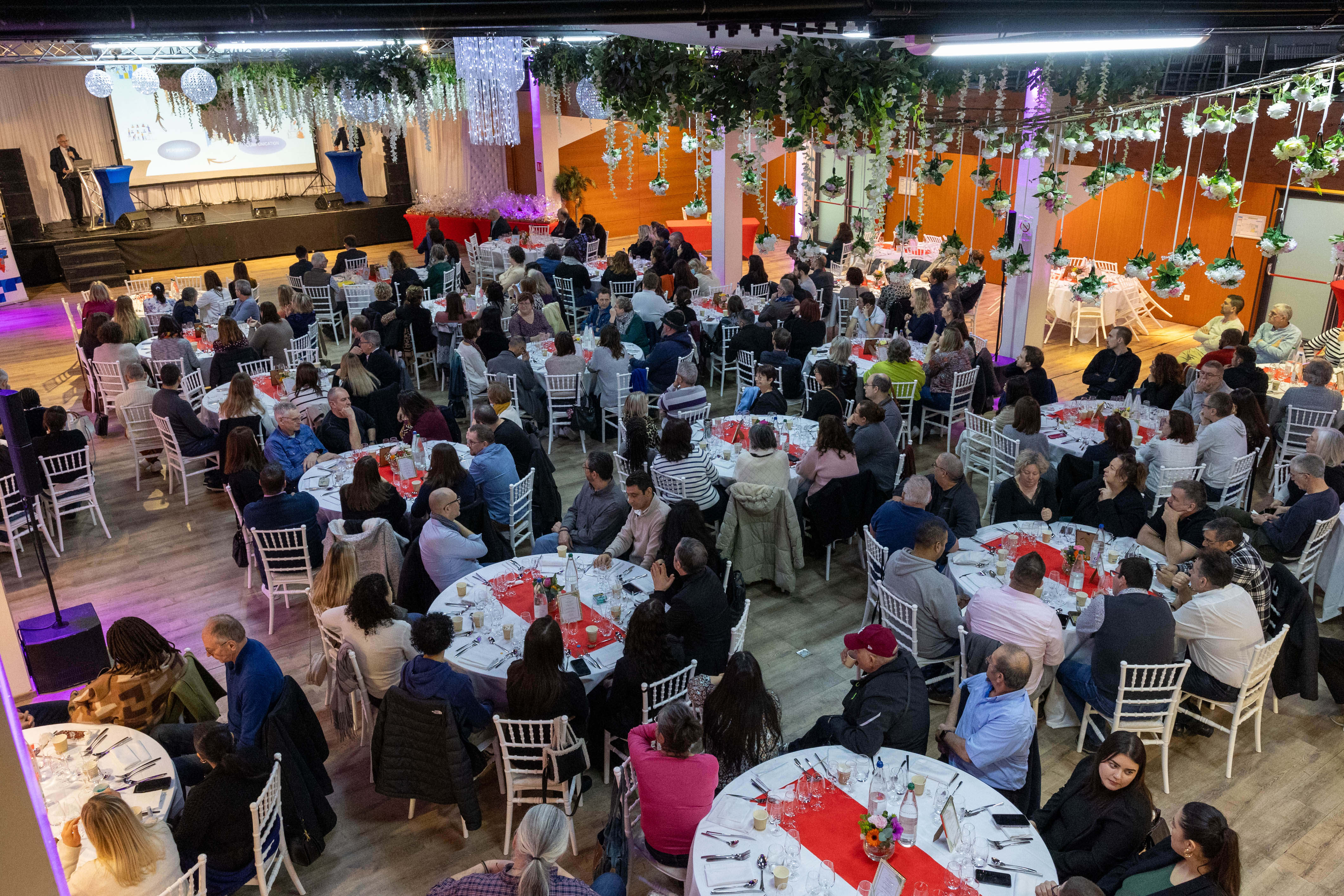
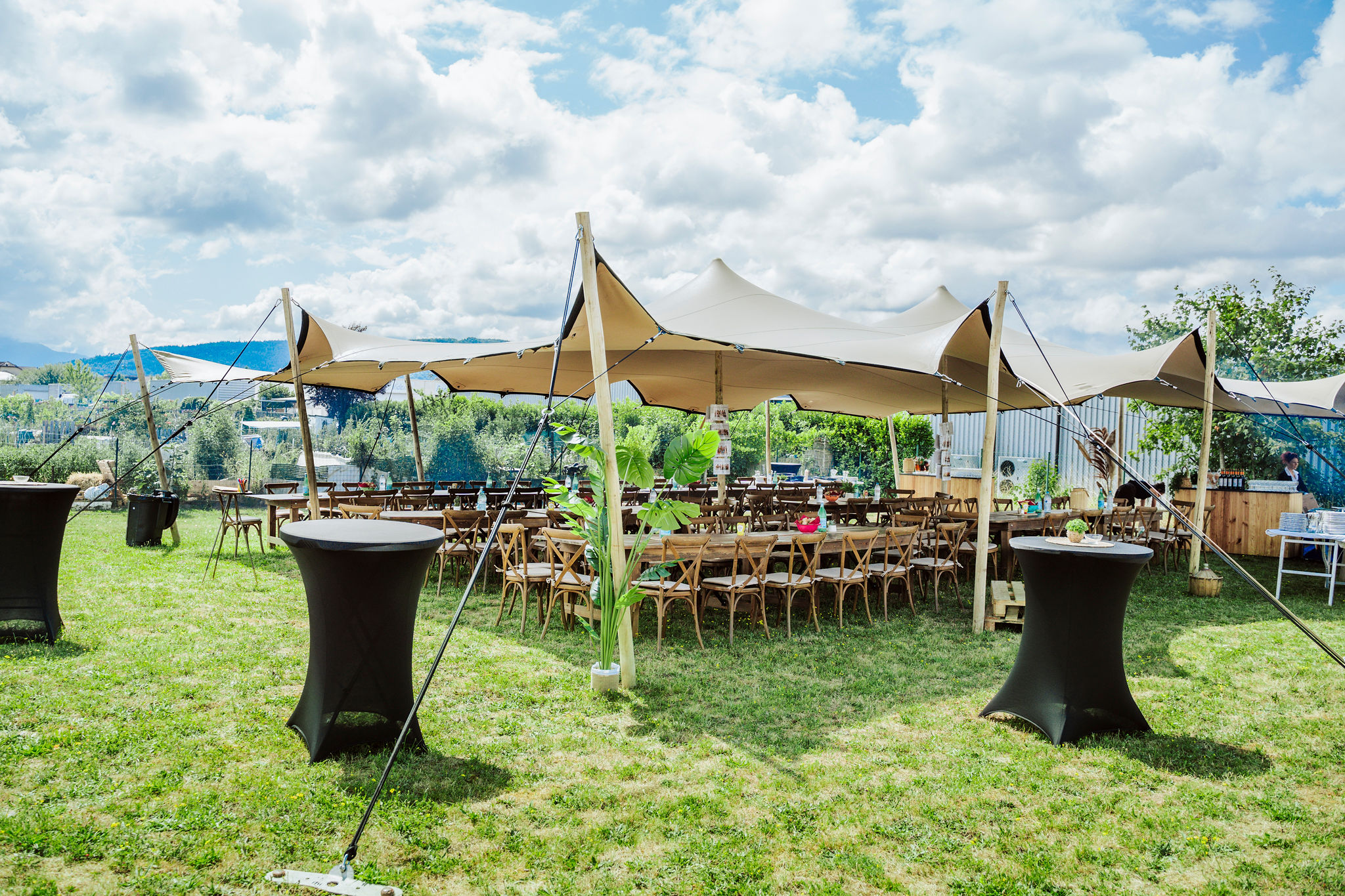
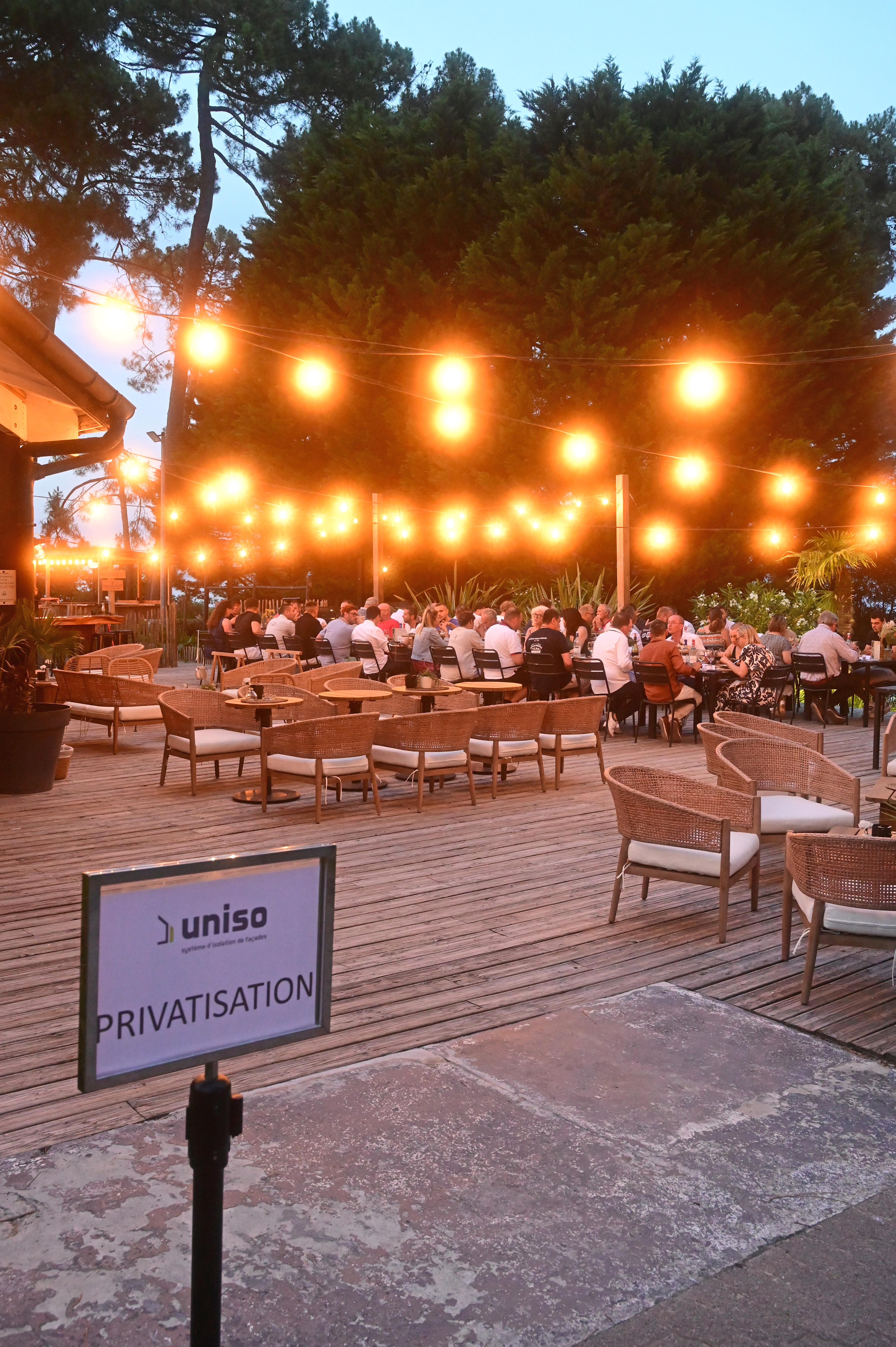
The venue sets the tone before anyone speaks. In Liege, the right choice depends less on prestige and more on logistics: accessibility, room shape, acoustic comfort, and the kitchen’s ability to serve your group within a controlled timeline. We pre-check the service model (plated vs. shared vs. buffet), staffing ratios, and whether the venue can protect privacy if you have sensitive conversations.
| Venue type | For which objective? | Main strengths | Possible constraints |
|---|---|---|---|
Private dining room in a high-end restaurant | Executive hosting, client-facing dinners, leadership visibility with controlled tone | Strong food quality, professional service, minimal production needed, easy to keep the evening concise | Limited capacity, stricter timing, acoustic issues in some rooms, less flexibility for speeches |
Converted industrial or heritage venue (with catering) | Company milestone, cross-department gathering, stronger brand staging | Space for staging, branding, and structured moments; easier flow for aperitif + seated dinner | Higher technical needs, load-in constraints, permits/sound limits, need for tight supplier coordination |
Hotel event space near mobility hubs | Mixed local + visiting teams, late arrivals, overnight stays | Reliable infrastructure, built-in AV, accommodation, predictable service operations | Can feel corporate; menus may be less distinctive unless upgraded; concurrent events may affect exclusivity |
We strongly recommend site visits before confirming. A room can look perfect on photos yet fail on circulation, sound, or kitchen pass timing. A Team Dinner in Liege succeeds when the venue can deliver your plan—not when your plan fights the venue.
What a Team Dinner budget looks like in Liege
Pricing for a Team Dinner in Liege depends on headcount, venue type, menu level, service duration, and the amount of production you need (sound, lighting, staging, host). The most common budget mistakes we see are underestimating technical needs for speeches, and overpaying for entertainment that doesn’t match the room or audience.
Venue and catering model: restaurant buy-outs vs. external catering in a venue; plated service is usually more controlled for timing, while food stations require more staff and space.
Food & beverage level: aperitif format, number of courses, wine pairing, open bar policy, and non-alcoholic options. Clear policies avoid “surprise” bills.
Technical essentials: at minimum, a clean PA for speeches and background music; in large rooms, you may need additional speakers to keep volume low while staying intelligible.
Entertainment: close-up performance vs. stage act vs. facilitated interactive segment; costs vary based on duration, number of performers, rights, and rehearsal needs.
Branding and content: screen content, slides, video, awards assets, and on-site signage. These items add professionalism but must be planned early.
Staffing and coordination: host/MC, event manager, production lead, and on-site assistants for guest flow. For senior audiences, this is often the most valuable spend because it prevents issues from reaching leadership.
Transport and duty of care: shuttle, taxi vouchers, parking arrangements, and accessibility measures when needed.
We frame budget as risk control and outcomes: better pacing, fewer no-shows, smoother leadership visibility, and fewer post-event complaints. If you share your headcount and preferred format, we’ll propose 2–3 budget scenarios with clear inclusions so you can choose based on impact, not guesswork.
When a Liege event agency is the safer choice
For dinners, local execution matters because small issues escalate fast: a delayed load-in, a venue neighbour complaint, missing power access, or a kitchen that is not aligned with your run-of-show. Working with a local network reduces friction and improves response time. If you need a partner embedded in the territory, our team can coordinate seamlessly with an event agency in Liege approach while maintaining INNOV'events production standards and governance.
We know which questions to ask venues early (service cut-off times, sound restrictions, exclusivity, staffing ratios, parking realities) and we speak the same operational language as local caterers and technicians. That translates into fewer last-minute compromises and fewer “surprises” that end up on an executive’s plate during the evening.
- Faster sourcing because we know which venues truly fit corporate groups and which ones struggle with timing or acoustics.
- More reliable supplier coordination through existing working habits, clear briefs, and realistic load-in plans.
- Better risk management (access, neighbours, permits, security) because constraints are identified before signing.
- On-site reactivity when something shifts: late arrivals, speech changes, dietary last-minute updates, or weather issues affecting arrivals.
We frame budget as risk control and outcomes: better pacing, fewer no-shows, smoother leadership visibility, and fewer post-event complaints. If you share your headcount and preferred format, we’ll propose 2–3 budget scenarios with clear inclusions so you can choose based on impact, not guesswork.







Examples of corporate dinners delivered around Liege
Our dinner projects cover a wide range of realities: post-merger integration dinners where seating strategy matters, end-of-year dinners with recognition segments that must stay under 12 minutes total speaking time, and leadership dinners where confidentiality and discretion are critical. We also support operational environments where a dinner must be repeated across multiple dates to accommodate shifts—requiring consistent quality and tight documentation.
In practical terms, that means we plan for the details executives notice immediately: clean arrival experience, a room that allows conversation, speeches that are audible without being loud, and an entertainment format that never competes with the meal. When a client asks for “something modern,” we translate it into decisions: shorter sequences, better lighting for atmosphere, and interaction that respects different comfort levels.
We adapt to governance constraints as well. Some companies require supplier onboarding, PO processes, insurance certificates, or specific clauses for image rights. We integrate these into the planning calendar so approvals don’t become a last-minute blocker.
Common pitfalls with a Team Dinner in Liege—and how we prevent them
Underestimating acoustics: a beautiful room can be a sound trap. We plan sound reinforcement and speaker placement so speeches are intelligible at a low volume.
Entertainment that blocks service: performers in aisles, wrong timing, or overlong acts. We schedule sequences around kitchen operations and brief artists on boundaries.
Speeches with no staging plan: no microphone handover, no lighting cue, no visual focus. We provide a clear staging map and rehearsal window.
Unclear alcohol policy: open bar with no limits can create duty-of-care issues. We define service rules and transport measures aligned with HR policy.
Ignoring arrival realities: late trains, traffic, parking bottlenecks. We design an arrival window and aperitif flow that absorbs delays without punishing punctual guests.
Budget drift through “small adds”: extra hours, extra tech, last-minute changes. We lock a scope and track options with transparent deltas.
Our role is to keep these risks away from your leadership team. A dinner should feel effortless to guests—even though it is tightly managed behind the scenes.
Why teams in Liege renew with the same event partner
Repeat clients rarely come back because of a theme. They come back because the agency reduces load on internal teams and avoids reputational mistakes. For HR and communications, reliability means fewer stakeholder escalations and fewer “we’ll never do this again” comments after the event.
1 documented playbook per client (timing, supplier list, venue notes, brand do’s/don’ts) to make the next edition faster and safer.
0-surprise governance: clear approval checkpoints (quote, run-of-show, menu validation, tech plan) to match corporate procurement and comms workflows.
Post-event debrief within 5 working days including what to improve, not just what went well.

Loyalty is the most measurable proof in our industry: it means the event delivered results, caused no internal headaches, and reinforced the organisation’s image in a way leadership is comfortable repeating.
Our planning process for a Team Dinner in Liege
👉 Brief and constraints mapping in Liege
We start with a working session with HR/Comms and the event owner: objectives, audience profile, sensitivities, and non-negotiables (timing, speeches, confidentiality, alcohol policy, accessibility). We confirm the decision path and procurement requirements so timelines are realistic.
👉 Venue and supplier shortlisting for Liege
We present a shortlist with practical notes: capacity by room layout, acoustic comfort, parking/transport, exclusivity conditions, and realistic service timelines. At this stage we also flag any technical minimum needed for speeches and background music.
👉 Run-of-show and dinner flow lock-in in Liege
We build a detailed schedule with the venue/caterer: aperitif pacing, seating call, course timing, speech windows, and entertainment slots. We validate staffing ratios and define who cues what (kitchen, host, AV, photographer).
👉 Content, staging, and production planning in Liege
We finalize scripts, slide requirements, branding elements, and a staging plan that fits the room. If you need awards, we define criteria, handover flow, and time limits. We also ensure technical plans respect venue restrictions.
👉 Event-day delivery and executive comfort in Liege
Our on-site lead manages load-in, sound checks, and supplier briefing before guest arrival. During the dinner, we run cues, protect the schedule, and handle changes discreetly (late VIP arrival, speech edits, dietary updates) so leadership can focus on people.
👉 Debrief and next-step recommendations for Liege
We close with a structured debrief: what delivered the objective, where timing slipped, and what to adjust next time (venue layout, entertainment pacing, transport). If desired, we provide an internal recap asset list and governance-ready reporting.
FAQ sur l'organisation Team Dinner à Liege
What is a realistic lead time for a Liege team dinner?
Plan for 4 to 8 weeks for the best venue and supplier availability. For peak periods (mid-November to mid-December), 10 to 12 weeks is safer, especially for groups above 120 guests or for venue buy-outs.
How much does a Team Dinner in Liege cost per person?
For a corporate standard with aperitif + 3-course seated dinner, expect roughly $110 to $220 CAD per person equivalent (converted from local pricing), depending on venue level, beverage policy, and service duration. Add production (sound/host/entertainment) on top if you need speeches and structured moments.
Which Liege venues work best for 150 dinner guests?
For 150 seated guests, the safest options are hotel event spaces or large heritage/industrial venues with external catering, because they offer predictable staffing and the space needed for circulation. We validate room width, ceiling height (sound), and kitchen logistics before you commit.
Can we run speeches without turning dinner into a meeting in Liege?
Yes—by limiting speeches to 8–12 minutes total, placing them between courses when plates are cleared, and ensuring clean sound and lighting cues. We also recommend one strong MC transition so it feels hosted rather than “interrupted.”
What entertainment fits a corporate dinner audience in Liege?
The most reliable formats are close-up magic, acoustic music, or a short facilitated quiz segment—each designed in 10–25 minute blocks. They keep energy up while protecting conversation and respecting the dining room’s sound limits.
Request a Liege quote and a workable dinner plan
If you’re comparing agencies, we can help you make a decision quickly: share your target date, headcount, and the tone you want (formal, relaxed, client-facing, internal). We will come back with a practical shortlist for Liege, a draft run-of-show, and 2–3 budget scenarios that make trade-offs visible.
The earlier you engage us, the more leverage we have on venue availability and menu/service quality—especially during end-of-year periods. Contact INNOV'events to lock the fundamentals and avoid last-minute compromises that executives and teams notice immediately.
INNOV'events Liege Agency
Justin JACOB is the manager of the INNOV'events Liege office. Reach out directly by email at belgique@innov-events.be or via the contact form.
Contact the Liege agencyAll our services & entertainment Liege, Belgique
Discover our event services
Discover our event entertainment available in the Belgique
- Event Hostess in Liege
- Escape Game in Liege
- MasterChef Cooking Workshop in Liege
- Magician in Liege
- Marquee Rental in Liege
- Color Analysis Workshop in Liege
- Inflatable Games in Liege
- Valet Parking Service in Liege
- Football Simulator in Liege
- LED Furniture Rental in Liege
- Light Branding in Liege
- Unique Dining Experience in Liege
- Light Painting in Liege
- Murder Mystery Party in Liege
- Prize Contest in Liege
- Promotional Displays (POS) in Liege
- Virtual Reality in Liege
- Molecular Gastronomy Workshop in Liege
- Halloween Entertainment in Liege
- Fireworks Show in Liege
- Giant Games Challenge in Liege
- Event Host / MC in Liege
- Photo Booth Animation in Liege
- Santa Claus Entertainment in Liege
- Kids Entertainment in Liege
- Guided Tour in Liege
- Urban Rally in Liege
- Ball Pit in Liege
- Flight Simulator in Liege
- Food Truck Rental in Liege
- World Record Challenge in Liege
- Surf Simulator in Liege
- Wine Casino in Liege
- Makeover Workshop in Liege
- Perfume Creation Workshop in Liege
- Acting Workshop in Liege
- CSR Activities in Liege
- Archery in Liege
- Security Staff in Liege
- Wine Tasting in Liege
- Mime Performer in Liege
- TV Game Show in Liege
- Funfair in Liege
- Crisis Management Workshop in Liege
- Crisis Negotiation Workshop in Liege
- Arcade Games in Liege
- Indoor Skydiving Simulator in Liege
- Ski Simulator in Liege
- Racing Circuit Experience in Liege
- Introductory Flight Experience in Liege
- Tasting Experience in Liege
- Build Your Own Foosball Workshop in Liege
- 2CV Rally in Liege
- LEGO Challenge in Liege
- Casino Night in Liege
- Interpreter / Translator in Liege
- Promotional Giveaways in Liege
- Shuttle Transport in Liege