Event Communication in Liege that keeps leadership messages clear
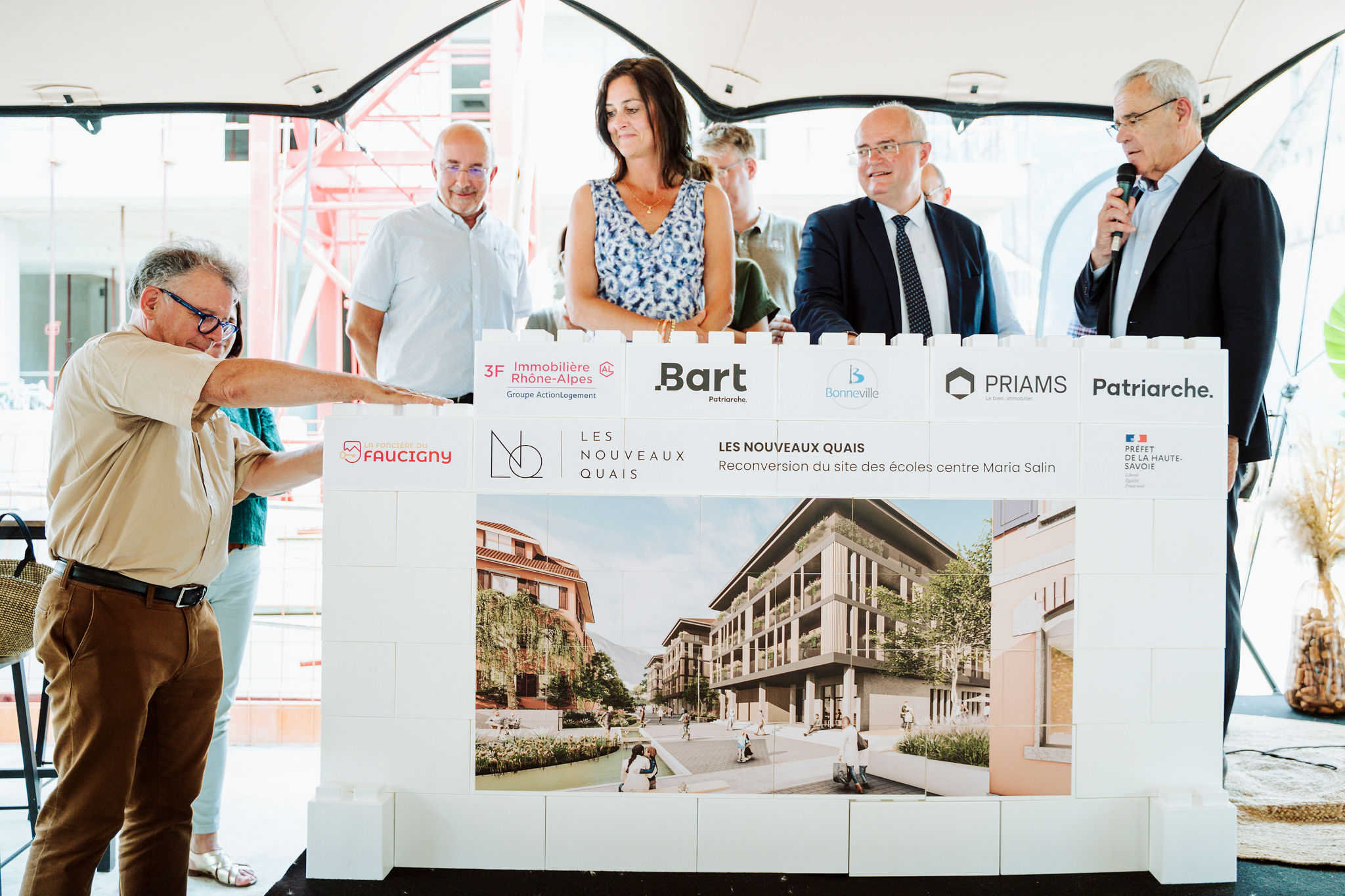
INNOV'events (Brussels) supports Event Communication programmes in Liege for executive teams, HR and corporate communications—typically 50 to 2,000 attendees. We handle the communication plan, speaker support, content sequencing, technical coordination and on-site production so your message lands, on time and without last-minute surprises.
Whether it’s a strategy kick-off, a change programme, a town hall or a partner event, we focus on one outcome: employees and stakeholders leaving the room with the same understanding of priorities, decisions and next steps.
Table of contents
In a corporate event, “entertainment” only matters if it serves the message. In Event Communication, the real risk is not a dull moment—it’s a misunderstood decision, a poorly framed change, or a leadership message that gets diluted in the room.
Organisations in Liege expect substance: structured content, realistic timing, speakers who are well prepared, and a production level that protects the brand. They also expect practicality—easy access, smooth registration, and a programme that respects shift patterns and operational constraints.
From Brussels, our teams work regularly in Liege and across the province. We come with field-ready methods: run-of-show discipline, AV checklists, speaker coaching, and contingency planning—so your communication holds under real event-day pressure.
INNOV'events credibility for Liege programmes
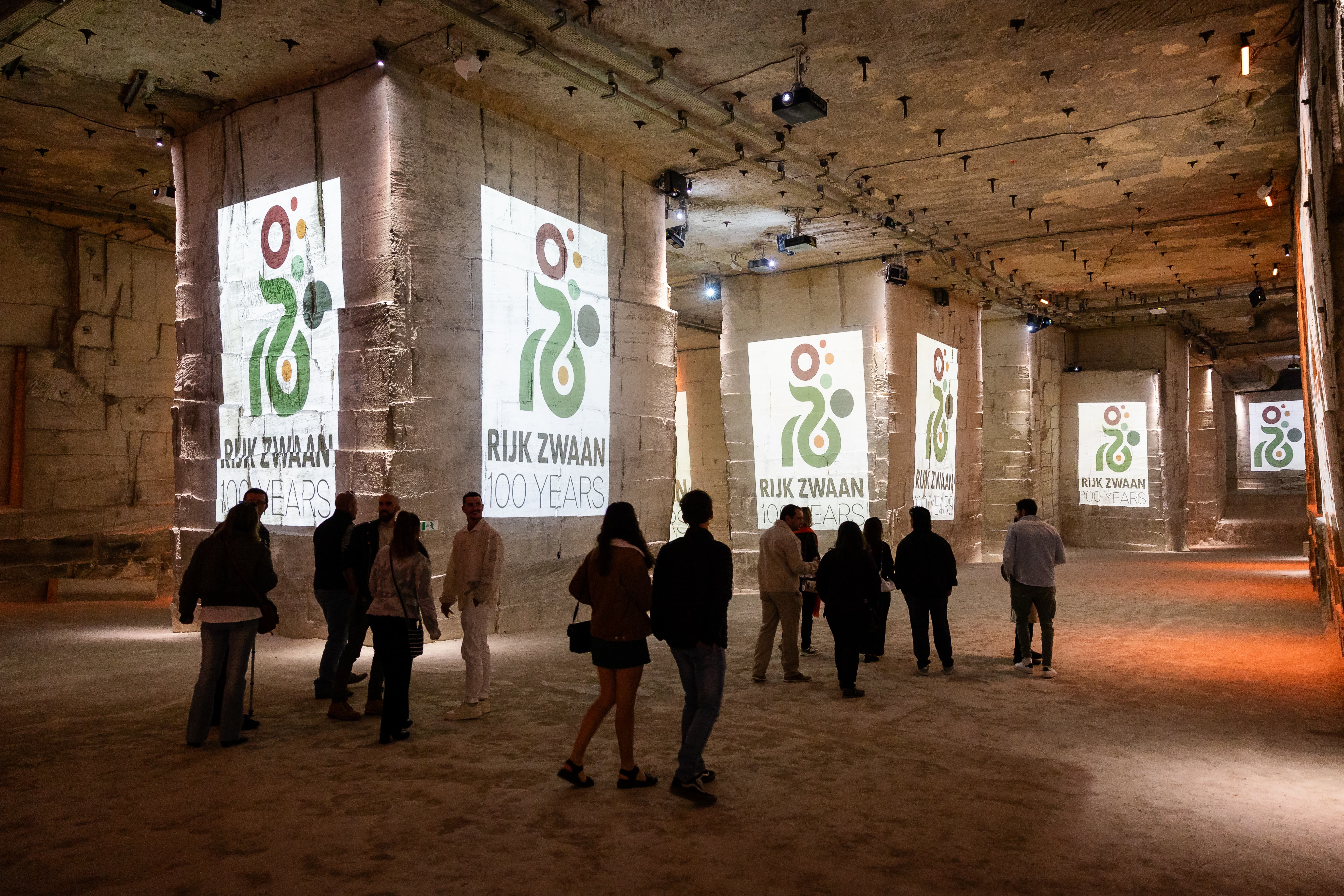
10+ years supporting corporate events and internal communication formats in Belgium (strategy days, town halls, employer branding, partner events).
50–2,000 attendees is our most common operating range, including multi-session formats for large headcounts.
Single point of contact with documented run-of-show, stakeholder map, and decision log—so approvals don’t get lost between HR, Comms and leadership.
Multilingual delivery (FR/EN/NL) with clear on-stage language rules and validated key messages to avoid “three versions of the truth”.
How to organize a professional event in Liege?
- Define the objective (cohesion, announcement, fidelity, performance).
- Set date, format and size (20–1 000 people).
- Secure the venue and accommodation according to seasonality.
- Lock down technical, suppliers and logistics.
- Drive the day J (timing, scene, entrance, flow).
Local references in Liege and the province
We support organisations that operate in and around Liege, including companies with industrial footprints, service hubs, R&D teams and public-facing stakeholders. Many of these clients renew year after year because internal communication is not a one-off: it follows business cycles, reorganisations, safety priorities, new strategy roll-outs and employer branding needs.
You did not provide specific company names to include as references. If you share 4–8 names you are authorised to mention (or sectors if names must remain confidential), we will integrate them here in a compliant, professional way—along with the type of format delivered (town hall, leadership seminar, partner conference) and the scale (attendance range), without revealing sensitive details.
In the meantime, our approach remains the same for every Event Communication in Liege: align the message, protect the brand, design the participant journey, and run production with disciplined timing and clear responsibilities.
We send you a first proposal within 24h.
Why run Event Communication for Liege leadership teams
When leadership needs alignment, email and intranet are rarely enough. A well-produced Event Communication moment creates a shared reference point: the same narrative, the same facts, and the same call to action—delivered with the credibility that only a properly staged and facilitated event can provide.
In practice, this is where executives regain control of interpretation. The room becomes a management tool: questions are surfaced, friction points are handled openly, and the next steps are clarified with the right level of detail for managers and employees.
Reduce ambiguity during change: one validated storyline, one slide logic, one Q&A structure, and a documented follow-up plan shared with managers.
Accelerate execution: when business priorities are presented with concrete implications (KPIs, timelines, ownership), teams leave knowing what changes Monday morning.
Strengthen management credibility: executives who are briefed, timed and technically supported avoid the typical pitfalls (rambling, conflicting messages, or weak handling of sensitive questions).
Protect employer brand: the way you communicate decisions is watched closely—especially in competitive labour markets. Production quality, tone and transparency all influence retention and recruitment.
Improve feedback quality: live polling, structured Q&A, and small-group facilitation produce usable signals (themes, concerns, ideas) rather than vague sentiment.
Reinforce safety and compliance messages when relevant: clear signage, consistent wording, and the right rhythm can prevent “message fatigue” in operational environments.
Liege has a strong culture of pragmatism and operational realism. The most effective events here respect the field: they connect strategy to day-to-day constraints, they speak plainly, and they show leadership is prepared to answer what people actually ask—not what a script hopes they will ask.
What Liege audiences expect from corporate communication events
In Liege, we often see audiences that are both engaged and demanding: they want clarity, they test consistency, and they notice gaps between the narrative and operational reality. This is especially true when you bring together mixed populations—office teams, plant staff, shift supervisors, union representatives, and external stakeholders in the same week.
From a delivery standpoint, local constraints show up quickly. Start times must match mobility and shift patterns. Registration needs to be simple, with clear instructions in French and often English. Venues must be accessible for attendees coming from the broader province, and the event flow must avoid downtime that feels like wasted production.
What executives and communication directors appreciate most is discipline: a tight run-of-show, a visible moderation plan, and a clear approach to sensitive topics. If a restructuring, safety incident, or performance dip is in the air, the event must be designed to handle it—through message architecture, Q&A curation, escalation rules, and prepared supporting content (factsheets, manager toolkits, post-event recap).
Event Communication ideas for Liege audiences that increase engagement
Engagement is not a gimmick. In Event Communication, interaction is how you verify understanding, identify resistance early, and make messages actionable. The best formats create controlled participation: people contribute without hijacking the agenda, and leadership gets usable insight rather than noise.
Interactive animations in Liege
Structured live Q&A with moderation rules: questions collected via app or cards, clustered by theme, and answered with timeboxing. This avoids the “two people take the microphone for ten minutes” scenario.
Pulse polls at three key moments (baseline, after key announcement, after next-step briefing). You can measure comprehension and confidence in real time and adjust the closing message accordingly.
Manager breakouts with a facilitation guide: each table answers the same 3 prompts (risks, quick wins, support needed). Outputs are captured and fed into an action plan.
Scenario clinics: teams work through realistic cases (customer escalation, safety deviation, service backlog) that reflect the reality of operations around Liege. This makes strategy concrete.
Art animations in Liege
Visual facilitation (graphic recording) to translate complex strategy into a single shared visual. Useful when leadership wants one consistent image that can be reused internally.
Short opening performance only when it supports the narrative (e.g., a 3-minute percussion cue to structure the “tempo” of a transformation programme). We keep it brief and purposeful to protect credibility.
Stage design and lighting aligned with brand guidelines. For executive communication, clean lines and strong readability typically outperform overly theatrical setups.
Innovative animations in Liege
Timed coffee and networking with clear roles (who should meet whom). We often support Comms/HR with a simple stakeholder map so interactions are intentional, not random.
Local catering choices that respect constraints (allergens, halal/vegetarian options, service speed). In practice, service time is an agenda item: a slow lunch can break the entire afternoon schedule.
Seated lunch with facilitation prompts when you need cross-team alignment. It turns a meal into a structured communication lever without making it feel forced.
Gourmand animations in Liege
Hybrid-ready production with a real showcaller and a streaming plan (not “a webcam in the back”). This is critical when some teams cannot travel to Liege or must remain on-call.
Content capture studio corner: record 2–3 short leadership clips (90–180 seconds) right after the event to support the internal rollout. This prevents the common “great event, then silence” problem.
Interactive KPI wall: a simple, well-designed data display (quality, safety, delivery, customer) that links the message to measurable indicators, with owners clearly named.
Whatever the format, we align every activation with brand image and leadership intent. If the goal is confidence and clarity, we prioritise disciplined facilitation, high intelligibility sound, and a programme that respects the audience’s time. That alignment is what keeps Event Communication in Liege credible.
How to choose a Liege venue for executive communication
The venue is not just a backdrop. For Event Communication, the room determines how well people hear, how they focus, how they interact, and how the brand is perceived. In Liege, we advise selecting a venue based on agenda rhythm (plenary vs breakouts), technical constraints (rigging, acoustics, screens), and participant flow (arrival, security, catering, accessibility).
| Venue type | For which objective? | Main strengths | Possible constraints |
|---|---|---|---|
Conference centre / hotel meeting floors | Town hall, strategy kick-off, leadership seminar in the province | Built-in breakouts, professional staff, predictable AV infrastructure | Acoustics vary; branding sometimes limited; schedules tied to hotel operations |
Industrial or corporate site (on-site) | Operational alignment, safety focus, “close to the field” messaging in Liege | High credibility, minimal travel, strong link to operations | Safety rules, restricted access, noise constraints, limited staging options |
Cultural venue (theatre-style seating) | Executive messaging requiring high attention and strong stage focus | Excellent sightlines, strong audience discipline, stage lighting potential | Limited breakouts; union/crew rules; loading times can be strict |
We strongly recommend a technical site visit before locking the programme: stage depth, screen size, projector throw, FOH position, backstage access, and audience flows must be validated in reality. It is the most reliable way to prevent last-minute compromises that weaken your message.
What budgets look like for Event Communication in Liege
Pricing for Event Communication in Liege depends on format complexity and risk level more than on “creativity”. A 90-minute town hall with one keynote can be straightforward; a half-day event with breakouts, hybrid streaming, multiple speakers and a sensitive Q&A requires more preparation, more technical redundancy and tighter stage management.
For decision-makers, the right budgeting approach is to separate costs into: venue and catering, technical production, content and speaker support, staffing and logistics, and optional engagement tools. This makes trade-offs transparent and avoids surprises late in the process.
Attendance and room format: 80 people in classroom vs 600 theatre-style changes sound, screens, staffing and registration needs.
Technical level: number of microphones, screens, camera capture, streaming, interpretation, confidence monitors, and redundancy planning.
Content complexity: number of speakers, slide production support, message alignment workshops, facilitation, and Q&A design.
Timing constraints: short lead times increase production pressure (rush fees, limited supplier availability in Liege peak periods).
Branding and staging: set elements, lectern branding, lighting design, signage, wayfinding, and on-site graphic installation.
Compliance and security: access control, badge printing, data handling for registration, and any site-specific rules.
ROI is usually measured through speed of alignment (fewer follow-up meetings), quality of manager cascade, and reduced rework caused by misunderstanding. When the event is the turning point of a programme, investing in clear messaging and reliable production is often less costly than managing weeks of confusion.
Why work with an event agency in Liege for communication
Local execution matters because communication events are won or lost on operational detail: supplier reliability, venue constraints, loading times, and the ability to solve problems quickly on the ground. When we deliver in Liege, we rely on partners who know the local venues, local technical standards and realistic schedules.
If you are comparing options, working with a partner that can mobilise locally reduces risk: quicker site visits, faster coordination with venue staff, and fewer hidden constraints discovered too late. For clients who want a single accountable partner, INNOV'events can coordinate that local ecosystem while maintaining a Brussels-level governance model (documentation, approvals, decision logs).
When relevant, we also collaborate through our local network and resources, including our dedicated page for an event agency in Liege, to ensure production is both responsive and consistent with your corporate standards.
- Faster troubleshooting when something changes (speaker delay, room change, technical issue) because local teams can adapt quickly.
- Better cost control through realistic local sourcing and fewer last-minute add-ons.
- Smoother logistics thanks to knowledge of access, parking, loading, and the participant flow expectations typical in Liege venues.
- Supplier accountability: clear roles and SLAs with technicians, caterers and venue teams.
ROI is usually measured through speed of alignment (fewer follow-up meetings), quality of manager cascade, and reduced rework caused by misunderstanding. When the event is the turning point of a programme, investing in clear messaging and reliable production is often less costly than managing weeks of confusion.





Examples of Event Communication delivered in Liege contexts
Our projects cover a wide range of communication stakes. We regularly deliver leadership town halls where the core challenge is coherence: several executives speaking with one voice, on a single storyline, under tight time constraints. In these formats, we typically provide a message alignment workshop, slide harmonisation, speaker timing, and a moderated Q&A process that protects both transparency and legal sensitivity.
We also support change communication events where HR and Comms need to brief managers first, then address wider teams. A common configuration around Liege is a morning leadership session (decision framing, manager toolkit) followed by an afternoon employee session with a tighter narrative and a structured feedback mechanism. The production is designed so both sessions feel consistent while still addressing different information needs.
Finally, we deliver partner and stakeholder communication events where brand reputation is at stake. Here, the emphasis is on protocol, registration, hosting, stagecraft, and technical reliability (sound intelligibility, screen legibility, disciplined cueing). These are the situations where calm backstage management makes the difference between a controlled message and a stressful experience that everyone remembers for the wrong reasons.
Common mistakes in Liege communication events and how we avoid them
Too many slides, not enough storyline: we reduce content to what must be understood, and we enforce an evidence-based narrative (numbers, decisions, impacts, next steps).
Unmanaged Q&A: we set moderation rules, prepare escalation paths for sensitive questions, and ensure answers are consistent across speakers.
Technical under-sizing: poor sound is the fastest way to lose a room. We size audio, screens and lighting to the venue—then add redundancy where risk is high.
Agenda drift: without a showcaller and a timed run-of-show, breaks become longer, executives overrun, and the closing message gets cut. We run events like productions, not meetings.
Ignoring operational realities: shift patterns, access constraints, and local mobility around Liege affect attendance and attention. We plan around those realities upfront.
No post-event communication package: when managers leave without tools, the message fragments. We plan recap, Q&A, and manager talking points as part of the event deliverable.
Our role is to protect your message and your brand under real conditions: imperfect timing, unexpected questions, and technical dependencies. That’s why we insist on preparation depth and clear governance—before the doors open.
Why organisations in the Liege area renew with INNOV'events
Repeat business in Event Communication is earned through reliability and trust. Many clients come back because they want a partner who remembers how decisions were communicated last time, what sensitivities exist internally, and which formats actually worked with their audience.
Over time, we build a working rhythm with HR, Comms and executive assistants: faster approvals, clearer responsibilities, and less stress for leadership on the day of the event.
1 dedicated project lead throughout the project, from first brief to on-site delivery.
2 layers of control on event day: stage management + technical lead, to keep timing and quality stable.
3 core documents used systematically: validated storyline, timed run-of-show, and contingency plan.

Loyalty is not about habit—it’s the practical proof that an agency can deliver the same level of clarity and control every time, including in high-stakes moments in Liege.
Our Event Communication process for Liege projects
👉 Liege briefing and stakeholder mapping
We start with a structured briefing with leadership, HR and Comms: objectives, audiences, sensitivities, decision scope, and what must be communicated versus what must not be promised. We map stakeholders (speakers, approvers, legal/IR when relevant) and set an approval path with dates to avoid last-minute rewrites.
👉 Message architecture and content production
We translate objectives into a storyline: context, decision, impacts, proof points, next steps. We support slide harmonisation (one narrative flow, one visual logic), draft speaker notes when useful, and prepare a Q&A framework. If multiple languages are involved, we define language rules on stage and validate key wording to avoid inconsistent interpretations.
👉 Venue, technical design and logistics in the province
We confirm venue constraints and design the production: sound, screens, lighting, staging, streaming/hybrid if required, registration flow, signage and staffing. We build a detailed run-of-show with cue points and ownership, then align all suppliers to that document so everyone executes the same plan.
👉 Speaker readiness and rehearsal
We run speaker prep focused on real outcomes: timing, transitions between speakers, handling sensitive questions, and clarity of closing. We schedule a technical rehearsal (or at minimum a sound/video check plus cue review) so executives are not discovering the setup in front of the audience.
👉 Showcalling, on-site delivery and post-event package
On the day, we manage stage, timing and technical cues, while ensuring the audience journey remains smooth. After the event, we deliver the communication package: recap, key slides, curated Q&A, and optional short video clips. We also debrief with your team to capture what worked and what should be improved for the next Event Communication in Liege.
FAQ sur l'organisation Event Communication à Liege
How far ahead should we plan Event Communication in Liege?
Plan for 6–10 weeks for a standard in-person event (200–600 attendees). For hybrid, multiple sessions, or sensitive change communication, aim for 8–12 weeks. Under 4 weeks is possible, but you will need faster approvals and fewer technical variables.
What budget range is typical in Liege for a town hall?
For a professionally produced town hall in Liege, many projects fall between €12,000 and €45,000, depending on venue/catering, technical level (screens, sound, cameras), and content support. Multi-session or hybrid formats can run €30,000–€90,000+.
Do you manage multilingual events in the Liege area?
Yes. We regularly deliver FR/EN/NL setups. The key is governance: one validated message source, defined language rules on stage, and—when needed—interpretation or bilingual moderation. This prevents contradictory wording and protects leadership credibility.
How do you handle sensitive Q&A during Liege change announcements?
We use a moderated process: questions are collected, grouped by theme, and answered within timeboxes. We define escalation rules in advance (legal/HR topics, individual cases, confidential data). Leadership receives a briefing pack with approved facts, boundaries, and suggested phrasing.
Can you run a hybrid Event Communication from Liege venues?
Yes, provided the venue supports reliable connectivity and we can install proper audio/video capture. We recommend at least 2 cameras for a dynamic stream, a dedicated audio mix for online attendees, and a rehearsal to validate latency, slides, and remote Q&A.
Request a quote for Liege Event Communication support
If you are planning a leadership message, a change announcement or a strategic town hall in Liege, involve us early. Early planning is what gives you control over storyline, speaker readiness, venue constraints and technical risk—and it is what keeps budgets stable.
Send us your date options, estimated attendance, and the communication goal (inform, align, mobilise, reassure). We will come back with a practical proposal: recommended format, production level, timeline, and a clear cost structure.
INNOV'events Liege Agency
Justin JACOB is the manager of the INNOV'events Liege office. Reach out directly by email at belgique@innov-events.be or via the contact form.
Contact the Liege agencyAll our services & entertainment Liege, Belgique
Discover our event services
Discover our event entertainment available in the Belgique
- Event Hostess in Liege
- Escape Game in Liege
- MasterChef Cooking Workshop in Liege
- Magician in Liege
- Marquee Rental in Liege
- Color Analysis Workshop in Liege
- Inflatable Games in Liege
- Valet Parking Service in Liege
- Football Simulator in Liege
- LED Furniture Rental in Liege
- Light Branding in Liege
- Unique Dining Experience in Liege
- Light Painting in Liege
- Murder Mystery Party in Liege
- Prize Contest in Liege
- Promotional Displays (POS) in Liege
- Virtual Reality in Liege
- Molecular Gastronomy Workshop in Liege
- Halloween Entertainment in Liege
- Fireworks Show in Liege
- Giant Games Challenge in Liege
- Event Host / MC in Liege
- Photo Booth Animation in Liege
- Santa Claus Entertainment in Liege
- Kids Entertainment in Liege
- Guided Tour in Liege
- Urban Rally in Liege
- Ball Pit in Liege
- Flight Simulator in Liege
- Food Truck Rental in Liege
- World Record Challenge in Liege
- Surf Simulator in Liege
- Wine Casino in Liege
- Makeover Workshop in Liege
- Perfume Creation Workshop in Liege
- Acting Workshop in Liege
- CSR Activities in Liege
- Archery in Liege
- Security Staff in Liege
- Wine Tasting in Liege
- Mime Performer in Liege
- TV Game Show in Liege
- Funfair in Liege
- Crisis Management Workshop in Liege
- Crisis Negotiation Workshop in Liege
- Arcade Games in Liege
- Indoor Skydiving Simulator in Liege
- Ski Simulator in Liege
- Racing Circuit Experience in Liege
- Introductory Flight Experience in Liege
- Tasting Experience in Liege
- Build Your Own Foosball Workshop in Liege
- 2CV Rally in Liege
- LEGO Challenge in Liege
- Casino Night in Liege
- Interpreter / Translator in Liege
- Promotional Giveaways in Liege
- Shuttle Transport in Liege