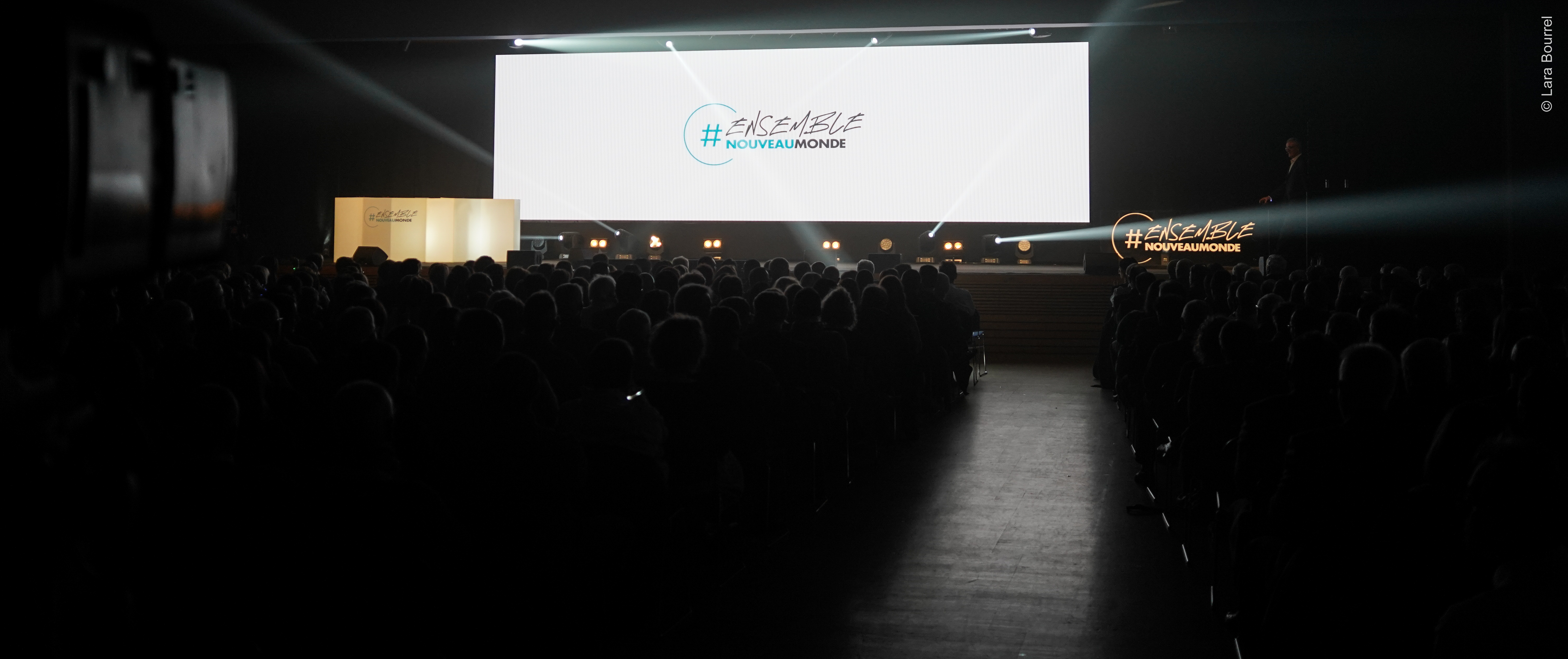
Annual General Meeting in Liege that stays on time and on message
INNOV'events is a Brussels-based corporate event agency supporting boards, HR, and communications teams for Annual General Meeting formats in Liege, typically from 50 to 800 attendees. We manage the operational layer that makes the day predictable: venue coordination, audiovisual, stage management, speaker prep, shareholder journey, and compliant voting logistics.
You keep control of the narrative and governance; we secure the execution, timing, and attendee experience—without turning a statutory moment into a “show”.
Table of contents
For a local company, entertainment in an AGM is not about gimmicks; it’s a tool to protect attention, reduce friction, and support a clear governance message. A well-designed interlude (music bed, short live segment, or guided networking) prevents drop-off during long reporting blocks and helps stakeholders retain key points.
In Liege, organizations expect pragmatism: tight schedules, bilingual or mixed audiences, and a professional tone that respects shareholders, works councils, and management teams. The ask is consistent—make it smooth, readable, and credible, with no surprises on the day.
INNOV'events brings field-tested methods from listed-company and large-group meetings, with local partners for AV, interpretation, staging, catering, and security. We work with a detailed run-of-show, a rehearsal discipline, and clear decision gates so your AGM in Liege runs like a controlled operation.
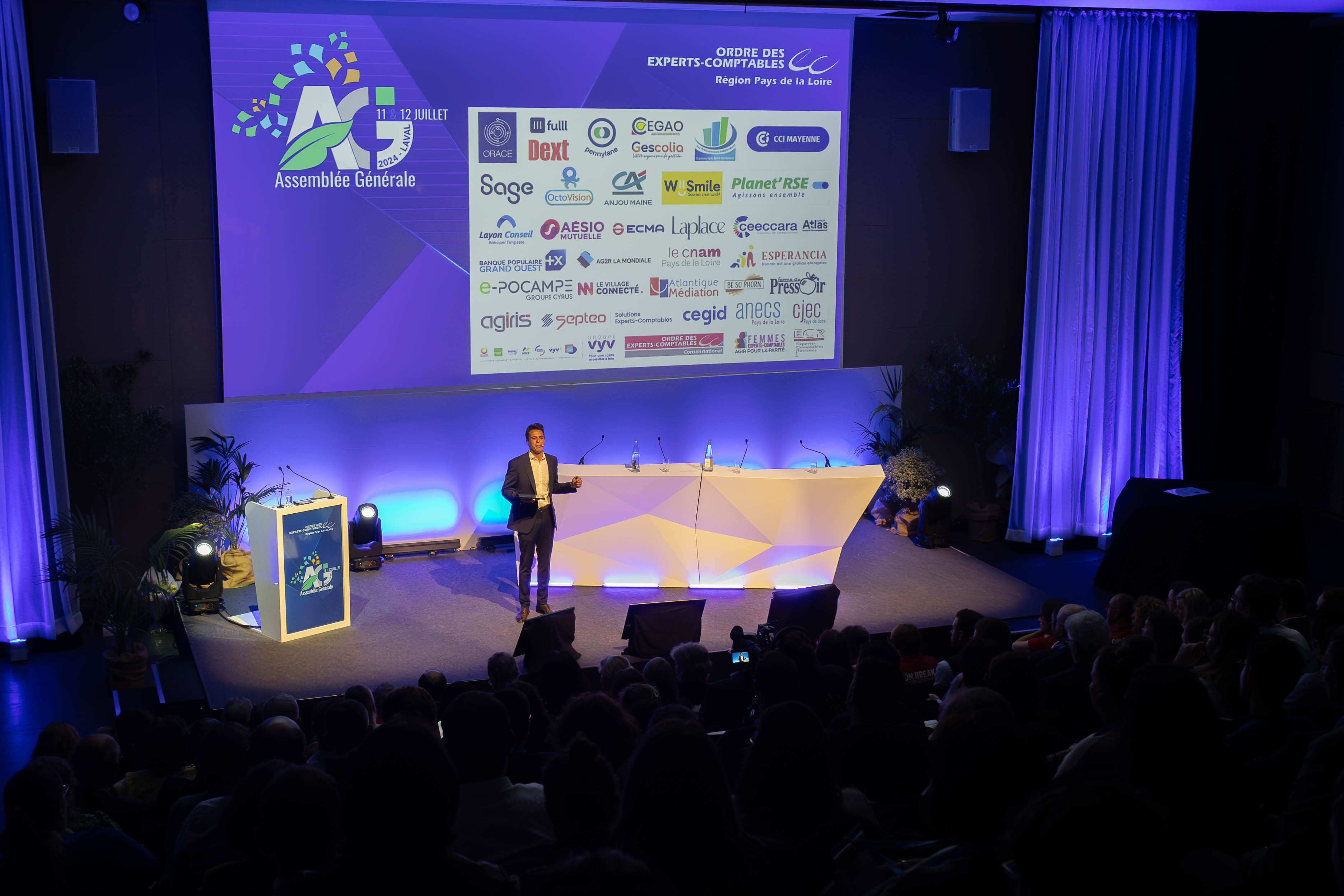
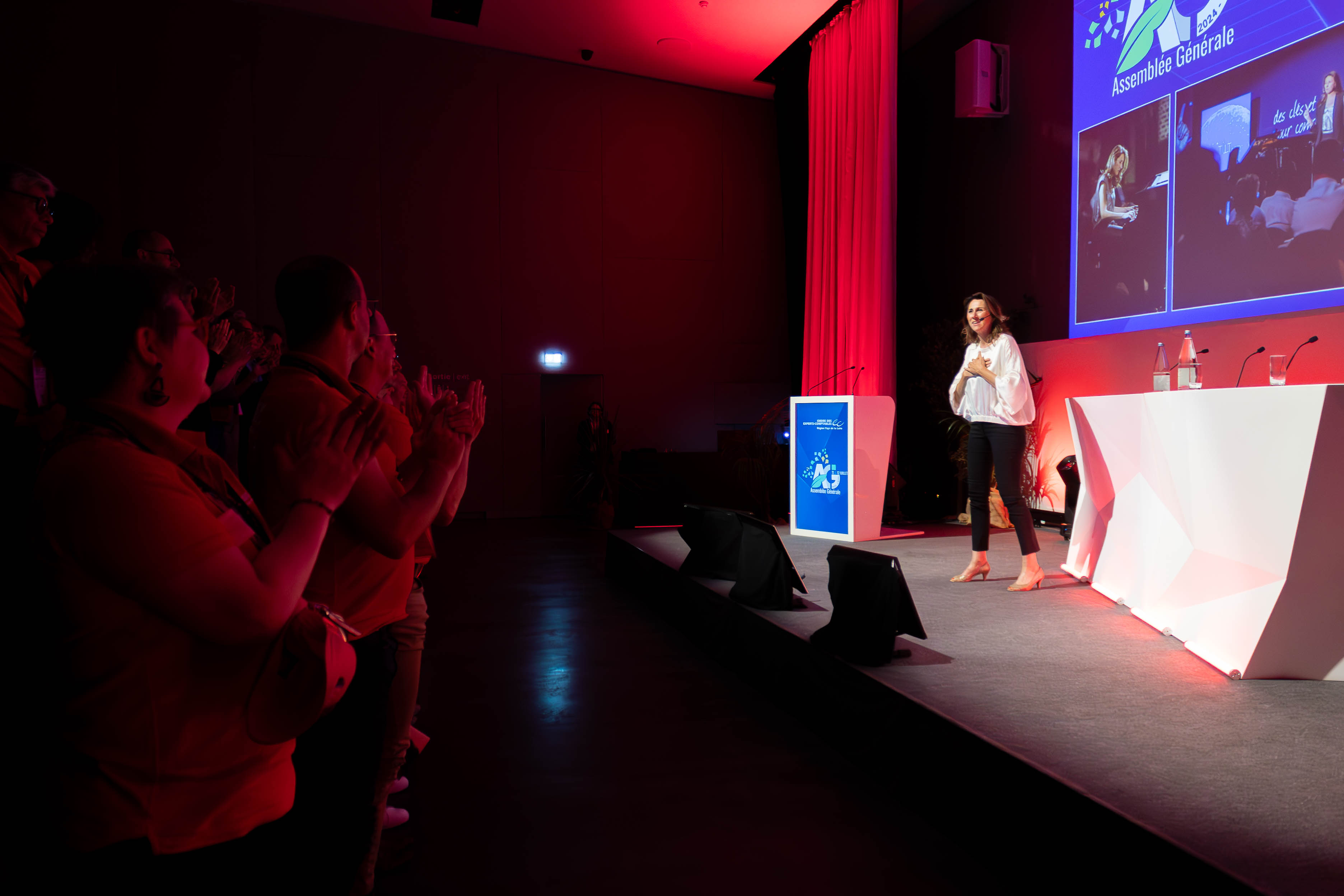
Key delivery metrics for Liege governance events
10+ years coordinating corporate events across Belgium, including statutory and governance-heavy formats.
150+ corporate events/year delivered with the same production standards (planning, supplier management, on-site stage management).
24–72 hours typical turnaround for a first structured budget range once the brief is validated (format, venue, AV scope, audience size).
0 tolerance for timing drift: every project includes a minute-by-minute run-of-show, speaker call times, and a contingency plan for Q&A overruns.
How to organize a professional event in Liege?
- Define the objective (cohesion, announcement, fidelity, performance).
- Set date, format and size (20–1 000 people).
- Secure the venue and accommodation according to seasonality.
- Lock down technical, suppliers and logistics.
- Drive the day J (timing, scene, entrance, flow).
Who we support around Liege, year after year
We regularly support organizations that operate in and around Liege—industrial groups, public-interest entities, family-owned businesses with external shareholders, and national companies with a strong Walloon footprint. Many of these clients come back because an AGM is not “one more event”: it is a governance milestone with reputational exposure, strict timing, and a legal framework that does not forgive improvisation.
In practice, repeat collaboration usually starts after we’ve stabilized the operational basics: a reliable supplier chain, an AV setup that works in the room (not only on paper), and a chairperson who can focus on decisions instead of microphones, slide clickers, or late catering. From there, we help improve year after year: better shareholder flow, stronger bilingual support, cleaner Q&A capture, and more disciplined rehearsal.
If you share your sector and constraints (listed vs. non-listed, hybrid vs. in-room, voting method, languages), we can provide relevant references and comparable cases in the Liege area under NDA where required.
We send you a first proposal within 24h.
What a Liege AGM can achieve beyond compliance
A statutory meeting is often treated as a compulsory appointment. In the field, the best-run AGMs use that appointment to reduce risk, clarify direction, and strengthen trust with stakeholders who influence the company’s room to manoeuvre: shareholders, employee representatives, banks, partners, and local decision-makers.
When the format is handled with rigour—registration, voting, AV, translations, Q&A discipline—the board’s message lands better, and the meeting stops being a stress test for your teams.
Protect governance credibility: a controlled run-of-show, consistent speaker setup, and clean voting process signal competence and reduce the perception of internal disorganization.
Reduce “meeting-day risk”: fewer last-minute escalations (missing proxies, audio failures, seating confusion), which prevents leadership from being dragged into operational problems.
Improve shareholder understanding: content pacing, short structured breaks, and clear stage visuals increase retention for financial and strategic messaging—especially when audiences are mixed (retail shareholders, employees, institutional stakeholders).
Support HR and internal comms: when employees attend or follow a hybrid stream, the AGM can reinforce culture and clarity, provided the tone remains factual and respectful.
Enable sharper Q&A: a moderated, logged Q&A process helps executives respond precisely, avoid repetition, and keep a record for post-meeting follow-up.
Safeguard brand image: not through “show”, but through professionalism—clean staging, consistent signage, and a guest journey that feels deliberate.
Liege has a strong industrial and entrepreneurial culture: people value substance, direct answers, and operational mastery. A well-prepared AGM aligns perfectly with that expectation—serious, efficient, and respectful of everyone’s time.
How Liege stakeholders evaluate an AGM in practice
Local expectations are rarely written in the brief, but they appear immediately on-site. In Liege, attendees typically assess credibility through operational signals: how they are welcomed, whether the agenda starts on time, whether sound is stable in every seating zone, and whether questions are handled fairly.
We frequently see mixed profiles in the room: long-term shareholders, employee-shareholders, invited partners, sometimes public stakeholders. That mix creates two constraints. First, the tone must remain corporate and factual—no “stage hype”. Second, the logistics must be readable for everyone: clear wayfinding, a registration process that doesn’t create queues, and voting instructions that are repeated consistently (on screen, on paper, and verbally).
Liege also means practical realities: access by car for some attendees, train for others; the need for straightforward parking guidance; and venue acoustics that can vary widely depending on whether you’re in a historic building, a modern conference centre, or an auditorium. We plan with that in mind, especially for microphone strategy, interpretation booths if needed, and camera placement for hybrid or recording.
Which Liege entertainment fits an AGM without diluting governance
Entertainment in an AGM context is not a headline act. It is a set of controlled moments that help manage energy, attention, and transitions—especially between statutory blocks (approvals, reports, voting) and informal moments (welcome coffee, networking, post-meeting reception). The goal is engagement without creating reputational risk.
Interactive animations in Liege
Structured Q&A capture (floor mics + written channel): questions are logged, grouped by theme, and displayed in a controlled way. This reduces repetition and keeps the chair in control while giving stakeholders a fair process.
Real-time agenda and vote status screens: clear on-screen cues reduce confusion (“where are we in the agenda?”, “what is being voted now?”), which is especially useful when attendees arrive late or leave early.
Moderated stakeholder corners after the formal close: short, pre-defined “ask-me-anything” stations (finance, HR, ESG) with time slots. It channels informal questions without hijacking the statutory session.
Art animations in Liege
Discrete live music during arrival and breaks: a duo or solo instrumental setup at controlled volume supports flow and reduces the “dead air” feeling without competing with speeches.
Professional voice-over and walk-on music cues: simple production elements that help speakers enter/exit smoothly and keep the room aligned with timing.
Innovative animations in Liege
Reception designed for throughput: in AGMs, queues are brand damage. We size coffee points and service lines to attendee volume (for example, multiple stations vs. one central bar) and design a menu that can be served quickly.
Liege-aware touches (optional): a locally sourced snack or a concise tasting element can anchor the moment in the territory, provided it remains operationally simple and allergy-labelled.
Gourmand animations in Liege
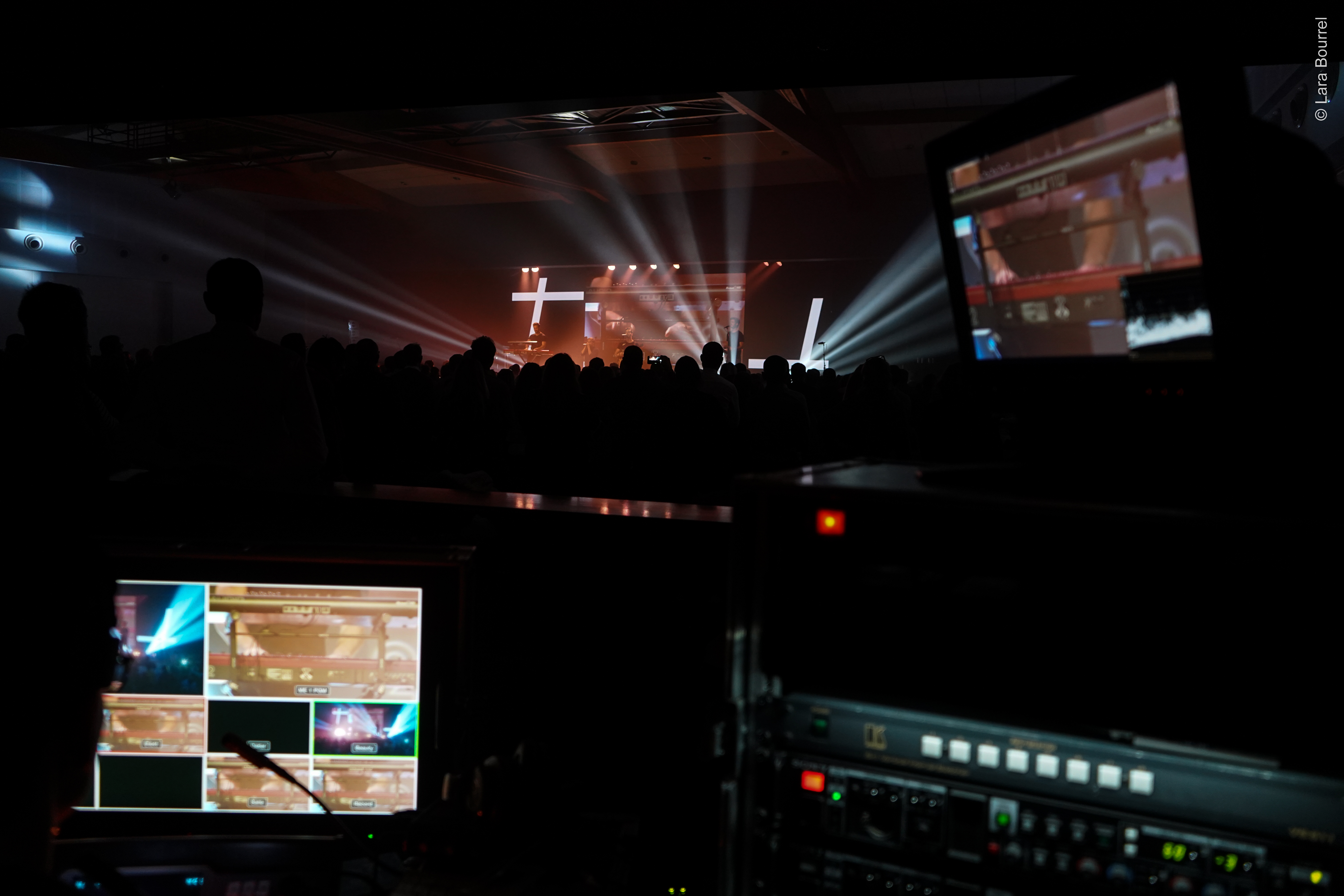
Hybrid-ready “clean feed”: a dedicated video and audio mix for remote viewers, separate from the in-room sound. This avoids the common failure where the room hears well but the stream is unusable.
Digital voting assistance (when appropriate): if your legal framework and governance allow it, we can integrate a controlled digital process with clear identity checks and a fallback plan. We never recommend it without a risk assessment.
Post-AGM highlight cut (internal use): a short, factual recap video for employees or partners, focusing on decisions and direction—not “event mood”.
Every animation choice is checked against brand and governance constraints: Is it neutral? Does it support clarity? Can it be executed reliably in the selected room in Liege? If the answer is not a clear “yes”, we keep it out of the AGM and move it to a separate corporate moment.
How to choose a Liege venue that protects AGM credibility
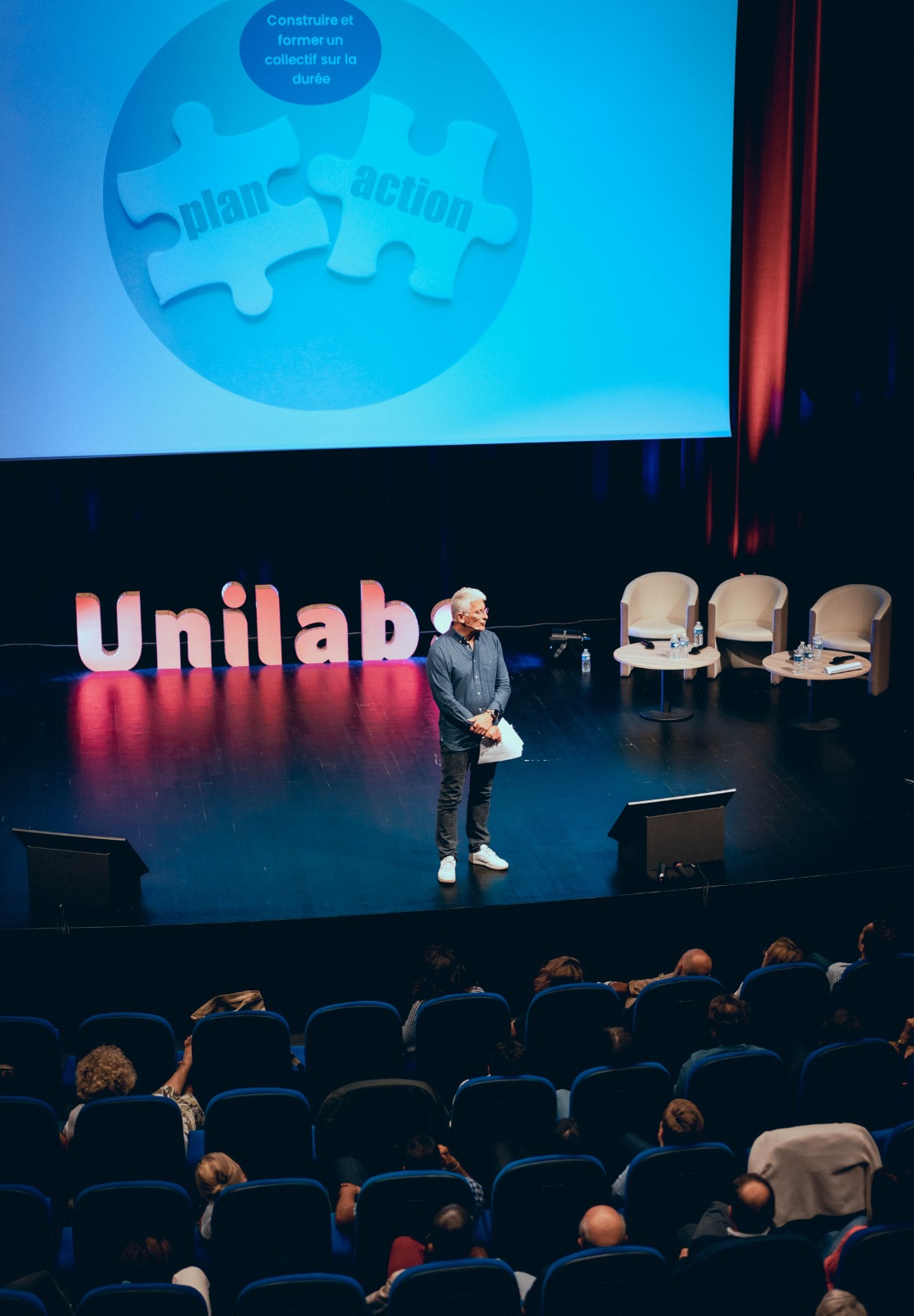
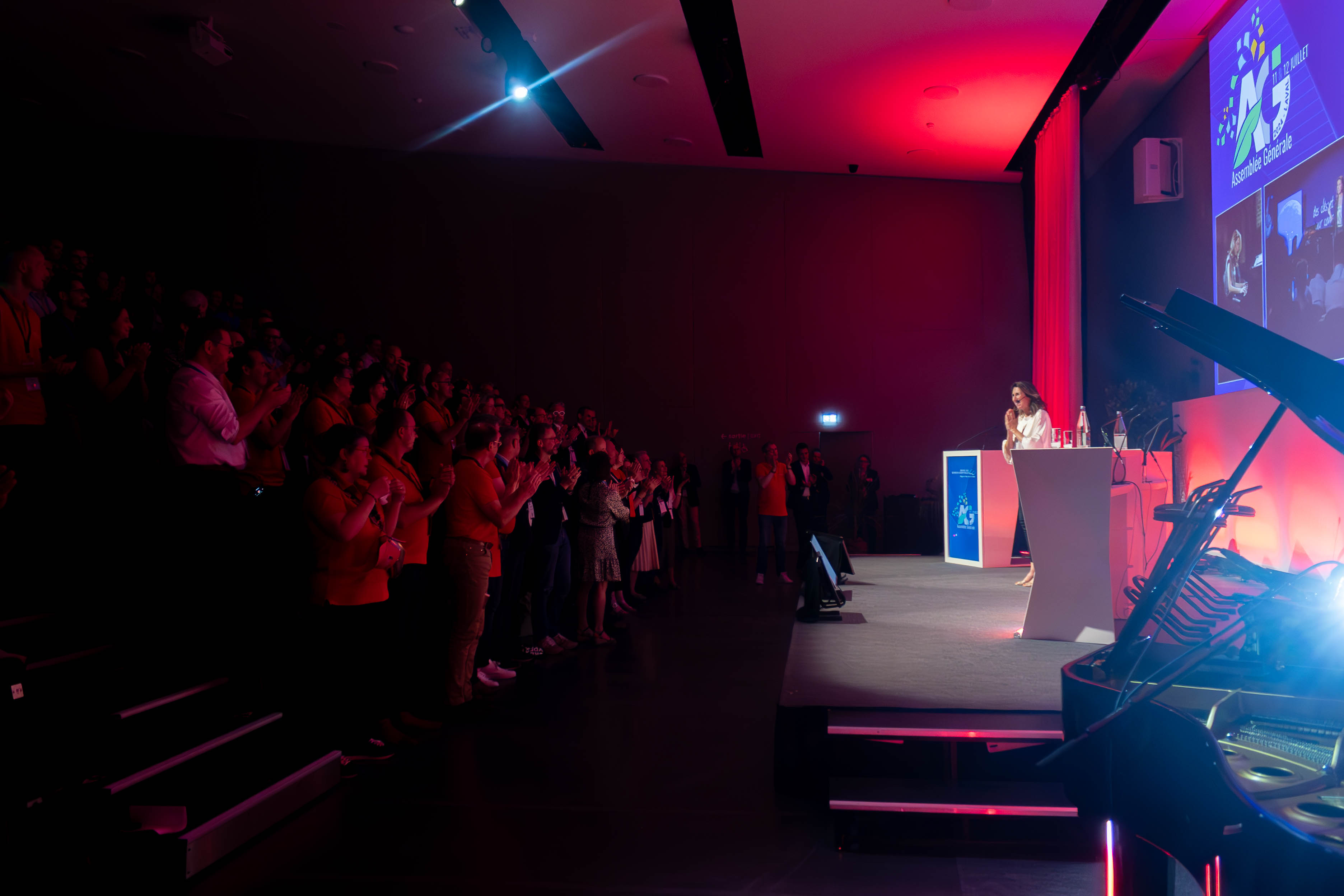
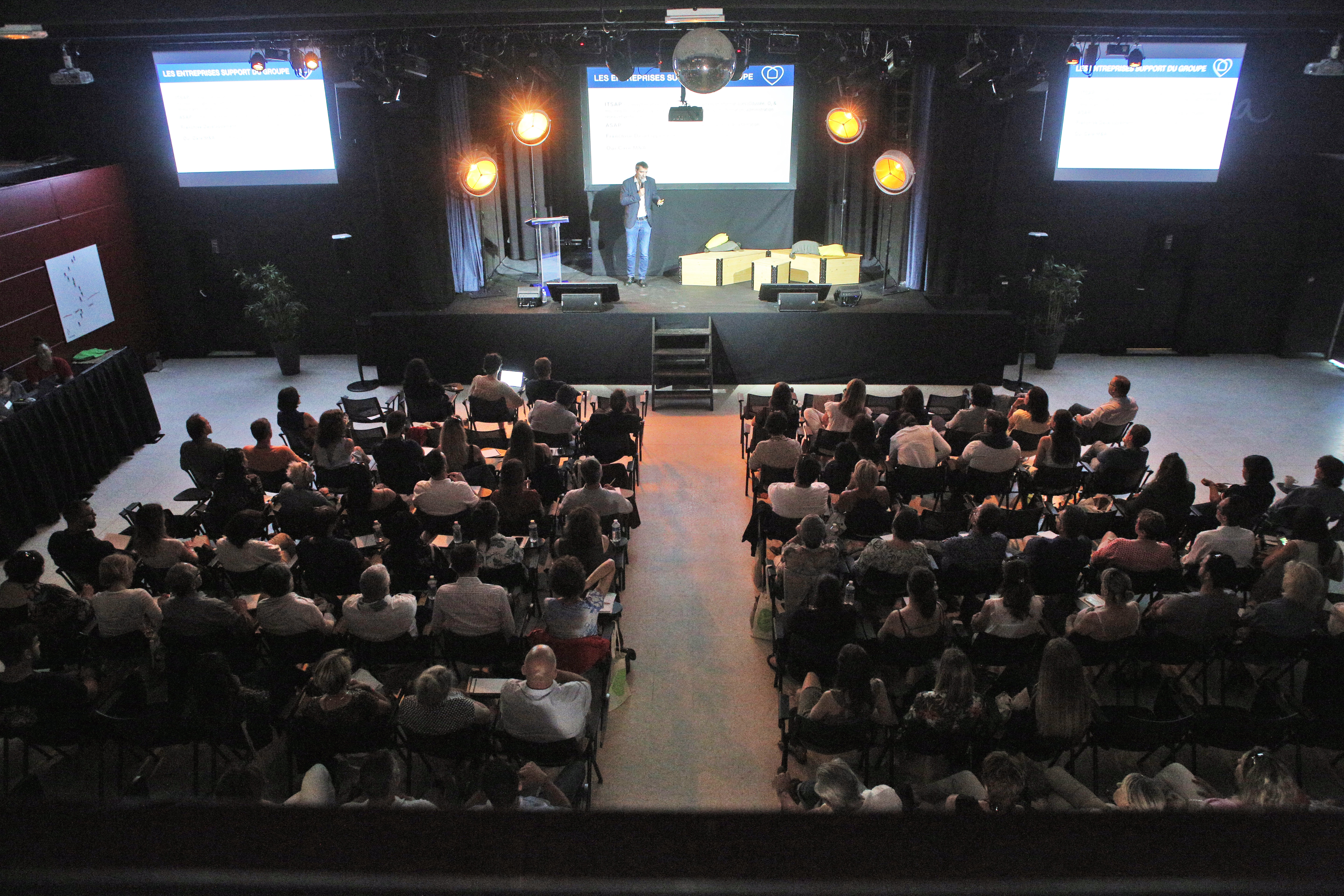
The venue is not just a backdrop. For a Annual General Meeting, it sets the perceived seriousness of governance, determines acoustic comfort, and either supports or undermines timing. In Liege, the best choice depends less on prestige and more on operational fit: access, room geometry, backstage capability, loading constraints, and technical infrastructure.
We always validate the venue against the meeting mechanics: registration capacity, circulation for breaks, stage depth, screen sightlines, and the feasibility of interpretation and recording if needed.
| Venue type | For which objective? | Main strengths | Possible constraints |
|---|---|---|---|
| Modern conference centre in Liege | Formal AGM with reliable AV, clear seating, optional hybrid setup | Purpose-built acoustics, rigging points, backstage space, easier compliance with technical riders | Higher rental and mandatory in-house suppliers; needs early booking for peak dates |
| Hotel conference facilities (Liege area) | AGM + lunch or board meeting in the same building | Integrated catering, parking packages, accommodation for travelling board members | Ballrooms can have acoustic issues; limited control over lighting and ceiling height |
| Auditorium or institutional hall in the Liège Province | Large-capacity plenary with strong visibility and seated discipline | Tiered seating helps sightlines; clear stage focus; efficient crowd control | Less flexibility for networking zones; stricter rules on external catering/branding |
We recommend a site visit with your comms lead and the technical decision-maker. A 45-minute walk-through often prevents expensive mistakes: screen placement that blocks exits, lectern lighting that creates glare on cameras, or a foyer that cannot absorb 300+ arrivals in a short window.
What a Liege AGM budget really depends on
Budgeting an AGM is not about picking a “package”. Cost is driven by risk level and complexity: audience size, venue constraints, language requirements, and whether you need hybrid streaming, recording, or a controlled voting solution. We build budgets that separate fixed essentials from optional improvements, so you can make trade-offs without losing control of the meeting.
Attendance and room format: 80 attendees in boardroom style is not the same as 600 theatre-style with overflow. Staffing, registration equipment, and microphone strategy scale quickly.
Audiovisual scope: number of screens, confidence monitors, audio zones, recording, and whether you require a dedicated “clean feed” for streaming.
Languages: bilingual moderation, interpretation booths, headsets, and translated on-screen content all add time and technical layers.
Voting mechanics: show-of-hands vs. ballot vs. digital; proxy handling; identity checks; and the need for auditors or legal oversight on-site.
Venue constraints in Liege: in-house supplier rules, rigging restrictions, unionized technical staff, loading dock limitations, and access hours (which impact setup time and labour).
Security and privacy: depending on your shareholder profile or media sensitivity, you may need access control, separate circulation for VIPs, or stricter filming rules.
Hospitality and flow: number of service points, dietary labelling, and timing of breaks. Poor catering design can cost more indirectly through schedule delays.
Return on investment is mainly measured in risk avoided: a meeting that starts on time, keeps control of questions, and produces clean documentation protects leadership time and reputation. In many companies, preventing one governance incident or one public operational failure justifies the production budget.
Why selecting a Liege event partner reduces AGM day pressure
A local partner matters because AGMs are won in the details: knowing which venues impose in-house AV, which loading routes are realistic at 06:00, how traffic and parking behave on a weekday, and which technical crews have proven reliability. When something shifts—speaker delay, weather, last-minute attendance changes—you benefit from a team that can react with local resources, not a remote call chain.
As INNOV'events, we operate nationally while building local delivery teams. For AGM projects, we prioritize suppliers who are used to governance constraints: discreet, punctual, and comfortable working under the eye of executives and legal advisors. If you are comparing options, review not just the creative proposal but the production plan: who is on-site, who is accountable, and what the fallback scenarios are.
For broader corporate formats beyond the AGM, you can also consult our dedicated page for event agency in Liege services.
- Faster troubleshooting through nearby technical inventory and replacement staff.
- More accurate budgeting based on real local constraints (supplier rules, access hours, known venue limitations).
- Better stakeholder comfort thanks to local flow planning (arrival routes, parking guidance, signage that matches the site).
- Lower reputational risk because local crews are used to formal corporate tone and confidentiality requirements.
Return on investment is mainly measured in risk avoided: a meeting that starts on time, keeps control of questions, and produces clean documentation protects leadership time and reputation. In many companies, preventing one governance incident or one public operational failure justifies the production budget.











What we’ve delivered in Liege-style AGM conditions
Our AGM-related work typically combines several deliverables that need to interlock precisely: stage management, AV production, content sequencing, and stakeholder flow. We’ve handled formats where the chair required a strict minute-by-minute agenda, where the CFO needed guaranteed slide control with confidence monitors, and where Q&A had to be moderated to remain fair without losing pace.
We also support organizations transitioning from “basic in-room” to hybrid or recorded formats. The most common pitfall is underestimating audio: a room can sound fine to attendees while remote viewers hear only reverberation. We solve this by designing separate audio capture, using the right microphone types, and mixing specifically for the stream.
Finally, we are used to sensitive contexts: leadership changes, restructuring periods, or heavy ESG discussions. In those cases, our role is not to “decorate” the message; it is to create conditions where executives can communicate clearly, answer questions with composure, and close the meeting with decisions properly documented.
Liege AGM risks we actively prevent
Starting late because registration is undersized: too few staff, unclear lists, or no separation between shareholders and guests creates queues and tension before the meeting even begins.
Uncontrolled Q&A: no microphone plan, no moderation rule, and no logging leads to repetition, off-topic debates, and time drift.
Slides that are unreadable in the room: wrong aspect ratio, low contrast, or fonts that work on laptops but fail on projection. This undermines the credibility of financial reporting.
Hybrid streaming treated as an add-on: one camera, room audio only, and no dedicated operator often results in unusable remote experience and reputational exposure.
Venue constraints discovered too late: in-house supplier rules, restricted rigging, limited setup hours—these can force costly last-minute changes.
Breaks that break the schedule: one coffee point for 400 people guarantees delay. Flow design is a production topic, not a catering detail.
No contingency plan: missing backup microphones, no spare laptop with the deck, no fallback for a delayed speaker—small failures cascade fast in a statutory meeting.
Our job is to turn these risks into managed items: documented checks, rehearsals, and clear owners. That is what keeps your Annual General Meeting in Liege calm for executives and credible for stakeholders.
Why Liege clients renew their AGM support with the same team
Most clients don’t change partners after a solid AGM because the real value compounds over time: we accumulate knowledge of your governance rhythm, speaker habits, and stakeholder sensitivities. The second year is usually where you feel the difference—fewer meetings, faster decisions, and more predictable outcomes.
Year-over-year format optimization: once the baseline is stable, we typically reduce run-of-show variability and improve transition times between agenda blocks.
Vendor continuity: keeping a consistent technical team reduces setup time and prevents “relearning the room” each year.
Documentation discipline: we maintain production files (plans, cues, contact lists, checklists) that make preparation faster and safer next cycle.

Loyalty is not about habit; it’s a governance risk decision. When the meeting day carries board-level exposure, proven delivery is a measurable advantage.
Our Liege delivery process for AGM-grade events
👉 Step 1 — Liege kickoff: lock governance constraints and objectives
We start with a structured brief with the executive sponsor, legal/governance contact (if applicable), HR, and communications. We confirm the statutory agenda, voting method, languages, stakeholder profiles, and any sensitive topics. Output: a validated scope, a first risk register, and a timeline with decision gates.
👉 Step 2 — Production design: AV, stage, flow, and staffing plan
We translate the agenda into a run-of-show, design the stage layout, screen strategy, microphone plan, and registration workflow. We also define staffing: producer, stage manager, AV director, stream operator (if any), hosts, and security. Output: floor plan inputs, technical brief, and an itemized budget with options.
👉 Step 3 — Supplier alignment in Liege: confirm what is feasible in the venue
We coordinate with the venue and in-house suppliers, validate access hours, loading, rigging, and internet reliability for hybrid. We confirm who provides what (power distribution, lectern, translation booths, cameras). Output: a consolidated production schedule and a responsibility matrix to avoid gaps.
👉 Step 4 — Content and speaker readiness: make the message deliverable
We support your team with slide formatting rules (readability, contrast, bilingual requirements), speaker order, and cueing. We set up speaker call times and run a technical rehearsal. Output: final decks collected and tested, cue sheet, and a clear on-stage protocol.
👉 Step 5 — Show-day execution in Liege: stage management and control room
On-site, we manage setup, sound checks, registration readiness, and a final walk-through with the chairperson or MC. During the session we run cues, manage microphones, control timing, and coordinate breaks. Output: a controlled meeting, clean recordings if planned, and an incident log if anything requires follow-up.
👉 Step 6 — Post-event wrap: documentation, feedback, and next-cycle improvements
We debrief within 5–10 business days, review timing vs. plan, attendee feedback if collected, and any governance or comms follow-ups. Output: improvement recommendations and an updated production file to reduce next year’s workload.
FAQ sur l'organisation Annual General Meeting à Liege
How early should we book an AGM venue in Liege?
Plan for 3 to 6 months in advance for standard formats, and 6 to 9 months if you need a prime venue, bilingual interpretation, or a hybrid setup. Earlier booking improves supplier availability and reduces rush costs.
What’s a realistic budget range for an AGM in Liege?
As a working range, many projects fall between €15,000 and €80,000, depending mainly on attendee count, AV complexity, streaming/recording, interpretation, and venue constraints. After a short brief, we provide an itemized estimate with options.
Can you run a bilingual AGM in Liege (FR/NL or FR/EN)?
Yes. We plan bilingual moderation and/or interpretation, including headset logistics, booth placement, on-screen language handling, and speaker cueing. Expect additional technical scope and rehearsal time so language switches don’t slow the agenda.
How do you keep Q&A under control during a Liege AGM?
We implement a clear rule set agreed in advance: floor microphones, a moderator process, question logging, and timing caps per agenda item. If needed, we add a written channel and route detailed questions to a documented post-meeting follow-up.
Do you offer hybrid streaming for AGMs in Liege venues?
Yes, provided the venue can support stable connectivity and camera placement. We recommend 2–3 cameras for board-level credibility and a dedicated audio mix for the stream. We also define a fallback plan (local recording, redundancy) to reduce broadcast risk.
Request a Liege AGM plan and quote with clear options
If you’re preparing a Annual General Meeting in Liege, the earlier we align on constraints (agenda, languages, voting, hybrid needs), the more control you keep on timing and budget. Share your target date, estimated attendance, venue shortlist (if any), and governance requirements—we’ll come back with a structured proposal, an itemized budget range, and a production plan designed to prevent day-of surprises.
Contact INNOV'events to secure your AGM run-of-show, technical setup, and stakeholder journey—delivered with the level of discipline executives expect.
INNOV'events Liege Agency
Justin JACOB is the manager of the INNOV'events Liege office. Reach out directly by email at belgique@innov-events.be or via the contact form.
Contact the Liege agencyAll our services & entertainment Liege, Belgique
Discover our event services
Discover our event entertainment available in the Belgique
- Event Hostess in Liege
- Escape Game in Liege
- MasterChef Cooking Workshop in Liege
- Magician in Liege
- Marquee Rental in Liege
- Color Analysis Workshop in Liege
- Inflatable Games in Liege
- Valet Parking Service in Liege
- Football Simulator in Liege
- LED Furniture Rental in Liege
- Light Branding in Liege
- Unique Dining Experience in Liege
- Light Painting in Liege
- Murder Mystery Party in Liege
- Prize Contest in Liege
- Promotional Displays (POS) in Liege
- Virtual Reality in Liege
- Molecular Gastronomy Workshop in Liege
- Halloween Entertainment in Liege
- Fireworks Show in Liege
- Giant Games Challenge in Liege
- Event Host / MC in Liege
- Photo Booth Animation in Liege
- Santa Claus Entertainment in Liege
- Kids Entertainment in Liege
- Guided Tour in Liege
- Urban Rally in Liege
- Ball Pit in Liege
- Flight Simulator in Liege
- Food Truck Rental in Liege
- World Record Challenge in Liege
- Surf Simulator in Liege
- Wine Casino in Liege
- Makeover Workshop in Liege
- Perfume Creation Workshop in Liege
- Acting Workshop in Liege
- CSR Activities in Liege
- Archery in Liege
- Security Staff in Liege
- Wine Tasting in Liege
- Mime Performer in Liege
- TV Game Show in Liege
- Funfair in Liege
- Crisis Management Workshop in Liege
- Crisis Negotiation Workshop in Liege
- Arcade Games in Liege
- Indoor Skydiving Simulator in Liege
- Ski Simulator in Liege
- Racing Circuit Experience in Liege
- Introductory Flight Experience in Liege
- Tasting Experience in Liege
- Build Your Own Foosball Workshop in Liege
- 2CV Rally in Liege
- LEGO Challenge in Liege
- Casino Night in Liege
- Interpreter / Translator in Liege
- Promotional Giveaways in Liege
- Shuttle Transport in Liege