
Grand Opening in Liege that protects your brand and drives attendance
INNOV'events is a Brussels-based corporate event agency delivering Grand Opening launches in Liege, typically from 80 to 1,200 attendees. We manage the full chain: concept, venue and permits, suppliers, AV, staffing, security, guest journey and on-site production. You get a controlled, executive-ready event day with clear responsibilities and measurable outcomes.
Table of contents
A Grand Opening is not “just” a party: it is a live brand audit. In a few hours, customers, partners, media and employees form an opinion on your operational maturity, safety culture and service level. The right entertainment matters because it structures attention, improves dwell time and gives your teams a shared script for hosting and selling—without disrupting operations.
Organisations in Liege generally expect pragmatism: punctual schedules, bilingual hosting when needed (FR/EN), easy access and parking guidance, and a guest flow that respects neighbours and nearby businesses. Executives also look for predictability—clear vendor coordination, safety planning, and a run-of-show that avoids “dead zones” where guests drift away.
We work in Wallonia year-round and know the on-the-ground realities: venue constraints, local suppliers, city logistics, and what actually happens during peak arrival windows. Our producers bring structured corporate methods—risk registers, production timelines, technical rehearsals—so your Grand Opening in Liege is operationally clean and reputationally safe.
Liege launch planning you can verify in numbers
10+ years delivering corporate events across Belgium with repeat clients in retail, industry, healthcare and services.
200+ corporate events produced in our network, including multi-supplier openings with security, AV, catering and brand installations.
24–72 hours typical response time for a first scoped proposal once objectives, venue and attendance range are confirmed.
1 production lead + 1 stage manager on-site as a minimum for events with multiple time cues and suppliers.
How to organize a professional event in Liege?
- Define the objective (cohesion, announcement, fidelity, performance).
- Set date, format and size (20–1 000 people).
- Secure the venue and accommodation according to seasonality.
- Lock down technical, suppliers and logistics.
- Drive the day J (timing, scene, entrance, flow).
Liege references and recurring collaborations
We regularly support organisations active in Liege and the wider province, including groups that reopen sites, inaugurate new showrooms, or launch customer-facing spaces under strict brand guidelines. Many of these teams come back year after year because they need the same things every time: predictable delivery, suppliers who show up, and a team that can make decisions fast when conditions change (late deliveries, weather, last-minute VIPs).
You did not provide specific company names to cite as references. If you share 4–6 names (even confidentially), we can integrate them here in a compliant way (e.g., “regional industrial group”, “national retailer”, “B2B logistics operator in the Liege area”), and align the wording with your legal/communications constraints.
What we can state without ambiguity: we know how local guest behaviour impacts operations in Liege—arrival waves after work, higher late arrivals for public-facing openings, and the need for clear signage and staff placement near access points. We build the event plan around these realities, not around a generic template.
We send you a first proposal within 24h.
Why run a Grand Opening in Liege instead of a simple launch email
A physical opening is a forcing function: it aligns leadership, operations, HR and communications around a single public deadline. For executives, the value is not the ribbon-cutting; it is the acceleration of adoption—by customers, by partners and by your own teams—when the experience matches the promise.
Revenue impact you can track: create appointment slots, demos, trials or guided tours that convert. We design the guest journey so commercial conversations happen in the right zones, with the right staffing ratios.
Employer brand in real conditions: a Grand Opening is often the first time candidates, schools or families see your workplace culture. We plan “employee moments” (micro-speeches, recognition, team hosting roles) that feel authentic and operationally feasible.
Stakeholder reassurance: for regulated or industrial contexts, opening a site to partners requires safety framing, signage, clear boundaries and a controlled itinerary. We build this into the format from day one.
Media and partner proof: the event is a content engine. We structure a sequence that generates usable assets (photos with brand backdrops, short interview points, product moments) without turning the day into a film set.
Internal alignment: leadership can use the opening to reinforce priorities—quality, customer service, safety, innovation—through short, timed interventions that do not drag.
Liege is a pragmatic business environment with strong industrial roots and a growing service ecosystem. A well-run opening shows you are serious: organised, welcoming and able to deliver—qualities that matter locally when partners decide who to trust long-term.
What Liege guests and partners expect on the day
In Liege, the best openings feel simple to attend and easy to navigate. That sounds obvious, but most issues are operational: unclear parking guidance, a registration line that blocks the entrance, a sound system that cannot handle speeches in a noisy showroom, or a demo zone placed where everyone crosses paths.
We plan around local, real-world constraints:
- Mobility and access: guest arrival waves often concentrate within 30–45 minutes. We size registration and host staffing accordingly, with a clear signage plan from the street to the welcome desk.
- Neighbour and site etiquette: sound limits, loading/unloading windows, and keeping sidewalks clear matter. This is especially true for urban or mixed-use areas in Liege.
- Language and protocol: depending on your audience, bilingual hosting (FR/EN) and short, well-timed speeches are a baseline. For VIPs, we prepare an arrival script and a dedicated point of contact so senior leaders are not pulled in five directions.
- Operational continuity: many openings happen in a site that must keep working (retail, logistics, clinics, offices). We build back-of-house routes, supplier timings, and “no-go” zones to protect daily activity.
When these basics are handled properly, entertainment becomes a strategic layer—supporting attention, pacing and brand perception—rather than a distraction.
Which entertainment formats work best for Liege Grand Openings
Entertainment is effective when it supports business goals: guiding attention, making it easier for hosts to start conversations, and creating moments that guests naturally share. For a Grand Opening, we prioritise formats that are reliable, scalable and compatible with your operational context (retail floor, showroom, office, industrial site).
Interactive animations in Liege
Guided micro-tours with timed departures: small groups every 10–15 minutes with a scripted storyline. It prevents crowding and ensures the key “proof points” are seen (quality, innovation, safety).
Brand-hosted demo stations: not a trade fair—just 3–6 stations with trained staff, clear talking points and a simple call-to-action (book a visit, sign up, request a quote).
Guest registration with smart segmentation: colour-coded badges or discreet symbols to identify VIPs, partners, candidates, media. It improves hosting efficiency and protects executive time.
Art animations in Liege
Acoustic or small jazz trio for arrival and networking: ideal for speech intelligibility; volume stays controlled and the tone remains corporate.
Short-format performances (5–8 minutes) between key moments: a reveal cue, a transition while teams reset a space, or during a photo moment. The rule is that performance serves timing, not the other way around.
Professional MC with corporate discipline: in Liege openings with mixed audiences, a strong host keeps the pace, handles bilingual transitions, and avoids awkward gaps.
Innovative animations in Liege
Service design for peak moments: we plan bar and catering throughput (number of service points, staffing, pre-batching) to avoid 20-minute waits that kill engagement.
Local tasting corners: small, controlled stations featuring regional products can create natural conversation, but we place them to support circulation—not to create congestion at the entrance.
Executive-friendly timing: if leaders need to leave early, we schedule the key culinary moment (toast, signature bite) before speeches end, not after.
Gourmand animations in Liege
Light-touch content capture: a photo setup that is fast (under 30 seconds per group), branded, and positioned near the flow. It generates usable assets for communications without disrupting operations.
AR/QR product storytelling: simple QR points that open short videos or specs can reduce the need for long explanations at demo stations—useful when staffing is limited.
Data-driven follow-up: opt-in lead capture tied to demos or tours, with clear GDPR wording. After the event, you can report attendance, segment interest and quantify next steps.
Whatever the format, we align entertainment with your brand and risk profile: a financial services opening in Liege needs controlled sound and protocol; a retail opening needs throughput and staff choreography; an industrial opening needs safety-first routing and clear boundaries. Alignment is what makes the event feel “serious” to guests.
How to choose a Liege venue that supports a Grand Opening
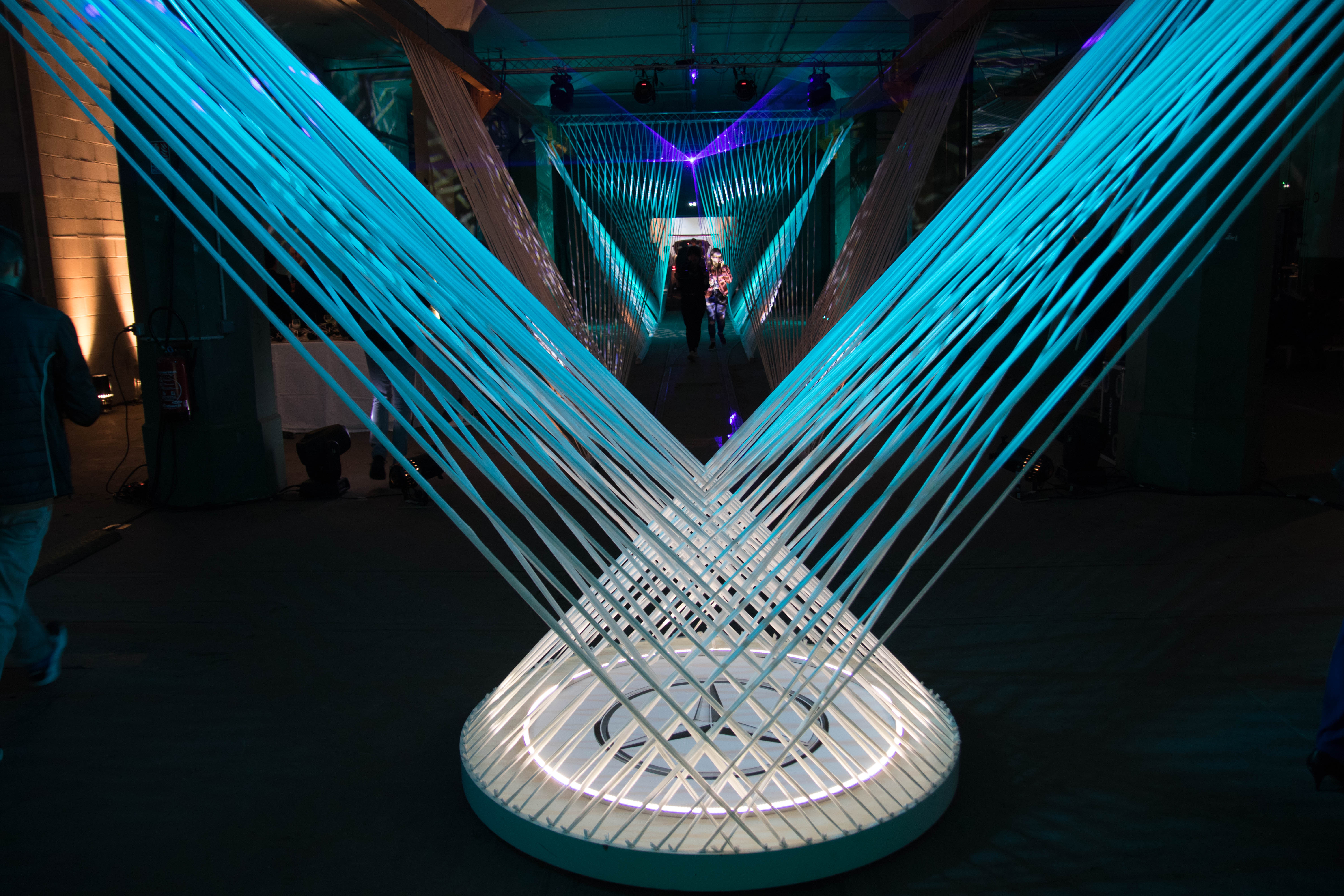
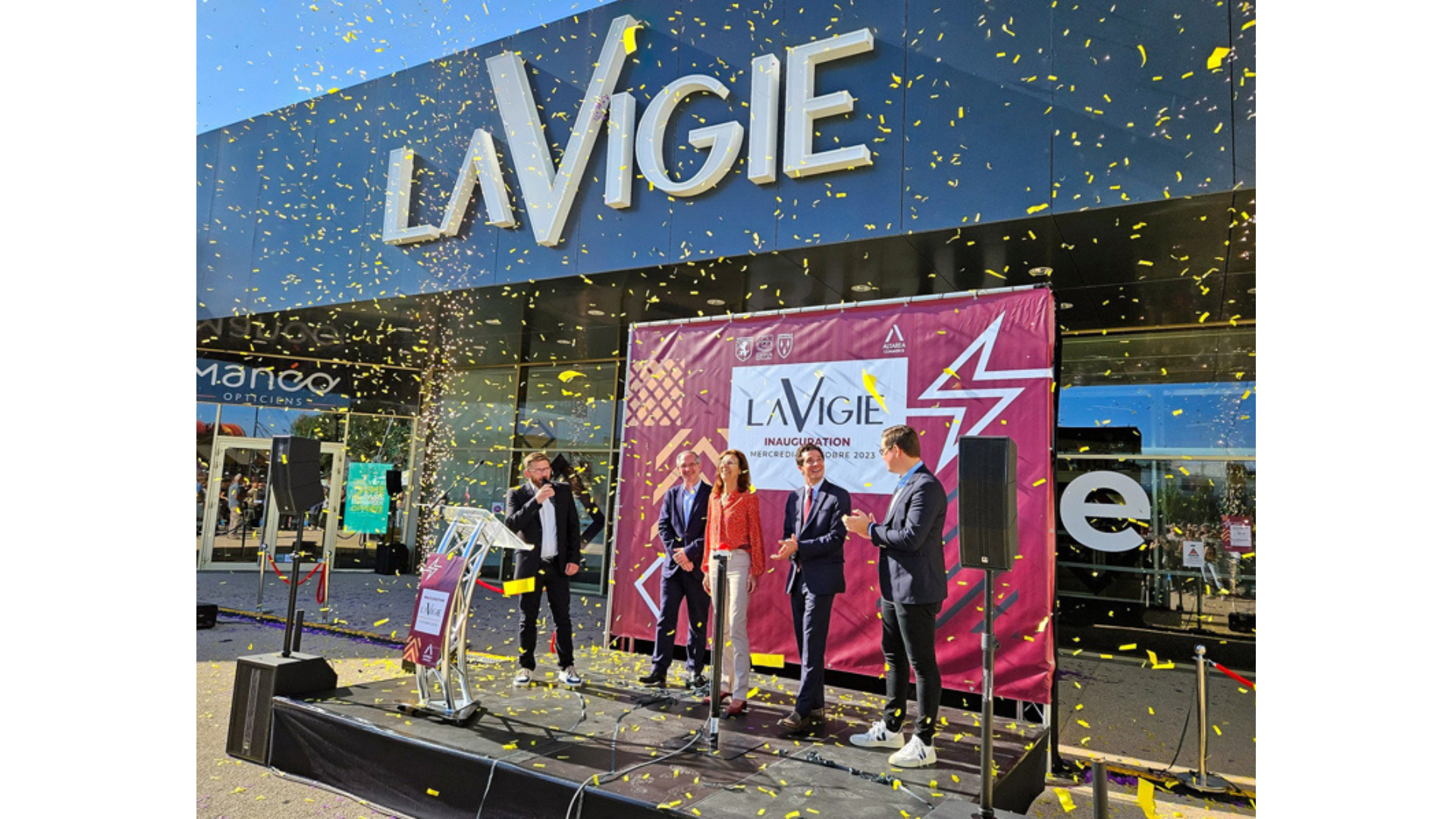
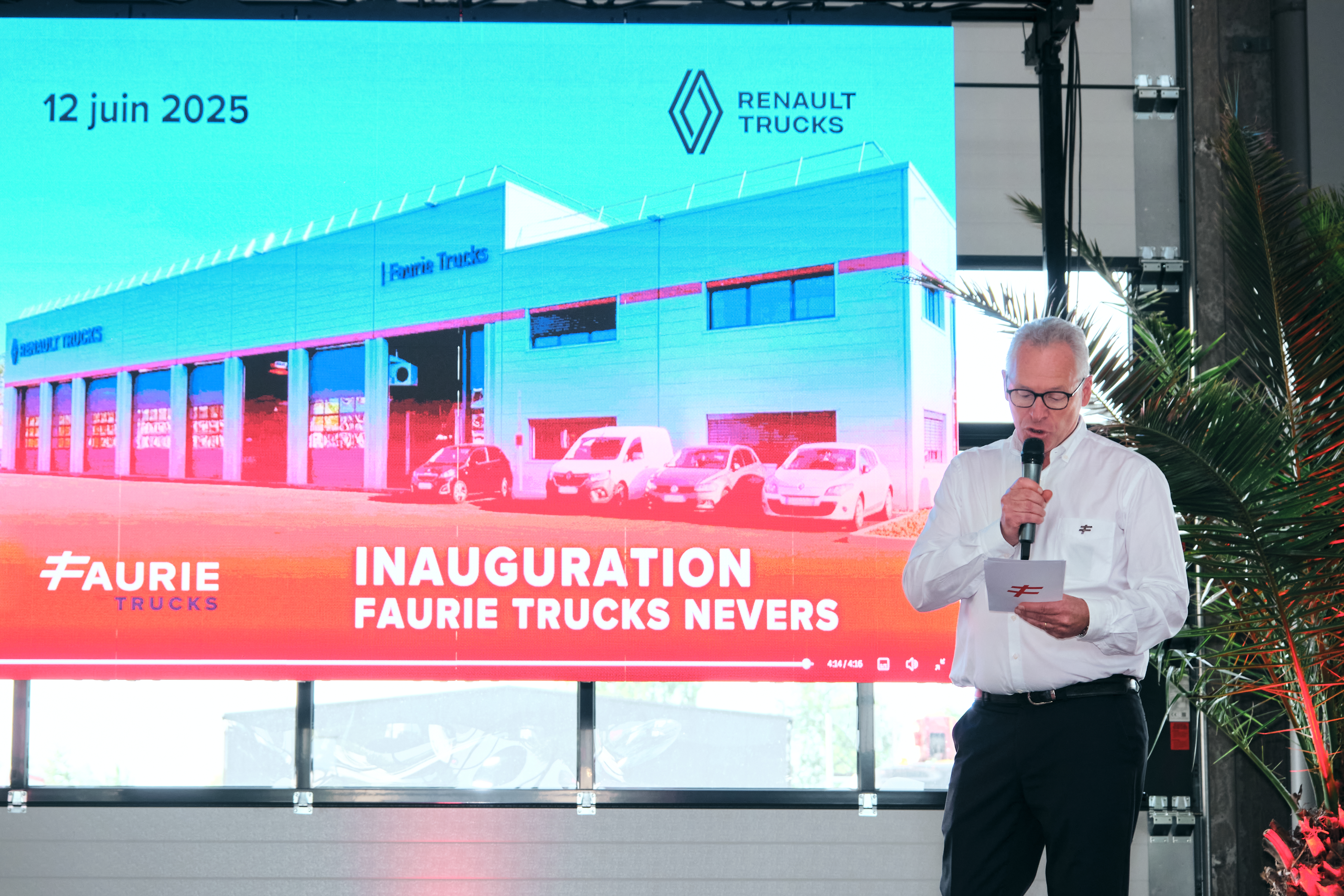
The venue is not a backdrop—it dictates sound, flow, safety, supplier logistics and even speech length. In Liege, the right setting can also signal your position: community-focused, premium, industrial credibility, or innovation-led. We start from objectives and constraints, then select a venue type that will not fight your run-of-show.
| Venue type | For which objective? | Main strengths | Possible constraints |
|---|---|---|---|
Your own site in Liege (store, showroom, offices) | Prove operational readiness and drive immediate business | Authenticity, easy product access, direct conversion, staff ownership | Power limits, sound reflections, guest flow bottlenecks, business continuity |
Industrial or logistics space in the province | Show scale, reliability, safety culture to partners | Strong “proof” factor, large capacities, impressive routing options | Safety compliance, PPE needs, cold/noise, limited décor anchoring |
Hotel or conference venue (Liege centre / nearby) | Host VIPs, speeches, press moments with comfort | Technical infrastructure, catering systems, parking solutions, weather-proof | Less brand immersion, additional transfers to the actual site if needed |
We recommend a site visit before you lock the format. A 60–90 minute walkthrough with the producer and the AV lead typically saves days of rework and avoids the classic issues: insufficient power, unusable speech acoustics, and poorly placed welcome areas.
Grand Opening budgets in Liege: what really drives the cost
A Grand Opening in Liege can range from a simple hosted opening to a multi-zone production with AV, security, catering, décor and content capture. Pricing depends less on “how fancy” it looks and more on logistics, staffing and technical complexity. We build budgets that executives can defend internally, with transparent line items.
Attendance and opening window: 80–200 guests over 2 hours is a different model than 800+ guests over a full afternoon. Staffing, security and catering throughput scale quickly.
Venue readiness: an empty shell or operational site may require extra power distribution, staging, drape, heating/cooling solutions, and safety signage.
Technical production: speech intelligibility is non-negotiable. Costs are driven by speaker coverage, wireless mic redundancy, and the time needed for rehearsal and cueing.
Catering style: seated, cocktail, food stations, or hybrid. Throughput and staffing ratios drive cost more than menu choices. Waste management and cleaning are often underestimated.
Security and compliance: crowd control, access checks, and emergency procedures. In certain contexts, a dedicated safety officer or additional stewards are required.
Branding and build: signage, wayfinding, branded backdrops, reveal elements. The key is durability and fire safety compliance—especially indoors.
Content capture: photo, video, interviews, drone permissions where applicable, and post-production. Decide upfront what assets you need for corporate comms.
We always discuss ROI in operational terms: leads captured, demo participation, partner meetings scheduled, recruitment touchpoints, and brand risk avoided. The best openings are not the most expensive; they are the most controlled and the easiest to execute repeatedly across sites.
What you gain with a Liege-based event partner
Local execution is not about “knowing a cool place”. It is about speed, reliability and risk reduction. When you plan a Grand Opening, small issues become expensive fast: a delayed truck blocks access, a neighbour complains about sound, a supplier shows up with the wrong power requirements, or the venue imposes last-minute constraints.
Working with a team that is operationally active in the area means faster site visits, stronger supplier reflexes and fewer assumptions. If you’re comparing agencies, ask who will be on-site, how they manage vendor call times, and how they handle incident escalation without involving your leadership for every micro-decision.
If you need a dedicated local partner for the city, our event agency in Liege coverage ensures the production team can react quickly during preproduction and be present for the critical walkthroughs.
- Shorter decision loops: quick site checks, technical validations and supplier meetings reduce planning risk.
- Better supplier coordination: local AV, security, staffing and logistics partners who are used to working together on tight schedules.
- More realistic run-of-show: based on local traffic patterns, loading constraints and guest behaviour.
- On-the-day resilience: a local team can add resources quickly if attendance exceeds forecast or conditions change.
We always discuss ROI in operational terms: leads captured, demo participation, partner meetings scheduled, recruitment touchpoints, and brand risk avoided. The best openings are not the most expensive; they are the most controlled and the easiest to execute repeatedly across sites.





Liege-style Grand Opening scenarios we handle in the field
Our projects range from highly branded public-facing openings to partner-only inaugurations under tight protocols. In practice, the complexity is rarely in the creative concept—it is in the interface between your operations and the event layer.
Examples of real situations we plan for (and solve) in openings similar to those run in Liege:
- Operational site with customers still present: we create separated flows and staff posts so guests feel guided while business continues safely.
- Two-tier audience: VIP tour and speeches first, then a broader open house. We build a clean reset window and clear communication so the second audience doesn’t dilute the first.
- Speeches in difficult acoustics: we adjust speaker placement, add delays/speakers, and run a mic plan with redundancy. If the venue is reflective, we prioritise intelligibility over volume.
- Brand compliance: we manage approvals for signage, photo zones, and reveal moments so corporate identity guidelines are respected on-site—not just in the proposal.
- Last-minute changes: a CEO delayed, a key delivery missing, or weather changes forcing an indoor shift. We use a structured run-of-show and decision tree so the event stays on time.
Adaptability is not improvisation. It is having a plan that anticipates failure points and gives the team authority and tools to keep the experience consistent.
Common Grand Opening mistakes we prevent in Liege
No capacity plan at the entrance: a single check-in desk for 400 guests creates queues and frustration within 10 minutes.
Speeches without sound discipline: wrong mic type, no rehearsal, no stage manager cueing transitions—resulting in lost attention and poor video/photo assets.
Entertainment that blocks sales: placing a performance where demos or consultations should happen, or creating noise levels that stop conversations.
Underestimating supplier timing: loading conflicts, elevator access issues, or a venue that restricts setup hours.
Unclear roles on the day: internal teams and vendors asking leadership for approvals every 5 minutes because there is no decision structure.
Missing neighbour and city considerations: sound, parking overflow, or signage issues that generate complaints and reputational friction.
Our role is to remove these risks before they surface: by validating the site, building a realistic schedule, assigning responsibilities, and running the event with a proper production team. That is how a Grand Opening in Liege stays professional even under pressure.
Why organisations in the Liege region keep the same agency
Repeat business in events is earned through operational reliability. Teams return when they can predict what will happen, how issues will be handled, and how much internal time will be required. For HR and communications, the biggest relief is knowing the agency will protect the brand while keeping stakeholders aligned.
60–70% of our annual activity comes from returning clients and referrals within corporate networks.
1 single run-of-show shared across all suppliers reduces coordination time and prevents schedule conflicts.
0 surprises policy: we flag constraints early (power, sound, access, staffing ratios) so you can make decisions before money is spent.

Loyalty is not about habit; it is a risk-management choice. When your brand is exposed in public, you select partners who deliver consistently, especially when the day doesn’t go exactly as planned.
Our Liege production process from brief to show call
👉 Liege scoping call and stakeholder alignment
We start with a 45–60 minute working session with the sponsor (exec), HR and communications. We confirm objectives, audience segments, attendance range, key messages, sensitive points (neighbours, safety, operational continuity) and success metrics. Output: a short written brief that prevents scope drift.
👉 Venue or site audit in the province
We conduct a site visit focusing on flow, power, acoustics, safety routes, loading access, and guest experience from street to exit. Output: a constraints report with recommendations (layout, staffing, AV needs, signage plan).
👉 Concept, programme, and guest journey design
We translate objectives into a programme that can be executed: timing grid, zones, scripts, and hosting roles. We define the entertainment purpose (pacing, reveal, engagement, content capture) and how it supports your commercial or employer-brand goals.
👉 Supplier sourcing and budget build
We source AV, catering, staffing, security, décor, and content capture with clear scopes of work. We present a transparent budget with options (must-have vs. nice-to-have) and identify cost drivers early so you can arbitrate without last-minute compromises.
👉 Production planning and approvals
We create the master production schedule, vendor call times, signage plan, and risk register. We manage approvals with your communications/brand team and ensure compliance with venue rules and any local requirements.
👉 Technical rehearsal and day-of execution in Liege
We run a technical check (sound, lighting, cue points), brief hosts and security, and manage the event from a command position on-site. We keep leadership focused on guests and stakeholders—not on logistics. After the event, we deliver a short debrief with learnings and next-step recommendations.
FAQ sur l'organisation Grand Opening à Liege
How far in advance to plan a Grand Opening in Liege?
Plan for 6–10 weeks for a standard corporate opening (venue/site confirmed). If the site needs technical build, permits, major branding installations, or complex security, expect 10–16 weeks. For a simple hosted open house with limited suppliers, 3–4 weeks can work, but options become limited.
What budget range is realistic for a Liege Grand Opening?
For 100–200 guests with catering, AV for speeches, staffing, and basic branding, a common range is €12,000–€35,000. For 300–800 guests with multi-zone flow, security, stronger technical production and content capture, plan €35,000–€120,000+. The venue/site constraints and catering throughput are the main drivers.
Do we need security staff for an opening in Liege?
Often yes when the event is public-facing, when you expect high attendance, or when the site has safety constraints. As a rule of thumb, for controlled access with one main entrance, plan 2–6 security staff depending on peak arrivals and VIP needs. We confirm requirements after the site audit and risk review.
How do you avoid long lines at check-in in Liege?
We size check-in for the peak 30-minute window, not the total guest count. Practical measures include 2–6 check-in positions, pre-registration with QR codes, a separate VIP lane, and a host role dedicated to triage. We also move the welcome point away from the door so queues do not block the entrance.
Can you run a bilingual event for Liege partners and HQ?
Yes. We typically use a bilingual MC (FR/EN) and keep leadership interventions short (3–6 minutes each) with pre-approved key messages. If simultaneous interpretation is required, we add the necessary audio setup and a rehearsal, because interpretation without technical discipline degrades the perceived professionalism.
Request a Liege quote with a clear production plan
If you’re planning a Grand Opening and want a proposal that is operationally credible—timelines, staffing, supplier scopes, risk controls—contact INNOV'events. Share your target date, venue/site status, attendance range, and the audience mix (customers, partners, employees, media). We’ll respond with a structured plan and a budget built around what matters on the day: flow, sound, safety, and brand control.
Earlier planning gives you better supplier availability and more leverage on costs. If the date is fixed, we can prioritise a rapid site audit in Liege and lock the technical fundamentals first.
INNOV'events Liege Agency
Justin JACOB is the manager of the INNOV'events Liege office. Reach out directly by email at belgique@innov-events.be or via the contact form.
Contact the Liege agencyAll our services & entertainment Liege, Belgique
Discover our event services
Discover our event entertainment available in the Belgique
- Event Hostess in Liege
- Escape Game in Liege
- MasterChef Cooking Workshop in Liege
- Magician in Liege
- Marquee Rental in Liege
- Color Analysis Workshop in Liege
- Inflatable Games in Liege
- Valet Parking Service in Liege
- Football Simulator in Liege
- LED Furniture Rental in Liege
- Light Branding in Liege
- Unique Dining Experience in Liege
- Light Painting in Liege
- Murder Mystery Party in Liege
- Prize Contest in Liege
- Promotional Displays (POS) in Liege
- Virtual Reality in Liege
- Molecular Gastronomy Workshop in Liege
- Halloween Entertainment in Liege
- Fireworks Show in Liege
- Giant Games Challenge in Liege
- Event Host / MC in Liege
- Photo Booth Animation in Liege
- Santa Claus Entertainment in Liege
- Kids Entertainment in Liege
- Guided Tour in Liege
- Urban Rally in Liege
- Ball Pit in Liege
- Flight Simulator in Liege
- Food Truck Rental in Liege
- World Record Challenge in Liege
- Surf Simulator in Liege
- Wine Casino in Liege
- Makeover Workshop in Liege
- Perfume Creation Workshop in Liege
- Acting Workshop in Liege
- CSR Activities in Liege
- Archery in Liege
- Security Staff in Liege
- Wine Tasting in Liege
- Mime Performer in Liege
- TV Game Show in Liege
- Funfair in Liege
- Crisis Management Workshop in Liege
- Crisis Negotiation Workshop in Liege
- Arcade Games in Liege
- Indoor Skydiving Simulator in Liege
- Ski Simulator in Liege
- Racing Circuit Experience in Liege
- Introductory Flight Experience in Liege
- Tasting Experience in Liege
- Build Your Own Foosball Workshop in Liege
- 2CV Rally in Liege
- LEGO Challenge in Liege
- Casino Night in Liege
- Interpreter / Translator in Liege
- Promotional Giveaways in Liege
- Shuttle Transport in Liege