
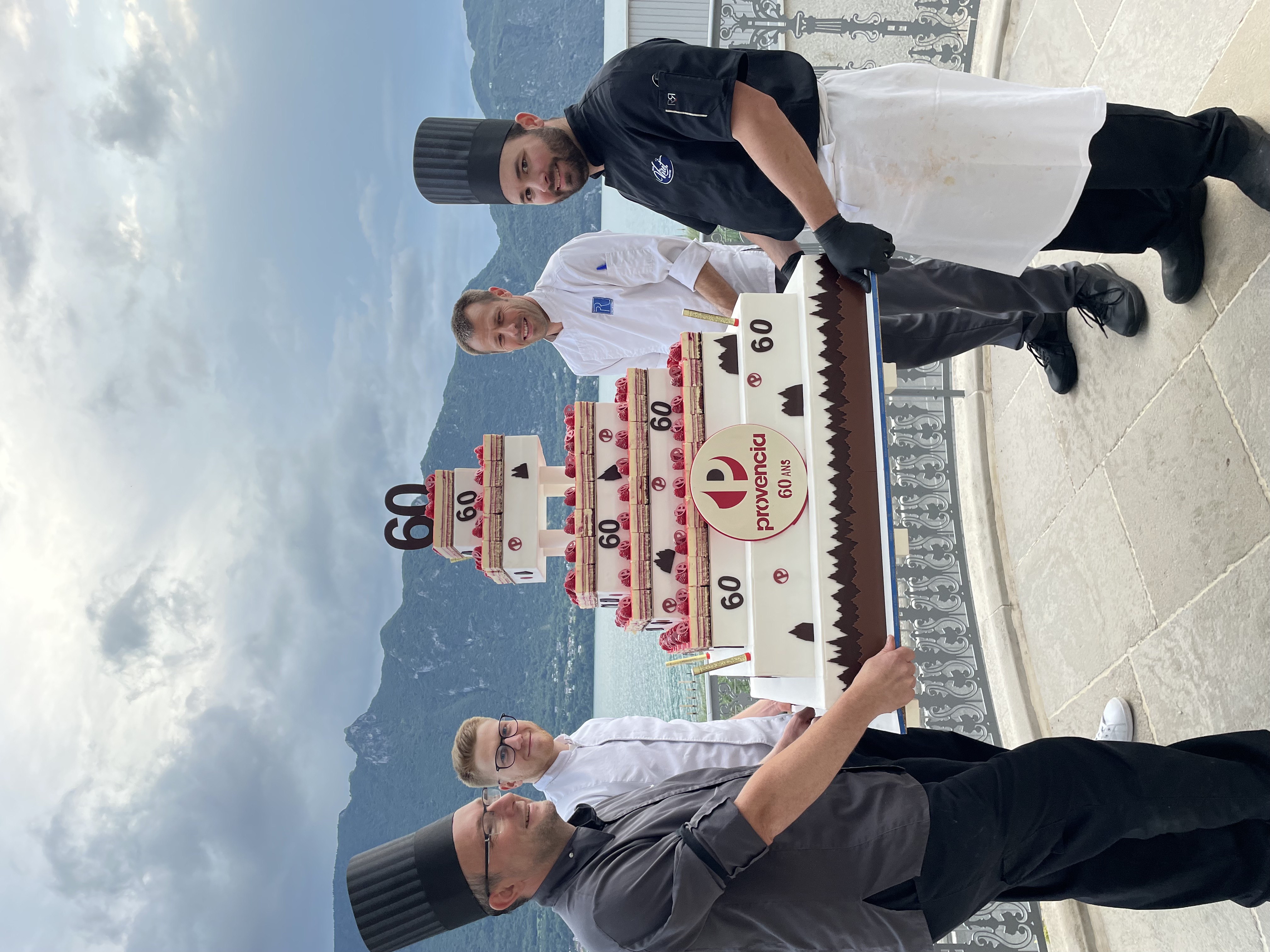
Event Catering in Liege that protects your schedule, brand, and guests
INNOV'events supports executives, HR, and communications teams with Event Catering for corporate events in Liege, typically from 30 to 2,000 guests. We manage the full catering chain: concept, sourcing, production, staffing, service timing, beverage strategy, and on-site logistics.
You get a structured plan, transparent budget lines, and a single accountable partner on event day—so your leadership team can focus on stakeholders, not last-minute kitchen issues.
Table of contents
In a corporate event, catering is not “just food”: it dictates guest flow, energy level, and the credibility of the host. When service is late, quantities are wrong, or dietary requests are missed, it immediately impacts executive presence, speeches, and the perceived professionalism of the organization.
Organizations in Liege often need a tight run-of-show: short lunch windows between plenary sessions, controlled alcohol policies, multilingual signage, and service teams briefed to handle VIPs and supplier access constraints. The expectation is simple: consistent quality, no surprises, and reliable timing.
As an event agency based in Brussels with regular operations in Liege, INNOV'events brings field-tested catering coordination: precise staffing ratios, delivery slot planning, venue load-in rules, and contingency procedures. We treat catering as an operational system, not a decorative line item.
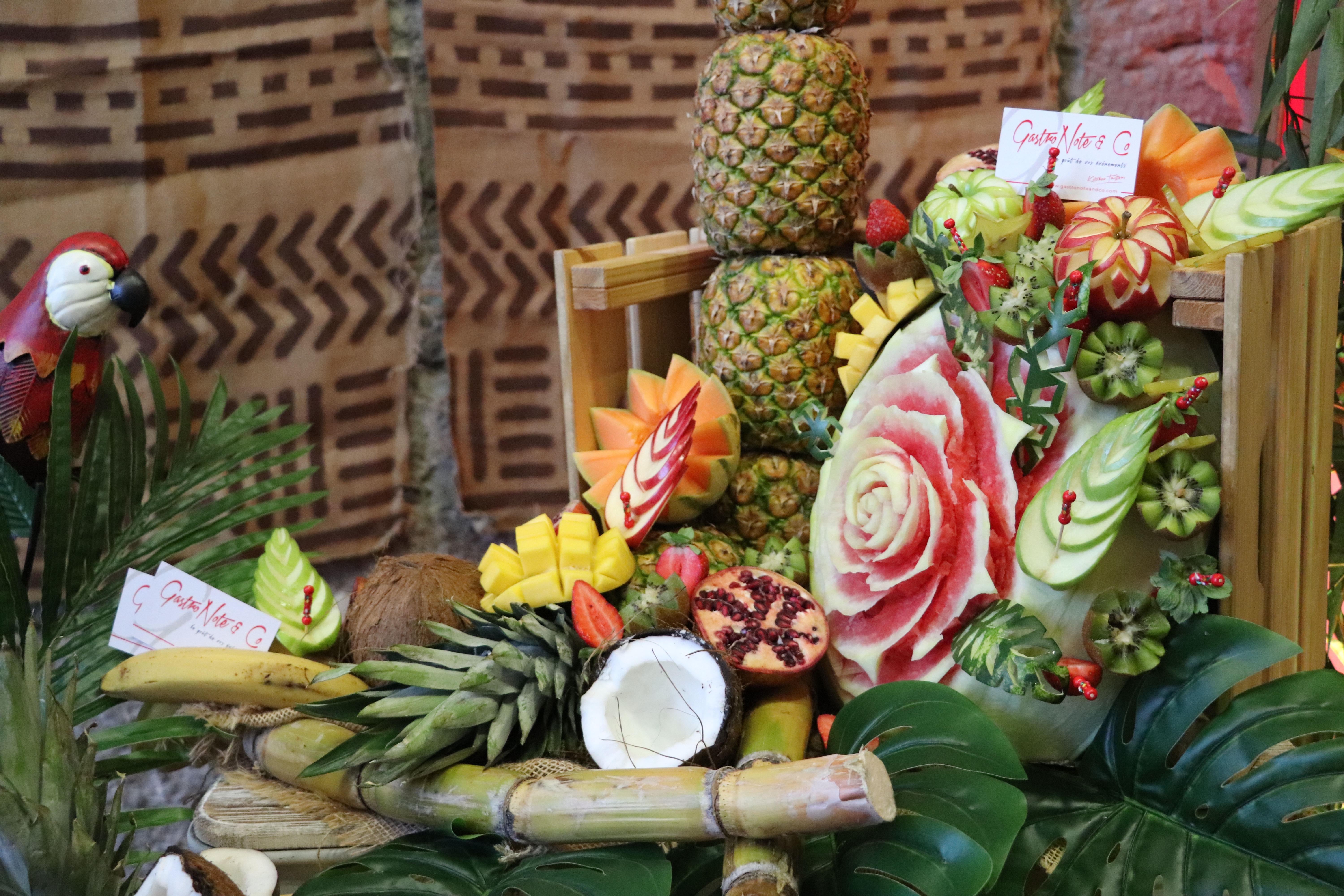
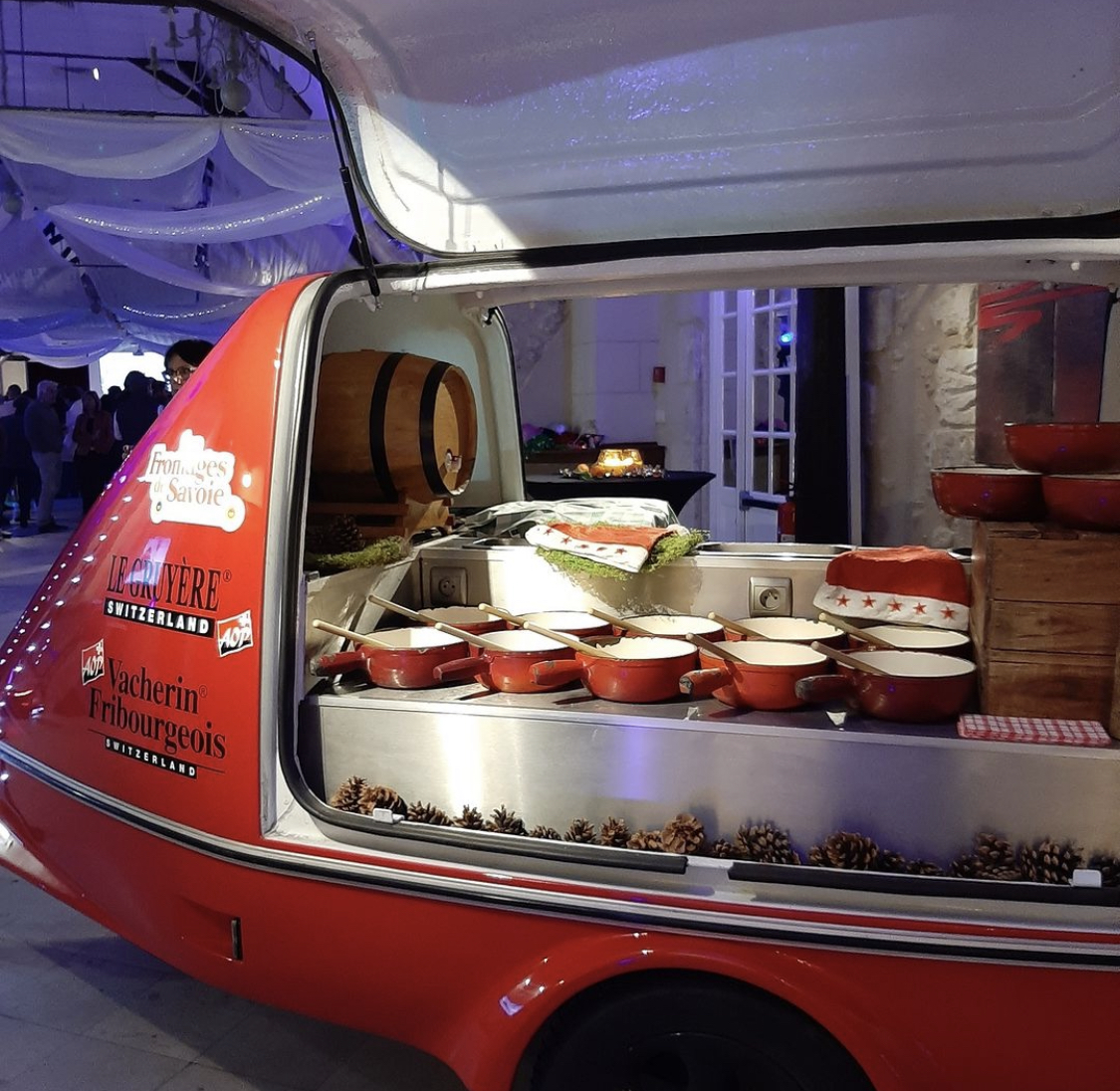
Operational benchmarks we commit to for Liege events
10+ years coordinating corporate events and Event Catering across Belgium, with repeat formats (town halls, client receptions, HR moments, conferences).
Typical catering service ratios we plan with: 1 server per 20–30 guests for seated meals, 1 per 35–45 for cocktails (adjusted for tray service intensity, venue layout, and VIP density).
On-time service is engineered: we build a run-of-show with 15–30 minutes buffer around production and speeches, and we secure delivery slots in writing with venues and suppliers.
Dietary compliance workflow: consolidated allergen matrix shared with kitchen + service, and on-site labeling that reduces “last-minute table discussions” for vegetarian, vegan, halal, gluten-free, and allergy-sensitive guests.
How to organize a professional event in Liege?
- Define the objective (cohesion, announcement, fidelity, performance).
- Set date, format and size (20–1 000 people).
- Secure the venue and accommodation according to seasonality.
- Lock down technical, suppliers and logistics.
- Drive the day J (timing, scene, entrance, flow).
Trusted Event Catering partners for Liege organizations
We support companies and institutions that operate in and around Liege—from headquarters teams to site leaders hosting internal or client-facing moments. Many of our collaborations are recurrent because the operational stakes are the same every time: protect timing, avoid reputational risks, and deliver a consistent guest experience across multiple dates.
If you want us to cite specific client names as references, send your approved list and we’ll integrate them in a compliant way (procurement rules, brand guidelines, and what can be shared publicly). In practice, our Liege projects include executive breakfasts, safety milestone celebrations, recruitment evenings, product demos, and cross-border stakeholder receptions where service discipline matters more than show.
We send you a first proposal within 24h.
What Event Catering changes for leaders in Liege
Decision-makers rarely “buy catering”; they buy operational control. In Liege, where many events mix internal teams, partners, and public-sector or academic stakeholders, catering becomes a managerial tool: it sets the tone, defines informal conversation time, and supports message retention.
Protect executive agenda: when service timing is stable, leaders can keep speeches, awards, and stakeholder meetings on schedule (no rushed Q&A, no shortened plenary).
Reduce HR friction: clear dietary handling and fair access to food throughout the event lowers complaints and avoids the classic “late arrivals get leftovers” issue.
Support internal culture: well-designed breaks increase cross-team interaction, especially after reorganizations, integrations, or union-sensitive periods.
Strengthen client perception: consistent beverage and service standards signal operational maturity—critical in B2B environments where procurement and quality systems are part of the conversation.
Control risk: allergen management, alcohol policy, temperature control, and service staff briefing reduce the probability of incidents that escalate quickly on social media or in internal channels.
Liege is a working city with a pragmatic business culture: people notice what is efficient, not what is loud. Catering that is punctual, cleanly executed, and well staffed reinforces the credibility of your message.
How Liege constraints shape corporate catering choices
Planning Event Catering in Liege often means working with venues that have strict access windows, limited dock space, or shared logistics with other tenants. We routinely anticipate load-in timing, elevator capacity, kitchen availability, and waste removal rules—because these details decide whether the first tray arrives on time.
Another local reality: guest profiles can be mixed (engineering teams, management, suppliers, public-sector contacts, university partners). That diversity impacts menu design and service format. For example, a seated dinner may be perceived as too long or too formal for an industrial audience, while a premium cocktail with structured food stations can keep networking high without creating service bottlenecks.
Finally, Liege events often include guests coming from the region and across borders. We plan arrival peaks, coat check flow, and the first service moment accordingly. When 40% of guests arrive in a 20-minute window, your catering must absorb that without forming lines that block registration or VIP access.
Which catering experiences work best in Liege corporate events
Engagement is often created in the “in-between” moments: the first drink, the first bite, the first conversation. The right catering format encourages movement, breaks silos, and keeps energy high without disrupting your content. For Event Catering in Liege, we prioritize experiences that are operationally robust and easy for guests to understand.
Interactive animations in Liege
Guided tasting corners: a short, staff-led tasting (3–5 minutes per group) that creates conversation without turning into a show that competes with speeches.
Networking-friendly food stations: distributed stations (warm, cold, vegetarian) to reduce queues and keep foot traffic balanced across the room.
Structured coffee break: double-sided coffee points and “grab-and-go” items for conferences where break time is a fixed 15–20 minutes.
Art animations in Liege
Discreet live music sets: small-format ensembles that support networking volume rather than overpowering it; ideal for client receptions where conversation is the priority.
Brand-aligned table styling: not decoration for decoration’s sake—clear sightlines for signage, coherent colour palette, and practical layouts that keep service fast.
Innovative animations in Liege
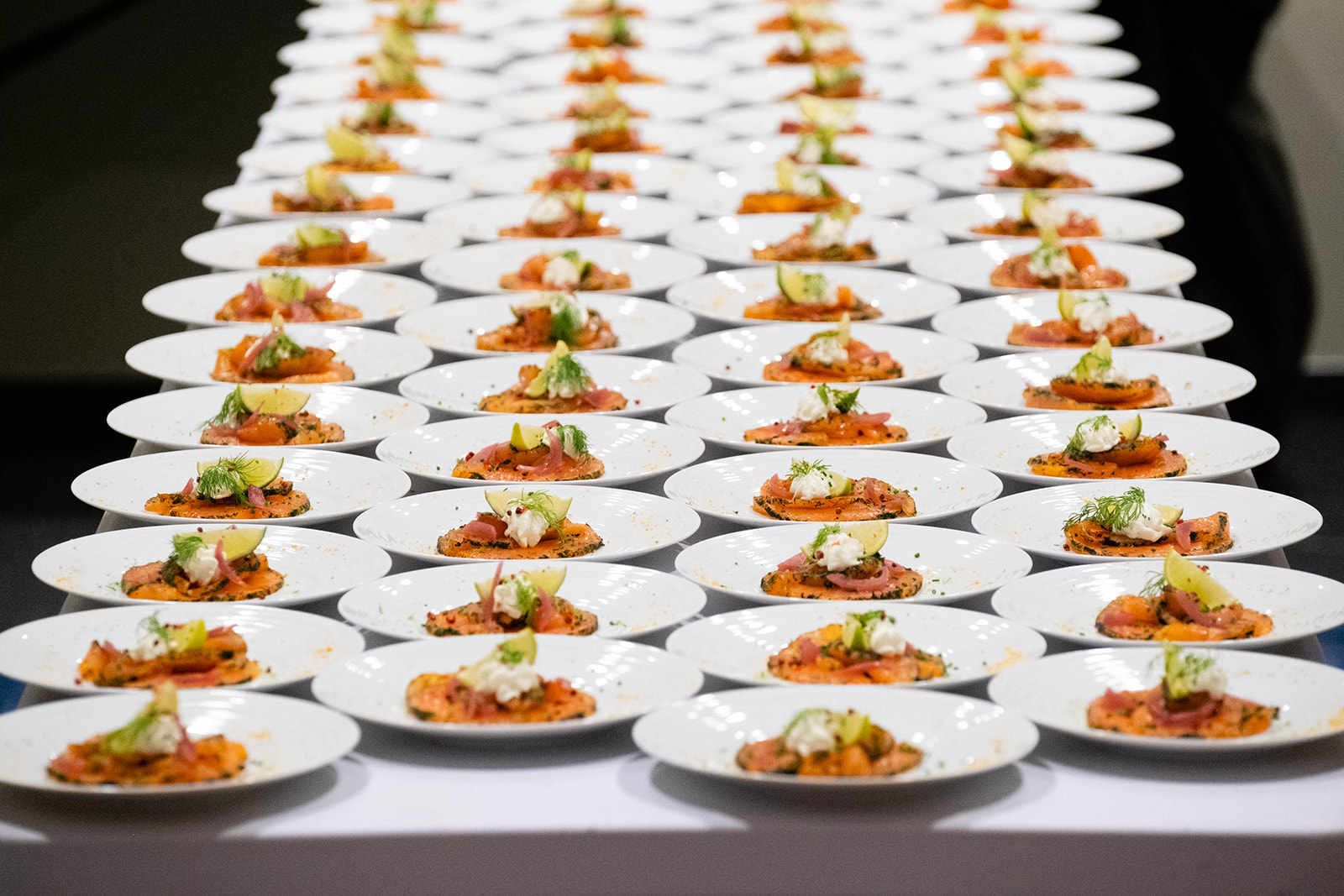
Liege-relevant touches: a local product focus (without clichés), such as regional cheese boards or a refined dessert moment referencing local craftsmanship, integrated with clear allergen labeling.
Executive-friendly cocktail pieces: bites that can be eaten in one or two bites, minimizing mess on suits and dresses and reducing the need for cutlery in standing formats.
Zero-alcohol strategy: curated non-alcoholic pairings that look premium, supporting inclusive policies and safer post-event driving.
Gourmand animations in Liege
Data-driven consumption planning: beverage forecasting based on guest profile and schedule, to limit waste while avoiding stock-outs during peak moments.
Operational sustainability: measured waste sorting, reusables where venue rules allow, and portion design that reduces leftovers without making guests feel constrained.
Whatever the concept, we align catering choices with your brand image and internal culture: a public company won’t host the same bar setup as a scale-up, and a safety-driven industrial site won’t accept the same service risk as a creative agency. The goal is coherence, not gimmicks.
Where to host Event Catering around the Liege area
The venue defines what catering can realistically deliver: kitchen access, staffing routes, storage, and noise constraints determine whether you can do a plated dinner, a high-end cocktail, or a hybrid format. In the Liege area, we always validate logistics before confirming a menu, because the best culinary concept fails if the venue cannot support it.
| Venue type | For which objective? | Main strengths | Possible constraints |
|---|---|---|---|
Conference venue or auditoriums with foyer | Town halls, conferences, plenaries with strict timing | Clear guest flow, predictable break windows, AV-friendly | Limited kitchen capacity; strict load-in; short service windows |
Industrial or corporate site (on-premise) | Safety milestones, internal celebrations, recruitment days | High attendance capacity; strong employer branding; no travel time | HSE constraints, access control, limited back-of-house, power/water limits |
Hotel venues and business centres | Client dinners, executive meetings, multi-day events | On-site kitchen, accommodation, professional service teams | Less flexibility on suppliers; package structures; parking/traffic peaks |
We strongly recommend a site visit (or at minimum a technical walkthrough) before finalizing your catering format. A 30-minute check of access routes, storage space, and service paths can prevent hours of delays on event day.
What Event Catering costs in Liege and what drives pricing
Pricing for Event Catering in Liege depends on format, service level, logistics, and risk management—not just menu choices. The right question is not “what is the price per person?” but “what level of service reliability and brand control do we need for this audience and schedule?”
Format: coffee break, lunch boxes, cocktail, buffets, plated dinner. A plated dinner requires more staff and tighter timing than a cocktail.
Staffing and supervision: number of servers, bar staff, maître d’hôtel, and on-site coordination. For VIP-heavy events, supervision intensity increases.
Venue constraints: kitchen availability, distance to production kitchen, elevator access, parking, and load-in windows in the Liege area.
Beverage strategy: open bar vs. controlled consumption, premium wines, zero-proof cocktails, coffee service reset, and glassware quantities.
Dietaries and allergens: complexity of special meals, labeling, separate prep, and how they are delivered to the right guest without disruption.
Equipment: refrigeration, hot boxes, mobile bars, furniture, linens, plateware, and power distribution if you are off-site.
Timing: evening/weekend labour premiums, split shifts, and venue curfews that force compressed service windows.
We frame budget against outcomes: on-time service, reduced operational risk, and a guest experience that supports your message. In many corporate contexts, avoiding one visible service failure is worth more than marginal savings on menu lines.
Why a Liege-area partner reduces catering risk
For corporate events, “local” is not a label—it’s response time, supplier accountability, and familiarity with venue rules. When your schedule is tight, knowing how a room loads in, where the service corridors are, and what time deliveries are actually accepted matters more than a glossy proposal.
We operate regularly in Liege and coordinate local supplier ecosystems (kitchens, staff pools, rental partners). That means fewer assumptions, faster troubleshooting, and realistic planning. When needed, we also integrate catering into the wider event production via our event agency in Liege coordination, so AV cues, speeches, and service timing stay aligned.
- Faster site verification: practical checks (access, storage, power, service paths) before you commit to a format.
- More resilient staffing: access to service teams who know corporate standards (dress code, discretion, bilingual welcome).
- Supplier alignment: fewer handovers, clearer responsibilities, and a single escalation path on event day.
- Realistic logistics: delivery timing and transport plans that reflect Liege traffic patterns and venue constraints.
We frame budget against outcomes: on-time service, reduced operational risk, and a guest experience that supports your message. In many corporate contexts, avoiding one visible service failure is worth more than marginal savings on menu lines.






Examples of Event Catering scenarios delivered in Liege
Our catering projects in Liege range from structured conferences to high-stakes client receptions. A common scenario: an internal plenary with a fixed 20-minute break and a CEO who cannot run late due to media or stakeholder meetings. In those cases, we design service points to avoid queues (two coffee lines, distributed snacks, clear signage), and we pre-position replenishment so the room can reset before the next session.
Another frequent format is a client cocktail after a site visit or product presentation. The operational challenge is to maintain a premium feel while guests are standing, moving, and networking. We prioritize one- to two-bite items, controlled tray circulation, and a bar setup that avoids crowding near entry points. We also brief service staff on how to handle VIP introductions discreetly and how to keep speeches audible by coordinating music and bar noise.
We also support HR moments such as recruitment evenings or recognition ceremonies where inclusivity matters: thoughtful non-alcoholic options, clear dietary labeling, and service staff trained to answer questions without improvising allergen information.
Common catering mistakes we prevent in Liege events
Underestimating access and load-in: deliveries arriving late because the venue allows entry only in a short window or requires security checks.
Queues at the wrong places: a single bar or buffet line placed near registration, blocking guest flow and creating a perception of poor organization.
Unclear dietary handling: special meals that “disappear” into the room without a delivery process, creating avoidable stress for HR teams.
Mismatch between menu and audience: food that is too messy for a standing networking format, or too light for a long evening program.
No buffer for timing changes: speeches that run long with no catering contingency, leading to cold food or rushed service.
Alcohol policy not defined: open bar misaligned with corporate policy, driving cost overruns or reputational risk.
Our role is to anticipate these operational points early, document decisions, and manage execution on site so your team isn’t firefighting in front of guests.
Why Liege clients renew their Event Catering projects
Repeat business in corporate catering is rarely about creativity; it’s about reliability under pressure. Clients come back when they know the schedule will hold, service teams will behave professionally, and issues will be handled without escalating to leadership on event day.
Recurring formats: many organizations run the same event 2–4 times per year (management updates, client evenings, HR milestones). We build a reusable run-of-show and vendor playbook.
Operational continuity: keeping the same lead coordinator and documented lessons learned reduces risk from one edition to the next.
Budget predictability: consistent scopes and clear options (upgrade/downgrade levers) help procurement and communications teams validate spend faster.

Loyalty is a measurable signal: when teams rebook, it means the event delivered without hidden costs, internal stress, or reputational issues.
Our Event Catering process for Liege corporate events
👉 Liege discovery call and constraint mapping
We confirm objectives (HR, client, internal comms), audience mix, timing constraints, and brand tone. We also capture non-negotiables: alcohol rules, dietary requirements, security access, and who approves changes on event day.
👉 Menu and service design tied to the run-of-show
We propose a service format that matches your schedule (plated vs. cocktail vs. stations) and define staffing ratios, bar layout, and service timing. You receive a draft run-of-show showing exactly when each catering moment starts, peaks, and ends.
👉 Site logistics validation in the Liege area
We validate access routes, load-in windows, storage space, kitchen capability, power needs, and waste removal. This is where we adjust the plan to avoid day-of surprises (extra fridges, hot boxes, additional service doors, or revised station locations).
👉 Supplier booking, staffing, and compliance pack
We lock suppliers, staffing, and rentals with clear responsibilities. We produce an allergen matrix, beverage quantities, and a service brief for on-site teams (dress code, VIP handling, language expectations, escalation path).
👉 Event-day execution and real-time control
On site, we coordinate deliveries, kitchen timing, room resets, and service rhythm. We monitor consumption and adjust replenishment. Your internal team has one point of contact, and decisions are escalated only when needed.
👉 Post-event debrief and next-edition improvements
We review what worked and what to optimize (flow, quantities, timing, guest feedback). For recurring events in Liege, we formalize a playbook to reduce planning time and improve predictability.
FAQ sur l'organisation Event Catering à Liege
What’s the typical cost per person in Liege catering?
For corporate events in Liege, you’ll commonly see $35–$75 per person for a well-executed cocktail with food, and $70–$160 per person for a seated dinner (depending on staffing, beverages, rentals, and venue constraints). We quote with clear line items so you can adjust scope without losing control.
How early should we book Event Catering in Liege?
Plan 6–10 weeks ahead for standard corporate dates in Liege. For peak periods (June, September–December) or high-attendance events, 10–16 weeks is safer to secure the best staffing and delivery slots.
Can you handle allergens and special diets in Liege events?
Yes. We use a consolidated allergen matrix, pre-identified special meals, and on-site labeling. Expect to confirm final dietary counts 5–7 business days before the event; last-minute additions are possible, but we’ll define a realistic buffer quantity to avoid operational risk.
What staffing ratio do you recommend in Liege?
As a baseline: 1 server per 20–30 guests for plated service, and 1 per 35–45 for cocktail formats. If your venue has long service paths, multiple rooms, or VIP table service, we adjust upward to protect timing and guest comfort.
Do you provide bar service and alcohol policy control in Liege?
Yes. We can run open bar, drink-ticket systems, or time-boxed bar service (for example, bar open for 90 minutes then switch to coffee/soft drinks). We also recommend a premium zero-alcohol menu to support inclusion and reduce risk without lowering perceived hospitality.
Request a Liege Event Catering quote with clear deliverables
If you’re comparing agencies, we can provide a structured proposal: menu concept options, staffing plan, logistics assumptions, and a run-of-show view of service timing. Share your date, venue (or shortlist), guest count, and any constraints (dietaries, security access, alcohol policy), and we’ll revert with a workable scope and budget ranges.
For Event Catering in Liege, earlier planning gives you better supplier availability and fewer compromises on service quality. Contact INNOV'events to lock the operational basics now—then refine the details without stress.
INNOV'events Liege Agency
Justin JACOB is the manager of the INNOV'events Liege office. Reach out directly by email at belgique@innov-events.be or via the contact form.
Contact the Liege agencyAll our services & entertainment Liege, Belgique
Discover our event services
Discover our event entertainment available in the Belgique
- Event Hostess in Liege
- Escape Game in Liege
- MasterChef Cooking Workshop in Liege
- Magician in Liege
- Marquee Rental in Liege
- Color Analysis Workshop in Liege
- Inflatable Games in Liege
- Valet Parking Service in Liege
- Football Simulator in Liege
- LED Furniture Rental in Liege
- Light Branding in Liege
- Unique Dining Experience in Liege
- Light Painting in Liege
- Murder Mystery Party in Liege
- Prize Contest in Liege
- Promotional Displays (POS) in Liege
- Virtual Reality in Liege
- Molecular Gastronomy Workshop in Liege
- Halloween Entertainment in Liege
- Fireworks Show in Liege
- Giant Games Challenge in Liege
- Event Host / MC in Liege
- Photo Booth Animation in Liege
- Santa Claus Entertainment in Liege
- Kids Entertainment in Liege
- Guided Tour in Liege
- Urban Rally in Liege
- Ball Pit in Liege
- Flight Simulator in Liege
- Food Truck Rental in Liege
- World Record Challenge in Liege
- Surf Simulator in Liege
- Wine Casino in Liege
- Makeover Workshop in Liege
- Perfume Creation Workshop in Liege
- Acting Workshop in Liege
- CSR Activities in Liege
- Archery in Liege
- Security Staff in Liege
- Wine Tasting in Liege
- Mime Performer in Liege
- TV Game Show in Liege
- Funfair in Liege
- Crisis Management Workshop in Liege
- Crisis Negotiation Workshop in Liege
- Arcade Games in Liege
- Indoor Skydiving Simulator in Liege
- Ski Simulator in Liege
- Racing Circuit Experience in Liege
- Introductory Flight Experience in Liege
- Tasting Experience in Liege
- Build Your Own Foosball Workshop in Liege
- 2CV Rally in Liege
- LEGO Challenge in Liege
- Casino Night in Liege
- Interpreter / Translator in Liege
- Promotional Giveaways in Liege
- Shuttle Transport in Liege