Guided Tour in Liege that keeps teams aligned and on time
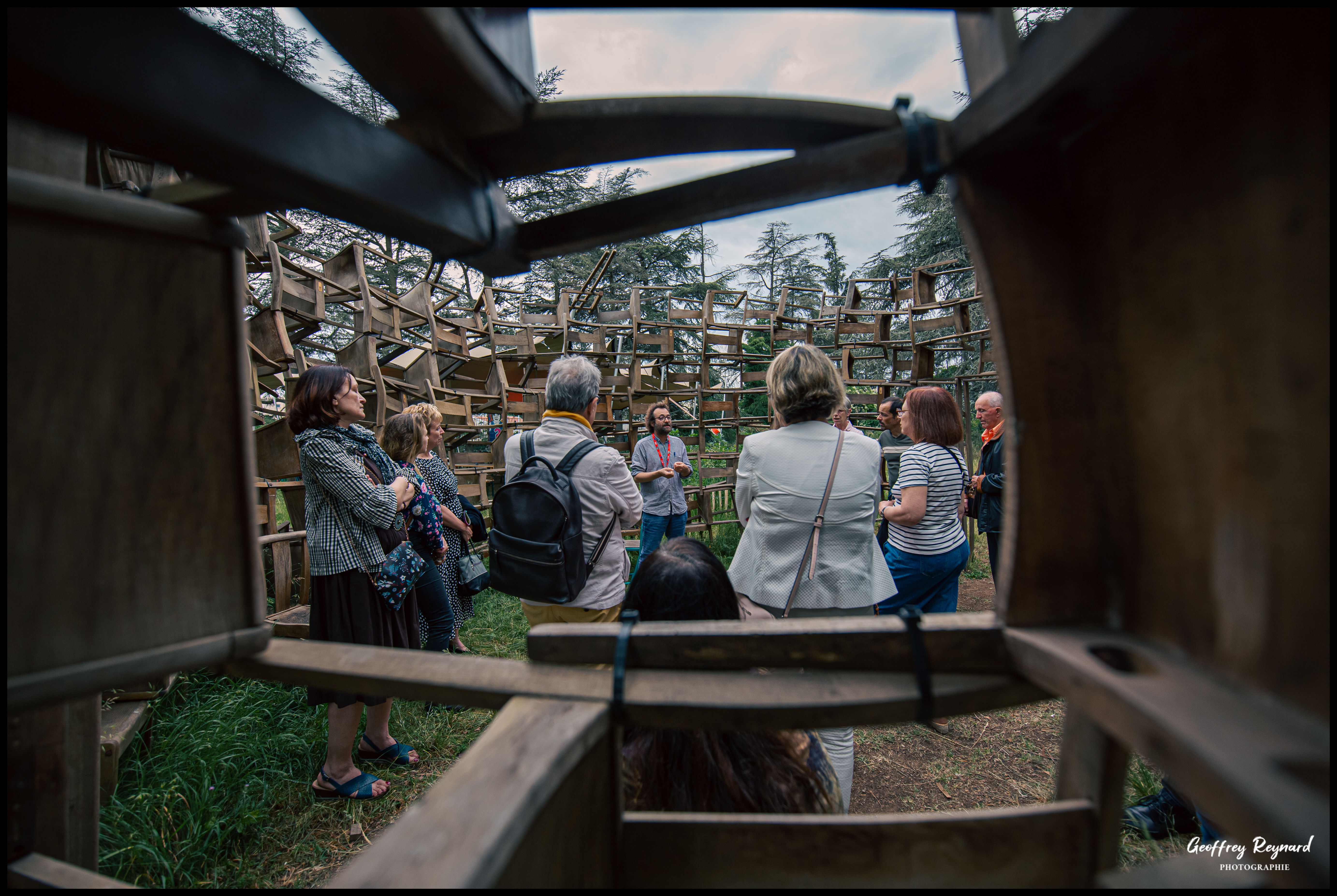
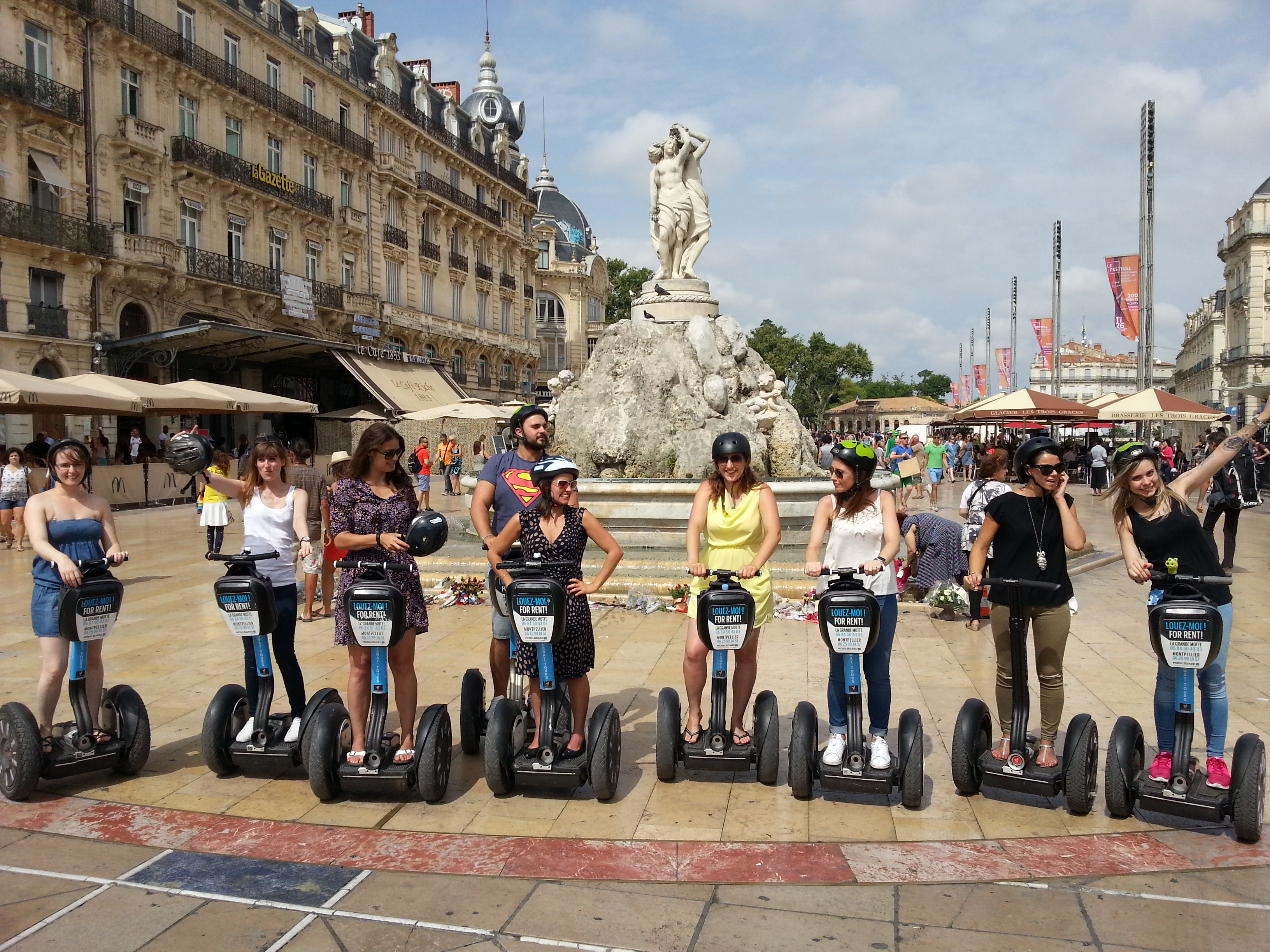
INNOV'events is a Brussels-based corporate event agency delivering Guided Tour formats in Liege for 10 to 300 participants. We secure the guide team, routes, permits, timing, group management, and on-the-day coordination—so your leaders can focus on people, not logistics.
Typical use cases: executive offsites, onboarding cohorts, client hosting, and cultural moments attached to a meeting day in the province of Liège.
Sommaire
In a corporate agenda, “entertainment” is rarely about fun; it is a controlled context to build attention, create shared references, and support messages that are difficult to land in a meeting room (change, safety culture, integration after a merger). A Guided Tour gives you that context without forcing extroversion or competition.
Organizations around Liege typically expect a program that respects operational constraints: fixed shift handovers, strict start times linked to trains, multilingual guests, and a real duty-of-care approach for mixed mobility groups. The tour must run like a project plan, not like a “nice stroll”.
We operate in Liege with tested routes, guide partners, and contingency playbooks for weather, crowd density, and last-minute VIP changes. Our role is to make the visit feel effortless while keeping control of timing, tone, and brand exposure.
What INNOV'events delivers across Belgium, including Liege
10+ years coordinating corporate events across Belgium with a strong operational focus (timings, risk, supplier management).
200+ corporate event days delivered yearly through our network (guides, venues, transport, catering, security).
24–48h turnaround for a first structured proposal (route options, staffing, budget ranges, and constraints).
FR / NL / EN operations for mixed audiences, with bilingual briefings and scripts aligned to your communication goals.
Who we support in Liege and the Liège province
In Liege and the broader Liège province, we work with corporate clients who need reliability more than spectacle: industrial sites coordinating with shift patterns, service organizations hosting regional leadership, and headquarters teams bringing Brussels-based stakeholders closer to field realities.
You mentioned you would provide company names as references; to keep this page accurate and compliant, we only publish names once we have your validation and the client’s approval. In practice, several organizations in the Liege area collaborate with us year after year because we keep the same operational standards: clear run sheets, one accountable project lead, guide briefings that include brand tone, and a disciplined approach to participant safety and timing.
If you want, we can share relevant case summaries (sector, objectives, group size, and logistics constraints) during a call, and provide references in a controlled way when permissible.
 Besoin d’un devis rapide ?
Nous vous envoyons une première proposition sous 24h.
Why schedule a Guided Tour in Liege for your leadership or teams?
A Guided Tour in Liege works when you need a shared experience that stays professional: light enough to fit between meetings, structured enough to support communication goals, and inclusive for diverse profiles (executives, managers, new hires, clients). It is a practical lever to create cohesion without “forced team building”.
Reinforce executive messages without another slide deck: a well-chosen route allows you to connect company themes (transformation, heritage, innovation, sustainability) to concrete landmarks and stories.
Make mixed groups interact naturally: when people walk side-by-side, hierarchies soften. This is particularly useful after reorganizations or when integrating new managers across sites.
Deliver predictable timing: compared to many activities, a guided visit can be engineered to the minute (e.g., 60 / 90 / 120 minutes), which is essential for busy executive agendas.
Create a high-quality hosting moment for clients or partners: you control the pace, the messaging, and the “touchpoints” (photo spots, short stops, optional tasting), without the risks of noisy venues.
Offer an inclusive format: we can design for mobility constraints (shorter loops, step-free alternatives, rest points), and for language needs (dual-language guiding or parallel groups).
Support HR objectives such as onboarding and retention: new hires often remember “how we welcomed them” more than what was said in the auditorium.
Liege has an economic culture that resonates with corporate audiences: a mix of industrial heritage, logistics, engineering, and a strong academic ecosystem. A guided format lets you echo these realities while keeping the experience controlled, safe, and aligned with your brand.
What companies in Liege typically require from a corporate guided tour
In Liege, the expectations we hear most often are operational, not decorative. Directors want something that feels authentic and well-managed, because their audience includes critical profiles: engineers who dislike “storytelling for storytelling’s sake”, HR teams measured on participation, and communication teams accountable for brand consistency.
Concretely, that translates into a few non-negotiables:
- Timing discipline: tours must start at the announced minute, not “when the last person arrives”. We plan check-in, latecomer handling, and a catch-up point to avoid delaying the whole group.
- Group flow management: Liege can get busy in key areas; we choose stops where 20–30 people can gather without blocking public space, and we set “standing positions” for the guide to keep audio intelligible.
- Language reality: many groups are mixed (FR/EN; sometimes NL/EN). We set guiding formats accordingly: bilingual guide, two parallel guides, or a lead guide with an interpreter—depending on your profile and budget.
- Weather and seasonality: we build indoor fallbacks and short shelter stops. A good tour is not canceled by a Belgian shower; it is re-routed.
- Duty of care: we anticipate mobility issues, medical constraints communicated by HR, and emergency procedures (rendezvous points, contact tree, nearest access for assistance).
When these basics are handled, the “content” of the visit can do its job: create connection, give context, and support your internal narrative.
Which corporate guided tour formats work best in Liege today?
Engagement during a Guided Tour in Liege comes from smart interaction design, not from gimmicks. We add optional layers that serve your objective: prompting cross-department conversations, creating photo-worthy moments for internal comms, or building a narrative arc that matches your leadership messaging.
Interactive animations in Liege
Executive “walking briefing” stops: two pre-defined stops where a leader shares a 3-minute message tied to the location. We script the transition so it feels natural and does not disrupt the guide’s flow.
Small-group observation prompts: participants receive 3–4 questions to discuss in pairs while walking (e.g., “what would you keep/change in our operating model?”). HR often uses this to gather qualitative feedback without formal workshops.
Light facilitation for mixed teams: we build “rotation pairs” so people do not only walk with their usual colleagues. This is useful after reorganizations or when connecting HQ and regional teams.
Art animations in Liege
Story-driven guiding with local experts: historians or specialized guides with corporate delivery skills (clear voice, timing discipline, ability to handle critical questions). The difference is tangible with demanding audiences.
Micro-performances at controlled points: a short (5–7 minute) intervention—music or spoken word—only if it supports the tone. We place it where crowd impact is manageable and where permits allow.
Innovative animations in Liege
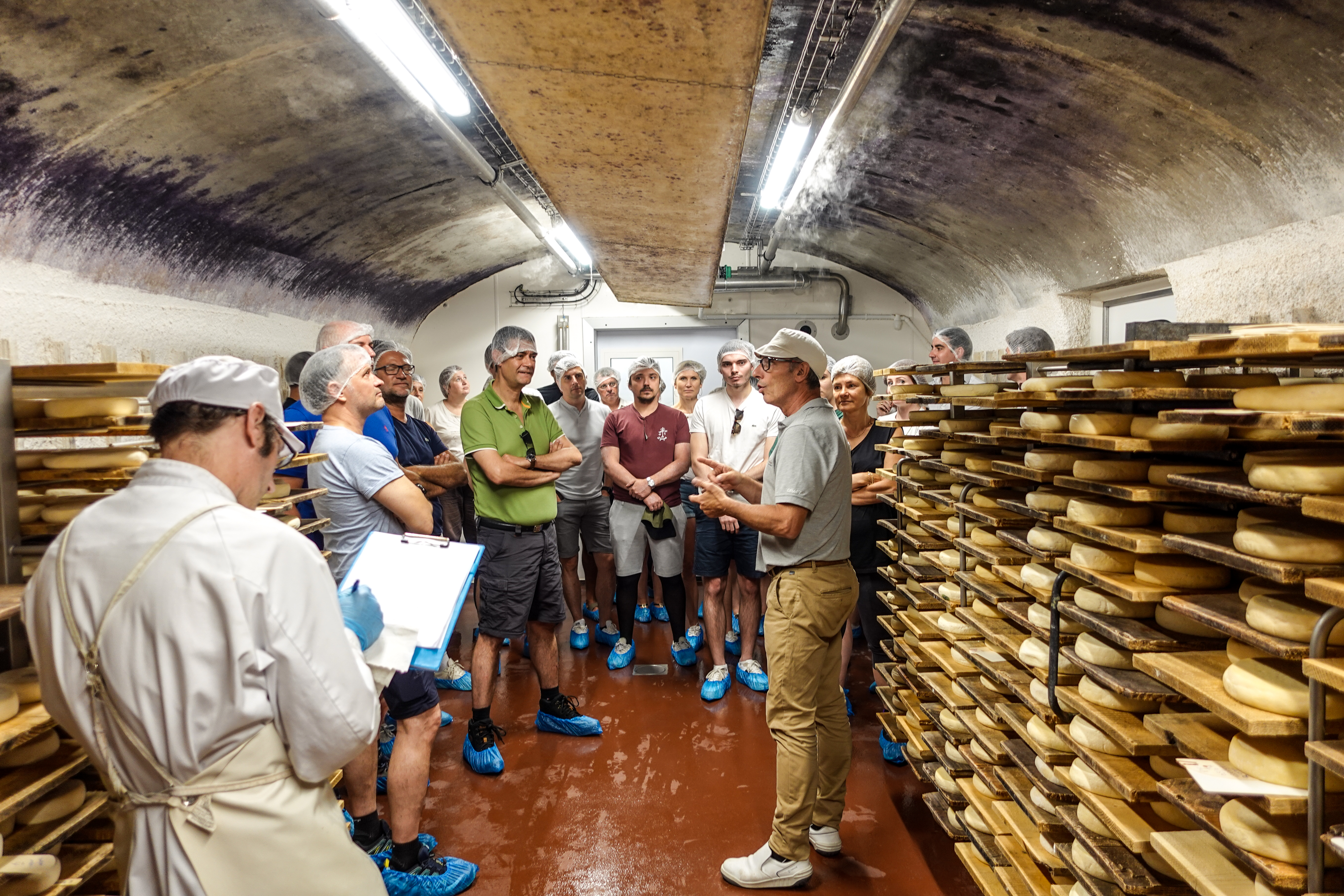
Structured tasting stop: a reserved time slot with pre-served items to avoid queues. For corporate groups, we avoid “everyone orders individually” because it breaks timing.
Networking-friendly finish: we end at a venue that can host a drink reception or a standing lunch, so the tour becomes a transition into your next agenda block.
Gourmand animations in Liege
Hybrid content layer (QR + internal comms): optional QR points linking to your intranet page, a leadership message, or a short video. Communication teams like this because it extends the moment beyond the day.
Photo route with brand governance: we define 2–3 photo spots and provide simple guidelines (angles, group composition, brand elements) so your internal comms gets usable material without disrupting the visit.
Quiet-access routes: for groups that need lower crowd exposure (VIPs, sensitive discussions), we design routes that reduce congestion, with controlled arrival and departure points.
Whatever the format, the key is alignment: the tour’s tone must match your brand image and your audience. A company with a strong safety culture, for example, will appreciate clear instructions, a controlled pace, and professionalism more than theatrical effects.
How to choose the right starting point in Liege for a guided tour
The venue and starting point shape perception before the first sentence of the guide. In Liege, the practical question is not only “what looks good” but “what will work”: coach access, proximity to meeting venues, shelter options, and where you can assemble 30–100 people without confusion.
| Venue type | For which objective? | Main strengths | Possible constraints |
|---|---|---|---|
| Central meeting point near your seminar venue | Keep tight timing between plenary and the Guided Tour | Minimal transfers; easier attendance control; clear start time discipline | Less “destination feel” if the surroundings are busy; may require strict signage and staff presence |
| Historic district loop in Liege | Culture & hosting (clients, executives, international visitors) | Strong narrative density; photo opportunities; easy to integrate a tasting or reception finish | Crowd density at peak times; audio management needed for groups over 20–25 |
| River and urban regeneration axes | Connect business themes (transformation, sustainability, innovation) | Natural storyline; space for group movement; good for leadership messaging stops | Wind/rain exposure; route must include shelter options and safe crossings |
| Start or finish at a private venue (reception room / hotel / corporate site) | Transition from tour to meeting, cocktail, or dinner | Controlled environment; easy badge check; improves perceived quality for VIPs | Requires precise coordination with venue timing; access constraints for coaches |
We strongly recommend a site visit (or at minimum a full route walk-through) before confirming the program—especially for groups above 40 people. In Liege, small differences in access, works, or crowd patterns can change the feasibility of a stop point. A 30-minute reconnaissance can prevent an hour of operational friction on event day.
What a corporate Guided Tour in Liege costs and why
Budget for a Guided Tour in Liege depends on group size, duration, guide staffing model, and the level of production (coordination, audio, transport, tastings). For decision-makers, what matters is not only the total price but cost drivers you can control without degrading the experience.
As a practical reference, many corporate tours in Liege fall in the following ranges:
- €450–€900 for a single guide on a standard 60–90 minute route (small group, no audio, limited production).
- €1,200–€2,800 for 30–80 participants with multiple guides, a coordinator, and structured timing management.
- €3,000–€8,000+ when adding whisper systems, transport coordination, premium guiding profiles, tastings, and reception logistics.
Group size and split: above 25 people, you usually need multiple guides (or audio). The most common mistake is trying to “save” by keeping one group and losing content quality.
Duration and pace: a 120-minute tour is not just “twice as long”; it increases fatigue risk and requires better comfort planning (rests, toilets, shelter).
Languages: bilingual delivery can be done in one group for smaller audiences, but parallel groups are often better for clarity. That impacts staffing.
Audio equipment: whisper systems are a strong upgrade for clarity and comfort. We include logistics (distribution, collection, battery checks) so it does not become a bottleneck.
On-the-day coordination: when your audience includes executives or clients, having a dedicated coordinator is often the difference between “smooth” and “stressful”.
Optional hospitality: tastings and receptions add value, but they must be engineered to avoid queues (pre-ordering, pre-portioning, reserved slots).
Risk and compliance: depending on route and time, we may plan additional safety measures (crossings, marshals, fallback indoor points).
From an ROI perspective, a well-produced Guided Tour often replaces multiple weaker moments: it creates content for internal communication, improves participation in the rest of the day, and reduces the “dead time” that typically kills energy between meetings. The outcome is not only satisfaction—it is better attention and better conversations.
Why work with an event agency in Liege for a guided tour
For corporate programs in Liege, local execution is not a luxury; it is risk control. When schedules are tight and stakeholders are demanding, you need partners who can validate a route in real conditions, anticipate city constraints, and mobilize the right guide profiles quickly.
That is why we leverage our local network and on-the-ground habits through our event agency in Liege approach: we keep operational proximity while maintaining INNOV'events’ Brussels-level project governance.
- Faster reconnaissance and adjustments: we can validate meeting points, access, and fallback options without guessing.
- Guide quality control: we choose guides used to corporate audiences (clarity, neutrality, timing discipline), not only tourism delivery.
- Supplier reliability: tasting stops, reception venues, transport—local relationships reduce last-minute cancellations and improve responsiveness.
- Contingency capacity: if weather, works, or a VIP constraint changes, local alternatives are available quickly.
From an ROI perspective, a well-produced Guided Tour often replaces multiple weaker moments: it creates content for internal communication, improves participation in the rest of the day, and reduces the “dead time” that typically kills energy between meetings. The outcome is not only satisfaction—it is better attention and better conversations.




Examples of Guided Tour projects delivered in Liege contexts
Our Guided Tour projects linked to Liege are rarely “just a visit”. They are often embedded in a broader corporate day: a morning plenary, an afternoon workshop, then a guided route to reset energy and structure networking before dinner.
Typical configurations we deliver:
- Leadership offsite add-on (25–40 people): a 90-minute route designed with two leadership message stops, ending at a reserved venue for a standing reception. The tour is used to reduce “meeting fatigue” and reconnect people before strategic discussions.
- Onboarding cohort (40–120 people across several start dates): the same core route with a consistent narrative, allowing HR to standardize the welcome experience. We manage parallel groups, bilingual delivery, and a consistent photo moment for internal comms.
- Client hosting (10–25 VIPs): shorter duration (60 minutes), high guide seniority, controlled pacing, and a clean handover into a dinner reservation with pre-briefed staff and timing locks.
- Multi-site management meeting (80–200 people): strict timing windows aligned with train schedules, clear meeting point signage, coordinator team, and audio systems to maintain content quality in urban conditions.
Across these projects, the constant is operational discipline: run sheets, clear responsibilities, and a delivery style that matches corporate expectations.
What typically goes wrong during guided tours in Liege (and how we prevent it)
One group that is too large: content becomes inaudible, pace splits, and the experience feels unprofessional. We split groups or deploy audio as soon as thresholds are reached.
Weak meeting point management: people arrive in waves, the guide repeats instructions, and you lose credibility in the first 10 minutes. We set clear check-in, signage, and a latecomer protocol.
No plan for weather: the group gets soaked, morale drops, and the schedule collapses. We build sheltered stops and alternative loops in Liege depending on season and forecast.
Queues at the tasting stop: it kills timing and creates frustration. We secure reserved slots, pre-serve items, and manage flow with staff.
Misaligned tone: too touristy for executives, or too corporate for guests expecting culture. We brief the guide with your audience profile and desired tone (facts, business parallels, or lighter cultural angles).
Unclear safety responsibilities: crossings and group movement can become messy. We define roles (guide vs coordinator), crossings strategy, and emergency contacts.
Our role is to remove these risks before they surface. For you, that means fewer last-minute decisions, better control of timing, and a guided experience in Liege that supports your event’s credibility.
Why companies in Liege rebook guided tours with INNOV'events
Repeat business is usually driven by one thing: predictable delivery under real constraints. HR and communication teams rebook when they know the day will run on schedule, participants will be properly managed, and internal stakeholders will not be pulled into operational firefighting.
70–85% of our corporate clients reuse at least one element of a previous format (same route logic, same guide profiles, or the same production framework) within 12–18 months.
1 accountable project lead from brief to event day, to avoid handover losses and contradictory information.
0 “black box” suppliers: we document who does what, arrival times, and operational dependencies.

Loyalty is not about habit; it is a measurable signal that an agency can deliver consistently. In Liege, where schedules and stakeholders are demanding, consistency is what protects your image.
How we set up your Guided Tour project in Liege
👉 Liege brief intake and constraints mapping
We start with a 20–30 minute call to capture your non-negotiables: date, audience profile, languages, start/end constraints, VIP presence, accessibility needs, and the role of the tour in the broader agenda. We also clarify internal objectives (HR, comms, leadership) so the route is designed with intent, not only aesthetics.
👉 Route proposal with operational options in Liege
We send a structured proposal with 2–3 route options: duration (60/90/120 minutes), meeting points, group split recommendations, and a preliminary risk view (crowd density, crossings, weather exposure). You also receive an initial budget range with clear levers (audio, number of guides, coordination).
👉 Supplier lock and guide briefing
Once validated, we lock guides and optional partners (tasting, reception venue, transport). We brief the guides with your company context and desired tone. For corporate groups, this matters: we avoid “generic tourism” and ensure delivery is concise, respectful, and aligned with your brand.
👉 Run sheet, participant communication, and contingencies
We create the run sheet: arrival timing, check-in, group assignments, route checkpoints, buffers, and end-of-tour handover. We provide a participant info note you can send internally (what to wear, timing, meeting point map). We validate contingencies: rain route, late arrivals, and escalation contacts.
👉 Event-day coordination in Liege
On the day, our coordinator handles participant flow, timing, and any last-minute changes (VIP delay, group split adjustments). The guide focuses on content and group engagement. After the tour, we ensure a clean transition to the next agenda item (reception, dinner, or transport).
👉 Post-event debrief and reusability
Within a few days, we share a short debrief: what worked, what to adjust, and recommendations if you plan to repeat the format for another cohort in Liege. Communication teams can also request a simple content recap (key spots, suggested captions) to speed up internal publication.
FAQ sur l'organisation Guided Tour à Liege
How long should a corporate guided tour in Liege last?
Most corporate groups choose 60 to 90 minutes. For executive agendas, this keeps energy high and protects the rest of the program. 120 minutes works if you add comfort planning (rest points, toilets, shelter stops) and if the tour is the main activity—not a filler between meetings.
How many participants per guide for a Liege guided tour?
Plan 15–25 people per guide in central Liege for good audibility and pace control. Above that, either split into parallel groups or use whisper systems. Trying to run 40–60 people as one group usually reduces content quality and increases delays.
What is the budget for a guided tour in Liege for 50 people?
A common range is €1,500–€3,500 depending on duration, number of guides, whether you add a coordinator, and audio equipment. If you add a structured tasting or a reception finish, plan an additional €15–€45 per person depending on the format.
Can we run a Guided Tour in Liege in English only?
Yes. We can deliver in EN with guides accustomed to corporate audiences. For mixed groups, we recommend either bilingual guiding (small groups) or parallel groups (larger groups) to avoid constant repetition that doubles duration.
How far in advance to book guides in Liege?
For standard dates, 3–6 weeks is comfortable. For peak periods (May–June, September–December) or for 100+ participants requiring multiple guides and audio, plan 6–10 weeks. Last-minute requests are possible, but options narrow quickly.
Request a quote for your Guided Tour in Liege
If you are comparing agencies, we suggest a simple next step: share your date, approximate headcount, languages, and the role of the tour in your agenda (standalone, between meetings, or as client hosting). We will reply with route options in Liege, a recommended staffing model, and a transparent budget range with clear levers.
For corporate calendars, the main risk is not the tour itself—it is the last-minute compression of logistics. Contact INNOV'events early and we will secure guides, timing, and contingencies so your day runs with executive-level discipline.
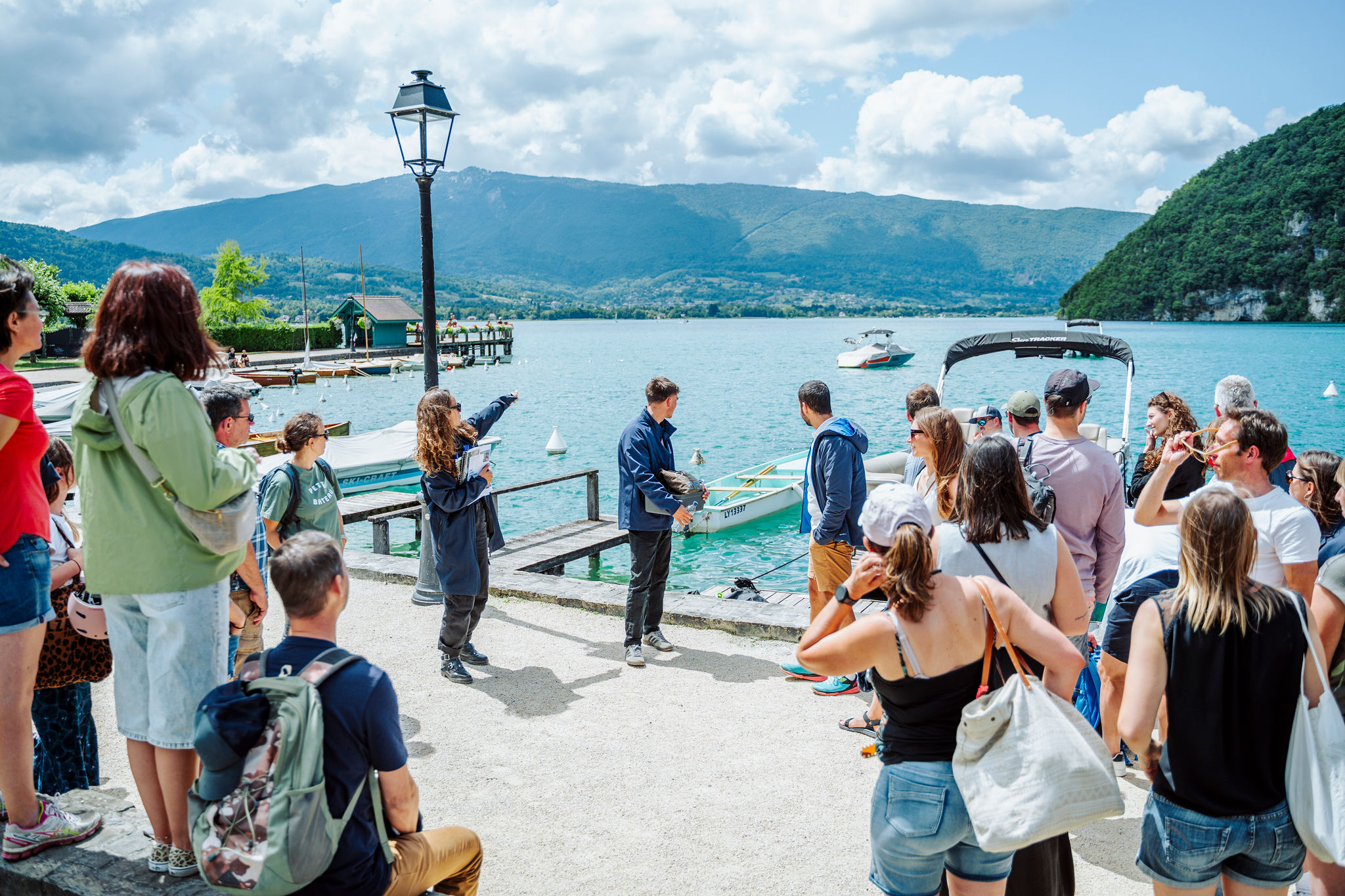
INNOV'events Liege Agency
Justin JACOB is the manager of the INNOV'events Liege office. Reach out directly by email at belgique@innov-events.be or via the contact form.
Contact the Liege agencyToutes nos prestations & animations Liege, Belgique
Découvrez nos prestations événementielles
Découvrez nos animations événementielles disponibles au Belgique
- Event Hostess in Liege
- Escape Game in Liege
- MasterChef Cooking Workshop in Liege
- Magician in Liege
- Marquee Rental in Liege
- Color Analysis Workshop in Liege
- Inflatable Games in Liege
- Valet Parking Service in Liege
- Football Simulator in Liege
- LED Furniture Rental in Liege
- Light Branding in Liege
- Unique Dining Experience in Liege
- Light Painting in Liege
- Murder Mystery Party in Liege
- Prize Contest in Liege
- Promotional Displays (POS) in Liege
- Virtual Reality in Liege
- Molecular Gastronomy Workshop in Liege
- Halloween Entertainment in Liege
- Fireworks Show in Liege
- Giant Games Challenge in Liege
- Event Host / MC in Liege
- Photo Booth Animation in Liege
- Santa Claus Entertainment in Liege
- Kids Entertainment in Liege
- Guided Tour in Liege
- Urban Rally in Liege
- Ball Pit in Liege
- Flight Simulator in Liege
- Food Truck Rental in Liege
- World Record Challenge in Liege
- Surf Simulator in Liege
- Wine Casino in Liege
- Makeover Workshop in Liege
- Perfume Creation Workshop in Liege
- Acting Workshop in Liege
- CSR Activities in Liege
- Archery in Liege
- Security Staff in Liege
- Wine Tasting in Liege
- Mime Performer in Liege
- TV Game Show in Liege
- Funfair in Liege
- Crisis Management Workshop in Liege
- Crisis Negotiation Workshop in Liege
- Arcade Games in Liege
- Indoor Skydiving Simulator in Liege
- Ski Simulator in Liege
- Racing Circuit Experience in Liege
- Introductory Flight Experience in Liege
- Tasting Experience in Liege
- Build Your Own Foosball Workshop in Liege
- 2CV Rally in Liege
- LEGO Challenge in Liege
- Casino Night in Liege
- Interpreter / Translator in Liege
- Promotional Giveaways in Liege
- Shuttle Transport in Liege