
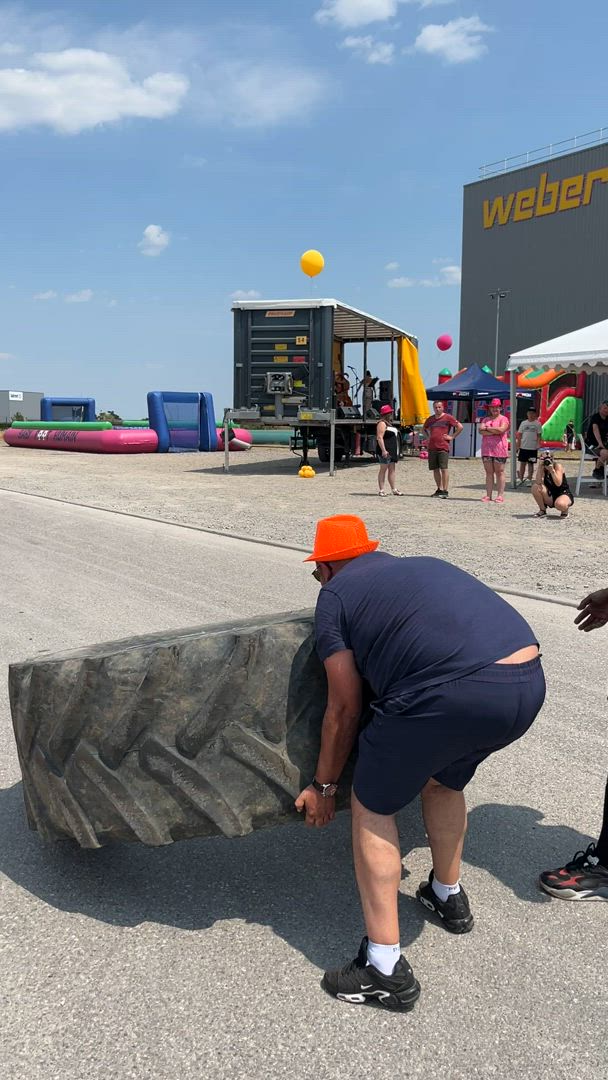
World Record Attempt in Liege that mobilises your teams without operational risk
INNOV'events is a Brussels-based corporate event agency delivering World Record Attempt formats in Liege for groups from 50 to 2,000+ participants. We design the challenge, secure the venue and permits, manage safety and evidence requirements, and run the show on the day with tight timing and clear roles.
For executives, HR and communication teams, our focus is simple: engagement you can measure, a brand-safe narrative you can publish, and an operational plan that still works when the weather turns or attendance deviates.
Sommaire
In a corporate context, entertainment is not “extra”: it is the mechanism that creates participation, reduces passive attendance, and turns a gathering into a shared reference point. A World Record Attempt in Liege works when it is engineered like an operation—clear rules, rehearsal, and evidence—so your teams feel the seriousness and want to contribute.
Organisations in Liege typically expect pragmatism: realistic timing around shifts and production constraints, zero tolerance for safety improvisation, and an output that communication can use the same day (photos, numbers, proof). They also expect vendors to know local access, parking, and venue restrictions—because “we’ll see on site” is not acceptable.
INNOV'events brings Brussels-level production rigour while working fluently with partners in Liege: venues, technical suppliers, security, and local authorities. We do not sell a concept; we deliver a controlled record attempt with a documented result and a participant experience that reflects your company standards.
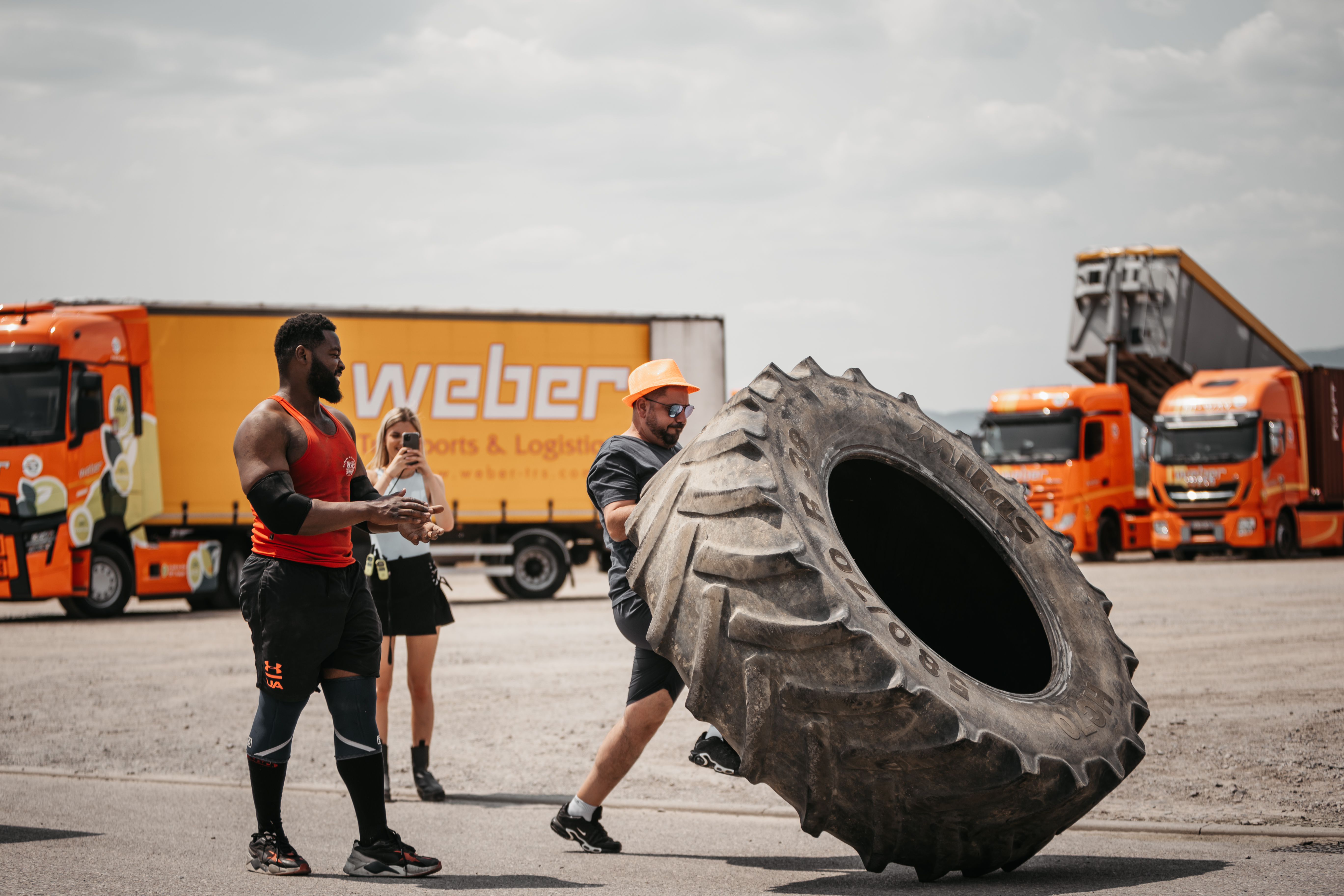
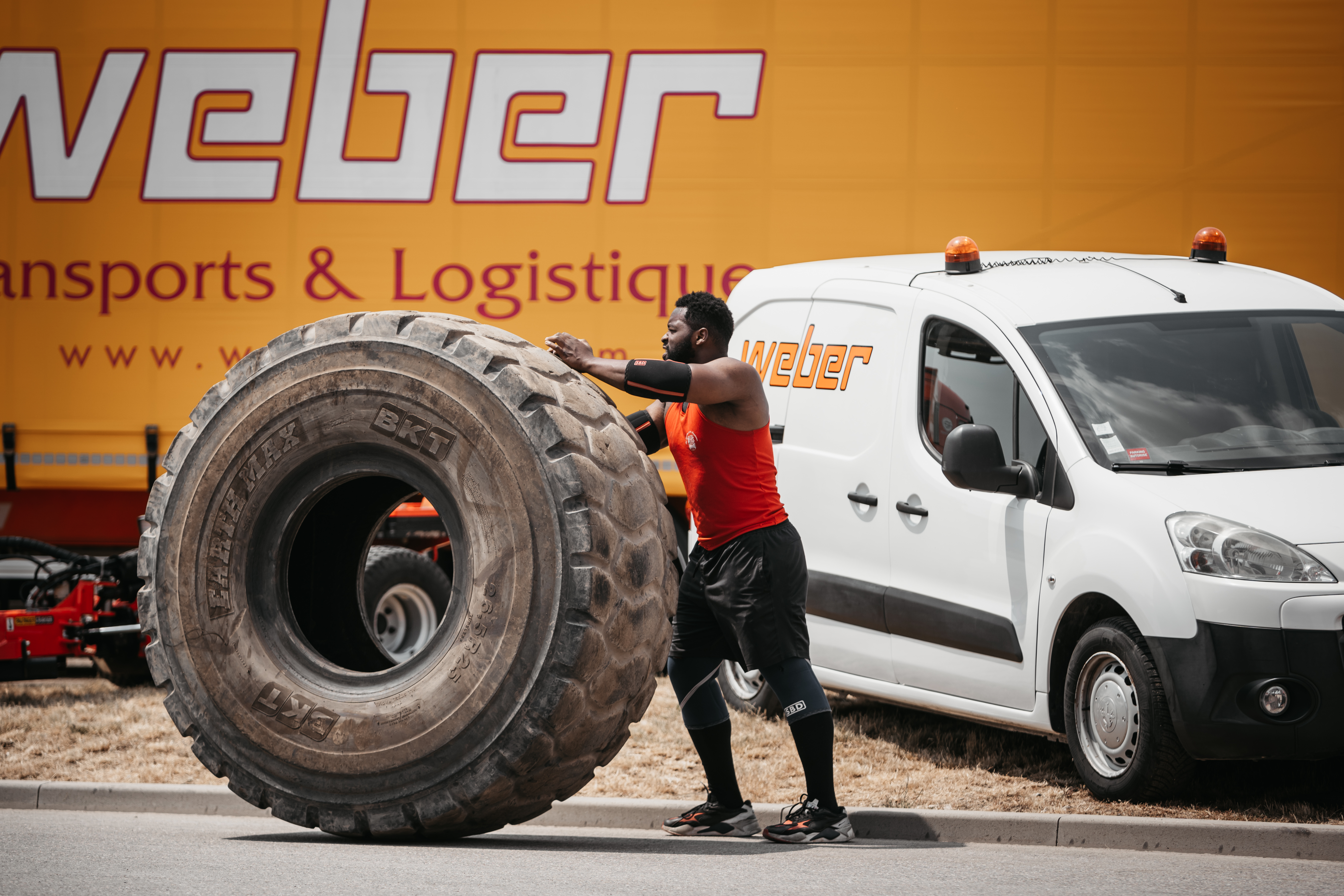
Operational benchmarks INNOV'events uses for Liege productions
10+ years in corporate event production across Belgium, with repeat clients who require predictable delivery and strict brand governance.
50–2,000+ participants managed on single-day formats, including multi-shift participation flows and large-group marshaling.
1 production lead + 1 safety lead assigned on every World Record Attempt project—separating “show flow” from risk control.
24–72 hours typical turnaround for a first feasibility note (venue constraints, staffing estimate, draft timing, and indicative budget ranges).
0 critical-path dependencies left undocumented: we work with checklists, RACI, and written go/no-go criteria before event day.
Local references in Liege: what we can share transparently
You mentioned providing company names for local references; we can integrate them as soon as you confirm which organisations we are authorised to cite publicly. In the Liege area, many corporate clients ask for discretion (especially around internal engagement or safety-sensitive sites). Our standard approach is therefore pragmatic: we propose a short list of comparable projects (sector, headcount, constraints), and—when permitted—share the names under NDA.
What we can state without ambiguity is that we routinely work with organisations in Liege that operate with tight schedules (industrial, logistics, services) and that several collaborations renew year after year because the delivery method is stable: a documented plan, disciplined suppliers, and a team that stays calm when variables move.
If you are comparing agencies, ask us for two things: (1) a sample run-of-show with staffing plan for a World Record Attempt in Liege, and (2) an evidence pack template (what will be captured, by whom, and how it will be validated). This is usually where experience becomes visible.
 Besoin d’un devis rapide ?
Nous vous envoyons une première proposition sous 24h.
Why run a World Record Attempt in Liege for internal engagement?
A World Record Attempt is one of the few formats that naturally combines collective effort, measurable output, and a story that leadership can credibly endorse. In Liege, where many organisations value operational discipline and tangible results, the “record logic” resonates—provided the attempt is built on clear rules, safety, and proof.
For HR, it is a participation engine. For Communication, it is a content engine. For executives, it is a culture signal: “we do hard things together, with method.”
High participation without forcing extroversion: tasks can be distributed (participant, marshal, timekeeper, witness, photographer, registration), so employees who dislike stage activities still contribute meaningfully.
Measurable engagement: you can track registration rate, participation rate, completion rate, and contribution by department or site—useful for HR reporting and future initiatives.
Cross-silo collaboration under time pressure: a record attempt requires coordination (queue management, synchronisation, standardised gestures). It mirrors operational collaboration—without the “work meeting” feeling.
Employer brand content that is brand-safe: the narrative is anchored in facts (number of participants, time, method), reducing the risk of exaggerated claims that legal or compliance would push back on.
Onboarding and merger integration: for companies integrating teams around Liege, the record attempt creates a neutral “first win” that does not privilege one legacy culture over another.
Leadership visibility without awkward speeches: executives can have a clear role (official kick-off, witness signature, debrief) that feels functional, not performative.
Liege has a business culture where credibility is earned through execution. A record attempt, when delivered with method, speaks that language: you announce a target, you prepare properly, you deliver, and you document the result.
What Liege decision-makers typically require before approving the concept
In our experience, approval in Liege rarely hinges on “is the idea fun?”. It hinges on governance: who is responsible for what, what can go wrong, and how the day remains compatible with business reality. Directors want a plan that respects operations, HR wants inclusivity and safety, and communication wants publishable proof.
Common local constraints we plan for upfront:
- Shift patterns and staggered attendance: we design participation windows (e.g., 3 x 45 minutes) so teams can join without disrupting production, customer service, or warehouse waves.
- Access and parking realities: some sites around Liege are sensitive to traffic peaks; we plan arrival slots, signage, and staff briefings accordingly.
- Venue noise limits and neighbours: depending on the district, sound levels and evening end times can be constrained; we adapt with silent-count systems, headsets, or earlier record moments.
- Safety and HSE governance: for industrial or technical companies, the event must integrate existing site rules (PPE, zones, permits) rather than “override” them for the show.
- Language mix: bilingual facilitation (FR/NL) is sometimes expected even in Liege due to national teams; we plan scripts, signage, and briefings accordingly.
When those constraints are respected, the format becomes easy to defend internally: it is not “entertainment”, it is a controlled collective challenge with documented output.
Which World Record Attempt formats work best in Liege venues?
Entertainment creates engagement when it gives employees a clear role, a short learning curve, and a visible collective outcome. For a World Record Attempt, the “format” is the engine: it must be simple enough to execute reliably and structured enough to prove.
Below are record-style ideas we frequently adapt for corporate contexts in Liege. Each can be scaled, branded, and documented, but we always start from feasibility: space, safety, participant flow, and evidence requirements.
Interactive animations in Liege
Largest synchronised action (clap, hand gesture, coordinated movement): high participation, low risk, excellent for indoor halls. Key is synchronisation signal (countdown, sound cue, light cue) and video evidence from fixed angles.
Longest human chain / connected formation: powerful visual for communication, but needs precise spacing control and clear rules for breaks. We use zone captains, floor marking, and “no-gap” verification passes.
Mass participation quiz or skill challenge with standardised devices: works well for conferences in Liege where you already have seats. Evidence relies on platform logs plus witness confirmation.
Multi-station relay record (time-based): effective for sites where teams join in waves. Requires strict handover rules and timing capture; ideal when shift constraints prevent a single mass moment.
Art animations in Liege
Largest corporate mosaic (cards, panels, LED wristbands): creates a brand-controlled visual aligned with corporate identity. The record proof is photographic + counted units; setup needs disciplined distribution and a clear “raise moment”.
Mass choreography with simple moves: good for mixed groups if the moves are accessible. We recommend a professional choreographer plus marshal training; safety checks focus on footwear, spacing, and surface grip.
Innovative animations in Liege
Largest tasting line with traceable portions: works if food safety and allergen management are handled rigorously. In Liege, we often integrate local cues (e.g., waffles) while keeping portion control, labelling, and HACCP-compatible service.
Fastest team assembly of prepared kits (non-perishable): a “gourmet operations” variant that avoids on-site cooking risks. Evidence is count + time + sealed kit verification.
Gourmand animations in Liege
Data-backed participation record (steps, cycling minutes, collective energy): useful when teams are spread across sites around Liege. Evidence can be exported from certified platforms; we define inclusion rules (devices allowed, time window, fraud prevention).
Low-carbon record attempt (e.g., largest group arriving by public transport, bike, or carpool with proof): aligns with CSR and mobility topics. Requires clear proof (tickets, app screenshots, registration checks) and careful privacy handling.
Whatever the chosen format, we validate alignment with your brand image and risk appetite. A World Record Attempt can look playful or highly formal; the right direction depends on your culture, stakeholder mix, and what your communication team is prepared to publish as a factual claim.
How to choose a Liege venue for a World Record Attempt
The venue determines whether your record attempt is credible and controllable. In Liege, the best option is rarely the most prestigious; it is the one that supports participant flow, evidence capture angles, and safety zoning without fighting the building.
We start with three practical questions: (1) Can we mark and control positions? (2) Can we film and count without obstruction? (3) Can we keep the experience comfortable (temperature, acoustics, access) for the whole group?
| Venue type | For which objective? | Main strengths | Possible constraints |
|---|---|---|---|
Indoor exhibition hall / large event hall in Liege | Mass participation record moment with controlled conditions |
|
|
Company site (warehouse, production hall) around Liege | Culture and pride: “we set the record at home” |
|
|
Outdoor public space in Liege (square, esplanade) | High-visibility PR moment with strong city backdrop |
|
|
We recommend at least one site visit in Liege with the production lead and safety lead. On paper, many venues “fit”; on site, you discover the real constraints: bottlenecks, emergency exits, acoustic issues, or camera positions that make proof impossible. The visit is where risk is removed from event day.
What does a World Record Attempt in Liege cost?
The price of a World Record Attempt in Liege depends less on “the idea” and more on production mechanics: headcount, evidence requirements, venue constraints, and the level of facilitation and documentation you need. We prefer to give decision-makers a structured range rather than a vague “starting from”.
As a working reference for corporate contexts in Liege:
€8,000–€15,000: compact record attempt for 50–150 participants, simple venue, standard facilitation, basic evidence capture (photo + video) and post-event summary.
€15,000–€35,000: 150–500 participants, multiple zones, more marshals, stronger AV, dedicated proof roles, and contingency planning.
€35,000–€80,000+: 500–2,000+ participants, complex venue or outdoor setting, high-level audiovisual, security perimeter, multi-camera proof, content production, and robust logistics.
Participant volume and flow complexity: one mass moment is different from three waves across shifts; staffing and timing change accordingly.
Venue costs and constraints: indoor halls may require technical packages; outdoor spaces may require barriers, security, permits, and weather mitigation.
Evidence level: the stricter the proof (witnessing, counting method, multi-angle video, time stamping), the more dedicated resources are needed.
Safety and security: crowd management, emergency access, medical presence, and HSE integration for industrial sites.
AV and staging: sound for clear synchronisation, screens for instructions, lighting for filming, and power distribution.
Comms deliverables: same-day highlight edit, branded interviews, drone footage (subject to local restrictions), and approval workflow.
Language and facilitation: bilingual scripts, signage, and briefings can add prep time but reduce day-of confusion.
ROI is usually visible in participation and communication output: a record attempt gives you hard numbers (participants, completion rate) and usable assets (photos, video, factual story). When designed well, it also reduces the hidden cost of events that “feel nice” but do not create a shared internal reference.
Why work with an event agency in Liege for record attempts?
For a record attempt, local execution matters more than a glossy concept deck. Knowing Liege means knowing the practicalities that protect your timeline and your reputation: access constraints, supplier reliability, local authority expectations, and which venues actually allow the rigging, marking, or filming you need.
At INNOV'events, we operate nationally from Brussels, but we build projects with local intelligence and partners in Liege. If you want a team that understands the city’s operational reality, you can also consult our local page as an event agency in Liege reference point for venue and supplier context.
The executive-level benefit is governance: fewer unknowns, shorter decision loops, and a plan that has already been confronted with the real constraints of the territory.
- Faster feasibility: we can quickly validate whether your preferred venue can support camera angles, floor marking, and participant flow—before you announce anything internally.
- Supplier accountability: local technical and safety partners are selected for reliability under pressure, not just price.
- Better risk control: permits, neighbours, access routes, and timing restrictions are anticipated rather than discovered during load-in.
- Cost realism: local knowledge reduces over-ordering (or under-ordering) of staffing, barriers, transport, and AV.
ROI is usually visible in participation and communication output: a record attempt gives you hard numbers (participants, completion rate) and usable assets (photos, video, factual story). When designed well, it also reduces the hidden cost of events that “feel nice” but do not create a shared internal reference.







What we have delivered in Liege-type conditions (without overpromising)
A World Record Attempt sits at the crossroads of team building, production, and compliance. The closest comparable projects we deliver in and around Liege typically include at least one “hard constraint” that forces discipline: shift teams, limited time windows, high brand exposure, or strict HSE requirements.
Examples of situations we routinely manage:
Multi-site participation: employees join from different locations with a central proof method (platform logs + witness statements). We define a participation window, anti-duplication rules, and a clear cut-off for evidence.
Industrial environment: we integrate the company’s HSE rules (PPE, restricted zones, briefing formats) and adapt the record mechanics so the event does not conflict with safety culture.
Leadership and union sensitivity: where internal dynamics are complex, we design roles that feel fair and avoid “forced fun”; the record becomes a neutral project with transparent rules.
Brand and legal governance: we keep claims factual and verifiable, pre-approve wording with communication/legal, and deliver a post-event evidence pack that supports what you publish.
We are comfortable saying no when a record concept is not feasible in the chosen space or timeline. That is often what protects your credibility: an agency that prefers a proven record mechanism over a fragile “wow” idea.
What can go wrong during a Liege World Record Attempt (and how we prevent it)
Announcing the record internally before feasibility is confirmed: expectations rise, and a later change damages trust. We deliver a feasibility note before you communicate the target.
Rules that are too complex for a mixed audience: if employees need a 10-minute explanation, execution fails. We design for a 60–90 seconds briefing where possible.
Underestimating marshaling needs: large groups require zone control. A typical ratio can be 1 marshal per 25–50 participants depending on the format and venue.
Evidence captured by “whoever has a phone”: this is the most common failure point. We assign proof roles with a shot list, time stamps, and redundancy (at least two angles for the critical moment).
Sound and cue failure: if participants cannot hear/see the start signal, synchronisation collapses. We build a layered cue system (audio + visual + zone captains).
No weather pivot for outdoor Liege locations: hoping for good weather is not a plan. We define a decision time and a Plan B that preserves the evidence method.
Last-minute brand/legal surprises: comms teams sometimes discover late that certain claims or logos cannot be used. We secure approvals early with a draft narrative and deliverables list.
Our role is to remove these risks before event day through a documented method: feasibility, rulebook, staffing plan, evidence plan, and rehearsed run-of-show. A record attempt should feel exciting to participants, not fragile to leadership.
Why Liege clients renew with INNOV'events
Renewal rarely comes from creativity alone. In Liege, teams come back when the agency behaves like an extension of operations: transparent budgets, predictable delivery, and calm leadership under pressure. For HR and communication departments, it also means fewer internal escalations because stakeholders were aligned early.
Repeat collaboration is driven by method: after a first project, clients often ask us to reuse the same production framework (RACI, safety file, briefing templates) to reduce internal workload.
Faster approvals over time: once your procurement and legal teams know our documentation style (insurance, supplier contracts, risk assessments), the lead time typically shortens.
Consistent participant feedback: when roles and instructions are clear, satisfaction is not dependent on a single charismatic presenter; it is built into the system.

Loyalty is not a slogan; it is a consequence of reliable delivery. If you need an agency that will protect your brand and your timeline in Liege, we can show you our working documents and how we run the day minute by minute.
Our Liege delivery process from feasibility to proof pack
👉 Feasibility and risk framing in Liege
We start with a structured intake: objectives (HR vs comms vs leadership), expected headcount range, preferred date, and venue shortlist in Liege. Within 24–72 hours, we provide a feasibility note: proposed record mechanism, space needs, staffing estimate, evidence approach, key risks, and an indicative budget range. This prevents premature announcements and focuses internal alignment.
👉 Record rulebook and evidence design
We write a clear rulebook: what counts, what does not count, how participants are positioned, how timing is started/stopped, and how counting is verified. In parallel, we design the evidence chain: camera plan, shot list, witness roles, logs to export, and file naming/backup. For communication teams, we also draft the “what we can claim” wording to pre-approve.
👉 Production planning and supplier lock
We secure venue, AV, staging, security, medical coverage (if needed), and marshals. We produce a run-of-show, floor plan, signage plan, and a staffing RACI. For corporate sites around Liege, we integrate HSE requirements and validate access/load-in constraints. This is where we eliminate day-of friction: power, rigging points, emergency exits, and participant routes.
👉 Participant communication and on-site readiness
We support internal comms with practical messages: when to arrive, what to wear, what will happen, and what the role options are. On-site, we run a technical rehearsal and a marshal briefing, then a short pilot dry run. The goal is that the first full execution is not the first time people discover the real constraints.
👉 Event day execution and governance
We operate with a command structure: production lead (timing and suppliers) and safety lead (crowd, compliance, incident response). We run zones with captains, control entry/exit, and execute the record moment with layered cues. We also manage stakeholder touchpoints (executive briefing, comms approvals, contingency decisions) so issues do not cascade.
👉 Post-event proof pack and comms assets
After the attempt, we deliver a structured proof pack: final counts, witness statements, time logs (if relevant), and curated photo/video files. For communication teams, we can also provide a same-day highlight selection and a factual summary suitable for intranet, LinkedIn, and press outreach—aligned with what was verifiably achieved in Liege.
FAQ sur l'organisation World Record Attempt à Liege
How long to plan a World Record Attempt in Liege?
Plan 4–8 weeks for a standard indoor attempt (150–500 people). For outdoor spaces in Liege or complex sites, allow 8–12 weeks to secure permits, safety perimeter, and a solid contingency plan.
What group size works best for Liege record attempts?
The sweet spot is often 150–600 participants: large enough to feel impressive, still controllable for counting and synchronisation. We can scale down to 50 with a different record mechanism, and scale up to 2,000+ with zoning, extra marshals, and multi-camera proof.
Do we need an official Guinness record in Liege?
Not necessarily. Many companies in Liege choose a documented “company record” or a record validated by an agreed method and independent witnesses. If you want a formal external record body, we build the project around their evidence requirements, lead times, and costs.
How do you keep a Liege record attempt safe?
We start with a risk assessment and a clear crowd plan: entry/exit routes, zone caps, marshal ratios (often 1:25 to 1:50), and emergency access. For outdoor Liege locations, we add weather thresholds and a go/no-go time. For company sites, we integrate your HSE rules (PPE, restricted zones, permits).
What budget range for a World Record Attempt in Liege?
Most corporate projects in Liege fall between €15,000 and €35,000 for 150–500 participants with proper facilitation and evidence capture. Smaller formats can be €8,000–€15,000, while large-scale or outdoor/high-production attempts can reach €35,000–€80,000+.
Request a Liege feasibility call and a structured quote
If you are considering a World Record Attempt in Liege, the fastest way to de-risk the project is a feasibility call. We will challenge the concept against your reality (headcount, shifts, venue constraints, brand governance) and come back with a clear proposal: recommended record mechanism, staffing plan, evidence method, timing, and budget range.
Send us your target date, estimated participant range, and preferred venue area in Liege. If you already have internal constraints (HSE rules, union considerations, brand approval steps), share them early—this is exactly where experienced production saves time and prevents last-minute compromises.
INNOV'events Liege Agency
Justin JACOB is the manager of the INNOV'events Liege office. Reach out directly by email at belgique@innov-events.be or via the contact form.
Contact the Liege agencyToutes nos prestations & animations Liege, Belgique
Découvrez nos prestations événementielles
Découvrez nos animations événementielles disponibles au Belgique
- Event Hostess in Liege
- Escape Game in Liege
- MasterChef Cooking Workshop in Liege
- Magician in Liege
- Marquee Rental in Liege
- Color Analysis Workshop in Liege
- Inflatable Games in Liege
- Valet Parking Service in Liege
- Football Simulator in Liege
- LED Furniture Rental in Liege
- Light Branding in Liege
- Unique Dining Experience in Liege
- Light Painting in Liege
- Murder Mystery Party in Liege
- Prize Contest in Liege
- Promotional Displays (POS) in Liege
- Virtual Reality in Liege
- Molecular Gastronomy Workshop in Liege
- Halloween Entertainment in Liege
- Fireworks Show in Liege
- Giant Games Challenge in Liege
- Event Host / MC in Liege
- Photo Booth Animation in Liege
- Santa Claus Entertainment in Liege
- Kids Entertainment in Liege
- Guided Tour in Liege
- Urban Rally in Liege
- Ball Pit in Liege
- Flight Simulator in Liege
- Food Truck Rental in Liege
- World Record Challenge in Liege
- Surf Simulator in Liege
- Wine Casino in Liege
- Makeover Workshop in Liege
- Perfume Creation Workshop in Liege
- Acting Workshop in Liege
- CSR Activities in Liege
- Archery in Liege
- Security Staff in Liege
- Wine Tasting in Liege
- Mime Performer in Liege
- TV Game Show in Liege
- Funfair in Liege
- Crisis Management Workshop in Liege
- Crisis Negotiation Workshop in Liege
- Arcade Games in Liege
- Indoor Skydiving Simulator in Liege
- Ski Simulator in Liege
- Racing Circuit Experience in Liege
- Introductory Flight Experience in Liege
- Tasting Experience in Liege
- Build Your Own Foosball Workshop in Liege
- 2CV Rally in Liege
- LEGO Challenge in Liege
- Casino Night in Liege
- Interpreter / Translator in Liege
- Promotional Giveaways in Liege
- Shuttle Transport in Liege