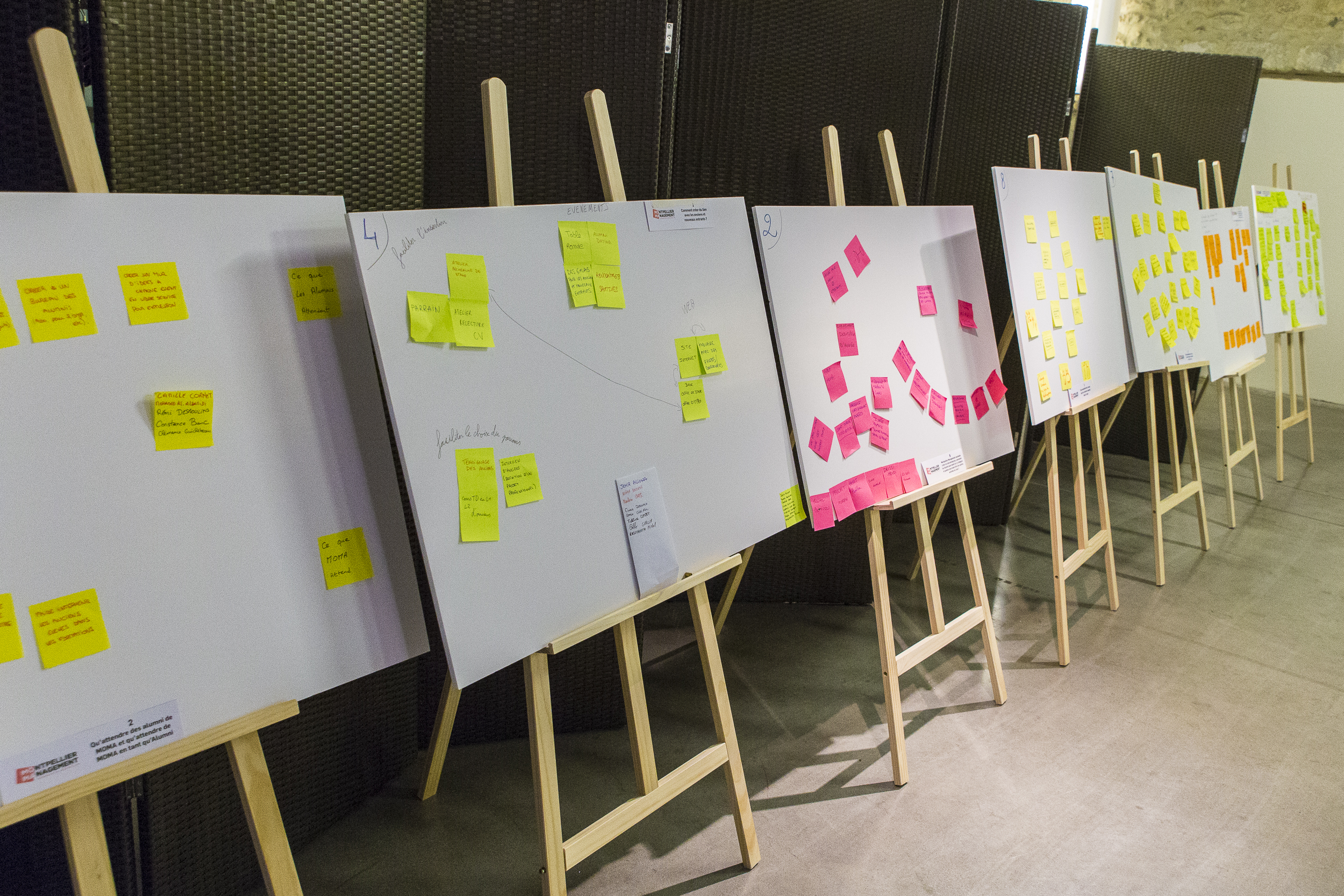
Crisis Management Workshop in Liege that strengthens decisions under pressure
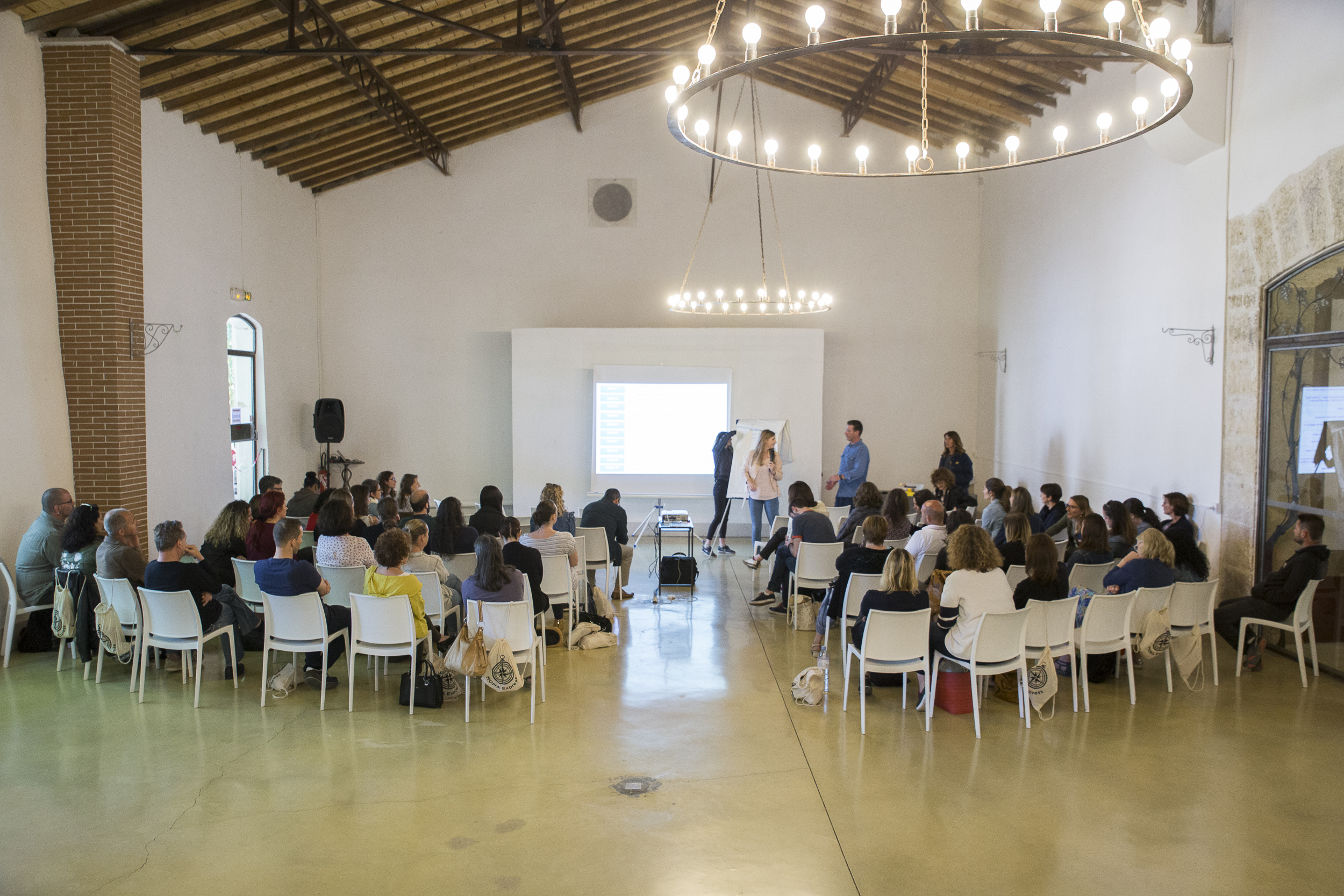
INNOV’events is a Brussels-based agency delivering Crisis Management Workshop formats in Liege for executive teams, HR leaders and communication departments. Typical groups range from 8 to 40 participants, with options for larger multi-team simulations. We handle scenario design, facilitation, timing, room set-up, role players, and post-exercise debrief materials that you can reuse internally.
Sommaire
In a corporate crisis exercise, the “entertainment” is not a gimmick: it is the controlled pressure that reveals how decisions are really made. A good Crisis Management Workshop creates engagement because people feel the consequences of their choices—without the operational damage of a real incident.
In Liege, organisations ask for realism and pace: operational teams want credible technical triggers, executives want decision clarity, and comms teams want reputational risk managed in real time. The workshop must respect busy calendars and still produce tangible outputs (roles, checklists, escalation paths).
We bring field-based facilitation and local logistics knowledge, from access and timing constraints in the city to finding venues that allow breakout “cells” and controlled information flow. Our approach is designed for directors who need a serious, defensible exercise—not a theoretical training day.
Key figures for crisis workshops delivered from Brussels to Liege
10+ years supporting corporate events and high-stakes internal formats across Belgium, including crisis simulations and leadership workshops.
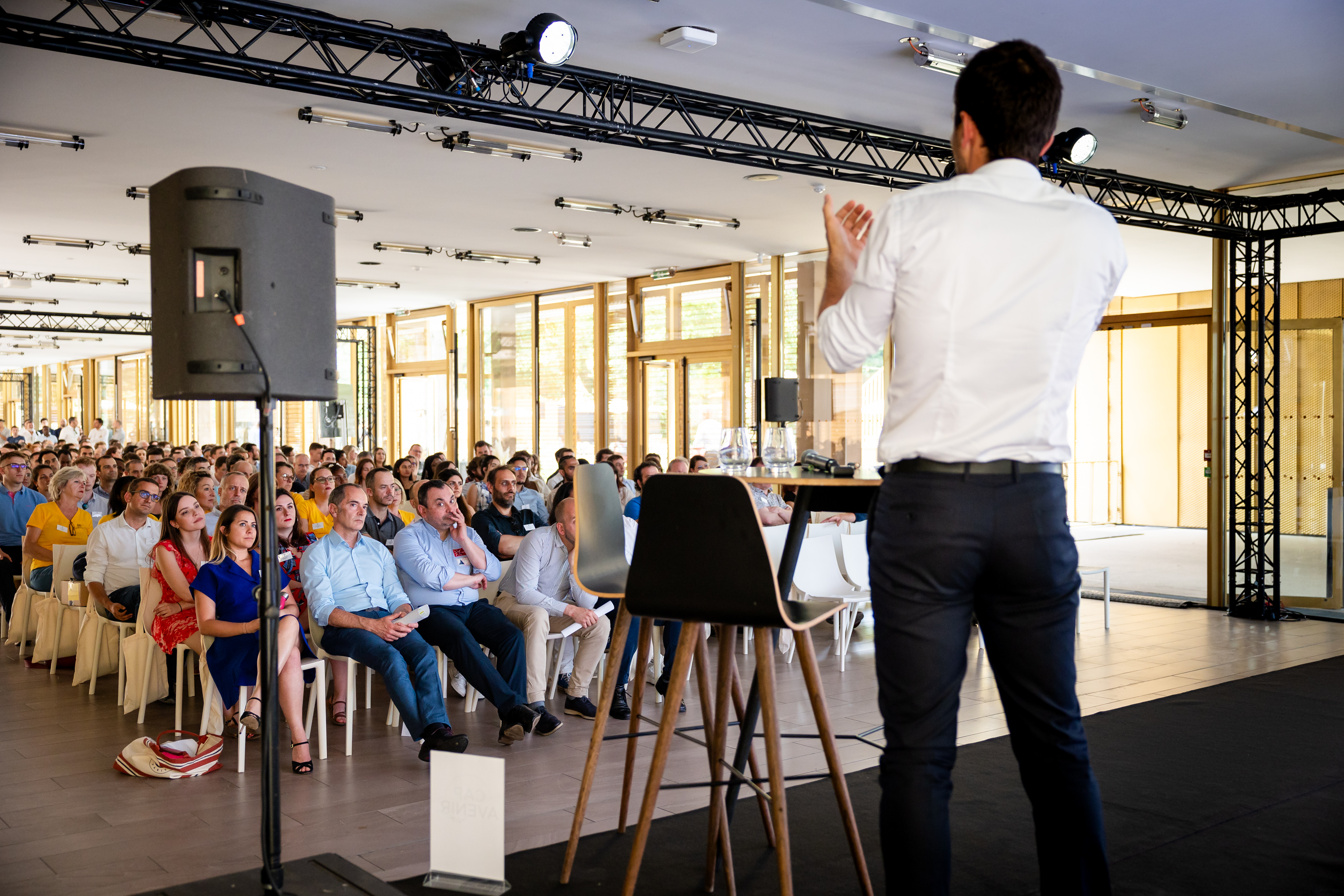
150+ facilitated sessions combining executive decision-making, HR governance and media/employee communication drills.
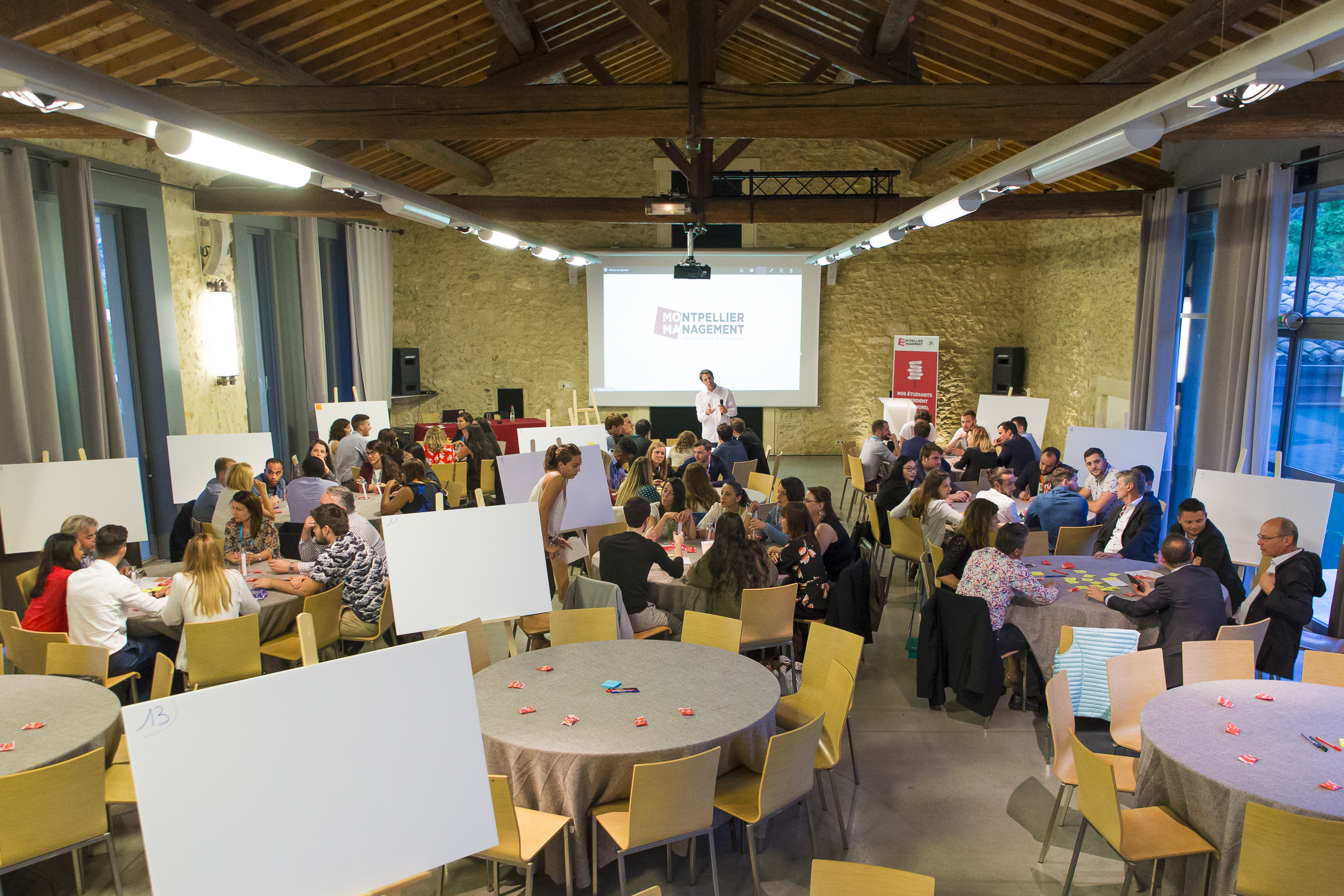
Operational capacity to run 2–4 parallel crisis cells in one day (Executive / Operations / HR / Communications) with synchronized injects and timed escalation.
Standard delivery in French and English; bilingual materials available for mixed teams common in multinational sites around Liege.
Corporate crisis training experience anchored in Liege
We regularly support organisations active in and around Liege: industrial sites along the Meuse valley, logistics and transport operators, public-facing service brands, and international groups with Belgian headquarters in Brussels and operational footprints in the province. Several teams work with us year after year because they need continuity: a scenario can evolve from a table-top exercise to a full simulation, with the same facilitation standards and documentation.
If you share the names you want us to cite as local references, we will integrate them in this section in a compliant way (approval of wording, scope of what can be stated, and the exact nature of the intervention). We are used to working under NDA, and we can also provide anonymised case examples during a call, focused on your sector risks and governance model.
 Besoin d’un devis rapide ?
Nous vous envoyons une première proposition sous 24h.
Why run a Crisis Management Workshop in Liege now?
A crisis workshop is not “training for the sake of training”. It is a controlled test of governance: who decides, with what information, in which timeframe, and with what consequences. In Liege, where many organisations combine industrial constraints, public visibility, and tight supply chains, the cost of a slow or inconsistent response is measurable: downtime, employee anxiety, client churn, and media amplification.
Executive clarity under pressure: we make decision rights explicit (who owns go/no-go, who validates external statements, who authorises spend) and we test them against time-bound injects.
HR readiness: from employee accountability to psychosocial risk, we include HR decision points (work stoppage rules, communication to staff, return-to-work protocols, union relations when relevant).
Communications performance: we drill the first 30 minutes (holding statement, spokesperson alignment, internal FAQ) and we test how quickly the team can move from “no comment” to verified facts.
Operational coordination: participants experience the friction between operations, legal, IT, HSE and leadership. We build the scenario so that trade-offs are unavoidable and documented.
Concrete deliverables: after the session, you receive action lists with owners and deadlines, plus updated templates (crisis log, stakeholder map, escalation tree, message house) that your teams can reuse.
Liege is a pragmatic business environment: people value solutions that work on site, not theoretical frameworks. That is exactly how we design the workshop—field constraints first, then process.
What companies in Liege expect from crisis simulations
Teams in Liege typically share a few non-negotiables when they invest in a Crisis Management Workshop in Liege. First: the scenario must be credible for their reality—industrial safety, cyber disruption, supply chain rupture, product quality issue, social media escalation, or a hybrid event. Second: the workshop must respect operational continuity; many participants cannot be away from site for long, so we design short, intense sequences and assign clear roles to avoid wasting time.
There is also a strong expectation of cross-function alignment. In practice, we often see mature technical teams (HSE, IT, operations) and less mature decision choreography at executive level: who consolidates information, who speaks externally, and how to manage uncertainty without freezing. Finally, Liege-based organisations are attentive to stakeholder proximity: local press, municipal authorities, neighbouring businesses, and employee communities can react quickly. We integrate these dynamics via injects that force prioritisation and disciplined messaging.
Which crisis workshop formats work best in Liege?
In a Crisis Management Workshop, “engagement” comes from well-designed pressure, not from noise. We use formats that create decision-making intensity while staying respectful of corporate culture and psychological safety—particularly important when HR is involved and when the scenario touches sensitive topics (injury, harassment, severe cyber impact).
Interactive animations in Liege
Timed table-top with inject cards: ideal for executive teams; we structure decisions at T+15, T+30, T+60 with explicit outputs (statement, stakeholder calls, budget authorisations).
Multi-cell simulation: separate Operations / HR / Comms / Executive rooms with controlled information release. This exposes coordination gaps and reduces “groupthink”.
Decision gate drills: short sequences where the team must decide with incomplete information (halt production, isolate systems, recall products, suspend an employee, close a site).
Media & social escalation board: a live feed simulation where posts, comments, and journalist questions evolve based on your statements and response time.
Art animations in Liege
Professional role players (journalist, regulator, angry customer, internal whistleblower): not theatre for theatre’s sake, but a way to test tone, consistency, and spokesperson discipline.
On-camera spokesperson practice: short recorded interviews followed by targeted feedback on message structure, bridging techniques, and what to avoid legally.
Innovative animations in Liege
Working lunch designed for continuity: in Liege, we often keep a compact catering format to avoid breaking the crisis rhythm, while still maintaining energy and attention during long decision windows.
Stakeholder “hospitality pressure test”: a controlled exercise where VIP/client communication is simulated during a networking moment, reflecting real-life reputational stakes.
Gourmand animations in Liege
Cyber + operational hybrid scenario: realistic in many organisations—IT disruption creates safety or supply chain consequences. We align IT language with executive decision points (containment vs. business continuity).
Data-driven inject timing: we use pre-defined KPIs (call volume, downtime, sentiment indicators) to decide when the scenario escalates, mirroring real monitoring dashboards.
Template pack delivery: editable crisis log, call scripts, internal Q&A, stakeholder matrix, and a simple decision record format to support governance audits.
Whatever the format, we align the workshop with your brand and risk appetite: a public-facing service company in Liege will not run the same scenario intensity as a heavy industry site, and the communication posture will differ. The goal is not to “win the game” but to produce decisions that your organisation can defend afterwards.
Where to host a Crisis Management Workshop in Liege
The venue is not a detail: it shapes confidentiality, focus, and how realistically you can organise crisis “cells”. For a Crisis Management Workshop in Liege, we look for practical conditions first—quiet rooms, reliable connectivity, privacy for sensitive discussions, and enough space to separate teams when needed.
| Venue type | For which objective? | Main strengths | Possible constraints |
|---|---|---|---|
| On-site meeting rooms (headquarters or plant) | Test your real governance with real constraints | Immediate access to internal tools, realistic call chains, easier involvement of operational experts | Interruptions, confidentiality management, “business as usual” distractions |
| Business hotel with multiple breakout rooms in Liege | Executive + comms drills with controlled environment | Neutral setting, good acoustics, catering flow, easy separation of crisis cells | Need to replicate internal systems (contacts, templates), stronger preparation required |
| Conference centre / training facility in the province | Multi-team simulation and larger groups | Space for parallel rooms, plenary debrief, logistics for role players | Availability, travel time for shift-based participants, potential cost for room blocks |
We recommend a short site visit (or a technical recce) in Liege before final validation: we check acoustics, Wi‑Fi resilience, room adjacency, access for role players, and the ability to control information flow. Small logistical details often determine whether the simulation feels real and stays on schedule.
How to budget a Crisis Management Workshop in Liege
A Crisis Management Workshop budget depends on scenario complexity, the number of participants, and how “live” the simulation must be. In Liege, we usually build budgets around a practical question: do you want a half-day governance test for the executive committee, or a full-day multi-cell simulation with comms drills and role players?
Group size: typical ranges are 8–15 for an ExCom table-top, 16–40 for cross-functional workshops, and larger for multi-wave sessions.
Duration: 3–4 hours (focused drill) vs. 1 full day (multi-phase scenario + debrief + deliverables).
Scenario design effort: custom triggers aligned to your industry, assets, and stakeholder map; preparation interviews with key roles (CEO/GM, HR, Comms, Operations, IT, Legal).
Role players and media simulation: adds realism and measurable comms outcomes; also requires additional coordination and equipment.
Deliverables: light report (key findings + action plan) vs. full template pack + updated escalation tree + message house.
Venue and logistics in Liege: room configuration, confidentiality needs, catering rhythm, and technical requirements (separate rooms, screens, recording).
We frame ROI in terms executives recognise: faster decision cycles, fewer contradictions in external messaging, reduced downtime, and fewer avoidable escalations. When a crisis hits, saving even 1–2 hours in the first phase can protect revenue, employee trust, and brand equity.
Why work with a crisis workshop partner familiar with Liege
When timing is tight and reputational stakes are real, proximity is operational. A partner who knows Liege helps you avoid hidden friction: venue constraints, local stakeholder sensitivity, travel times between sites, and the reality of bilingual or multi-site teams. Beyond logistics, local familiarity allows us to calibrate realism: the tone of local media inquiries, the pace of decision-making in industrial environments, and the expectations of employee communities.
As part of INNOV’events, we coordinate smoothly between Brussels-based project management and on-the-ground delivery. For organisations comparing providers, this matters: you get structured preparation, reliable staffing, and a local execution mindset. If you need broader event support around the workshop (kick-off, leadership offsite, internal comms moment), you can also rely on our event agency in Liege capability without multiplying suppliers.
- Faster pre-production: quicker venue validation, technical checks, and on-site coordination.
- Realistic stakeholder mapping: local press dynamics, authority interactions, and community impact are integrated in the scenario.
- Reliable day-of execution: clear run-of-show, disciplined timekeeping, and backup plans for technical issues.
- Confidentiality and governance: tight control of materials and participant data, adapted to sensitive internal topics.
We frame ROI in terms executives recognise: faster decision cycles, fewer contradictions in external messaging, reduced downtime, and fewer avoidable escalations. When a crisis hits, saving even 1–2 hours in the first phase can protect revenue, employee trust, and brand equity.



Examples of crisis workshop outcomes delivered for Liege-area teams
Our crisis workshops are designed to produce operational change, not just “awareness”. In recent projects with teams operating around Liege, we have helped organisations: shorten their escalation chain by removing duplicate approvals; clarify the boundary between HR and communications when employee incidents become public; and build a simple decision log that stands up to internal audit and legal scrutiny.
We have also facilitated exercises where the technical response was strong but the narrative collapsed: operations solved the incident, yet inconsistent messaging created reputational damage. In those cases, we introduced a structured “message approval lane” (who drafts, who validates, who publishes) with time limits, so communication does not become a bottleneck. For executive teams, we often focus on decision quality: defining what “good enough information” looks like, how to document assumptions, and how to avoid paralysis when uncertainty is high.
Because organisations differ, we adapt: an industrial site may require HSE decision gates and authority notifications; a service brand may require call-centre scripting, social media moderation rules, and client retention steps; a cyber scenario may require a containment vs. continuity trade-off. The common thread is measurable governance improvement.
Common pitfalls to avoid in Liege crisis workshops
Running a scenario that is not credible for your assets: participants disengage immediately if triggers do not match site reality or sector constraints.
Inviting the wrong mix of roles: without HR, Comms, Operations, IT and decision owners in the room, the exercise cannot test governance properly.
No timekeeping and no logging: a crisis without timestamps and decisions recorded becomes a discussion, not a simulation.
Confusing “communication” with “press release”: the first hours are mostly internal—employees, managers, unions, clients, partners—before media statements.
Skipping the debrief deliverables: without named owners and deadlines, lessons learned remain opinions.
Over-escalating too fast: if everything becomes catastrophic in 10 minutes, you don’t test decision discipline; you just create noise.
Our role is to prevent these risks through scenario calibration, disciplined facilitation, and clear outputs. In Liege, where operational pragmatism matters, that structure is what makes the workshop worth the time of senior people.
Why Liege-based clients renew crisis exercises with the same partner
Crisis readiness is not a one-off. Teams change, risks evolve, and what worked last year may not work after a reorganisation, a merger, or a new IT landscape. Clients renew with us when they see progress: shorter response times, clearer decision ownership, and less confusion between functions during the first critical hour.
Many organisations plan a cadence of 1 exercise per year, alternating between governance table-tops and more operational simulations.
For fast-changing environments (cyber, public-facing brands), a lighter drill every 6 months is often realistic and effective.
A typical improvement target we set is reducing “time to first holding statement” to 30–60 minutes, depending on complexity and verification needs.

Loyalty is not about habit; it is about continuity of standards, knowledge of your governance history, and the ability to raise the bar each cycle—especially for decision-makers in Liege who expect measurable progress.
Our delivery process for a Crisis Management Workshop in Liege
👉 Step 1 — Define objectives and non-negotiables in Liege
We start with a short scoping call with the sponsor (often CEO/GM, HR Director, Head of Comms, or Risk). We clarify what you want to test: escalation chain, spokesperson readiness, cross-site coordination, or the crisis plan itself. We also confirm constraints specific to Liege: shift patterns, site access, confidentiality, and internal language mix.
👉 Step 2 — Prepare inputs with key role interviews
We run targeted interviews (typically 30–45 minutes each) with key roles: operations/HSE, HR, communications, IT/security, legal/compliance, and an executive decision owner. We map your current process: who is on the call list, what tools are used, and where the known friction points sit. This is where we capture “how it really works”, not how the policy document reads.
👉 Step 3 — Build a scenario that matches your Liege reality
We design the scenario with credible triggers, timelines and stakeholders. We write injects that force decisions: conflicting reports, partial data, external pressure, employee messages, customer demands, and authority interactions. We also prepare the facilitation pack: time plan, decision gates, expected outputs, and role instructions (including role players if used).
👉 Step 4 — Run the workshop with disciplined facilitation
On the day, we manage the run-of-show: briefing, simulation phases, breaks, and debrief. We enforce timekeeping and logging, and we ensure the right people speak at the right time. If the exercise is multi-cell, we coordinate the information flow between rooms so escalation feels real and decisions have consequences.
👉 Step 5 — Debrief, action plan, and reusable deliverables
We close with a structured After Action Review and produce a practical deliverable set: priority improvements (with owners and deadlines), updated templates if required, and a short executive summary that can be shared with leadership. For multi-site organisations around Liege, we can also propose a roll-out plan to standardise governance across locations.
FAQ sur l'organisation Crisis Management Workshop à Liege
How long should a Crisis Management Workshop in Liege last?
Most effective formats are 3–4 hours for an executive governance drill, or 1 full day for a cross-functional simulation with HR and communications. If you want multi-cell work (separate rooms) and a solid debrief with action planning, plan 6–8 hours.
How many participants do you recommend in Liege workshops?
For decision quality, 8–15 is ideal (ExCom + key functions). For broader readiness across departments, 16–40 works well if we structure roles and, when needed, split into cells (Executive / Operations / HR / Comms).
Can you include media training during a Liege crisis simulation?
Yes. We can integrate on-camera spokesperson drills and simulated journalist calls. Practically, this adds 60–120 minutes and works best when your comms lead and at least one executive spokesperson are present.
What crisis topics are most relevant for companies in Liege?
Common high-impact themes include industrial safety/HSE incidents, cyber disruption affecting operations, product quality issues with recall risk, and employee incidents that become public. We select the topic based on your sector, assets, and stakeholder exposure.
What information do you need to quote in Liege quickly?
To scope a proposal within 3–5 business days, we need: target date window, participant list by function, preferred duration, language(s), whether you want multi-cell rooms, and your main objective (test plan vs. train spokesperson vs. improve coordination). If you already have a crisis plan, we review the relevant sections under confidentiality.
Request a quote for a Crisis Management Workshop in Liege
If you are planning a Crisis Management Workshop in Liege, the best results come from early preparation: a short set of interviews, a venue check, and a scenario aligned to your real assets and stakeholders. Contact INNOV’events with your preferred dates, approximate group size, and the functions you want involved (executive, HR, communications, operations, IT, legal). We will come back with a clear format proposal, a realistic timeline, and a budget built around measurable outcomes—decision speed, message discipline, and governance clarity.
INNOV'events Liege Agency
Justin JACOB is the manager of the INNOV'events Liege office. Reach out directly by email at belgique@innov-events.be or via the contact form.
Contact the Liege agencyToutes nos prestations & animations Liege, Belgique
Découvrez nos prestations événementielles
Découvrez nos animations événementielles disponibles au Belgique
- Event Hostess in Liege
- Escape Game in Liege
- MasterChef Cooking Workshop in Liege
- Magician in Liege
- Marquee Rental in Liege
- Color Analysis Workshop in Liege
- Inflatable Games in Liege
- Valet Parking Service in Liege
- Football Simulator in Liege
- LED Furniture Rental in Liege
- Light Branding in Liege
- Unique Dining Experience in Liege
- Light Painting in Liege
- Murder Mystery Party in Liege
- Prize Contest in Liege
- Promotional Displays (POS) in Liege
- Virtual Reality in Liege
- Molecular Gastronomy Workshop in Liege
- Halloween Entertainment in Liege
- Fireworks Show in Liege
- Giant Games Challenge in Liege
- Event Host / MC in Liege
- Photo Booth Animation in Liege
- Santa Claus Entertainment in Liege
- Kids Entertainment in Liege
- Guided Tour in Liege
- Urban Rally in Liege
- Ball Pit in Liege
- Flight Simulator in Liege
- Food Truck Rental in Liege
- World Record Challenge in Liege
- Surf Simulator in Liege
- Wine Casino in Liege
- Makeover Workshop in Liege
- Perfume Creation Workshop in Liege
- Acting Workshop in Liege
- CSR Activities in Liege
- Archery in Liege
- Security Staff in Liege
- Wine Tasting in Liege
- Mime Performer in Liege
- TV Game Show in Liege
- Funfair in Liege
- Crisis Management Workshop in Liege
- Crisis Negotiation Workshop in Liege
- Arcade Games in Liege
- Indoor Skydiving Simulator in Liege
- Ski Simulator in Liege
- Racing Circuit Experience in Liege
- Introductory Flight Experience in Liege
- Tasting Experience in Liege
- Build Your Own Foosball Workshop in Liege
- 2CV Rally in Liege
- LEGO Challenge in Liege
- Casino Night in Liege
- Interpreter / Translator in Liege
- Promotional Giveaways in Liege
- Shuttle Transport in Liege