Crisis Negotiation Workshop in Liege for executives who must decide fast
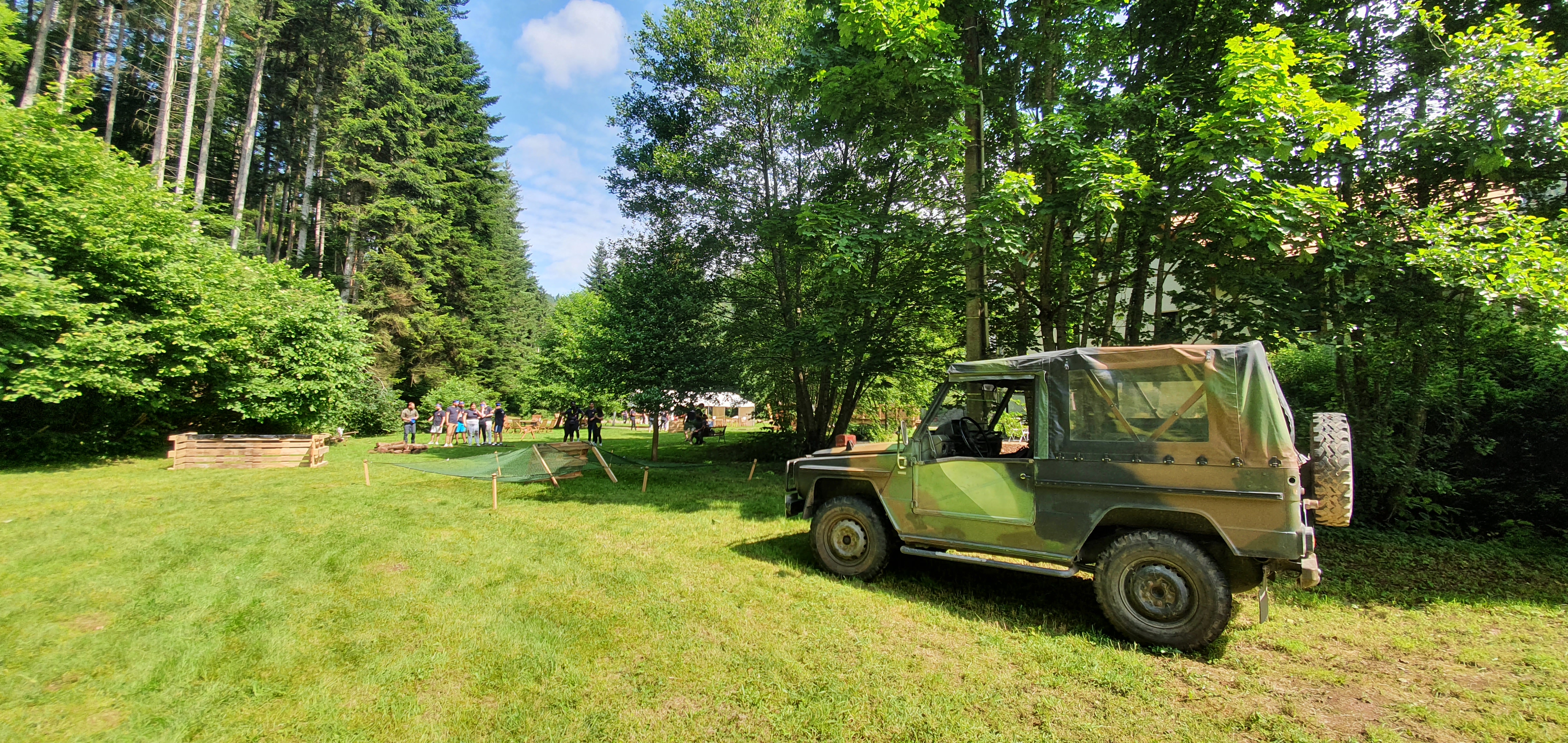
INNOV'events designs and delivers a Crisis Negotiation Workshop in Liege for executive committees, HR and communication teams—typically 8 to 40 participants—with realistic role-play, trained facilitators and strict confidentiality.
We handle the full operational chain: scenario design aligned with your risk map, facilitation, actor/role allocation, room setup, timing, debrief framework, and post-workshop deliverables that can be reused in your crisis playbooks.
Sommaire
In a corporate crisis, the quality of the “conversation under pressure” often determines legal exposure, employee safety and brand impact. A structured workshop turns negotiation into an operational capability: clear roles, the right words, the right escalation points, and fewer improvisations when the stakes are high.
In Liege, many organisations operate with multi-site teams (HQ, production, logistics, R&D) and cross-border stakeholders; expectations are pragmatic: scenarios must reflect real constraints (shift work, union presence, multilingual communications, supplier dependency) and produce usable procedures—not theoretical concepts.
From Brussels, our team intervenes regularly in Liege and the wider Liège area for crisis simulations, executive workshops and high-stakes communication training. We bring field methodology, discreet delivery and tight coordination with your security, legal and communications owners.
INNOV'events track record for Liege crisis workshops
10+ years supporting corporate events and operational trainings across Belgium, with recurring assignments for HR, Internal Comms and HSE teams.
30–90 days typical lead time for executive-grade crisis workshops (shorter possible with a simplified scenario and internal documentation already available).
8–40 participants per session is the sweet spot for meaningful speaking time; for larger populations we run parallel rooms and staggered rotations.
2–6 facilitators/role-players depending on complexity (union rep, journalist, regulator, angry customer, family member, vendor, cyber extortionist, etc.).
0 tolerance for “off-the-shelf” scripts: each workshop is built on your decision chain, escalation rules and brand tone of voice.
Companies we support around Liege year after year
We regularly support organisations in Liege and across the province: industrial groups, public services, hospitals, energy and mobility players, and B2B service companies. Some teams call us back each year to refresh their crisis muscle memory, onboard new managers, or test an updated protocol after a merger, a new site, or a change in spokespersons.
You mentioned that you would provide company names as local references; we can integrate them exactly as you prefer (logo list, anonymised sector references, or direct quotes) while respecting confidentiality requirements. In many Liege assignments, discretion is a condition of success: we work with NDAs, limit distribution of materials, and ensure the room set-up prevents information leakage.
If you want to benchmark our fit quickly, we can share—under NDA—sample agendas, debrief templates and deliverable formats used with comparable employers in the Liège area (manufacturing, logistics, public-facing services), so you can assess relevance before committing.
 Besoin d’un devis rapide ?
Nous vous envoyons une première proposition sous 24h.
Why run a Crisis Negotiation Workshop in Liege now?
Crises rarely fail because people “don’t care”. They fail because roles, wording, timing and escalation are unclear when stress peaks. A Crisis Negotiation Workshop creates a controlled environment to rehearse hard conversations: with an extortionist, an aggressive journalist, a union delegation, an angry client, or a regulator.
For executives and corporate functions in Liege, this is not a soft-skill session; it is risk management and leadership continuity. The objective is to shorten time-to-decision, reduce contradictory messaging, and protect people and assets while keeping the company’s tone credible.
Executive decision clarity under pressure: we train how to separate “must say now” from “must verify”, and how to communicate uncertainty without losing authority.
Lower legal and reputational exposure: participants practise negotiation moves that avoid admissions, avoid escalation triggers, and respect legal boundaries while still being human and constructive.
Aligned internal messaging: HR, Comms, Operations and Security use the same vocabulary and escalation thresholds, preventing parallel negotiations and conflicting statements.
Better stakeholder handling: we include realistic stakeholder roles common in Liege contexts—works council/union representatives, local authorities, emergency services interfaces, suppliers and subcontractors.
Operational readiness you can audit: you leave with concrete improvements (call scripts, negotiation do’s/don’ts, decision logs, role cards, and a list of “gaps to close” with owners and deadlines).
Psychological safety and resilience: we teach how to keep composure, pace, and empathy without conceding control—useful for both crises and daily high-friction negotiations.
Liege has a pragmatic economic culture: industry, logistics, public services and high-tech ecosystems coexist, often with 24/7 operations and visible local impact. In that environment, the ability to negotiate calmly and consistently—internally and externally—becomes a leadership differentiator and a concrete protection for the organisation.
What Liege organisations expect from a negotiation workshop
In Liege, decision-makers tend to be demanding on realism. A crisis negotiation workshop is valued when it mirrors operational life: people have shifts, phones ring, unions may be present, suppliers are critical, and messages can leak in minutes. We design sessions that reflect these constraints rather than an idealised meeting-room crisis.
Typical expectations we hear from executive sponsors and HR/Comms leads in the Liège area:
- Scenarios that match the risk map (industrial incident, supply chain disruption, cyber extortion, social conflict, product safety, violent customer situation, public authority intervention).
- Multi-stakeholder realism: an event that includes not one “bad actor” but several voices at once (employee safety, regulator, media, customer, union, families).
- Multilingual sensitivity: even when the workshop is in English, we anticipate French-first reflexes, Dutch/English external stakeholders, and the need for consistent phrasing across languages.
- Operational deliverables: a debrief that becomes actions—updated escalation chart, spokesperson rules, contact trees, pre-approved holding statements, and a short checklist for the first 30 minutes.
- Strict confidentiality: no recording unless explicitly agreed, controlled distribution, and a facilitation style that allows executives to test boundaries without political risk.
We also account for local logistical realities: accessibility in and around Liege, parking, rail connections (Guillemins), and the need to run the workshop without disrupting critical operations (shift handovers, peak customer hours, plant constraints).
Which crisis negotiation formats work best in Liege companies?
For demanding executives, “engagement” is not about fun—it is about creating attention, emotional realism and decision fatigue similar to a real situation. The right workshop formats make participants experience uncertainty, conflicting priorities and stakeholder pressure, while still keeping the session safe and productive.
Interactive animations in Liege
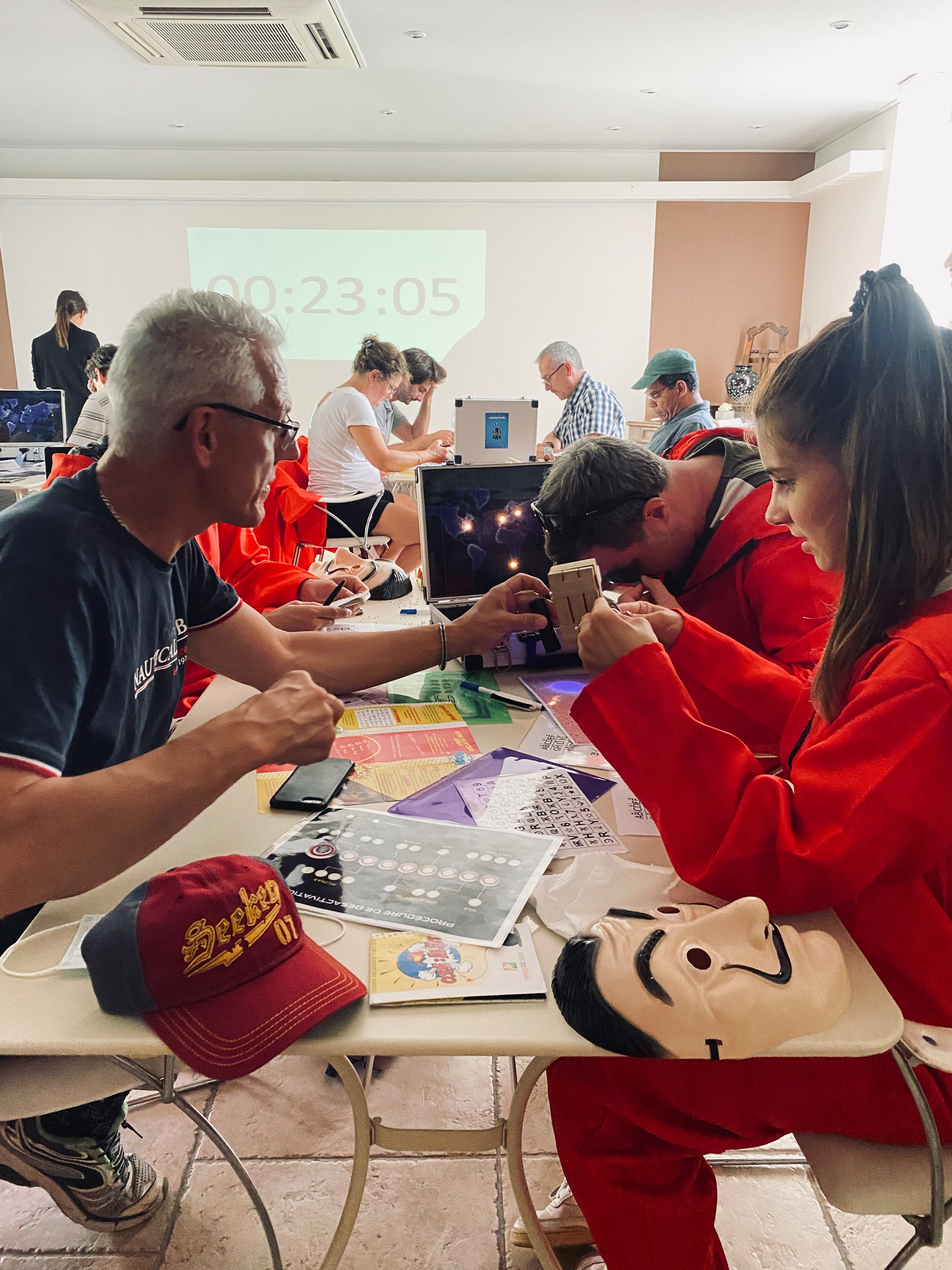
Live negotiation role-play with timed injects: we run a negotiation with an extortionist, an aggressive customer, or a union delegation while sending simultaneous updates (new facts, media pressure, internal leak). Participants learn to pace, ask the right questions, and hold the line.
Decision-log sprint: every major decision must be written with time, owner, rationale and next step. This trains discipline and reduces “memory-based” crisis management—useful for post-incident accountability.
Spokesperson hot seat: short, repeated cycles of “statement + challenge + correction” to eliminate risky phrasing and improve message coherence between HR and Comms.
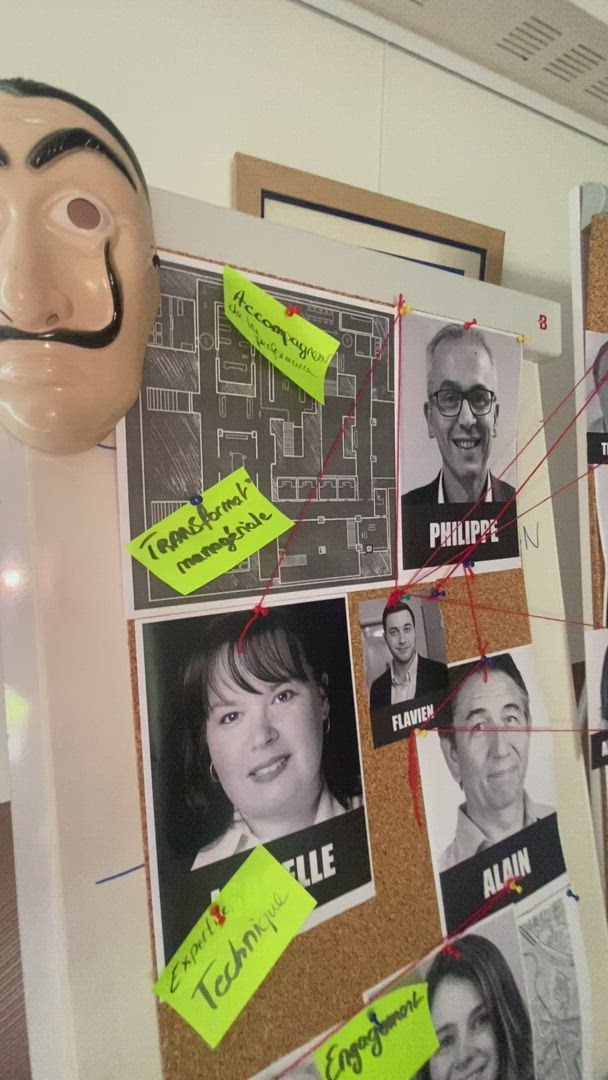
Escalation mapping on your org chart: participants physically map who can approve what in the first 15/30/60 minutes, exposing bottlenecks common in multi-site organisations around Liege.
Art animations in Liege
Professional role-players trained for corporate settings: not theatre for show, but controlled emotional realism (anger, fear, manipulation) aligned with your culture. This is particularly effective when training managers who must handle distressed employees or families.
Voice and pace coaching for executives: short, practical exercises to prevent verbal escalation (tone, silence management, “labeling” emotions, and de-escalation phrasing) without turning it into a performance class.
Innovative animations in Liege
Working lunch debrief (optional): in full-day formats, we use lunch time in Liege venues to run an informal debrief with the sponsor group, capturing sensitive observations that participants may not want to say in plenary.
Simple, functional catering: crisis workshops require cognitive energy. We favour light, punctual service (coffee, water, quick lunch) to protect concentration and timing rather than elaborate setups that disrupt the agenda.
Gourmand animations in Liege
Hybrid “war-room + remote stakeholder” setup: some stakeholders are “called” remotely (e.g., IT provider, external counsel, group HQ). This mirrors real decision chains and is common for organisations with Brussels or international headquarters while operating sites near Liege.
Media simulation kit: prepared journalist questions, social media screenshots, and regulator notices to practise short, compliant answers and avoid speculation.
After-action deliverable pack: within 5–10 working days, we provide a concise report: strengths, gaps, recommended protocol updates, and a prioritised action list that HR/Comms can track.
Whatever the format, we align it with your brand image and governance: how a listed company speaks is not how a public service speaks, and a high-safety industrial site in the Liege area will not prioritise the same trade-offs as a customer-facing service organisation. Alignment is what makes the workshop defensible and reusable.
Where to host a Crisis Negotiation Workshop in Liege
The venue affects more than comfort: it shapes confidentiality, decision pace and realism. For a Crisis Negotiation Workshop, we prioritise acoustics, room adjacency (plenary + breakouts), reliable connectivity, and the ability to control access—especially when sensitive scenarios are discussed.
| Venue type | For which objective? | Main strengths | Possible constraints |
|---|---|---|---|
| On-site meeting rooms (HQ / plant near Liege) | Maximum realism and fast transfer to internal protocols | Access to your real decision tools, easier attendance for operations, immediate test of escalation paths | Confidentiality vs. daily traffic, interruptions, limited breakouts if rooms are scarce |
| Business hotel with multiple breakouts in Liege | Executive focus and controlled environment | Predictable logistics, discrete entry/exit, catering on schedule, strong AV | Less “operational” feel; must bring company-specific materials and tools |
| Offsite training centre (Liège area) | Deep work + psychological safety for difficult conversations | Neutral ground, easier to challenge habits, fewer internal politics in the room | Travel time, need to replicate internal decision channels (contact trees, approval flows) |
We strongly recommend a site visit (or a detailed technical check) before confirmation: room adjacency, sound isolation, Wi‑Fi stability, and a secure storage solution for printed materials. In Liege, small details like parking access, arrival flow and quiet zones can determine whether executives stay fully engaged or get pulled back into day-to-day operations.
How to budget a Crisis Negotiation Workshop in Liege
Pricing for a Crisis Negotiation Workshop in Liege depends on the level of realism, the number of roles to simulate, and the depth of deliverables you need afterwards. The main cost driver is not “animation”; it is preparation time, facilitation staffing, and the quality of scenario design aligned with your governance.
Format length: half-day vs full-day vs two half-days. A half-day is effective for one scenario and a focused objective; a full day allows a coached second run and stronger alignment on protocols.
Number of participants: 8–12 is ideal for executive depth; 15–40 requires parallel groups or structured rotations to avoid passive attendance.
Facilitation and role-play staffing: 1 lead facilitator + 1–2 support facilitators/role-players for standard scenarios; more for multi-stakeholder simulations (media + regulator + internal leak).
Scenario complexity: single-thread negotiation vs multi-thread crisis with injects, media pressure and regulator interface.
Customisation level: use of your real documentation (crisis plan, contact trees, approval rules) and adaptation to your corporate tone of voice.
Deliverables: from a short debrief note to a full action report with protocol recommendations, draft scripts, and role cards.
Venue and technical setup in Liege: room size, breakout needs, AV, secure printing, and any requirements for confidentiality.
We frame the ROI in operational terms: fewer contradictory statements, faster escalation, reduced “free negotiation” by well-meaning managers, and improved defensibility of decisions. For executives, the value is often measured by avoided cost (legal exposure, downtime, brand damage) and by speed-to-control in the first 30–60 minutes of a critical event.
Why choose an event agency in Liege for crisis training delivery
For crisis negotiation, proximity is not a nice-to-have; it is a delivery advantage. Being able to work quickly with local venues, adapt to last-minute constraints, and coordinate discreetly with your security and communications stakeholders is what keeps the workshop professional and contained.
As INNOV'events, we operate nationally from Brussels while running projects regularly in Liege. When you need local execution capacity, our network and on-the-ground logistics allow us to secure the right rooms, the right timing, and the right confidentiality conditions. If you are comparing partners, you can also consult our local page as your reference point: event agency in Liege.
- Faster venue and supplier coordination in Liege: shortlisting venues that meet confidentiality and breakout requirements, not just “nice meeting rooms”.
- Operational reliability on the day: access control, punctual room turnover, print/security management, and timing discipline—critical in executive settings.
- Local stakeholder realism: understanding how local authorities, unions, and media dynamics typically play out in the Liège ecosystem, so scenarios feel plausible.
- Reduced friction for participants: travel time, parking, scheduling around shifts—practical points that influence attendance and engagement.
We frame the ROI in operational terms: fewer contradictory statements, faster escalation, reduced “free negotiation” by well-meaning managers, and improved defensibility of decisions. For executives, the value is often measured by avoided cost (legal exposure, downtime, brand damage) and by speed-to-control in the first 30–60 minutes of a critical event.



Examples of crisis scenarios we run in Liege environments
We design crisis negotiation workshops that reflect how crises actually unfold: incomplete information, multiple stakeholders, and pressure to respond quickly. Below are examples of scenario types we often deploy for organisations in and around Liege (always adapted to your sector and governance).
- Cyber extortion with operational impact: negotiation with an extortionist while IT, legal and Comms disagree on what can be said; includes a simulated data-leak proof and a journalist call. Key learning: pacing, proof validation, decision logging, and spokesperson discipline.
- Industrial incident + family pressure: an accident triggers negotiations with employee representatives and distressed relatives while authorities request information. Key learning: empathy without liability, clear safety-first messaging, controlled commitments.
- Social escalation at a site: a union delegation threatens blockage; management must negotiate conditions while protecting continuity and employee safety. Key learning: separating position vs interests, keeping the room de-escalated, and deciding what can be conceded without setting a precedent.
- Customer-facing crisis: a violent or highly distressed customer situation escalates online; teams must negotiate resolution while protecting staff and managing public statements. Key learning: boundary setting, safety protocols, and coordinated comms.
- Regulator pressure: a regulator requests immediate clarifications after an incident; negotiation is about timing, transparency, and compliance constraints. Key learning: controlled disclosure and escalation to legal counsel.
Across these cases, the point is consistency: your executives should leave with repeatable negotiation patterns, clearer role boundaries, and an agreed “first hour” operating mode that fits your culture in Liege.
What typically goes wrong in Liege crisis negotiation workshops
Too many observers, not enough speaking time: a room of 30 with one role-play leads to passive learning. We structure rotations or parallel rooms to protect participation.
Scenario not aligned with internal governance: if the script ignores how decisions are truly made (HQ approvals, legal checks, plant leadership), participants reject the exercise. We map your real escalation paths first.
Confusing negotiation with communication: “saying the right thing” is not the same as negotiating. We train questioning, pacing, conditional commitments, and boundaries.
No written decision log: without a log, teams re-litigate decisions, lose time, and risk contradictions. We enforce simple, usable templates.
Overacting or unrealistic pressure: role-players must be credible and controlled. Too much drama breaks trust; too little pressure makes it useless.
Debrief without owners: a good conversation is not an outcome. We end with actions, owners and deadlines that HR/Comms can track.
Ignoring internal politics: crisis workshops can expose leadership gaps. Our facilitation protects psychological safety while still confronting real coordination issues.
Our role is to prevent these risks through tight preparation, experienced facilitation and a delivery plan that respects executive time. In Liege, where operational leaders often juggle urgent realities, we keep the workshop disciplined, relevant and immediately transferable to your crisis protocols.
Why Liege clients renew crisis training with INNOV'events
Organisations come back when the workshop changes behaviour—not just satisfaction scores. In crisis negotiation, trust is built when leaders feel the session was realistic, confidential, and useful the following Monday.
Annual refresh cycles: many clients repeat a workshop every 12–18 months to onboard new leaders and test updated protocols.
Scenario rotation: we keep continuity on methods (decision logs, escalation, spokesperson rules) while rotating scenarios (cyber, social, safety, reputational) to avoid “training to the test”.
Action tracking: we can run a short follow-up session after 6–10 weeks to validate what was implemented (updated contact trees, drafted statements, clarified decision rights).

Loyalty is not about habit; it is about proof. When your HR and Comms teams in Liege can point to specific protocol changes and better coordination, renewing the workshop becomes a rational decision.
Our delivery process for a Liege crisis negotiation workshop
👉 Step 1 (Liege): sponsor alignment and confidentiality framework
We start with a sponsor call (30–60 minutes) to clarify objectives, participant profiles, and confidentiality rules (NDA, no recording, material circulation). We also identify sensitive organisational topics (ongoing litigation, social tensions, known vulnerabilities) to avoid counterproductive exposure while keeping realism.
👉 Step 2 (Liege): risk-to-scenario design based on your reality
We collect key inputs: crisis plan extracts, escalation charts, spokesperson rules, and any previous incident learnings you want to integrate. We then write a scenario with decision points, timed injects and stakeholder scripts. You validate the realism and boundaries (what can be simulated, what must stay hypothetical).
👉 Step 3 (Liege): operational planning and room architecture
We confirm venue, room adjacency (plenary + breakouts), access control, AV, printing needs, and any on-site constraints (shift changes, security procedures). For on-site delivery near Liege, we plan how to keep the session insulated from daily operations while preserving realism.
👉 Step 4 (Liege): live facilitation with structured injects
We run the workshop with strict timing: briefing, run #1, debrief, coached run #2 (if full day), and final alignment on non-negotiables. Facilitators manage pressure, role-players keep realism controlled, and we capture decisions in a log so learning is evidence-based.
👉 Step 5 (Liege): debrief report and implementable actions
Within an agreed timeline (typically 5–10 working days), we deliver a concise report: what worked, where the organisation hesitated, which phrases created escalation, and what to update in protocols. We provide a prioritised action list with owners and suggested deadlines, so HR/Comms can drive implementation.
FAQ sur l'organisation Crisis Negotiation Workshop à Liege
How long is a Crisis Negotiation Workshop in Liege?
Most organisations in Liege choose either 3.5–4 hours (one scenario + debrief) or a full day (6–7 hours) to run a second, coached simulation and lock in protocol decisions. If you need multi-scenario coverage (cyber + social + safety), plan 1–2 days.
How many participants should we invite in Liege?
For executive-level negotiation practice, 8–12 participants gives the best speaking time. For 15–40, we recommend parallel groups or rotations with clear roles so nobody stays an observer. For larger populations, we scale with multiple sessions over 2–6 weeks.
Can you tailor the scenario to our Liege site risks?
Yes. We tailor scenarios using your risk map and governance: site operations, shift constraints, union interface, supplier dependence, and spokesperson rules. We validate boundaries with your sponsor and can work under NDA. The output is a scenario that feels plausible for your Liege reality, not a generic script.
What budget range for a Liege crisis negotiation workshop?
As a working range, a well-prepared workshop typically sits between €4,500 and €18,000 excluding venue, depending on duration, customisation, number of facilitators/role-players, and deliverables. A focused half-day with limited roles is at the lower end; a full-day multi-stakeholder simulation with report and action plan is higher.
Do you deliver workshops in English in Liege?
Yes. We regularly deliver in English for international groups operating in Liege. If needed, we can integrate French-language stakeholder interactions (e.g., internal messages, union interface) while keeping the main facilitation in English, to mirror real working conditions.
Request a quote for a Crisis Negotiation Workshop in Liege
If you are comparing agencies, we suggest a pragmatic first step: a short scoping call to confirm your objective, participants and the scenario family (cyber, social, safety, reputational). Within a few days, we can propose a clear format, staffing plan, and budget range for your Crisis Negotiation Workshop in Liege.
Contact INNOV'events with your preferred dates, expected participant count, and any constraints (confidentiality, on-site delivery, language). The earlier we align—ideally 4–8 weeks ahead—the more realistic and useful the workshop will be for your executives, HR and communication teams.
INNOV'events Liege Agency
Justin JACOB is the manager of the INNOV'events Liege office. Reach out directly by email at belgique@innov-events.be or via the contact form.
Contact the Liege agencyToutes nos prestations & animations Liege, Belgique
Découvrez nos prestations événementielles
Découvrez nos animations événementielles disponibles au Belgique
- Event Hostess in Liege
- Escape Game in Liege
- MasterChef Cooking Workshop in Liege
- Magician in Liege
- Marquee Rental in Liege
- Color Analysis Workshop in Liege
- Inflatable Games in Liege
- Valet Parking Service in Liege
- Football Simulator in Liege
- LED Furniture Rental in Liege
- Light Branding in Liege
- Unique Dining Experience in Liege
- Light Painting in Liege
- Murder Mystery Party in Liege
- Prize Contest in Liege
- Promotional Displays (POS) in Liege
- Virtual Reality in Liege
- Molecular Gastronomy Workshop in Liege
- Halloween Entertainment in Liege
- Fireworks Show in Liege
- Giant Games Challenge in Liege
- Event Host / MC in Liege
- Photo Booth Animation in Liege
- Santa Claus Entertainment in Liege
- Kids Entertainment in Liege
- Guided Tour in Liege
- Urban Rally in Liege
- Ball Pit in Liege
- Flight Simulator in Liege
- Food Truck Rental in Liege
- World Record Challenge in Liege
- Surf Simulator in Liege
- Wine Casino in Liege
- Makeover Workshop in Liege
- Perfume Creation Workshop in Liege
- Acting Workshop in Liege
- CSR Activities in Liege
- Archery in Liege
- Security Staff in Liege
- Wine Tasting in Liege
- Mime Performer in Liege
- TV Game Show in Liege
- Funfair in Liege
- Crisis Management Workshop in Liege
- Crisis Negotiation Workshop in Liege
- Arcade Games in Liege
- Indoor Skydiving Simulator in Liege
- Ski Simulator in Liege
- Racing Circuit Experience in Liege
- Introductory Flight Experience in Liege
- Tasting Experience in Liege
- Build Your Own Foosball Workshop in Liege
- 2CV Rally in Liege
- LEGO Challenge in Liege
- Casino Night in Liege
- Interpreter / Translator in Liege
- Promotional Giveaways in Liege
- Shuttle Transport in Liege