
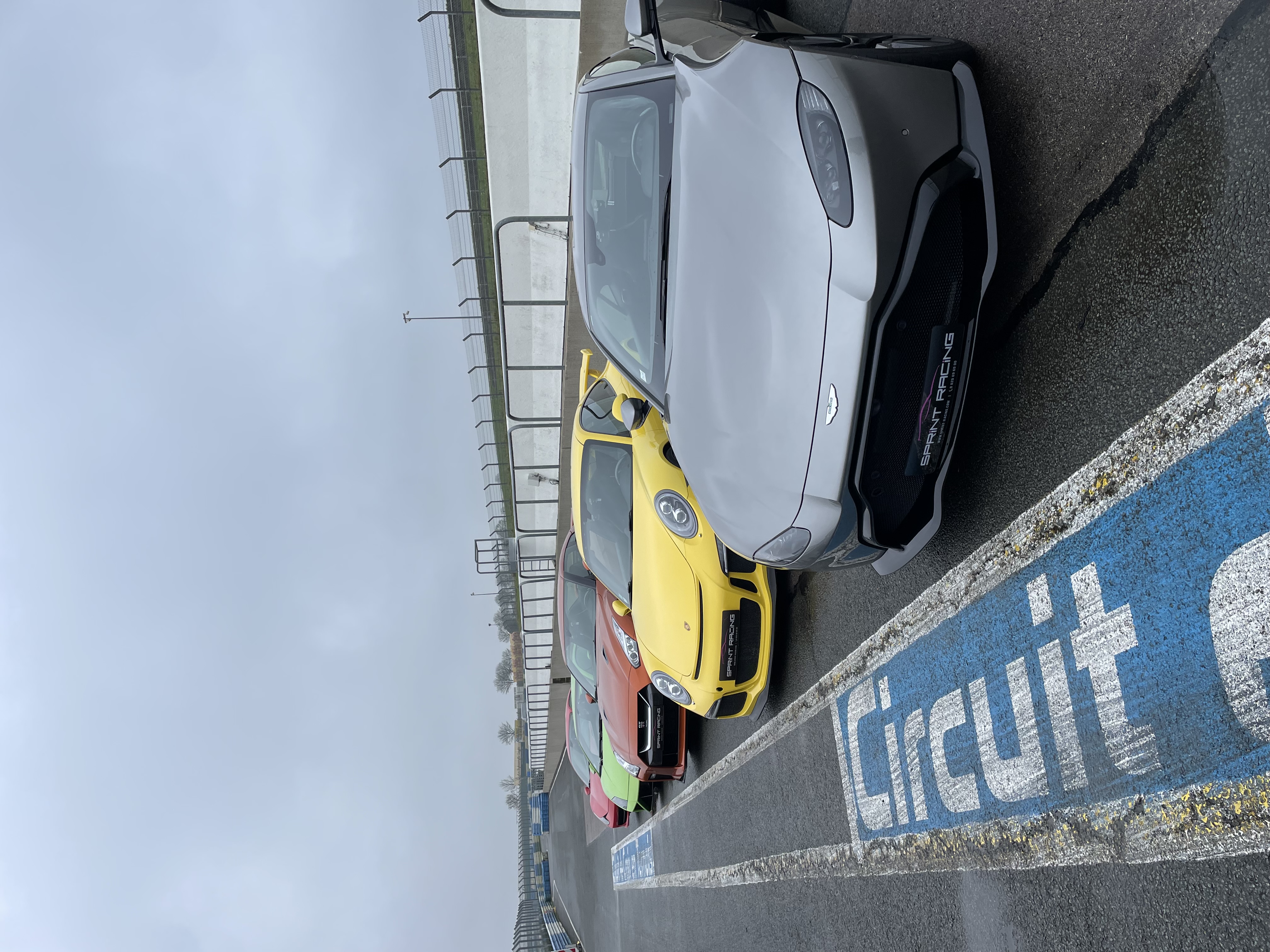
Racetrack Driving Experience in Liege for leadership alignment and team performance
INNOV'events is a Brussels-based agency delivering Racetrack Driving Experience programs for executive teams, HR and communication departments in Liege, typically for 12 to 250 participants. We handle track booking, safety, instructors, vehicles, catering, timing, and on-site production with a single accountable project lead.
Whether you need a discreet C-level half-day or a full brand-led corporate activation, we structure the experience to meet compliance, image and operational requirements—without improvisation on event day.
Sommaire
In many companies around Liege, entertainment is not a “nice-to-have”: it is a management lever to create a shared memory after a transformation, to reward performance without creating internal friction, or to restart cross-department cooperation after a tense quarter.
Local organisations typically expect strict timing (plants, shifts, client meetings), measurable control of risk (insurance, waivers, alcohol policy), and a format that respects hierarchy while still encouraging informal, useful conversations.
Our role is to convert a Racetrack Driving Experience in Liege into a controlled corporate operation: clear run-of-show, safety governance, calibrated competitiveness, and a production level aligned with your brand standards.
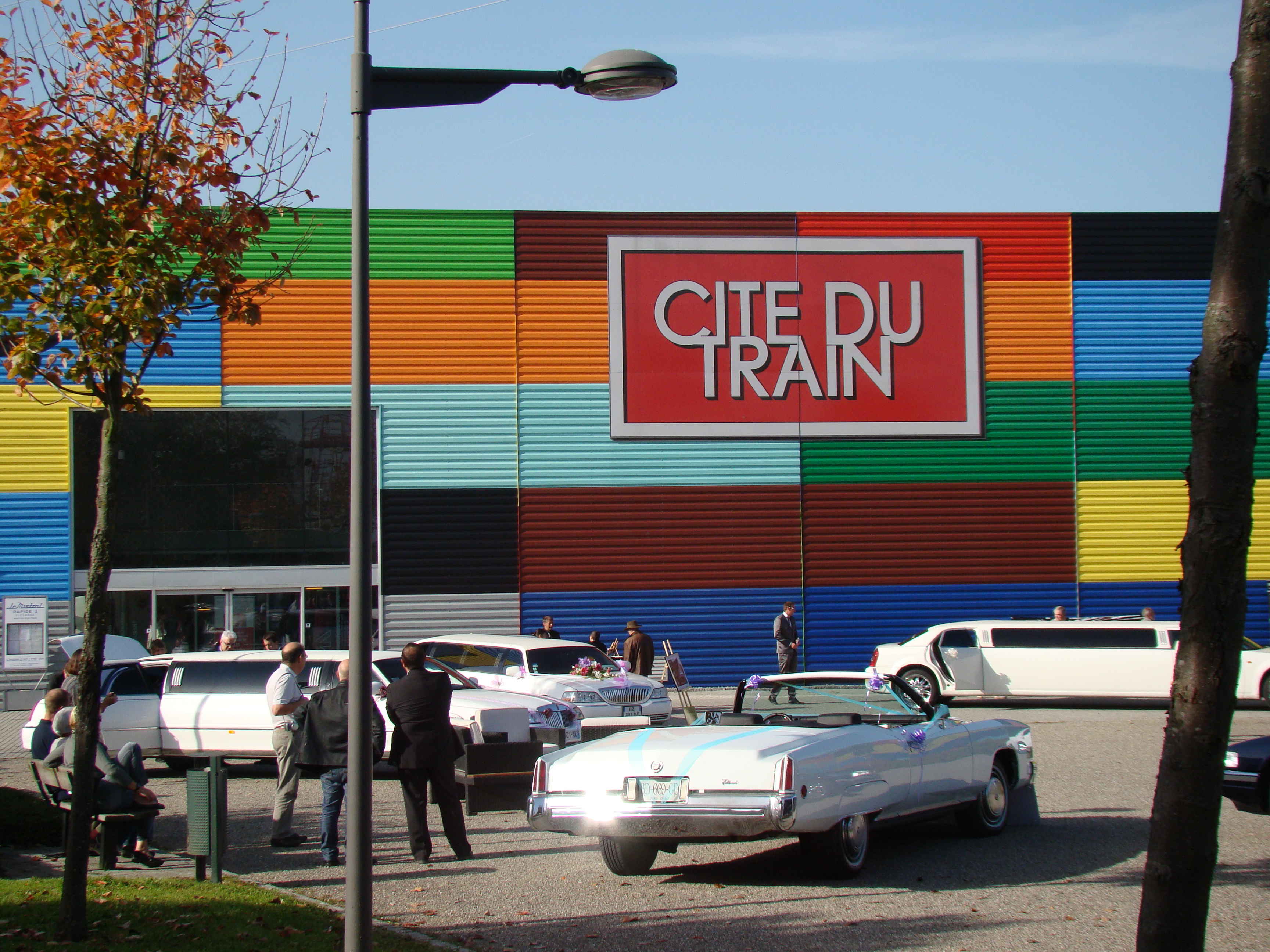
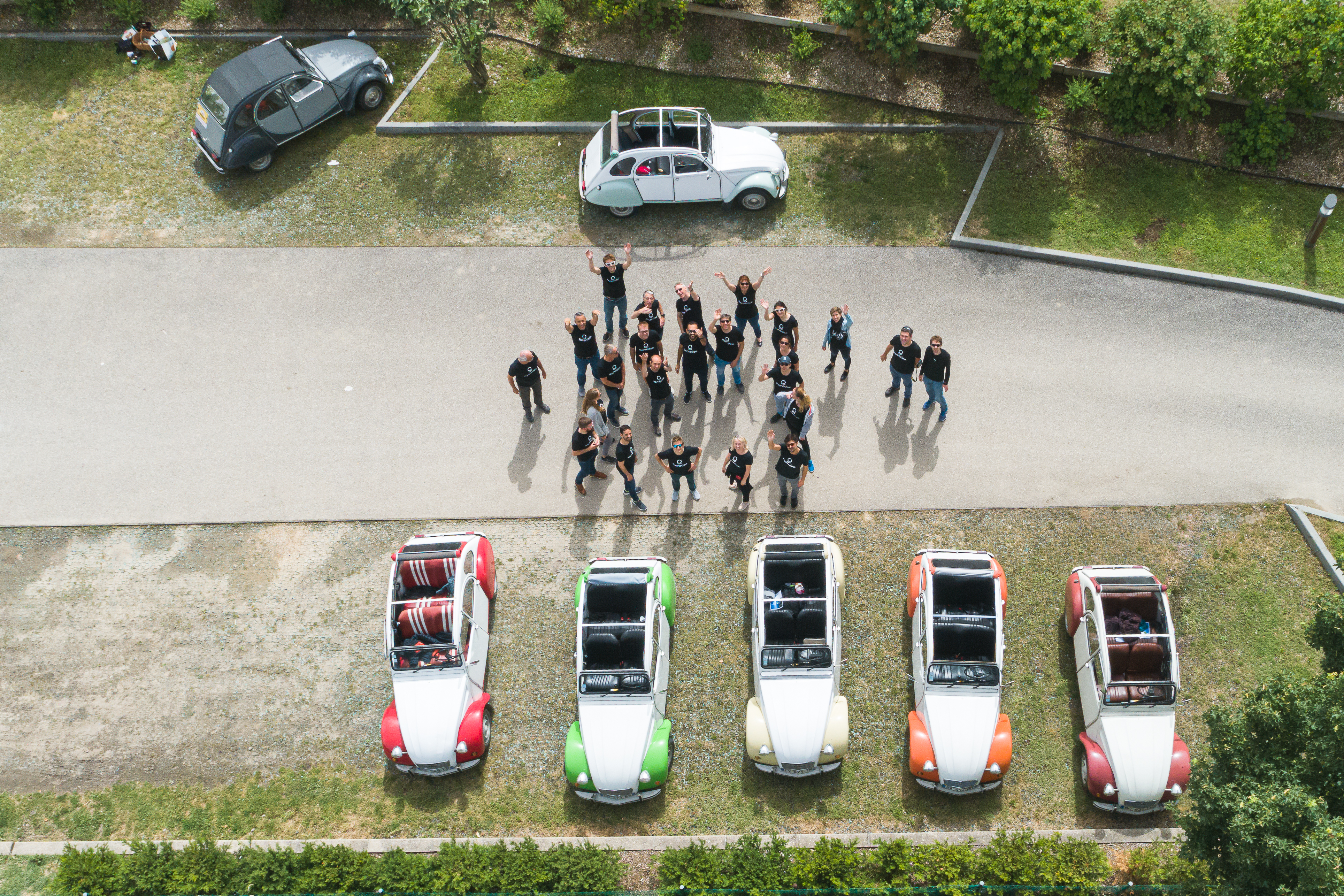
INNOV'events delivery capacity for Liege corporate programs
1 accountable project lead per event, from briefing to debrief (no handover to “ops” on the day).
48h standard turnaround for a first structured proposal (venues, format, safety, and a budget range) once objectives and headcount are confirmed.
Capacity up to 250 participants in rotation (briefing + driving sessions + hospitality) with instructor ratios adapted to the track rules and your risk policy.
Operational toolkit: safety plan, call sheet, participant flow maps, on-site signage, registration/waivers management, and post-event recap with attendance and incident log.
Corporate clients we support around Liege year after year
We regularly support organisations active in and around Liege—industrial groups, logistics players, professional services firms and scale-ups—who come back because the event runs like an internal project: defined scope, accountable owners, and controlled deliverables. Some collaborate with us year after year for leadership offsites, client hospitality days, or annual team recognition moments.
To keep this page accurate, we only publish company names when clients explicitly authorise it. If you share your sector and constraints (union environment, export-driven sales teams, high safety culture, public tender rules), we will provide relevant comparable case examples during the call and explain exactly what was done, by whom, and with which safeguards.
 Besoin d’un devis rapide ?
Nous vous envoyons une première proposition sous 24h.
Why plan a Racetrack Driving Experience in Liege for executives and HR
A driving day works when it is treated as a performance scenario, not a thrill-seeking activity. For executives and HR, the value is in what the format makes possible: disciplined focus, fast trust-building, and conversations that rarely happen in meeting rooms—provided the experience is structured and fair.
Leadership alignment in a setting where attention is naturally high: short briefing cycles, immediate feedback, and clear rules make it easier to talk about decision-making and accountability without turning it into a workshop.
Client hospitality with a professional frame: reserved paddock/hospitality, controlled agenda, and clear host roles allow commercial teams to create time with key accounts while keeping your brand image consistent.
Recognition without HR backlash: we can design the day so it doesn’t reward only the “already confident” profiles. Rotations, coaching and team scoring make participation equitable and reduce internal discomfort.
Cross-department cooperation: we frequently see better collaboration when production, sales and support teams share a structured challenge with shared rules and shared timing—especially after reorganisations or site mergers.
Employer brand content that remains compliant: we build a content plan (photo/video, consent capture, approved angles, no unsafe depictions) so communication teams can publish safely and quickly.
Liege has a pragmatic business culture: people respond to competence, safety and logistics done properly. A track experience fits that mindset when it is delivered with the same rigour as an operational project—clear objectives, disciplined execution, and respect for constraints.
What companies in Liege expect from a driving event partner
In Liege, we often work with organisations where schedules are not flexible: production runs, shift changes, freight cut-offs, or client visits already define the day. A driving experience must therefore be built around a tight run-of-show with reliable time slots, not “arrive and see”. We typically propose staggered arrival windows, group allocations, and a rotation system that avoids long waiting times.
Another local reality is mixed audiences: Dutch/French/English speakers, blue-collar and white-collar teams, and international visitors who may not know Belgian liability rules. We address this with multilingual briefings, simple signage, and participant communication sent ahead of time (dress code, ID requirements, timetable, medical considerations). For executive groups, we also ensure discretion: separate hospitality, controlled access, and a clear protocol for arrival and parking.
Finally, many Liege-based companies have a strong safety culture—especially in industry and logistics. That’s a positive constraint. We align the event with your internal prevention standards: alcohol policy, PPE expectations where relevant, incident reporting, and a documented safety chain of responsibility between track operator, instructors and the agency.
Which driving formats work best for corporate events in Liege
Engagement comes from clarity: participants understand the rules, see progression, and feel they are treated fairly. For a Racetrack Driving Experience, we typically combine driving time with structured challenges and hospitality so every profile—enthusiast, cautious driver, VIP guest—finds their place.
Interactive animations in Liege
Timed regularity challenge (not pure speed): participants aim for consistency over laps, reducing risk while maintaining competition. It works well for mixed seniority groups in Liege where inclusivity matters.
Team-based championship: we group participants by business unit or mixed departments and score on regularity + quiz + pit-lane tasks. This avoids the event becoming “the top drivers win everything”.
Coached progression sessions: two short stints with instructor feedback in between. This format is appreciated by HR because it creates a learning angle and reduces intimidation for first-timers.
Art animations in Liege
Branded paddock set-up with subtle design elements (flags, backdrops, signage) aligned to your visual identity. For communication teams, it ensures photos look corporate rather than “weekend outing”.
Host and speaker scripting: short, well-timed speaking slots for leadership messages without turning the day into a conference. Useful during strategy resets or after an acquisition in the Liege region.
Innovative animations in Liege
Hospitality calibrated to agenda: breakfast briefings, a seated lunch to secure quality networking, and a controlled closing drink. We set clear rules on alcohol in relation to driving and timing.
Local sourcing options around Liege (seasonal menus, regional producers) when it supports your CSR narrative—without compromising service speed in a track environment.
Gourmand animations in Liege
Data-driven debrief: lap timing/regularity reports per participant or team, shared as a corporate-style recap. It’s a tangible deliverable for executives who want evidence of participation and structure.
Hybrid mobility showcase: where appropriate, we integrate an EV/eco-driving module alongside performance driving to reflect fleet strategy discussions (TCO, safety, sustainability).
Whatever the mix, we keep alignment with your brand image: controlled competitiveness, professional hosting, and production quality consistent with what your stakeholders expect in corporate event entertainment in Liege.
How to choose the right track setting from Liege
The venue influences everything: travel time for participants, the level of exclusivity you can credibly claim, sound constraints, paddock space for hospitality, and the number of cars that can rotate without creating delays. From Liege, the right choice depends less on “prestige” and more on operational fit: your headcount, the time you can allocate, and how important client privacy is.
| Venue type | For which objective? | Main strengths | Possible constraints |
|---|---|---|---|
| Permanent racetrack within easy reach of Liege | Executive day, client hospitality, brand-safe performance driving | Professional safety infrastructure, clear driving rules, paddock/hospitality zones, predictable scheduling | Higher base cost, fixed time slots, stricter noise and access rules; requires early reservation |
| Driving centre / handling course (low-speed technical) | HR-friendly team day, safety culture reinforcement, mixed confidence levels | Lower perceived risk, strong coaching format, good for large rotations with short sessions | Less “performance” appeal for enthusiasts; needs strong scenography to keep premium feel |
| Privatised industrial site with temporary track layout (where authorised) | Product launch, internal anniversary on company premises near Liege | High control over branding and guest journey; minimal transfers; strong internal storytelling | Heavy permitting, safety engineering, surface suitability; weather risk; not always feasible or insurable |
We strongly recommend a site visit (or at least a technical recce) before locking the format: paddock capacity, briefing room acoustics, parking flows, and emergency access are the details that protect your schedule and your reputation.
What budget to plan for a Racetrack Driving Experience in Liege
Pricing is driven by operational parameters, not by a simple “per person” formula. A track day includes fixed costs (venue privatisation, safety staff, instructors) and variable costs (fleet, catering, branding, content). The most efficient way to manage budget is to decide what must be premium (safety, instructor ratio, hospitality quality) and where simplicity is acceptable.
Headcount and rotation model: 12–30 participants can run as an executive session with longer driving time; 80–250 requires short stints, clear group scheduling, and more hospitality management.
Fleet choice: hot hatches vs. sports cars vs. mixed fleet. The cost impact comes from insurance, wear, fuel, and instructor requirements—not just the car brand.
Instructor ratio and safety services: more coaching reduces risk and increases perceived value. It also stabilises timing because participants need less repeated briefing.
Venue exclusivity: full privatisation vs shared track time. For VIP and client events around Liege, exclusivity often pays for itself in brand control.
Hospitality level: coffee & lunch vs. premium catering, hostessing, branded lounges, and a structured closing moment.
Comms deliverables: professional photo/video, consent management, same-week highlight edit, interview corner, and brand-safe content guidelines.
Transfers and mobility: coach from Liege, VIP cars, parking management, and late arrivals handling.
For executive stakeholders, ROI is usually measured in retention and alignment rather than “fun”. We help you define measurable outcomes (attendance, key account presence, internal engagement, content outputs) and build the event to deliver those—without inflating scope where it doesn’t matter.
Why work with an event agency in Liege for a track experience
Even when the track itself is outside the city, having local operational reflexes in Liege makes a difference: supplier responsiveness, realistic travel-time planning, and an understanding of how local companies run (shift constraints, bilingual audiences, strong safety governance). It also reduces the number of “unknowns” on the day—because we have already tested access, parking, and contingency options.
As your event agency in Liege, we also act as the interface between your internal stakeholders and the track operator: we translate corporate requirements (insurance evidence, GDPR, code of conduct, brand restrictions) into operational rules that the venue can execute.
- Faster problem-solving on-site: weather changes, late VIP arrival, last-minute dietary changes—handled locally without disrupting the schedule.
- Credible stakeholder management: we brief your internal hosts, align with your prevention advisor, and ensure communication teams know what content can be captured safely.
- Supplier consistency: local catering, transport, signage and staffing partners that are used to corporate standards and reporting.
For executive stakeholders, ROI is usually measured in retention and alignment rather than “fun”. We help you define measurable outcomes (attendance, key account presence, internal engagement, content outputs) and build the event to deliver those—without inflating scope where it doesn’t matter.





Examples of corporate driving event scenarios delivered from Liege
We deliver track experiences in different corporate contexts, and the details change significantly depending on the audience. For an executive committee, we typically build a compact 3.5 to 5 hour format: private arrival, short leadership message, a safety-first coached driving block, and a seated lunch that protects conversation quality. The success metric is not the number of laps; it is whether the right discussions happened with the right people, without operational stress.
For sales teams and key accounts, we structure the day like a hospitality program: invitation management, RSVP tracking, clear host roles, branded welcome, and time-boxed driving slots that preserve networking time. We also plan for real-life situations: clients arriving at different times, last-minute +1 requests, and the need to keep certain competitors separated.
For larger HR population events, we often shift the competitive element to regularity and team scoring, integrate a coaching station, and make hospitality the “base camp”. This reduces perceived risk and improves inclusivity, especially when participants include non-drivers or colleagues uncomfortable with speed. In all cases, we document the operating plan and deliver a post-event recap that a director can forward internally.
Common pitfalls we prevent on driving events in Liege
Underestimating safety governance: missing waiver workflow, unclear alcohol policy, or vague rules on overtaking. We implement a documented safety chain and a clear decision-maker on-site.
Too much waiting time: poor rotation design leads to frustration and negative feedback. We calculate throughput (cars, session length, group sizes) and build a realistic run-of-show.
Brand risk in content: photos/videos showing unsafe behaviour, missing consent, or an aesthetic that looks “amateur”. We set a content plan and capture rules aligned with your communication standards.
One-size-fits-all competitiveness: speed-only scoring can exclude part of the group and create internal tension. We propose fair mechanics (regularity, team formats, coaching points).
Logistics blind spots from Liege: parking overflow, unclear meeting points, underestimated transfers, and late arrivals impacting slots. We plan access, signage and contingency buffers.
Stakeholder overload: HR, Comms, and Sales pulling in different directions. We run a single steering call, confirm priorities, and lock decisions in a shared event sheet.
Our role is to remove operational risk from your agenda: you keep ownership of the message and the stakeholders, and we protect delivery quality through preparation, governance and on-site control.
Why Liege clients renew with INNOV'events for driving experiences
Renewal happens when the event is easy to run internally. Directors and HR teams come back when they can trust that invitations, timing, safety, hospitality and brand image are managed with the same discipline as a business project.
1 consolidated run-of-show shared with all stakeholders (HR, Comms, Sales, venue, instructors), reducing last-minute divergence.
0 surprises policy: we flag constraints early (age/licence rules, clothing, weather plan, insurance requirements) so decisions are made before commitments.
15–30 minutes typical on-site set-up buffer built into the plan for VIP arrivals and operational adjustments without shifting the public schedule.

Loyalty is the most concrete proof in our industry: when companies in Liege repeat, it is because the event delivered its objective and the internal workload stayed reasonable.
Our production process for a Racetrack Driving Experience in Liege
👉 Liege briefing and objective mapping
We start with a 30–45 minute call to clarify objective, audience, date constraints, internal policies (alcohol, insurance, GDPR), and what “success” means for your leadership. We also confirm whether the event is internal, client-facing, or mixed, because it changes hospitality, messaging and brand control.
👉 Format design and safety architecture
We propose a rotation model (group sizes, session length, coaching moments), a safety framework (briefing content, rules, instructor ratio), and a governance plan (who decides stop/go, weather thresholds, incident handling). You receive a clear draft agenda and a first budget range with options.
👉 Venue and supplier locking around Liege
We secure the track slot, instructors, vehicles, and hospitality. At this stage we confirm operational constraints: noise windows, paddock access, briefing room capacity, parking, and emergency procedures. If needed, we organise a site recce with your key stakeholders.
👉 Participant management and comms toolkit
We set up registration, manage waivers/consents, and prepare participant communications (arrival time, dress code, licence/ID reminders, schedule, FAQs). For communication teams, we define a content plan: key shots, interview moments, branding zones, and what not to film.
👉 On-site delivery and executive-level hosting
On event day, we run check-in, briefings, rotations, hospitality and timing. We coordinate instructors, venue, catering and content team. For executive groups, we manage protocol (arrival, privacy, speaking moments) and keep the day on schedule without rushing participants.
👉 Post-event recap and improvement loop
Within days, we deliver a concise debrief: attendance, schedule adherence, incidents (if any), feedback highlights, and content deliverables. If you plan to repeat annually in Liege, we document improvements to reduce planning time next year.
FAQ sur l'organisation Racetrack Driving Experience à Liege
How many participants can you host from Liege in one day?
Most programs from Liege run comfortably with 12–250 participants depending on the track, fleet size and session format. For 12–30, we maximise coached driving time. For 80–250, we use rotations (short stints + hospitality) to keep waiting time controlled.
What are typical time formats for a Liege driving event?
Common formats are 3.5–5 hours (executive half-day), 6–8 hours (full-day corporate with lunch), or 2–3 hours as an add-on to a meeting day. We build the agenda around your operational constraints (shifts, client meetings, travel from Liege).
How do you manage safety and liability in Liege programs?
We implement a documented safety chain: mandatory briefing, instructor-led sessions, clear overtaking rules, and controlled alcohol policy. We also manage waivers/consents and align insurance evidence with your internal requirements. If your company has a prevention advisor, we integrate them early so the event fits your safety culture.
Can non-drivers or cautious participants join in Liege events?
Yes. We design inclusive formats with coached discovery sessions, passenger laps where allowed, and team scoring based on regularity rather than speed. We also structure hospitality so participants who drive less still have a high-value experience and meaningful networking time.
When should we book a Racetrack Driving Experience in Liege?
For peak months (spring to early autumn), we recommend 8–16 weeks lead time for the best track slots and fleet availability. For smaller executive groups, 4–8 weeks can work if dates are flexible. Earlier is required when you need full privatisation or heavy branding.
Request a Liege quote with a clear safety and timing plan
If you are comparing agencies, we suggest a practical next step: share your target date, headcount range, audience type (internal / clients / mixed) and any non-negotiables (insurance, alcohol policy, content rules, VIP privacy). We will come back within 48h with a structured proposal: recommended format, venue type options from Liege, a draft run-of-show, and an initial budget range with clear levers.
Track calendars and instructor fleets fill quickly. Early planning is what keeps the day safe, punctual, and aligned with your brand image—without last-minute compromises. Contact INNOV'events to schedule your briefing call.
INNOV'events Liege Agency
Justin JACOB is the manager of the INNOV'events Liege office. Reach out directly by email at belgique@innov-events.be or via the contact form.
Contact the Liege agencyToutes nos prestations & animations Liege, Belgique
Découvrez nos prestations événementielles
Découvrez nos animations événementielles disponibles au Belgique
- Event Hostess in Liege
- Escape Game in Liege
- MasterChef Cooking Workshop in Liege
- Magician in Liege
- Marquee Rental in Liege
- Color Analysis Workshop in Liege
- Inflatable Games in Liege
- Valet Parking Service in Liege
- Football Simulator in Liege
- LED Furniture Rental in Liege
- Light Branding in Liege
- Unique Dining Experience in Liege
- Light Painting in Liege
- Murder Mystery Party in Liege
- Prize Contest in Liege
- Promotional Displays (POS) in Liege
- Virtual Reality in Liege
- Molecular Gastronomy Workshop in Liege
- Halloween Entertainment in Liege
- Fireworks Show in Liege
- Giant Games Challenge in Liege
- Event Host / MC in Liege
- Photo Booth Animation in Liege
- Santa Claus Entertainment in Liege
- Kids Entertainment in Liege
- Guided Tour in Liege
- Urban Rally in Liege
- Ball Pit in Liege
- Flight Simulator in Liege
- Food Truck Rental in Liege
- World Record Challenge in Liege
- Surf Simulator in Liege
- Wine Casino in Liege
- Makeover Workshop in Liege
- Perfume Creation Workshop in Liege
- Acting Workshop in Liege
- CSR Activities in Liege
- Archery in Liege
- Security Staff in Liege
- Wine Tasting in Liege
- Mime Performer in Liege
- TV Game Show in Liege
- Funfair in Liege
- Crisis Management Workshop in Liege
- Crisis Negotiation Workshop in Liege
- Arcade Games in Liege
- Indoor Skydiving Simulator in Liege
- Ski Simulator in Liege
- Racing Circuit Experience in Liege
- Introductory Flight Experience in Liege
- Tasting Experience in Liege
- Build Your Own Foosball Workshop in Liege
- 2CV Rally in Liege
- LEGO Challenge in Liege
- Casino Night in Liege
- Interpreter / Translator in Liege
- Promotional Giveaways in Liege
- Shuttle Transport in Liege