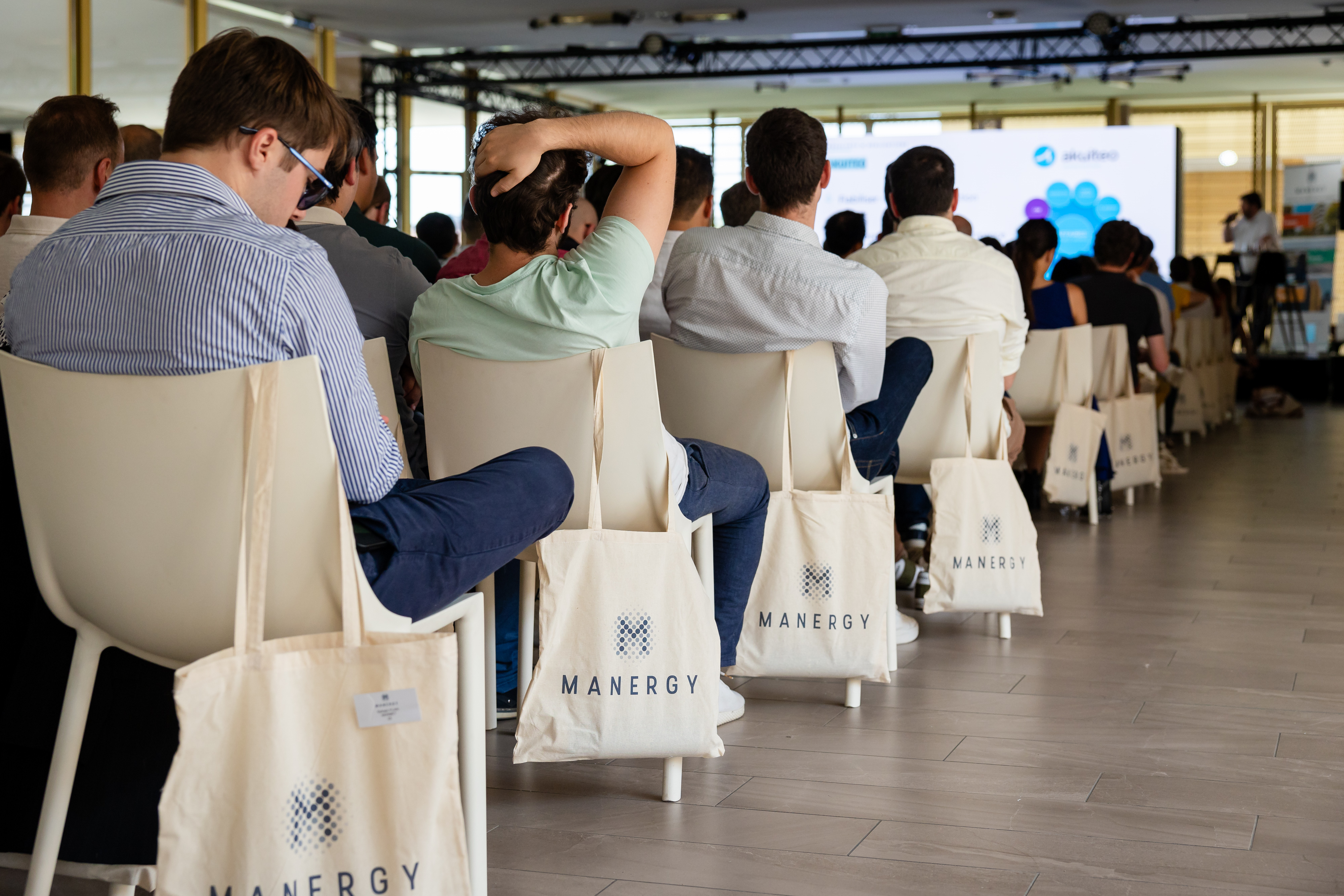
Promotional Merchandise in Liege that employees actually keep
INNOV'events supports executives, HR and communication teams with Promotional Merchandise programs in Liege, from brief to delivery and event-day distribution. Typical volumes: 50 to 2,000 attendees, with tight timelines and strict brand rules. We handle sourcing, compliance checks, sampling, customization, packing, and last‑mile logistics so your teams stay focused on the message and the audience.
Sommaire
At a corporate event, merchandise is not a “nice-to-have”: it is a physical touchpoint that extends the event’s impact into offices, homes and client meetings. When it is chosen and distributed properly, it supports employer brand, reinforces a campaign narrative, and reduces the “one-and-done” effect after the last speech.
Organizations in Liege typically expect practicality, speed of execution and clear governance: approved supplier lists, brand guidelines, bilingual needs (EN/FR/NL depending on audience), and distribution that does not create queues or waste. The decision makers also want traceability: what was ordered, where it is, and who receives it.
From Brussels, INNOV'events operates weekly in Liege and the wider province, coordinating local deliveries, on-site storage constraints and venue access windows. We work like an extension of your team: one project lead, a controlled supplier ecosystem, and operational checklists designed for event pressure.
INNOV'events in numbers across Liege projects
10+ years coordinating corporate activations and event logistics in Belgium, with recurring assignments in Liege and Wallonia.
150+ corporate projects/year managed through our Brussels hub and partner network (events, brand activations, gifting and logistics).
48–72h typical turnaround to present a first short-list (3–5 options) with unit prices, branding methods and lead times—once brief and artwork are validated.
0-surprise delivery approach: sampling, pre-production approval, and photo-proofing before final run for all branded items above 250 units.
Who we support in Liege and the 4000 area
In Liege, we typically operate for organizations that need reliability more than novelty: corporate headquarters, industrial sites along the Meuse corridor, public-facing institutions, higher education, and fast-growing tech and service companies. Many of our local clients renew year after year because the operational complexity is real: access windows at venues, limited on-site storage, approval loops, and last-minute attendee list changes.
If you want us to cite specific names publicly, we do so only with explicit authorization and in line with your communication policy. What we can share from experience is the pattern: HR teams preparing onboarding days, communication departments running campaign launches, and executive committees needing measurable brand consistency across multiple sites, including Liege.
Our working style is designed for demanding stakeholders: a clear brief template, a controlled product selection (no endless catalog browsing), and a procurement process that documents lead times, Incoterms when relevant, and packaging/distribution flows.
 Besoin d’un devis rapide ?
Nous vous envoyons une première proposition sous 24h.
Why invest in Promotional Merchandise for Liege corporate events?
Merchandise is often the only part of an event that physically leaves the room. For leadership teams, that matters: it turns a one-day budget line into weeks (sometimes months) of brand exposure and internal alignment—provided the items are useful, consistent with your values, and delivered without operational friction.
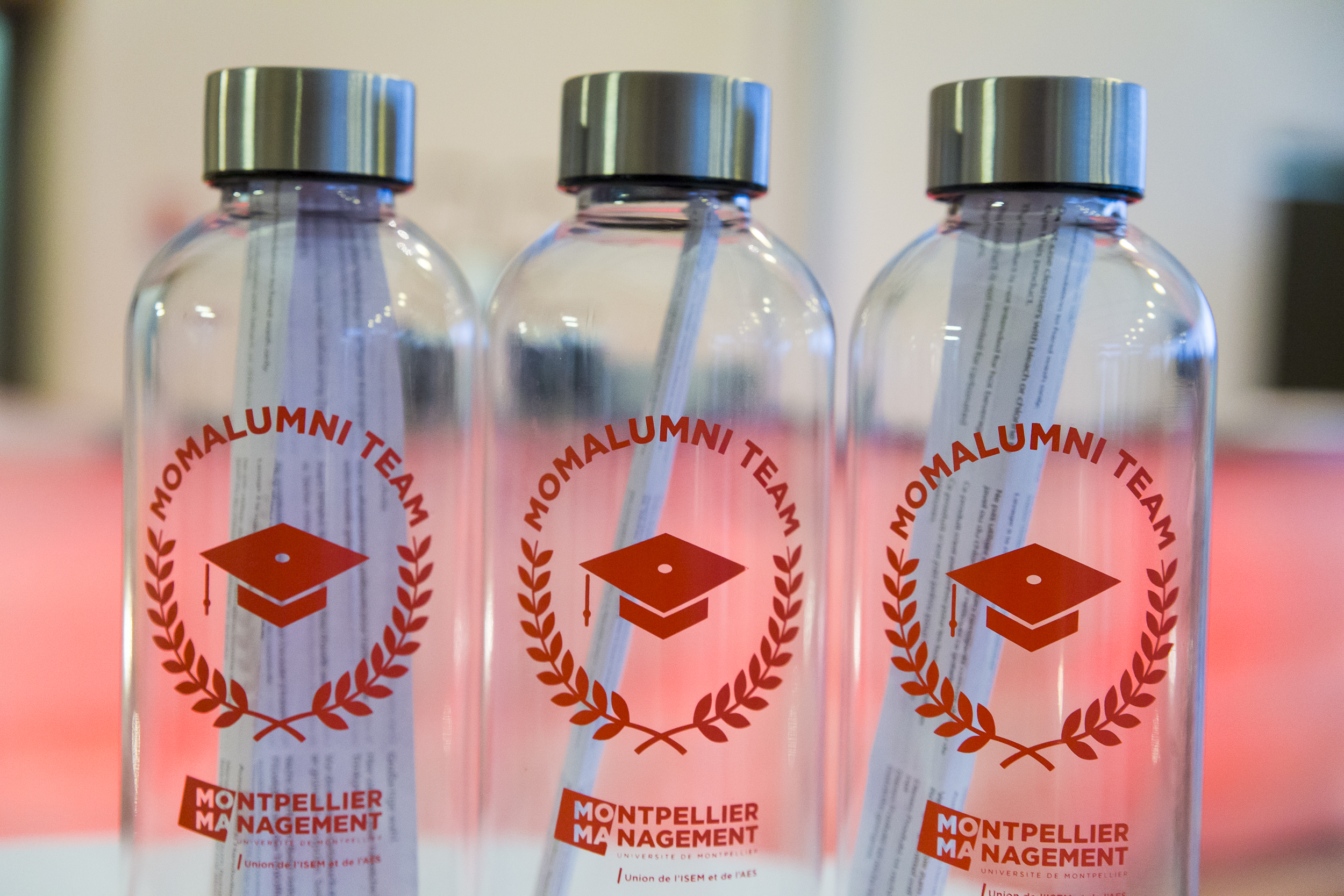
Employer brand reinforcement: for onboarding days or employer branding events in Liege, a well-designed kit (badge holder, notebook, quality pen, reusable bottle) helps new hires feel expected and equipped on day one.
Communication consistency: when multiple departments attend (HQ, plant, sales), Promotional Merchandise provides a single visual language—colors, tone of voice, and message hierarchy—especially useful during strategic announcements.
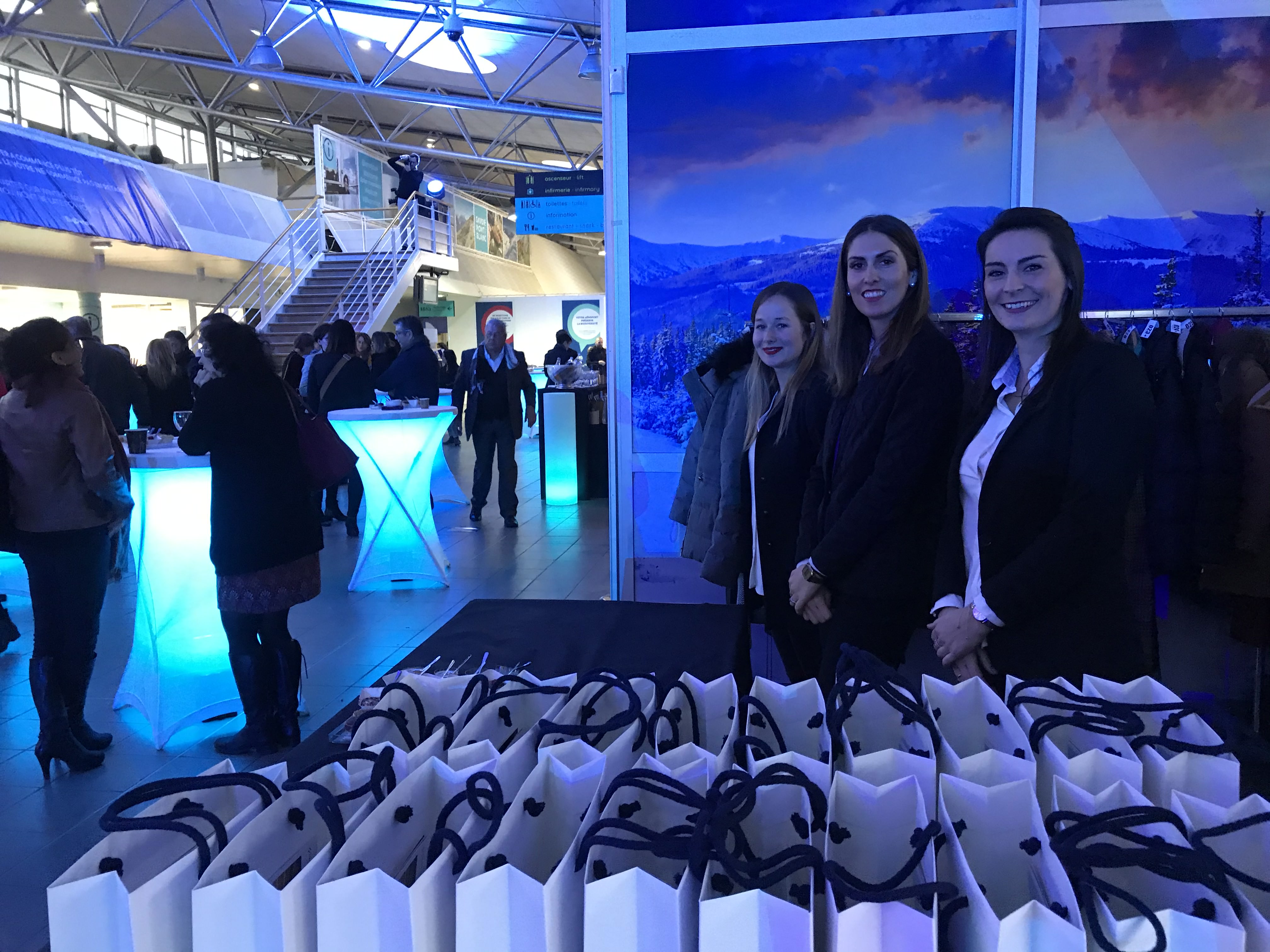
Operational efficiency on event day: pre-packed kits per attendee category (VIP, speaker, staff, guest) reduce distribution time and avoid “we ran out” situations. This is a common pain point for HR teams managing registrations.
Client relationship support: for B2B events, premium yet compliant gifts (within hospitality policies) help sales teams leave a tangible reminder without crossing ethical boundaries.
Measurable post-event impact: QR codes on inserts, campaign UTM links, or NFC tags (when relevant) can tie merchandise to a landing page and give communication teams data beyond attendance.
Liege is a pragmatic business territory: people quickly spot waste and improvisation. When merchandise is functional, well-branded and distributed smoothly, it signals operational maturity—an attribute strongly valued in the local industrial and service ecosystem.
What Liege decision-makers expect from corporate merchandise
Local teams in Liege typically push for three things: usefulness, predictability and accountability. “Useful” means items that fit daily work realities—commuting, site visits, hybrid work, safety constraints—rather than decorative gadgets. “Predictable” means a supplier plan that respects approval cycles and the fact that venues may offer limited delivery slots. “Accountable” means traceability and a single point of contact when something changes at the last minute.
In practice, we often see constraints such as: a delivery window limited to 2 hours due to venue schedule; no storage the day before; security checks at entrances; a last-minute shift from 220 to 260 attendees; bilingual printing needed for a mixed audience; and strict brand rules (Pantone, logo clear space, tone of voice). These are manageable, but only with early decisions on branding technique (screen print vs. embroidery vs. laser engraving), realistic lead times, and packaging choices that match on-site handling.
Another local reality: Liege events frequently involve stakeholders from different sites (city center + industrial zones + university ecosystem). We plan distributions and replenishment accordingly—often with segmented kits, color-coded packing lists, and a clear “who receives what” matrix validated by HR and communications.
Which merchandise-driven activations work best in Liege events?
Merchandise becomes significantly more effective when it is tied to an activation: it creates a reason to interact, and it reduces waste because items are distributed with intent (earned, selected, or matched to a profile) rather than randomly handed out. For communication teams, it also creates content opportunities: photo moments, employee-generated posts, and internal storytelling.
Interactive animations in Liege
Choice-based pick-up stations: instead of one generic item, offer 2–3 useful options (e.g., bottle or notebook; tote or tech pouch). In Liege, this approach is appreciated because it limits leftovers and respects different work styles.
Badge-linked distribution: use QR codes on badges to track pick-up per attendee category. This helps HR reconcile attendance vs. registered lists and prevents double pick-ups without creating an overly “controlled” atmosphere.
Workshop-linked kits: for training sessions, distribute a kit that is necessary for the activity (marker set, workbook, branded sticky notes). It increases participation because the item is immediately functional.
Art animations in Liege
Live personalization: on-site laser engraving on metal bottles or notebooks creates perceived value and reduces the “promo” feel. This works well for executive audiences, provided we manage queue times (target: < 5 minutes wait).
Limited-edition design: collaborate with a local illustrator or graphic style aligned to your brand. The key is governance: one approved visual system, not an artistic free-for-all, so your corporate identity remains intact.
Innovative animations in Liege
Local tasting formats with branded packaging: we often integrate Walloon specialties with subtle branding (sleeves, inserts, or stickers) to avoid over-printing on food packaging. The objective is to link the product to a message (safety, sustainability, new strategy) with a short, well-written card.
Meeting-room refill points: instead of handing out multiple drinks, set up refill stations and provide one quality reusable bottle. It is more coherent with CSR commitments and reduces venue waste management.
Gourmand animations in Liege
Smart insert cards: add a small card in each kit with a QR code to a tailored page (agenda, post-event resources, HR links). Communication teams can update the page after printing, keeping the physical item relevant.
Post-event shipping for remote teams: for hybrid events involving staff outside Liege, we can split logistics: on-site kits + home-delivery kits. The operational detail that matters: address collection, GDPR-safe handling, and packaging that survives carriers.
The main rule: align the activation with your brand image and governance. A premium brand should avoid “cheap-feel” items; a sustainability-focused company must avoid unnecessary plastics; a safety-driven industrial group should select items compatible with site rules. Promotional Merchandise in Liege works when it is consistent with what your organization already claims—and when the execution is flawless.
Where to stage merchandise distribution in Liege for the best impact
The venue affects how merchandise is perceived and how smoothly it can be distributed. A high-traffic entrance needs fast pick-up flows; a seated conference allows in-room placement; a multi-room venue requires batch planning and clear replenishment. In Liege, access logistics (loading bays, elevators, parking, security desk procedures) can make the difference between a calm welcome and a stressful start.
| Venue type | For which objective? | Main strengths | Possible constraints |
|---|---|---|---|
| Convention venue / auditorium | High-volume distribution at check-in (200–2,000) | Structured flows, staff support, clear timing windows | Short delivery slots, queue management needed, limited back-of-house storage |
| Corporate HQ or office site in Liege | Onboarding, internal town hall, leadership meeting | Brand control, easy alignment with internal teams, lower venue costs | Security policies, limited unloading access, meeting rooms not designed for storage |
| Industrial site / plant meeting area | Safety culture events, operational communication | High relevance to workforce, strong authenticity | PPE rules, restricted zones, packaging must be practical and safe |
We strongly recommend at least one site visit or a technical call with the venue in Liege. It allows us to validate unloading routes, storage, access badges, and the exact distribution point—details that prevent delays and protect your first impression.
What budgets to plan for Promotional Merchandise in Liege
The price of Promotional Merchandise depends less on the catalog item and more on operational parameters: branding technique, lead time, packaging, and distribution complexity. For decision makers, the goal is to spend where it changes perception (materials, finishing, coherent kits) and avoid hidden costs (rush fees, partial deliveries, rework due to missing approvals).
Unit ranges (typical): basic useful items (notebook/pen) often fall in the €2–€8 per attendee range; mid-range kits (bottle + notebook + tote) often sit around €12–€35; premium gifts (quality textiles, tech accessories) can be €35–€120+ depending on brand and customization.
Branding method: embroidery and laser engraving cost more but age better; screen printing is efficient for large volumes; full-color digital prints are flexible but require careful color management. We advise method based on audience and expected product lifetime.
Lead time and risk: rushing production can add 10–30% in costs and increases the risk of compromises (limited color choices, fewer QC steps). Early lock-in is the cheapest risk management.
Packaging and kitting: assembling kits (sorting, folding textiles, adding inserts, labeling) is often underestimated. Yet it is what makes distribution smooth and professional—especially when you have multiple attendee categories.
Delivery constraints in Liege: timed deliveries, split drops, security checks, and on-site handling staff can add logistical lines, but they prevent costly event-day disruptions.
We frame budget as ROI: a slightly higher unit cost is justified when items are actually used for months, when your brand is protected by QC, and when event-day operations remain clean. For many teams, the biggest “return” is avoiding reputational friction: the wrong item or a chaotic distribution is noticed immediately by employees and clients.
Why work with an event agency in Liege for merchandise operations?
Even when merchandise is produced elsewhere, local coordination in Liege is what determines whether the experience feels controlled. A local-capable agency anticipates access rules, knows typical venue constraints, and can react on short notice with on-site staff, re-routing deliveries, or reorganizing distribution flows.
For many clients, the real value is governance: one point of contact accountable for deadlines, supplier coordination, and event-day handling. If you already have a venue and broader event scope, we can integrate the merchandise workstream into the global run-of-show. If you are still building the full concept, our event agency in Liege capability ensures consistency between messaging, staging and distribution logistics.
- Faster operational decisions: quick feasibility checks on delivery windows, storage, and staffing needs.
- Controlled supplier ecosystem: fewer surprises on quality, lead time, and after-sales handling.
- On-site accountability: someone to manage pallets, boxes, and last-minute changes while your leadership team stays focused on stakeholders.
- Risk management: contingency stock, alternative distribution scenarios, and clear escalation paths.
We frame budget as ROI: a slightly higher unit cost is justified when items are actually used for months, when your brand is protected by QC, and when event-day operations remain clean. For many teams, the biggest “return” is avoiding reputational friction: the wrong item or a chaotic distribution is noticed immediately by employees and clients.




Examples of Promotional Merchandise deployments in Liege contexts
We regularly support scenarios that look simple on paper but become complex in execution. Example: an internal town hall where leadership wants a “welcome kit” on every chair, but the venue only allows access 90 minutes before doors open. The solution is not “work faster”; it is pre-sorting, an optimized packing plan, and an on-site team briefed like stagehands, with clear zone assignments and a checked seating map.
Another common case in Liege: a hybrid training day with remote colleagues. We split the flow into on-site kits and shipping kits, using the same item list and brand assets, but different packaging constraints. The key operational point is address collection and GDPR-safe handling, plus shipping buffers and tracking so HR does not spend days answering “Did you send mine?” emails.
We also handle client-facing events where compliance matters. Many companies have hospitality limits (e.g., under €50 per person) and require item traceability. In these projects, we document unit values, keep the purchase order trail clean, and propose alternatives that still feel premium (better material, refined branding technique) without exceeding policy thresholds.
Common mistakes with Promotional Merchandise in Liege and how to avoid them
Choosing items before defining distribution: the “perfect” item becomes a problem if it arrives in oversized cartons with no storage plan or if it requires individual customization on a tight schedule.
Skipping sampling and proofs: colors, fabrics and print rendering differ in real life. Without proofing, you risk an item that looks off-brand on stage photos.
Underestimating kitting time: assembling 400 kits is not a side task for an admin team the day before. It needs an assembly plan, space, and QC.
Ignoring policy constraints: corporate gifting rules, sustainability commitments, and venue rules (waste, food, safety) must be validated upfront.
No contingency stock: registration changes and damaged items happen. Planning 3–7% extra stock is cheaper than improvising on-site.
Our role is to remove these risks from your event day: we challenge briefs early, lock approvals, manage suppliers tightly, and run logistics like a controlled operation—so you don’t have to “fight fires” in front of your employees or clients in Liege.
Why Liege clients renew their merchandise programs
Renewal is rarely about creativity; it is about trust under pressure. Clients come back when they feel their agency understands internal approval loops, respects budgets, and prevents the small operational failures that undermine leadership credibility.
60–70% of our merchandise-related assignments are repeat or extension scopes (additional event dates, new audience segments, refreshed kits).
1 project lead per account to keep decisions consistent and avoid re-explaining your brand rules at every event.
3 checkpoints we insist on for repeatability: product shortlist validation, pre-production approval, and delivery/distribution confirmation.

Loyalty is the most practical proof point in this business: it means deadlines were met, quality matched expectations, and the event team felt supported—not overloaded.
Our process to secure Promotional Merchandise in Liege
👉 Brief and governance alignment in Liege
We start with a focused brief: event objective, audience breakdown, brand constraints, sustainability requirements, gift policy limits, and distribution scenario. We also define who approves what (HR, Comms, Procurement) and by when. This prevents last-minute reversals that trigger rush costs.
👉 Shortlist with real lead times and real costs
Within 48–72h after receiving the essentials (logo files, quantities, deadlines), we deliver a shortlist with unit prices, branding methods, lead times, and pros/cons. We highlight what is risky (tight timeline, color matching, import dependency) and propose safer alternatives when needed.
👉 Sampling, artwork, and pre-production proofing
We organize samples and define the branding specs (placement, size, Pantone reference when applicable). For larger runs, we request a pre-production proof and photo validation. This is where we protect your image: no surprises on fabric, engraving contrast, or print quality.
👉 Kitting and packing for fast distribution
We create packing lists by attendee category and define the kitting sequence. Kits can be packed per person, per table, or per batch (e.g., 25 units) depending on venue handling constraints in Liege. We add labeled cartons and a simple distribution guide for on-site teams.
👉 Delivery coordination and event-day execution
We confirm delivery slots, access conditions and unloading routes with the venue. If required, we staff the distribution point and manage replenishment. After the event, we can handle leftovers (inventory, storage, or redistribution) with a clear count and handover report.
FAQ sur l'organisation Promotional Merchandise à Liege
What lead time do you need in Liege for branded items?
Plan 2–4 weeks for standard items with branding (approval, production, delivery). For premium textiles or complex kitting, 4–6 weeks is safer. Rush options exist (sometimes 5–10 working days), but choice and QC steps become limited.
What is a realistic merchandise budget per attendee in Liege?
Common ranges: €5–€15 per attendee for practical basics; €15–€35 for a coherent kit; €35–€120+ for premium gifts. The final budget depends on branding method, quantities, and packaging/kitting.
How do you avoid queues during kit pick-up in Liege venues?
We reduce waiting time by pre-packing kits by attendee category, using 2–4 distribution points for larger groups, and preparing clear signage and carton labeling. For high-volume events, we can add badge-linked tracking to prevent double pick-up without slowing the flow.
Can you handle split deliveries across Liege and other sites?
Yes. We plan split drops with separate packing lists and labeled batches. Typical approach: one delivery to the venue in Liege, another to your office/warehouse, and optional home shipments for remote staff—each with tracking and a consolidated status update.
Which branding technique lasts best for Liege corporate apparel?
For apparel, embroidery is usually the most durable and premium-looking. For large quantities and bold visuals, screen printing is efficient. We choose based on fabric, logo complexity, and how often the item will be washed; we validate with a sample when brand perception is critical.
Get a quote for Promotional Merchandise in Liege
If you want merchandise that supports your message and does not become an event-day headache, we can help quickly and transparently. Share your event date, estimated headcount, audience type (employees, clients, partners), and any brand or gift policy constraints. We will return with a short, costed selection and a logistics plan adapted to Liege realities (delivery windows, storage, distribution flow).
For best results, contact us as soon as the date is confirmed—ideally 4–6 weeks before the event—so we can secure the right products, run samples, and protect your brand image from avoidable last-minute compromises.
INNOV'events Liege Agency
Justin JACOB is the manager of the INNOV'events Liege office. Reach out directly by email at belgique@innov-events.be or via the contact form.
Contact the Liege agencyToutes nos prestations & animations Liege, Belgique
Découvrez nos prestations événementielles
Découvrez nos animations événementielles disponibles au Belgique
- Event Hostess in Liege
- Escape Game in Liege
- MasterChef Cooking Workshop in Liege
- Magician in Liege
- Marquee Rental in Liege
- Color Analysis Workshop in Liege
- Inflatable Games in Liege
- Valet Parking Service in Liege
- Football Simulator in Liege
- LED Furniture Rental in Liege
- Light Branding in Liege
- Unique Dining Experience in Liege
- Light Painting in Liege
- Murder Mystery Party in Liege
- Prize Contest in Liege
- Promotional Displays (POS) in Liege
- Virtual Reality in Liege
- Molecular Gastronomy Workshop in Liege
- Halloween Entertainment in Liege
- Fireworks Show in Liege
- Giant Games Challenge in Liege
- Event Host / MC in Liege
- Photo Booth Animation in Liege
- Santa Claus Entertainment in Liege
- Kids Entertainment in Liege
- Guided Tour in Liege
- Urban Rally in Liege
- Ball Pit in Liege
- Flight Simulator in Liege
- Food Truck Rental in Liege
- World Record Challenge in Liege
- Surf Simulator in Liege
- Wine Casino in Liege
- Makeover Workshop in Liege
- Perfume Creation Workshop in Liege
- Acting Workshop in Liege
- CSR Activities in Liege
- Archery in Liege
- Security Staff in Liege
- Wine Tasting in Liege
- Mime Performer in Liege
- TV Game Show in Liege
- Funfair in Liege
- Crisis Management Workshop in Liege
- Crisis Negotiation Workshop in Liege
- Arcade Games in Liege
- Indoor Skydiving Simulator in Liege
- Ski Simulator in Liege
- Racing Circuit Experience in Liege
- Introductory Flight Experience in Liege
- Tasting Experience in Liege
- Build Your Own Foosball Workshop in Liege
- 2CV Rally in Liege
- LEGO Challenge in Liege
- Casino Night in Liege
- Interpreter / Translator in Liege
- Promotional Giveaways in Liege
- Shuttle Transport in Liege