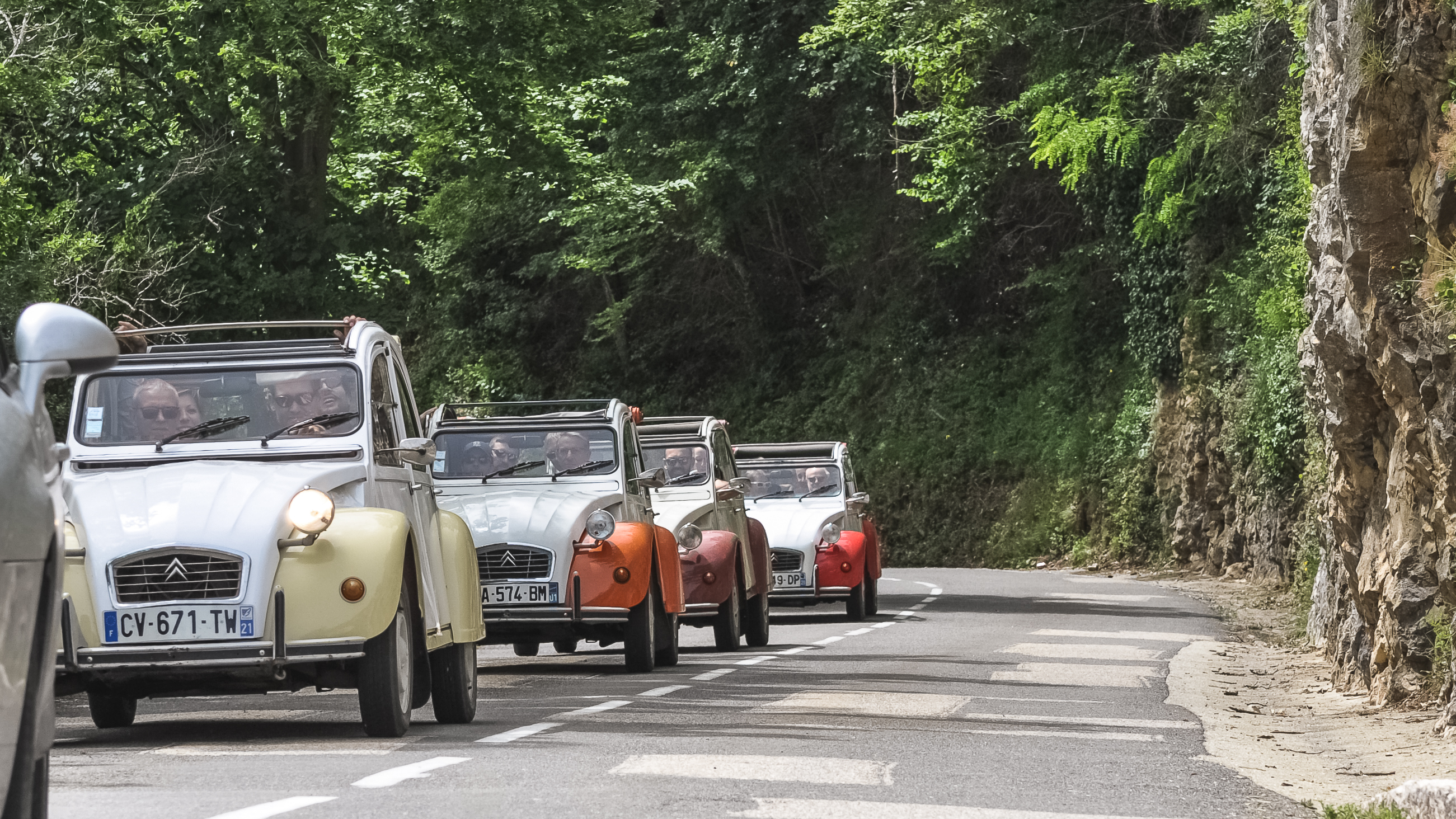
2CV Rally in Liege to align teams and deliver measurable engagement
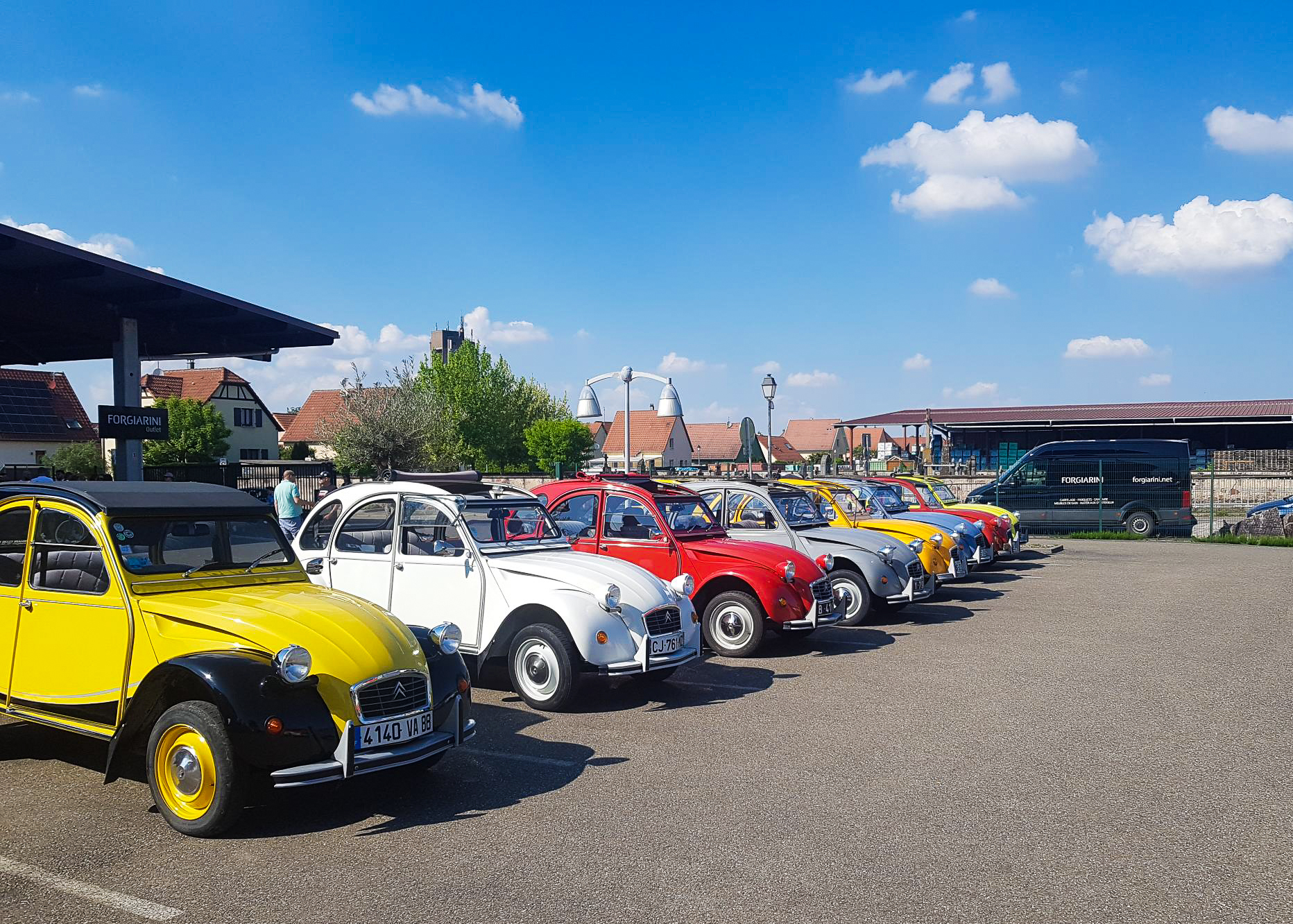
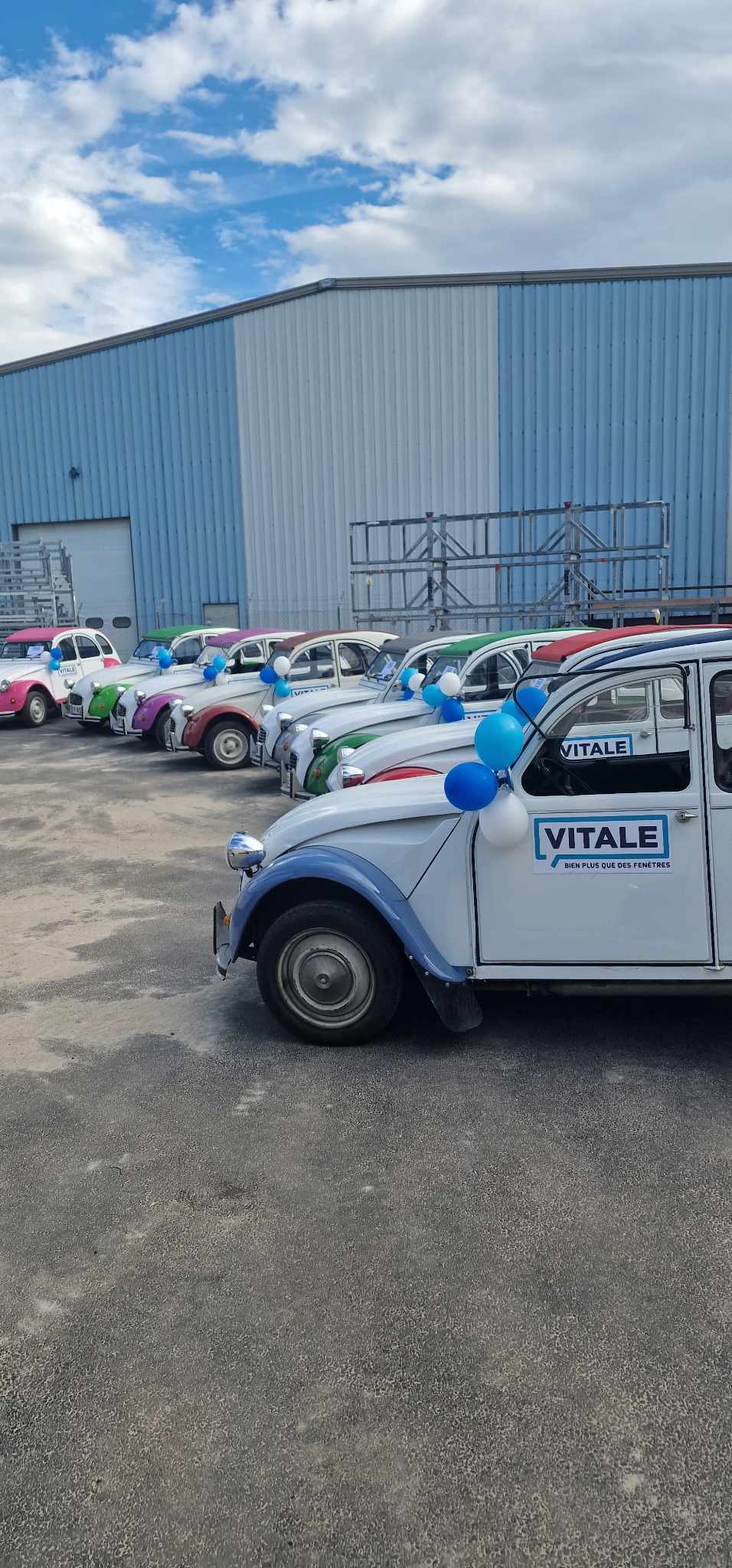
INNOV'events is a Brussels-based agency delivering 2CV Rally in Liege formats for 20 to 300 participants, from executive kick-offs to multi-site team-building days. We manage the full chain: vehicle sourcing, roadbook design, permits, safety, timing, brand visibility, and on-the-day operations.
You get a controlled program with clear KPIs (participation rate, timing adherence, feedback), a risk plan, and a production team used to corporate constraints (NDA, punctuality, stakeholder management).
Sommaire
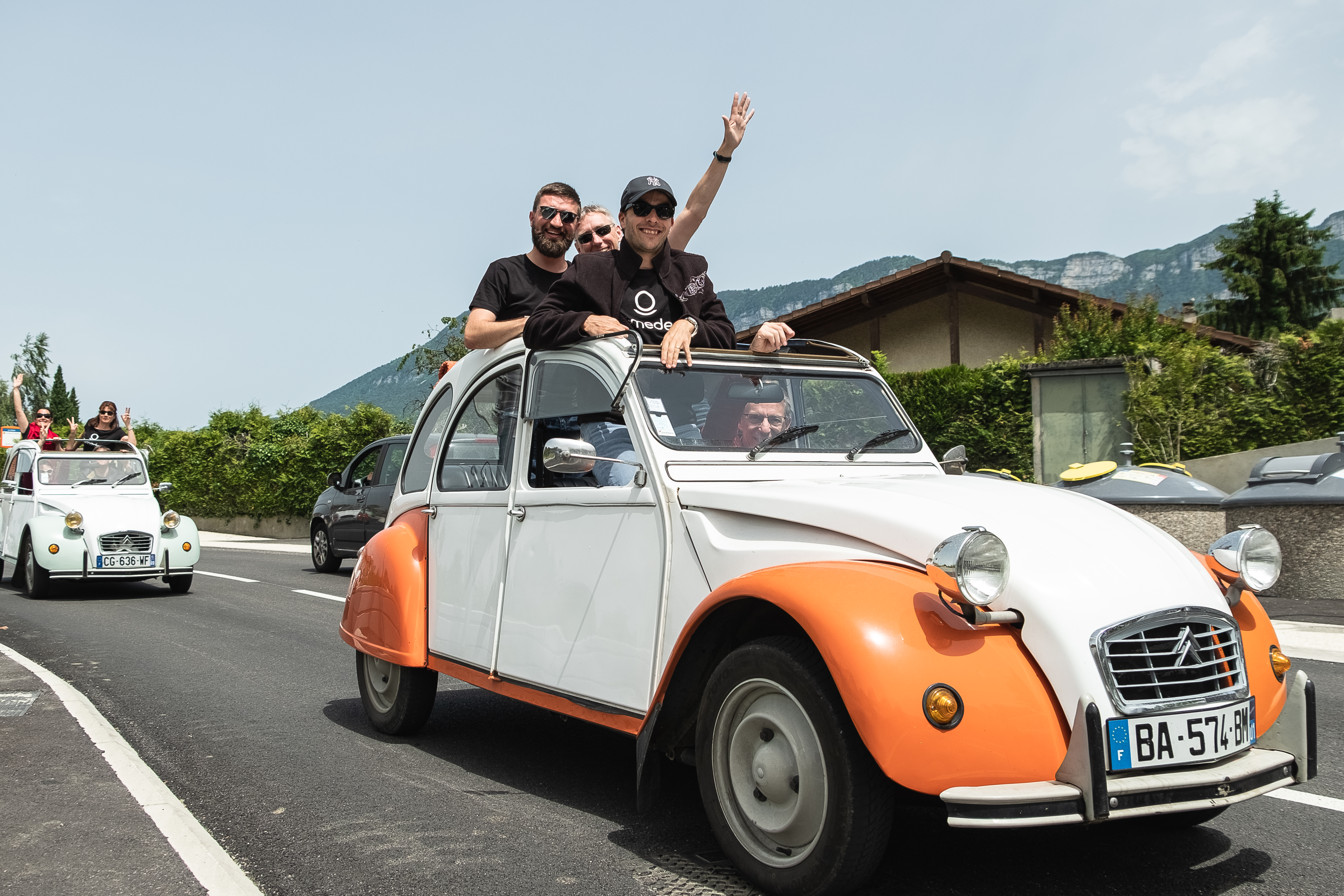
Entertainment in a corporate event is not a “nice extra”: it is a management tool. A 2CV Rally creates structured interaction (pairs, checkpoints, tasks) that accelerates cross-team relationships faster than a seated dinner—and gives leaders observable behaviors: decision-making, delegation, collaboration under time pressure.
Organizations around Liege typically ask for two things at once: a high-energy format that keeps everyone involved, and an execution that stays discreet, compliant and on time. In practice, that means controlled road usage, tight timeboxing, and a host team that can handle late arrivals, VIP constraints and last-minute internal agenda changes.
We produce rallies in Wallonia with local partners and a Brussels-level production discipline: detailed run-of-show, operational briefings, and a single point of contact for your HR/Comms lead. Our approach is built for real company life: budget approvals, brand validation cycles, and the pressure of “no surprises” on event day in Liege.
INNOV'events delivery benchmarks in Liege
10+ years producing corporate events in Belgium with recurring clients and multi-year frameworks.
20–300 participants is the typical operating range for our 2CV Rally in Liege formats (larger groups possible with wave starts and additional fleet).
1 dedicated project lead + on-site production team with radio coordination, check-in staff, and a structured incident log.
48h for a first structured proposal (concept, route logic, staffing, and budget ranges) after a qualified briefing call.
0 “black box” suppliers: vehicles, catering, and venues are contracted with clear SLAs, insurance requirements, and cancellation terms.
Who we support in Liege year after year
In Liege, clients rarely look for “a fun day out” only; they look for a reliable partner that can deliver under corporate constraints: strict timelines, sensitive messaging, and stakeholder visibility. We work with regional decision-makers—HR Directors running change programs, Comms teams managing brand exposure, and executive sponsors who need predictable outcomes.
Many local organizations collaborate with us on a recurring basis because the operational reality does not change: internal calendars move, executives join last minute, and weather is never negotiable. Our value is consistency: the same production standards whether it’s a 30-person leadership offsite or a 250-person sales rally. If you share your sector and event goals, we will propose references that are relevant to your context (B2B, public sector, industrial sites, service businesses) and comparable in scale.
In concrete terms, our local delivery relies on vetted vehicle owners, route reconnaissance around Liege, and venue partners able to accommodate parking, briefings, and end-of-day debrief sessions without friction. This is what makes clients come back: less time spent by your team chasing details, more time focusing on the message and the people.
 Besoin d’un devis rapide ?
Nous vous envoyons une première proposition sous 24h.
Why choose a 2CV Rally for a company event in Liege
A 2CV Rally in Liege works when the objective is not only to “reward” but to move the organization: merge teams after reorg, reconnect HQ with field teams, or re-energize a commercial network. The format is structured enough to support managerial goals, while still feeling informal—an important combination for executives who want engagement without turning the day into a workshop.
Unlike many activities, a rally creates a measurable journey: starting brief, timed checkpoints, tasks linked to your messages, and a closing debrief. For HR and internal comms, that structure is what makes the activity defensible: you can show intent, learning moments and feedback.
Cross-functional mixing with low social friction: teams of 2–4 people rotate and solve tasks together, which helps integrate new hires or newly merged departments without forcing “networking”.
Visible leadership behaviors: executives can observe how teams plan, decide, and handle stress at checkpoints—useful for leadership programs or talent identification (with clear boundaries and consent).
Message anchoring: tasks at stops can be designed around your strategic priorities (safety culture, customer experience, compliance, ESG). Participants remember messages better when tied to a physical action.
Operational clarity for Comms: branded roadbooks, controlled photo opportunities, and a planned moment for key messages reduce the risk of chaotic content production.
Inclusive engagement: with the right route and pacing, participants with varying fitness levels can contribute equally (navigation, tasks, timekeeping). We plan alternates for anyone not comfortable driving.
Time discipline: a rally has natural time gates. That makes it easier to protect executive agendas (opening speech, client call, train schedule) without killing momentum.
Liege has a pragmatic business culture—industrial roots, strong engineering and logistics ecosystems, and a direct, results-oriented mindset. A rally matches that culture: it’s hands-on, organized, and it rewards coordination rather than showmanship.
What Liege-based executives expect from corporate entertainment
Decision-makers in Liege typically judge an event partner on operational credibility more than on slogans. They ask: Will it start on time? Will it be safe? Can we brief participants quickly? What happens if it rains? How do we control brand exposure? These are not “nice to haves”—they are the criteria that protect internal reputation.
We also see specific local constraints in the field. Parking and staging for a 2CV fleet must be secured early, especially near dense urban areas. Route choices must respect traffic patterns and avoid bottlenecks that create participant frustration. When companies invite guests from outside the province, access and end-time matter: trains, airport transfers, and evening commitments. We build the rally schedule backwards from those realities, not from an idealized itinerary.
Finally, many Liege organizations have strong safety cultures (industry, mobility, logistics). That changes the tone: briefing quality, signage, speed management, and clear driving rules are central. We treat the rally as a production with a safety layer—incident reporting, support vehicle, and defined escalation procedures—so your HSE stakeholders can sign off with confidence.
Which add-ons work best for corporate event entertainment in Liege
A 2CV Rally is a strong backbone, but the add-ons are what turn it into a coherent corporate day. In Liege, we recommend additions that serve a business purpose: facilitate interaction, support internal comms, and keep energy high without creating noise or risk.
Interactive animations in Liege
Checkpoint challenges with business relevance: quick missions linked to your values (e.g., “customer promise” scenario cards, safety observation tasks, negotiation micro-cases). Each takes 5–8 minutes to avoid queueing.
Live scoring and team dashboard: QR-based validation at checkpoints and a projected leaderboard at the finish. It creates engagement while keeping the tone professional (no public shaming, clear rules).
Executive “message drops”: short video or audio clips embedded in the roadbook, released at specific locations to reinforce strategic priorities without a long plenary.
Art animations in Liege
Vintage soundtrack corner at the finish: a curated set (not a loud concert) that supports networking and debrief. In corporate contexts, we prioritize sound levels that allow conversation.
Portrait station with controlled brand guidelines: professional photos of teams with vehicles, with a pre-approved visual frame and a release process aligned with your internal policy.
Innovative animations in Liege
Mobile coffee and breakfast staging at the start: it accelerates check-in and reduces late arrivals. Practical detail: cups, waste flow, and service speed are planned for peak arrival in 20 minutes.
Checkpoint tasting with regional products around Liege: short, hygienic, and easy to serve (no long lines). We plan allergen labels and dietary alternatives as standard.
Finish-line debrief lunch: seated or standing depending on objectives. For HR, we often recommend a structured debrief moment before lunch to lock in learnings.
Gourmand animations in Liege
Geo-fenced missions: teams unlock tasks only when arriving at a defined zone. It reduces “cheating” and avoids confusion, while keeping the experience smooth.
Content capture with a light footprint: one roaming videographer + one fixed finish-line setup. You get a usable internal recap without making participants feel monitored.
ESG-oriented rally layer: optional carbon reporting, local supplier sourcing, and a “care for the vehicle” briefing. We keep it factual and documented for Comms teams.
Whatever the add-ons, alignment with your brand image is non-negotiable. We validate tone (humor level, competitive intensity, visual identity) early with Comms so the rally supports your employer brand and does not conflict with your corporate style—especially important when your event includes clients or public stakeholders in Liege.
How to select the best start/finish venue in Liege
The venue is not a backdrop; it determines flow, punctuality and perceived quality. For a 2CV Rally in Liege, we look for three operational basics: a secure staging area for the fleet, a comfortable briefing space (indoor fallback), and an arrival setup that can handle simultaneous returns without traffic stress.
| Venue type | For which objective? | Main strengths | Possible constraints |
|---|---|---|---|
Business hotel with conference facilities (Liege area) | Executive kick-off + rally + debrief in one controlled place | Reliable AV, indoor fallback, easy catering, professional reception flow | Parking capacity must be confirmed for fleet staging; less “heritage” feel |
Industrial/innovation site or corporate campus | Employer brand, culture & operational pride (especially for industry/logistics) | Strong authenticity, easy alignment with business messaging, can integrate site visits | Security procedures, access badges, HSE rules, limited flexibility on timing |
Château or heritage venue in the province of Liege | Client-facing rally or prestige internal event with higher hospitality standard | High perceived value, photogenic finish, strong networking environment | Access roads, neighbor noise constraints, stricter vendor rules |
We do systematic site visits because a paper plan does not reveal the real friction points: the turning radius for cars, where queues will form, what happens if two buses arrive at once, and how the finish-line moment feels. In Liege, that operational reality is what protects your schedule and your credibility internally.
What budget to plan for a 2CV Rally in Liege
Pricing for a 2CV Rally in Liege depends on concrete parameters: fleet size and condition, route length, staffing, and the level of content/branding you require. To help directors benchmark, we generally see corporate productions fall into three ranges (excluding VAT): €8,000–€15,000 for a compact rally (20–40 people), €15,000–€30,000 for a standard corporate format (40–120 people), and €30,000–€60,000+ for large groups (120–300 people) with wave starts, full staffing, enhanced branding and stronger hospitality.
Number of vehicles and fleet quality: availability in peak months, maintenance standards, backup cars, and the logistics of bringing cars to the start point in Liege.
Route design and reconnaissance: building a route that is enjoyable yet corporate-safe takes time on the ground; it is not a Google Maps exercise.
Staffing model: check-in team, route marshals, checkpoint hosts, a mechanic/support driver, and a production manager. More participants means more human control points.
Insurance and compliance: clear contracts, liability, and documentation. Your legal team will appreciate transparent terms.
Branding and content production: roadbooks, signage, on-brand assets, photo/video recap, and usage rights.
Hospitality level: breakfast, lunch, finish-line drinks, dietary management, and service speed (often underestimated).
Weather contingency: indoor briefing space, rainproof materials, and adapted tasks so the day still works in poor conditions.
From a ROI perspective, executives usually justify this budget through retention and alignment: one well-produced day can accelerate integration after change, improve cross-site cohesion, and give leaders a platform to communicate priorities. We can also build a simple measurement plan (pre/post pulse survey, participation metrics, qualitative debrief) so the spend is defensible beyond “everyone had fun”.
When an event agency in Liege makes a difference
Even with a strong concept, the deciding factor is local execution. A partner with operational presence in Liege shortens reaction time, improves supplier control, and reduces the risk of hidden constraints (parking restrictions, venue access, timing conflicts with local events).
At INNOV'events, we combine Brussels production standards with field delivery in Wallonia. If you are comparing agencies, ask who actually does the route reconnaissance, who briefs the checkpoint staff, and who owns the incident plan. This is exactly where a local footprint matters. For companies that need a dedicated local partner, our event agency in Liege resources clarify how we organize staffing, supplier SLAs and on-site command.
- Faster venue and route validation: fewer assumptions, more on-the-ground checks before you sign off.
- Supplier reliability: we contract partners we know can deliver at corporate standard (punctuality, invoices, insurance, staffing).
- Better contingency handling: if a car fails, a road is blocked, or weather changes, local support reduces downtime.
- Smoother stakeholder management: easier coordination with venues, local authorities when needed, and transport providers.
From a ROI perspective, executives usually justify this budget through retention and alignment: one well-produced day can accelerate integration after change, improve cross-site cohesion, and give leaders a platform to communicate priorities. We can also build a simple measurement plan (pre/post pulse survey, participation metrics, qualitative debrief) so the spend is defensible beyond “everyone had fun”.






What we have delivered across the Liege province
Our rally projects vary because corporate realities vary. We have produced leadership versions where the rally is the “moving plenary”: short stops, curated discussion prompts, and a high-quality debrief designed for managers. We have delivered larger team formats for mixed populations (office + operations), where the priority is inclusion: clear rules, safe driving rhythm, and tasks that do not advantage one profile over another.
We also adapt to brand and compliance contexts. Some clients want maximum visibility—branded roadbooks, photo frames, and a structured content capture plan for internal channels. Others require discretion: no public signage, controlled filming, and routes that avoid sensitive sites. In both cases, we manage the same fundamentals: fleet readiness, timing control, and an on-site command structure so your HR/Comms lead is not “running around” on the day.
In Liege, we often combine the rally with a venue that supports real corporate moments: a proper opening briefing, a mid-day checkpoint designed for message delivery, and a finish that encourages conversation rather than scatter. The goal is to make the day useful for the business, not only enjoyable.
What can go wrong in a 2CV Rally in Liege (and how we prevent it)
Cars arriving late or uneven vehicle condition: prevented with contracted call times, pre-checks, a buffer vehicle, and a documented handover process.
Participants getting lost in the first 20 minutes: prevented with a short navigation tutorial, roadbook clarity testing, and removing “confusion turns” during reconnaissance.
Checkpoint queues that kill energy: prevented with task design that takes 5–8 minutes, enough staff per stop, and staggered starts for larger groups.
Safety culture mismatch: prevented with a clear driving code, speed expectations, and a support team ready to intervene without drama.
End-of-day timing drift: prevented with time gates, radio coordination, and a finish-line process that can absorb early/late arrivals.
Brand content that cannot be used internally: prevented with pre-approved shot list, consent management, and alignment with your internal comms policy.
Our role is to remove operational risk from your team. HR and Comms should be focused on people and messages—not on solving logistics issues. That is why we build a rally like a production: clear ownership, checklists, and contingency paths adapted to Liege.
Why Liege clients renew with INNOV'events
Loyalty in corporate events is rarely emotional; it is earned through predictability. Clients come back when they know the agency will protect the schedule, handle stakeholders calmly, and document decisions so internal approvals are easy.
In practice, renewals usually happen after we have proven three things: we can translate objectives into a workable program, we can manage suppliers without surprises, and we can deliver a day where leadership looks good—because everything is under control.
Recurring annual formats: many clients repeat rally-style days as part of onboarding, sales kick-offs or culture programs, with refreshed routes and missions.
Stable project team: the same lead stays accountable from briefing to post-event report, reducing handover mistakes.
Documented post-event outputs: run-of-show, attendance tracking, incident log (if any), and a structured feedback summary for internal reporting.

When a client in Liege renews, it is because the agency has reduced internal workload and event-day risk. Loyalty is simply the most credible proof that delivery matched expectations.
How we build your 2CV Rally project from Brussels to Liege
👉 Liege briefing and constraints mapping
We start with a 30–45 minute call with HR/Comms and the sponsor: objectives, participant profile, language mix, timing constraints (train schedules, executive slots), brand guidelines, and any compliance topics. You receive a written recap with assumptions and a decision list—useful for internal alignment.
👉 Route concept and venue shortlist in the Liege area
We propose route logic (distance, stop rhythm, urban vs countryside balance) and a shortlist of start/finish options. We validate parking and briefing spaces early because these are the usual blockers. We also define the rally format: team size, wave starts, mission count, scoring rules, and accessibility options.
👉 Fleet confirmation and supplier contracting
We secure the 2CV fleet with clear SLAs: condition expectations, delivery times, backup vehicles, and insurance documentation. In parallel, we contract catering and any content production with defined deliverables, timelines, and cancellation terms—so procurement has a clean file.
👉 Production planning and communications pack
You receive a detailed run-of-show, staffing plan, safety brief, and participant comms kit (what to bring, dress code, timing, rules). If needed, we build EN/FR/NL versions and a clear participant support channel for the day.
👉 On-site delivery and command structure in Liege
On event day, we run check-in, briefing, timed starts, checkpoint hosting, and finish-line debrief. We coordinate via radio, keep a live timing sheet, and log incidents and resolutions. Your internal lead has one decision contact—not ten suppliers calling at once.
👉 Post-event debrief and measurable outputs
Within 3–7 working days, we deliver a debrief: what worked, what to improve, participant feedback summary, and any media assets. For HR, we can include a short pulse survey template to track engagement and learning retention.
FAQ sur l'organisation 2CV Rally à Liege
How long should a 2CV Rally in Liege last?
Most corporate formats in Liege run 3 to 5 hours for the rally itself, plus 45–60 minutes for briefing and 60–90 minutes for lunch/debrief. For executive agendas, a half-day setup is the easiest to keep punctual.
How many participants can you manage in Liege?
We commonly operate with 20 to 300 participants. Above 120, we recommend wave starts, additional checkpoint staff, and a larger fleet buffer to avoid bottlenecks and protect timing across Liege.
Do participants need special driving skills in Liege?
No. We set a corporate-safe pace and provide a clear driving briefing. Teams can assign roles (driver/navigator/timekeeper). If some participants prefer not to drive, we plan alternates (co-driver role or a support vehicle rotation) so everyone contributes.
What happens if it rains during the Liege rally?
We plan a rain scenario by default: indoor briefing space, waterproof roadbooks, adapted checkpoint tasks, and timing buffers. In heavy rain, we shorten exposed stops and shift interaction to covered areas so the program remains controlled and safe.
What is the typical budget for a Liege 2CV Rally?
For corporate projects in Liege, typical ranges are €8,000–€15,000 (20–40 people), €15,000–€30,000 (40–120 people), and €30,000–€60,000+ (120–300 people), excluding VAT. Final pricing depends mainly on fleet size, staffing level, route complexity, and hospitality.
Request a quote for your 2CV Rally in Liege
If you are planning a 2CV Rally in Liege, the earlier we lock the fleet and the start/finish site, the more control you gain on budget and timing—especially in peak months. Share your date, estimated headcount, and objectives (team cohesion, leadership alignment, client hosting), and we will come back with a structured proposal: format options, operational plan, and clear cost ranges.
For executives, HR and Comms, the key is not creativity—it is execution. Contact INNOV'events to schedule a briefing call and receive a first plan within 48 hours.
INNOV'events Liege Agency
Justin JACOB is the manager of the INNOV'events Liege office. Reach out directly by email at belgique@innov-events.be or via the contact form.
Contact the Liege agencyToutes nos prestations & animations Liege, Belgique
Découvrez nos prestations événementielles
Découvrez nos animations événementielles disponibles au Belgique
- Event Hostess in Liege
- Escape Game in Liege
- MasterChef Cooking Workshop in Liege
- Magician in Liege
- Marquee Rental in Liege
- Color Analysis Workshop in Liege
- Inflatable Games in Liege
- Valet Parking Service in Liege
- Football Simulator in Liege
- LED Furniture Rental in Liege
- Light Branding in Liege
- Unique Dining Experience in Liege
- Light Painting in Liege
- Murder Mystery Party in Liege
- Prize Contest in Liege
- Promotional Displays (POS) in Liege
- Virtual Reality in Liege
- Molecular Gastronomy Workshop in Liege
- Halloween Entertainment in Liege
- Fireworks Show in Liege
- Giant Games Challenge in Liege
- Event Host / MC in Liege
- Photo Booth Animation in Liege
- Santa Claus Entertainment in Liege
- Kids Entertainment in Liege
- Guided Tour in Liege
- Urban Rally in Liege
- Ball Pit in Liege
- Flight Simulator in Liege
- Food Truck Rental in Liege
- World Record Challenge in Liege
- Surf Simulator in Liege
- Wine Casino in Liege
- Makeover Workshop in Liege
- Perfume Creation Workshop in Liege
- Acting Workshop in Liege
- CSR Activities in Liege
- Archery in Liege
- Security Staff in Liege
- Wine Tasting in Liege
- Mime Performer in Liege
- TV Game Show in Liege
- Funfair in Liege
- Crisis Management Workshop in Liege
- Crisis Negotiation Workshop in Liege
- Arcade Games in Liege
- Indoor Skydiving Simulator in Liege
- Ski Simulator in Liege
- Racing Circuit Experience in Liege
- Introductory Flight Experience in Liege
- Tasting Experience in Liege
- Build Your Own Foosball Workshop in Liege
- 2CV Rally in Liege
- LEGO Challenge in Liege
- Casino Night in Liege
- Interpreter / Translator in Liege
- Promotional Giveaways in Liege
- Shuttle Transport in Liege