Interpreter / Translator in Liege for corporate events that cannot afford misunderstandings
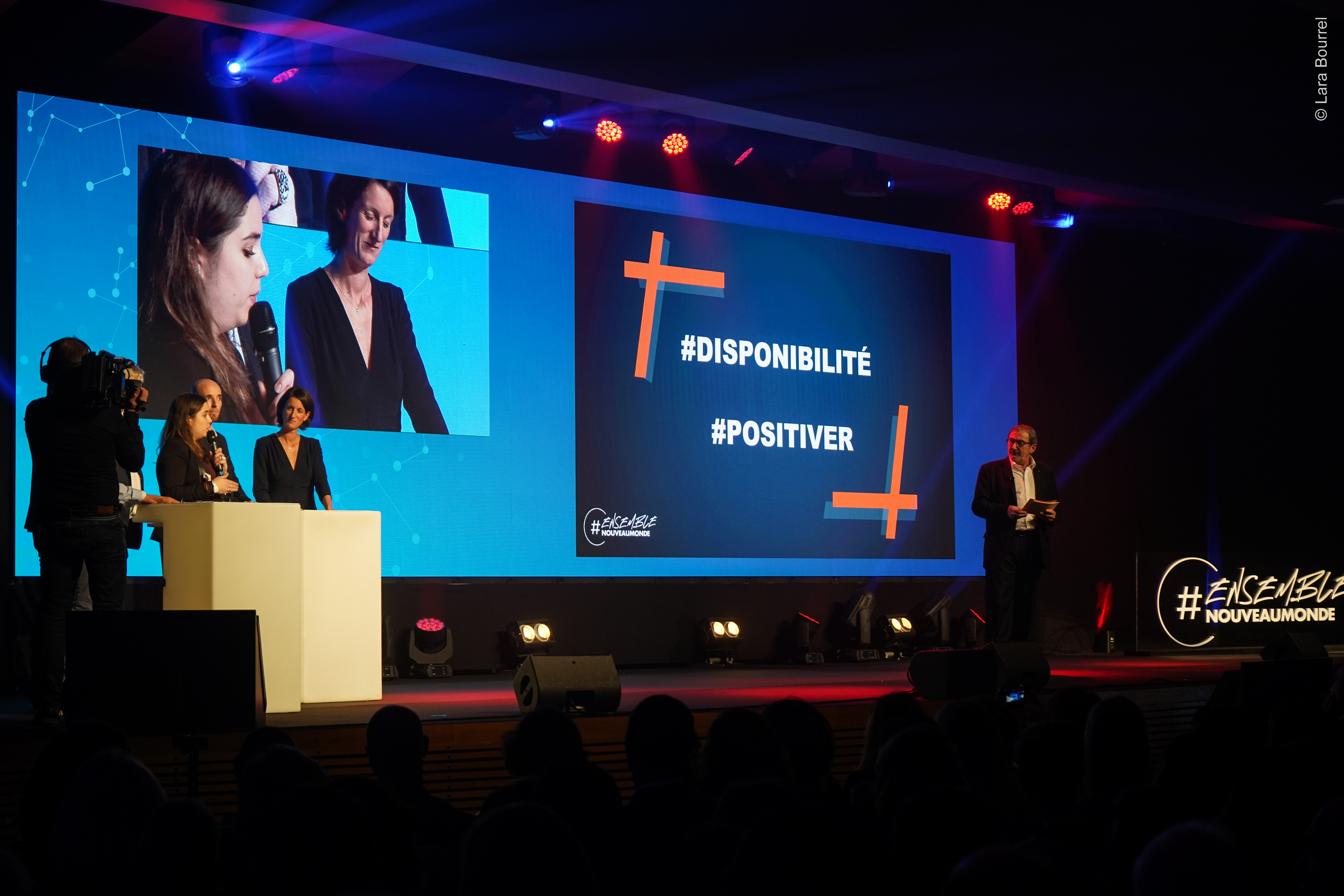
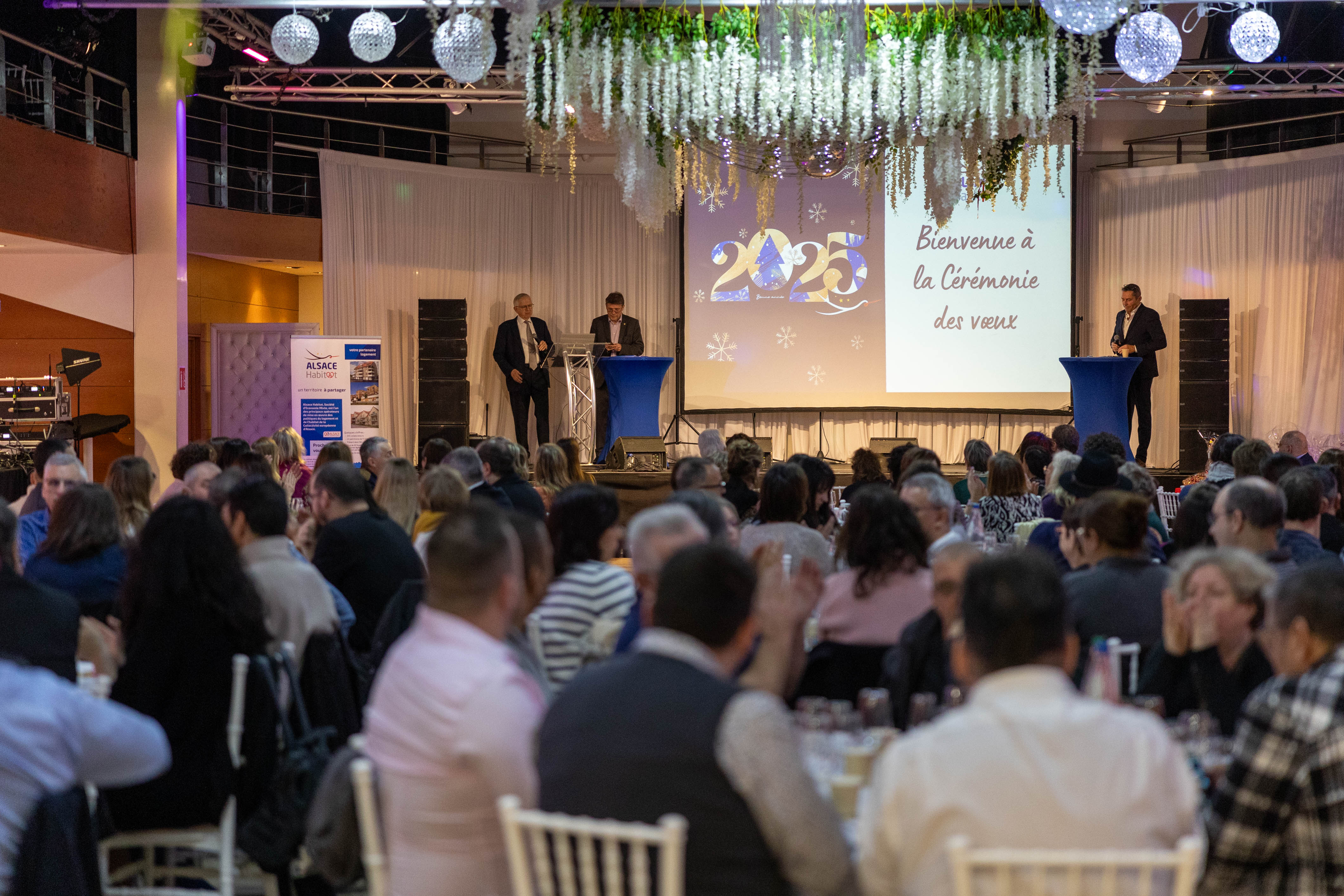
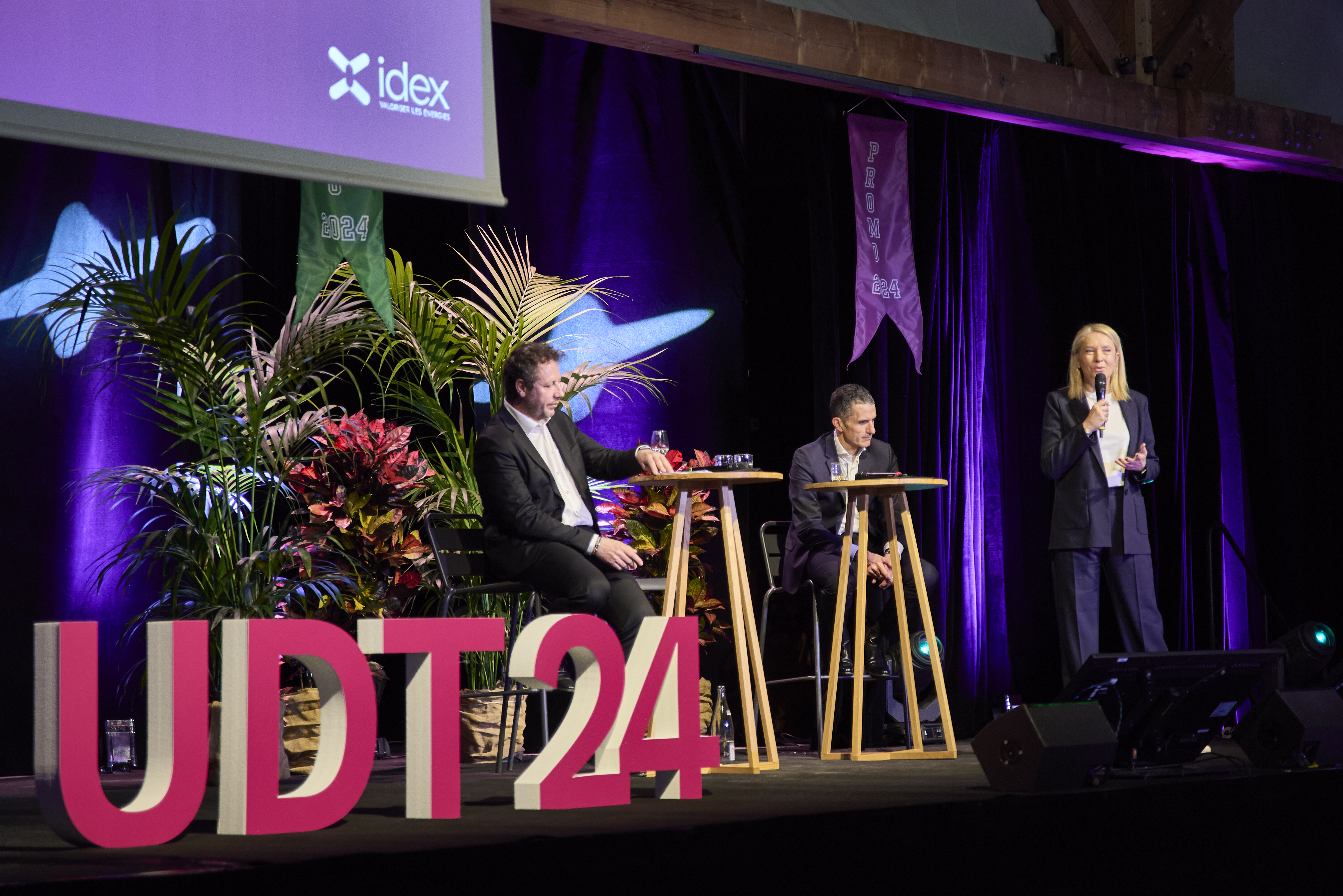
INNOV'events supports executives, HR and communication teams with Interpreter / Translator services in Liege, from board-level meetings to multi-site town halls up to 1,000+ attendees.
We handle the full language production: selecting interpreters, terminology preparation, interpretation mode (simultaneous/consecutive/whispered), and the technical set-up (booths, receivers, sound checks) so your content lands exactly as intended.
Sommaire
In a corporate event, language is not “comfort”; it is risk management. A single poorly translated policy statement, a safety instruction, or a financial message can trigger confusion, HR escalation, or reputational damage—especially when executives speak under time pressure.
Organizations around Liege typically need fast mobilization (plants, logistics hubs, university ecosystem), strong bilingual reflexes (FR/EN, sometimes NL/DE), and interpreters who understand operational vocabulary—not just general language.
Based in Brussels, INNOV'events operates weekly in Wallonia and supports clients in Liege with the same discipline we apply in national roll-outs: structured briefing, terminology validation, rehearsals, and a tight on-site run-of-show.
Operational figures that matter in Liege procurement
15+ years supporting corporate events across Belgium, with repeat delivery in Wallonia.
Coverage for EN / FR / NL / DE as standard; additional languages via vetted partners for EU, pharma and industrial contexts.
Interpretation formats managed end-to-end: simultaneous (booth/RSI), consecutive, whispered, and hybrid configurations.
Typical deployment time: 5–10 working days for a standard bilingual meeting; 2–3 weeks recommended for multi-language conferences (interpreters + tech + rehearsal).
Interpreter logistics aligned with Liege’s reality
We regularly support organizations active in and around Liege: industrial groups with shift-based populations, public-facing institutions, and international teams visiting sites near the Meuse corridor. Many of these clients come back year after year because they need the same thing each time: language services that do not create friction for leadership, HR, or communications.
In practice, that means we integrate interpreting into the event mechanics: speaker timing, slide handover deadlines, confidentiality rules, union-sensitive messaging, and on-site traffic constraints (loading access, parking, badge controls). When a client repeats an annual safety moment or a strategy roadshow in Liege, we keep the terminology base, the speaker preferences, and the technical plan—so the next edition is faster, safer, and more consistent.
If you have internal reference constraints (vendor lists, NDA requirements, or a need for specific sector experience such as energy, logistics, or life sciences), we adapt our staffing and validation process accordingly.
 Besoin d’un devis rapide ?
Nous vous envoyons une première proposition sous 24h.
Why secure interpreting in Liege before you finalize the agenda
For executives, HR and communication teams, an event is a content delivery system under stress: limited time, multiple stakeholder expectations, and a strong need for message consistency. Interpreting and translation should be designed as part of the program—never “added at the end”. In Liege, where audiences often mix local teams with international visitors, language choices directly impact comprehension, engagement, and perceived leadership quality.
Protect leadership messages: strategy updates, restructuring communications, or policy changes require precise wording. A trained interpreter will keep intent, tone, and governance vocabulary aligned with what leadership means—not what a literal translation suggests.
Accelerate Q&A without losing control: multilingual Q&A becomes productive when you define the sequence, microphone flow, and interpretation mode. We set the rules (who speaks when, how questions are reformulated, how time is managed) so it stays respectful and on schedule.
Reduce HR exposure: HR topics (benefits, mobility, code of conduct, psychosocial policies) are sensitive. We secure terminology and phrasing, and we avoid ambiguous formulations that can create internal disputes after the event.
Increase adoption for operational audiences: on sites around Liege, many attendees are not “conference people”. If they don’t understand quickly, they disconnect. Interpreting makes the message accessible without simplifying the substance.
Support international guests professionally: when partners or HQ attend, interpretation quality becomes part of your brand image. Good interpretation is discreet; it makes the whole event feel controlled.
Liege is a territory where industry, logistics, research and public institutions co-exist. In that environment, language quality is not a “nice to have”; it is a managerial tool to align teams and prevent operational misinterpretations.
What Liege-based teams expect from an Interpreter / Translator
When we prepare a Interpreter / Translator in Liege assignment, we see recurring expectations from decision-makers:
- Speed with structure: the request often arrives late (agenda still moving, speakers not confirmed), but the delivery must be robust. We work with progressive validation: early lock on languages and format, then confirm glossary, slides, and speaker notes as they come.
- Confidentiality and internal politics: many meetings in Liege involve social dialogue, safety records, or performance topics. We set NDAs, define who can access materials, and avoid distributing documents beyond the interpreter team.
- Industrial vocabulary: maintenance, EHS, quality, supply chain, and production KPIs require sector familiarity. We don’t rely on improvisation; we request the right inputs (acronyms list, internal terms, product names) and we validate with your sponsor.
- Hybrid constraints: local teams on site + remote experts from Brussels, Antwerp, Germany, or the UK. We design audio and language routing so remote participants hear the right channel and on-site attendees have a clean experience (no echo, no latency surprises).
- On-time agenda: interpreting affects time. Consecutive doubles speaking time; simultaneous requires technical discipline. We help you choose the right mode based on audience size, content density, and speaking style.
In short: Liege teams are pragmatic. They want the language solution that keeps the program moving and prevents post-event misunderstandings.
Which interpretation formats work best for Liege corporate events
Interpreting is often treated as a utility. In reality, it shapes engagement: whether people ask questions, whether they remember key messages, and whether leadership feels in control. Below are the most relevant “formats” we deploy in Liege, with practical implications for executives and communication teams.
Interactive animations in Liege
Bilingual moderated Q&A (FR/EN): a moderator captures questions in either language and manages pacing. Good for town halls where time is limited and the tone must stay constructive. We define the question flow (microphone runners, moderation rules) and ensure the interpreter has context to avoid embarrassing reformulations.
Workshops with table interpreting: for leadership offsites or HR working sessions in Liege, we can assign interpreters per group or rotate per breakout. This is efficient when outcomes matter (action plans, policy drafting) and the audience needs to speak, not just listen.
Plant or site visits with consecutive interpreting: for visiting delegations, consecutive interpreting preserves safety and clarity. We also plan for PPE constraints (headsets compatible with helmets, noise levels, and safe walking routes).
Art animations in Liege
Interpreted keynote with simultaneous booth: the best option when you want a single stage rhythm and no doubled speaking time. Particularly useful for strategy announcements where leadership wants impact and precision at the same time.
Panel discussions with multi-language audio routing: panels become chaotic when speakers switch languages unpredictably. We set rules (primary language per speaker, interpretation direction, mic discipline) and brief the panel chair so the discussion remains intelligible.
Innovative animations in Liege
Networking with whispered support for VIPs: during dinners or cocktail receptions in Liege, whispered interpreting helps key stakeholders (investors, board members, partners) without turning the moment into a formal conference. It’s discreet and cost-effective when only a few people need support.
Product or service demonstrations with bilingual scripts: we translate and time the demo script so the presenter can keep flow. This avoids the common issue where the demo becomes too long because every sentence is repeated.
Gourmand animations in Liege
Hybrid town hall with Remote Simultaneous Interpreting (RSI): suitable when you have remote experts or HQ joining. We configure a separate language audio channel for remote attendees and a clean on-site feed. We also plan latency and backup connectivity—because “it worked in Teams yesterday” is not a technical plan.
Multi-language captions (when audio is not ideal): for certain plenaries, captions can complement interpretation, especially for technical terms or names. We only recommend it when the platform and screens allow proper readability.
Whatever the format, the priority is consistency with your brand image: if your company positions itself as rigorous and safety-driven, the language experience must reflect that. In Liege, we see quickly when an event is run with discipline—and interpreting is one of the most visible markers of that discipline.
Which venues in Liege are suitable for interpreting set-ups
The venue impacts interpretation more than most teams expect: booth placement, acoustics, backstage access, power availability, and the ability to control ambient noise. Selecting a space in Liege without checking these points often results in last-minute compromises (bad sight lines for interpreters, receiver distribution issues, feedback loops).
| Venue type | For which objective? | Main strengths | Possible constraints |
|---|---|---|---|
| Conference center / auditorium | Simultaneous interpreting for plenaries, keynotes, panels | Fixed acoustics, seating comfort, easier booth and AV integration | Availability, strict technical policies, limited flexibility for breakouts |
| Hotel meeting rooms | Board meetings, HR workshops, bilingual trainings | Fast set-up, catering on site, multiple rooms for breakouts | Room sound isolation varies; space for booths may be tight |
| Industrial site / warehouse space | Town hall close to operations, safety briefings, site visits | High relevance for operational staff, strong internal legitimacy | Noise, reverberation, safety constraints, power distribution, access control |
| University or institutional venues | Research events, public-private collaborations, international delegations | Academic-grade rooms, projection capabilities, credibility for knowledge content | Administrative lead times, restricted access hours, security processes |
We strongly recommend a site visit (or a detailed technical walkthrough) in Liege when simultaneous interpreting is planned. A 45-minute check of acoustics, sight lines and loading access prevents hours of stress on event day.
How to budget an Interpreter / Translator in Liege
Budgeting for a Interpreter / Translator in Liege depends on format, duration, and risk level. The main cost drivers are interpreter profiles (and number of interpreters), preparation time, and technical equipment. A transparent budget is easier when we lock three parameters early: languages, interpretation mode, and the real agenda length (including Q&A).
Interpretation mode: simultaneous typically requires at least 2 interpreters per language for sessions beyond 60–90 minutes, while consecutive may work with a single interpreter but increases agenda time.
Number of languages and directions: FR→EN is not the same as FR↔EN. Add NL or DE and staffing changes quickly. We map who speaks what, not just what the audience “might” need.
Preparation materials: dense content (finance, legal, technical) requires glossary work and speaker notes. We plan it as a controlled mini-project with deadlines; this reduces on-site corrections and protects your messaging.
Technical package: booths, transmitters, receivers, headsets, extra microphones, and a dedicated sound engineer. In venues around Liege, we also plan for power, cable runs, and distribution points.
Hybrid platform constraints: if remote attendees need language channels, we add configuration and rehearsal time. This is often underestimated and is a major source of last-minute failure.
Timing and calendar: early booking secures the right profiles. Short lead times may limit interpreter availability, especially for specialized sectors.
The ROI is straightforward: better comprehension means fewer follow-up meetings, fewer HR escalations, and stronger alignment. For leadership communications, the cost of a language error is usually higher than the cost of doing it properly once.
Why work with a Liege-capable event partner for interpreting
Interpreting sits at the intersection of content, production and people. Working with a partner who can operate locally in Liege reduces friction at every step: faster site coordination, realistic planning for local venues, and immediate on-site decision-making when the agenda moves.
At INNOV'events, we don’t separate “language” from “event”. We manage it as part of production: run-of-show, stage management, microphones, screen content, and attendee flows. If your project includes broader production support, our event agency in Liege team structure ensures a single chain of responsibility rather than multiple vendors giving conflicting instructions on site.
- One accountable production lead: executives and HR teams need a clear owner, especially when last-minute changes happen.
- Local technical reflexes: we anticipate access, loading, parking, and supplier coordination in Liege to avoid day-of surprises.
- Consistency across editions: repeat events benefit from stored glossaries, preferred interpreter profiles, and proven technical plans.
- Better risk control: backup plans for microphones, receivers, and interpreter replacement are built into the production logic.
The ROI is straightforward: better comprehension means fewer follow-up meetings, fewer HR escalations, and stronger alignment. For leadership communications, the cost of a language error is usually higher than the cost of doing it properly once.




Examples of Interpreter / Translator delivery in Liege contexts
Our assignments typically fall into a few high-stakes scenarios where language quality is visible immediately:
- Executive town halls mixing local staff and international leadership: we set up simultaneous interpreting, coordinate speaker briefings, and manage bilingual Q&A so the CEO message remains consistent across languages.
- HR policy roll-outs (code of conduct, mobility, benefits, psychosocial prevention): we align terminology with internal wording to avoid “translation drift” that creates HR disputes after the session.
- Industrial safety moments near operational sites around Liege: we prioritize clarity, pace and correct technical vocabulary; we also ensure the audio set-up remains intelligible in challenging acoustic environments.
- International delegations and partner meetings: we often combine whispered interpreting for VIPs with translated briefing notes, allowing the main meeting to stay fluid without over-formalizing the whole room.
- Hybrid expert sessions: remote specialists join for technical segments; we ensure remote participants receive the right language channel and that on-site audio remains clean.
Across these projects, the constant is operational discipline: clear inputs, controlled preparation, and a single chain of command on the day.
Common pitfalls in Liege when booking interpreters too late
Choosing consecutive interpreting for a packed agenda: the meeting runs over time, Q&A is cut, and leadership looks rushed. We quantify the time impact upfront.
No terminology validation: internal acronyms, product names, and KPIs get translated inconsistently, which undermines credibility with expert audiences.
Underestimating technical needs: not enough receivers, poor battery management, booth placed with no sight line to speakers—these are avoidable with a proper technical plan.
Hybrid audio confusion: remote attendees hear the room echo instead of the clean interpreter feed, or interpretation channels are not clearly labeled. We design routing and test it.
Multiple decision-makers giving instructions: interpreters receive conflicting requests (tone, vocabulary, names). We establish a single client sponsor and a clear approval workflow.
Our role is to prevent these risks before they become visible. In Liege, where many events are close to operations and leadership time is limited, prevention is the difference between “it worked” and “we had to improvise”.
Why Liege clients renew interpreting support year after year
Recurring clients are rarely looking for “cheaper interpreters”. They come back because the process becomes smoother and safer over time. We build a working system: preferred profiles, validated vocabulary, and a technical plan that can be redeployed.
1 shared glossary maintained across editions to keep leadership messaging consistent (values, safety language, HR policy terms).
1 run-of-show template that includes language cues, channel assignments, and speaker timing—reducing rehearsal time on the next event.
Fewer last-minute changes because stakeholders know what inputs are needed and by when (slides, names, numbers, product terms).

Loyalty is a practical indicator: if the same organizations continue to trust us in Liege, it’s because delivery is predictable under pressure.
Our production process for Interpreter / Translator projects in Liege
👉 Liege scoping call: languages, audience, risk points
We start with a 20–30 minute call focused on decision points: who speaks what language, what the audience truly needs, and which parts of the agenda are sensitive (HR, finance, safety, social dialogue). We confirm the interpretation mode and identify any constraints specific to Liege (venue access, security rules, site environment).
👉 Interpreter staffing and confidentiality framework
We propose interpreter profiles based on sector relevance and required direction (FR→EN, EN→FR, etc.). If needed, we implement NDAs and define document access rules. For high-stakes leadership content, we ensure continuity by assigning the same interpreters to rehearsal and show day whenever possible.
👉 Terminology and content preparation
We collect slides, speaker notes, acronyms, and “must-not-translate” terms (product names, internal programs). We produce a working glossary and validate it with your sponsor (comms or HR). This step is where most quality is created.
👉 Technical design and venue coordination in Liege
We define the technical package: booth type, receiver quantities, microphone plan, and audio routing (including hybrid). We coordinate with the venue’s AV rules and schedule a sound check that includes interpretation channels. If a site visit is required, we plan it early to avoid costly last-minute changes.
👉 Rehearsal and speaker briefing
We run a short rehearsal or at minimum a speaker briefing: pace, reading vs. speaking, handling numbers, and how to manage Q&A. We also confirm naming conventions (people, sites, products) to avoid mistakes that are highly visible to internal audiences.
👉 Event-day execution and backup plan
On site in Liege, we manage receiver distribution, last checks, interpreter comfort and line-of-sight, and live agenda changes. We carry practical backups (extra batteries, spare headsets) and keep a clear escalation path so decisions are made quickly without disrupting leadership.
👉 Post-event wrap-up for continuous improvement
We debrief what worked and what should be improved: timing, Q&A flow, technical notes, and terminology updates. For annual events, we archive the glossary and run-of-show so the next edition starts with a proven base.
FAQ sur l'organisation Interpreter / Translator à Liege
How much does an interpreter in Liege cost per day?
For corporate events in Liege, pricing depends on format and language combination. As a working range, plan from €650 to €1,200 per interpreter per day. Simultaneous interpreting usually requires 2 interpreters per language for long plenaries, plus technical costs (booth/receivers).
Do I need simultaneous or consecutive interpreting in Liege?
If you have a plenary with >30–40 attendees and a tight agenda in Liege, simultaneous is typically the safest choice because it keeps timing stable. Consecutive is better for small executive meetings where nuance matters and time is available; expect the speaking time to increase by roughly 60–100% depending on structure.
How many headsets should we plan for in Liege venues?
In Liege, we usually plan receivers for 30–70% of attendees, not 100%, because some participants are bilingual. The right number is confirmed after we map the audience profiles (local teams vs. visitors) and decide whether interpretation is mandatory for safety/HR content.
Can you cover EN-FR-NL interpreting in Liege on short notice?
Sometimes yes, but availability is the limiting factor—especially for NL with sector-specific vocabulary. For Liege, we recommend 2–3 weeks lead time for multi-language conferences. For a bilingual meeting, 5–10 working days is often workable if materials are provided quickly.
What do you need from us to translate slides for Liege events?
Send the editable file (PowerPoint/Keynote), the final agenda, the target languages, and any internal terminology (acronyms, program names, product names). For events in Liege with leadership visibility, we also ask for a validation contact (comms or HR) and a deadline at least 72 hours before show day to avoid last-minute errors.
Request Interpreter / Translator availability in Liege
If you are planning a board meeting, town hall, partner event or hybrid conference in Liege, we can confirm the right interpreting format and staffing quickly—provided we lock the essentials early (languages, agenda length, and venue constraints).
Share your date, venue (or shortlist), expected attendee count, and language needs. INNOV'events will come back with a clear proposal: recommended interpretation mode, staffing plan, technical package, and the preparation milestones required to protect your message on event day.
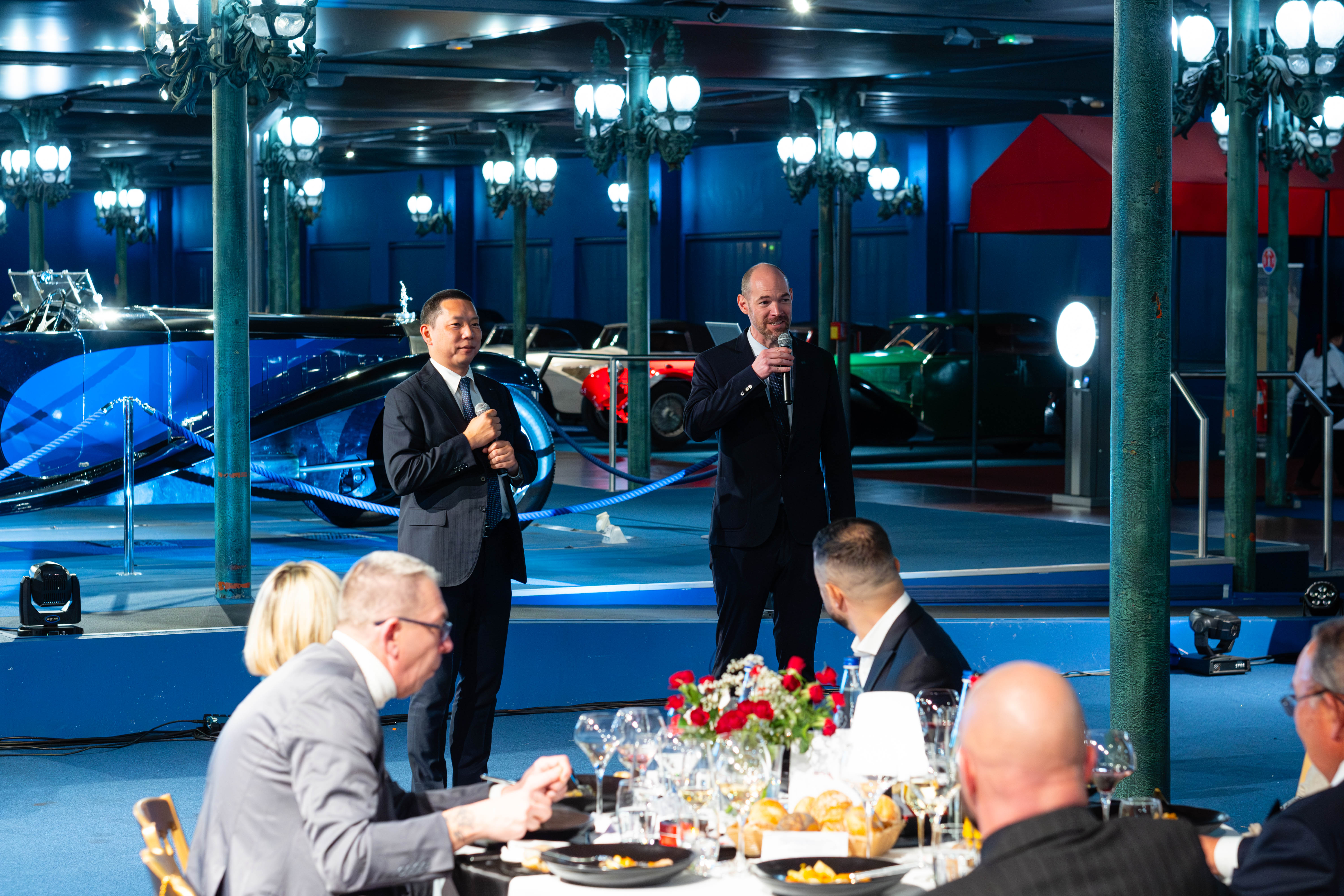
INNOV'events Liege Agency
Justin JACOB is the manager of the INNOV'events Liege office. Reach out directly by email at belgique@innov-events.be or via the contact form.
Contact the Liege agencyToutes nos prestations & animations Liege, Belgique
Découvrez nos prestations événementielles
Découvrez nos animations événementielles disponibles au Belgique
- Event Hostess in Liege
- Escape Game in Liege
- MasterChef Cooking Workshop in Liege
- Magician in Liege
- Marquee Rental in Liege
- Color Analysis Workshop in Liege
- Inflatable Games in Liege
- Valet Parking Service in Liege
- Football Simulator in Liege
- LED Furniture Rental in Liege
- Light Branding in Liege
- Unique Dining Experience in Liege
- Light Painting in Liege
- Murder Mystery Party in Liege
- Prize Contest in Liege
- Promotional Displays (POS) in Liege
- Virtual Reality in Liege
- Molecular Gastronomy Workshop in Liege
- Halloween Entertainment in Liege
- Fireworks Show in Liege
- Giant Games Challenge in Liege
- Event Host / MC in Liege
- Photo Booth Animation in Liege
- Santa Claus Entertainment in Liege
- Kids Entertainment in Liege
- Guided Tour in Liege
- Urban Rally in Liege
- Ball Pit in Liege
- Flight Simulator in Liege
- Food Truck Rental in Liege
- World Record Challenge in Liege
- Surf Simulator in Liege
- Wine Casino in Liege
- Makeover Workshop in Liege
- Perfume Creation Workshop in Liege
- Acting Workshop in Liege
- CSR Activities in Liege
- Archery in Liege
- Security Staff in Liege
- Wine Tasting in Liege
- Mime Performer in Liege
- TV Game Show in Liege
- Funfair in Liege
- Crisis Management Workshop in Liege
- Crisis Negotiation Workshop in Liege
- Arcade Games in Liege
- Indoor Skydiving Simulator in Liege
- Ski Simulator in Liege
- Racing Circuit Experience in Liege
- Introductory Flight Experience in Liege
- Tasting Experience in Liege
- Build Your Own Foosball Workshop in Liege
- 2CV Rally in Liege
- LEGO Challenge in Liege
- Casino Night in Liege
- Interpreter / Translator in Liege
- Promotional Giveaways in Liege
- Shuttle Transport in Liege