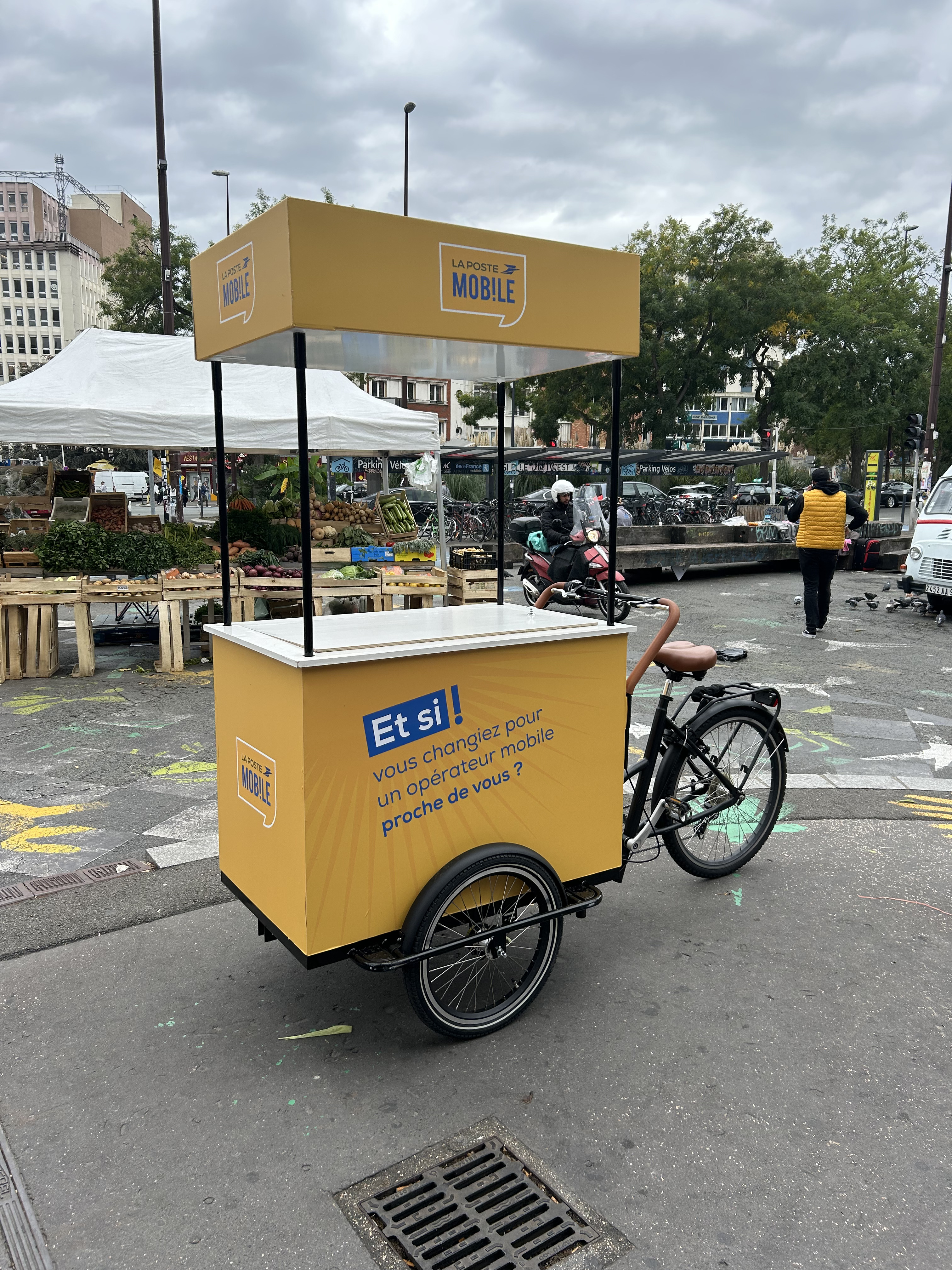
Promotional Materials (POS) in Brussels that stay on-brand, on-time and on-site
INNOV'events supports executives, HR and communication teams with Promotional Materials (POS) for corporate events across Brussels, from 30 to 3,000 attendees. We manage the full chain: creative adaptation, production, transport, installation, and dismantling—so your teams can focus on stakeholders, not last‑minute printing problems.
Whether it’s a product launch, internal town hall, job fair, partner day or conference, we translate your brand guidelines into durable, compliant and event-ready assets that actually work in the room.
Sommaire
At a corporate event, Promotional Materials (POS) are not decoration: they are your operational signage, your brand proof, and your conversion support (registration flow, product discovery, calls-to-action). When they are missing, inconsistent or badly placed, it immediately impacts perception and attendee behavior—especially in high-stakes Brussels settings with international audiences.
Organizations in Brussels typically expect three things: fast decision cycles, impeccable brand compliance (often multinational guidelines), and faultless on-site execution in venues with strict access windows. Your POS must be readable in busy spaces, bilingual when needed, and installable within tight loading schedules.
As an event agency based in Brussels, INNOV'events works with local printers, venue teams and logistics partners to keep lead times realistic and execution predictable. We visit sites, test placements, anticipate constraints (ceiling heights, power, security rules), and deliver POS that performs—not just looks good.
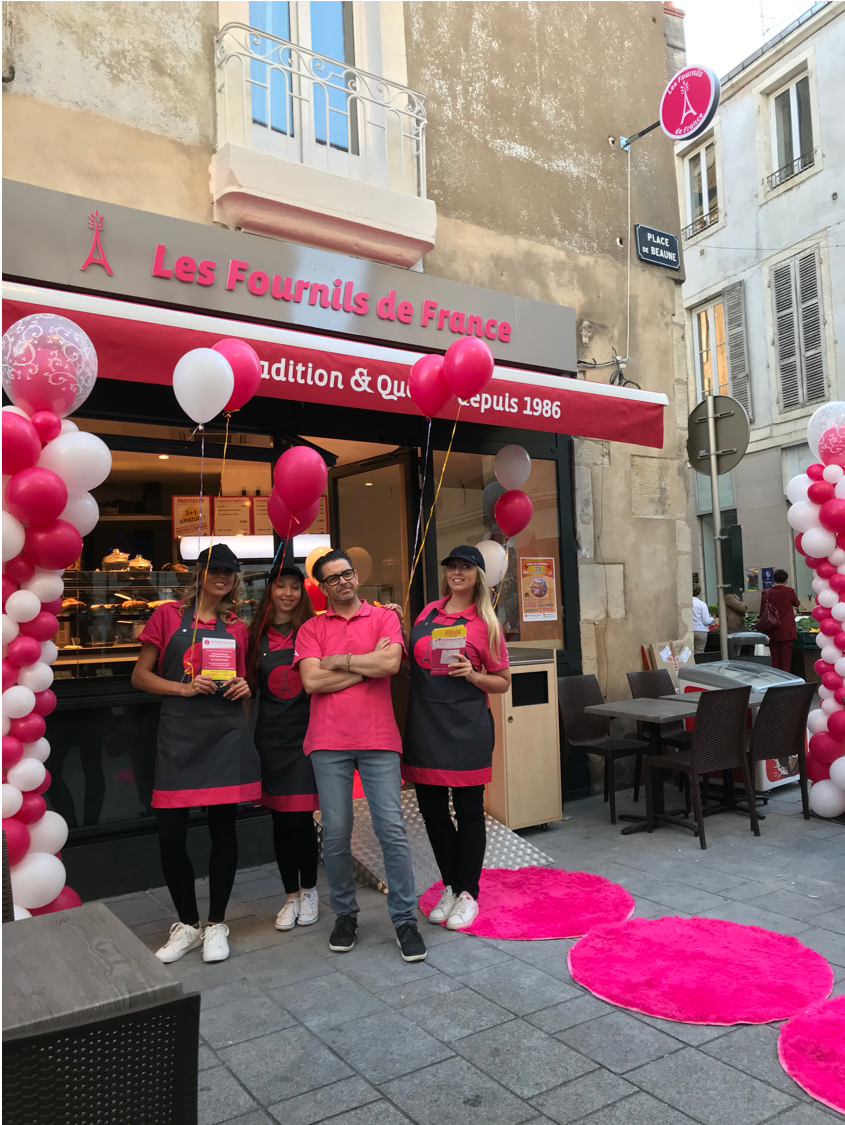
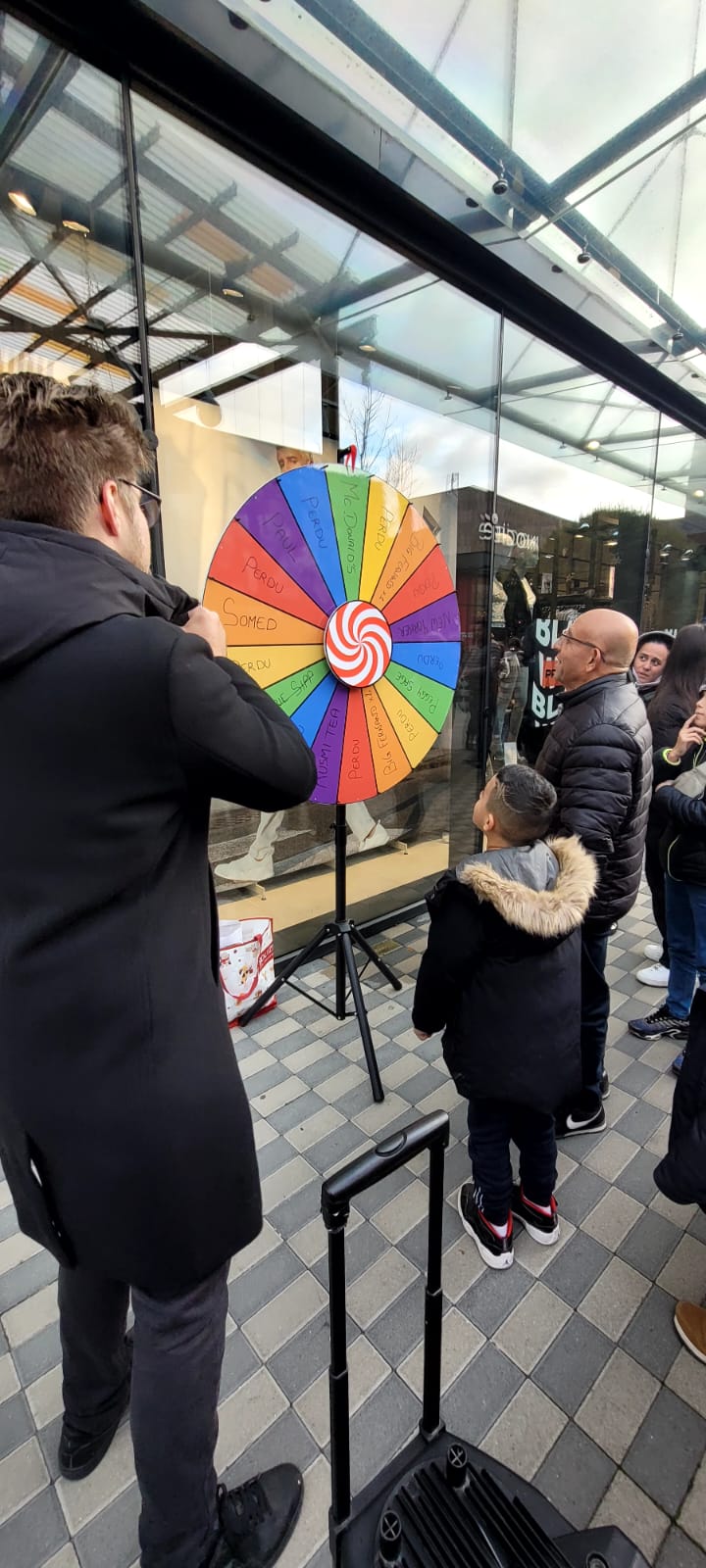
Key figures in Brussels executives use to assess reliability
10+ years managing corporate events and event logistics across Belgium, with repeated delivery in Brussels venues (conference centers, hotels, museums, corporate HQs).
300+ corporate projects delivered through our network: brand launches, internal communications roadshows, HR campaigns, partner events and congress-style programs requiring strict signage and wayfinding.
48–72h is our typical turnaround for POS reprints in Brussels when a last-minute speaker change or sponsor update occurs (subject to format and print technique).
0 critical-day surprises as an objective: we build redundancy (backup files, spare items, on-site repair kit, secondary supplier options) because event day pressure is real.
Brussels references for POS delivery you can verify
In Brussels, many clients come back year after year because they know the weak points of event POS: approvals, brand compliance, and on-site constraints. INNOV'events regularly supports communication departments, HR teams and executive assistants for recurring internal events, partner days and recruitment activations—where the same brand standards must be respected each time, but the layout and venue change.
You mentioned providing company names as references; we can integrate them here exactly as required and align them with the type of POS delivered (wayfinding, stage branding, sponsor walls, retail-style product displays, sampling counters). In practice, this section works best when we connect each reference to a concrete context: multilingual audience, strict corporate identity, short set-up windows, or high footfall requiring durable materials.
If you want, we can also structure references by typical Brussels use cases: EU/international organizations (multi-language signage), tech/consulting (clean branding + data privacy constraints), and FMCG (high-volume sampling and product display compliance).
 Besoin d’un devis rapide ?
Nous vous envoyons une première proposition sous 24h.
Why invest in POS for a corporate event in Brussels
In a corporate event, you do not buy Promotional Materials (POS); you buy clarity, credibility and controlled messaging. Executives use events to align teams, reassure partners, recruit, or move a pipeline forward. POS is what makes that strategy visible and operational in the venue.
Protect brand equity in mixed audiences: In Brussels, events often combine HQ leaders, local teams, EU stakeholders, partners and press. Consistent stage visuals, signage and product displays reduce “brand noise” and avoid off-message interpretations.
Improve flow and reduce friction: Clear wayfinding, registration signage, agenda boards and session indicators reduce queues, late arrivals and ad-hoc staff interruptions. This matters when you have VIP schedules, security checks, or multiple tracks.
Increase engagement without pushing staff: Well-designed POS (demo cards, QR codes, product comparison panels, feedback stations) drives action with less reliance on your internal teams repeating the same explanations.
Enable sponsor and partner value: If you sell packages or co-host, sponsor walls, co-branded backdrops and partner zones must be accurate, visible and compliant. Getting this wrong creates commercial and reputational issues.
Create measurable touchpoints: POS can be instrumented: QR tracking by zone, unique URLs, lead forms by stand, opt-in capture points. This helps communications teams report ROI beyond attendance.
Reduce event-day risk: A documented POS plan with versions, sizes, install maps and backups prevents the classic last-minute scramble (wrong logo, missing arrow, unreadable schedule, forgotten power for a screen).
Brussels has a dense, international business culture where details are noticed quickly. When your event hosts decision-makers accustomed to well-run conferences, your POS must support that standard—quietly, efficiently, and without improvisation.
What Brussels venues and corporate teams expect from POS partners
Working in Brussels means working with real operational constraints. Many venues impose strict loading/unloading slots, specific entry points, lift size limits, and mandatory fire-safety rules for freestanding structures. Corporate HQs and institutions often add internal approval flows: brand team validation, procurement rules, and security considerations for on-site staff.
We see recurring local expectations from directors and comms leads:
- Multilingual readiness: FR/NL is common; EN often required for international audiences. We advise on hierarchy (what must be bilingual, what can be English-only) so signage stays readable.
- Brand governance: Large groups require exact logo spacing, correct Pantone/CMYK conversions, and approved image licensing. We keep an approval trail and lock final print files to avoid “creative drift”.
- Discretion and professionalism: In government-adjacent or regulated sectors, you often need discreet branding, controlled access signage and clean sponsor visibility rules.
- Sustainability scrutiny: In Brussels, sustainability reporting is increasingly requested. We propose material options (reusable frames, fabric systems, modular panels) with a realistic view of what can be reused and what cannot.
- Speed under pressure: Speaker swaps, agenda changes, sponsor additions—these happen. We plan for late changes with templates and local reprint capacity.
The result we aim for is simple: you should be able to walk the venue 30 minutes before doors open and see that every attendee instruction, brand message and partner commitment is already in place.
Which POS formats work best for corporate events in Brussels
Engagement is often described as “content and speakers”, but in the room it is also created by what attendees can see, understand and do without asking staff for help. Smart Promotional Materials (POS) in Brussels events guide attention, create interaction, and support the commercial or HR objective.
Interactive animations in Brussels
QR-enabled journey signage: Entry → agenda → session rooms → networking zones. Each QR can link to the right language version, updated in real time if schedules shift.
Live feedback walls: A branded panel with QR voting (or short URL) collecting instant pulse feedback by topic. Useful for internal town halls where leadership needs measurable sentiment.
Gamified networking cards: Printed cards prompting conversations (e.g., “Find someone from another department”, “Ask a partner about X”). Works well in Brussels mixed audiences where people hesitate to approach.
Product comparison boards: Clear, non-salesy panels comparing features, use cases and integration steps. Effective for B2B tech and consulting showcases where clarity wins over hype.
Art animations in Brussels
Stage set branding systems: Fabric backdrops, clean lectern signage, and consistent lower-thirds templates. For executive events, we prioritize legibility on camera for internal streaming.
Branded photo corner with discreet framing: Not a “party prop”, but a controlled backdrop for partner photos, internal comms portraits and press shots—especially useful in Brussels where external communication is frequent.
Exhibition-style panels: Timeline panels, values walls, CSR commitments with proof points. These create credibility when you host stakeholders who expect substance (e.g., institutional partners).
Innovative animations in Brussels
Menu and allergen POS: Clear signage for allergens (a frequent requirement), dietary labels, and queue segmentation. It reduces staff pressure and improves attendee satisfaction.
Tasting stations with product storytelling: For FMCG or hospitality brands, we create countertop POS that explains origin, pairing suggestions, and responsible consumption notes when relevant.
Coffee bar branding: Small but high-impact: cup sleeves, menu boards, and counter signage. In high-volume Brussels conferences, this becomes a repeated brand touchpoint.
Gourmand animations in Brussels
Modular reusable frames: One set of frames reused across multiple events with interchangeable prints. Useful for HR roadshows across Brussels offices or recurring quarterly meetings.
Digital + physical hybrid signage: Printed wayfinding for reliability + screens for changeable content (agenda updates, room capacity alerts). This avoids the “screen-only” risk when networks fail.
Retail-grade POS for demo zones: Endcap-style structures, sample dispensers, and durable shelving—adapted to event constraints and fire rules. Ideal when your event objective is product trial or partner activation.
The best POS choice depends on your objective (recruitment, product adoption, partner credibility, internal alignment) and your brand tone. In Brussels, we frequently advise to keep the design clean, multilingual where needed, and built for photography—because internal and external communication often continues long after the event.
How to choose a Brussels venue that supports effective POS
The venue dictates what POS is possible: fixing points, lighting, wall surfaces, ceiling height, acoustic layout, and the loading route. A POS plan made without venue realities leads to reprints, compromises, or unsafe installations. We start from the site constraints and build a POS system that works on the ground in Brussels.
| Venue type | For which objective? | Main strengths | Possible constraints |
|---|---|---|---|
Conference center / auditorium | Leadership town hall, congress-style program, structured product announcement | Clear stage sightlines, AV integration, professional registration zones for Promotional Materials (POS) | Strict branding rules, limited fixing points, tight load-in windows in Brussels |
Hotel meeting spaces | Partner day, training, executive offsite with networking | Flexible room splits, catering flow, easy wayfinding with compact POS formats | Competing signage, lighting variations, restrictions on adhesives and wall mounting |
Corporate HQ / office atrium | Internal communication, employer branding, on-site product demo for staff | Strong brand context, easier stakeholder attendance, consistent corporate feel in Brussels | Security badges, limited storage, sensitivity to noise and building regulations |
We strongly recommend a site visit (or at minimum a detailed technical walk-through) before locking print sizes and materials. In Brussels, the same “capacity” can mean very different practical realities depending on loading access, internal security, and the actual surfaces available for signage.
What a POS budget looks like in Brussels for corporate events
Pricing for Promotional Materials (POS) in Brussels depends less on “design” and more on production constraints, quantities, timelines, and installation complexity. A disciplined budget approach avoids surprises and helps procurement validate decisions quickly.
Format and quantity: Roll-ups, rigid panels, fabric backdrops, counters, floor stickers—each has different unit economics. Volume discounts apply, but storage and transport must be planned.
Lead time: Standard production is usually cheaper; rush production can add 20–50% depending on material and finishing. We’ll tell you early what is realistic in Brussels for your dates.
Finishing and durability: Lamination, anti-scratch, fire-retardant materials, reinforced edges for hanging systems. These costs are justified when foot traffic is high or reuse is planned.
Installation complexity: High backdrops, truss-mounted signage, large vinyl applications, or multi-zone wayfinding require skilled installers and more venue coordination.
Multilingual versions: FR/NL/EN variants increase file management and proofing time. We reduce cost by templating and controlling text changes.
Logistics and on-site handling: Transport, parking, handling crew, and timing constraints. In Brussels, access rules can be the difference between a smooth install and expensive waiting time.
Reuse strategy: Investing in modular frames can reduce costs over multiple events; we calculate when it becomes beneficial (often from the 2nd or 3rd event).
For executives, the right lens is ROI and risk control: a clean attendee flow, consistent brand perception, and fewer operational incidents. Good POS often prevents hidden costs—overtime, reprints, lost sponsor value, or the reputational hit of a visibly improvised event.
Why work with a Brussels team for POS production and setup
Choosing a local partner is not about proximity for its own sake; it’s about execution reliability. In Brussels, a POS plan interacts with venue constraints, traffic patterns, access rules, and last-minute stakeholder changes. A team that is on the ground can verify, adapt, and deliver under real conditions.
INNOV'events operates as an event agency in Brussels with established supplier routes (print, finishing, transport, installation). This means we can secure realistic lead times, control quality checks, and react quickly when something changes—without improvising on your brand.
- Faster troubleshooting: When a sponsor logo changes the day before, we can reproof, reprint and swap on-site with controlled versioning.
- Venue familiarity: Knowing typical load-in constraints and security processes reduces setup risk and crew downtime.
- Supplier accountability: Local relationships help enforce print quality, color accuracy and finishing standards.
- On-site coordination: One point of contact for POS, signage placement, and timing alignment with AV, catering and venue management.
For executives, the right lens is ROI and risk control: a clean attendee flow, consistent brand perception, and fewer operational incidents. Good POS often prevents hidden costs—overtime, reprints, lost sponsor value, or the reputational hit of a visibly improvised event.





Examples of POS projects delivered in Brussels corporate contexts
Our Brussels POS work is rarely a single banner; it’s a system. We regularly deliver combinations such as: registration desk branding, directional wayfinding, stage backdrop, sponsor wall, session room signage, product demo counters, and printed handouts designed to be used—not discarded.
Typical real-world situations we manage:
- Late agenda updates: A leadership team confirms the final agenda after internal alignment. We use templated layouts and a controlled file naming protocol to update session boards and door signs without errors.
- Mixed brand stakeholders: Co-hosted events where each partner has brand rules. We create a brand hierarchy map (who appears where, in what size) and obtain approvals before print.
- High-traffic recruitment formats: Career events where queues and flow are the priority. We deploy large, readable signs, clear zone labeling, and information panels that reduce repetitive questions for HR teams.
- Confidential internal events: Sensitive strategy updates where photography is restricted. We provide discreet signage (no public-facing branding outside the venue) and internal-only messaging.
Across these projects, the main constant is operational discipline: one POS master list, one approval chain, and one on-site installation plan aligned with the venue’s real constraints.
Common POS mistakes we prevent on Brussels event days
Printing before the venue is validated: The backdrop doesn’t fit, the roll-ups block a fire exit, or the signage is unreadable from the actual approach angle.
Too many messages per panel: Executives often want to “say everything”. In practice, high-density text fails in networking conditions. We structure content so the room remains readable.
No bilingual logic: Translating everything can clutter; translating nothing can exclude. We define a pragmatic language strategy for Brussels audiences.
Color mismatch and logo errors: Wrong version, outdated sponsor logo, or inconsistent color rendering across materials. We run a preflight checklist and proofs before production.
Underestimating installation time: Vinyl application, hanging structures, and large assemblies take longer than expected—especially with venue access limitations.
No spare critical items: One damaged panel can compromise the main photo angle. We define what needs a backup set.
Ignoring data protection at registration: Screens or printed lists exposing attendee information. We adjust layouts and processes to reduce risk.
Our role is to remove these risks before they reach your leadership team on event day. In Brussels, where many events include external stakeholders, preventing visible mistakes is a direct protection of your brand and your internal credibility.
Why Brussels communication teams renew POS projects with us
Repeat business in Brussels is typically earned through reliability: consistent quality, controlled approvals, and calm execution. Clients return when they feel their agency reduces workload and protects them from avoidable escalation.
Recurring event cycles: quarterly town halls, annual partner events, multi-date HR initiatives—POS systems are built to be updated, not reinvented.
Reuse rate targets: when appropriate, we aim for 30–60% of elements to be reusable across editions (frames, counters, generic directional signage), while updating campaign visuals.
Operational continuity: the same project file structure, supplier base and on-site method year after year reduces errors and speeds up procurement approvals.

Loyalty is not about habit; it’s about reducing risk and time. For directors, it means fewer internal touchpoints, fewer surprises, and a consistent standard in Brussels—even when the venue or program changes.
Our POS delivery process in Brussels from brief to dismantling
👉 Step 1: Define objectives and the on-site attendee journey in Brussels
We start with your event objective (alignment, recruitment, pipeline, partner credibility) and map the attendee journey: arrival, registration, plenary, breakouts, networking, demos, catering, exits. This determines what Promotional Materials (POS) is needed and where it must be placed to reduce friction and improve comprehension.
Deliverable: a POS zoning map and initial inventory list with priorities (critical / useful / optional).
👉 Step 2: Validate venue constraints and technical rules in Brussels
We confirm fixing points, fire exits, ceiling height, lighting conditions, loading access, lift sizes, and permitted materials (adhesives, floor stickers, hanging systems). We also align with venue rules for branding in common areas.
Deliverable: a technical checklist and installation constraints note that prevents reprints and unsafe setups.
👉 Step 3: Create or adapt designs to brand guidelines and multilingual needs
We work from your brand book and existing templates when possible (to speed approvals). We propose a hierarchy for bilingual content (FR/NL/EN as required) to keep signs readable. We control sponsor logo formats and ensure consistent color management across print types.
Deliverable: print-ready files and an approval trail (versioned PDFs) for procurement and brand stakeholders.
👉 Step 4: Produce, quality-check, and plan logistics in Brussels
We select the right print technique (rigid, fabric, vinyl, laminated) based on durability, reusability and venue restrictions. Before delivery, we run a physical quality check on critical items: correct crop, color consistency, finishing quality, and structural stability.
Deliverable: a packing list, delivery schedule, and on-site install plan aligned with access times.
👉 Step 5: On-site installation, final walkthrough, and dismantling
Our team installs according to the plan, coordinates with AV/catering/venue staff, and completes a final walkthrough using a checklist (readability from approach angles, safety, brand consistency, sponsor compliance). After the event, we dismantle, pack, and advise what can be stored for reuse.
Deliverable: post-event notes on reuse potential, missing items, and improvements for the next edition in Brussels.
FAQ sur l'organisation Promotional Materials (POS) à Brussels
How fast can you produce POS in Brussels?
For standard items (roll-ups, rigid panels, directional signage), typical production is 5–10 business days after final approval. For urgent updates in Brussels, reprints can often be managed in 48–72h depending on format, finishing and quantities.
What POS items are essential for a Brussels corporate event?
Most events need, at minimum: 1 registration desk branding set, 6–20 wayfinding signs (depending on venue complexity), session room signage, and a stage backdrop or lectern branding for photos. If sponsors are involved, plan a sponsor wall and clear partner zone signage to meet commitments.
How much does Promotional Materials (POS) cost in Brussels?
Budgets vary by quantity and complexity. As a practical range, a compact POS set for a 50–150 attendee corporate event in Brussels often starts around €1,500–€4,000. Larger events with stage sets, multiple zones and installation can be €6,000–€20,000+. We quote from a detailed inventory list to avoid vague estimates.
Do you handle multilingual POS in Brussels (FR/NL/EN)?
Yes. We define a language hierarchy so signage stays readable: core attendee instructions are typically bilingual (FR/NL) and key international touchpoints can be EN. We manage versioning, proofing, and templates to limit cost and reduce errors.
Can you install POS on-site in Brussels venues?
Yes. We handle delivery, installation and dismantling, including coordination with venue access rules and safety constraints. For complex setups (large backdrops, hanging signage, vinyl application), we plan crew size and timing in advance to fit the venue’s loading slots.
Request a POS plan and quote in Brussels with clear deadlines
If you’re preparing an event in Brussels, we recommend locking the POS inventory and approval chain early—especially when multilingual content, sponsors, or executive visibility is involved. Send us your date, venue (or shortlist), estimated attendance, and brand guidelines. We will return a structured proposal: inventory list, production specs, installation plan, and a transparent budget.
INNOV'events is built for directors who want predictable execution: fewer internal escalations, controlled brand compliance, and a room that looks ready before doors open.
INNOV'events Brussels Agency
Justin JACOB is the manager of the INNOV'events Brussels office. Reach out directly by email at belgique@innov-events.be or via the contact form.
Contact the Brussels agencyToutes nos prestations & animations Brussels, Belgique
Découvrez nos prestations événementielles
Découvrez nos animations événementielles disponibles au Belgique
- Event Hostess in Brussels
- Escape Game in Brussels
- MasterChef Cooking Workshop in Brussels
- Magician in Brussels
- Marquee Rental in Brussels
- Color Analysis Workshop in Brussels
- Inflatable Games in Brussels
- Valet Parking Service in Brussels
- Football Simulator in Brussels
- LED Furniture Rental in Brussels
- Light Branding in Brussels
- Unique Dining Experience in Brussels
- Light Painting in Brussels
- Murder Mystery Party in Brussels
- Prize Contest in Brussels
- Promotional Displays (POS) in Brussels
- Virtual Reality in Brussels
- Molecular Gastronomy Workshop in Brussels
- Halloween Entertainment in Brussels
- Fireworks Show in Brussels
- Giant Games Challenge in Brussels
- Event Host / MC in Brussels
- Photo Booth Animation in Brussels
- Santa Claus Entertainment in Brussels
- Kids Entertainment in Brussels
- Guided Tour in Brussels
- Urban Rally in Brussels
- Ball Pit in Brussels
- Flight Simulator in Brussels
- Food Truck Rental in Brussels
- World Record Challenge in Brussels
- Surf Simulator in Brussels
- Wine Casino in Brussels
- Makeover Workshop in Brussels
- Perfume Creation Workshop in Brussels
- Acting Workshop in Brussels
- CSR Activities in Brussels
- Archery in Brussels
- Security Staff in Brussels
- Wine Tasting in Brussels
- Mime Performer in Brussels
- TV Game Show in Brussels
- Funfair in Brussels
- Crisis Management Workshop in Brussels
- Crisis Negotiation Workshop in Brussels
- Arcade Games in Brussels
- Indoor Skydiving Simulator in Brussels
- Ski Simulator in Brussels
- Racing Circuit Experience in Brussels
- Introductory Flight Experience in Brussels
- Tasting Experience in Brussels
- Build Your Own Foosball Workshop in Brussels
- 2CV Rally in Brussels
- LEGO Challenge in Brussels
- Casino Night in Brussels
- Interpreter / Translator in Brussels
- Promotional Giveaways in Brussels
- Shuttle Transport in Brussels