
National Roadshow in Brussels that lands on message, on time, and on budget
INNOV'events plans and delivers National Roadshow programmes across Brussels for executive, HR, and communications teams—typically 50 to 800+ attendees per stop depending on your format.
We manage the operational chain: concept, routing, venues, permits, suppliers, staffing, run-of-show, brand compliance, and on-site direction.
Your teams stay focused on stakeholders and content while we keep the day running with predictable timelines and controlled risk.
Table of contents
In a corporate roadshow, “entertainment” is not a nice-to-have: it is the engagement lever that keeps attention high after the third presentation, drives meaningful interactions at stands, and protects your investment in content and leadership presence. Done properly, it supports message retention, not distraction.
Organisations in Brussels expect precision: multilingual audiences, strict schedules between meetings, and a high bar for brand posture. A roadshow stop must feel as rigorous as a board presentation—while still being human and energising for participants.
As an event agency in Brussels with hands-on field teams, INNOV'events works with local venues, AV partners, caterers, and security providers every week. That local coordination is what keeps a roadshow stop stable when timings shift, VIPs arrive late, or last-minute compliance requests come in.
Brussels delivery you can validate quickly with numbers
10–20+ suppliers coordinated per roadshow stop (venue, AV, catering, signage, security, host staff, transport).
2 to 6 months typical lead time for a structured National Roadshow in Brussels (shorter is possible with trade-offs clearly identified).
1 run-of-show with minute-by-minute cues, speaker call times, and escalation paths—shared with your comms and HR leads.
Up to 3 languages managed on-site (FR/NL/EN) through briefing, signage logic, and stage direction to avoid audience fragmentation.
0 surprises policy: risks are logged early (permits, union rules, venue access, power limits, loading windows) and resolved before build day.
How to organize a professional event in Brussels?
- Define the objective (cohesion, announcement, fidelity, performance).
- Set date, format and size (20–1 000 people).
- Secure the venue and accommodation according to seasonality.
- Lock down technical, suppliers and logistics.
- Drive the day J (timing, scene, entrance, flow).
Who we support in Brussels year after year
In Brussels, many organisations come back to the same partners because consistency matters more than novelty. Roadshows are a prime example: you may repeat the format over several quarters, change speakers, or adjust audience targets—yet you need the same operational reliability each time.
INNOV'events supports corporate groups, institutions, and scale-ups with recurring event cycles: internal communications roadshows, leadership town halls, employer branding activations, and partner days. We often see the same pattern: the first roadshow is about proving the concept; the second is about optimising flow and cost; from the third onwards, the focus becomes measurement, stakeholder comfort, and brand discipline.
If you share the company names you want us to cite as local references, we will integrate them transparently in this section (including the type of roadshow format delivered and the constraints managed) while respecting confidentiality expectations common in Brussels corporate environments.
We send you a first proposal within 24h.
Why run a National Roadshow for Brussels-based teams now?
A National Roadshow is a management tool before it is an event. It creates controlled repetition of a message across locations and audiences, with consistent assets, consistent tone, and consistent follow-up. For executives, it is one of the few formats that combines leadership visibility, operational alignment, and measurable engagement in a short time window.
In Brussels, where many organisations operate in matrix structures (head office, regional entities, shared services, EU-facing units), a roadshow helps reduce interpretation drift: the same message lands the same way, even when teams are distributed and agendas are tight.
Faster alignment on strategy: when leadership messages are repeated with the same structure and Q&A logic, you reduce contradictory “corridor versions” that slow execution.
HR and culture reinforcement: a roadshow stop can integrate onboarding moments, leadership visibility, and recognition segments—useful after reorgs, mergers, or policy changes.
Change management with lower resistance: we design the participant journey to acknowledge concerns (anonymous questions, structured breakout discussions, feedback capture) instead of forcing a one-way keynote.
More qualified interactions: when experiential elements are tied to content (product demos, scenario-based stations, moderated roundtables), you get higher-quality stakeholder conversations than with a standard reception.
Brand discipline across locations: a roadshow kit (signage, stage visuals, speaker templates, staff scripts) ensures your brand tone stays consistent when multiple teams contribute content.
Data for leadership decisions: attendance patterns, dwell time at stations, top questions by audience type, and post-event surveys give HR/comms concrete signals to adapt messaging.
The economic culture in Brussels is pragmatic and stakeholder-driven: people expect clarity, proof points, and respectful dialogue. A well-run roadshow fits that expectation—especially when it is structured as a leadership conversation supported by strong operations.
What Brussels audiences and venues typically require
Planning a National Roadshow in Brussels means working with real-world constraints that can make or break the day if they are discovered too late. We build these into the plan from the first scoping call.
- Mobility and access windows: central Brussels locations often have narrow loading slots, limited parking, and specific delivery routes. We plan build schedules around loading docks, freight lifts, and local traffic patterns.
- Multilingual delivery: in mixed FR/NL/EN rooms, it is not enough to translate slides. You need signage logic, speaker briefing, host scripts, and Q&A moderation that prevent one audience from disengaging.
- Security posture: depending on your sector, expectations may include badge checks, controlled registration flows, and discreet protection for VIPs. We coordinate security and front-of-house so it feels professional without becoming heavy.
- Compliance and brand risk: organisations in regulated industries often need approvals for claims, visuals, and giveaways. We lock these checkpoints into the production timeline so the event is not delayed by late validations.
- Food and service realities: Brussels corporate audiences are used to quality but also to efficiency. We plan catering formats that protect your agenda (e.g., fast lanes, pre-plated options, service staffing ratios) rather than causing bottlenecks.
- Hybrid expectations: even for in-person roadshows, stakeholders may request remote access. We design a robust capture plan (sound, camera, connectivity, speaker coaching) so online viewers get a coherent experience.
These expectations are not “nice details”—they are operational drivers that influence venue selection, staffing, scheduling, and budget from day one.
Which corporate entertainment formats work best in Brussels roadshows?
For a National Roadshow, we select corporate event entertainment in Brussels that supports business outcomes: participation, message clarity, and stakeholder comfort. The best formats are “quietly impressive”: they make people stay, ask questions, and connect—without turning your event into a show that competes with leadership content.
Interactive animations in Brussels
Moderated Q&A with live curation: questions collected via QR code, filtered by theme, and prioritised by your leadership team. This works well when topics are sensitive (reorgs, policy changes) and you want candid questions without losing control of timing.
Scenario stations: small groups rotate through 3–5 stations where they make decisions based on realistic business cases (customer complaint, supply issue, cyber incident). It creates engagement and reveals where teams need guidance.
Pulse polling with instant debrief: short polls at key moments, followed by a facilitator summary. Useful for HR or comms when you need to validate understanding rather than assume it.
Networking prompts with purpose: structured introductions (role-based or project-based) that help cross-team connections. We provide staff scripts so it does not feel forced.
Art animations in Brussels
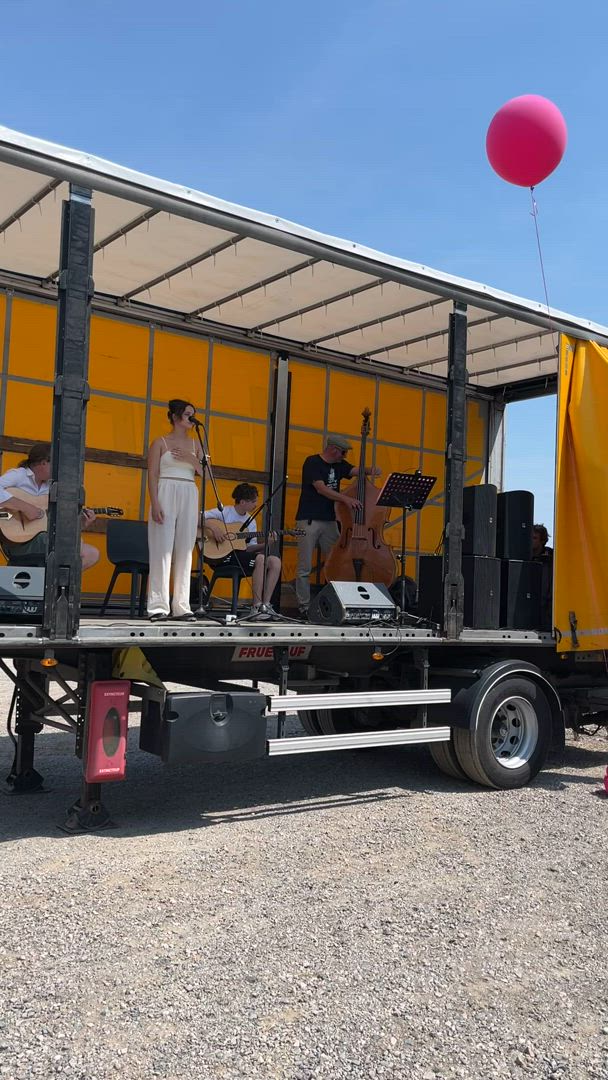
Corporate-friendly live music sets: short, controlled sets during arrival or transitions with strict sound limits and cue timing. In Brussels venues with neighbours or tight schedules, we specify decibel ranges and set lengths to avoid complaints and delays.
Visual facilitation (graphic recording): an illustrator captures key messages live on a wall or digital canvas. Executives like it because it turns abstract strategy into visible themes, and it becomes a re-usable comms asset after the stop.
Professional host with multilingual capability: a strong MC keeps timing, energy, and transitions clean. This is not “entertainment for entertainment’s sake”—it is stagecraft that protects your agenda.
Innovative animations in Brussels
High-throughput coffee and breakfast stations: designed for speed (two-sided access, pre-portioned items) to avoid queues. We often see a 10-minute delay at Brussels events simply because service was not sized for peak arrival.
Local tasting moments with clear logistics: Belgian-focused options can be integrated without slowing the programme (e.g., pre-plated pairing, timed service). We plan allergens, bilingual labelling, and waste management—details executives notice when they are missing.
Networking lunch formats: seated is not always best. For roadshows, a well-managed walking lunch can increase cross-team contact—if furniture density and service flow are planned properly.
Gourmand animations in Brussels
Micro-content studio: a small on-site set where leaders record short updates (2–4 minutes) for teams who could not attend. This extends reach without asking executives for a separate filming day.
RFID or QR-based journey tracking: optional, privacy-compliant measurement of station visits and content engagement. Especially relevant when you need to justify the roadshow budget with clear behavioural data.
Silent conference options: for venues with acoustic constraints, multi-channel headphones allow bilingual tracks or parallel sessions without adding rooms. This is a practical Brussels solution when space is premium.
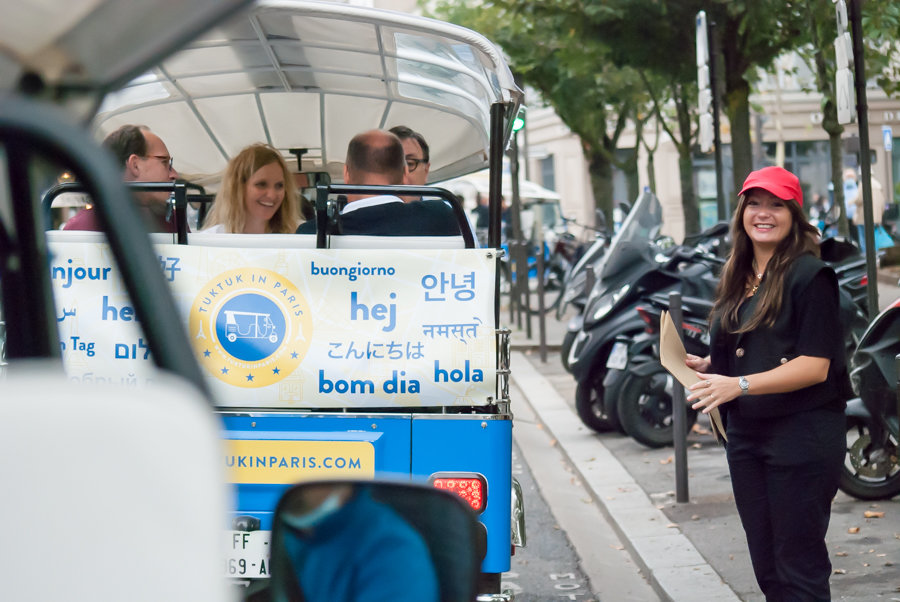
Whatever the format, we keep one rule: the experience must align with your brand image and risk posture. A financial services roadshow, a public institution roadshow, and a tech employer-branding roadshow do not use the same tone, the same stage language, or the same interaction intensity—and in Brussels, audiences notice the mismatch immediately.
How to choose a Brussels venue for a National Roadshow stop
The venue sets the baseline perception before a single word is spoken. For executive audiences, it signals how serious the organisation is about the message. For employees, it signals respect for their time and comfort. In Brussels, the right venue choice is also an operational decision: access times, acoustics, backstage space, and connectivity can either de-risk the day or create continuous friction.
| Venue type | For which objective? | Main strengths | Possible constraints |
|---|---|---|---|
Conference centre in central Brussels | Leadership keynote + structured breakouts with predictable flow | Built-in AV infrastructure, trained venue staff, clear room signage, scalable capacities | Premium pricing, strict loading windows, limited flexibility on in-house suppliers |
Hotel meeting floors (4–5 star) | Stakeholder day with VIP comfort and controlled hospitality | Reliable catering, good acoustics, accommodation for out-of-town teams, discreet service | Branding restrictions, room shapes can limit stage design, peak dates fill fast |
Industrial/creative venues in the wider Brussels area | Employer branding or product story where atmosphere supports the narrative | Strong “place identity”, flexible layouts for stations and demos, impactful arrival experience | More production required (power, rigging, heating), stricter safety planning, noise constraints |
Corporate offices or client sites | Cost control and authenticity for internal roadshows | Low venue cost, easy access for employees, brand immersion | Limited parking, security rules, weaker AV, disruption to daily operations |
We strongly recommend site visits before final selection. Photos rarely reveal real constraints: pillar positions that block sightlines, insufficient backstage for speaker prep, or a loading route that turns a 2-hour build into a 5-hour one. A 60-minute technical walk-through in Brussels often saves days of stress later.
What does a National Roadshow budget look like in Brussels?
Budgeting a National Roadshow in Brussels is about understanding cost drivers early, then deciding where you need certainty versus flexibility. We build budgets in blocks (venue, production, content support, staffing, catering, logistics) so your leadership team can make trade-offs without compromising core quality.
In practice, Brussels pricing is influenced by venue demand, access constraints, labour planning, and technical requirements—more than by “entertainment” alone.
Venue and calendar pressure: premium venues and peak periods (end-of-quarter, pre-summer, September/October) can push costs up quickly. Securing dates early protects both budget and options.
Technical production scope: single-screen setup vs multi-screen, stage design, translation solutions, recording/streaming, and redundancy (backup microphones, network) are major cost variables.
Branding and signage: roadshow kits (modular walls, reusable signage systems, stage backdrops) can be designed for re-use across stops—often a smarter investment than one-off prints.
Staffing ratios: registration, ushers, stage managers, show callers, technical operators, security, and runners. Under-staffing is a common “saving” that creates visible chaos.
Catering format: seated meal, walking lunch, coffee throughput, and dietary requirements. The right service design protects your agenda (and avoids overtime costs).
Logistics: transport between stops, storage, loading constraints, and time-on-site. Brussels access rules and tight docks can add labour hours if not planned correctly.
Compliance, insurance, permits: depending on activation type, you may need additional coverage, safety documentation, or permissions—especially for public-facing elements.
We frame budget conversations around return: reduced internal misalignment, higher stakeholder conversion, improved employee understanding, and re-usable assets across the series. A roadshow that runs smoothly also avoids hidden costs—overtime, reprints, last-minute tech rentals, and the reputational cost of a disorganised stop.
When does a Brussels-based agency reduce risk the most?
For roadshows, the difference between a “good plan” and a “good day” is local execution. A Brussels-based agency reduces risk in the places that matter: venue negotiations, technical realism, supplier accountability, and immediate on-site decision-making when conditions change.
We see it often: a national team defines a strong concept, but the Brussels stop becomes the stress point because access constraints and venue rules were not challenged early. Local presence makes those constraints visible quickly and turns them into decisions rather than day-of surprises.
- Venue leverage and practical knowledge: we know which rooms work for sightlines, which venues impose in-house AV, and where loading and storage become bottlenecks.
- Supplier coordination with accountability: local AV, catering, furniture, and security partners are aligned to a single run-of-show and escalation path, reducing “grey zones” between vendors.
- Faster troubleshooting: if an item is missing or a technical component fails, local sourcing and replacement is faster—critical for same-day continuity.
- Operational realism for executives: we challenge assumptions (timing, staffing, audience flow) with Brussels-specific facts so leadership is not surprised by constraints after approvals.
- Cost control through re-use: local storage and modular asset management can reduce repeated logistics costs across multiple stops.
We frame budget conversations around return: reduced internal misalignment, higher stakeholder conversion, improved employee understanding, and re-usable assets across the series. A roadshow that runs smoothly also avoids hidden costs—overtime, reprints, last-minute tech rentals, and the reputational cost of a disorganised stop.








What we’ve delivered across Brussels roadshow formats
Roadshows rarely look identical from one organisation to the next. We regularly deliver in three common patterns in Brussels:
- Executive strategy roadshows: leadership keynote + moderated Q&A + structured breakouts for managers. The operational focus is timing discipline, acoustics, and a safe Q&A format that encourages honest questions without derailing the agenda.
- Employer branding and recruitment roadshows: immersive stations, employee stories, and short content blocks. The operational focus is visitor flow, brand consistency, and making sure engagement is measurable (registrations, follow-up interest, recruiter time).
- Partner and client roadshows: high-touch hospitality, controlled messaging, and compliance checks. The operational focus is discreet security, catering precision, and AV reliability that protects brand credibility.
Across these formats, our work is less about “ideas” and more about making the format executable: the right room, the right stage layout, the right staffing levels, a credible rehearsal plan, and an on-site command structure that keeps your executives out of operational noise.
Which mistakes derail Brussels roadshows most often?
Underestimating venue access and loading constraints: when build time is squeezed, quality suffers first (sound checks, screen alignment, signage placement), and the audience feels it immediately.
Overpacking the agenda: if the programme has no buffer, a 7-minute delay becomes a 30-minute problem. We build realistic transitions and protect the Q&A window.
Assuming bilingual delivery is “just translation”: without a language plan (host, signage, slide logic), one audience segment will disengage and your message impact drops.
Fragmented ownership between HR, comms, and business: roadshows need one decision path. Otherwise, approvals stall, and suppliers receive conflicting instructions.
Inconsistent branding across assets: different slide templates, mismatched signage, and uncontrolled vendor visuals weaken trust—especially with external stakeholders.
Not planning for speaker comfort: no green room, unclear call times, last-minute slide versions. Executives notice, and it affects delivery quality.
Weak registration design: queues at the entrance set a negative tone. We design throughput with staffing ratios, badge logic, and pre-check options.
Our role is to prevent these risks with a structured production approach: early technical checks, clear approvals, realistic scheduling, and on-site leadership that solves issues before they become visible to your audience.
Why Brussels organisations keep INNOV'events as their roadshow partner
Loyalty in event delivery is rarely emotional; it is operational. Teams return when they see fewer last-minute decisions, fewer supplier gaps, and better predictability from one stop to the next. In roadshows, that stability matters because your internal stakeholders change (new HRBP, new comms lead, new exec sponsor) while the delivery standard must remain constant.
One consolidated briefing used across all suppliers to reduce rework and contradictory instructions.
Reusable roadshow assets (signage system, templates, run-of-show structures) that reduce cost and improve consistency over time.
Post-stop debrief within 48–72 hours with a short decision list for the next city: what to keep, what to simplify, what to scale.

When clients come back, it is usually because their leadership team felt protected on the day: the message landed, the timing held, and the brand looked controlled. That repeatability is the real proof of quality in Brussels roadshow delivery.
Our Brussels roadshow delivery process from brief to show call
👉 Step 1 — Brussels scoping and stakeholder alignment
We run a working session with your exec sponsor, HR, comms, and key operational owners to lock priorities and constraints. Output: a written scope (audience segments, success metrics, content blocks, interaction model) and a first risk register specific to Brussels conditions (access, languages, security posture).
👉 Step 2 — Venue shortlist and technical validation
We propose a targeted shortlist based on capacity, flow, and production feasibility—not just aesthetics. We validate loading, power, rigging possibilities, acoustics, backstage, and connectivity. Output: a venue recommendation with clear trade-offs and a technical assumptions sheet to keep budget honest.
👉 Step 3 — Experience design and content support
We design the participant journey and specify which engagement formats support your message (moderated Q&A, stations, polling, micro-content capture). If needed, we support speaker structure, slide consistency, and timing discipline. Output: draft programme, journey map, and content deadlines aligned to approvals.
👉 Step 4 — Production planning and supplier contracting
We contract suppliers, lock logistics, and create the master production schedule: build times, rehearsals, catering service plan, staffing plan, signage plan, and contingency options. Output: full production book and budget versioning so you can track decisions and their impact.
👉 Step 5 — Rehearsal, on-site direction, and executive support
We run technical rehearsals and speaker run-throughs, then manage show calling on the day: cues, transitions, timing, and escalation. Executives get a clear call time, briefing notes, and a calm backstage environment. Output: a controlled delivery that feels effortless for participants.
👉 Step 6 — Measurement and next-stop optimisation
Within 48–72 hours, we debrief with your team and provide a short action list for the next stop: what created friction, what improved engagement, and where to adjust staffing, flow, or content. Output: measurable continuous improvement across the roadshow series.
FAQ sur l'organisation National Roadshow à Brussels
How early should we book a Brussels roadshow venue?
Plan for 8–16 weeks for strong availability in Brussels, and 4–8 weeks only if you accept limited choice or higher costs. For peak months (September–October), booking earlier protects both venue options and technical crew availability.
What attendee size is realistic for a Brussels roadshow stop?
Most corporate roadshow stops in Brussels land between 80 and 400 attendees per session. Larger audiences are possible, but we recommend splitting into multiple time slots when you need strong Q&A, good sightlines, and predictable registration flow.
Do we need permits for a Brussels corporate activation?
Indoors, permits are often minimal, but you may need additional documentation depending on the venue and setup (fire safety, rigging, special structures). For public-facing elements in Brussels (outdoor signage, street presence), permissions can apply and timelines vary; we verify requirements during venue selection to avoid late constraints.
How do you handle bilingual events in Brussels without slowing timing?
We implement a language plan: host scripts, slide logic (single language with clear spoken translation, or dual-language design), signage rules, and Q&A moderation. In practice, this protects timing by avoiding repeated explanations and reduces audience drop-off by keeping everyone included throughout.
What budget range should we expect for a Brussels roadshow?
For a professional Brussels stop with venue, AV, staffing, and catering, many programmes fall in the €25,000 to €120,000+ range depending on production level, audience size, and whether you add filming/streaming, staging, or multiple breakouts. We provide a budget split by cost block so you can make informed trade-offs.
Request a Brussels quote and lock your roadshow date
If you’re planning a National Roadshow in Brussels, the fastest way to secure quality and avoid last-minute compromises is to align on scope and constraints early: venue access, languages, security posture, and the real technical needs of your content.
Send us your target date(s), estimated attendance, audience profile (internal, partners, clients), and the role of the Brussels stop in your overall roadshow. INNOV'events will come back with a practical proposal: venue recommendations, a delivery plan, and a budget structured for executive decision-making.
INNOV'events Brussels Agency
Justin JACOB is the manager of the INNOV'events Brussels office. Reach out directly by email at belgique@innov-events.be or via the contact form.
Contact the Brussels agencyAll our services & entertainment Brussels, Belgique
Discover our event services
Discover our event entertainment available in the Belgique
- Event Hostess in Brussels
- Escape Game in Brussels
- MasterChef Cooking Workshop in Brussels
- Magician in Brussels
- Marquee Rental in Brussels
- Color Analysis Workshop in Brussels
- Inflatable Games in Brussels
- Valet Parking Service in Brussels
- Football Simulator in Brussels
- LED Furniture Rental in Brussels
- Light Branding in Brussels
- Unique Dining Experience in Brussels
- Light Painting in Brussels
- Murder Mystery Party in Brussels
- Prize Contest in Brussels
- Promotional Displays (POS) in Brussels
- Virtual Reality in Brussels
- Molecular Gastronomy Workshop in Brussels
- Halloween Entertainment in Brussels
- Fireworks Show in Brussels
- Giant Games Challenge in Brussels
- Event Host / MC in Brussels
- Photo Booth Animation in Brussels
- Santa Claus Entertainment in Brussels
- Kids Entertainment in Brussels
- Guided Tour in Brussels
- Urban Rally in Brussels
- Ball Pit in Brussels
- Flight Simulator in Brussels
- Food Truck Rental in Brussels
- World Record Challenge in Brussels
- Surf Simulator in Brussels
- Wine Casino in Brussels
- Makeover Workshop in Brussels
- Perfume Creation Workshop in Brussels
- Acting Workshop in Brussels
- CSR Activities in Brussels
- Archery in Brussels
- Security Staff in Brussels
- Wine Tasting in Brussels
- Mime Performer in Brussels
- TV Game Show in Brussels
- Funfair in Brussels
- Crisis Management Workshop in Brussels
- Crisis Negotiation Workshop in Brussels
- Arcade Games in Brussels
- Indoor Skydiving Simulator in Brussels
- Ski Simulator in Brussels
- Racing Circuit Experience in Brussels
- Introductory Flight Experience in Brussels
- Tasting Experience in Brussels
- Build Your Own Foosball Workshop in Brussels
- 2CV Rally in Brussels
- LEGO Challenge in Brussels
- Casino Night in Brussels
- Interpreter / Translator in Brussels
- Promotional Giveaways in Brussels
- Shuttle Transport in Brussels