
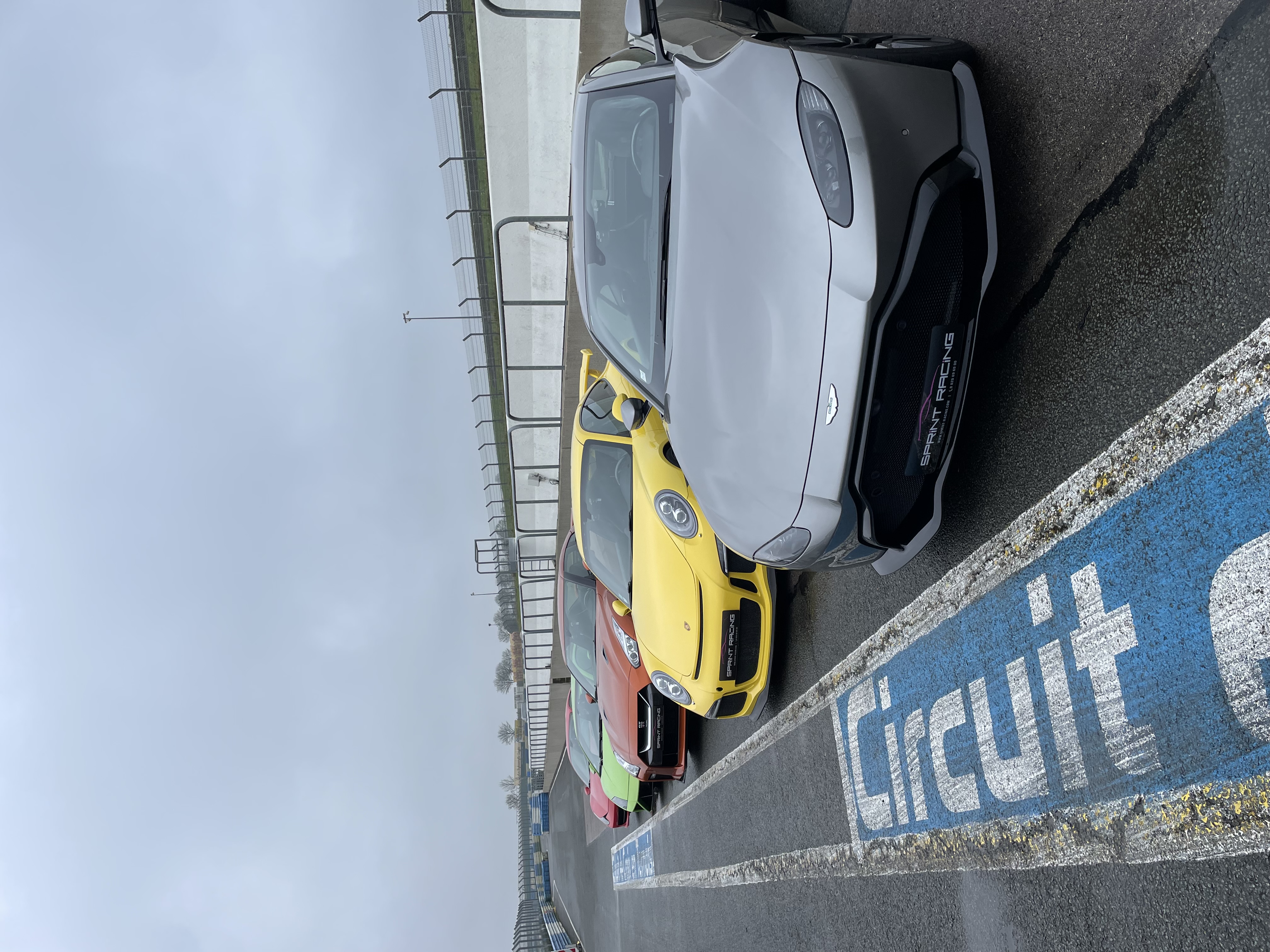
Racetrack Driving Experience in Brussels for leadership, engagement and measurable impact
INNOV'events is a event agency in Brussels delivering Racetrack Driving Experience in Brussels programs for executive teams, HR and communication departments, typically from 15 to 250 attendees. We manage track sourcing, instructor staffing, safety compliance, hospitality, transport, branding and the full event-day run.
You get a controlled, premium environment that rewards performance and discipline—without improvisation, and with a clear operational plan from invitations to debrief.
Sommaire
In a corporate context, entertainment is not a “nice add-on”: it is a management tool that influences how people connect, how leaders are perceived, and how key messages are retained. A Racetrack Driving Experience works when it is built like a project—briefed, timed, and aligned with your culture—so adrenaline supports objectives instead of distracting from them.
Organizations in Brussels usually expect high standards on punctuality, multilingual hosting (FR/NL/EN), and a format compatible with tight agendas and international guests. They also expect flawless risk management and a plan B, because the reputational cost of a safety or logistics issue is higher than the event budget.
From our Brussels base, we coordinate local circuits and partner sites, instructors, medical and safety coverage, and corporate hospitality suppliers. We know the typical constraints: access windows, noise rules, branding approvals, and the pace required for decision-makers who want action without losing control of the day.
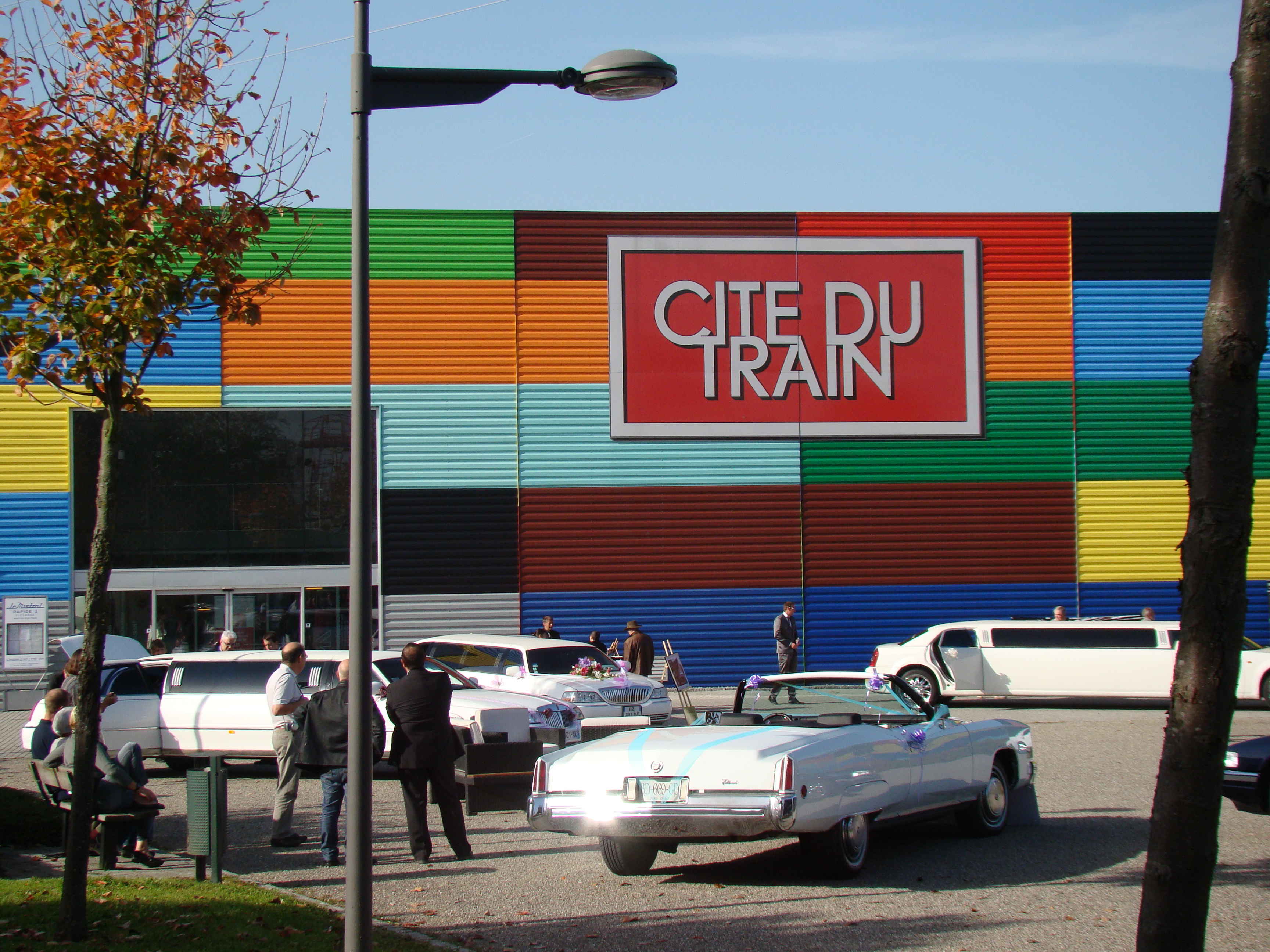
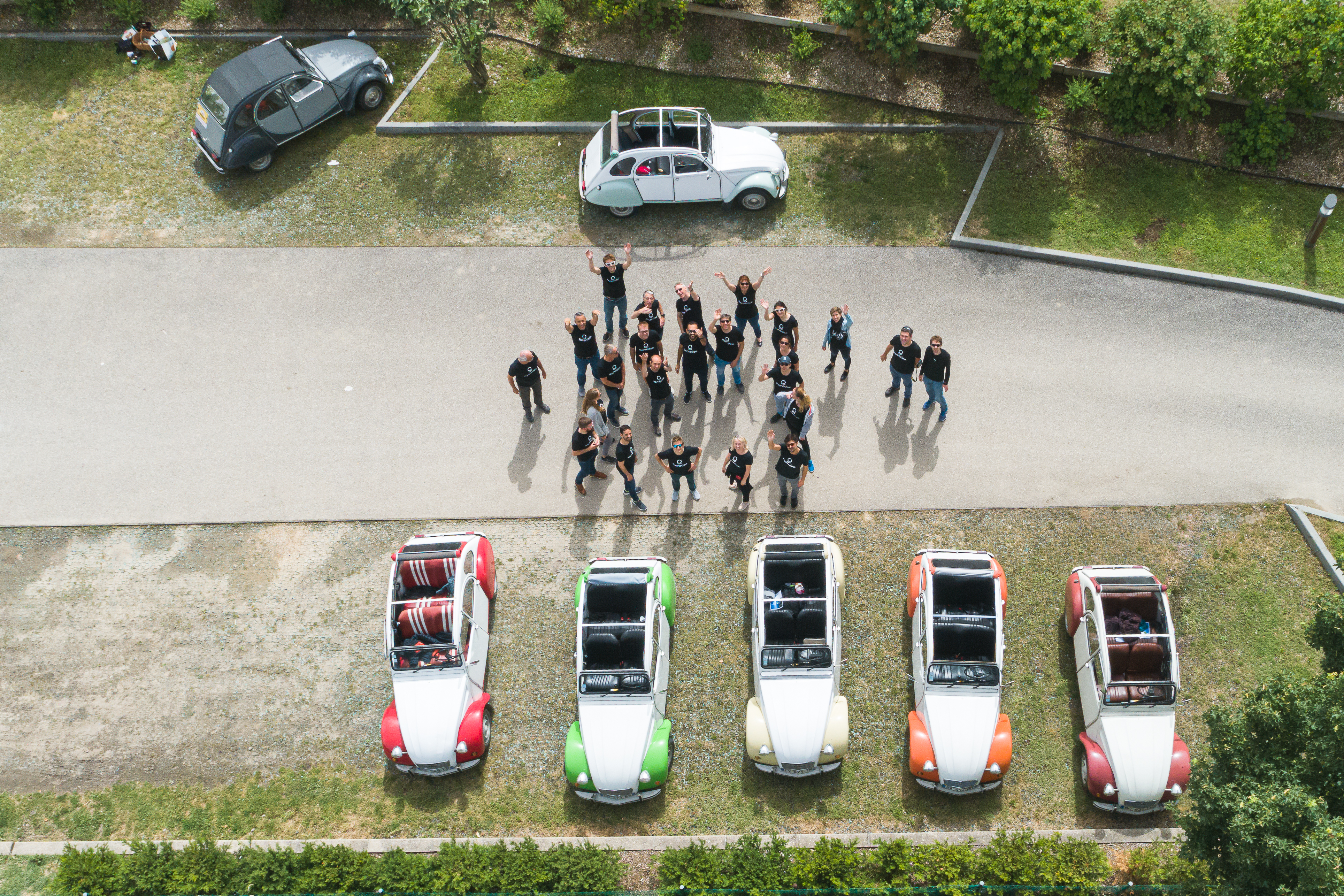
What you can expect from INNOV'events in Brussels, in numbers
10+ years of corporate event delivery across Belgium, including executive offsites and incentive formats with strict governance.
250+ corporate projects coordinated within our network (multi-site, multi-supplier), with standardized run-of-show documents and onsite command structure.
15–250 participants is our typical operational comfort zone for track-based experiences, with scalable instructor ratios and rotation planning.
FR/NL/EN hosting and briefing capability, essential for Brussels headquarters and European teams.
2–6 weeks average lead time for a robust track program; 10–15 working days possible for smaller groups when dates and vehicles are available.
Brussels-based delivery with recurring corporate clients
We regularly support Brussels organizations that need reliability rather than showmanship: departments coordinating internal communications, HR teams running engagement programs, and executive assistants organizing time-critical leadership moments. Many clients come back year after year because the workload is real on their side—budget validation, legal checks, procurement, and stakeholder alignment—and they need a partner that anticipates rather than reacts.
In Brussels, we are used to working with headquarters teams where brand standards are non-negotiable: signage approval, tone of voice, data privacy for guest lists, and photo/video usage rights. We also work with companies operating in regulated environments (finance, pharma, public affairs) where alcohol policies, guest management and safety governance are scrutinized.
If you have already compared several agencies, the difference is rarely the “idea”; it is the execution: the quality of the track partner, instructor seniority, the flow that prevents waiting lines, the way briefings are delivered, and the ability to keep executives on schedule while still giving participants real driving time.
 Besoin d’un devis rapide ?
Nous vous envoyons une première proposition sous 24h.
Why run a racetrack experience in Brussels for your teams?
A Racetrack Driving Experience in Brussels is a high-signal format: it creates immediate attention, but it also exposes weak planning. For executives, it is valuable because it compresses learning and bonding into a short window—if the event is designed with discipline: clear objectives, a precise run-of-show, and rules that protect people and brand image.
In practice, we see three recurring use cases in Brussels companies: leadership alignment after reorgs, recognition moments for sales/operations performance, and cross-country team integration when a Brussels HQ hosts European teams for a quarterly meeting.
Leadership credibility without long speeches: a well-run safety briefing, punctual rotations and professional instructors reinforce the feeling that leadership “does things properly”. That matters when trust is being rebuilt after change management.
Cross-silo interaction that does not feel forced: mixed driving rotations (driver + co-driver + pit coach) create natural conversations between departments that normally only meet in meetings.
Energy reset for busy calendars: for Brussels-based teams under constant client and institutional pressure, a 2–4 hour format can deliver a real mental reset without losing a full working day.
Recognition with a measurable structure: timed laps, progression scoring, or instructor evaluation gives a fair framework—useful when HR wants recognition that is not perceived as arbitrary.
Brand narrative made tangible: performance, precision, safety and responsibility can be translated into the event design (briefings, debrief, sustainability choices, alcohol policy).
Brussels has a specific business culture: international, time-sensitive, and reputation-aware. A track experience works here when it respects that culture—structured, multilingual, and polished—while still delivering real driving content, not a superficial “photo opportunity”.
What Brussels decision-makers typically require before approving
In Brussels, approval rarely depends on enthusiasm alone. A director, HR lead or communication manager usually needs a file that answers operational and reputational questions quickly. We build our proposals with that reality in mind, because the internal buyer often has to defend the event in front of finance, legal and sometimes a global HQ.
Typical expectations we address from day one include:
- Clear safety governance: instructor credentials, maximum speed rules, helmet and belt policies, participant medical considerations, alcohol policy, and the exact role of medical presence.
- Insurance and liability clarity: what is covered (third-party, vehicle damage, personal injury) and what is not, with written confirmation from the track/vehicle provider.
- Predictable timing: executive arrivals are often staggered; we plan buffer windows, VIP fast-track options, and a run-of-show that survives late arrivals without penalizing participants.
- Multilingual delivery: briefings and signage in FR/NL/EN; staff that can handle questions calmly and consistently.
- Discreet, brand-safe atmosphere: no “boy-racer” vibe, controlled sound levels, clean hospitality, and photo/video managed with consent and brand guidelines.
- Mobility planning: realistic transfer times from Brussels, parking and coach drop-off, and contingency for ring road congestion.
We also see a strong preference for formats that can integrate a business segment (townhall, strategy update, award moment) without breaking the flow. That is why we often propose a half-day structure with a clear split: business, track, hospitality and debrief.
Which track formats work best around Brussels for corporate groups?
Engagement comes from progression and shared reference points. The most effective corporate event entertainment in Brussels on track is built around a clear journey: briefing, practice, coached improvement, and a short debrief that connects driving behaviors to business behaviors (decision speed, situational awareness, risk control).
Interactive animations in Brussels
Lead & follow sessions: an instructor car sets pace and lines, guests follow in controlled conditions. Best for mixed skill groups because it reduces stress and keeps speeds appropriate.
Coached challenge with scoring: not only lap time—add penalties for cones, missed apex markers, or inconsistent braking points. This rewards discipline and avoids unsafe “hero driving”.
Team relay format: teams rotate driver/co-driver/pit coach roles; points are earned for consistency and teamwork. Works well for cross-department bonding and prevents the event from becoming individualistic.
Sim-racing warm-up: a simulator zone to practice track layout, braking markers and flags before going on track. It reduces briefing time and helps nervous participants.
Art animations in Brussels
Discreet brand content capture: short interviews in a quiet corner (not in the pit noise) with branded backdrop, for internal comms. We control consent forms and keep it corporate, not “reality show”.
Guest speaker moderation: an experienced host (FR/NL/EN) to connect safety, performance and company values during openings and awards, without turning it into a stage show.
Innovative animations in Brussels
Timing-friendly hospitality: premium lunch bowls, Belgian seasonal options, and a coffee bar positioned to keep flow smooth. The goal is to support the rotations, not to create queues.
Alcohol policy by design: for track programs, we usually plan 0% alcohol during driving and move celebratory options to the post-driving segment, with clear communication to avoid ambiguity.
Gourmand animations in Brussels
Telemetry debrief: where available, show simple metrics (brake point consistency, steering smoothness) to participants. This feels premium and adds learning value, especially for executive audiences.
CSR-linked option: add a road-safety module or a defensive-driving segment to align with duty of care. In Brussels corporate environments, this is often better received than pure “speed”.
The best format is the one that matches your brand and people. A conservative brand may prefer coached consistency and safety narratives; a sales-driven culture may want a structured competition. Our role is to align the experience with image, internal policies and the level of acceptable risk—so the event supports your reputation in Brussels rather than challenging it.
How to choose the right venue type near Brussels for driving
The venue is not a backdrop: it sets the perceived quality and the operational constraints. For a Racetrack Driving Experience in Brussels, the right setting depends on your objectives (prestige vs accessibility), your group profile (first-timers vs enthusiasts), and your schedule (half-day vs full-day). We shortlist venues based on safety infrastructure, paddock capacity, hospitality spaces, and how well the site handles corporate groups.
| Venue type | For which objective? | Main strengths | Possible constraints |
|---|---|---|---|
Professional racetrack within driving distance of Brussels | Executive incentive, premium client hospitality, serious driving content | High safety standards, real track layout, paddock infrastructure, professional marshals | Higher cost, limited dates, strict rules and noise/time windows |
Driving center / handling circuit close to the city | HR engagement, team building, mixed confidence groups, half-day format | More flexible scheduling, easier logistics, good for coached learning and safety modules | Less “prestige” perception, shorter track may reduce thrill for enthusiasts |
Private airfield-based layout (temporary course) | Large groups, brand activations, product showcases with controlled runs | Space for hospitality and branding, scalable zones, strong flow control | Weather exposure, higher setup needs, permits and safety perimeters to engineer |
We strongly recommend a site visit (or at minimum a technical recce with photos and measurements) before final validation. In the Brussels area, small details matter: where coaches can turn, where VIP cars park, how people move from briefing to pit lane, and how noise affects meeting rooms. A recce prevents day-of improvisation.
What does a driving experience cost in Brussels?
Pricing for a Racetrack Driving Experience in Brussels depends less on “the idea” and more on operational parameters: track access model, vehicle fleet, instructor staffing, safety coverage, hospitality level and timing constraints. For directors and procurement, we present budgets in transparent blocks so you can arbitrate without losing the integrity of the experience.
As an indicative range for corporate groups around Brussels, many projects fall between €250 and €900 per person depending on the format, with full privatizations and premium fleets moving above that. The right number comes from your objectives and your risk posture, not from a generic package.
Track model: shared track slots vs partial vs full privatization; evenings and weekends are typically priced higher.
Vehicles: standard sports cars vs premium supercars; number of cars per rotation drives waiting time and perceived value.
Instructor ratio: higher coaching density improves safety and satisfaction, especially with mixed skill levels.
Insurance & deposits: coverage scope, franchise levels, and whether participant damage waivers are included.
Safety and medical: marshals, first aid, medical vehicle presence depending on venue requirements and group size.
Hospitality: meeting room rental, catering, coffee service, awards, and any evening extension after driving.
Transfers from Brussels: coaches, VIP cars, timing buffers, and staff travel time.
Branding & content: signage, photo/video team, editing for internal comms, consent management.
We frame ROI in practical terms: participation rate, internal sentiment, leadership visibility, and the reduction of “empty time” that frustrates guests. A well-designed program often saves cost indirectly by preventing overtime, reducing supplier overruns, and avoiding the reputational risk of a poorly controlled activity.
Why choose a Brussels agency for a track event?
With driving experiences, local execution quality is the product. An agency established in Brussels gives you faster access to site recces, stronger relationships with regional suppliers, and the ability to intervene quickly when conditions change (weather, circuit constraints, last-minute attendee changes). For corporate buyers, this translates into fewer unknowns and better control of the event-day risk.
We also understand the internal mechanics of Brussels-based organizations: multi-layer approvals, multilingual audiences, reputational sensitivity, and the need to document decisions. That is why we deliver structured pre-event documentation (risk notes, run-of-show, supplier confirmations) instead of informal “it will be fine”.
- On-the-ground recce and technical validation without delays, to confirm flows, signage placements, and parking/coach logistics.
- Supplier accountability: we know who is reliable under pressure and who looks good on paper but fails on timing.
- Contingency planning that fits the region: indoor backup options, schedule variants, and transport adaptations around Brussels traffic patterns.
- Consistent corporate hosting: staff who can brief and manage executives in FR/NL/EN with the tone expected in Brussels headquarters.
We frame ROI in practical terms: participation rate, internal sentiment, leadership visibility, and the reduction of “empty time” that frustrates guests. A well-designed program often saves cost indirectly by preventing overtime, reducing supplier overruns, and avoiding the reputational risk of a poorly controlled activity.






What we have delivered for Brussels companies: formats and realities
Our experience covers a broad range of corporate realities, not just “incentives”. We have delivered executive moments where timing was the constraint (board members arriving from EU institutions with fixed departure times), HR programs where inclusivity was the concern (ensuring first-timers felt safe and not judged), and communication-led events where brand optics mattered more than speed.
Common project patterns we handle in the Brussels ecosystem:
- Leadership offsite + track module: morning strategy session in a meeting space, afternoon coached driving with structured debrief. The key is protecting the morning agenda while keeping energy high later.
- Client entertainment with compliance constraints: guest list validation, controlled gifting, clear alcohol timing, and discreet photography. We align with compliance to avoid putting your teams in uncomfortable situations.
- Large group rotations: when you have 120–200 guests, the difference is flow engineering—multiple activity stations, clear calls, and enough “productive waiting” zones (simulators, briefing refreshers, hospitality).
- Recognition events: awards integrated into the paddock hospitality with clear criteria (discipline, improvement, teamwork), to avoid controversy internally.
Adaptability is not improvisation. It is having a prepared decision framework on site: what happens if it rains, if a vehicle is taken out, if a VIP arrives late, or if the track reduces operating time. We plan those scenarios before the day.
Common mistakes we prevent on Brussels driving events
Underestimating briefing time: rushing safety creates confusion; we time briefings precisely and repeat key rules at the pit entry.
Too few cars for the group size: participants wait, executives get frustrated, and the event feels cheap. We calculate car-to-guest ratios based on desired drive time.
Competition designed the wrong way: pure lap-time ranking encourages risk; we design scoring that rewards control and consistency.
Ignoring mixed confidence levels: without a “first-timer friendly” path, you lose half the audience. We build parallel coaching intensities.
Unclear insurance communication: surprises on deposits or liability damage trust. We clarify terms upfront in writing.
Hospitality placed in the wrong area: if guests cannot see what’s happening, engagement drops; if it’s too close to pits, comfort drops. We position zones to support both excitement and calm.
No weather plan: rain is manageable with the right tires, pace rules, and indoor segments; not planning it is the issue.
Weak onsite command: without a single decision point, small delays cascade. We run a clear chain of command and communication.
Our role is to make sure your team is not managing operational stress on the day. We anticipate risks early, document choices, and run the onsite system so your executives and internal hosts can focus on relationships and messaging.
Why Brussels clients renew: operational comfort and governance
When clients in Brussels return, it is rarely because they want the same “activity”. It is because the delivery process reduces internal workload and protects them on the day. In corporate life, that comfort has value: fewer escalations, fewer surprises, and a partner who understands how decisions are made internally.
Recurring formats: many clients keep the same operational backbone (briefing, rotations, debrief) and change vehicles, themes or scoring year to year.
Lower internal workload: we provide ready-to-share documents (timelines, risk notes, supplier confirmations) that help HR/Comms get approvals faster.
Post-event clarity: simple KPI reporting (attendance, rotation adherence, incidents, feedback highlights) to close the loop internally.

Loyalty is a consequence of controlled delivery. If a track event runs on time, feels safe, and reflects the company’s standards, it becomes repeatable—and repeatability is the strongest proof of quality in corporate events.
Our Brussels process to plan and run your driving experience
👉 Brussels brief alignment and risk posture definition
We start with a working session to clarify objectives (engagement, recognition, client hospitality), group profile, brand constraints, and your risk posture. This includes non-negotiables: alcohol policy, photo/video rules, VIP handling, multilingual needs, and any compliance requirements. Output: a one-page decision brief you can share internally.
👉 Venue and track partner selection around Brussels
We shortlist venues based on accessibility from Brussels, safety infrastructure, paddock capacity, and the ability to host corporate hospitality properly. We confirm availability, operating windows, and constraints (noise, branding, catering rules). Output: options with pros/cons and an operational recommendation.
👉 Program architecture and timing model
We build the run-of-show with rotations engineered to minimize idle time: check-in, briefings, simulator/warm-up, coached laps, debrief and hospitality. We define instructor ratios, vehicle counts, and group splits. Output: detailed timing grid and staffing plan.
👉 Safety, legal and insurance documentation
We validate insurance coverage, liability allocation, and any required waivers. We align on safety briefing content, required equipment, and medical presence per venue. Output: written confirmations and participant instructions that reduce last-minute friction.
👉 Guest management and corporate hosting
We manage invitations and practical info (access, timing, dress code), plan multilingual signage, and train hosts on the tone expected with executives and clients. We also plan VIP flows so senior stakeholders never “queue like everyone else” unless you want them to.
👉 Onsite delivery and control room discipline
On the day, we operate with a clear command structure: event director, track ops lead, hospitality lead. We run checklists for vehicle readiness, rotation calls, briefing repeats, and incident logging. After the event, we close with a short report including what worked, what to improve, and any follow-ups for your internal comms.
FAQ sur l'organisation Racetrack Driving Experience à Brussels
How long should a Brussels driving experience last?
For corporate groups in Brussels, the most efficient format is 3 to 5 hours on site (including briefing and hospitality). Full-day formats work well for 80+ guests or when you add meetings and an awards segment.
What budget per person for Brussels track driving?
Most corporate projects around Brussels fall between €250 and €900 per person. Variables include venue privatization, vehicle category, instructor ratio, insurance terms, and hospitality level.
Is a driving license required in Brussels events?
Generally yes for on-track driving, and we recommend collecting confirmation in advance. For mixed groups, we can include simulator modules and passenger hot laps so non-drivers still participate meaningfully.
How do you handle safety on Brussels racetrack events?
We combine venue rules with corporate governance: instructor-led briefings, controlled pace sessions, enforced no-alcohol-during-driving policy, appropriate equipment, and medical coverage when required. We also design scoring to reward control, not risk.
How far in advance to book in Brussels area?
For the best dates and premium fleets near Brussels, plan 4 to 8 weeks ahead. For small groups (15–30) we can sometimes deliver in 10–15 working days, depending on track availability.
Request a Brussels quote with a concrete operating plan
If you are comparing agencies, we suggest a simple test: ask for a proposal that includes the rotation model, instructor ratio, insurance approach, and a realistic schedule from arrival to departure. That is where professionalism shows.
Contact INNOV'events to build your Racetrack Driving Experience in Brussels with clear governance, controlled risk and a delivery team that protects your brand on the day. Share your preferred date window, estimated headcount, and whether the event is for employees, clients, or leadership—then we will come back with options and a transparent budget structure.
INNOV'events Brussels Agency
Justin JACOB is the manager of the INNOV'events Brussels office. Reach out directly by email at belgique@innov-events.be or via the contact form.
Contact the Brussels agencyToutes nos prestations & animations Brussels, Belgique
Découvrez nos prestations événementielles
Découvrez nos animations événementielles disponibles au Belgique
- Event Hostess in Brussels
- Escape Game in Brussels
- MasterChef Cooking Workshop in Brussels
- Magician in Brussels
- Marquee Rental in Brussels
- Color Analysis Workshop in Brussels
- Inflatable Games in Brussels
- Valet Parking Service in Brussels
- Football Simulator in Brussels
- LED Furniture Rental in Brussels
- Light Branding in Brussels
- Unique Dining Experience in Brussels
- Light Painting in Brussels
- Murder Mystery Party in Brussels
- Prize Contest in Brussels
- Promotional Displays (POS) in Brussels
- Virtual Reality in Brussels
- Molecular Gastronomy Workshop in Brussels
- Halloween Entertainment in Brussels
- Fireworks Show in Brussels
- Giant Games Challenge in Brussels
- Event Host / MC in Brussels
- Photo Booth Animation in Brussels
- Santa Claus Entertainment in Brussels
- Kids Entertainment in Brussels
- Guided Tour in Brussels
- Urban Rally in Brussels
- Ball Pit in Brussels
- Flight Simulator in Brussels
- Food Truck Rental in Brussels
- World Record Challenge in Brussels
- Surf Simulator in Brussels
- Wine Casino in Brussels
- Makeover Workshop in Brussels
- Perfume Creation Workshop in Brussels
- Acting Workshop in Brussels
- CSR Activities in Brussels
- Archery in Brussels
- Security Staff in Brussels
- Wine Tasting in Brussels
- Mime Performer in Brussels
- TV Game Show in Brussels
- Funfair in Brussels
- Crisis Management Workshop in Brussels
- Crisis Negotiation Workshop in Brussels
- Arcade Games in Brussels
- Indoor Skydiving Simulator in Brussels
- Ski Simulator in Brussels
- Racing Circuit Experience in Brussels
- Introductory Flight Experience in Brussels
- Tasting Experience in Brussels
- Build Your Own Foosball Workshop in Brussels
- 2CV Rally in Brussels
- LEGO Challenge in Brussels
- Casino Night in Brussels
- Interpreter / Translator in Brussels
- Promotional Giveaways in Brussels
- Shuttle Transport in Brussels