
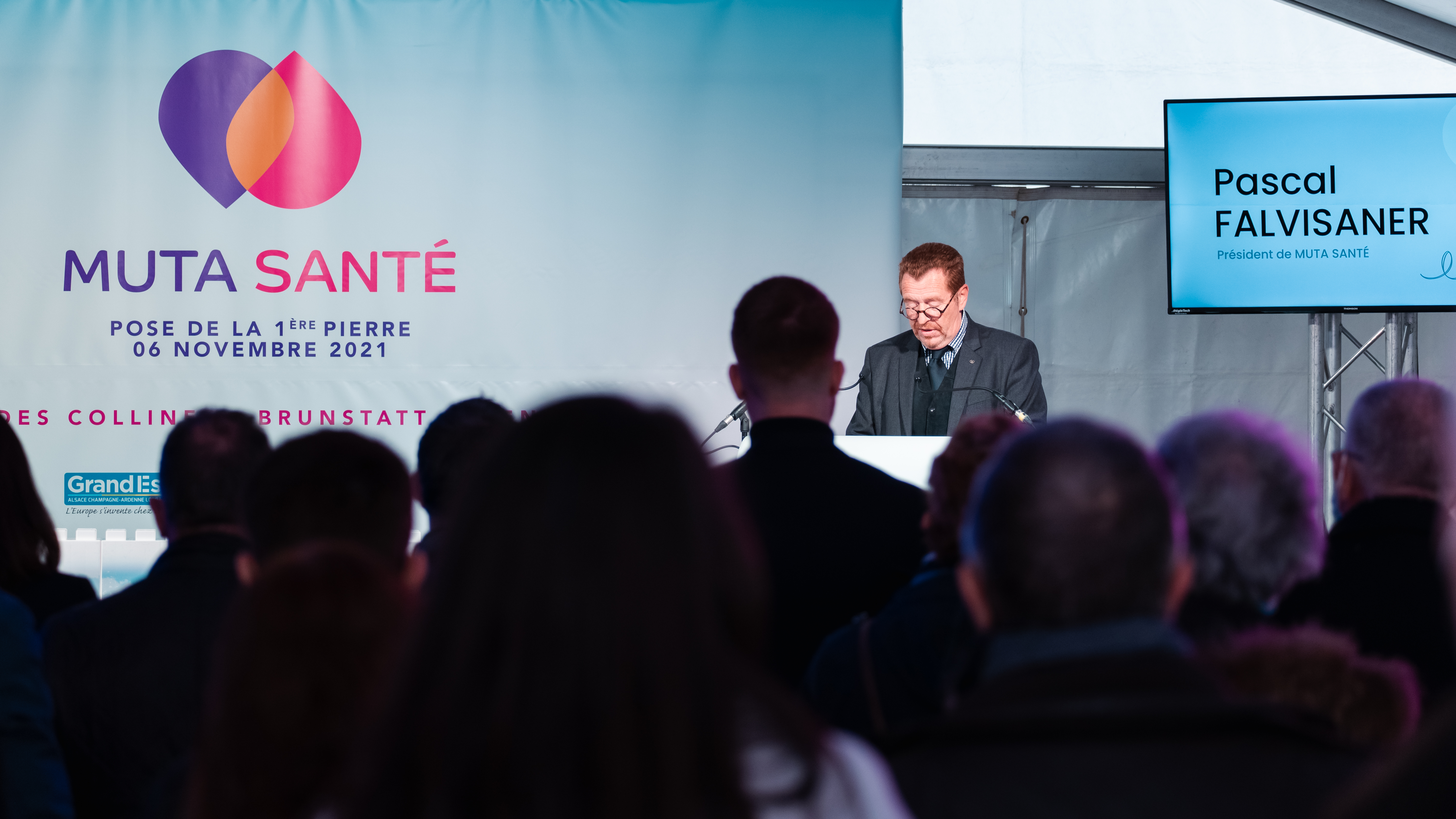
New Year Ceremony in Brussels that sets direction, not just drinks
INNOV'events plans and delivers corporate New Year Ceremony formats in Brussels for executive teams, HR and communications—typically 80 to 800 attendees. We manage venue sourcing, run-of-show, suppliers, technical production, and on-site coordination so your leadership message lands and the room stays engaged. Expect a controlled timeline, crisp branding, and a guest experience that feels intentional—without operational pressure on your internal teams.
Table of contents
In a corporate calendar, the New Year Ceremony is one of the few moments where leadership can align teams in one room and be heard. Entertainment is strategic because it regulates the room’s energy: it keeps people present through speeches, supports networking across silos, and prevents the classic “everyone drifts to the bar” effect after ten minutes.
In Brussels, organizations expect bilingual touchpoints, punctuality, and a strong duty of care because many guests commute and need predictable end times. You also have a high proportion of mixed audiences (HQ, satellite offices, public affairs, and sometimes international colleagues), which means the program must be readable, inclusive, and operationally tight.
We are a Brussels-based team used to delivering ceremonies in board-level environments: clear stakeholder governance, approvals, and brand compliance. Our added value is the field discipline—supplier sequencing, technical rehearsal, and contingency planning—so your leadership, HR and comms teams stay focused on content, not troubleshooting.
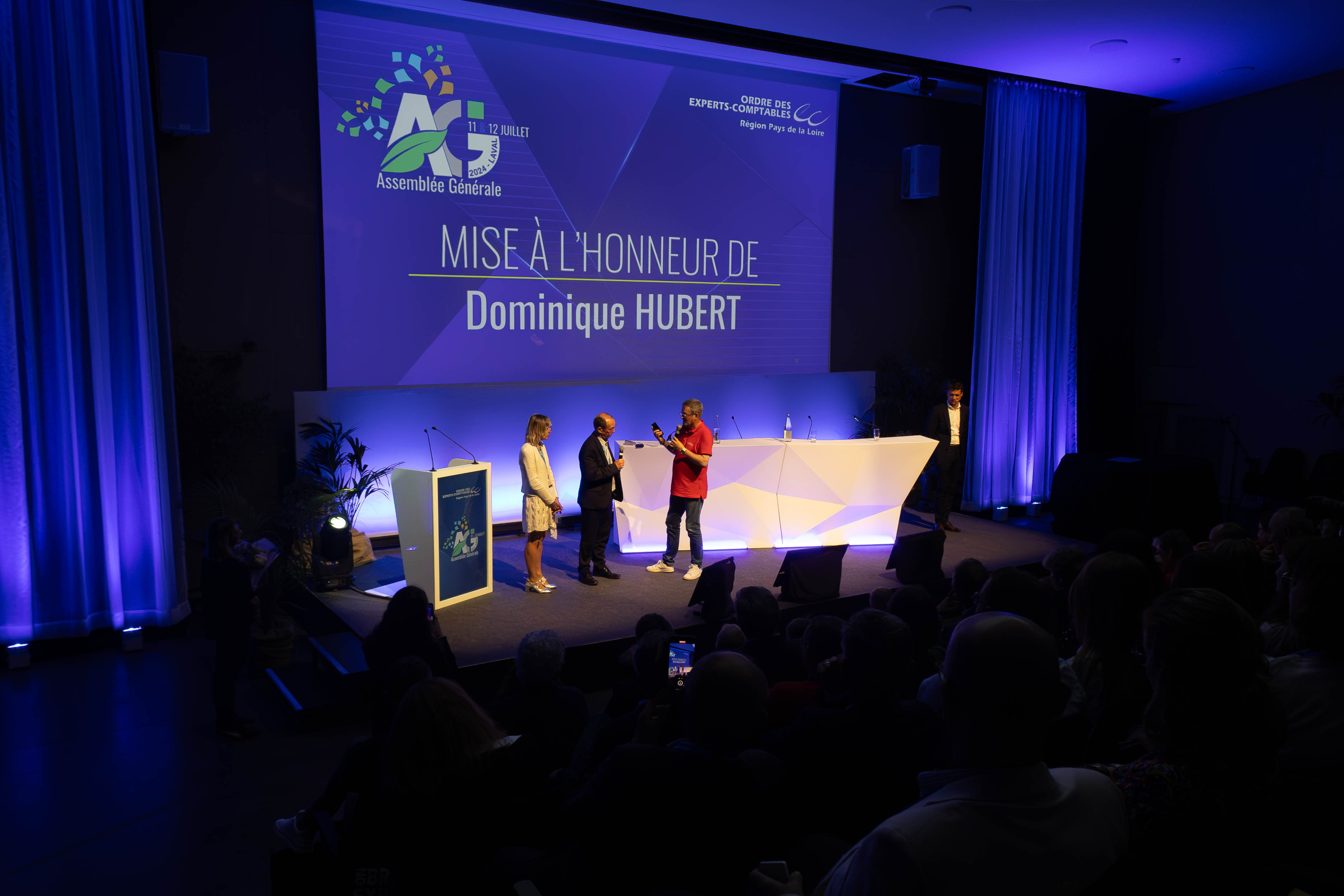
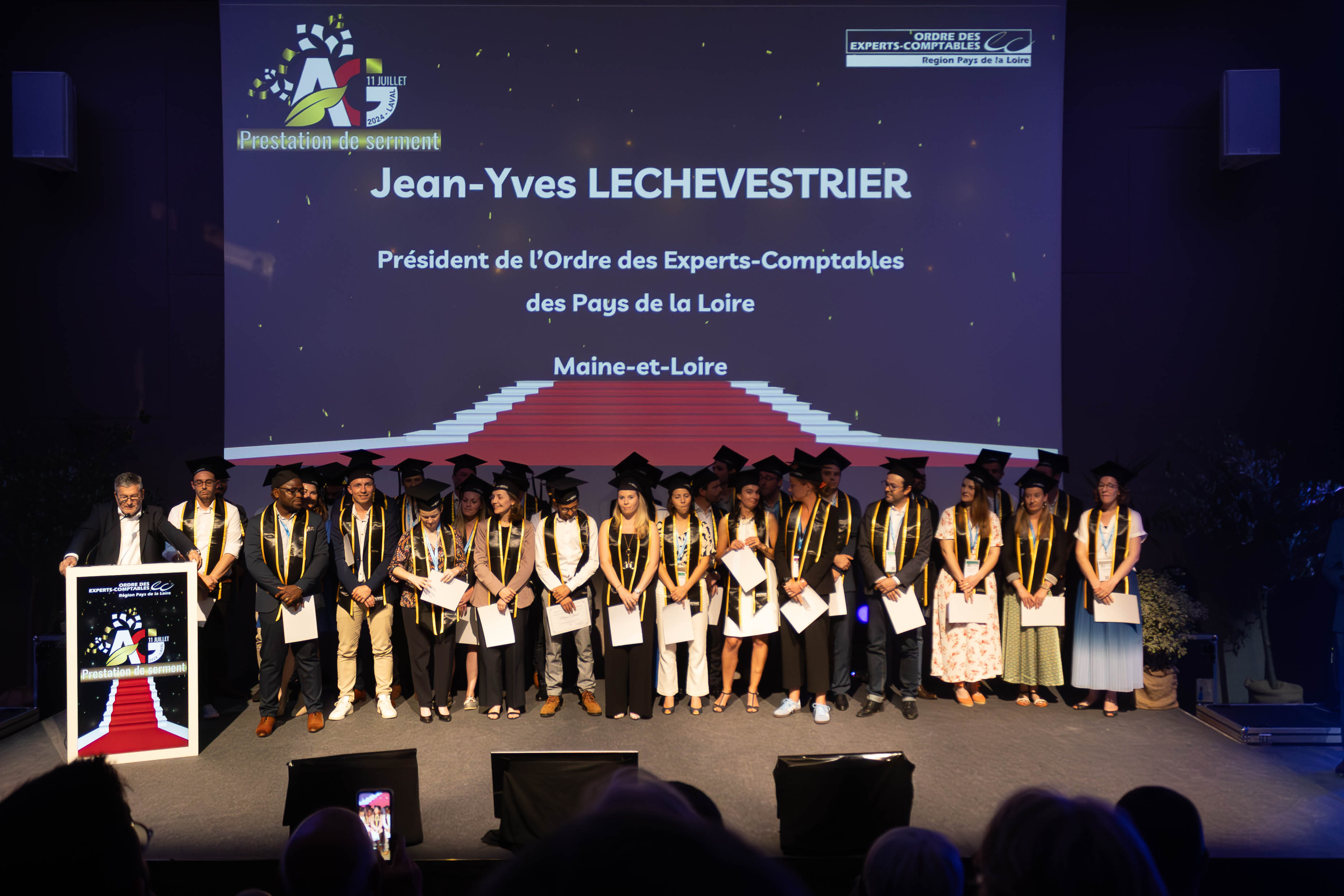
INNOV'events numbers that matter in Brussels delivery
10+ years delivering corporate events across Belgium, with recurring annual ceremonies for multi-site organizations.
80–800 guests is our most frequent New Year Ceremony in Brussels attendance range; we scale staffing, technical set-up and catering accordingly.
3-level governance built into our projects: decision-maker validation, HR/Comms alignment, and on-the-ground production sign-off.
1 on-site lead + 2–8 floor staff typical for Brussels ceremonies depending on room complexity, check-in needs, and program density.
How to organize a professional event in Brussels?
- Define the objective (cohesion, announcement, fidelity, performance).
- Set date, format and size (20–1 000 people).
- Secure the venue and accommodation according to seasonality.
- Lock down technical, suppliers and logistics.
- Drive the day J (timing, scene, entrance, flow).
Brussels references: who we work with year after year
We support organizations that operate daily in Brussels: headquarters with a public-facing profile, multi-entity groups, and employers where internal communications must be as robust as external communications. Many clients come back for their annual New Year Ceremony because the format becomes a recurring management ritual: same date window, similar audience, evolving message.
You mentioned providing company names as references; we can integrate them precisely on this page (and adapt the wording to your legal/brand requirements). In practice, what matters for a director comparing agencies is not the logo list—it is whether the agency can handle board expectations, brand governance, and a bilingual environment while keeping the event day calm.
In Brussels, repeat collaboration usually happens when the agency is consistent on three points: a reliable run-of-show, supplier control (technical, catering, security), and a guest journey that respects corporate standards (check-in, coat handling, stage timing, accessibility). That is the operational level we commit to.
We send you a first proposal within 24h.
Why run a New Year Ceremony in Brussels instead of an email?
A New Year Ceremony is not a party replacing a memo. It is a management tool: you use it to set priorities, show leadership visibility, reinforce culture, and reset collaboration habits after year-end. In Brussels-based organizations, it also helps connect teams who interact mainly through meetings, policy updates, or project workflows.
Executive alignment made visible: when the CEO/GM and leadership team share one narrative (results, strategy, priorities), rumours and mixed messages drop immediately after the event.
HR leverage: recognition moments (service anniversaries, internal mobility, safety milestones) land better in a ceremony than on an intranet post, especially for frontline or hybrid teams.
Cross-silo networking by design: structured networking touchpoints (guided seating, facilitated introductions, timed breaks) help departments that normally do not meet—useful in matrix organizations.
Employer brand internally: a well-produced ceremony signals operational maturity and respect for people’s time; that matters in Brussels where talent competition is real and expectations are high.
Change management support: for reorganizations, new tools, or compliance changes, the ceremony is a controlled environment to explain “why now” and give teams a Q&A moment.
Brussels has a fast-moving economic and institutional environment: people compare you to strong benchmarks. A ceremony that is concise, well-run, and respectful of schedules reflects credibility—and that credibility transfers to leadership messages.
What Brussels audiences expect from a corporate ceremony
Local reality shapes expectations. In Brussels, your audience often includes bilingual colleagues, international profiles, and teams split across sites (HQ, operational locations, and satellite offices). That creates three practical constraints: language handling, timekeeping, and accessibility.
Language: you do not need to translate every second live, but you must plan the communication architecture—bilingual invitations, signage, and key on-screen messages. For speeches, we often recommend one of three approaches depending on leadership comfort: bilingual speaker with structured switching, single-language speech with bilingual slides, or moderated segments where the host bridges the languages. The wrong choice makes part of the room disconnect.
Timekeeping: Brussels commuting patterns and family constraints mean people notice late starts and “end time drift.” We build a run-of-show with fixed anchors (doors, first speech, catering service, closing moment) and we brief every supplier on hard timings. This is where many internal teams struggle: catering and technical suppliers will naturally optimize for themselves unless someone orchestrates the full sequence.
Duty of care: coat check flow, safe exits, taxi coordination, and clear alcohol management are not optional in corporate settings. For leadership teams, an incident—even minor—can become a reputational issue. We implement practical controls (adequate staffing at peak moments, clear signage, discreet security when needed, and an emergency plan aligned with the venue).
Which corporate entertainment works best in Brussels ceremonies?
Entertainment is not a separate “fun block.” In a corporate New Year Ceremony, it is a tool to manage attention, create shared moments, and support networking—without undermining leadership tone. In Brussels, the best choices are the ones that work across languages, keep volumes controlled, and fit the venue’s constraints.
Interactive animations in Brussels
Live polling and strategic Q&A: we structure questions in advance with HR/Comms to avoid awkward silence and to protect sensitive topics. Results can be displayed bilingually on screen, with a moderator who keeps the pace.
Guided networking prompts: simple but effective—table cards, short facilitated introductions, or “meet someone from another site” cues. Works well when attendance includes multiple entities or departments.
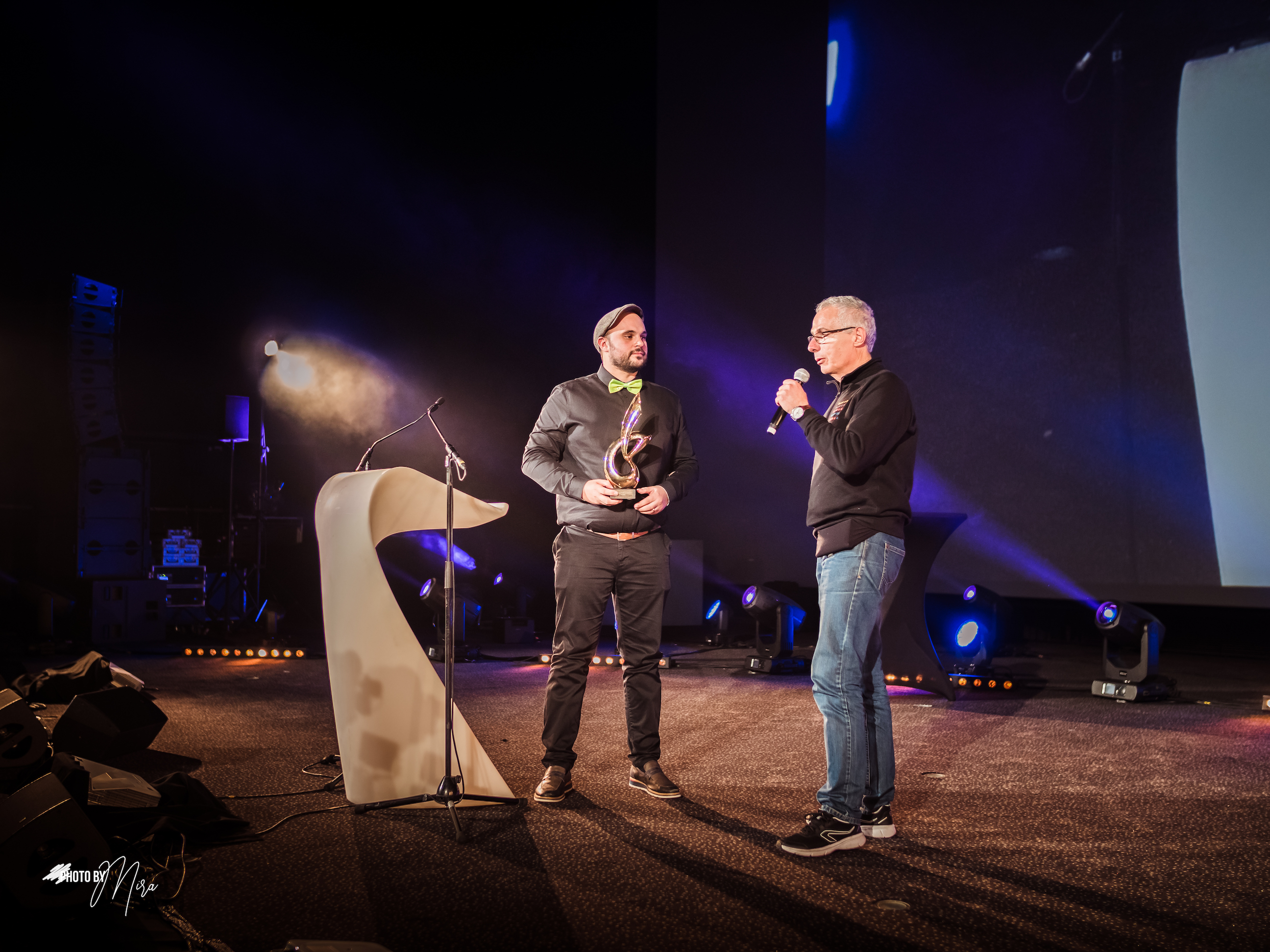
Recognition moments with structure: awards can become long and uncomfortable. We recommend time-boxed categories, pre-briefed recipients, and a clean stage flow (one entry point, one exit point, photos in a controlled zone).
Art animations in Brussels
Opening act that sets tone: a short musical or spoken-word opening (5–7 minutes) can pull people into the room before leadership content. The key is sound control and a fast set-up so it does not delay the program.
Background music with dynamic management: a live trio or DJ can be excellent if the volume is managed per phase (arrival, after speeches, networking). In Brussels corporate settings, the ability to adjust quickly matters more than the “style.”
Host/moderator who can hold bilingual rooms: often the highest ROI “entertainment” choice. A strong MC keeps transitions tight, protects executives’ stage time, and maintains inclusivity across language groups.
Innovative animations in Brussels
Seasonal tasting stations: instead of a single buffet line, stations reduce queues and improve networking. We design the layout with catering to avoid congestion near entrances and coat check.
Brussels-focused pairings: local beers, alcohol-free pairings, or chocolate/coffee moments can create shared conversation starters—useful when teams do not naturally mix.
Service rhythm aligned with speeches: we time food service to protect leadership segments. Nothing kills attention like plates arriving during a strategic message.
Gourmand animations in Brussels
Branded content corners: short video capsules (90–120 seconds) between segments keep the pace and allow leadership to breathe. We script these with Comms so they support the narrative, not distract.
Immersive lighting and stage design: subtle upgrades (gobos with brand marks, colour temperature control, clean lectern branding) can lift perceived quality without “showbiz.”
Micro-activations for hybrid workforces: if not everyone can attend, we can create a controlled capture (multi-camera, clean audio) and a post-event internal cut. The point is clarity and brand compliance, not a flashy livestream.
The benchmark is alignment: entertainment should support your corporate identity, your leadership tone, and your risk profile. We validate every animation against three filters: audience mix in Brussels, venue constraints, and what your executives want the room to remember the next morning.
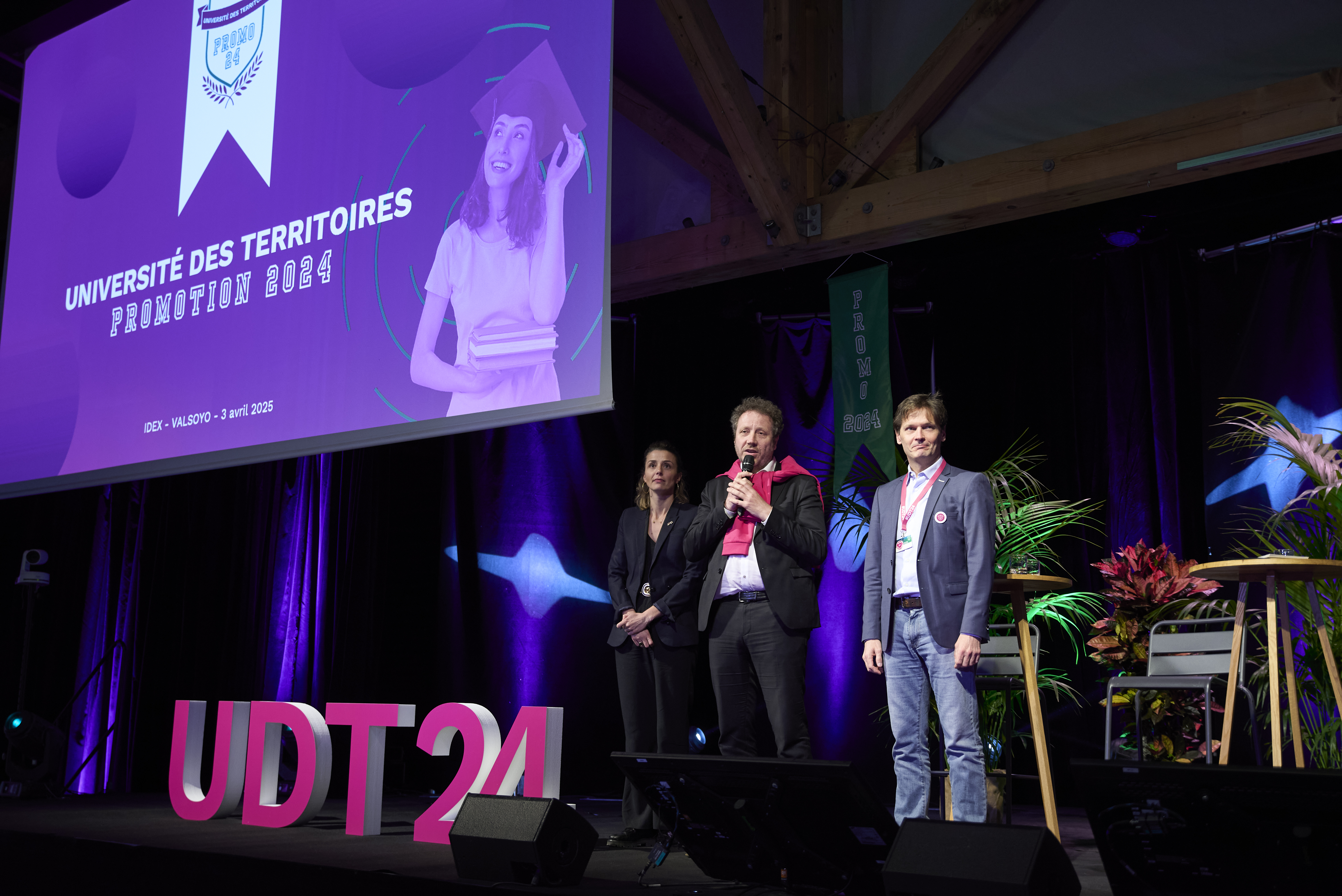
How to choose a Brussels venue for a New Year Ceremony
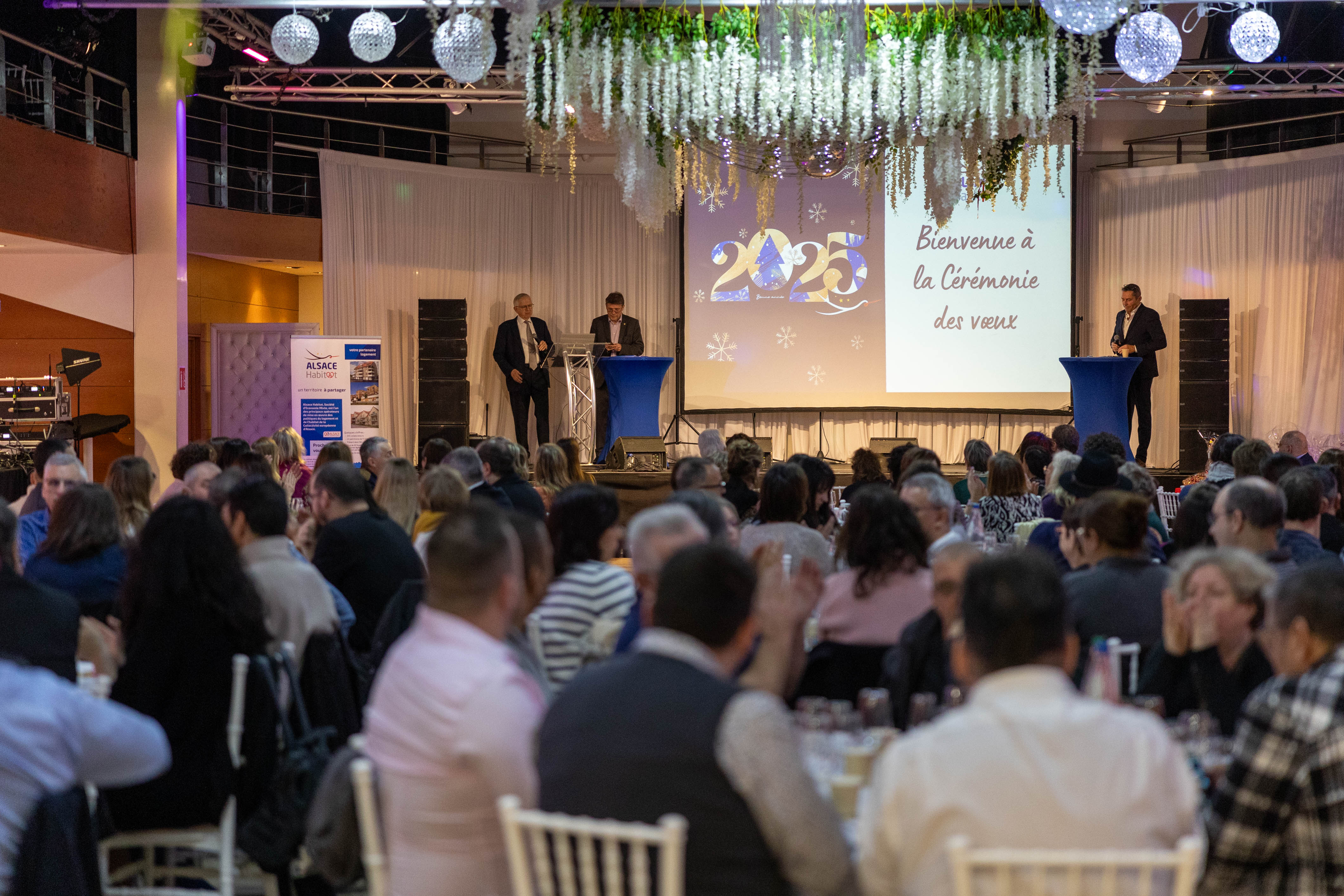
The venue shapes perception before a single word is spoken. Ceiling height, acoustics, entrance flow, and the distance between stage and catering define whether your New Year Ceremony in Brussels feels controlled. We advise clients to choose the venue based on program structure first (speech-heavy vs networking-heavy), then map the guest journey and technical needs.
| Venue type | For which objective? | Main strengths | Possible constraints |
|---|---|---|---|
Conference centre / auditorium | Leadership message, awards, structured program for 200–800 guests | Excellent sightlines, built-in AV, disciplined seating, easy cue management | Can feel formal; networking zones may be separate; catering restrictions |
Hotel ballroom in Brussels | Balanced ceremony + dinner + networking for 120–500 | One-stop ops, predictable service standards, accommodation for out-of-town guests | Branding limitations; AV can be “standard package” unless upgraded |
Industrial/creative event space | Employer brand, culture-driven formats, more informal networking for 150–700 | Strong atmosphere, flexible layouts, impactful staging possibilities | Higher production needs (heating, acoustics, power); stricter safety planning |
We strongly recommend a site visit before finalizing. In Brussels, two venues with the same capacity can behave very differently for sound, queue management, and taxi access. A 45-minute walkthrough with the right checklist prevents costly last-minute changes.
What budget range to plan in Brussels for a New Year Ceremony
Pricing depends on format, venue, and production level. For a corporate New Year Ceremony in Brussels, budgets typically move more with technical complexity and catering choices than with “entertainment” alone. We build budgets with transparent lines so you can arbitrate without losing control of quality.
Attendance and guest profile: 80 vs 400 guests changes staffing, check-in, coat check, security, and catering service model.
Venue model: all-inclusive hotel packages versus dry hire spaces requiring full production (furniture, AV, staffing) create very different cost structures.
AV and staging: microphones, screens, cameras, lighting design, lectern branding, and rehearsal time. Speech intelligibility is a non-negotiable line item.
Catering format: seated dinner, buffet, stations, or cocktail. In Brussels, labour costs and service rhythm have a strong impact—especially when you need bilingual service staff.
Run-of-show density: awards, multiple speakers, video segments, and Q&A require more cues, more rehearsal, and often a stage manager.
Compliance and duty of care: security presence, first aid readiness depending on venue requirements, and safe alcohol management.
We approach ROI in practical terms: leadership message retention, attendance rate, and reduced friction for HR/Comms teams. A ceremony that starts on time, sounds clear, and supports real networking can justify its budget because it protects executive credibility and helps collaboration in the weeks that follow.
Why choose a Brussels event agency for your New Year Ceremony
For decision-makers, the question is not whether an agency can design a concept—it is whether they can deliver in real conditions. An event agency in Brussels reduces operational risk because we know local venues, supplier response times, traffic realities, and the standards expected by Brussels-based headquarters. That local familiarity is what keeps the event day stable.
We also operate with Brussels corporate habits: short approval cycles close to the date, last-minute attendee changes, and the need for discreet execution when the audience includes external stakeholders or senior leadership. Our production approach is built around control points—site visit, technical plan, rehearsal, and floor management—so your internal teams do not become the default helpdesk.
When it makes sense, we involve your internal services (facilities, IT, security, HRBP network) early, because many issues in a ceremony are cross-functional: badge printing, access control, content approvals, or building policies. This coordination is where a local agency adds measurable value.
- Faster venue and supplier troubleshooting thanks to on-the-ground relationships in Brussels.
- Better risk management: practical contingency plans for transport, speaker delays, and technical incidents.
- More accurate budgeting: realistic labour, logistics, and production lines for Brussels conditions.
- On-site leadership: a single accountable production lead with a clear chain of command.
We approach ROI in practical terms: leadership message retention, attendance rate, and reduced friction for HR/Comms teams. A ceremony that starts on time, sounds clear, and supports real networking can justify its budget because it protects executive credibility and helps collaboration in the weeks that follow.








Examples of Brussels ceremony formats we deliver
Our Brussels projects vary because organizations vary: some want a concise, speech-led ceremony with precise staging; others need a culture moment that reconnects teams after a demanding year. We regularly deliver formats such as:
Leadership ceremony + cocktail for HQ audiences where message clarity is the priority (tight seating plan, strong audio, controlled transitions).
Awards and recognition ceremony where HR needs a dignified flow and the comms team needs photo/video outputs that are brand-compliant.
Multi-entity group ceremony with a moderated structure, bilingual on-screen content, and networking prompts to mix teams across business units.
Operational workforce-friendly ceremony with staggered arrivals, quick-service catering, and a program designed to respect shift constraints.
In each case, we document what matters to executives: what will be said, how long each segment lasts, who owns each validation, and how we keep the room engaged without pushing the event into a “show” that doesn’t fit the company.
Common pitfalls to avoid in Brussels corporate ceremonies
Underestimating acoustics: a beautiful venue in Brussels can still produce poor speech intelligibility. If the message is not heard, the event fails—no matter how good the catering is.
No real run-of-show: a vague agenda leads to late starts, rushed speeches, and suppliers making decisions on the fly.
Catering and speeches competing: service starting during leadership segments splits attention and creates noise.
Late branding approvals: signage, slides, stage visuals and videos need governance; last-minute changes create production errors.
Single point of failure: relying on one person internally for check-in, speaker handling, and supplier questions creates stress and visible chaos.
Ignoring end-of-event departures: coat check peaks, taxis, and staggered exits need planning—especially in winter conditions.
Our role is to prevent these risks with a structured production approach, clear responsibilities, and on-site control. That is what keeps your leadership team focused on people and messaging, not operational noise.
Why Brussels clients renew with the same agency each year
Annual ceremonies are a trust exercise. Clients renew when they feel the agency protects their time, their brand, and their internal reputation. In Brussels, where teams often benchmark suppliers quickly, loyalty is earned through predictable delivery and transparent collaboration.
Recurring annual planning: many clients lock a date window and venue shortlist early, then adjust content closer to the event.
Operational continuity: maintaining supplier knowledge (venue constraints, technical specs, access rules) reduces rework year over year.
Stable stakeholder management: we keep a documented history of what worked and what did not—run-of-show timings, catering flow, speaker coaching notes.

Loyalty is not about habit; it is proof that the event day remained controlled and that internal teams did not carry unnecessary pressure. That is the standard we aim for with every New Year Ceremony.
Our Brussels delivery process from brief to event day
👉 Brussels discovery and stakeholder mapping
We start with a working session with the executive sponsor, HR lead, and comms owner. We clarify objectives (alignment, recognition, networking), audience mix, language approach, and non-negotiables (brand rules, security, end time). We also map approvals so decisions do not get stuck.
👉 Program architecture and run-of-show build
We design a program that the room can follow: opening, leadership blocks, transitions, entertainment or engagement moments, and networking. We create a minute-by-minute run-of-show with responsibilities (who cues what) and we plan the pacing around real constraints like service noise and stage resets.
👉 Venue shortlist and technical feasibility in Brussels
We propose venues that match your program, not just your capacity. For each option, we flag technical requirements (audio coverage, screens, rigging), guest flow (entrance, coat check, washrooms), and logistics (access times, loading, parking, public transport). We then validate feasibility with suppliers.
👉 Supplier production and content coordination
We contract and coordinate AV, catering, furniture, host/MC, entertainment, photo/video and any security requirements. In parallel, we support your teams on content: slide format, video specs, speaker needs, stage blocking, and bilingual on-screen messages.
👉 Rehearsal, event-day management, and wrap-up
We run a technical rehearsal for key speakers and stage cues. On the day, we manage check-in, floor flow, timings, and supplier coordination. After the event, we debrief with you on attendance, what to keep for next year, and what to adjust—so each edition becomes easier to run.
FAQ sur l'organisation New Year Ceremony à Brussels
How far in advance to book a Brussels New Year Ceremony venue?
For Brussels dates in January, plan 8–12 weeks minimum for common corporate time slots. For premium venues or large capacities (400+), 3–6 months is safer, especially if you need a specific weekday.
What is a realistic budget per person in Brussels?
For a corporate New Year Ceremony in Brussels, a frequent range is €85–€180 per person for venue + catering + basic AV in a clean corporate standard. With higher production (staging, multiple screens, host, entertainment, video capture), it often moves to €180–€320+ depending on complexity and venue model.
How long should speeches last at a Brussels ceremony?
In most Brussels corporate rooms, keep the main leadership block to 20–35 minutes total, split into 2–4 segments with planned transitions (video, host, recognition). Individual speakers are strongest at 5–8 minutes each when the room is standing or in cocktail format.
How do you handle bilingual audiences in Brussels events?
We plan bilingual touchpoints where they matter: invitations, signage, key on-screen messages, and moderator scripts. For speeches, the most reliable model is a single-language delivery supported by bilingual slides and a bilingual host for transitions, which keeps timing tight and avoids awkward live interpretation unless it is required.
What are the biggest logistics risks in Brussels in January?
The top risks are late arrivals due to traffic/public transport disruptions, coat check congestion, and venue access restrictions for suppliers. We mitigate with staggered arrival windows, adequate staffing at peak points, clear supplier load-in plans, and a run-of-show that can absorb a 10–15 minute delay without collapsing.
Plan your Brussels New Year Ceremony with a clear production plan
If you are comparing agencies, we suggest starting with a short working call: target date options, audience size, the leadership message structure, and the venue model you prefer. From there, we can propose a realistic program and a transparent budget range for your New Year Ceremony in Brussels, including staffing and technical requirements.
Reach out early if you want first-choice venues and calmer approvals. We will come back with a concrete proposal: run-of-show, supplier approach, and the operational plan that keeps your event day under control.
INNOV'events Brussels Agency
Justin JACOB is the manager of the INNOV'events Brussels office. Reach out directly by email at belgique@innov-events.be or via the contact form.
Contact the Brussels agencyAll our services & entertainment Brussels, Belgique
Discover our event services
Discover our event entertainment available in the Belgique
- Event Hostess in Brussels
- Escape Game in Brussels
- MasterChef Cooking Workshop in Brussels
- Magician in Brussels
- Marquee Rental in Brussels
- Color Analysis Workshop in Brussels
- Inflatable Games in Brussels
- Valet Parking Service in Brussels
- Football Simulator in Brussels
- LED Furniture Rental in Brussels
- Light Branding in Brussels
- Unique Dining Experience in Brussels
- Light Painting in Brussels
- Murder Mystery Party in Brussels
- Prize Contest in Brussels
- Promotional Displays (POS) in Brussels
- Virtual Reality in Brussels
- Molecular Gastronomy Workshop in Brussels
- Halloween Entertainment in Brussels
- Fireworks Show in Brussels
- Giant Games Challenge in Brussels
- Event Host / MC in Brussels
- Photo Booth Animation in Brussels
- Santa Claus Entertainment in Brussels
- Kids Entertainment in Brussels
- Guided Tour in Brussels
- Urban Rally in Brussels
- Ball Pit in Brussels
- Flight Simulator in Brussels
- Food Truck Rental in Brussels
- World Record Challenge in Brussels
- Surf Simulator in Brussels
- Wine Casino in Brussels
- Makeover Workshop in Brussels
- Perfume Creation Workshop in Brussels
- Acting Workshop in Brussels
- CSR Activities in Brussels
- Archery in Brussels
- Security Staff in Brussels
- Wine Tasting in Brussels
- Mime Performer in Brussels
- TV Game Show in Brussels
- Funfair in Brussels
- Crisis Management Workshop in Brussels
- Crisis Negotiation Workshop in Brussels
- Arcade Games in Brussels
- Indoor Skydiving Simulator in Brussels
- Ski Simulator in Brussels
- Racing Circuit Experience in Brussels
- Introductory Flight Experience in Brussels
- Tasting Experience in Brussels
- Build Your Own Foosball Workshop in Brussels
- 2CV Rally in Brussels
- LEGO Challenge in Brussels
- Casino Night in Brussels
- Interpreter / Translator in Brussels
- Promotional Giveaways in Brussels
- Shuttle Transport in Brussels