
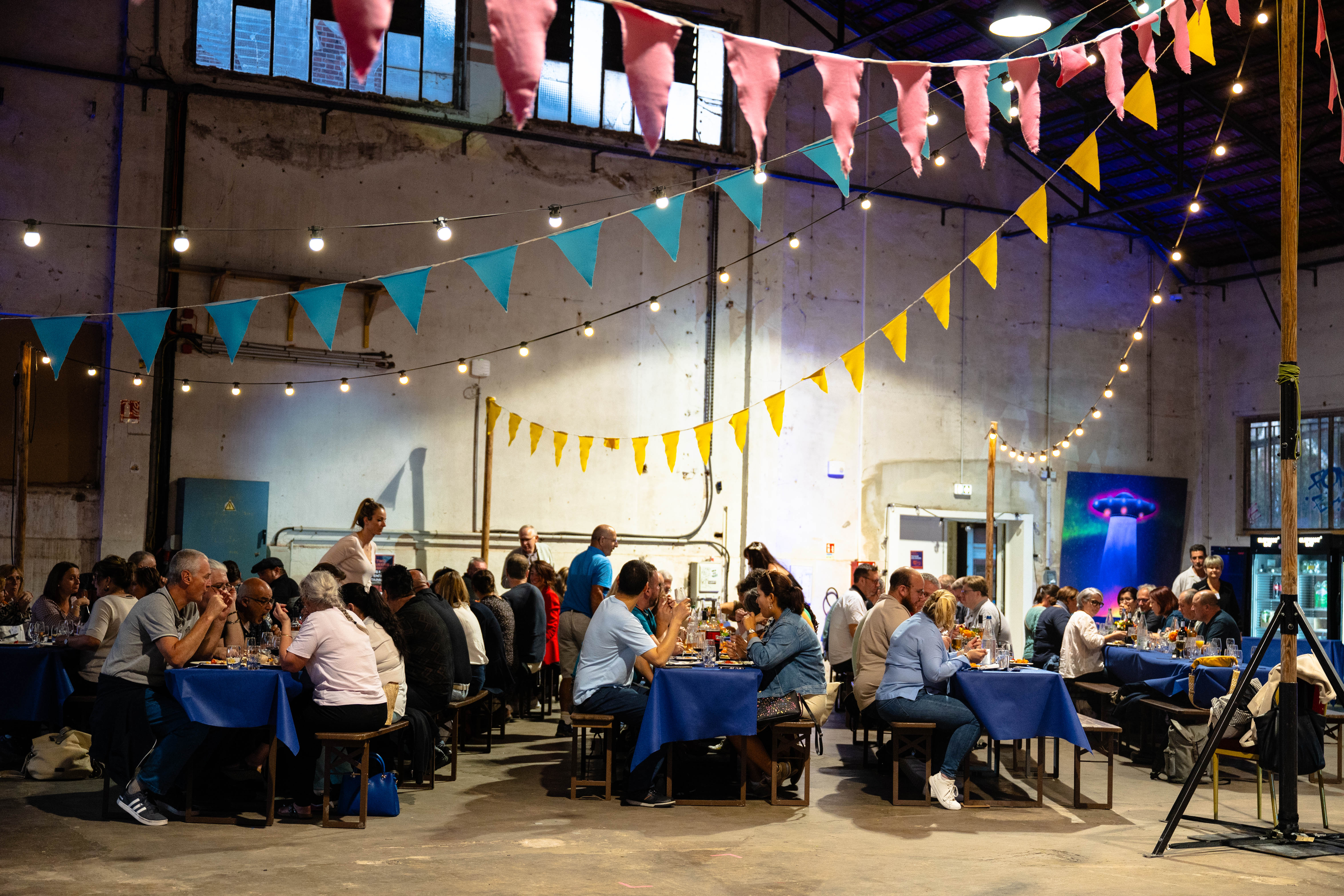
Immersive Culinary Experience in Brussels that strengthens culture and connections
INNOV'events designs and produces Immersive Culinary Experience formats in Brussels for executive offsites, client evenings, and HR moments—from 20 to 600 attendees.
We handle venue shortlisting, chef sourcing, production planning, guest flow, dietary management, and on-site coordination so your leadership team can focus on hosting.
Sommaire
In a corporate agenda where people are saturated with speeches and screens, culinary immersion is one of the rare formats that generates participation without forcing it: guests naturally talk, move, and collaborate while they cook, taste, and build a shared result. For executives, it’s an efficient way to create measurable interaction and reduce “silent rooms” that weaken internal messages.
In Brussels, organisations typically expect a high standard of hospitality, multilingual facilitation (FR/NL/EN), and a rhythm that fits tight schedules—often with staggered arrivals from EU district meetings, airport transfers, or late-running plenaries. They also expect zero improvisation on allergies, vegan/halal requests, and a seamless guest journey in venues with strict access rules.
As an event agency in Brussels, INNOV'events operates with local chefs, premium caterers, and venues we know operationally—loading access, kitchen capacity, sound limits, and security constraints included. Our approach is production-first: we design the concept, but we also lock the run-of-show, staff ratios, and contingency plans that protect your reputation on event day.
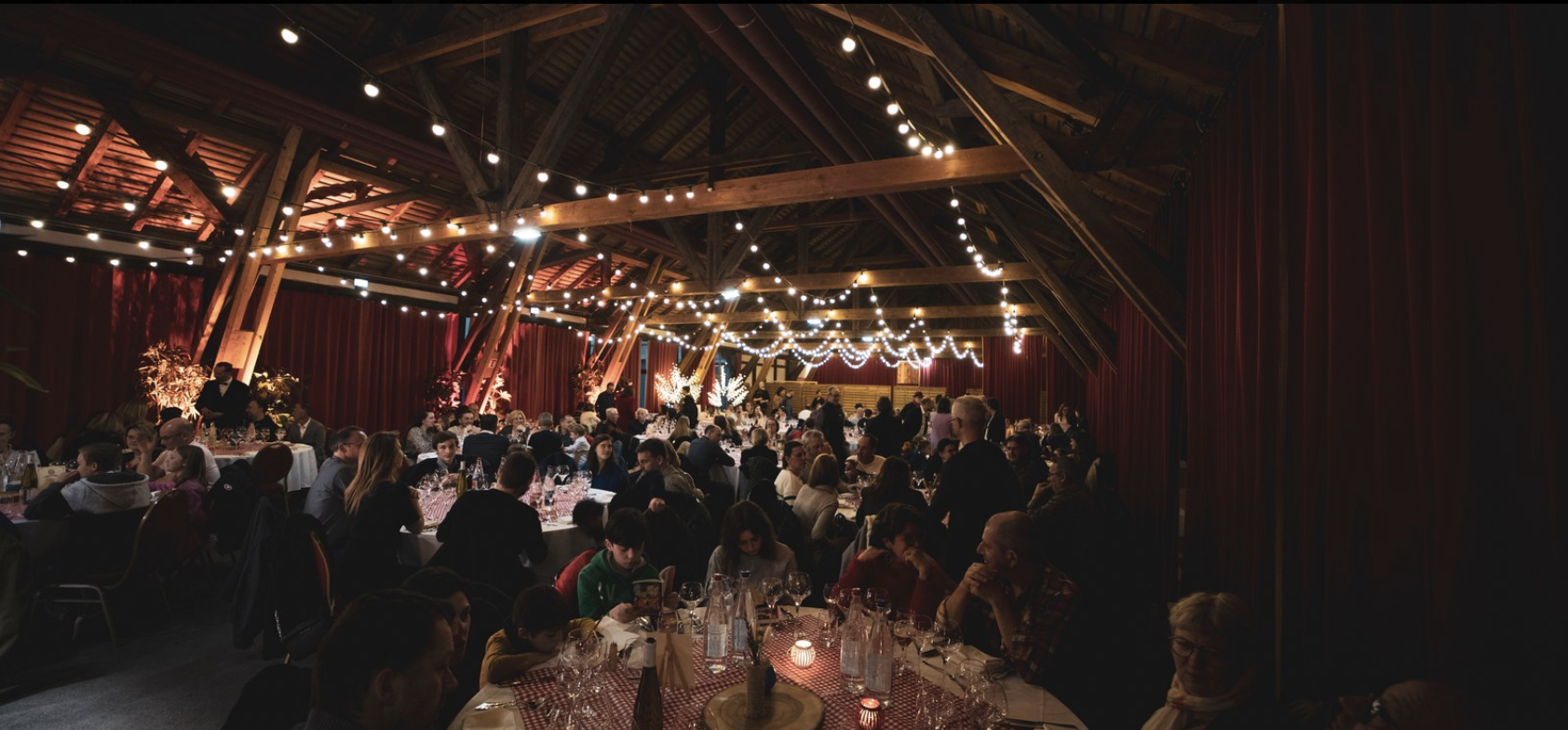
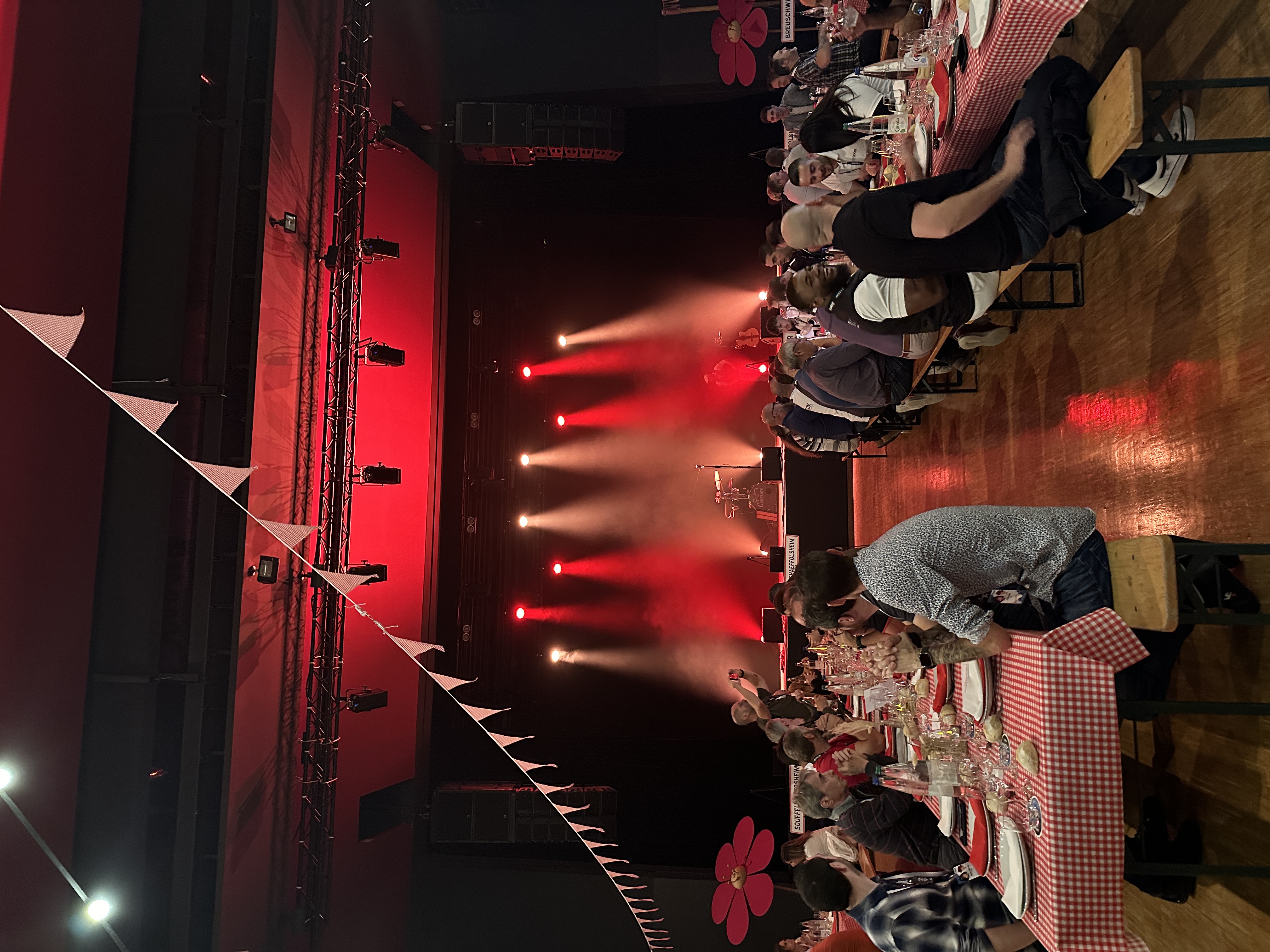
Brussels proof points executives ask for before signing
10+ years producing corporate events across Belgium with recurring multinational accounts.
Operational capacity from 20 to 600 guests on culinary formats (stations, seated, roaming, hybrid schedules).
3 languages available on-site (FR/NL/EN) for briefings, MC moderation, and chef facilitation when needed.
Standard production toolkit: H&S checklists, dietary matrices, run-of-show, supplier SLAs, and on-site command structure.
Client references in Brussels and repeat collaborations (1000–1210)
We regularly support organisations based in Brussels—from headquarters teams to regional hubs—who need reliable delivery rather than experimental formats. Some clients come back year after year because they know we keep the same discipline: clear brief, realistic production plan, and a controlled guest experience that reflects their brand standards.
To include specific company names as references, we need the list you mentioned (you can paste it as-is). Once received, we will integrate them transparently in this section, with the type of event and the business objective (e.g., leadership dinner, onboarding, client hospitality, change programme milestone) while staying compliant with confidentiality boundaries.
 Besoin d’un devis rapide ?
Nous vous envoyons une première proposition sous 24h.
Why plan an immersive culinary event in Brussels for leadership goals
A well-designed Immersive Culinary Experience in Brussels is not “food entertainment”; it is a structured social system. When people cook together, assemble plates, or navigate tasting routes, you can engineer the moments where silos break, leaders become accessible, and new joiners integrate—without forcing awkward icebreakers.
We often see this used at three key moments: post-merger cultural integration, annual strategy rollouts where alignment matters, and client events where trust must be built quickly but with discretion.
Stronger cross-team collaboration in a short time window: rotating stations and timed challenges create natural micro-teams, useful when your attendees don’t normally work together (HQ vs. field, sales vs. compliance, IT vs. business).
Executive accessibility without losing authority: leaders can host a station, introduce a course, or share a personal “food memory” linked to company values—human, but still controlled and on-message.
Better attendance and punctuality compared to classic cocktail formats: culinary milestones (start of the first station, chef’s reveal, pairing moment) act as anchors that reduce late drift and early exits.
Brand protection through controlled hospitality: dietary management, premium non-alcoholic pairings, and clear service sequences avoid the common issues that damage image (confusion at buffet, allergy incidents, long queues).
Meaningful content without slides: product, ESG, or transformation narratives can be embedded as “ingredients” (local sourcing, waste reduction challenge, data-driven pairing) rather than speeches that people tune out.
Better networking density: compared to a seated dinner where guests talk to two people, station design and guided tastings create 8–15 meaningful interactions per guest over an evening.
Brussels is a city where international culture meets Belgian craft—ideal for formats that respect protocol while still feeling warm. When you align the culinary scenario with your corporate narrative, you match the local expectation: substance first, style as a consequence.
What Brussels organisations expect from an immersive culinary format
Running a culinary experience in Brussels means working with real constraints that decision-makers care about: security procedures in certain districts, unionised venue operations, strict access windows for loading, and sound limitations that can affect live cooking or DJ concepts. We plan with these realities from the first technical recce, not the week before.
Most corporate guests in Brussels are used to high service levels and international standards. That changes the baseline: coat check must be fast, signage must be multilingual, and the flow must be obvious even for guests who arrive mid-programme after meetings in the EU quarter. For HR and Comms teams, the risk is not that the concept is “not fun”; it’s that the evening feels disorganised or excludes certain groups (dietary, cultural, accessibility).
We also factor in mobility and timing. Brussels traffic is predictable only in one sense: it will be unpredictable. For that reason, we often propose staggered culinary journeys (multiple start times), clear arrival buffers, and a late-comer integration plan so no one feels they “missed the show”.
Finally, Brussels audiences are attentive to authenticity. If you claim local sourcing, you need to show it in the ingredients, the chef story, and the waste plan—not in slogans. That’s where production discipline becomes brand discipline.
Which immersive culinary animations work best in Brussels corporate events
Entertainment in culinary formats is not about adding noise; it’s about structuring engagement. The best corporate event entertainment in Brussels is the kind that creates interaction while keeping service quality, timekeeping, and brand tone under control. Below are formats we use when the brief is “high participation, low risk”.
Interactive animations in Brussels
Chef-led team stations (45–75 minutes): small groups rotate through 2–4 stations (e.g., plating, sauces, finishing). We assign roles to avoid “spectators”, and we design an evaluation moment (taste, presentation, storytelling) that feels professional, not childish.
Pairing workshops with decision points: guests choose pairings (beer, wine, kombucha, zero-proof) based on simple criteria. This works well for Comms teams because it mirrors decision-making under constraints and creates conversation across hierarchies.
Market basket challenge with governance: teams receive a basket and a rule set (budget cap, local-only, low-waste). We include a short briefing on sourcing and waste, so it aligns with ESG narratives without becoming a lecture.
Art animations in Brussels
Culinary storytelling with a discreet MC: in Brussels, many audiences prefer elegance over showmanship. A bilingual MC can connect chapters (ingredient origin, chef background, company message) while keeping the room calm and timing tight.
Live food illustration / plating artistry: an artist collaborates with the chef to create visual plating moments for VIP tables or a central reveal. It’s effective for client events where brand image and photography matter.
Sound design instead of a loud band: curated soundscapes that support conversation and can be reduced instantly for speeches—useful in venues with sound restrictions.
Innovative animations in Brussels
Belgian craft focus (without clichés): beyond waffles, we propose chocolate bean-to-bar tastings, Belgian cheese pairings, or saison/Trappist pairing routes with clear moderation policies. This fits international audiences in Brussels who want local authenticity.
Seated immersive dinner with “table labs”: instead of passive courses, each table gets a controlled micro-experiment (aroma kits, finishing salts, texture contrasts). It keeps engagement high while preserving a premium dinner feel.
Executive-level dietary excellence: curated vegan and alcohol-free pairings that feel premium, not “alternative”. This is often a decisive factor for HR and DEI expectations.
Gourmand animations in Brussels
Data-driven tasting journey: guests answer 3–5 preference questions; we route them to stations accordingly. It reduces congestion and creates personalised talk tracks without collecting sensitive data.
Augmented menu (QR only if it adds value): QR can provide multilingual ingredient transparency and allergen info—useful in Brussels. We avoid “tech for tech’s sake” and keep a paper fallback for VIP comfort.
Low-waste production challenge: measured waste tracking (by station) and a closing report. This is credible when your company has ESG commitments and wants proof beyond a promise.
Whatever the concept, we align it with your brand: service tone, dress code, level of participation, alcohol policy, and photography rules. A strong Immersive Culinary Experience can feel premium and controlled—if the entertainment is designed as part of the operational plan, not added at the end.
Where to host an Immersive Culinary Experience in Brussels
Venue selection is not aesthetic only; it dictates what is technically possible (open flame, extraction, refrigeration), how guests circulate, and how your brand is perceived. In Brussels, we often shortlist venues based on kitchen infrastructure and loading access before we even discuss décor.
| Venue type | For which objective? | Main strengths | Possible constraints |
|---|---|---|---|
Industrial/creative event spaces (can host pop-up kitchens) | High-energy team building or client event with multiple stations | Flexible layout, easy zoning for stations, strong production potential | May require temporary kitchen build, sound management, additional heating in winter |
Hotels with banqueting + professional kitchen | Executive dinners, international guests, complex dietary requirements | Reliable service standards, built-in kitchen capacity, bedrooms on-site | Less flexibility for hands-on cooking, stricter timing and supplier rules |
Gastronomic restaurants with private areas | VIP client hospitality, board-level moments, small leadership groups | High culinary credibility, refined service, strong chef presence | Capacity limits (often 15–80), exclusivity costs, limited branding options |
We recommend a site visit before confirmation: we check loading routes, storage, electrical capacity, extraction, and guest flow. In Brussels, these “invisible” details decide whether the event runs calmly or becomes a constant series of micro-problems on the night.
What budget to plan for an immersive culinary experience in Brussels
Pricing depends less on “food quality” alone and more on production complexity: number of stations, staffing ratios, kitchen build, service style, venue constraints, and timing. For leadership teams, transparency matters—especially when Procurement or Finance will challenge each line item.
As a realistic indication in Brussels, corporate immersive culinary formats often fall between €120 and €350+ per person (excluding venue), depending on service level and technical build. For larger volumes, per-person cost can decrease, but staffing and infrastructure remain the main drivers.
Number of guests and format: a seated immersive dinner has different staffing and kitchen needs than a roaming station concept for 250+ guests.
Chef profile and brigade size: celebrity-level chefs, bilingual facilitation, and multiple station leads increase cost but also reduce execution risk.
Venue infrastructure: if the venue lacks extraction, refrigeration, or prep space, we need a pop-up kitchen build (equipment rental, transport, technicians).
Dietary complexity: high proportions of vegan/gluten-free/halal can require parallel prep lines and additional controls to avoid cross-contamination.
Service design: plated vs. buffet vs. interactive plating affects staff ratios, timing, and glassware/tabletop requirements.
Branding and content: storytelling elements, multilingual signage, and discreet stage moments require copy, design, print, and show calling.
Security and access: certain Brussels locations require additional security, badge control, or limited delivery windows that increase labour and transport planning.
We frame budget discussions around ROI that decision-makers can defend: attendance, stakeholder time efficiency, quality of interactions, and brand protection. The most expensive culinary event is the one that creates reputational friction—queues, confusion, or an allergy incident—because the saving rarely survives the debrief.
Why choose a Brussels-based agency for culinary immersion
For culinary experiences, local execution matters because the “risk surface” is operational: sourcing, timing, access, staffing, and venue realities. A Brussels-based team shortens the feedback loop—site visits are faster, supplier replacement is realistic, and on-the-ground coordination does not depend on long-distance travel buffers.
We also know the working style of Brussels venues and suppliers: how strictly they enforce access times, what is negotiable, and what is not. That knowledge is rarely visible in a proposal, but it is what prevents last-minute compromises that impact guest experience.
- Faster recce and technical validation: we confirm kitchen feasibility early (extraction, power, prep space), avoiding late-stage redesigns.
- Reliable chef/catering network: access to proven teams who can scale staffing in peak seasons.
- Local logistics control: transport planning that accounts for Brussels traffic patterns, loading restrictions, and parking realities.
- On-site command structure: a Brussels production team that can deploy early, manage suppliers, and protect your internal hosts.
We frame budget discussions around ROI that decision-makers can defend: attendance, stakeholder time efficiency, quality of interactions, and brand protection. The most expensive culinary event is the one that creates reputational friction—queues, confusion, or an allergy incident—because the saving rarely survives the debrief.







Examples of immersive culinary projects delivered in Brussels
Our projects vary because the corporate problem varies. For a post-acquisition integration, we built a multi-station format where newly merged teams had to complete a shared menu under time constraints, with facilitation designed to mix functions intentionally (finance with sales, operations with legal). The success metric was not “fun”; it was the number of new cross-team interactions reported in a post-event pulse survey and the reduced friction in subsequent workshops.
For a client hospitality evening in Brussels, the challenge was discretion and flow: VIP guests arrived in waves after external meetings, and we needed to avoid a “latecomer penalty”. We structured the experience as a looping tasting journey with repeatable chapters every 25 minutes, supported by hosts who could integrate guests smoothly without announcements.
For an HR onboarding cohort, we delivered a hands-on culinary workshop with strict dietary management (high vegetarian proportion, several allergens) and a moderated debrief linking the experience to collaboration behaviours. The operational takeaway: dietary excellence and calm timing create psychological safety—key when people are new and evaluating the company culture.
Common pitfalls we avoid on Brussels culinary event days
Underestimating throughput: too few stations or under-staffed service creates queues that damage perceived quality within 15 minutes.
Ignoring venue technical limits: insufficient power, lack of extraction, or restricted loading access forces last-minute menu changes.
Dietary handled informally: relying on guests “to ask” increases the risk of errors; we implement labelled pathways and staff briefings.
No plan for staggered arrivals: common in Brussels; guests arriving late should still enter a coherent experience.
Sound and speech conflicts: cooking noise and music can kill a CEO moment; we plan “quiet windows” and technical cues.
Photography without governance: culinary moments are visual, but client privacy and brand rules must be managed (consent, restricted areas).
Our role is to de-risk the evening: we anticipate where corporate events typically fail, then design the production plan so you don’t have to manage operational issues while hosting stakeholders.
Why Brussels clients rebook INNOV'events for culinary formats
Repeat business is usually earned in the details: how we brief staff, how we react when timing shifts, and how we protect the host team. Many of our Brussels clients operate under strong brand governance and cannot afford an event that feels improvised.
Typical planning lead time: 4–10 weeks depending on venue and chef availability; we can compress timelines with trade-offs clearly stated.
Recommended staffing ratio: often 1 staff per 15–25 guests on interactive stations (varies by service level and venue).
Dietary data cut-off: ideally 7–10 days before event for full control; we keep a buffer for last-minute changes.

Loyalty is a by-product of controlled delivery: when the programme stays on time, the food is consistent, and guests feel cared for, internal stakeholders gain confidence—and that is what drives repeat collaborations in Brussels.
Our production process for Brussels immersive culinary events
👉 Scope the Brussels reality and define success criteria
We start with a short executive-friendly discovery: audience profile, message constraints, venue preference, dietary profile, and the non-negotiables (timing, speeches, VIP protocol, alcohol policy). We define what “success” means in practical terms: interaction targets, flow, brand tone, and any reporting you need for HR/Comms.
👉 Design the immersive culinary format and guest journey in Brussels
We propose 2–3 format options with clear implications: station count, duration, service style, and staffing. We map the guest journey minute-by-minute (arrivals, welcome, first chapter, transitions, speeches, finale). This is where we solve common Brussels patterns: staggered arrivals and multilingual signage.
👉 Lock venue, chef, and technical feasibility (recce + risk log)
We confirm feasibility on-site: kitchen capacity, extraction, power, storage, loading and lift access, noise limits, and safety. We create a risk log (what can go wrong, likelihood, mitigation) and align it with your internal stakeholders—especially if the venue is a corporate site with strict building rules.
👉 Build the production plan: staffing, suppliers, and run-of-show
We contract the right suppliers (chefs, catering brigade, rentals, AV, hosts) with clear deliverables and call times. We produce a run-of-show and a floor plan, including station throughput assumptions, signage, and backstage prep zones. HR/Comms get a simple briefing pack they can share internally.
👉 Execute on-site with a single command point in Brussels
On the day, we run set-up, supplier check-in, technical checks, staff briefings (including allergy protocols), and show calling. You have one accountable point of contact on-site. We keep hosts free to host—our team manages timing, transitions, and issue resolution quietly.
👉 Close, debrief, and provide actionable feedback
We manage teardown, supplier sign-off, and venue compliance. If requested, we provide a short debrief: what worked, what to improve, dietary stats, attendance observations, and recommendations for your next Brussels event.
FAQ sur l'organisation Immersive Culinary Experience à Brussels
How many guests can join an immersive culinary event in Brussels?
Most formats work well from 20 to 250 guests. With a station-based design and sufficient kitchen build, we can scale to 600 in Brussels, but the venue infrastructure and staffing ratios become the key constraints.
What is the average budget per person in Brussels?
For an Immersive Culinary Experience in Brussels, plan most often €120–€350+ per person (excluding venue). The range depends on station count, chef profile, service level, and whether a pop-up kitchen is needed.
How far in advance should we book in Brussels?
Ideally 6–10 weeks in advance for prime venues and chefs in Brussels. For peak periods (year-end, major congress weeks), 10–14 weeks is safer. Shorter timelines are possible with fewer venue options and simplified production.
Can you manage allergies and halal/vegan requests in Brussels?
Yes. We use a dietary matrix, labelled service pathways, and staff briefings to reduce cross-contamination risk. In Brussels corporate settings, we recommend collecting dietary data 7–10 days before the event and planning a buffer for last-minute changes.
Which Brussels venues work best for interactive cooking stations?
Venues with strong back-of-house access and flexible layouts work best: creative event spaces, certain hotels with large banqueting kitchens, and some private venues that allow temporary kitchen builds. The deciding factors are extraction, power, loading access, and guest circulation—not the décor.
Request a Brussels quote with a clear plan and realistic budget
If you are comparing agencies, we can work in a pragmatic way: share your date range, estimated headcount, audience profile, and any non-negotiables (timing, speeches, dietary constraints, venue preference). We’ll respond with a format recommendation, a first budget bracket, and the operational assumptions behind it—so you can validate internally with HR, Comms, and Finance.
For high-stakes evenings in Brussels, earlier planning gives you better venue choice, better chef availability, and more control over guest flow. Contact INNOV'events to structure your Immersive Culinary Experience with the level of execution your stakeholders expect.
INNOV'events Brussels Agency
Justin JACOB is the manager of the INNOV'events Brussels office. Reach out directly by email at belgique@innov-events.be or via the contact form.
Contact the Brussels agencyToutes nos prestations & animations Brussels, Belgique
Découvrez nos prestations événementielles
Découvrez nos animations événementielles disponibles au Belgique
- Event Hostess in Brussels
- Escape Game in Brussels
- MasterChef Cooking Workshop in Brussels
- Magician in Brussels
- Marquee Rental in Brussels
- Color Analysis Workshop in Brussels
- Inflatable Games in Brussels
- Valet Parking Service in Brussels
- Football Simulator in Brussels
- LED Furniture Rental in Brussels
- Light Branding in Brussels
- Unique Dining Experience in Brussels
- Light Painting in Brussels
- Murder Mystery Party in Brussels
- Prize Contest in Brussels
- Promotional Displays (POS) in Brussels
- Virtual Reality in Brussels
- Molecular Gastronomy Workshop in Brussels
- Halloween Entertainment in Brussels
- Fireworks Show in Brussels
- Giant Games Challenge in Brussels
- Event Host / MC in Brussels
- Photo Booth Animation in Brussels
- Santa Claus Entertainment in Brussels
- Kids Entertainment in Brussels
- Guided Tour in Brussels
- Urban Rally in Brussels
- Ball Pit in Brussels
- Flight Simulator in Brussels
- Food Truck Rental in Brussels
- World Record Challenge in Brussels
- Surf Simulator in Brussels
- Wine Casino in Brussels
- Makeover Workshop in Brussels
- Perfume Creation Workshop in Brussels
- Acting Workshop in Brussels
- CSR Activities in Brussels
- Archery in Brussels
- Security Staff in Brussels
- Wine Tasting in Brussels
- Mime Performer in Brussels
- TV Game Show in Brussels
- Funfair in Brussels
- Crisis Management Workshop in Brussels
- Crisis Negotiation Workshop in Brussels
- Arcade Games in Brussels
- Indoor Skydiving Simulator in Brussels
- Ski Simulator in Brussels
- Racing Circuit Experience in Brussels
- Introductory Flight Experience in Brussels
- Tasting Experience in Brussels
- Build Your Own Foosball Workshop in Brussels
- 2CV Rally in Brussels
- LEGO Challenge in Brussels
- Casino Night in Brussels
- Interpreter / Translator in Brussels
- Promotional Giveaways in Brussels
- Shuttle Transport in Brussels