
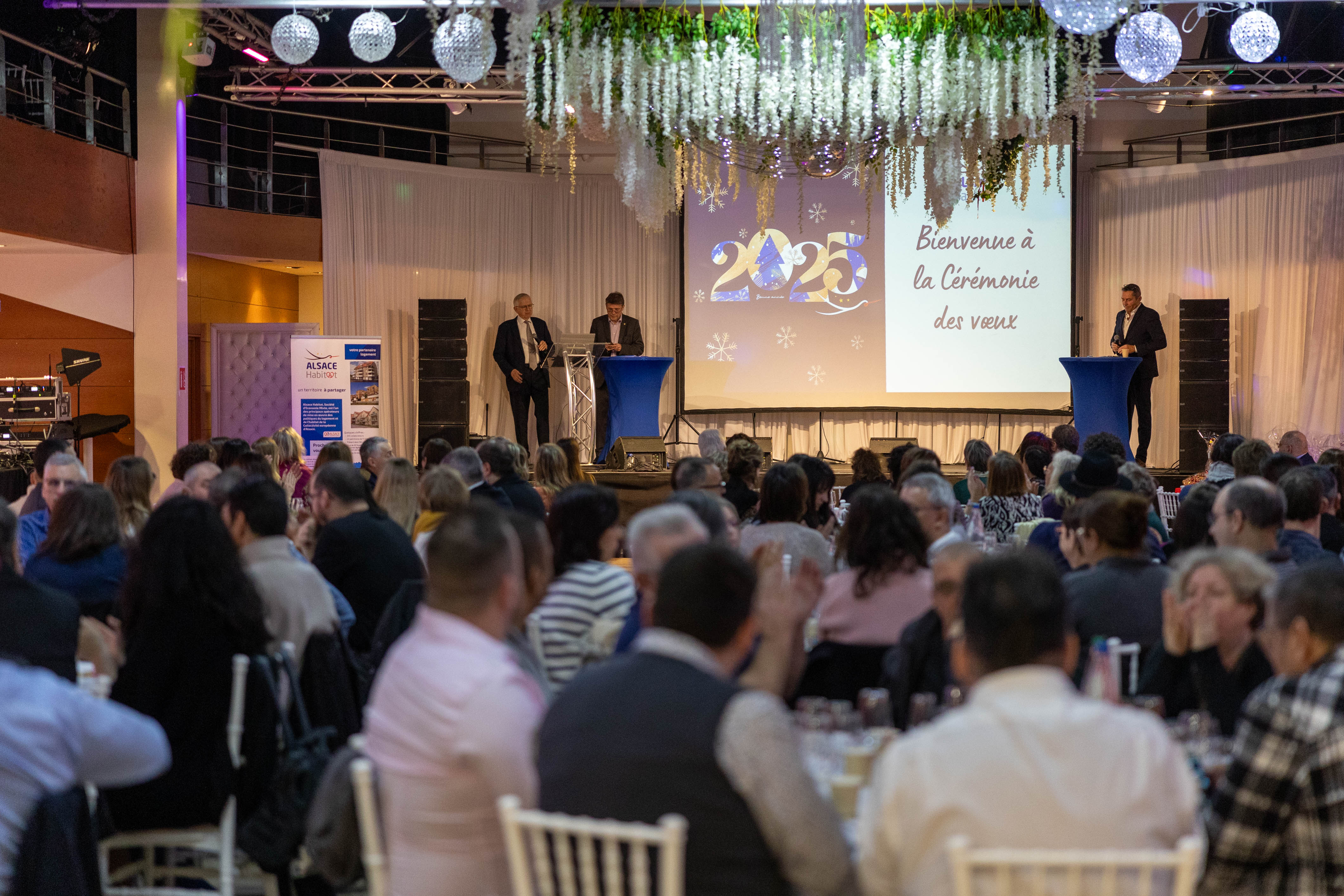
Staff Party in Brussels that runs smoothly and protects your brand
INNOV'events is a Brussels-based team delivering Staff Party in Brussels formats from 40 to 2,000 guests. We manage venue sourcing, technical production, corporate event entertainment in Brussels, catering coordination, staffing, and the full on-site run-of-show. You get a controlled experience: clear timing, reliable suppliers, and measurable engagement—without operational surprises.
Table of contents
Entertainment is not a “nice-to-have” in a corporate event: it’s the lever that moves people from passive attendance to active participation. For executives and HR, the right entertainment reduces friction between teams, strengthens leadership visibility, and supports retention—especially when your workforce is hybrid or spread across sites.
In Brussels, organizations expect professionalism first: multilingual hosting, accessible locations, strict venue rules, and a schedule that respects public transport and traffic constraints. Your staff party is judged on flow (queues, sound, timing), not on buzzwords—so every activity must be operationally sound.
As an event agency in Brussels, INNOV'events brings local supplier discipline and on-the-ground production reflexes. We anticipate venue load-in limits, union/security requirements, sound restrictions, and last-mile logistics—so your internal teams aren’t troubleshooting on the night.
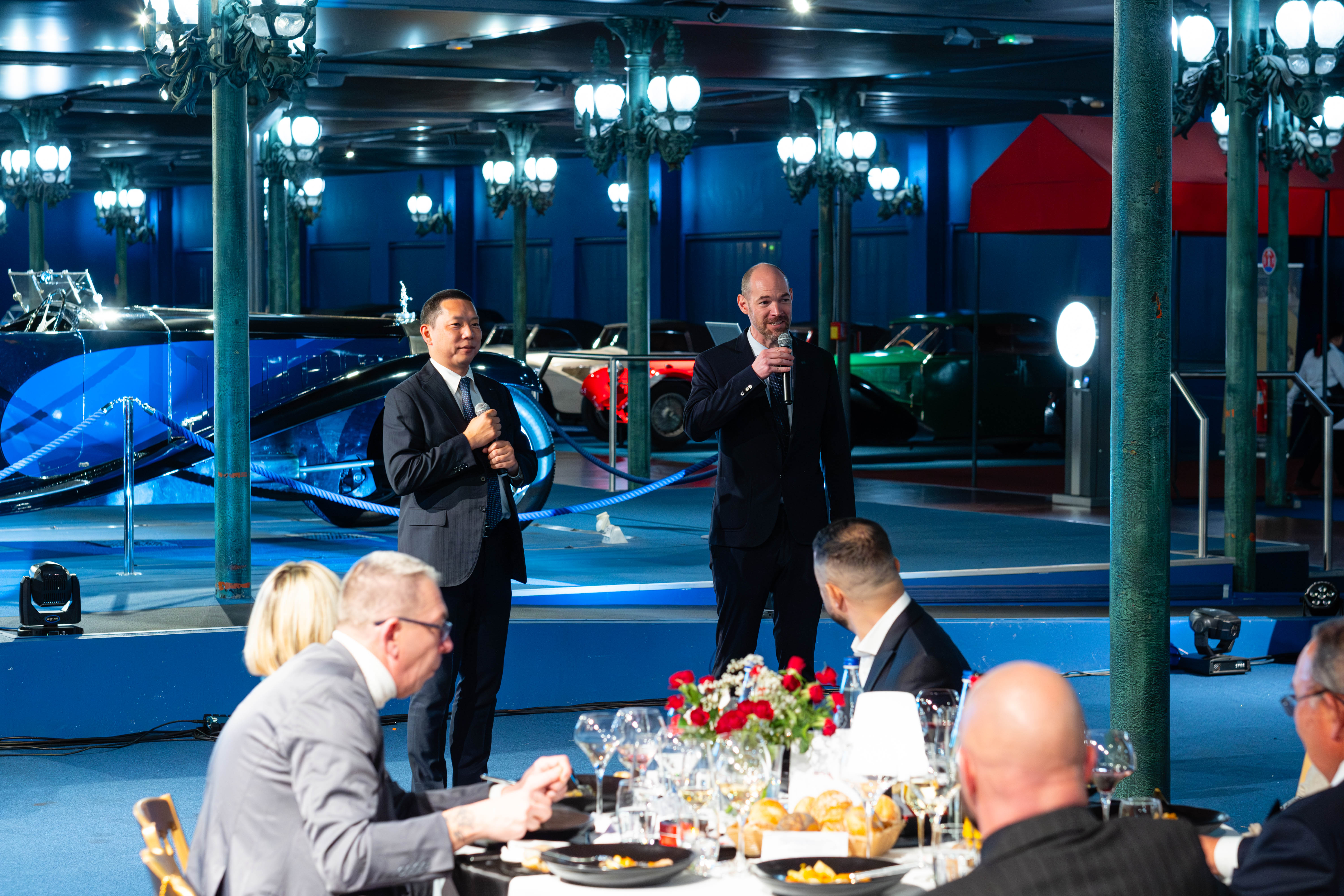
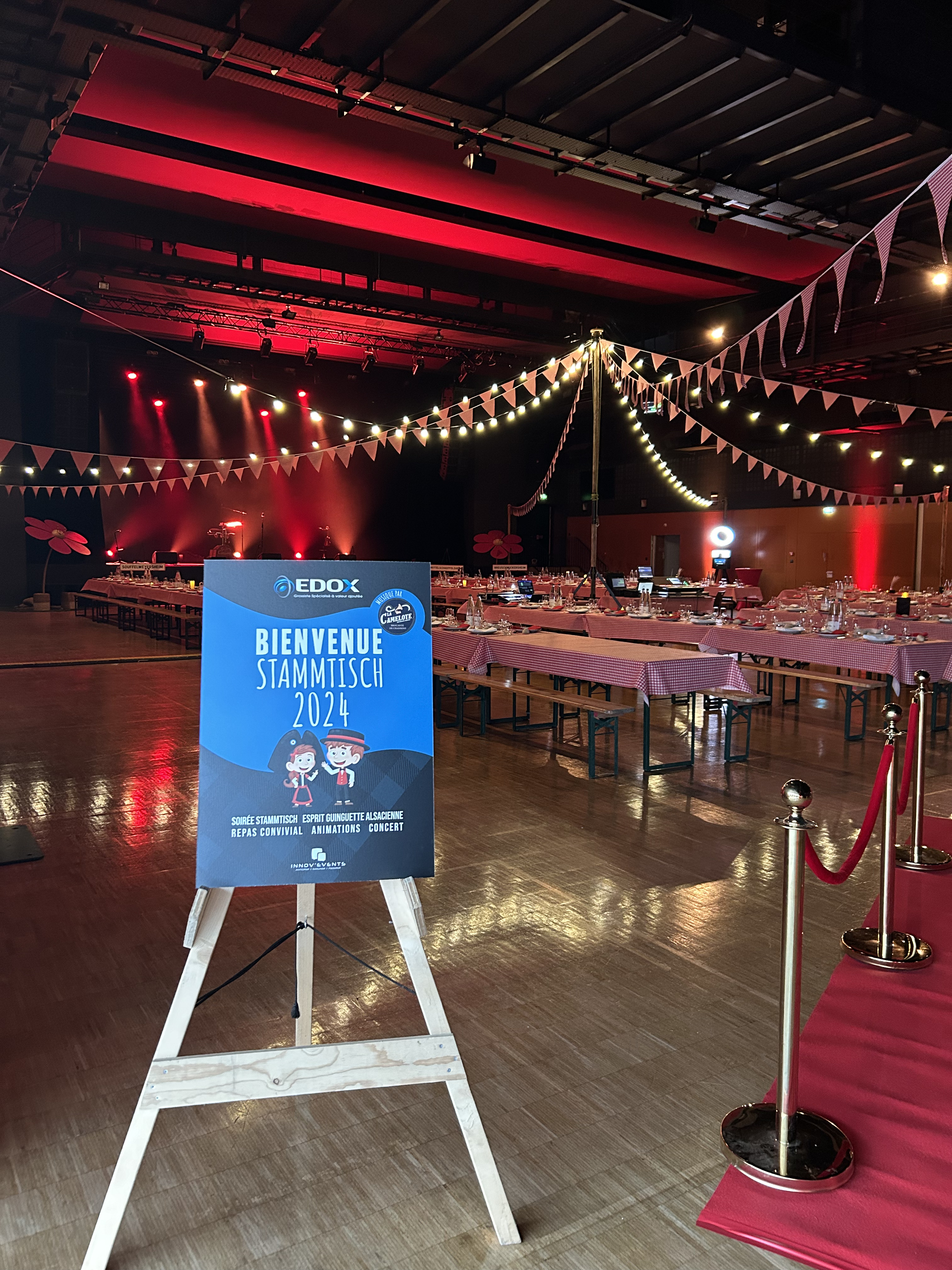
Brussels delivery capability in numbers
10+ years delivering corporate events and Staff Party formats across Belgium, with repeat clients year over year.
Teams sized for real operations: from 1 senior producer + 2 coordinators (80–150 guests) to full production crews for 500+ attendees.
Supplier network built for reliability: vetted caterers, AV, security, hosts, and artists with Service Level Agreements and clear escalation paths.
Typical lead times managed: 4–10 weeks for standard staff parties; 12+ weeks for multi-space venues, custom builds, or 800+ guests.
How to organize a professional event in Brussels?
- Define the objective (cohesion, announcement, fidelity, performance).
- Set date, format and size (20–1 000 people).
- Secure the venue and accommodation according to seasonality.
- Lock down technical, suppliers and logistics.
- Drive the day J (timing, scene, entrance, flow).
Who we support around Brussels year after year
We work with Brussels-based headquarters, EU-adjacent organizations, and Belgian groups running key functions in the capital. Many of our clients come back annually because the same pressure points come back annually: budgets need defending, internal stakeholders multiply, and the event day has zero tolerance for improvisation.
When a communications team needs leadership messaging to land, we build the run-of-show to protect speaking slots and camera angles, not just “fit everything in.” When HR needs a real signal on culture, we design moments that create cross-team contact—without forcing awkward icebreakers. And when executives want a clean, brand-safe evening, we lock the technical and supplier plan early so the experience is consistent from arrival to last shuttle.
We can share relevant Brussels references and site-specific case notes during a briefing (guest counts, venue type, timing, constraints managed), so you can compare agencies on facts rather than promises.
We send you a first proposal within 24h.
What a Brussels staff party solves for leaders
A Staff Party in Brussels is one of the few moments where leadership, HR, and teams share the same room without daily operational noise. Done well, it’s a management tool: it aligns people, recognizes effort, and creates the kind of informal conversations that prevent future churn.
Retention and engagement: a well-structured staff party can support retention when paired with recognition moments (team awards, milestone acknowledgements) and when the flow allows genuine interaction rather than people clustering by department all night.
Employer brand you can defend: employees compare your event quality to what they see in Brussels tech, consulting, and EU ecosystems. A professional production (sound, lighting, timing, food cadence) is perceived as respect for people’s time.
Internal communication impact: leadership messages are remembered when they are integrated into a clean run-of-show (proper staging, microphones, cueing, and short formats). We typically recommend 6–10 minutes total speaking time per leader, with one strong visual asset and a clear transition into the next moment.
Cross-team cohesion: entertainment that is interactive but optional (e.g., roaming micro-activities, photo/reporting corners, low-pressure challenges) increases cross-functional contact without making introverts uncomfortable.
Operational reassurance: with proper access plans, supplier coordination, and contingency planning (weather, transport, tech redundancy), your internal teams can actually attend the party instead of running it.
Brussels has a results-driven economic culture: people expect clarity, timing, and inclusivity. A staff party that respects those codes sends a stronger signal than any internal email campaign.
How Brussels constraints change your staff party plan
Brussels events succeed when you plan for the city, not against it. The same concept can work perfectly in one venue and fail in another purely due to access hours, sound limitations, or guest mobility.
Mobility and arrival patterns are a real factor: guests come from the Ring, from commuter towns, and often from multiple offices. We typically build staggered arrival windows (e.g., 60–90 minutes) and design early-programming that is self-serve: lounge zones, food stations, light activations. That avoids the “everyone arrives late so the program collapses” scenario.
Multilingual expectations matter. In Brussels, a single-language host or signage can create friction. We plan bilingual or trilingual touchpoints where it counts: welcome, safety, key announcements, and stage moments. The goal is not to translate everything—it’s to avoid anyone feeling like an outsider.
Venue rules are stricter than many teams expect: loading docks with limited slots, decibel caps after certain hours, approved supplier lists, security requirements, and fire safety constraints that impact décor and seating. We handle these upstream so you don’t discover on the day that your stage layout or bar placement is not compliant.
Security and duty of care can be non-negotiable for certain organizations, especially those with public-facing profiles. We plan discreet access control, clear incident procedures, and vendor accreditation so your brand is protected without making the event feel like a checkpoint.
Which Brussels entertainment options actually work for staff parties
Entertainment creates engagement when it is designed around your audience reality: mixed departments, mixed ages, different comfort levels with “participation,” and varying arrival times. For a Staff Party in Brussels, we favour entertainment that is high-quality, operationally light, and scalable—so it works whether you have 80 people or 800.
Interactive animations in Brussels
Roaming micro-activities (10–15 minutes per interaction): a mentalist working in small circles, a caricaturist with a digital output, or a bilingual host creating short team challenges. This avoids forcing the entire room into one activity and keeps energy consistent across the venue.
Branded photo and video corners with controlled output: a corporate-friendly photo booth, AI-assisted headshot corner, or short “one-question interview” station. We set rules on data handling and usage so Comms can safely reuse assets internally.
Low-pressure team gaming zones: table football, darts, retro arcade, or puzzle tables. These work well in Brussels because they allow quick opt-in/opt-out and support networking across teams without loud facilitation.
Art animations in Brussels
Live music in formats that respect conversation: jazz trio at reception, then a band or DJ after dessert. We often recommend sound zoning (lounge vs dance) so different profiles can enjoy the same evening.
Short stage moments that don’t hijack the night: a 12–18 minute performance (e.g., comedy that is vetted for corporate sensitivities, or a contemporary act aligned with your brand). We script transitions so the room doesn’t “drop” afterwards.
Visual identity through lighting: instead of over-decorating, we use architectural lighting in brand tones and clean stage looks. It photographs well and is often more compliant with Brussels venue rules.
Innovative animations in Brussels
Food as animation: live cooking stations, dessert finishing bars, or a curated Belgian tasting corner. The benefit is practical: it distributes queues and creates natural conversation points without needing a host to “make people mingle.”
Smart beverage experiences: a cocktail workshop in small groups, alcohol-free pairing bars, or a short “signature serve” moment that respects corporate alcohol policies. We plan staffing ratios so service remains fast (no 20-minute bar waits).
Gourmand animations in Brussels
Interactive content walls: live polls, employee recognition feeds, or “values in action” content that guests can contribute to. Done right, this supports HR and Comms objectives without feeling like a corporate presentation.
Hybrid-friendly touches when needed: if some teams are remote or travelling, we can capture short leadership moments and team shout-outs for internal reuse. The key is to keep it light so the in-room experience stays primary.
Quiet zones and sensory balance: increasingly important for inclusion. A dedicated lounge with lower sound and seating is not a luxury—it’s what keeps attendance high and avoids early departures.
Whatever the format, we align entertainment with your brand image: tone of voice, risk profile, inclusivity, and the level of formality expected in Brussels corporate environments. The question is not “what’s trendy?”—it’s “what will your people actually participate in, and what will you be comfortable defending as a leadership team?”
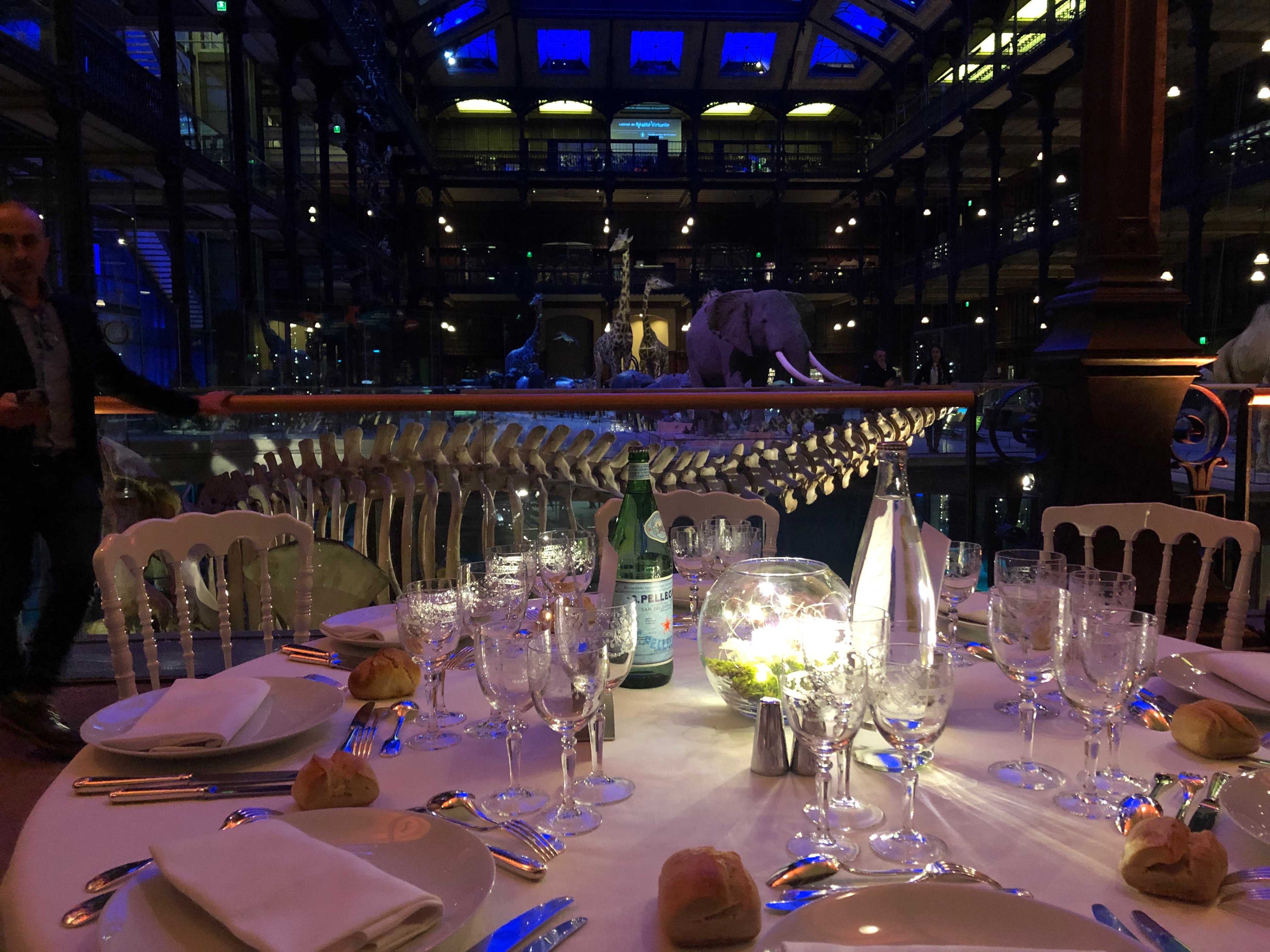
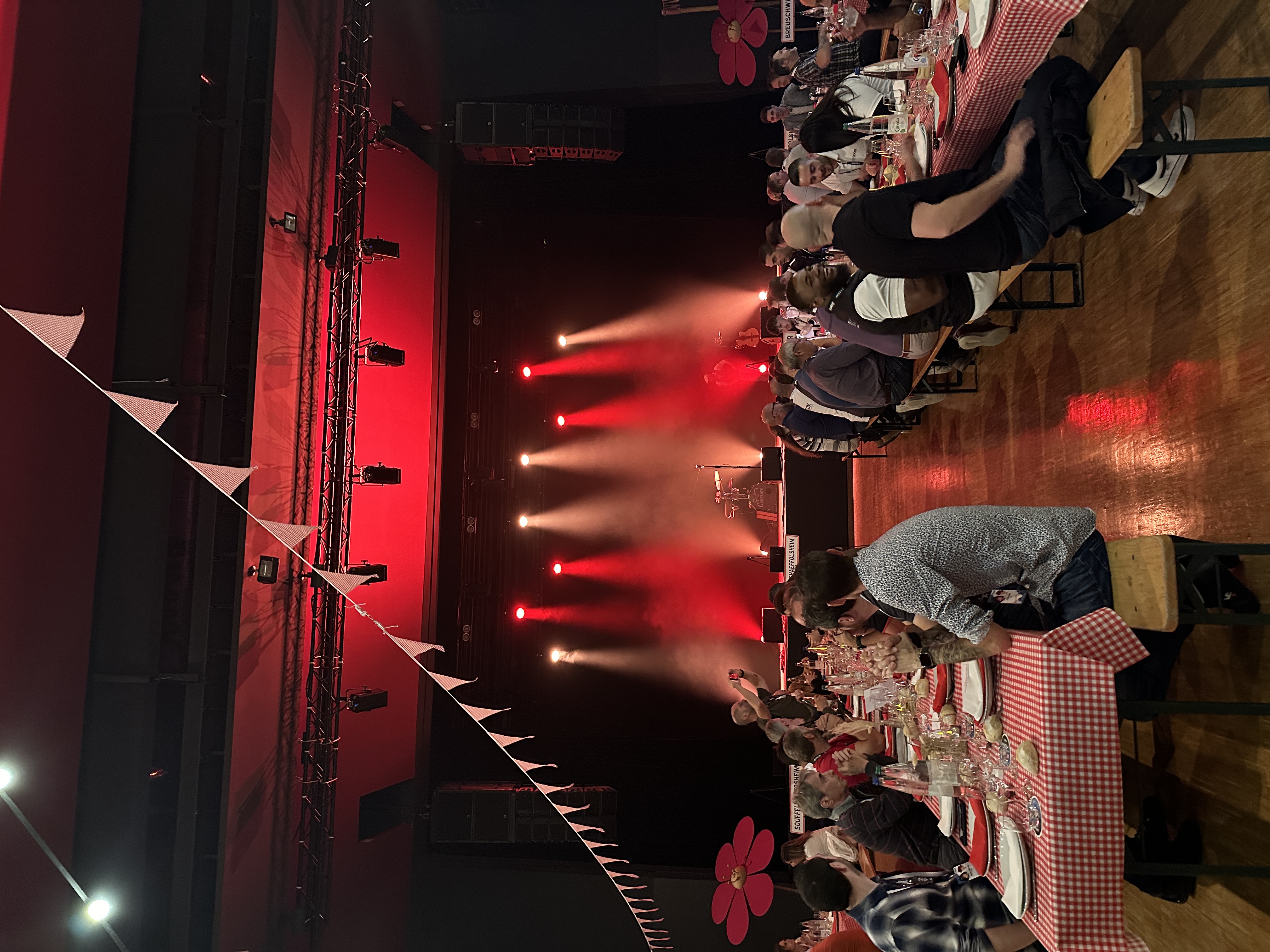
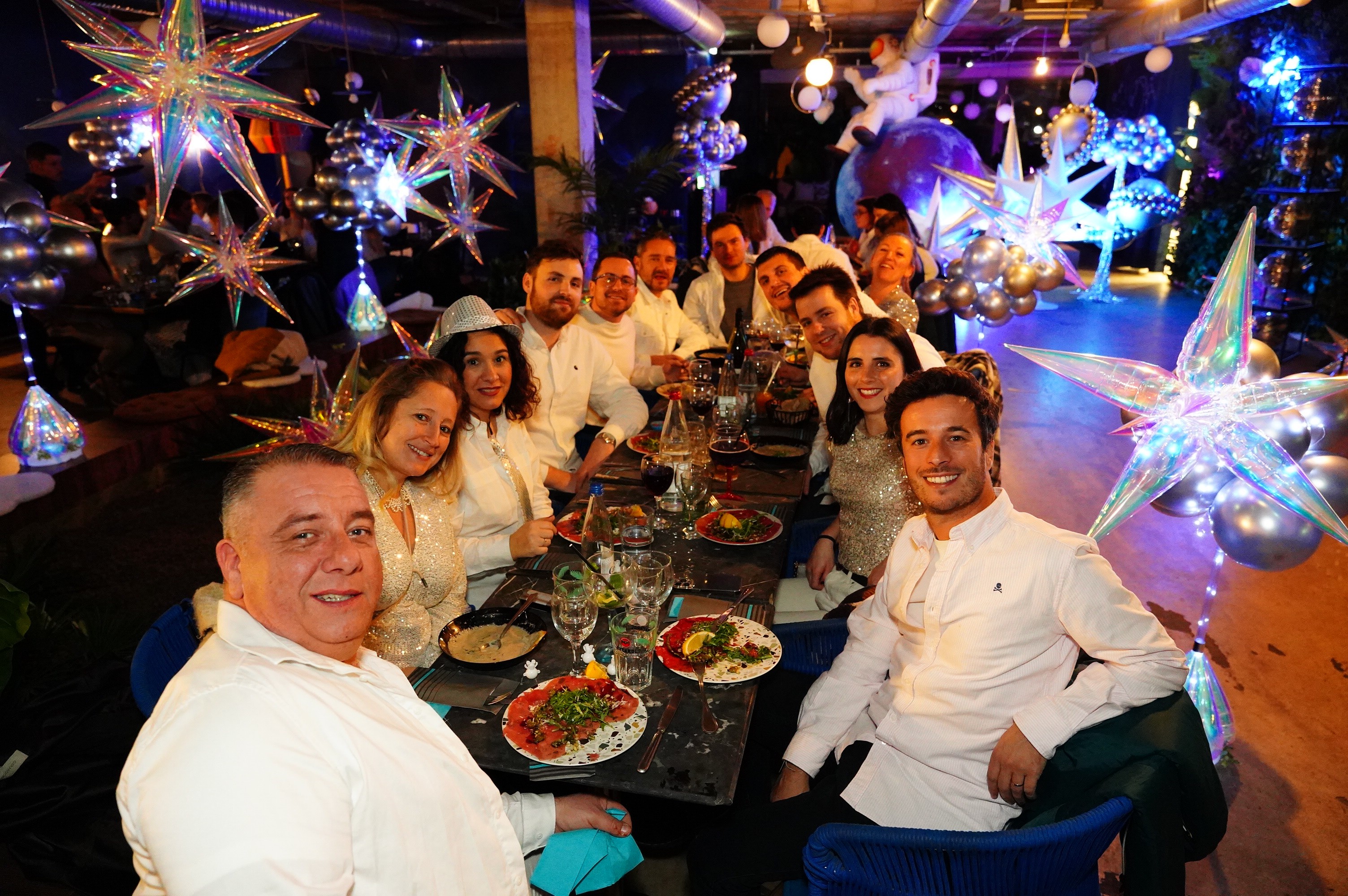
How to choose a Brussels venue for a staff party
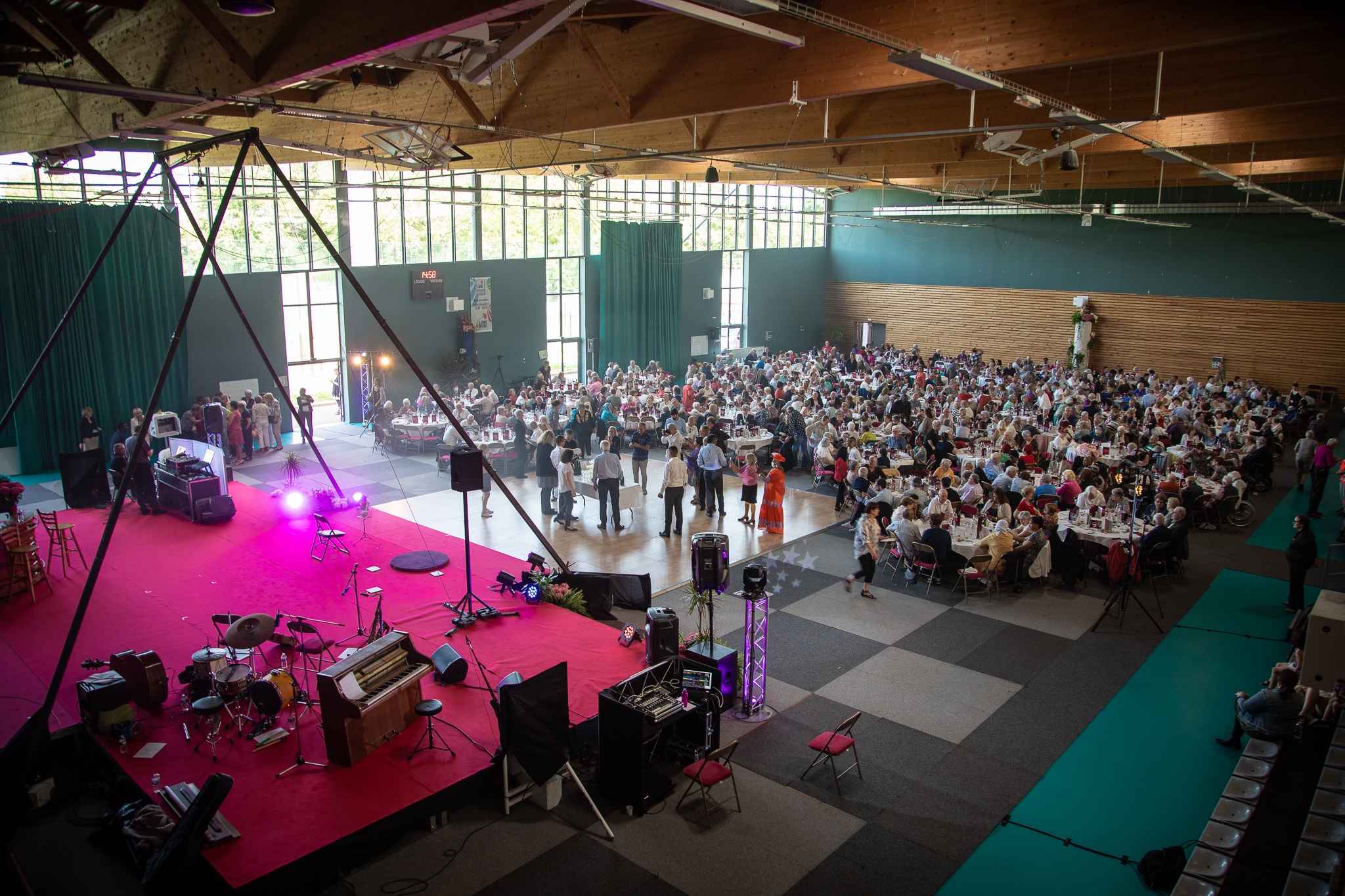
The venue determines guest perception within the first five minutes: arrival, queue management, acoustics, and how easily people can move between zones. In Brussels, the right venue is one where logistics are predictable: load-in is feasible, neighbours are not an issue, and the space supports your intended balance between networking, dining, and entertainment.
| Venue type | For which objective? | Main strengths | Possible constraints |
|---|---|---|---|
Contemporary event venues (multi-room) | Structured evening with reception, dinner, and party zones | Built-in AV options, clear flows, professional staff, easier branding | Access windows, preferred supplier lists, tighter rules on décor and rigging |
Hotels with banquet facilities | Risk-controlled staff party with accommodation needs | Predictable service levels, cloakroom capacity, late-night options, easy compliance | Can feel formal; package pricing; less flexibility on catering timing |
Industrial spaces / converted warehouses | High-impact brand atmosphere and large capacities | Creative freedom, strong “wow” potential through lighting and staging | Higher production cost (power, heating, toilets), sound management, longer set-up |
We strongly recommend a site visit before validation, even when the venue looks perfect on paper. In Brussels, the difference is often hidden: loading routes, freight lift sizes, acoustic behaviour, and where queues will form. A 45-minute walk-through can prevent hours of crisis management on event day.
What a Brussels staff party typically costs (and why)
Pricing for a Staff Party in Brussels depends on guest count, venue type, day of week, and how production-heavy the concept is. The most expensive surprises are almost never the “fun” items—they are technical realities: power distribution, staffing ratios, access hours, and last-minute changes.
Guest count and format: cocktail vs seated dinner, number of food stations, bar staffing, and cloakroom capacity. As a rule, moving from 150 to 300 guests is not “x2” across all lines—some costs scale, others step up (security, extra bars, additional sound zones).
Venue and access constraints: shorter load-in windows can increase labour; venues with strict sound limits may require additional zoning and acoustic planning. Central Brussels locations can also raise delivery and parking costs.
Catering level: service style (buffet, plated, stations), number of passes, and dietary management. For Brussels audiences, clear vegetarian/vegan/halal options are often expected; that requires planning, signage, and staff training.
Technical production: sound, lighting, staging, screens, microphones, and a dedicated technician team. If you have speeches, we budget for the right microphones and rehearsal time—this is where brand perception is won or lost.
Entertainment: artist fees, technical riders, rehearsal, and backstage needs. A “simple” act can become complex if the room requires extra sound coverage or if you need bilingual hosting.
Staffing and governance: project management, on-site coordinators, security, hosts, and medical presence when required. For 500+ guests, a clear command structure is not optional.
Risk and contingency: weather back-up (for terraces), transport solutions, and technical redundancy. We cost these transparently so you can decide what level of risk is acceptable.
We frame budget as return on risk reduction and engagement, not as a vanity spend. If the goal is retention and employer brand, it’s often smarter to invest in flow (staffing, bars, sound) than in a single expensive “headline” element that doesn’t fix operational pain points.
Why choosing a Brussels agency reduces event-day risk
A Brussels-based agency is not about convenience—it’s about control. Local production means faster site visits, realistic supplier planning, and immediate access to the people who will actually be on-site (not just a salesperson). It also means we know how specific venues behave in real conditions: where sound drops, where queues form, what security expects, and how long load-in truly takes.
For executive stakeholders, the advantage is governance: clear accountability, shorter decision loops, and a team that can be physically present for technical recce and rehearsals. For HR and Comms, the advantage is bandwidth: we take operational load while protecting your internal narrative and brand standards.
- Supplier reliability in the city: we work with crews who understand Brussels access realities and venue compliance.
- Faster escalation: if a delivery is delayed or a technical issue appears, we have local back-up options and relationships.
- Better cost predictability: fewer hidden charges linked to transport, overtime, and last-minute labour.
- On-site leadership: a senior producer present, not just junior staffing, so decisions are made quickly and correctly.
We frame budget as return on risk reduction and engagement, not as a vanity spend. If the goal is retention and employer brand, it’s often smarter to invest in flow (staffing, bars, sound) than in a single expensive “headline” element that doesn’t fix operational pain points.






Examples of staff party scenarios delivered in Brussels
We deliver staff parties across different corporate realities, and the scenarios matter because they drive the plan.
Scenario 1: 220 guests, mixed office + field teams. The risk is social separation and early departures. We build a reception flow with optional micro-activities, a short recognition moment (kept under 12 minutes), then an entertainment block that starts gradually. Food is designed to reduce queues (multiple stations, timed replenishment). Result: higher participation across departments and fewer “after dinner drop-offs.”
Scenario 2: 650 guests, leadership messaging required. The risk is inaudible speeches and a room that never comes back after the formal part. We use strong sound zoning, a clean stage look, rehearsed cues, and a program arc that transitions directly from leadership to a social moment (dessert reveal, music lift, or short performance). Result: message delivered clearly, then energy sustained.
Scenario 3: 120 guests, high-profile organization with duty-of-care constraints. The risk is security friction and reputational exposure. We plan discreet access control, clear vendor accreditation, and a hospitality-led guest journey so the event remains warm while compliance is respected.
Across these projects, the constant is operational discipline: the best “idea” is the one that survives real venue constraints, real staffing ratios, and the real behaviour of guests on a Thursday night in Brussels.
Common staff party mistakes we prevent in Brussels
Underestimating arrival logistics: one check-in point for 500 people creates a first impression of chaos. We plan staffing, signage, and multiple entry flows when possible.
Over-programming: too many stage moments reduce social time and increase fatigue. We design a simple arc and protect it with a realistic run-of-show.
Choosing entertainment that doesn’t match the audience: what works for a sales team may fall flat with engineers or public-sector profiles. We validate tone, participation level, and cultural fit.
Ignoring acoustics: a room that looks great can be impossible for speeches or networking. We plan sound zoning and microphone strategy early.
Not planning staffing ratios: bar and cloakroom queues ruin the night faster than any décor issue. We cost and staff service points properly.
Last-minute supplier changes: swapping caterers, DJs, or AV teams late increases risk dramatically. We secure contracts, backups, and clear responsibilities from the start.
No contingency plan: weather, transport disruptions, or a delayed executive arrival happens. We plan decision rules and ready-to-deploy alternatives.
Our role is to remove avoidable risk before it reaches your employees or leadership. A Staff Party should feel relaxed because the production behind it is not.
Why Brussels clients renew their staff party with us
Renewal happens when internal stakeholders feel protected: finance sees cost control, HR sees participation, Comms sees brand consistency, and executives see a clean delivery without surprises. That’s what we optimize for—year after year—because the cost of a “bad” staff party is not the invoice; it’s the internal fallout.
Many clients rebook because we keep documentation from year to year: supplier performance notes, timing learnings, crowd flow observations, and what should be changed next time.
We work with clear governance: one production lead, one consolidated budget view, and decisions documented—so you don’t re-litigate the same points every year.
Post-event debriefs delivered within 5–10 business days depending on scope, with actionable recommendations (not generic satisfaction comments).

Loyalty is the most practical proof point in our industry. If teams come back, it’s because the experience held up under real Brussels constraints and real corporate expectations.
Our Brussels production process from brief to event night
👉 Briefing and constraint mapping in Brussels
We start with a working session to confirm objectives, guest profiles, internal sensitivities, and non-negotiables. We also map constraints specific to Brussels: mobility, multilingual requirements, venue compliance, and any duty-of-care needs. Output: a written summary, initial budget frame, and a decision timeline.
👉 Concept and flow design for the staff party
We propose 2–3 concept directions built around flow: arrival, food cadence, entertainment windows, and stage moments if needed. We show what each concept implies operationally (staffing, technical needs, access time) so you can choose based on feasibility, not only aesthetics.
👉 Venue shortlist and technical validation
We source and compare venues against your objectives and constraints, then validate feasibility: acoustics, rigging points, power, load-in routes, and neighbour rules. We align venue selection with your run-of-show so you don’t discover late that the space can’t support your program.
👉 Supplier booking and production planning
We contract catering, AV, entertainment, security, and staffing with clear responsibilities. We build a master schedule, supplier briefs, and a detailed floor plan (bars, food, stage, activations, quiet zones). We also confirm safety elements: capacities, emergency access, and compliance.
👉 Run-of-show, rehearsals, and on-site execution
We produce cue sheets, timing, and on-site governance. For events with leadership moments, we schedule a technical rehearsal and microphone checks. On event day, we manage supplier load-in, set-up, sound checks, and service timing, with a single point of command so issues are solved before guests notice.
👉 Debrief and next-year optimisation
After the event, we deliver a structured debrief: what worked, what created friction (queues, timing, sound, participation), and what to adjust. This is where repeat clients gain value—each edition becomes easier, more predictable, and better aligned with your people.
FAQ sur l'organisation Staff Party à Brussels
How far ahead should we book a staff party in Brussels?
For Brussels, plan 6–10 weeks for 80–300 guests if venue choices are flexible. For 300–1,000+ guests or high-demand dates (Nov–Dec), plan 12–20 weeks to secure venues, access hours, and top AV/catering teams.
What is a realistic staff party budget in Brussels per person?
Ranges vary by format. A controlled cocktail with food stations and DJ often lands around $150–$280 CAD per person. A seated dinner with stronger production and entertainment is commonly $250–$450 CAD per person. These ranges shift with venue exclusivity, technical needs, and staffing ratios.
Which Brussels venues work best for 300 to 600 people?
Multi-room contemporary event venues and larger hotel banquet facilities tend to be the most reliable at that scale. They support zoning (networking vs dance), have predictable service infrastructure, and usually handle cloakroom and access control better than raw spaces—unless you budget for heavier production.
How do you keep speeches short and effective in Brussels events?
We recommend a maximum of 6–10 minutes per speaker, a single clear message, and a rehearsed transition into the next moment (dessert, entertainment lift, or music cue). We also plan bilingual key lines where relevant and ensure sound coverage so the room hears it without forcing silence for too long.
Can you manage multilingual hosting for Brussels staff parties?
Yes. We plan bilingual or trilingual hosting where it matters: welcome, safety, key announcements, and stage moments. We also adapt signage and run-of-show cues so guests aren’t excluded—without slowing the event down with constant translation.
Request a Brussels staff party proposal with a clear budget
If you’re comparing agencies, we’ll make that comparison easier: share your guest count range, preferred date window, and your must-haves (speeches, dining style, entertainment tone). We’ll come back with a practical proposal for a Staff Party in Brussels—venue options, production plan, and an itemized budget logic you can defend internally. The earlier we lock venue and technical constraints, the more predictable your outcome will be.
INNOV'events Brussels Agency
Justin JACOB is the manager of the INNOV'events Brussels office. Reach out directly by email at belgique@innov-events.be or via the contact form.
Contact the Brussels agencyAll our services & entertainment Brussels, Belgique
Discover our event services
Discover our event entertainment available in the Belgique
- Event Hostess in Brussels
- Escape Game in Brussels
- MasterChef Cooking Workshop in Brussels
- Magician in Brussels
- Marquee Rental in Brussels
- Color Analysis Workshop in Brussels
- Inflatable Games in Brussels
- Valet Parking Service in Brussels
- Football Simulator in Brussels
- LED Furniture Rental in Brussels
- Light Branding in Brussels
- Unique Dining Experience in Brussels
- Light Painting in Brussels
- Murder Mystery Party in Brussels
- Prize Contest in Brussels
- Promotional Displays (POS) in Brussels
- Virtual Reality in Brussels
- Molecular Gastronomy Workshop in Brussels
- Halloween Entertainment in Brussels
- Fireworks Show in Brussels
- Giant Games Challenge in Brussels
- Event Host / MC in Brussels
- Photo Booth Animation in Brussels
- Santa Claus Entertainment in Brussels
- Kids Entertainment in Brussels
- Guided Tour in Brussels
- Urban Rally in Brussels
- Ball Pit in Brussels
- Flight Simulator in Brussels
- Food Truck Rental in Brussels
- World Record Challenge in Brussels
- Surf Simulator in Brussels
- Wine Casino in Brussels
- Makeover Workshop in Brussels
- Perfume Creation Workshop in Brussels
- Acting Workshop in Brussels
- CSR Activities in Brussels
- Archery in Brussels
- Security Staff in Brussels
- Wine Tasting in Brussels
- Mime Performer in Brussels
- TV Game Show in Brussels
- Funfair in Brussels
- Crisis Management Workshop in Brussels
- Crisis Negotiation Workshop in Brussels
- Arcade Games in Brussels
- Indoor Skydiving Simulator in Brussels
- Ski Simulator in Brussels
- Racing Circuit Experience in Brussels
- Introductory Flight Experience in Brussels
- Tasting Experience in Brussels
- Build Your Own Foosball Workshop in Brussels
- 2CV Rally in Brussels
- LEGO Challenge in Brussels
- Casino Night in Brussels
- Interpreter / Translator in Brussels
- Promotional Giveaways in Brussels
- Shuttle Transport in Brussels