
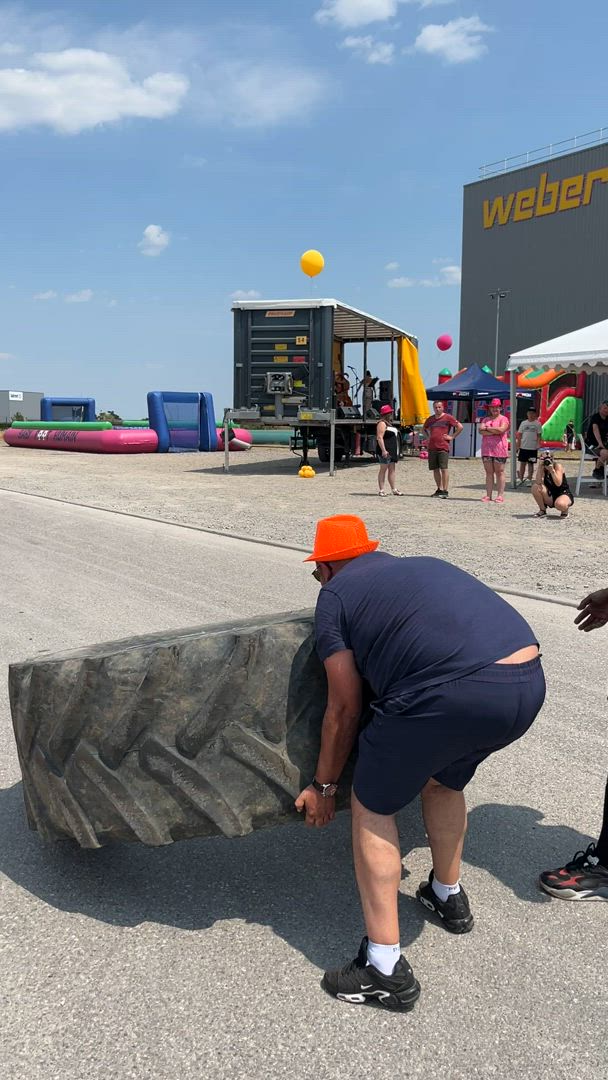
World Record Attempt in Brussels to unite teams around a measurable result
INNOV'events plans and delivers World Record Attempt formats for corporate groups in Brussels, typically from 50 to 2,000 participants. We manage the full chain: record logic, rules, evidence pack, venue constraints, staffing, rehearsal, and show-calling on the day. Your teams get a clear objective, a shared pressure curve, and a result that is easy to communicate internally and externally.
Sommaire
In a corporate agenda, entertainment is not a “nice extra”: it is a lever to create focus, synchronize people who do not work together daily, and produce a proof point your leadership can stand behind. A World Record Attempt in Brussels works because the goal is objective, time-bound, and visible—ideal for leadership messages about execution, collective discipline, and pride.
Organizations in Brussels expect professionalism under constraints: multilingual audiences, strict venue rules, tight run-of-show timing between plenary sessions, and zero tolerance for safety or reputational risk. When a record attempt is proposed, the immediate questions are practical: “Is it valid?”, “Can everyone participate?”, “What if we fail?”, and “How do we document it?”
We are a Brussels-based team used to operating in corporate venues across the region, with local suppliers who know access windows, loading rules, and security procedures. Our role is to turn the idea into a controlled operation: defined protocol, rehearsed staff, participant flow, and a documentation plan that stands up to scrutiny.
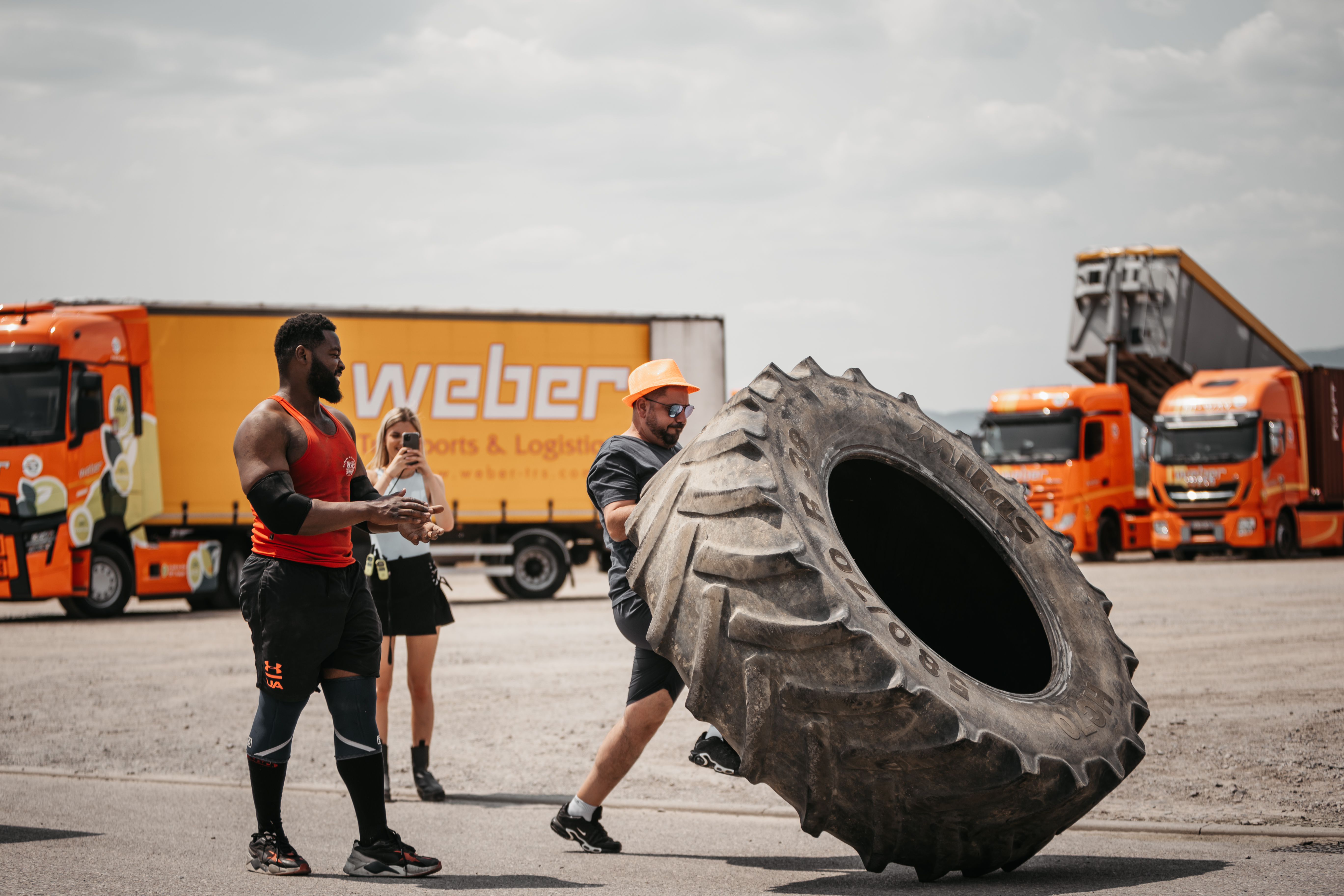
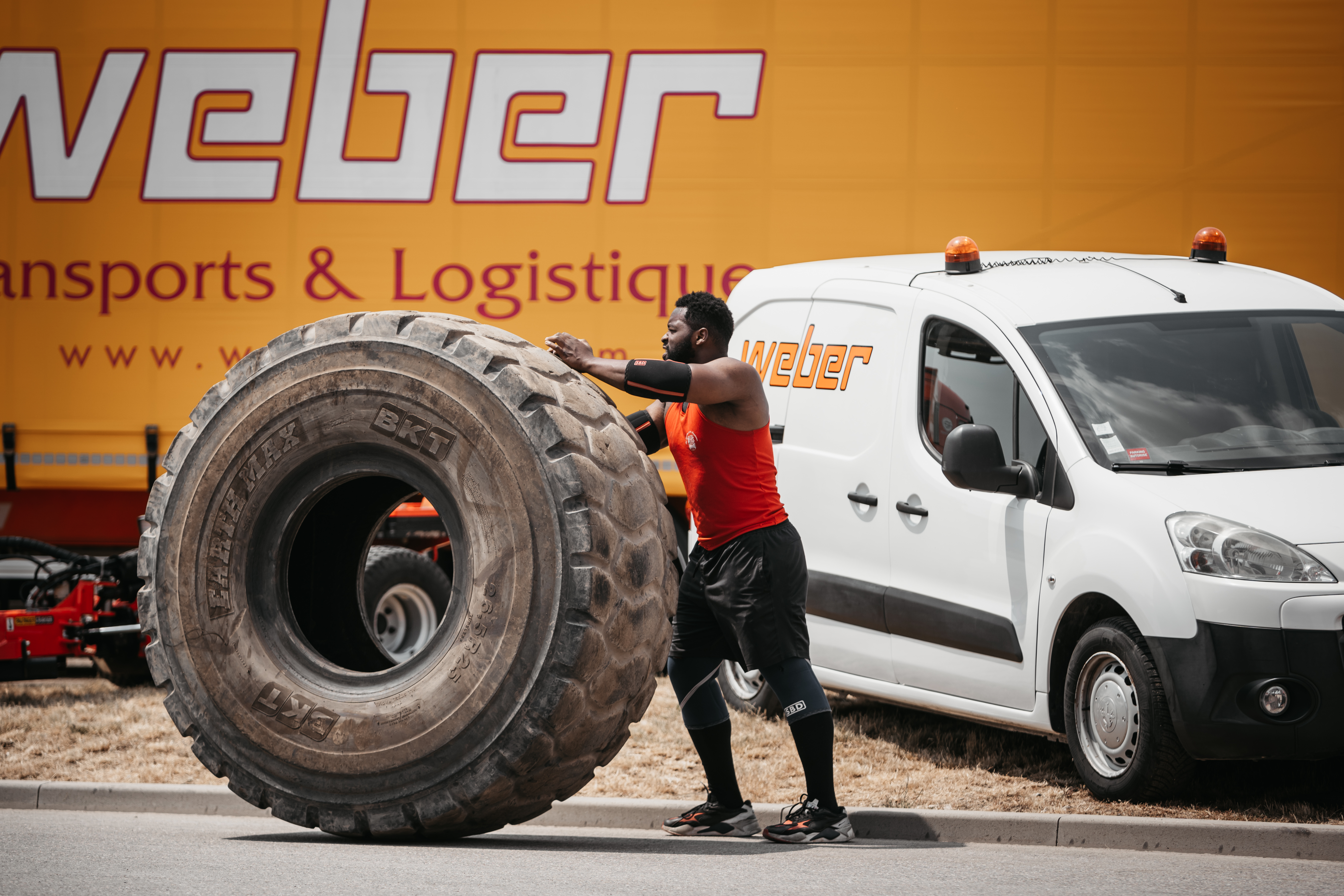
Brussels delivery in numbers decision-makers can benchmark
10+ years delivering corporate events in Brussels and across Belgium, with repeat accounts in HR, Comms and Executive Office.
Operational capacity from 50 to 2,000 participants on record-style team formats, with scalable staffing ratios (marshals, timekeepers, crowd flow).
On-site governance: 1 show-caller, 1 safety lead, and 1 evidence coordinator as minimum backbone for a compliant World Record Attempt set-up.
Typical build and rehearsal windows: 4 to 8 hours depending on venue access in Brussels (often limited by office towers and public sites).
Decision-ready documentation: concept note + risk register + evidence checklist usually shared within 5 working days after brief validation.
Brussels references: recurring corporate teams and long-term partnerships
We support organizations operating in Brussels that need events to do more than entertain: they must align people, protect employer brand, and deliver a predictable result. Many of our projects are led by HR and communication teams who come back year after year because they want a partner who can absorb complexity and keep internal stakeholders calm (works council, HSE, building management, procurement, executives).
For transparency: you mentioned “the company names I provided as references”, but none were included in your message. If you share 3–6 names (or sectors if names are confidential), we will integrate them cleanly in this section with the right tone and without overclaiming.
What we can already say credibly: in Brussels, repeat collaboration is often driven by practical reliability—knowing how to run a bilingual briefing, handle VIP arrivals without disrupting participant flow, and respect strict venue rules on noise, rigging points, fire exits and timing. This is exactly where a record attempt succeeds or fails.
 Besoin d’un devis rapide ?
Nous vous envoyons une première proposition sous 24h.
Why plan a World Record Attempt in Brussels for leadership outcomes?
A World Record Attempt is a managerial tool disguised as an event format. Unlike many entertainments, it creates a single, measurable objective that requires coordination, role clarity, and disciplined execution. In executive terms: it is a controlled stress test of collective behavior—run in a safe environment, with a strong emotional reward.
In Brussels, where many companies operate with hybrid teams, multiple sites, and international profiles, the format helps people experience “one company, one goal” in a concrete way rather than as a slogan.
Concrete alignment in a short time window: a record attempt forces a simple message (“this is the rule, this is the timing, this is the success criterion”). It is effective after strategy updates, reorganizations, or post-merger moments when leadership needs coherence and momentum.
High participation without awkwardness: we design record formats where everyone has a role (participant, spotter, counter, relay). This avoids the classic corporate risk in Brussels events: 20% very engaged people and 80% observers.
Employer brand content that is easy to approve: the output is structured (group shot, countdown, proof moment, result). Comms teams like it because it provides a clear narrative and a bounded set of visuals, easier to validate than open-ended party footage.
Leadership credibility: executives appreciate formats where success is earned, not “declared”. We often see better Q&A energy after a record attempt because people are already in an active mindset.
Cross-functional trust building: record attempts work particularly well when mixing teams that usually interact only via tickets and email (IT, finance, operations, sales). The shared protocol becomes a neutral ground.
Structured recognition: we can integrate recognition moments (team captains, safety marshals, “best discipline” awards) that reinforce desired behaviors rather than just rewarding visibility.
Brussels has an economic culture that values seriousness, compliance, and international standards. A record attempt fits that mindset: ambitious, but only credible when it is properly framed, measured, and documented.
What Brussels companies expect from a record attempt supplier
In Brussels, corporate events are rarely “just a party”. They sit inside governance: procurement checks, building management rules, security constraints, and often a multilingual audience (FR/NL/EN). A World Record Attempt in Brussels must therefore be designed like a mini-operation with clear ownership and tight sequencing.
From experience, the local expectations we hear most from HR and Comms directors are specific:
- Venue compatibility: can we stage the attempt in a lobby, atrium, rooftop, or conference center without violating evacuation routes, noise limits, or rigging restrictions?
- Time discipline: the attempt must fit between plenary sessions, with predictable start and end times. “It will take about 20 minutes” is not acceptable; we build a run-of-show with buffers and decision points.
- Inclusive design: Brussels workforces are diverse in age, language, and physical ability. We propose formats with alternative roles so that participation is real, not symbolic.
- Reputational safety: no gimmicks that can be interpreted as childish, unsafe, or culturally tone-deaf. This matters especially when you have external guests, press, or a public venue.
- Documentation and proof: whether you aim for an internal record, a sector benchmark, or a recognized external record, the evidence must be planned upfront (counters, time stamps, fixed cameras, witness statements, participant counts).
Finally, Brussels events often involve mobility constraints (limited parking, deliveries by time slot, low-emission considerations). We plan loading, storage, and debriefing accordingly so that your internal teams are not firefighting on the day.
Which corporate event entertainment in Brussels pairs well with a record attempt?
A World Record Attempt in Brussels becomes more effective when the supporting entertainment reinforces the same message: coordination, energy, and clarity. We typically avoid entertainment that distracts at the wrong time (before the briefing) and instead use formats that warm up the crowd, support pacing, and provide content for internal communications.
Interactive animations in Brussels
Briefing-to-action warm-up: a short, facilitated participation drill (2–3 minutes) to teach the crowd how to respond to cues. This is not “games”; it is operational conditioning so that 500 people can start and stop together.
Live participant dashboard: a screen showing progress, time remaining, and validated counts per zone. It reduces anxiety for organizers and prevents the crowd from drifting.
Leadership participation with defined roles: executives act as starters, official witnesses, or timekeepers. It signals seriousness and avoids the uncomfortable “CEO on stage doing a skit” dynamic.
Art animations in Brussels
Rhythm section to stabilize timing: percussion or a minimal live rhythm cue can help synchronization for certain record types, but only if the rules allow it and the venue acoustics in Brussels are suitable.
Staged reveal of the result: a controlled announcement moment with lighting and audio cues, designed for a clean photo/video output and a short internal statement from leadership.
Innovative animations in Brussels
Post-attempt flow catering: rather than a full dinner before the attempt, we often recommend a structured “after” moment (Belgian coffee bar, mini dessert stations). It prevents late arrivals and helps maintain timing.
Allergen-aware set-up: Brussels audiences are diverse; labeling and clear staff briefings reduce risk and complaints, especially in venues with strict catering partners.
Gourmand animations in Brussels
Evidence-grade filming: multi-angle fixed cameras plus one roaming operator dedicated to proof shots, separated from the “social content” crew. This is crucial when the record claim may be challenged.
QR-based participant confirmation: when appropriate, we can add a lightweight confirmation step to support counting, while staying GDPR-conscious and minimizing friction.
Whatever the add-ons, we align them with your brand image and governance. In practice: a regulated industry will prioritize compliance and clarity; a tech employer may want data visualization and participation metrics; a public-facing brand may prioritize clean visuals and controlled messaging. The entertainment should support the record attempt—not compete with it.
Where to host a World Record Attempt in Brussels: venue types that work
The venue is not just a backdrop; it determines whether the record attempt is measurable and safe. In Brussels, the biggest constraints are usually access windows, acoustic behavior of the space, ceiling height, emergency exits, and whether you can mark the floor or hang signage. We shortlist venues based on the record mechanics (synchronization, counting visibility, camera angles) rather than aesthetics alone.
| Venue type | For which objective? | Main strengths | Possible constraints |
|---|---|---|---|
Conference center plenary hall | High control attempt with stage briefing and clear start/stop cues | Reliable AV, seating plan control, easy time discipline, good for 50–800 participants | Rigging and branding rules, limited rehearsal time, strict load-in schedules in Brussels |
Corporate HQ atrium or lobby | Employer-brand moment on your own site with leadership visibility | No transport between sessions, strong internal symbolism, easier to get executives present | Acoustics can be challenging, fire routes must remain clear, building management approvals required |
Industrial or large event hall | Very large-scale attempt with zones and counting teams | Space for 800–2,000, flexible floor plan, better camera angles and zone separation | Higher production needs (power, heating, toilets), longer build time, more staffing for crowd flow |
We always recommend a site visit in Brussels with your internal stakeholders (facility, HSE, comms) before locking the record mechanics. A 45-minute walkthrough typically prevents the costly surprises: blocked loading docks, noise restrictions, insufficient power distribution, or a camera position that cannot see the full participant area.
What budget to plan for a World Record Attempt in Brussels?
A World Record Attempt in Brussels is priced like an operational production, not like a simple animation. The budget depends on scale, proof requirements, venue constraints, and how much your internal team wants to own versus delegate. To be useful for planning, we typically frame budgets in scenarios rather than a single number.
As an order of magnitude, corporate record attempts in Brussels commonly fall between €8,000 and €45,000 excluding VAT, with higher ranges when external record certification, complex builds, or very large participant counts are involved.
Participant volume and staffing ratios: beyond 150–200 participants, you need zone marshals, counters and backup staff. Understaffing is the fastest way to lose control of the attempt and the evidence.
Record type complexity: “simultaneous action” records are often simpler than “assembly” records that require materials distribution, quality checks, and waste management.
Evidence requirements: fixed cameras, time stamping, witness protocols, and post-event proof compilation add cost but protect credibility.
Venue access and restrictions in Brussels: short load-in windows, union rules in some venues, sound limits, or limited rigging options can increase production needs.
AV and comms: intelligible audio is non-negotiable. If the room is reverberant, additional speakers, delay towers, or a different microphone plan may be required.
Materials and safety: any record involving props requires risk assessment (trip hazards, allergies, fire load) and sometimes additional insurance or safety supervision.
Language and facilitation: bilingual facilitation (FR/EN or NL/FR) and bilingual signage are common requirements in Brussels.
We treat budget as a decision tool: what is the minimum spend to keep the attempt credible and safe, and what additional spend improves certainty (rehearsal time, staffing, evidence capture). For executives, the ROI is usually not “fun”—it is measurable engagement, a strong internal narrative, and reduced risk compared to improvised participatory formats.
Why choose an event agency in Brussels for a record attempt?
A World Record Attempt is sensitive to local execution details: access schedules, municipal constraints for public or semi-public spaces, and supplier responsiveness when something changes last minute. Working with an event agency in Brussels means you have a team that can do physical site checks quickly, mobilize trusted technicians, and resolve issues with venue management in the same working culture and time zone.
For HR and communication teams, local presence also reduces internal workload. Instead of your team chasing five suppliers and translating constraints between them, you have one accountable partner who can consolidate risk, timing, and budget trade-offs into decisions you can validate.
- Faster problem resolution on the ground: last-minute room changes, loading dock issues, missing power, or delayed deliveries are handled locally without waiting for remote teams.
- Supplier ecosystem you can trust: in Brussels, knowing who reliably delivers under short access windows matters more than picking the cheapest line.
- Venue literacy: we anticipate common restrictions (noise, signage, floor protection, evacuation lanes) and bake them into the record design before it becomes a negotiation.
- Stakeholder management: we are used to the real approval chain—procurement, HSE, building management, union rules in some sites, and executive expectations on timing and messaging.
We treat budget as a decision tool: what is the minimum spend to keep the attempt credible and safe, and what additional spend improves certainty (rehearsal time, staffing, evidence capture). For executives, the ROI is usually not “fun”—it is measurable engagement, a strong internal narrative, and reduced risk compared to improvised participatory formats.










Examples of Brussels-style challenges we solve on record-format events
We cannot list confidential client names without your approval, but we can describe the types of projects we run in Brussels and what they require operationally. The pattern is consistent: the format looks simple on paper, yet success depends on disciplined execution.
Multi-site company day with a single peak moment
A common scenario: a Brussels HQ hosts leadership and 250 staff onsite, while additional teams join a later reception. The record attempt needs a precise slot between plenary and breakouts. We build a schedule with a hard “doors closed” moment, a short briefing, and a structured post-attempt reset so people can move to the next session without bottlenecks.
Hybrid workforce and inclusivity requirements
Some companies want everyone included, including colleagues with limited mobility or those uncomfortable with high-energy formats. We design record mechanics that include seated participation or alternative roles (counters, spotters, zone coordinators), keeping the record valid while respecting inclusivity commitments.
Regulated industry governance
In pharma, finance, or public-sector-adjacent organizations, the main risk is reputational. We align the record attempt with compliance: no unsafe physical actions, clear data handling for participant lists, and controlled filming approvals. The result is a shareable internal story without pushing teams into “party content” that legal will block.
Brand-sensitive external guests
When clients or partners are invited, the record attempt must feel credible and professional. We use formal witness roles, clear signage, and a structured announcement script. This avoids the “corporate games” perception and positions the moment as a serious collective achievement.
Common pitfalls we prevent in Brussels record attempts
Choosing a record concept that cannot be proven in the venue: the idea is exciting, but the space does not allow clear counting or camera angles. We validate proof feasibility before committing.
Underestimating acoustics and cue clarity: reverberant spaces in Brussels atriums can make instructions unintelligible. We plan sound reinforcement and briefing scripts accordingly.
Weak counting methodology: “someone will count” is not a plan. We set zone counts, counter training, redundancy, and an evidence log.
Late arrivals breaking synchronization: without controlled access and a defined start protocol, the group is never truly simultaneous. We design participant flow and timing discipline.
Overloading the run-of-show: trying to stack speeches, awards, dinner, and a record attempt without buffers creates cascading delays. We build a realistic schedule and decision gates.
No contingency for failure: failure is not only possible; it must be planned. We define what happens if the attempt is invalid (immediate second attempt window, simplified ruleset, or a pivot to an “internal record” with the right framing).
Evidence captured for social media, not for validation: beautiful clips do not prove compliance. We separate proof capture from content capture.
Our role is to remove uncertainty before event day: clear rules, clear responsibilities, and controlled execution. That is what protects your leadership team and your internal organizers in Brussels when the pressure is highest.
Why Brussels clients renew with INNOV'events
Renewal is rarely about creativity alone. In Brussels, clients return because the agency reduces internal workload and risk while delivering predictable outcomes. We work with teams that have limited bandwidth and high exposure: HR directors managing social climate, communication leads protecting brand consistency, and executives who cannot afford last-minute improvisation.
Long-term account management: the same senior producer remains your point of contact across editions, so institutional knowledge is not lost between events.
Operational transparency: shared run-of-show, staffing plan, risk register, and evidence checklist—so your stakeholders can validate, not “hope”.
Reliable supplier continuity in Brussels: recurring technical teams and facilitators who already know the local venues and corporate expectations.

Loyalty is the most practical proof: when internal teams have a choice, they come back to the partner who makes event day predictable, compliant, and calm.
How we deliver a World Record Attempt in Brussels from brief to proof
👉 Brussels discovery and feasibility check
We start with a short executive-friendly intake: objective, audience profile, constraints, and your non-negotiables (timing, tone, compliance). We then test feasibility: which record mechanics are measurable in your likely venue, within your time slot, and with your audience’s physical and cultural comfort level.
- Inputs we ask for: estimated headcount range, venue shortlist (or address), language needs, filming permissions, and internal approval chain.
- Output you receive: 2–3 validated record concepts with pros/cons and a first risk view.
👉 Record rules, roles and evidence plan
We convert the chosen concept into a ruleset and operational plan: who starts, who counts, how to confirm participation, and what invalidates an attempt. We draft the evidence checklist (camera positions, logs, witness statements if needed) and define staff roles: show-caller, safety lead, evidence coordinator, marshals.
- Deliverables: written protocol, staffing plan, draft run-of-show, evidence pack outline.
- Decision point: validate the level of certification you want (internal certified record vs external authority approach) and the related budget impact.
👉 Venue walk-through in Brussels and technical design
We conduct a site visit to confirm flows, camera lines of sight, audio behavior, emergency routes, and load-in constraints. We then lock the technical plan (PA, screens, floor markings, lighting if relevant) and confirm what the venue allows regarding signage, tape, rigging, and storage.
- Typical outcome: an updated floor plan with zones, counters, and camera placements.
- Risk reduction: we identify constraints that would otherwise appear on event day (blocked docks, power distribution limits, restricted access times).
👉 Participant communications and rehearsal plan
We help you communicate the attempt internally so participation is high and confusion is low. This includes short brief texts, signage wording, and captain scripts. We also define what must be rehearsed (usually cues + counting + reset procedures) and who must attend the rehearsal (key staff, venue contact, AV lead).
- Practical detail: for 300+ people, we recommend a 10-minute “captain briefing” immediately before doors open.
- Comms alignment: we coordinate with your communication team on what can be announced beforehand and what stays as a reveal.
👉 Event-day execution, documentation and debrief
We run the show with clear command: the show-caller controls timing; the safety lead controls compliance; the evidence coordinator controls proof capture. After the attempt, we secure files, collect logs, and prepare a concise debrief: what happened, the final count/time, and what is needed for any certification or internal announcement.
- On-site priority: keep participant energy high while protecting rule integrity.
- After-event: delivery of a proof bundle (as agreed) and a short improvement note for future editions.
FAQ sur l'organisation World Record Attempt à Brussels
How long does a World Record Attempt take in Brussels?
Plan 30 to 60 minutes for the full sequence: briefing (10–15), positioning (5–15), the attempt itself (2–15), validation and announcement (5–10). Add build/rehearsal time depending on the venue, often 4 to 8 hours in Brussels due to access windows.
What is the usual budget range in Brussels for this format?
Most corporate projects fall between €8,000 and €45,000 excl. VAT in Brussels. The main drivers are headcount, staffing ratios, AV needs (audio clarity), and evidence requirements (proof filming, logs, witnesses).
Can we do a record attempt indoors at our Brussels office?
Yes, if the lobby/atrium allows safe crowd flow and clear evacuation routes. We validate acoustics, ceiling height, camera angles, and building rules (floor protection, tape, signage, load-in times). For many Brussels HQs, the key success factor is a strict participant flow plan to avoid bottlenecks at lifts and entrances.
What if we fail the attempt during our Brussels event?
We plan for it upfront. Common options are: a second attempt window (5–10 minutes reset), a simplified rule variant pre-approved in the protocol, or reframing as an internal benchmark with transparent criteria. The goal is to protect credibility and keep leadership messaging intact.
How many staff do we need on-site in Brussels?
As a baseline: 1 show-caller, 1 safety lead, 1 evidence coordinator. Then add marshals/counters by scale: around 1 per 50–80 participants for controlled zone counting, plus AV technicians as required by the venue in Brussels.
Request a Brussels quote with a validated record concept and risk plan
If you are comparing agencies, we recommend starting with a feasibility conversation rather than a “creative brainstorm”. Share your date, estimated headcount, and venue shortlist (or your Brussels site address). We will respond with 2–3 credible World Record Attempt concepts, a clear run-of-show approach, and an initial budget scenario aligned with your constraints.
To protect availability of venues and technical teams in Brussels, plan ideally 6 to 10 weeks ahead for 200+ participants (less is possible, but it reduces rehearsal and proof options). Contact INNOV'events to structure the project and remove uncertainty before event day.
INNOV'events Brussels Agency
Justin JACOB is the manager of the INNOV'events Brussels office. Reach out directly by email at belgique@innov-events.be or via the contact form.
Contact the Brussels agencyToutes nos prestations & animations Brussels, Belgique
Découvrez nos prestations événementielles
Découvrez nos animations événementielles disponibles au Belgique
- Event Hostess in Brussels
- Escape Game in Brussels
- MasterChef Cooking Workshop in Brussels
- Magician in Brussels
- Marquee Rental in Brussels
- Color Analysis Workshop in Brussels
- Inflatable Games in Brussels
- Valet Parking Service in Brussels
- Football Simulator in Brussels
- LED Furniture Rental in Brussels
- Light Branding in Brussels
- Unique Dining Experience in Brussels
- Light Painting in Brussels
- Murder Mystery Party in Brussels
- Prize Contest in Brussels
- Promotional Displays (POS) in Brussels
- Virtual Reality in Brussels
- Molecular Gastronomy Workshop in Brussels
- Halloween Entertainment in Brussels
- Fireworks Show in Brussels
- Giant Games Challenge in Brussels
- Event Host / MC in Brussels
- Photo Booth Animation in Brussels
- Santa Claus Entertainment in Brussels
- Kids Entertainment in Brussels
- Guided Tour in Brussels
- Urban Rally in Brussels
- Ball Pit in Brussels
- Flight Simulator in Brussels
- Food Truck Rental in Brussels
- World Record Challenge in Brussels
- Surf Simulator in Brussels
- Wine Casino in Brussels
- Makeover Workshop in Brussels
- Perfume Creation Workshop in Brussels
- Acting Workshop in Brussels
- CSR Activities in Brussels
- Archery in Brussels
- Security Staff in Brussels
- Wine Tasting in Brussels
- Mime Performer in Brussels
- TV Game Show in Brussels
- Funfair in Brussels
- Crisis Management Workshop in Brussels
- Crisis Negotiation Workshop in Brussels
- Arcade Games in Brussels
- Indoor Skydiving Simulator in Brussels
- Ski Simulator in Brussels
- Racing Circuit Experience in Brussels
- Introductory Flight Experience in Brussels
- Tasting Experience in Brussels
- Build Your Own Foosball Workshop in Brussels
- 2CV Rally in Brussels
- LEGO Challenge in Brussels
- Casino Night in Brussels
- Interpreter / Translator in Brussels
- Promotional Giveaways in Brussels
- Shuttle Transport in Brussels