
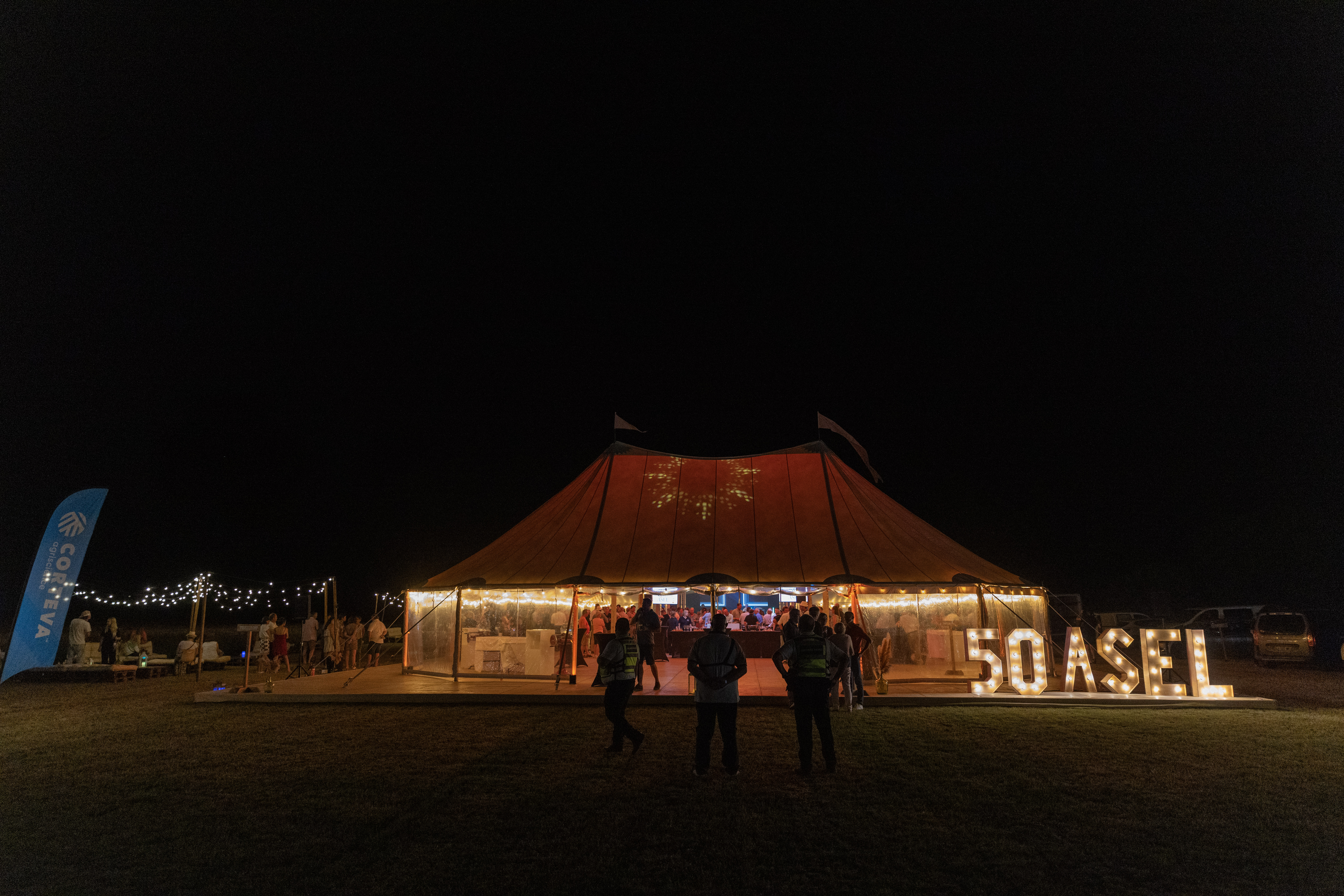
Tent Rental in Brussels for corporate events that must run on time
INNOV'events is a Brussels-based agency managing Tent Rental for corporate events from 50 to 2,000 attendees. We handle site checks, tent sizing, flooring, power, heating, lighting, safety, and on-day coordination so your teams can focus on stakeholders.
Whether it’s an end-of-year gathering, a product launch, or a family day on your premises, we build a clear plan around access constraints, neighbors, and weather realities typical to Brussels.
Sommaire
In a corporate setting, Tent Rental is not “just infrastructure”: it is the operational backbone that protects the agenda, the guest flow, and the brand image when timing is tight and VIP presence is non-negotiable. A properly designed tent layout prevents bottlenecks at check-in, stabilizes sound conditions for speeches, and avoids last-minute program cuts caused by weather or technical issues.
Organizations in Brussels expect reliability under scrutiny: multilingual guests, strict schedules, and sites where access is limited to short delivery windows. They also expect transparent safety standards (wind ratings, fire retardancy, evacuation paths) and a supplier who can coordinate with building management, security, and facility teams without creating internal workload.
From our Brussels base, INNOV'events works with trusted Belgian tent partners and technical crews used to corporate compliance. We plan installations with realistic lead times, anticipate city constraints, and provide decision-ready options (capacity, budget, and risk level) so executives can validate quickly.
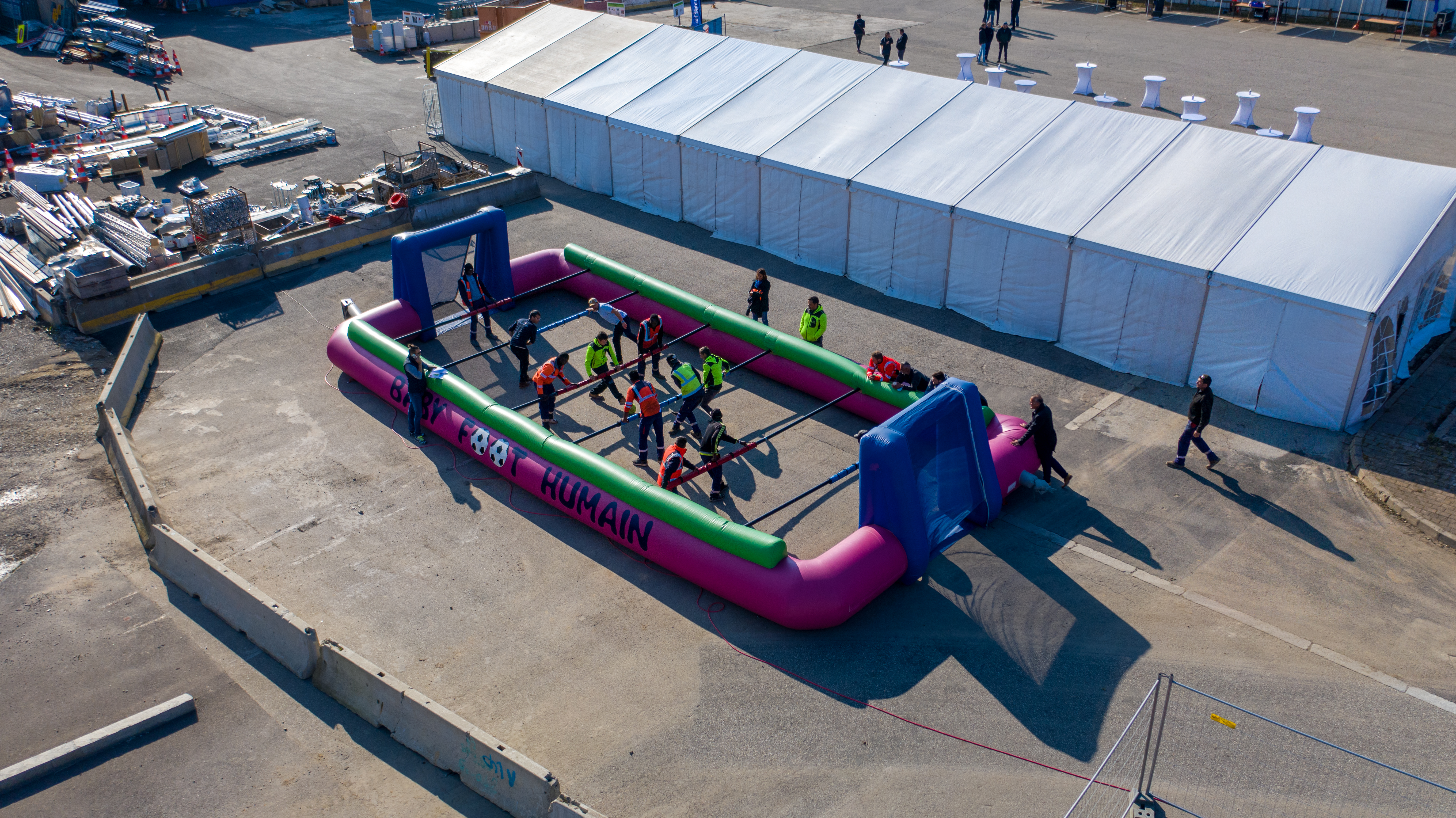
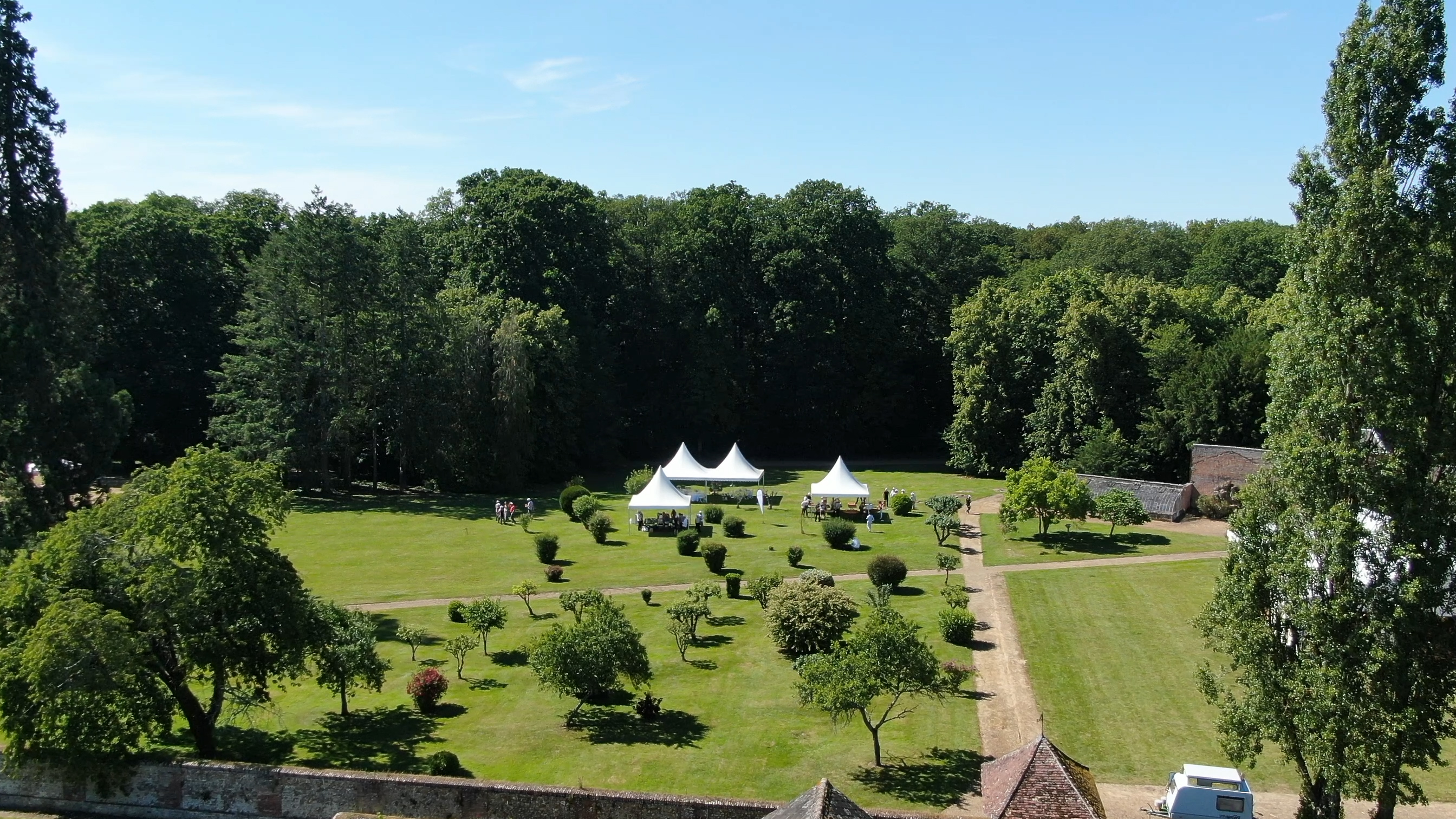
Operational figures our Brussels clients typically ask for
10+ years delivering corporate events in Belgium, with recurring installations in and around Brussels.
Typical tent formats managed: from 6x6 m reception modules to 20x50 m structures with flooring, heating, and lighting.
Guest volumes handled under tent: 50–2,000 people, including seated dinners, plenary sessions, and multi-zone setups.
Installation timelines: most corporate setups require 1–3 days on site depending on flooring, rigging, and access constraints.
Brussels-based delivery with year-to-year corporate routines
We support organizations across Brussels that need predictable execution: headquarters events on private sites, receptions near office districts, and public-facing activations where the tent becomes the “front door” of the brand. Many of our clients rebook because they want the same crew, the same documentation habits, and the same calm on event day.
You mentioned providing company names as references; integrate them here when available. In practice, we can also share relevant Brussels case studies under NDA (logistics plan, safety file, and run-of-show) so your procurement or HSE team can evaluate our method before contracting.
Our role is to remove friction between internal stakeholders (HR, Comms, Facilities, Security) and external constraints (municipal rules, neighborhood considerations, vendor access). That’s usually what makes the difference between an event that “happens” and an event that runs professionally.
 Besoin d’un devis rapide ?
Nous vous envoyons une première proposition sous 24h.
Why companies in Brussels choose tent rental for key moments
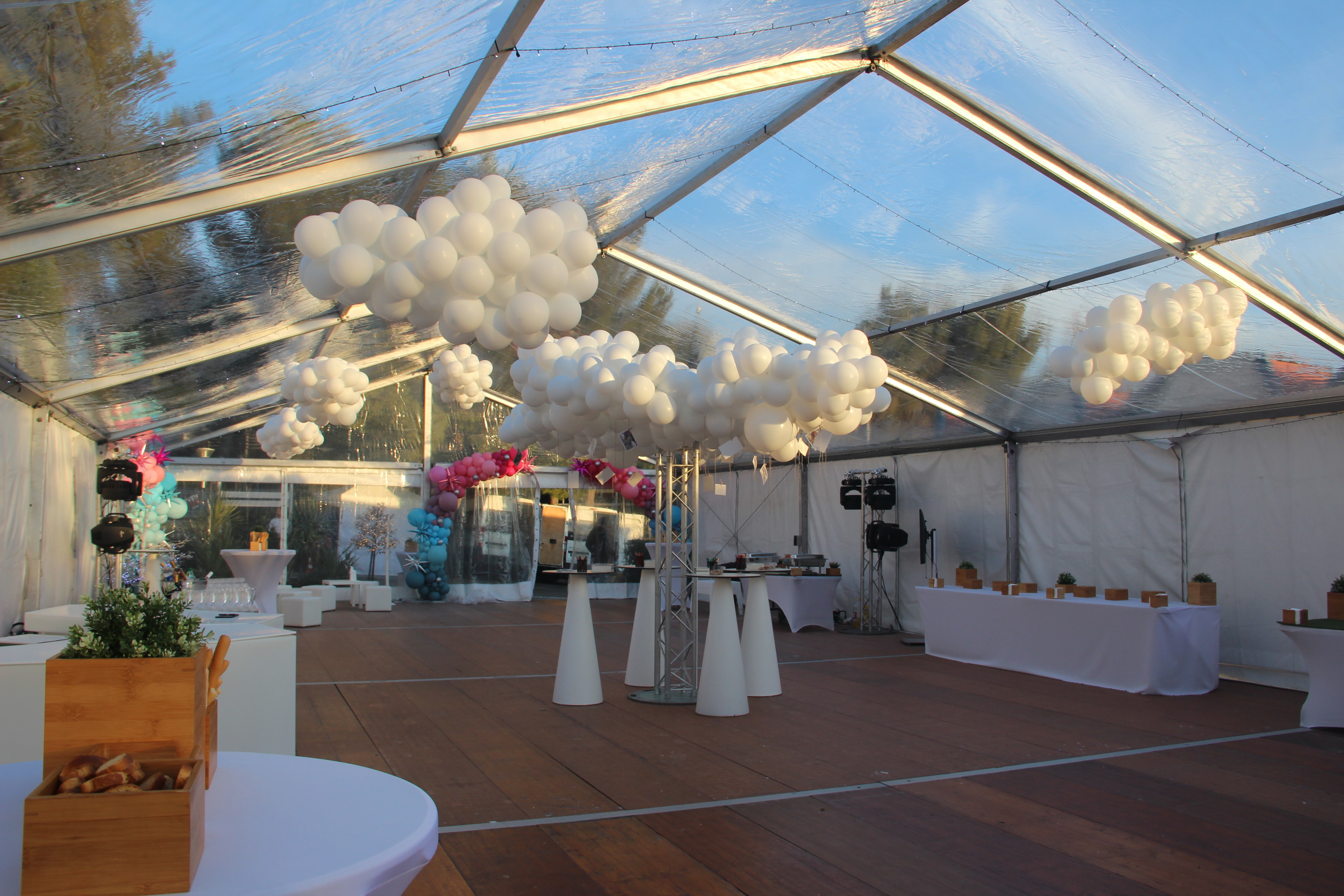
Tent Rental in Brussels is often the most pragmatic solution when indoor capacity is limited, when you want to host on your own premises, or when you need a controlled environment without losing the openness of an outdoor setting. It is also a way to secure the program against weather while keeping guests close to where the story is (a building inauguration, a production site, a campus, a pop-up showroom).
For executives and HR/Comms leaders, the tent is a management tool: it creates space, flow, and predictability. The value is not in the tent itself, but in the way it reduces risk on the day and enables a clear guest experience.
Protect the agenda: speeches, award moments, and product reveals remain feasible even with rain and wind, which is a realistic scenario in Brussels for many months of the year.
Scale capacity without moving venue: extend your site to host 200, 500, or 1,000 guests without relocating teams and materials.
Create clear zones: registration, plenary, dining, networking, and backstage can be separated with partitions, flooring transitions, and signage—reducing crowding and improving security.
Support HR outcomes: for family days or employer branding events, tents help manage comfort (heating, ventilation, toilets nearby) and avoid frustration that impacts perceived care for employees.
Strengthen brand control: controlled lighting, consistent décor, and technical rigging allow Comms teams to deliver the right visual identity for photo/video and media moments.
Brussels is a city where reputation travels fast across networks: stakeholders, institutions, and partners often overlap. A well-executed tented event signals operational seriousness—especially when you host on-site and want to demonstrate excellence without relying on a hotel ballroom.
What Brussels sites realistically require before installing a tent
Decision-makers often underestimate how “urban” constraints shape a Tent Rental project in Brussels. The same tent that is simple to install in a rural field can become complex next to an office building with limited access, strict security, and neighbors. We therefore start with constraints, not with catalogues.
Common Brussels realities we plan for:
- Access windows and delivery constraints: loading bays shared with daily operations, time-restricted streets, and narrow entries that limit truck size or require shuttle unloading.
- Ground conditions: paved courtyards, underground parking slabs, or landscaped areas where anchoring must be ballasted instead of staked—impacting weight, footprint, and cost.
- Noise and neighborhood sensitivity: corporate receptions near residential blocks require realistic sound management, cut-off times, and a site plan that keeps speakers and generators away from boundaries.
- Security protocols: badge-controlled buildings, VIP arrivals, and separate service flows. We design back-of-house paths so catering and technical teams do not cross guest routes.
- Weather planning: rainproof transitions (covered walkways), mud control (flooring), temperature comfort (heaters, air curtains), and condensation management for morning setups.
These are not “nice-to-haves.” They determine whether the event feels smooth and premium, or improvised and stressful for your internal teams.
Which corporate entertainment options work well under a tent in Brussels
A tent is more than shelter: it is a controlled environment where corporate event entertainment in Brussels can be delivered reliably. Under a tent, acoustics, lighting, and guest flow are manageable—meaning you can plan content that supports HR or communication goals rather than “fill time.” The best entertainment choices are those that respect the audience profile, the brand tone, and the timing constraints of a corporate agenda.
Interactive animations in Brussels
Moderated talk + live Q&A: ideal for leadership updates or transformation programs. We plan microphones, stage sightlines, and a calm technical setup so speakers feel secure.
Team-based challenges (light competition): works for cross-department connection without forcing extroversion. We design formats that allow late arrivals and avoid long waiting lines.
Photo and video activations with brand control: backdrop, lighting, and instant sharing for internal comms. Under tent coverage, this runs consistently even in rain.
Art animations in Brussels
Acoustic sets or jazz trio: suitable for executive receptions where conversation must remain possible. We position musicians to avoid sound hotspots.
Short-format performance moments (5–12 minutes): effective between speeches and dinner service to keep energy without disrupting catering timing.
LED or visual acts: when brand image needs a modern signal. Under tent lighting, we can control ambient levels for maximum effect.
Innovative animations in Brussels
Chef stations (live carving, pasta, Belgian classics): strong for engagement because guests self-direct. We plan extraction/ventilation constraints and power needs with the caterer.
Beer and chocolate pairings: works well with international audiences in Brussels, but must be paced and staffed to avoid queues.
Coffee barista corner: underestimated for afternoon corporate events; it improves perceived hospitality and keeps networking active.
Gourmand animations in Brussels
Silent conferencing headsets: useful when a Brussels site has strict noise constraints. You can run a keynote without disturbing neighbors.
Hybrid capture corner (short interviews): helps Comms teams produce internal content immediately after announcements, while the message is fresh.
Interactive light zoning: lighting scenes shift the tent from plenary to cocktail to dinner without changing the structure—efficient on time and budget.
Entertainment is credible only when it aligns with brand posture. A listed company’s investor-sensitive update requires a different tone than an HR family day. We help you select formats that reinforce your message, respect your audience, and remain technically robust under a tent.
Where to install a corporate tent in Brussels without friction
The venue choice determines how complex your Tent Rental in Brussels will be. Some sites are perfect on paper but difficult in execution (access, anchoring, noise, or power). We evaluate the site with a production lens: where trucks go, where guests arrive, what happens in rain, and how your teams continue business operations around the build.
| Venue type | For which objective? | Main strengths | Possible constraints |
|---|---|---|---|
| Company courtyard or parking area (Brussels HQ) | On-site reception, milestone celebrations, executive address without moving teams | High control, strong employer branding, easy stakeholder attendance | Anchoring on asphalt/concrete (ballast), limited access windows, business continuity during build |
| Green space within corporate campus | Family day, summer party, multi-zone activities | Comfortable ambiance, space for zones (kids, food, stage), natural flow | Ground protection, weather/mud risk, restricted vehicle access for heavy elements |
| Event venue outdoor area (with existing utilities) | Product launch, client reception with higher service expectations | Often easier power/water, trained staff, better guest facilities | Venue rules, exclusivity constraints, limited rigging/branding permissions |
We strongly recommend a site visit before you validate any structure size. A 30-minute walk-through in Brussels typically reveals the real constraints: turning radius, slope, underground technical networks, and where guests will naturally queue. This is where we secure the plan—and your peace of mind.
What tent rental costs in Brussels and what drives the price
In Brussels, tent budgets vary widely because the tent is only one part of the deliverable. The real cost is driven by what makes it corporate-grade: flooring, heating, power, safety, access complexity, and the time needed for build/dismantle. We prefer to quote with clear line items so you can arbitrate intelligently rather than compare “one number vs. one number.”
As an order of magnitude, a basic reception tent can start in the low thousands of euros, while a larger corporate setup with flooring, heating, lighting, and technical rigging can move into the five figures. The right reference point is your usage: cocktail, seated dinner, plenary, multi-zone, and brand level.
Size and format: a 10x15 m tent is not priced like a 20x50 m structure; seated dinner requires more m² per person than standing cocktail.
Flooring: essential for comfort, accessibility, and a premium feel. It also stabilizes furniture and reduces risk in wet conditions common in Brussels.
Anchoring method: staking vs. ballast. Ballast is common in urban sites and increases logistics (weight, transport, labor).
Heating and ventilation: number of heaters, fuel management, and distribution. Shoulder seasons often require robust solutions to avoid guest discomfort.
Power and lighting: generator size (kVA), distribution boards, cable routes, emergency lighting, and aesthetic lighting scenes.
Access complexity: long carry distances, time windows, security checks, or crane/telehandler needs can materially affect labor.
Compliance and safety: fire retardancy certificates, evacuation signage, and coordination with your prevention advisor and venue requirements.
We frame budget decisions around return on risk reduction: keeping the program intact, protecting VIP experience, and avoiding last-minute changes that cost more than doing it right from the start. A transparent quote also helps procurement defend the choice internally.
Why working with a Brussels tent partner reduces event-day risk
For corporate events, proximity is not a “nice story”—it is an operational advantage. A Brussels-established team knows the delivery realities, the local vendor ecosystem, and how to coordinate with building management and security without escalating every issue to your internal teams. When the schedule is tight, a local presence is often the difference between a controlled setup and a stressful morning.
As your event agency in Brussels, INNOV'events acts as the interface between your stakeholders and the technical field teams. We document decisions, validate feasibility, and keep accountability clear across suppliers.
- Faster site responsiveness: quick re-checks, last-minute measurements, and coordination with facility teams without waiting for long-distance logistics.
- Local crew habits: installers and technicians used to Brussels access constraints and corporate security procedures.
- Better contingency management: if wind, rain, or traffic affects timing, we can adapt resources rapidly.
- Supplier coordination: tent, catering, audio, lighting, sanitation, and furniture must be synchronized; we manage dependencies and handovers.
We frame budget decisions around return on risk reduction: keeping the program intact, protecting VIP experience, and avoiding last-minute changes that cost more than doing it right from the start. A transparent quote also helps procurement defend the choice internally.






Examples of Brussels tent projects and what they required
In Brussels, tent projects differ less by “theme” and more by constraints: access, timing, and stakeholder expectations. We regularly support:
- On-site end-of-year receptions for headquarters: installation while the building remains operational, with a clear separation between staff entrances and guest routes, and a security-controlled backstage for speeches.
- Product launches with press moments: controlled lighting, stage sightlines, and a dedicated area for demos with power stability and cable management.
- Family days on corporate campuses: multi-zone layouts (kids activities, food area, quiet space), weather-proof flooring, and safe circulation that avoids mixing vehicles and guests.
- Institutional or partner events: protocols for VIP arrivals, multilingual signage, and a run-of-show that respects strict timing.
What these projects have in common is the need for a production plan that anticipates friction. A tent is a structure; the deliverable is a professional environment that behaves like a temporary venue—with comfort, safety, and service continuity.
Common tent rental mistakes we prevent in Brussels projects
Choosing size by headcount only: 300 guests can mean very different needs depending on cocktail vs. seated dinner, stage, buffet length, and circulation.
Underestimating access and carry distance: a site that looks “close” can require long manual transport if trucks cannot approach—impacting build time and cost.
Ignoring ground and anchoring constraints: underground parking slabs or paved courtyards often require ballast; discovering this late forces rushed redesigns.
Not planning weather transitions: the tent may be dry, but guests can arrive soaked if walkways and entrance coverage aren’t planned.
Technical power planning too late: catering, heating, and AV loads must be consolidated early to avoid overload and last-minute generator upgrades.
No clear responsibility matrix: when multiple suppliers are involved, someone must own the integrated plan; otherwise, issues bounce between vendors.
Our role is to structure the project so these risks are addressed before contracting, not “managed live” on event day. That is what executives and HR/Comms teams typically value most: fewer surprises, cleaner decisions, and a calmer delivery.
Why Brussels clients renew with the same tent team
Repeat business happens when an agency reduces internal workload and provides consistent outcomes. For HR and Communication teams, the cost of changing suppliers is not only financial—it’s time, risk, and stakeholder confidence. We therefore operate with a documentation culture: what was built, why it was built that way, and what to improve next time.
Most recurring corporate formats we support are annual: end-of-year events, summer receptions, partner evenings, and family days. The operational benefit is that the site constraints and stakeholder expectations are already mapped.
We maintain reusable production templates: site plan versions, power distribution logic, supplier call times, and safety checkpoints—adapted to each Brussels site.

Loyalty is not driven by novelty; it is driven by predictability. In Brussels, where stakeholders can be demanding and time-poor, a partner who consistently delivers with the same standards is a tangible advantage.
Our tent rental process in Brussels from brief to dismantle
👉 Step 1 — Clarify objectives and constraints in Brussels
We start with your non-negotiables: date, guest profile, schedule, and brand requirements. Then we map constraints specific to your Brussels site (access windows, anchoring limits, noise rules, security). You receive a first feasibility view: what is realistic, what needs arbitration, and what the main budget drivers will be.
👉 Step 2 — Site survey and technical sizing
We perform measurements and validate ground conditions, truck approach, and safety paths. We translate your program into square meters: reception, plenary, catering backstage, toilets proximity, and covered transitions. This is where we prevent under-sizing and avoid “last-minute tent extensions” that disrupt budgets.
👉 Step 3 — Proposal with options and clear line items
You receive a structured proposal: tent type, dimensions, flooring, walls, doors, heating/ventilation, lighting, and power. We include options (e.g., better flooring, upgraded lighting scenes, covered walkways) so you can choose based on impact rather than guesswork.
👉 Step 4 — Coordination with other vendors and internal stakeholders
We synchronize the tent build with catering, AV, furniture, and security. We confirm who is responsible for what (delivery timing, generator fuel, fire extinguishers if required, signage). This is also when we align with your facility manager and prevention advisor so approvals don’t happen at the last minute.
👉 Step 5 — Installation, on-site checks, and event-day supervision
We manage the build schedule, access control for vendors, and on-site quality checks: stability, flooring level, emergency exits, cable safety, and lighting tests. On event day, we coordinate adjustments (weather, timing changes, guest flow) while keeping your internal team out of operational firefighting.
👉 Step 6 — Dismantle and site handback
We plan dismantling to respect neighbor constraints and business continuity, including waste management and site cleaning. For recurring Brussels clients, we document learnings immediately (what to keep, what to improve) to simplify next year’s planning cycle.
FAQ sur l'organisation Tent Rental à Brussels
How far in advance book tent rental in Brussels?
For corporate dates in Brussels, plan 6–10 weeks ahead for standard setups and 10–16 weeks for large structures, premium flooring, or tight access sites. Peak periods (May–July and November–December) fill earlier.
What tent size do we need for 300 guests in Brussels?
As a practical range: for a standing cocktail, often 300–450 m² depending on buffet length and circulation; for a seated dinner with stage, often 450–650 m². A site survey in Brussels is essential because anchoring and usable footprint can reduce the effective area.
Can you install a tent on a paved courtyard in Brussels?
Yes. On paved or concrete surfaces in Brussels, anchoring is usually done with ballast instead of stakes, subject to space and weight constraints. We confirm slab limits and underground structures during the site check.
Do we need heating for a tented event in Brussels?
Often yes outside mid-summer. For evening events from September to April in Brussels, heating is typically recommended, especially with frequent door openings. The exact sizing depends on tent volume, wall configuration, and desired indoor temperature.
What is included in corporate tent rental in Brussels quotes?
A corporate-grade quote usually includes the structure, walls/doors, delivery, installation, dismantle, and basic compliance documentation. Flooring, heating, lighting, power distribution/generator, covered walkways, and interior finishing are frequently separate lines—useful for budget arbitration.
Request a Brussels tent rental quote with a clear plan
If you are comparing suppliers, we can provide a decision-ready proposal: recommended tent size, site constraints, build schedule, safety checkpoints, and a transparent budget structure. Send us your date, estimated headcount, and location in Brussels, and we’ll come back with realistic options and lead times.
For high-stakes corporate events, earlier planning gives you better structure availability, smoother access coordination, and more cost control. Contact INNOV'events to schedule a site check and lock the technical plan before other dependencies (catering, AV, furniture) are committed.
INNOV'events Brussels Agency
Justin JACOB is the manager of the INNOV'events Brussels office. Reach out directly by email at belgique@innov-events.be or via the contact form.
Contact the Brussels agencyToutes nos prestations & animations Brussels, Belgique
Découvrez nos prestations événementielles
Découvrez nos animations événementielles disponibles au Belgique
- Event Hostess in Brussels
- Escape Game in Brussels
- MasterChef Cooking Workshop in Brussels
- Magician in Brussels
- Marquee Rental in Brussels
- Color Analysis Workshop in Brussels
- Inflatable Games in Brussels
- Valet Parking Service in Brussels
- Football Simulator in Brussels
- LED Furniture Rental in Brussels
- Light Branding in Brussels
- Unique Dining Experience in Brussels
- Light Painting in Brussels
- Murder Mystery Party in Brussels
- Prize Contest in Brussels
- Promotional Displays (POS) in Brussels
- Virtual Reality in Brussels
- Molecular Gastronomy Workshop in Brussels
- Halloween Entertainment in Brussels
- Fireworks Show in Brussels
- Giant Games Challenge in Brussels
- Event Host / MC in Brussels
- Photo Booth Animation in Brussels
- Santa Claus Entertainment in Brussels
- Kids Entertainment in Brussels
- Guided Tour in Brussels
- Urban Rally in Brussels
- Ball Pit in Brussels
- Flight Simulator in Brussels
- Food Truck Rental in Brussels
- World Record Challenge in Brussels
- Surf Simulator in Brussels
- Wine Casino in Brussels
- Makeover Workshop in Brussels
- Perfume Creation Workshop in Brussels
- Acting Workshop in Brussels
- CSR Activities in Brussels
- Archery in Brussels
- Security Staff in Brussels
- Wine Tasting in Brussels
- Mime Performer in Brussels
- TV Game Show in Brussels
- Funfair in Brussels
- Crisis Management Workshop in Brussels
- Crisis Negotiation Workshop in Brussels
- Arcade Games in Brussels
- Indoor Skydiving Simulator in Brussels
- Ski Simulator in Brussels
- Racing Circuit Experience in Brussels
- Introductory Flight Experience in Brussels
- Tasting Experience in Brussels
- Build Your Own Foosball Workshop in Brussels
- 2CV Rally in Brussels
- LEGO Challenge in Brussels
- Casino Night in Brussels
- Interpreter / Translator in Brussels
- Promotional Giveaways in Brussels
- Shuttle Transport in Brussels