
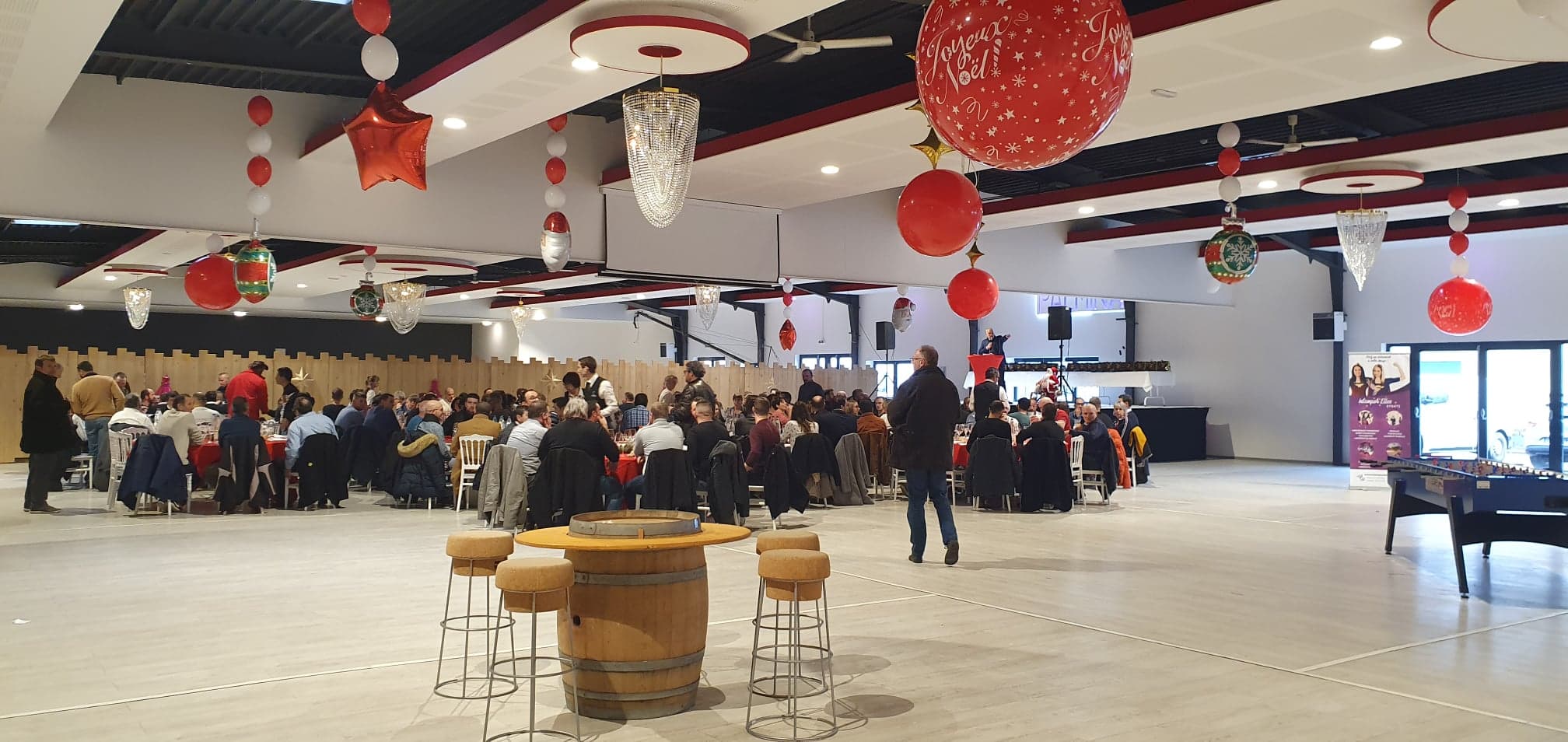
Farewell Party in Brussels that protects your brand and your people
INNOV'events is a event agency in Brussels supporting executives, HR and Comms with corporate Farewell Party formats from 25 to 600 guests. We handle venue shortlisting, guest flow, AV, content timing, suppliers and on-site direction so your leadership team can stay present, not operational.
Whether it’s a retiring executive, a relocation, or an end-of-mandate celebration, we structure the moment to be warm, controlled, and aligned with your internal narrative.
Table of contents
In a corporate setting, entertainment isn’t a “nice-to-have”: it’s the mechanism that helps people transition from work mode to collective recognition. A well-built Farewell Party reduces awkwardness, supports speeches, and keeps energy stable from arrivals to the last taxi.
In Brussels, organisations expect punctual schedules, bilingual sensitivity, and venues that work with security constraints, late arrivals from trains, and mixed audiences (employees, clients, public stakeholders). The bar is high: if it feels improvised, people notice immediately.
We’re on the ground in Brussels every week: site visits, supplier briefings, and day-of show-calling. Our approach is operational first: clear responsibilities, contingency plans, and entertainment that serves your message rather than competing with it.
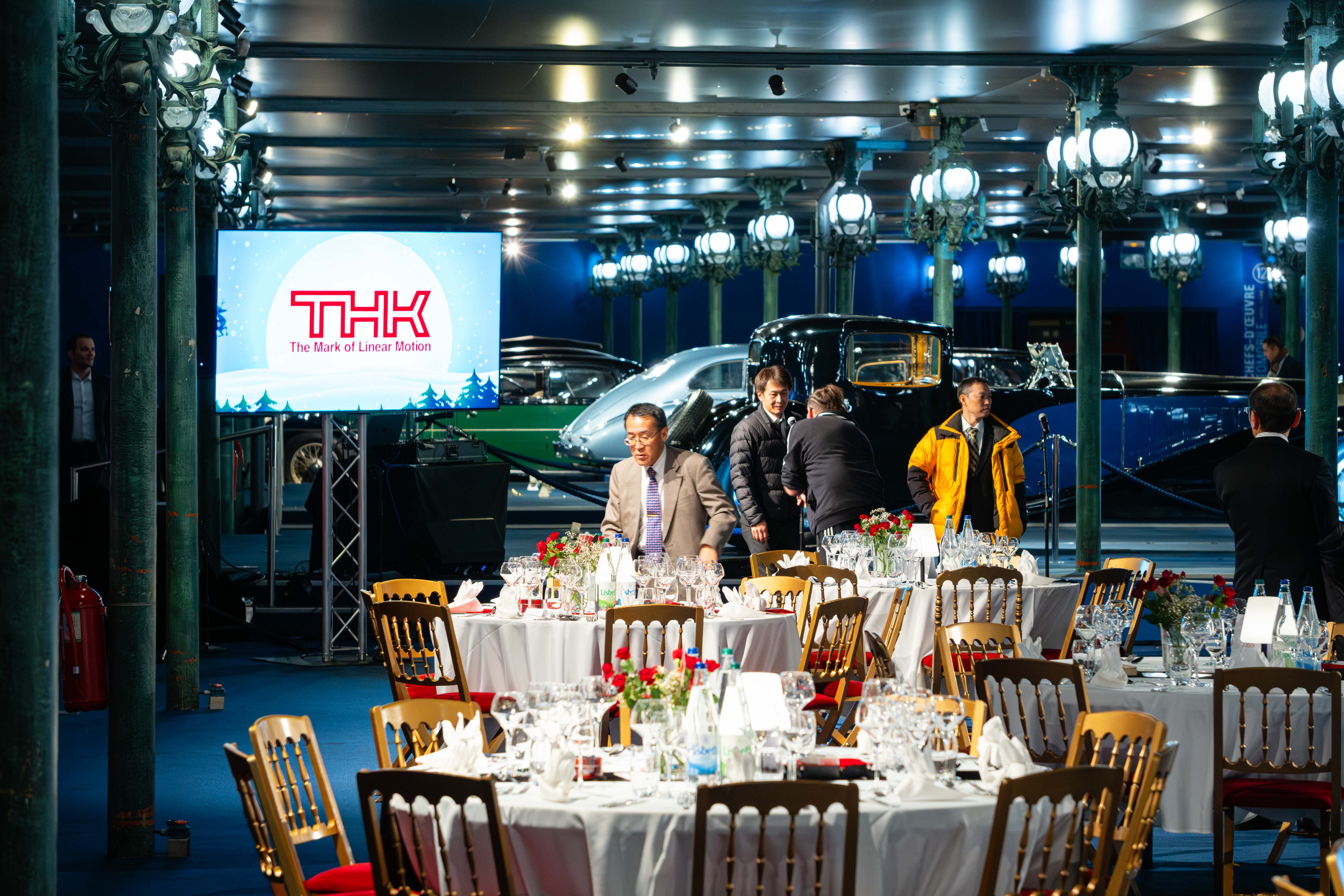
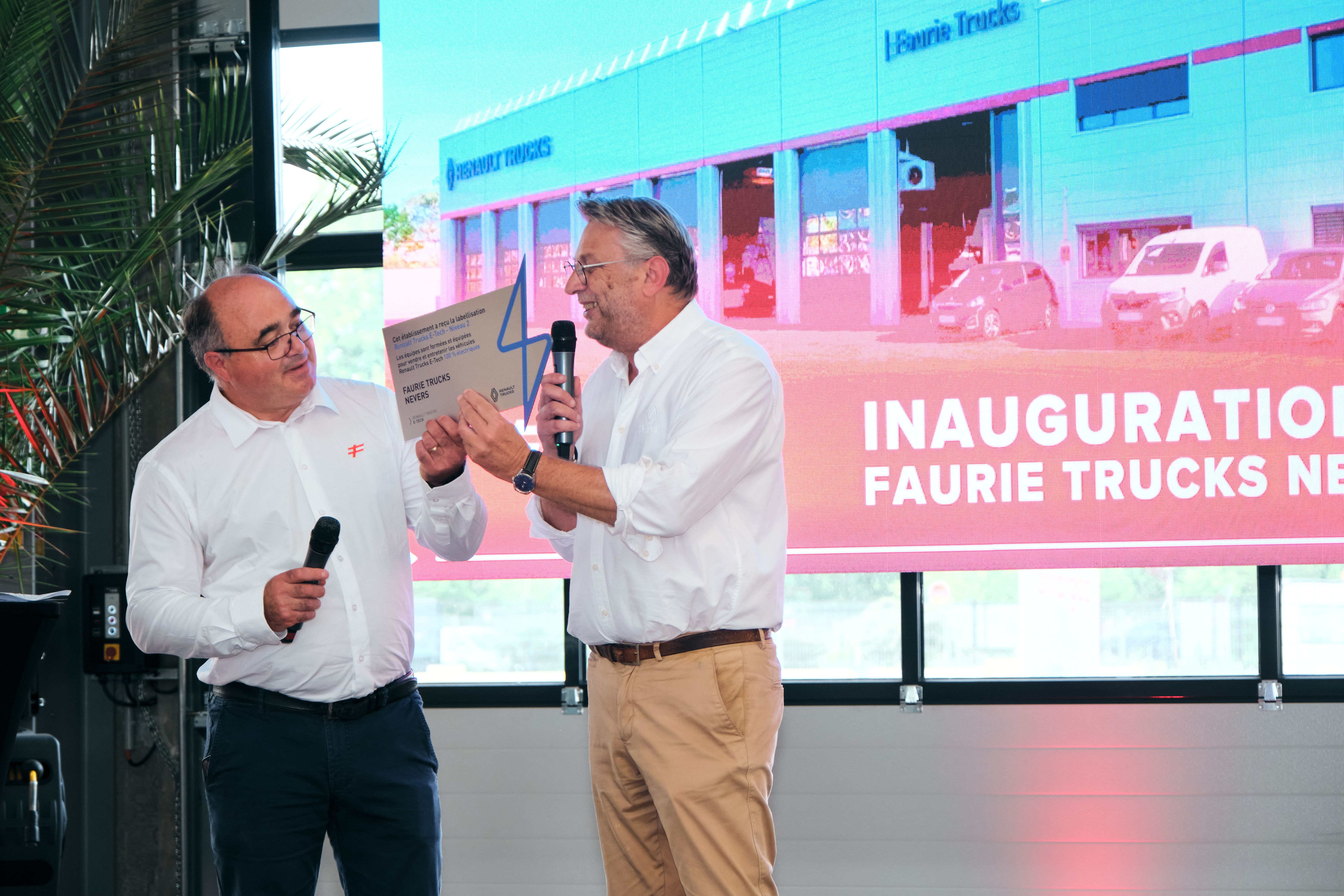
Brussels delivery capacity in numbers
12–16 weeks: typical lead time we recommend for a Farewell Party in Brussels with speeches, video and a hosted programme.
3 production milestones: concept & format lock, technical rehearsal plan, and final run-of-show sign-off with speaker order and cues.
1 on-site decision point: a designated client approver (HR/Comms/EA) to avoid “committee approvals” during live production.
25–600 guests: common attendance ranges we manage in Brussels for corporate farewells, including hybrid set-ups for remote teams.
How to organize a professional event in Brussels?
- Define the objective (cohesion, announcement, fidelity, performance).
- Set date, format and size (20–1 000 people).
- Secure the venue and accommodation according to seasonality.
- Lock down technical, suppliers and logistics.
- Drive the day J (timing, scene, entrance, flow).
Corporate farewell projects delivered in Brussels year after year
We support organisations across Brussels and the wider capital region—head offices, EU-facing teams, consultancies, financial services, and public-interest organisations with formal protocols. Many clients rebook because they need the same thing every time: a controlled, respectful moment that still feels human.
Typical recurring scenarios we manage include: executive retirements with clients invited, department restructures with a leadership handover, end-of-mandate celebrations for senior directors, and farewell evenings tied to a relocation or office closure. In each case, the pressure is the same: protect the employer brand, avoid internal friction, and keep the programme on time.
When you brief us, we’ll ask for concrete details rather than slogans: who is being honoured, who might feel excluded, what must be said (and what must not), what languages will be used, and what compliance or representation rules apply. That is how a Farewell Party becomes safe for leadership—and meaningful for teams.
We send you a first proposal within 24h.
Why plan a Farewell Party in Brussels for leadership transitions
A departure is a management moment before it is an event moment. If you leave it to a last-minute drink, you risk rumours, mixed messaging, and a “cold” ending that people remember longer than you expect. A structured Farewell Party in Brussels gives leadership a controlled stage to recognise contribution, frame the transition, and keep morale intact.
Protect the narrative: you decide what is celebrated (impact, milestones, values) and what stays out of the room (internal tensions, ongoing negotiations).
Reduce employee anxiety: when someone senior leaves, teams read it as a signal. A clear programme and a credible message stabilise the organisation.
Strengthen manager credibility: a well-prepared speech sequence, moderated transitions and a respectful tribute reflect professionalism—especially in front of clients or partners.
Enable genuine recognition: curated testimonials, a short video, or a structured open-mic avoids long, repetitive speeches while keeping authenticity.
Support HR objectives: alumni networks, knowledge transfer, and employer branding are easier when the exit is positive and well-managed.
Improve attendance and engagement: good pacing, food timing and a clear end time matter in Brussels, where commutes and childcare constraints are real.
Brussels is a relationship-driven business environment where reputations circulate quickly across sectors and institutions. A departure handled with maturity signals stability—internally and externally.
What Brussels teams expect from a corporate Farewell Party
In Brussels, corporate audiences are often mixed: long-tenured staff, new joiners, expats, and stakeholder-facing colleagues who are used to formal settings. That mix creates specific expectations—especially around tone. A farewell that is too “party” can feel off-brand; a farewell that is too rigid can feel cold. The solution is to separate moments: a formal recognition sequence (short, paced, moderated) followed by a social segment where people can connect naturally.
Language is a practical constraint, not a checkbox. We frequently plan bilingual or trilingual moments with short, well-written speech segments rather than long blocks that lose half the room. The same goes for signage, slides, and the video: consistency matters. If your organisation uses English internally but has French/Dutch stakeholders invited, we plan translations where they create value (opening, key tribute, closing) and keep the rest simple.
Operationally, Brussels events are shaped by traffic, access restrictions, and building rules. We factor in arrival waves from rail stations, limited parking, and security requirements (guest lists, badge pickup, ID checks). These are not “details”: they directly affect the first 20 minutes of your event, which is where perceptions are formed.
Which entertainment works best for a Farewell Party in Brussels
Entertainment in a corporate Farewell Party should create participation without forcing it. The goal is to help colleagues interact across hierarchies and departments, while keeping the departing person at the centre in a respectful way. We choose formats that support conversation, keep sound levels workable, and integrate seamlessly with speeches and catering.
Interactive animations in Brussels
Moderated tribute sequence: a professional MC keeps speech lengths under control, introduces speakers cleanly, and maintains tone when emotions run high.
Memory wall with guided prompts: instead of random notes, we structure prompts (first project together, best leadership lesson, proudest moment) and assign a facilitator to keep it moving.
Team “handover” moment: a short on-stage symbolic transfer (book, baton, framed value statement) that supports your internal messaging during leadership changes.
Live polling Q&A: used carefully for a departing leader interview—questions screened in real time to keep it safe and relevant.
Art animations in Brussels
Acoustic trio or jazz set: keeps conversation possible while creating a premium atmosphere—particularly effective in reception-style layouts in Brussels venues with hard surfaces.
Illustrator or live sketching: a discreet artist captures key moments (speech highlights, team values) and delivers a final board as a gift—appropriate when you want sophistication over volume.
Short-stage performance: a 8–12 minute act between formal and social parts helps reset energy without taking the focus away from the tribute.
Innovative animations in Brussels
Structured tasting stations: instead of a single buffet line, multiple stations reduce queues and naturally create mingling—important for 120+ guests.
Pairing corner (beer, wine or zero-proof): curated pairings work well for mixed audiences; we can include strong non-alcoholic options to align with duty-of-care.
Dessert “finale” timing: serving dessert right after the tribute often improves retention and prevents the room emptying after speeches.
Gourmand animations in Brussels
Tribute video built from micro-interviews: filmed in-office in short slots, edited with subtitles for multilingual clarity, and tested in the venue’s playback chain.
Hybrid message capture: remote colleagues record short messages via a controlled platform; we curate and integrate them to avoid a 25-minute video that loses the room.
Photo workflow with governance: branded backdrop plus a clear consent process and a defined delivery timeline, useful for Comms teams who need content without compliance risk.
The right choice depends on your brand posture. A public institution in Brussels won’t use the same tone as a scale-up or a law firm. We propose entertainment options with clear implications on sound level, timing, inclusivity, and executive comfort—so your employer brand is reinforced rather than diluted.
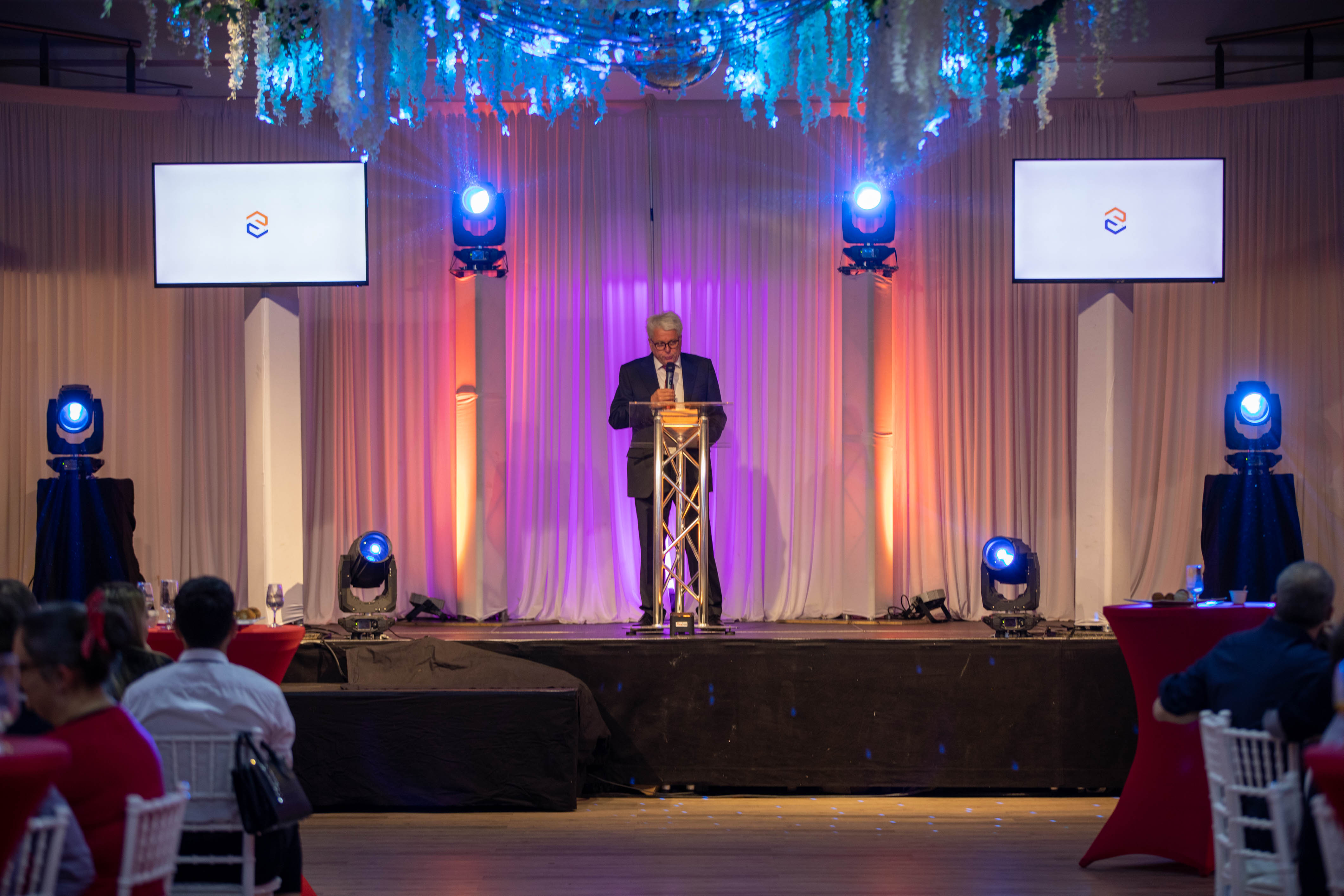
How to choose a Brussels venue for a corporate farewell
The venue sets the “authority level” of your Farewell Party before anyone speaks. In Brussels, the practicalities of access (public transport, taxis, parking), noise restrictions, and in-house technical limitations can be more decisive than aesthetics. We shortlist venues based on your guest profile, the required speech setup, and how much control you need over timing and exclusivity.
| Venue type | For which objective? | Main strengths | Possible constraints |
|---|---|---|---|
Private dining room in an upscale restaurant | Executive farewell with clients, 25–80 guests, speech-led programme | Service quality, compact logistics, strong culinary experience, easy pacing between courses and tributes | Limited AV flexibility, sound restrictions, less control over neighbouring rooms unless fully privatised |
Hotel ballroom or conference suite | Formal farewell with stage, video tribute, and structured reception for 80–300 guests | Built-in technical infrastructure, clear staff processes, accommodation options for international guests | Can feel generic without scenography, package costs, tight load-in windows on busy days |
Industrial or contemporary event space (privatised) | Modern internal farewell with brand storytelling and multiple zones for 150–600 guests | High customisation, strong visual impact, space for stations, stage and networking | More production needed (AV, furniture, power), stricter supplier coordination, potential neighbourhood noise limits |
We strongly recommend a site visit in Brussels with your key stakeholders (HR, Comms, EA, and a technical contact). Ten minutes in the room answers questions that emails never will: acoustics, sightlines, access for suppliers, and where leadership will actually stand when the tribute happens.
What a Farewell Party costs in Brussels and why
The budget for a corporate Farewell Party in Brussels is driven by format and risk management more than by “creativity”. A cocktail for 120 guests with light AV is not the same operational load as a speech-led evening with a stage, video, bilingual moderation, security checks and a tight schedule. We build budgets so you can see what you are paying for and where you can adjust without weakening the event.
Guest count and service style: seated dinner vs reception changes staffing ratios, space needs, and timing control.
Venue exclusivity: full privatisation is often worth it for confidentiality and sound control, but it carries a premium.
AV and content: microphones, speakers, screens, lighting, video playback, recording, and rehearsal time; tribute video production is a separate line item.
Run-of-show complexity: number of speakers, cueing, moderation, translation needs, and whether there is a handover moment.
Brand and compliance needs: signage, branded assets, photography governance, approvals, and post-event deliverables for Comms.
Timing constraints: short lead times increase supplier costs; late-end times can increase staffing, security and transport.
We position the spend as risk-controlled ROI: the cost is justified when it prevents reputational damage, supports retention, and ensures leadership messaging lands clearly. For many organisations in Brussels, the farewell is less about celebration and more about organisational stability—your budget should reflect that.
Why choose a Brussels-based agency for a farewell event
When the departing person is senior, your margin for error is close to zero. A local team matters because it reduces uncertainty: we can visit venues quickly, coordinate suppliers who already work in the city, and handle last-minute changes without remote guesswork. In Brussels, practical issues like loading access, municipal restrictions, neighbourhood noise rules, and transport strikes are not theoretical—they’re part of real event life.
Local presence also helps with stakeholder management. We can run a discreet technical recce, organise an early-morning rehearsal, and solve issues (extra lectern, backup microphone, last-minute seating changes) without turning your internal team into producers.
- Faster problem-solving through local supplier networks (AV, catering, hosts, furniture, photographers).
- Venue realism: we validate acoustics, sightlines, and flow rather than trusting a PDF plan.
- Better duty-of-care: transport options, end-of-night dispersal, and clear responsibilities on site.
- Stronger confidentiality with controlled vendor lists and tight access management.
We position the spend as risk-controlled ROI: the cost is justified when it prevents reputational damage, supports retention, and ensures leadership messaging lands clearly. For many organisations in Brussels, the farewell is less about celebration and more about organisational stability—your budget should reflect that.









Brussels farewell formats we’ve executed across industries
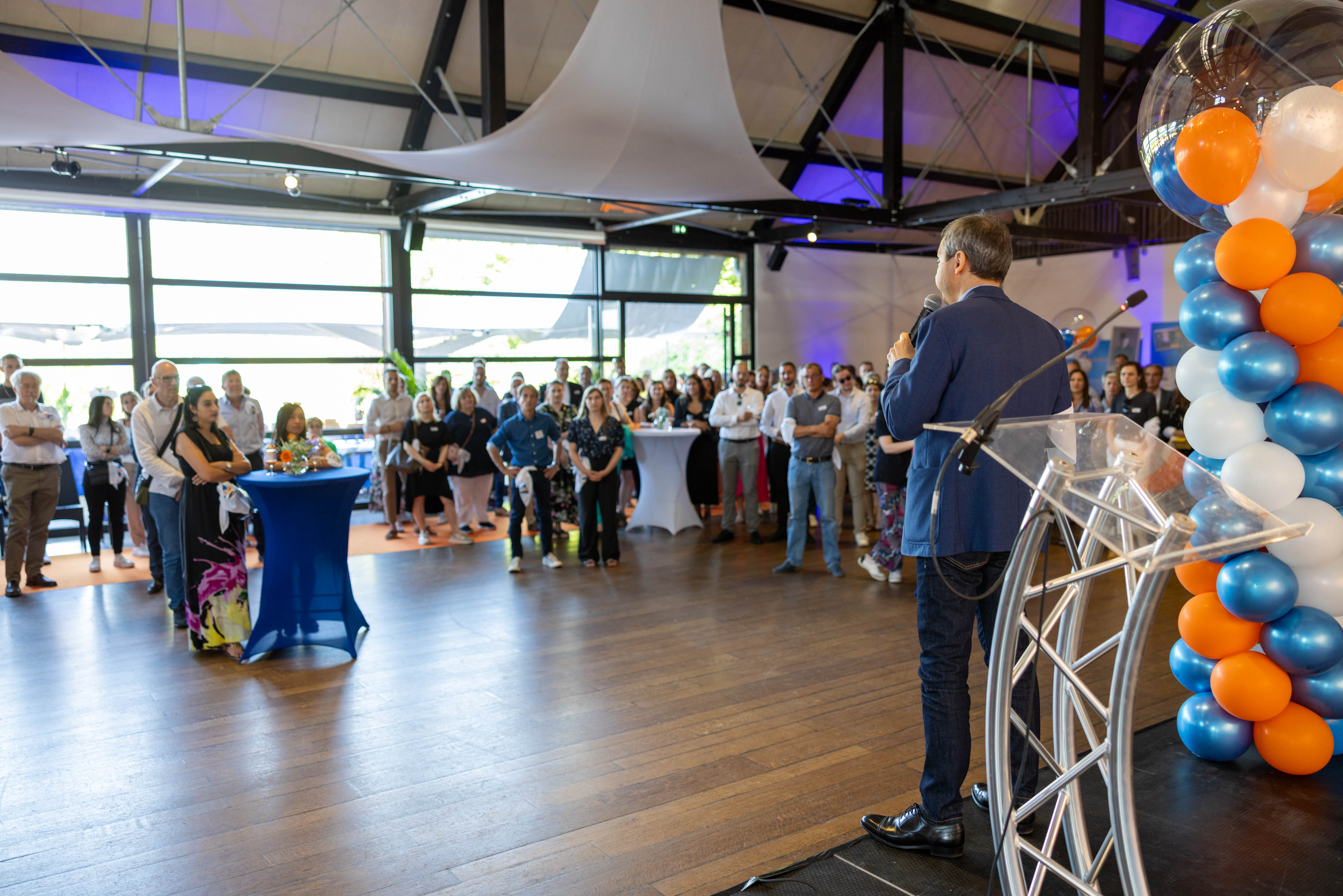
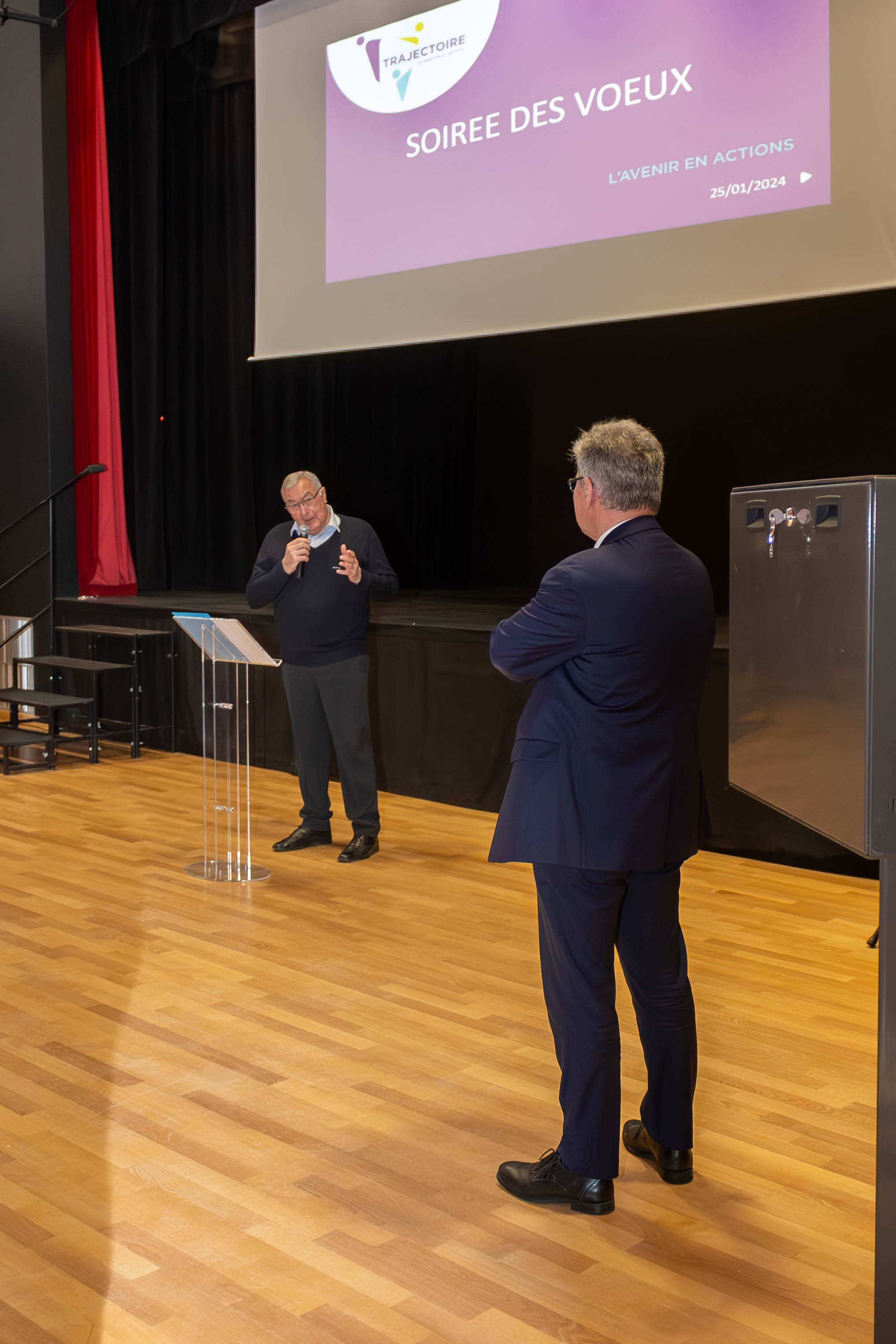
In practice, corporate farewells vary more than clients expect. We’ve delivered intimate executive dinners where every seat assignment mattered, as well as large internal receptions where the key challenge was keeping the tribute meaningful without losing the room. We’ve managed farewells after reorganisations where emotions were mixed, and the programme needed careful tone management: short speeches, factual framing, and a clear transition to social time.
We’ve also run farewell moments embedded into larger corporate events in Brussels—for example, adding a leadership tribute during a town hall, or closing a multi-day seminar with a controlled farewell sequence. These formats demand discipline: a tight cue list, proper mic technique coaching for speakers, and a stage manager who prevents “one extra person” from extending the programme by 30 minutes.
Across these projects, the same principle applies: we treat the farewell as a piece of internal communication with live constraints. The result should feel sincere to employees and safe to leadership—because both are watching for different signals.
Common Brussels farewell pitfalls we prevent for HR and Comms
Open-mic without moderation: it starts heartfelt and ends with off-topic stories, sensitive jokes, or time overruns.
Underpowered AV: one microphone for a 150-person room, speakers that can’t handle the space, or a screen only visible from the front rows.
Video tribute chaos: last-minute files from colleagues, inconsistent formats, missing subtitles for multilingual audiences, no venue test.
Poor guest flow: long cloakroom queues, bar bottlenecks, and a room layout that traps leadership in a corner.
Undefined photo rules: images posted internally or externally without consent clarity, creating HR issues after the event.
Misaligned tone: entertainment that feels too loud for a formal culture, or a rigid format that prevents genuine connection.
Our role is to de-risk the day: we formalise decisions early, lock the run-of-show, and put experienced on-site direction in place so you don’t end up solving production problems while trying to honour someone’s career.
Why Brussels clients keep INNOV'events on their shortlist
Repeat business in corporate events usually comes from one thing: reliability under pressure. Clients return when they know the event will start on time, the speeches will be managed, suppliers will show up with the right kit, and last-minute executive changes won’t derail the programme.
One consolidated run-of-show shared with all suppliers to prevent version mismatches.
Two cueing documents: a client-facing programme and a technical cue sheet (AV, lighting, video, music).
15–30 minutes of protected rehearsal time for key speakers whenever possible, even on tight schedules in Brussels.

Loyalty is earned when the event feels effortless for leadership and safe for HR. That’s what we aim to deliver every time in Brussels: clarity, control, and a human moment that stays within brand boundaries.
How we plan a Farewell Party in Brussels with your internal teams
👉 Brussels discovery call and stakeholder mapping
We start with a structured brief: purpose of the departure (retirement, transition, relocation), audience segments, sensitivities, languages, and must-have elements (speech by CEO, client presence, tribute video, handover). We identify a single internal approver and clarify what needs legal/HR review. Output: a written summary with risks, decisions required, and a proposed event format.
👉 Venue shortlist and operational feasibility check
We propose venue types that match your objective and constraints (access, capacity, confidentiality, noise, AV). For each option, we flag real operational factors: load-in access, cloakroom potential, stage sightlines, and whether the venue can support video playback and speech intelligibility. Output: comparative shortlist with budget ranges and availability.
👉 Programme build and speaker preparation
We build a realistic run-of-show with timings, speaker order, music cues and catering moments. We advise on speech length (typically 3–6 minutes per speaker), transitions, and how to include colleagues without losing control. If needed, we provide moderation/MC support. Output: versioned run-of-show plus a speaker briefing note (mic technique, positioning, timing).
👉 Production planning and content management
We lock AV specs based on the room (not generic package). For tribute videos, we set a collection method, edit rules, subtitle approach and test schedule. We confirm photography rules and internal/external content usage. Output: technical cue sheet, asset checklist, and a rehearsal plan.
👉 Day-of execution and contingency management
On site, we manage supplier load-in, room set-up, soundcheck, and timing. We call cues for speeches, video and music, and we keep a tight eye on guest flow. We plan for realistic contingencies: late VIP arrivals, a speaker dropping out, or a video playback issue—always with a backup option. Output: a clean debrief and, if included, organised photo/video delivery within an agreed timeline.
FAQ sur l'organisation Farewell Party à Brussels
How early should we book a venue in Brussels?
For 80–200 guests, plan on 8–12 weeks to secure strong options in Brussels. For peak dates (Thursdays in spring/autumn), 12–16 weeks is safer—especially if you need exclusivity, staging and AV.
What budget range for a Farewell Party in Brussels?
A realistic corporate range in Brussels is often €120–€280 per person for venue + catering + core AV, depending on format and exclusivity. Add €1,500–€6,000+ for a tribute video, moderation, enhanced lighting, or more complex production.
How long should a Brussels farewell programme last?
Most corporate formats in Brussels work best at 2.5 to 4 hours. Keep the formal tribute segment to 25–45 minutes total, then shift to networking and food service so the room doesn’t empty after speeches.
Can you manage bilingual speeches in Brussels events?
Yes. We typically structure bilingual delivery with short segments (not long blocks), clear slide language rules, and subtitles for videos. If needed, we can integrate professional interpreters, but often the most effective approach is strong writing, disciplined timing, and a moderator who keeps transitions smooth.
What are the top risks at a Brussels corporate farewell?
The most common risks are AV failure (especially video playback), uncontrolled speeches (tone or timing), and guest-flow bottlenecks (cloakroom/bar). We reduce these with a tested playback chain, moderated run-of-show, and a layout that matches arrival waves typical in Brussels.
Get a Brussels quote with a clear plan and realistic options
If you’re planning a corporate Farewell Party in Brussels, contact INNOV'events early—ideally before the internal announcement goes wide. We’ll come back with a structured proposal: format recommendations, venue types that fit your audience, a draft run-of-show, and transparent budget ranges you can defend internally.
Share your target date, estimated guest count, and any non-negotiables (languages, client presence, video tribute, security). We’ll respond with next steps and availability for a short briefing call.
INNOV'events Brussels Agency
Justin JACOB is the manager of the INNOV'events Brussels office. Reach out directly by email at belgique@innov-events.be or via the contact form.
Contact the Brussels agencyAll our services & entertainment Brussels, Belgique
Discover our event services
Discover our event entertainment available in the Belgique
- Event Hostess in Brussels
- Escape Game in Brussels
- MasterChef Cooking Workshop in Brussels
- Magician in Brussels
- Marquee Rental in Brussels
- Color Analysis Workshop in Brussels
- Inflatable Games in Brussels
- Valet Parking Service in Brussels
- Football Simulator in Brussels
- LED Furniture Rental in Brussels
- Light Branding in Brussels
- Unique Dining Experience in Brussels
- Light Painting in Brussels
- Murder Mystery Party in Brussels
- Prize Contest in Brussels
- Promotional Displays (POS) in Brussels
- Virtual Reality in Brussels
- Molecular Gastronomy Workshop in Brussels
- Halloween Entertainment in Brussels
- Fireworks Show in Brussels
- Giant Games Challenge in Brussels
- Event Host / MC in Brussels
- Photo Booth Animation in Brussels
- Santa Claus Entertainment in Brussels
- Kids Entertainment in Brussels
- Guided Tour in Brussels
- Urban Rally in Brussels
- Ball Pit in Brussels
- Flight Simulator in Brussels
- Food Truck Rental in Brussels
- World Record Challenge in Brussels
- Surf Simulator in Brussels
- Wine Casino in Brussels
- Makeover Workshop in Brussels
- Perfume Creation Workshop in Brussels
- Acting Workshop in Brussels
- CSR Activities in Brussels
- Archery in Brussels
- Security Staff in Brussels
- Wine Tasting in Brussels
- Mime Performer in Brussels
- TV Game Show in Brussels
- Funfair in Brussels
- Crisis Management Workshop in Brussels
- Crisis Negotiation Workshop in Brussels
- Arcade Games in Brussels
- Indoor Skydiving Simulator in Brussels
- Ski Simulator in Brussels
- Racing Circuit Experience in Brussels
- Introductory Flight Experience in Brussels
- Tasting Experience in Brussels
- Build Your Own Foosball Workshop in Brussels
- 2CV Rally in Brussels
- LEGO Challenge in Brussels
- Casino Night in Brussels
- Interpreter / Translator in Brussels
- Promotional Giveaways in Brussels
- Shuttle Transport in Brussels