
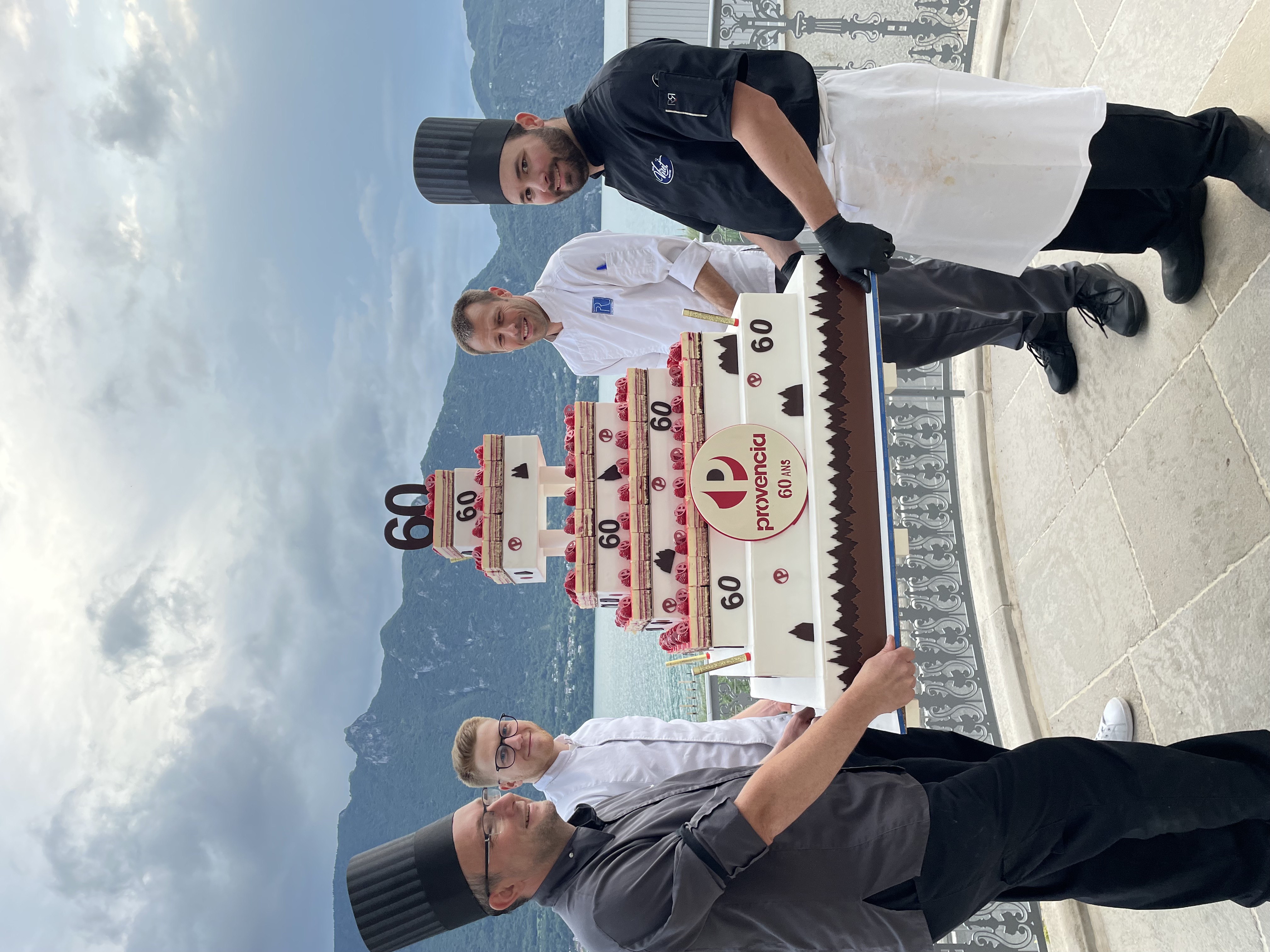
Event Catering in Brussels that keeps your agenda on track
INNOV'events plans and delivers Event Catering for corporate events across Brussels, from leadership breakfasts to 2,000-guest receptions. We manage menu design, staffing, logistics, timing, and venue constraints so your teams can focus on stakeholders. Typical formats range from 30 to 1,500+ attendees, with multilingual service and strict brand standards.
Table of contents
In a corporate event, food and beverage is not “nice to have”: it dictates punctuality, energy levels in the room, and how smoothly networking actually happens. In Brussels, where guests often come straight from back-to-back meetings, a well-paced catering plan protects your run-of-show and your executive presence.
Local organizations expect consistency: reliable service times, clear dietary labelling, and discreet staff who can adapt when a speech runs long or a VIP arrives late. In Brussels, it’s also common to host international attendees, so menus and service need to work across cultures without becoming complicated.
As an event agency based in the capital, INNOV'events works hands-on with Brussels venues, loading constraints, and supplier networks. We coordinate tastings, on-site tests, and day-of supervision to ensure your Event Catering in Brussels supports the message—not the other way around.
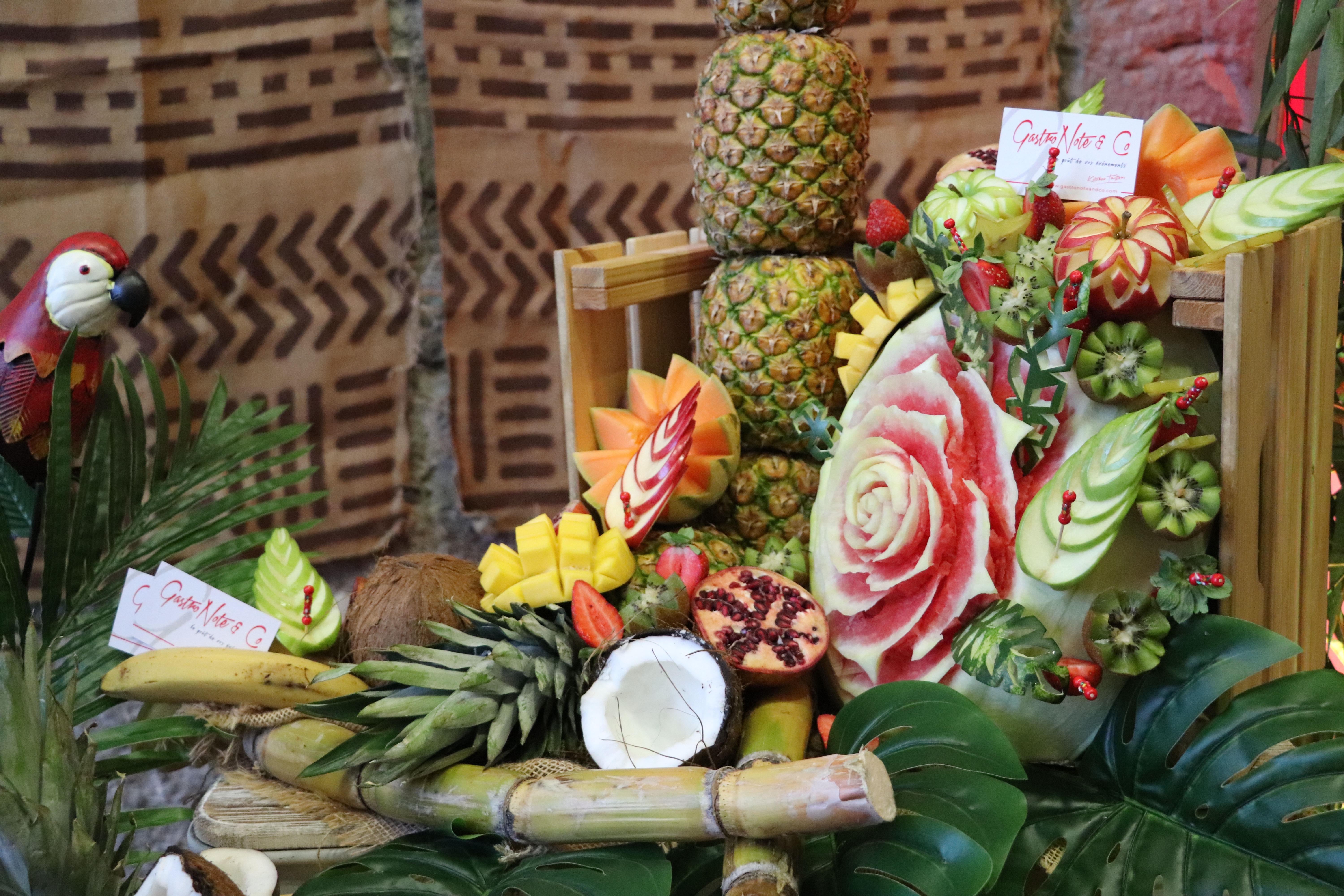
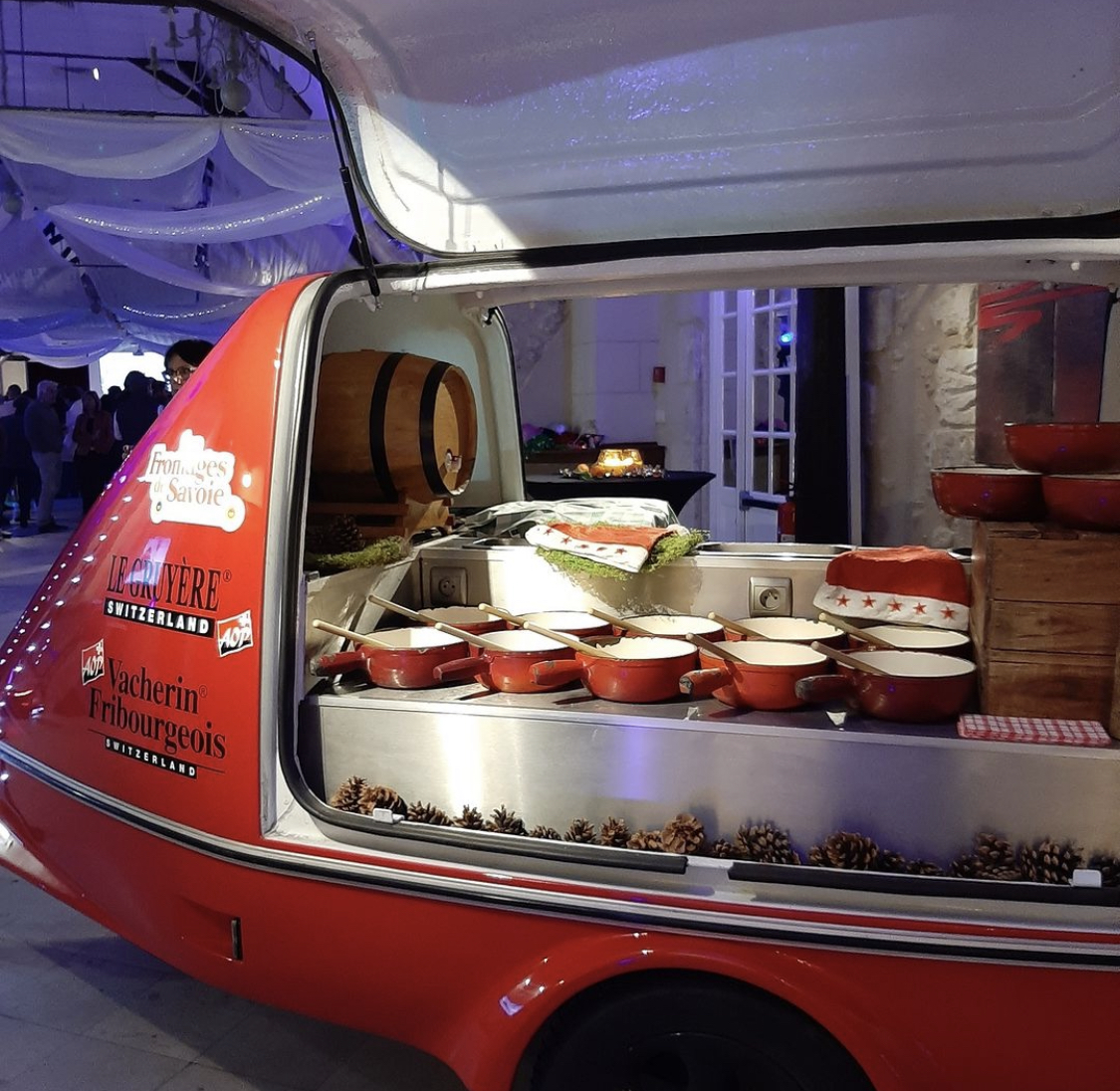
Brussels results you can verify in the field
10+ years coordinating corporate events and Event Catering operations in Brussels and across Belgium, with repeat clients in HR, Comms, and Executive Offices.
Operational capacity from 30 to 2,000 guests, including cocktail receptions, seated dinners, conferences, and multi-room hospitality.
48–72 hours typical turnaround to deliver a first structured catering budget (ranges + options) once the venue, guest count, and format are confirmed.
Multilingual service coverage: FR/NL/EN staffing and signage to match the reality of Brussels audiences.
How to organize a professional event in Brussels?
- Define the objective (cohesion, announcement, fidelity, performance).
- Set date, format and size (20–1 000 people).
- Secure the venue and accommodation according to seasonality.
- Lock down technical, suppliers and logistics.
- Drive the day J (timing, scene, entrance, flow).
Local catering partnerships in Brussels that reduce risk
We work with corporate teams throughout Brussels—from EU-facing organizations to Belgian headquarters—where expectations are high and schedules are tight. Many clients collaborate with us year after year because they value operational predictability: the same level of service at each edition, and fewer surprises in set-up, staffing, and flow.
In practice, that means we don’t “shop around” last minute. We activate a tested network of caterers, staffing partners, rental suppliers, and venue contacts who know the realities of Brussels: limited loading docks, time-restricted access, and strict rules on waste, noise, and building protection. If you share your internal references and preferred vendors, we can also integrate them into a controlled sourcing process while keeping accountability on our side.
We send you a first proposal within 24h.
Why Brussels executives invest in event catering for internal alignment
For leadership teams, catering is a managerial tool: it sets the rhythm of the event, influences who talks to whom, and shapes the perceived quality of the entire programme. In Brussels, where many events mix internal teams with external stakeholders, catering becomes part of your reputation management.
Protect executive time: when service is correctly paced (arrival coffee, break timing, controlled replenishment), speakers start on time and meetings don’t drift. We plan service windows with buffers so a 10-minute overrun doesn’t collapse the next session.
Increase participation during key moments: a well-designed break keeps attendees close to plenary rooms instead of disappearing to nearby cafés. In Brussels districts with dense foot traffic, this is a real retention lever.
Reinforce employer brand in a credible way: modern dietary coverage (vegetarian/vegan, halal-friendly options, allergen control) is now expected. We build menus that are inclusive without being “performative,” and we ensure labelling and staff briefings match.
Enable networking outcomes: layout and serving style change interactions. For example, a plated starter can freeze networking, while well-positioned islands and circulating service can create movement and introductions without forced facilitation.
Reduce operational stress for HR and Comms: one accountable partner for production schedules, staffing ratios, rentals, and contingency planning means fewer last-minute escalations on the day.
This approach fits the economic culture of Brussels: fast-paced, international, and highly image-sensitive. When catering is planned like an operational workstream—not a line item—it supports the business objective behind the event.
What Brussels audiences expect from corporate catering
Brussels events often combine different attendee profiles in the same room: local teams, international visitors, institutional stakeholders, and partners. That mix creates very practical expectations. First, clarity: allergens and dietary choices must be visible and consistent across stations. Second, timing discipline: guests commonly arrive in waves due to city traffic, public transport, and overlapping agendas near the European Quarter.
Venues in Brussels also come with constraints that directly affect catering design: limited freight elevators, narrow corridors, protected floors, and strict access hours (especially in business towers and cultural sites). We therefore validate logistics early: where trucks can stop, how long unloading is allowed, which doors are usable, and how waste will be managed. This prevents the classic scenario where a caterer arrives with the right food but cannot physically set up in time.
Finally, service style matters in Brussels corporate culture. Many clients want premium, but discreet: staff who are present, attentive, and bilingual when needed—without “showy” hospitality. For executive receptions, we also plan VIP handling (separate tray service, quiet corner, reserved table) so leadership can host properly without being interrupted by operational questions.
Which catering experiences work best in Brussels corporate events
In corporate settings, “entertainment” linked to food should serve a purpose: shorten networking barriers, support brand positioning, or structure the evening. In Brussels, where many guests have seen standard cocktail formats repeatedly, the difference is in smart interaction design—without slowing service or creating noise issues.
Interactive animations in Brussels
Guided tasting corners (8–12 minutes per group): small-format tastings (Belgian beers, alcohol-free pairings, coffee, chocolate) run on a schedule so they don’t create crowds. We position them near networking zones to encourage movement.
Chef’s “explain-and-serve” stations: a short explanation (30–45 seconds) while serving reduces perceived wait time and adds credibility, especially for sustainability or local sourcing claims.
Table-to-table service for VIP clusters: for leadership receptions, discreet circulating trays and reserved service points prevent VIPs from queuing and keep hosting natural.
Art animations in Brussels
Live acoustic sets during cocktail: low-volume formats that respect speech intelligibility in Brussels venues where noise restrictions can be strict. We coordinate placement so the music supports flow rather than blocks circulation.
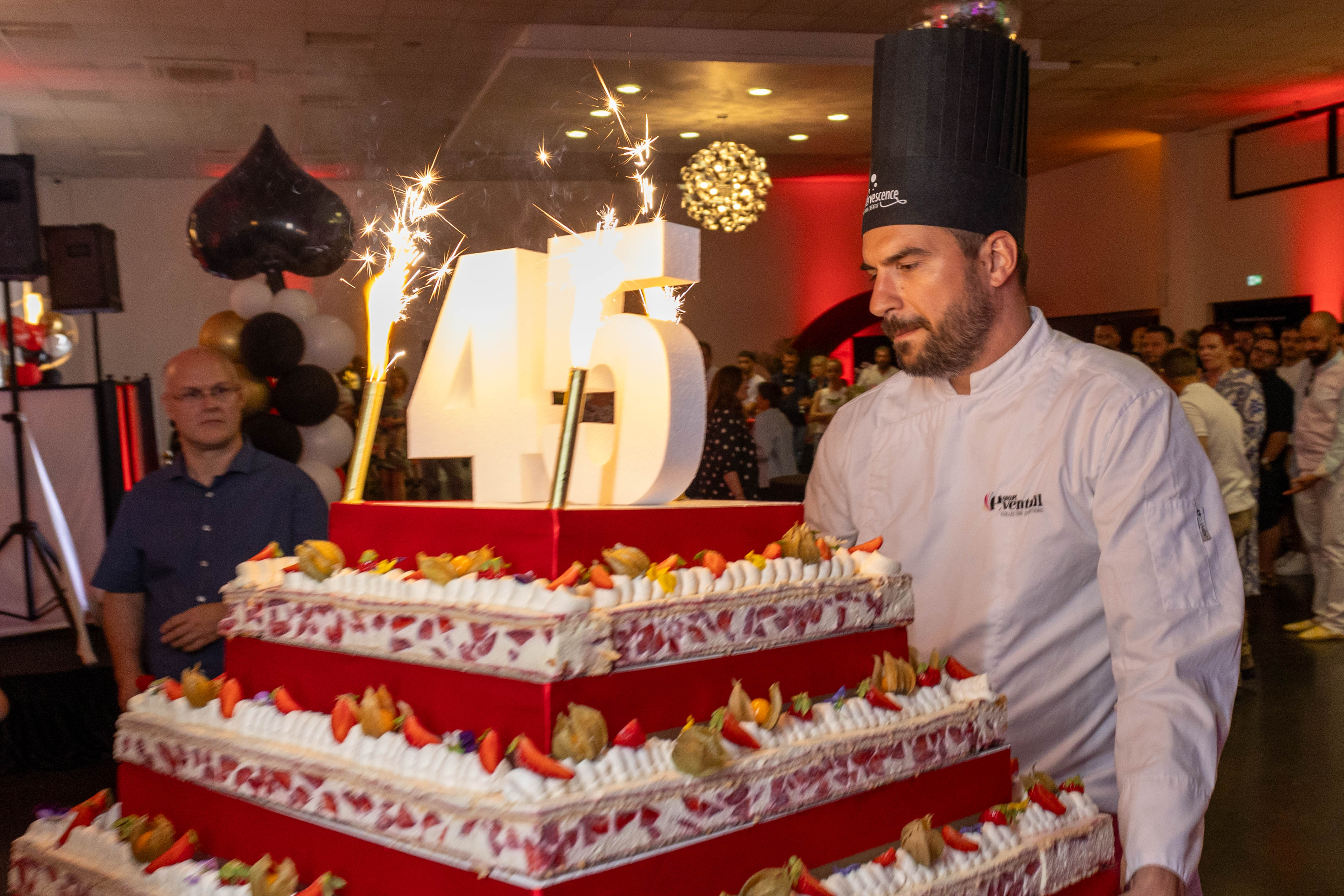
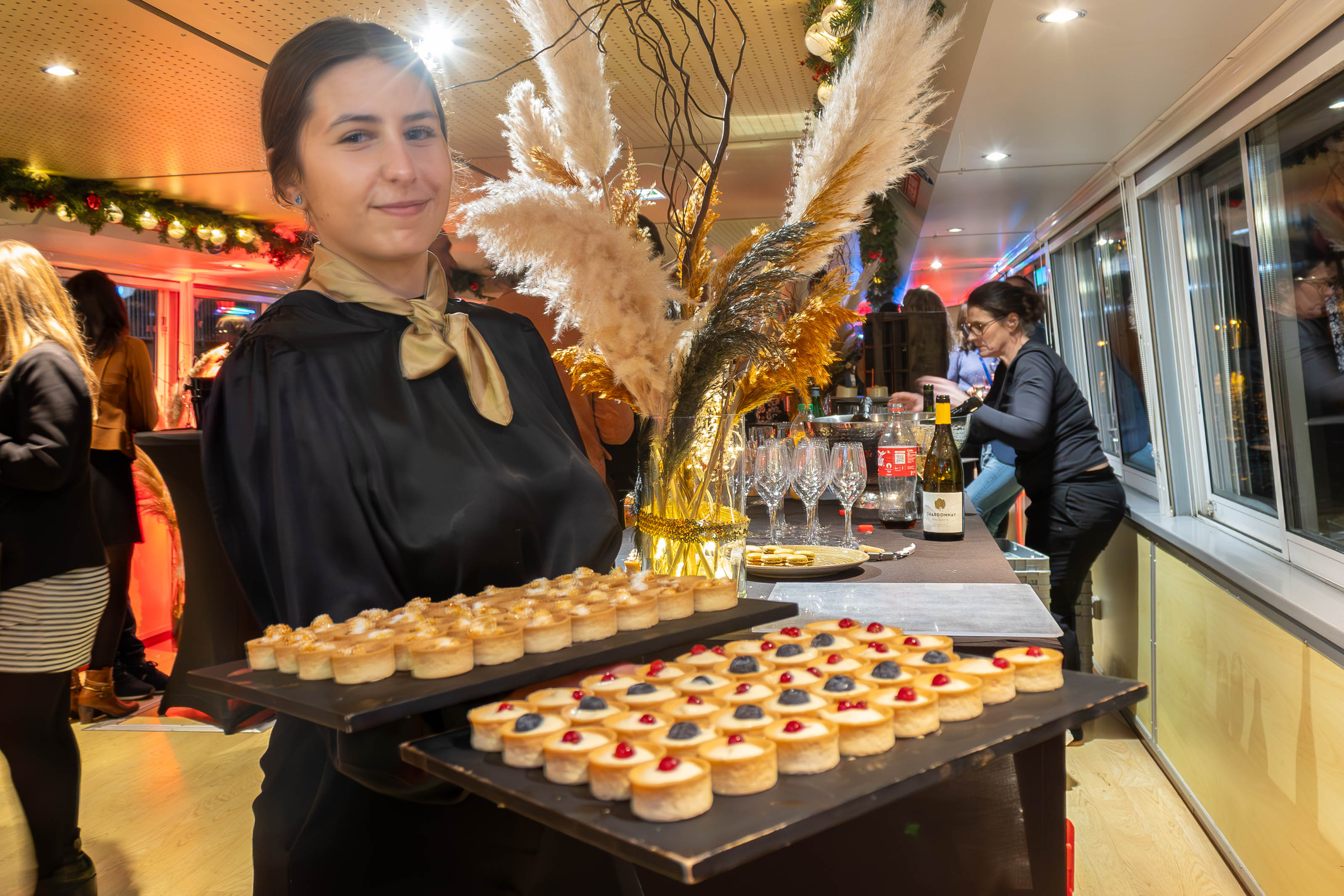
Visual storytelling through plating: branded colour cues, minimal but coherent presentation, and consistent staff dress codes—useful when your Comms team needs photo-ready moments without staging.
Innovative animations in Brussels
Belgian touch done credibly: not just “waffles,” but quality chocolate pairings, seasonal interpretations, and clear provenance. We avoid gimmicks and ensure service capacity matches demand.
Late-night bite strategy: for evening events, a second wave (mini bowls, warm snacks) around +90 minutes stabilizes energy and reduces early departures—particularly relevant when guests travelled into Brussels and plan a long night.
Inclusive dessert and coffee service: decaf options, plant-based milk, and allergy-safe choices reduce friction and last-minute improvisation.
Gourmand animations in Brussels
Smart queue management: multi-point coffee service, duplicate stations, and pre-set grab-and-go elements. This is often the single biggest improvement for conferences in Brussels where breaks are short.
Sustainability that operations can actually deliver: measured waste reduction, reusable serviceware where feasible, and realistic donation options. We align the sustainability story with what the venue and caterer can execute.
Whatever the format, we align catering choices with brand image and stakeholder expectations: a regulated sector may prioritize sobriety and compliance, while a tech employer may prioritize speed, inclusivity, and modern presentation. The goal is coherence—so food supports the message you’re paying to communicate.
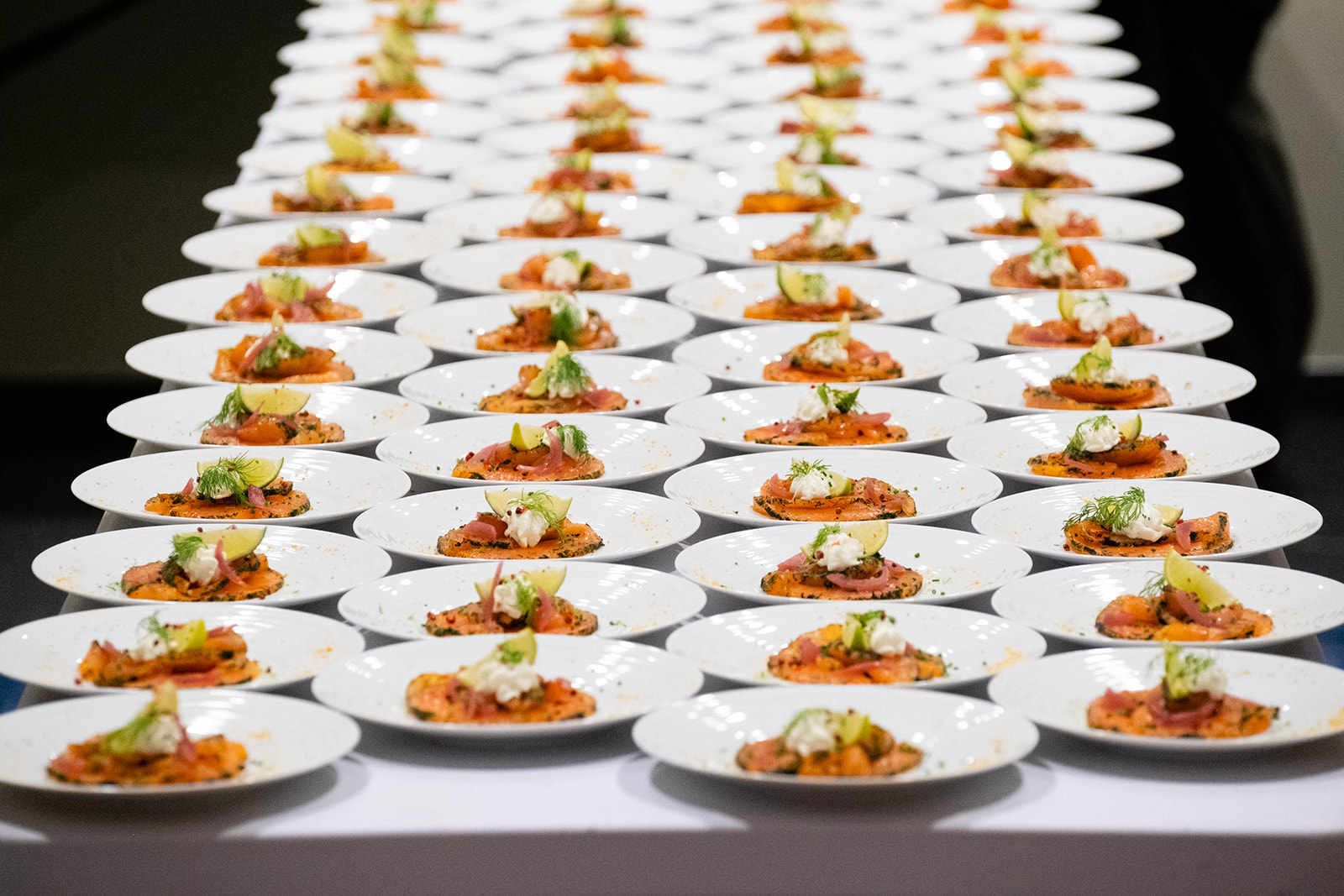
How to choose a Brussels venue that supports catering logistics
The venue determines what catering can realistically deliver: kitchen access, service speed, noise constraints, and guest comfort. In Brussels, the same guest count can require very different staffing and rental budgets depending on loading access, elevators, and whether you can stage back-of-house.
| Venue type | For which objective? | Main strengths | Possible constraints |
|---|---|---|---|
Conference centre / auditorium in Brussels | High-volume conferences with tight break timing | Built-in technical infrastructure, clear room zoning, predictable guest flow | Short service windows; limited foyer space can create queues if stations aren’t duplicated |
Corporate HQ / office floors (Brussels-Capital Region) | Townhalls, leadership updates, internal celebrations | Convenient for employees, strong brand control, efficient set-up if access is managed | Freight elevator limits, building rules (noise, waste), restricted access hours for suppliers |
Hotel event spaces in Brussels | International guests, hybrid meetings, multi-day programmes | On-site kitchen, accommodation, staff availability, weather-proof logistics | Less flexibility on external suppliers; corkage and package pricing can impact budget |
Industrial or cultural venues in Brussels | Brand activations, gala dinners, press or partner receptions | Strong atmosphere, high perceived value, great for content capture | Often requires full temporary install: kitchens, power distribution, extra staffing, longer build times |
We strongly recommend a site visit (or at minimum a technical walkthrough) before locking the catering concept. In Brussels, small access details—like a 90 cm door width, a single lift shared with the public, or a strict loading slot—can change the entire service strategy and cost structure.
What event catering costs in Brussels and what drives pricing
Pricing for Event Catering in Brussels depends on format, guest profile, venue constraints, and service level. A coffee break for 200 people and a cocktail for 200 people are not comparable: staffing, glassware, replenishment, and waste all scale differently. We structure budgets so you can see where money is going—and where you can adjust without risking the event day.
Format and service style: coffee break, sandwich lunch, buffet, cocktail, plated dinner, or multi-moment hospitality. Plated service typically increases staffing and timing pressure but improves control and perceived quality.
Guest count and peak moments: 300 guests arriving within 10 minutes requires more points of service than 300 guests arriving over 45 minutes. We price based on peak load, not just headcount.
Venue constraints in Brussels: distance from loading to event space, elevator capacity, kitchen availability, and access time windows. More constraints often means more labour hours and staging equipment.
Menu complexity and dietary coverage: multiple dietary tracks (vegan, gluten-free, halal-friendly) can be done efficiently, but it requires planning, labelling, and staff briefing to avoid service errors.
Rentals and infrastructure: glassware counts, furniture, warm-holding equipment, power distribution, bars, and back-of-house build. Non-traditional venues frequently need a full temporary kitchen set-up.
Staffing level and supervision: bilingual staff, captains, baristas, sommeliers, and cleaning. The difference between “enough staff” and “too few” is often visible within 20 minutes.
We frame budget decisions through risk and ROI: where does an additional investment prevent queues, protect speeches, or improve stakeholder experience? For executive teams, the best ROI is usually operational stability—because one service failure can dominate post-event feedback, even if everything else was excellent.
Why a Brussels-based agency improves catering reliability
When your event is in Brussels, local presence is a practical advantage, not a slogan. We know how different venues interpret access rules, which neighbourhoods create delivery bottlenecks at specific hours, and how to build realistic schedules around city constraints. We also maintain working relationships with suppliers who can respond fast when something changes—extra guests, a delayed truck, a last-minute room switch.
As your single accountable partner, we coordinate caterer, staffing, rentals, and venue operations. That reduces the number of interfaces your HR or Comms team must manage. If your internal stakeholders need an agency with broader event production beyond catering, our positioning as an event agency in Brussels ensures catering is integrated into the full production plan (timing, scenography, guest flow, and brand control).
- Faster on-site decision-making: an agency producer present with authority to adapt service and layout in real time.
- Supplier accountability: clear service-level expectations, documented staffing plans, and escalation paths.
- Operational realism: menu choices aligned with what can be executed within the venue’s logistics and time windows.
- Better cost control: avoiding last-minute rentals and overtime through early technical validation.
We frame budget decisions through risk and ROI: where does an additional investment prevent queues, protect speeches, or improve stakeholder experience? For executive teams, the best ROI is usually operational stability—because one service failure can dominate post-event feedback, even if everything else was excellent.








Brussels catering scenarios we deliver in real corporate life
Our catering projects in Brussels reflect what companies actually need—often under pressure, with limited tolerance for surprises. For example, we regularly support:
Leadership townhalls in HQ settings: coffee reception, short break service, and an efficient standing lunch for 300–800 employees, with strict timing to fit internal calendars and room changeovers.
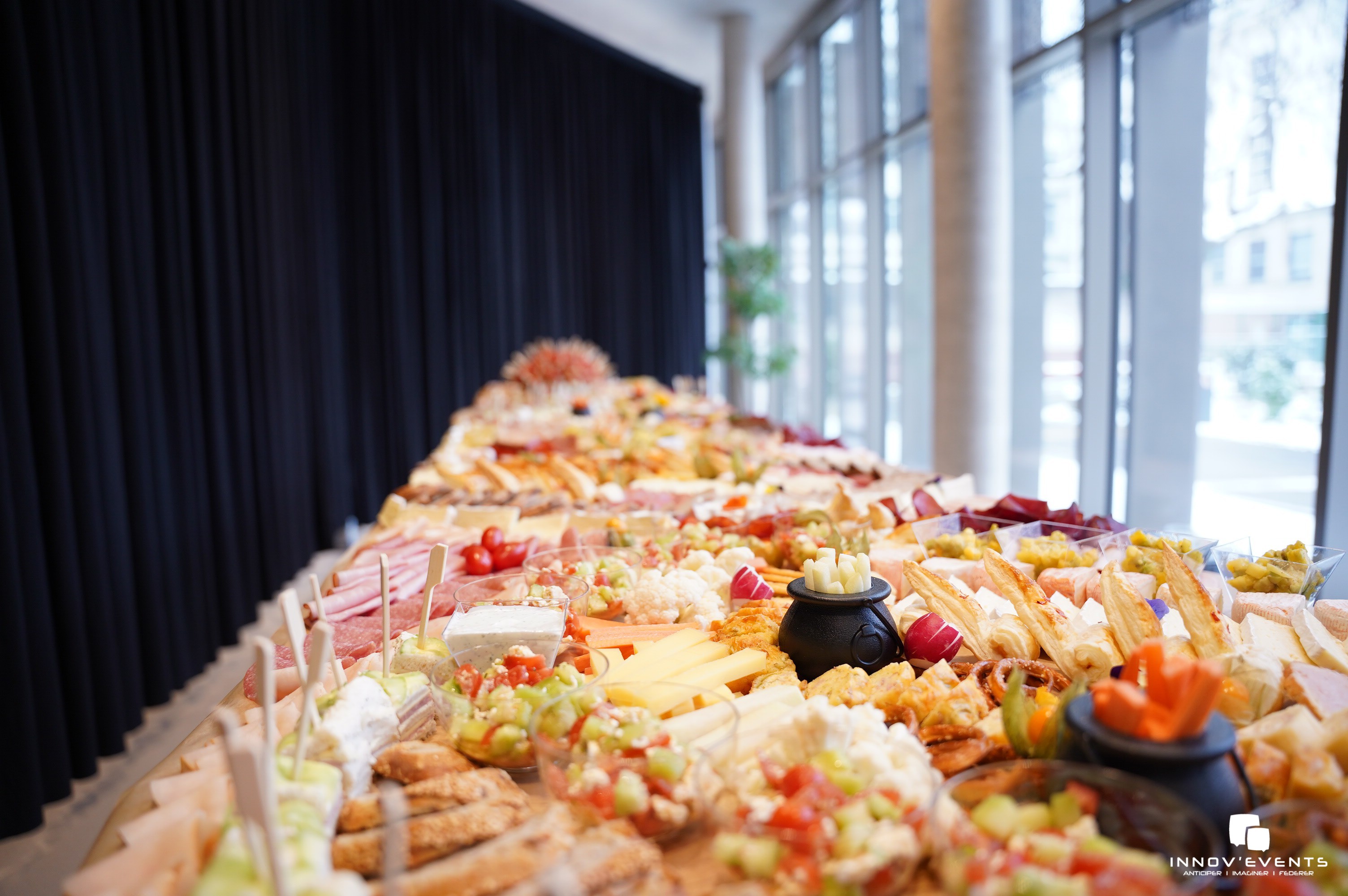
Partner and client receptions: cocktail formats where networking is the goal, with structured food waves (cold → warm → late bite) to avoid a “one-and-done” buffet moment and keep guests engaged.
Conference catering with tight break windows: duplicating stations, positioning water and coffee to reduce cross-traffic, and aligning replenishment with agenda milestones so queues don’t swallow the schedule.
Brand-sensitive dinners: controlled lighting and table plans, precise service cues with speakers, and consistent presentation for photo and video capture.
Across these scenarios, the common thread is operational discipline: clear timing, clear responsibilities, and realistic contingency plans that protect your executives and your brand.
Common catering mistakes we prevent in Brussels events
Underestimating access constraints: a menu that requires heavy kitchen equipment in a venue with limited loading and no lift leads to delays and compromises. We validate access and back-of-house capacity before locking the concept.
Designing service for the average, not the peak: if 250 people hit coffee at the same time, you need duplicated stations and fast replenishment. Otherwise the break becomes the event’s main talking point—for the wrong reasons.
Unclear dietary management: “We have vegan options” is not a plan. We insist on labelling, separate service utensils where required, and staff briefings to prevent cross-contact and awkward guest interactions.
Mismatch between brand positioning and menu: premium messaging with low-grade products, or sustainability claims without operational proof. We align choices with what your organization can stand behind.
Missing the staffing reality: too few staff causes slow bar service, messy clearing, and a tired atmosphere. We specify staffing ratios and supervisory roles so service remains consistent.
No contingency planning: weather shifts, a delayed keynote, or an extra 40 guests happen frequently. We plan buffers and decision rules so the team can adapt without panic.
Our role is to remove these risks before they become visible. In practice, that means technical checks, clear documentation, and on-site supervision so your internal teams are not forced into operational problem-solving during the event.
Why Brussels clients renew with the same catering partner
Repeat collaboration is usually earned on the event day: when service holds under pressure, when guests feel cared for, and when internal teams don’t spend the evening firefighting. In Brussels, many of our client relationships grow into multi-event annual calendars because the organization wants a consistent operational standard across formats.
2 to 6 events/year is a common rhythm for established clients (townhalls, partner moments, end-of-year, onboarding, leadership offsites).
Planning cycles typically start 6–12 weeks ahead for 200–600 guests; 10–16 weeks for large-scale receptions or complex venues.
Menu validation is often completed 3–4 weeks before the date to secure staffing and rentals at the right level.

Loyalty is a consequence of risk reduction: fewer unknowns, faster decisions, and a service team that understands your internal standards. For decision-makers, that reliability is often more valuable than chasing marginal price differences each time.
Our Brussels catering process from brief to service
👉 Brief and constraints mapping in Brussels
We start with your objective, guest profile, format, and success criteria (timing discipline, brand tone, dietary coverage, sustainability expectations). Then we map constraints specific to Brussels: venue access, room capacities, neighbourhood delivery realities, and any building rules. Output: a clear scope, an initial budget range, and a shortlist of service approaches that are operationally realistic.
👉 Concept, menu architecture, and service flow
We build a menu structure that matches the agenda: number of waves, portion logic, and the right balance between “grab-and-go” speed and “hosted” moments. We design floorplans for bars and stations to prevent bottlenecks and to protect VIP movement. Output: menu proposal, preliminary floorplan, staffing assumptions, and a run-of-show view of service moments.
👉 Supplier sourcing, tastings, and budget validation
We confirm caterer availability, tastings when relevant, and rental needs (glassware, furniture, kitchen equipment). We validate what is included vs excluded (transport, overtime, corkage, cleaning). Output: a transparent budget with options (e.g., upgrading wine, adding late bite, increasing bar points) and clear decision deadlines.
👉 Technical walk-through and production planning
We conduct a site visit or technical walkthrough to confirm loading, power, back-of-house staging, waste flow, and safety. We lock the production schedule: supplier arrival slots, build timing, and service cues aligned with speeches. Output: a production sheet shared with all partners and a day-of escalation plan.
👉 Event-day supervision and post-event wrap-up
On the day, our producer coordinates set-up, checks service readiness, and manages timing adjustments. After the event, we debrief on quantities, guest feedback, and improvement points for the next edition in Brussels. Output: concise learnings that strengthen consistency over time.
FAQ sur l'organisation Event Catering à Brussels
How far in advance should we book catering in Brussels?
For 100–300 guests, aim for 4–8 weeks. For 300–1,000+ guests or complex venues, plan 8–16 weeks. December, June, and peak conference periods in Brussels book up earlier.
What is a realistic catering budget per person in Brussels?
As a working range in Brussels: coffee break €8–€18/pp, sandwich or bowl lunch €18–€35/pp, cocktail reception €35–€85/pp, plated dinner €75–€160+/pp. Venue constraints, rentals, and staffing can shift totals significantly.
Can you handle halal, vegan, and allergens for Brussels events?
Yes. We plan dietary coverage as a structured workstream: pre-collection of needs, clear labelling, separate utensils where required, and staff briefing. For high-risk allergens, we recommend a dedicated service point and written validation with the caterer.
How do you avoid long coffee break lines in Brussels venues?
We duplicate stations, separate coffee from pastries, and place water points away from coffee machines to reduce cross-traffic. For 300 guests in a 20-minute break, we typically plan 2–4 service points depending on foyer size and access.
Do you manage last-minute changes on the day in Brussels?
Yes. We build buffers in quantities and timing, and we assign an on-site decision-maker. Common same-day adjustments we manage include +5% to +15% extra guests, agenda overruns, and room layout changes—depending on venue and supplier cut-off times.
Request a Brussels catering plan before your venue locks in
If you’re comparing partners for Event Catering in Brussels, we’ll provide a structured proposal: service concept, operational plan, and a transparent budget with options. The earlier we validate venue logistics and timing, the more we can protect quality without inflating costs.
Send us your date, venue (or shortlist), estimated headcount, and the event format (conference, cocktail, seated dinner). We’ll come back with a clear next step and a realistic planning timeline.
INNOV'events Brussels Agency
Justin JACOB is the manager of the INNOV'events Brussels office. Reach out directly by email at belgique@innov-events.be or via the contact form.
Contact the Brussels agencyAll our services & entertainment Brussels, Belgique
Discover our event services
Discover our event entertainment available in the Belgique
- Event Hostess in Brussels
- Escape Game in Brussels
- MasterChef Cooking Workshop in Brussels
- Magician in Brussels
- Marquee Rental in Brussels
- Color Analysis Workshop in Brussels
- Inflatable Games in Brussels
- Valet Parking Service in Brussels
- Football Simulator in Brussels
- LED Furniture Rental in Brussels
- Light Branding in Brussels
- Unique Dining Experience in Brussels
- Light Painting in Brussels
- Murder Mystery Party in Brussels
- Prize Contest in Brussels
- Promotional Displays (POS) in Brussels
- Virtual Reality in Brussels
- Molecular Gastronomy Workshop in Brussels
- Halloween Entertainment in Brussels
- Fireworks Show in Brussels
- Giant Games Challenge in Brussels
- Event Host / MC in Brussels
- Photo Booth Animation in Brussels
- Santa Claus Entertainment in Brussels
- Kids Entertainment in Brussels
- Guided Tour in Brussels
- Urban Rally in Brussels
- Ball Pit in Brussels
- Flight Simulator in Brussels
- Food Truck Rental in Brussels
- World Record Challenge in Brussels
- Surf Simulator in Brussels
- Wine Casino in Brussels
- Makeover Workshop in Brussels
- Perfume Creation Workshop in Brussels
- Acting Workshop in Brussels
- CSR Activities in Brussels
- Archery in Brussels
- Security Staff in Brussels
- Wine Tasting in Brussels
- Mime Performer in Brussels
- TV Game Show in Brussels
- Funfair in Brussels
- Crisis Management Workshop in Brussels
- Crisis Negotiation Workshop in Brussels
- Arcade Games in Brussels
- Indoor Skydiving Simulator in Brussels
- Ski Simulator in Brussels
- Racing Circuit Experience in Brussels
- Introductory Flight Experience in Brussels
- Tasting Experience in Brussels
- Build Your Own Foosball Workshop in Brussels
- 2CV Rally in Brussels
- LEGO Challenge in Brussels
- Casino Night in Brussels
- Interpreter / Translator in Brussels
- Promotional Giveaways in Brussels
- Shuttle Transport in Brussels