
Grand Opening in Brussels that protects your brand and keeps operations smooth
INNOV'events is a Brussels-based corporate event team delivering Grand Opening programmes for 50 to 1,500+ guests, from executive brief to on-site operations. We coordinate venue logistics, guest journey, AV, staffing, security, and corporate event entertainment in Brussels that supports your message. You get one accountable project lead, clear timelines, and day-of control so your teams can stay focused on stakeholders.
Table of contents
In a Grand Opening, entertainment is not a “nice-to-have”; it is a tool to manage attention, pace the experience, and create the right moments for executives to speak, press to capture, and VIPs to connect. When it’s designed properly, it reduces bottlenecks, limits dead time, and strengthens message recall—without taking over the business purpose.
Organizations in Brussels typically expect flawless bilingual hosting, tight timing, and a guest experience that feels premium but never chaotic. They also expect compliance: noise rules, public space constraints, supplier access windows, and security protocols that match corporate and institutional standards.
INNOV'events works locally: we know Brussels load-in realities, venue technical quirks, and the practical steps to keep a site safe and camera-ready. Our value is operational: structured planning, vendor discipline, and a strong run-of-show that holds under pressure—especially when executives arrive late, media shows up early, and the room fills faster than planned.
Brussels delivery you can measure
10+ years delivering corporate events and openings across Belgium, with Brussels as a core operating zone.
300+ events produced with documented run-of-show, risk assessments, and supplier checklists (not “in someone’s head”).
50 to 1,500+ attendees managed with structured guest flow, access control, and staffing ratios adapted to the venue.
24–72 hours typical production window on site depending on build complexity (scenic, lighting, signage, rigging).
One senior project lead accountable end-to-end, with a back-up lead assigned for continuity.
How to organize a professional event in Brussels?
- Define the objective (cohesion, announcement, fidelity, performance).
- Set date, format and size (20–1 000 people).
- Secure the venue and accommodation according to seasonality.
- Lock down technical, suppliers and logistics.
- Drive the day J (timing, scene, entrance, flow).
Who we support in Brussels year after year
We regularly support Brussels-based HQs, regional offices, and public-facing brands that need a Grand Opening in Brussels to be more than a ribbon-cutting. Many of our clients come back because they want the same things each time: predictable preparation, clean vendor coordination, and a day that runs on schedule even when the agenda changes.
In practice, that means we are used to working with executive assistants, HR, communications, and facility teams who have different priorities—and we translate those needs into a single operational plan. We also work in ecosystems where building management, neighbourhood constraints, and local vendor access rules can dictate the production approach.
If you share the names of the companies you want us to mention as references, we will integrate them in this section in a compliant way (with your approval and any NDA constraints). Until then, we keep this page factual and focused on delivery rather than logos.
We send you a first proposal within 24h.
Why a Grand Opening matters for Brussels leadership teams
A Grand Opening is a condensed reputational moment: it signals investment, stability, and ambition. For executives, it is often the first time the outside world experiences the site, the teams, and the brand narrative together—under time pressure and in front of stakeholders who compare you to best-in-class openings in the city.
Accelerate trust with priority stakeholders: investors, key clients, and partners assess operational maturity in minutes (welcome quality, flow, safety, and executive presence).
Create internal alignment: for HR and leadership, the opening is a powerful stage to articulate culture, expectations, and the reason the new site exists (growth, consolidation, innovation).
Give communications a controlled “story engine”: a clear press angle, photo/video moments that look intentional, and messaging that is consistent across speeches, signage, and guided tours.
Drive real pipeline: with the right hosting and meeting structure, executives get quality conversations rather than “nice to see you” small talk. We often build a VIP route and a meeting cadence into the run-of-show.
De-risk the day operationally: by planning access, safety, and contingencies, you avoid the classic opening-day problems: queues, missing badges, late catering, sound issues, and unbriefed staff.
Make the site usable immediately after: especially in offices, labs, retail, or mixed-use spaces, leadership typically wants minimal disruption the next day. Build strategy and strike plan matter.
Brussels rewards seriousness and execution. The city’s business culture values reliability, protocol awareness, and bilingual clarity. A well-run opening can strengthen your credibility faster than many other communication actions—because stakeholders see how you operate, not just what you say.
What Brussels stakeholders expect from a Grand Opening
Brussels openings are rarely “just corporate.” You often have a mix of profiles in the same room: C-level guests, international colleagues, local partners, regulators, neighbours, and sometimes media. Expectations are therefore layered, and the smallest operational detail can have outsized reputational impact.
We plan for the realities that decision-makers in Brussels typically face:
- Bilingual experience (FR/NL) and frequently English: signage, MC, speeches, and staff briefing need a consistent language plan so nobody feels excluded.
- Access complexity: city centre loading constraints, limited elevators, parking restrictions, and strict time windows for deliveries—especially when the site is in a multi-tenant building.
- Security posture: VIP attendance may require controlled access, discreet protection, and a plan for public-facing areas (reception, street entrance, terrace).
- Neighbourhood sensitivity: sound levels, outdoor moments, and guest arrivals need to respect local rules and avoid complaints, particularly for after-work events.
- Brand and compliance: for regulated sectors (finance, pharma, public services), the programme must avoid anything that can be perceived as excessive or off-message, while still being engaging.
Our role is to translate these constraints into decisions early: venue fit, guest journey, supplier selection, and a run-of-show that holds even when the CEO’s agenda changes at the last minute.
Which entertainment works for a Grand Opening in Brussels?
In a corporate Grand Opening, entertainment must support business goals: reinforce your positioning, keep energy at the right level, and create structured interactions. We select formats that respect the audience mix (VIPs, employees, partners) and the site’s operational constraints (acoustics, space, neighbours, and timing).
Interactive animations in Brussels
Guided “purpose tours” with stations: rather than a generic walkthrough, we create short stops (innovation, ESG, client impact) with scripted talking points and a timed flow to avoid jams.
Hosted networking with executive prompts: a bilingual MC introduces short “conversation anchors” (two questions, one theme) that move discussions beyond small talk—useful when you want leadership to meet priority accounts.
Live brand polling via QR (low-friction)
We use quick polls to surface insights during speeches (e.g., what guests associate with the brand) and feed it back live, provided your compliance policy allows it.
Photo moment designed for press: not a random photo booth—an intentional backdrop with correct lighting, brand-safe framing, and a managed queue so VIPs don’t wait.
Art animations in Brussels
Acoustic ensembles for arrivals and cocktail: controlled volume that keeps speech intelligibility and avoids neighbour issues, particularly in mixed-use areas of Brussels.
Short-form performance between programme beats: 3–6 minute acts that reset attention without hijacking the agenda (ideal between speeches and tours).
Contemporary choreography for a product reveal: when a physical reveal is planned, we stage lighting cues and movement to guide sightlines, especially in large open-plan spaces.
Innovative animations in Brussels
Brussels-focused tasting stations: curated pairings (local chocolate, seasonal bites, Belgian craft beverages) with clear dietary labelling and fast service design to prevent lines.
Chef-led “pass-around rhythm”: service mapped to the run-of-show so food doesn’t arrive during key speeches and microphones are not competing with kitchen noise.
Zero-waste beverage strategy: glassware planning, water stations, and measured ordering to reduce waste and end-of-night chaos; increasingly expected by corporate and institutional guests.
Gourmand animations in Brussels
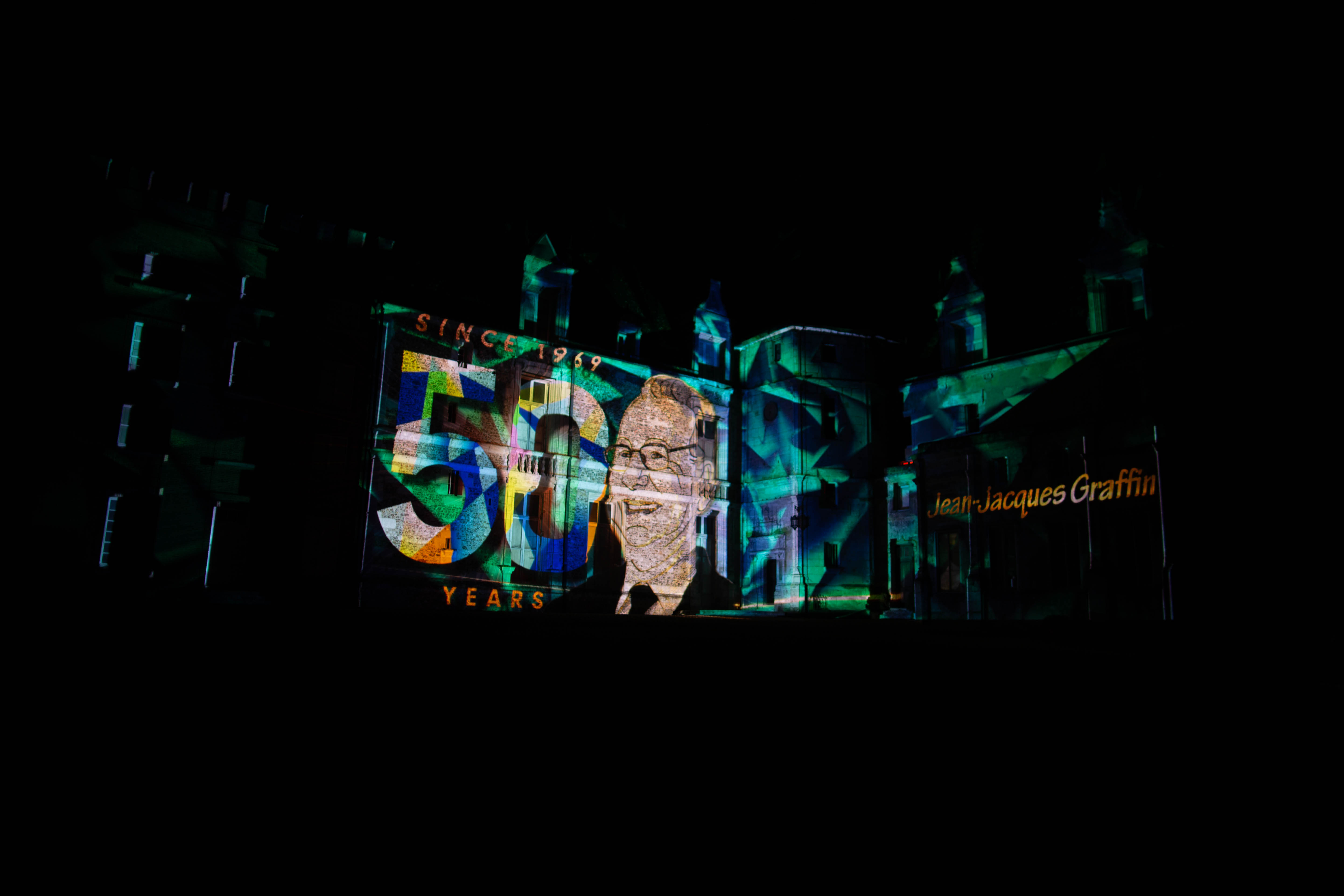
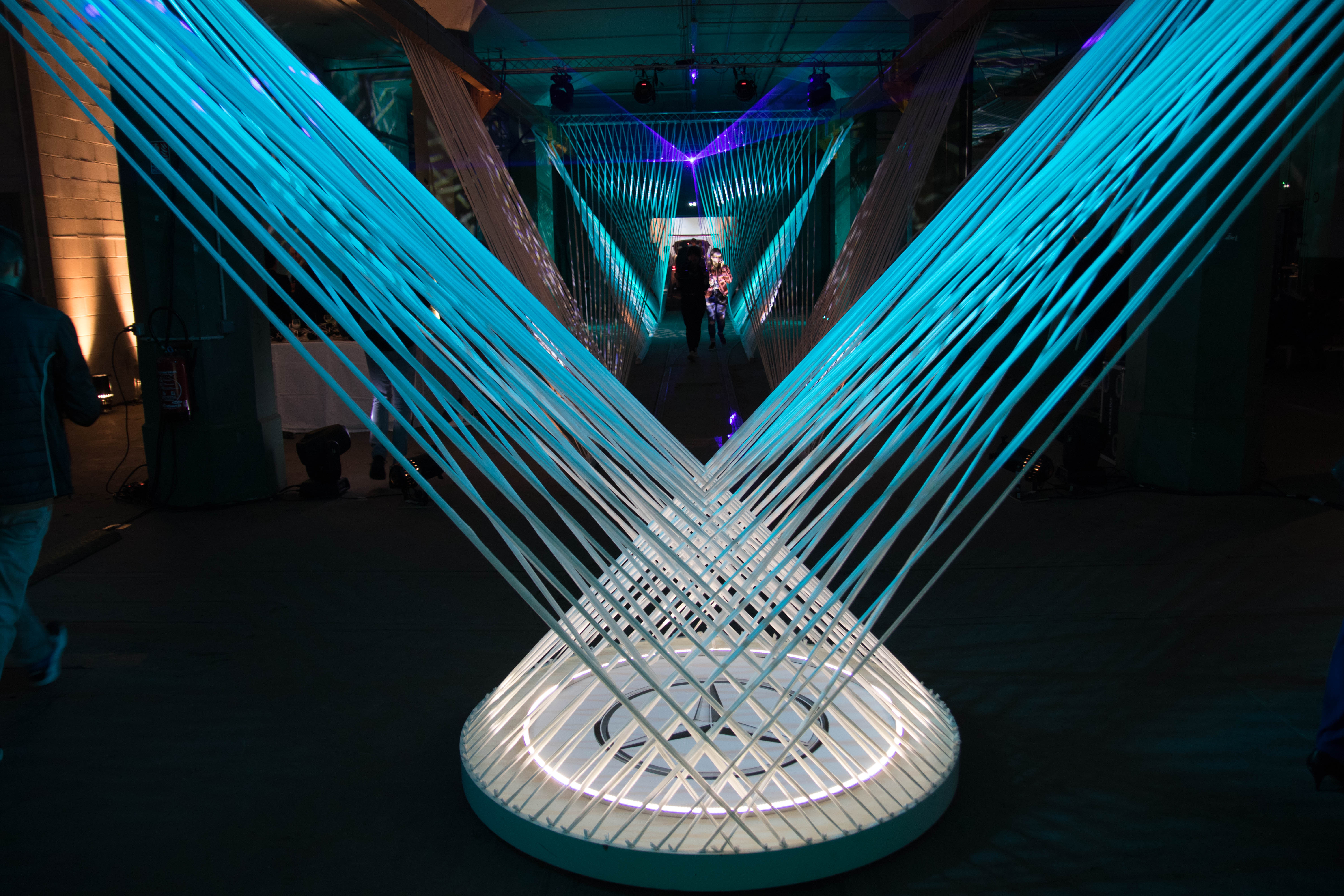
Lighting as storytelling: architectural lighting in your brand palette for the first 30 minutes, then shifting to warm networking tones. This is often the simplest way to make a new site feel “opened” without heavy scenic builds.
Micro-content capture studio: a quiet corner with controlled light and sound where executives record short statements for internal comms or LinkedIn right after the reveal, while the energy is high.
Smart badge or QR guest journey: optional check-in tracking for staffing decisions (where queues build) and post-event follow-up, aligned with your privacy requirements.
Whatever formats you choose, alignment with brand image is non-negotiable. We validate tone, dress code, music level, and on-site language against your communications guidelines so the event feels consistent with how your organization shows up in Brussels year-round.
How to choose a venue in Brussels for a Grand Opening
The venue (or the site you are opening) will shape perception more than any decorative element. Ceiling height, acoustics, access points, and neighbourhood constraints directly influence guest comfort, speech clarity, and the ability to deliver a premium experience without operational stress.
| Venue type | For which objective? | Main strengths | Possible constraints |
|---|---|---|---|
New corporate offices / HQ floors | Internal pride + stakeholder credibility during a site reveal | Authentic, brand-consistent, ideal for guided tours and leadership speeches | Elevator capacity, noise in open spaces, limited back-of-house, strict building rules |
Showroom / flagship retail space | Product-focused opening with press-ready visuals | Strong visual merchandising, easy storytelling around products | Street access, queue management, neighbourhood noise limits, limited storage |
Industrial / logistics site with a reception build | Operational credibility and scale messaging | Impressive “behind the scenes” tours, space for staging and parking | Safety zones, PPE needs, weather exposure, longer guest travel times |
Hotel event spaces in Brussels | High-comfort VIP hosting with minimal operational risk | Built-in AV options, staffing, accessible for international guests | Less brand-authentic, scheduling constraints, potential for parallel events |
Art galleries / cultural venues | Positioning around innovation, design, or prestige | Strong atmosphere, great for cocktail formats | Restrictions on rigging/catering, insurance requirements, limited load-in |
We always recommend a site visit with your key internal stakeholders (communications, facilities, security) before locking the concept. In Brussels, access and building rules can change what is feasible, so seeing the space early prevents rework and budget drift.
What a Grand Opening budget looks like in Brussels (and why)
Budgeting for a Grand Opening in Brussels is mainly a question of operational scope: how many guests, how long the programme runs, what level of technical production you need, and how complex your site constraints are. A realistic budget is built from line items that can be validated, not from broad packages.
As a practical reference for corporate openings in Brussels, we often see:
- 50–150 guests: approximately €12,000–€35,000 depending on venue, catering style, and AV needs.
- 150–400 guests: approximately €30,000–€80,000 with stronger staffing, access control, and more robust technical set-up.
- 400–1,000+ guests: approximately €70,000–€200,000+ where guest flow, security, and production management become major cost centres.
We will refine these ranges after a site review and a first programme outline (timings, speakers, tours, and technical requirements).
Guest journey complexity: number of arrival peaks, check-in method, cloakroom, tour groups, and VIP routing.
Technical production level: audio coverage, lighting design, staging, rigging, power, and redundancy for critical moments.
Venue and site constraints: load-in windows, distance from trucks to event area, elevator use, security requirements, and union or in-house technical rules.
Catering format: seated vs cocktail, service style, staff count, bar strategy, and dietary compliance (including clear allergen labelling).
Content and branding: signage, wayfinding, stage backdrop, digital screens, and branded installations that look good on camera.
Compliance and permits: insurance, security, possible neighbourhood constraints, and any approvals required for outdoor elements.
Capture and post-production: photo/video crew size, interview set-up, editing, and delivery timelines aligned with communications needs.
We frame spend in terms of return: stakeholder confidence, internal engagement, and usable content for months after the opening. A controlled budget is also a risk-control tool—because the most expensive outcomes are last-minute fixes, brand damage, and executive time lost on operational issues.
Why choose a Brussels-based event agency for your Grand Opening
A Grand Opening is not forgiving: the first 20 minutes set the tone, and problems compound quickly. Working with a team established in Brussels reduces friction because we understand local access realities, vendor performance patterns, and the practical rules that can disrupt timelines.
When you appoint INNOV'events, you also get a partner who can be physically present early, attend site meetings on short notice, and react quickly if your building management changes conditions (load-in, security, elevator bookings, fire safety requirements). If you are comparing options, reviewing our approach as an event agency in Brussels is often the easiest way to judge fit: process, accountability, and local operational experience.
- Faster decision cycles: local site visits, technical walk-throughs, and vendor briefings without long lead times.
- Access to proven Brussels suppliers: AV, catering, hosts, security, and transport teams we have already stress-tested under real conditions.
- Neighbourhood and building awareness: we plan for the non-obvious constraints that affect guest flow and production schedules.
- Day-of authority: a local team with a clear chain of command that can resolve issues in minutes, not hours.
We frame spend in terms of return: stakeholder confidence, internal engagement, and usable content for months after the opening. A controlled budget is also a risk-control tool—because the most expensive outcomes are last-minute fixes, brand damage, and executive time lost on operational issues.






What we’ve delivered in Brussels: openings across sectors
Our Brussels delivery experience covers the real variety of “openings” organizations run today: new office floors in multi-tenant buildings, flagship launches with high foot traffic, operational site inaugurations where safety is central, and institutional moments where protocol matters.
Examples of situations we manage frequently:
- Executive schedule compression: the CEO arrives 25 minutes late due to a meeting near the European Quarter; we restructure the run-of-show live, protect the press moment, and keep guests engaged with guided stations rather than idle waiting.
- Site not fully finished: construction works still in progress in non-public areas; we secure routes, adjust tours, and ensure visuals remain consistent for cameras.
- Mixed internal/external audiences: employees want recognition, while VIP clients expect efficiency; we design parallel moments (team recognition + VIP routing) so neither group feels secondary.
- Noise and intelligibility issues: open-plan spaces can kill speech clarity; we specify speaker placement, delay speakers, and sound checks that account for people absorbing sound once the room fills.
We prioritize delivery reliability: a clear plan, clear roles, and measurable checkpoints (technical rehearsal, final supplier confirmations, safety review, and a controlled build/strike schedule).
Common Grand Opening mistakes we prevent in Brussels
Underestimating arrival peaks: too few check-in points, no queue plan, and no overflow space—leading to immediate frustration and poor first impressions.
Programming speeches without acoustic control: microphones fighting room noise, poor speaker positioning, and no rehearsal, resulting in key messages being lost.
Forgetting building constraints: elevators booked by others, limited loading access, or security desk rules that block vendor entry.
Unclear bilingual plan: inconsistent language use across MC, signage, and speeches, which can alienate guests and complicate the programme.
Overcomplicating tours: groups too large, no timing buffers, and bottlenecks in corridors or staircases, creating safety and comfort issues.
No contingency for weather: outdoor reveal planned with no covered alternative, no floor protection, or no timeline switch.
Content capture as an afterthought: photos and videos that don’t match brand standards because lighting, backdrops, and shot lists weren’t planned.
Our job is to make sure none of these risks reach your stakeholders. We do that with structured preparation, vendor discipline, and an on-site command approach that keeps decisions fast and documented.
Why Brussels clients keep INNOV'events on their preferred list
In long-term client relationships, you don’t get rewarded for big ideas—you get rewarded for consistency, transparency, and the ability to protect internal teams from stress. Many clients return because they know exactly what working with us looks like: a clear process, reliable partners, and a realistic view of what can be achieved within time and budget.
60–70% of our annual projects typically come from repeat clients and referrals (varies by year).
2–4 structured checkpoints before event day: kick-off, site visit/technical recce, production meeting, final confirmation.
1 consolidated production file shared with stakeholders: run-of-show, supplier contacts, floor plan, cues, and risk notes.

Loyalty is earned on the difficult parts: last-minute changes, strict brand requirements, and high-visibility stakeholders. Repeat work is our most concrete proof that delivery quality is stable—not dependent on luck.
Our production process for a Grand Opening in Brussels
👉 Brussels discovery call and stakeholder mapping
We start with a 30–45 minute call to clarify objectives, stakeholders, constraints, and non-negotiables (brand, compliance, security, timing). We identify who needs what: executive messaging, HR expectations, communications deliverables, facility limitations, and any building management rules. Output: a clear brief and a decision list.
👉 Site visit and technical recce in Brussels
We review access points, load-in routes, power availability, acoustics, guest flow, emergency exits, and tour feasibility. We also identify “camera angles” and the best place for speeches so messaging is intelligible. Output: a production approach with layout recommendations and early risk flags.
👉 Concept and run-of-show for the Grand Opening
We design a programme with realistic timings: arrivals, welcome, executive moments, reveal, tours, networking, and departures. We define what happens at each minute and who owns it. Output: a first run-of-show, staffing plan, and guest journey map.
👉 Supplier sourcing and contracting
We propose suppliers based on performance and fit: AV, catering, hosts, security, furniture, branding, and any entertainment elements. We clarify service standards, arrival times, and escalation paths. Output: validated quotes, supplier schedule, and contractual scope that avoids grey areas.
👉 Production meeting and rehearsal
We run a structured production meeting with your internal stakeholders and key suppliers. We confirm final timings, speaker needs, bilingual plan, and press/photo moments. Where relevant, we conduct a technical rehearsal (mic checks, cueing, lighting states). Output: final production file and confirmed call sheet.
👉 Event day management and executive support
On site, we manage build, checks, doors, cues, and live adjustments. We protect executive time: briefing, mic placement, stage entry, and rapid problem-solving behind the scenes. Output: a controlled experience for guests and a calmer workload for your teams.
👉 Post-event wrap and learnings
Within 48–72 hours, we debrief what worked, what to improve, and we consolidate supplier feedback. If content capture is included, we align delivery timelines with your communications calendar. Output: actionable learnings and a clean handover of assets.
FAQ sur l'organisation Grand Opening à Brussels
How early should we plan a Grand Opening in Brussels?
Plan 8–12 weeks ahead for standard openings (100–300 guests). For complex sites (tours, builds, VIP security, outdoor elements), target 12–20 weeks to secure suppliers, approvals, and rehearsal time.
What budget range is typical for a Brussels Grand Opening?
Common ranges: €12,000–€35,000 for 50–150 guests, €30,000–€80,000 for 150–400, and €70,000–€200,000+ for 400–1,000+ depending on venue constraints, AV, staffing, and security.
Do we need bilingual hosting for Brussels events?
In most Brussels corporate contexts, yes. A practical standard is FR/NL for signage and on-site hosts, with English added when international stakeholders attend. We set a language plan so speeches, MC transitions, and wayfinding remain consistent.
Can a Brussels Grand Opening happen at our own premises?
Yes, and it often performs best for credibility. The key is assessing access, acoustics, and safety early. If elevators, corridors, or reception areas are tight, we design timed arrivals, multiple check-in points, and guided tour rotations to keep the site comfortable.
How do you avoid long queues at a Grand Opening in Brussels?
We control arrival peaks with timed invitations, multiple check-in stations, and a clear queue layout. For 200+ guests, we typically plan 2–4 check-in points, a staffed cloakroom strategy, and a first “engagement zone” (welcome drink or station) to absorb the initial wave.
Request a Brussels quote and lock your production dates early
If you are planning a Grand Opening in Brussels, the critical path is supplier availability, site constraints, and a run-of-show that can withstand executive schedule changes. Share your target date, estimated guest count, venue address (or site type), and stakeholder list. INNOV'events will come back with a clear proposal, a first production timeline, and a realistic budget structure—so you can decide quickly and move forward with confidence.
INNOV'events Brussels Agency
Justin JACOB is the manager of the INNOV'events Brussels office. Reach out directly by email at belgique@innov-events.be or via the contact form.
Contact the Brussels agencyAll our services & entertainment Brussels, Belgique
Discover our event services
Discover our event entertainment available in the Belgique
- Event Hostess in Brussels
- Escape Game in Brussels
- MasterChef Cooking Workshop in Brussels
- Magician in Brussels
- Marquee Rental in Brussels
- Color Analysis Workshop in Brussels
- Inflatable Games in Brussels
- Valet Parking Service in Brussels
- Football Simulator in Brussels
- LED Furniture Rental in Brussels
- Light Branding in Brussels
- Unique Dining Experience in Brussels
- Light Painting in Brussels
- Murder Mystery Party in Brussels
- Prize Contest in Brussels
- Promotional Displays (POS) in Brussels
- Virtual Reality in Brussels
- Molecular Gastronomy Workshop in Brussels
- Halloween Entertainment in Brussels
- Fireworks Show in Brussels
- Giant Games Challenge in Brussels
- Event Host / MC in Brussels
- Photo Booth Animation in Brussels
- Santa Claus Entertainment in Brussels
- Kids Entertainment in Brussels
- Guided Tour in Brussels
- Urban Rally in Brussels
- Ball Pit in Brussels
- Flight Simulator in Brussels
- Food Truck Rental in Brussels
- World Record Challenge in Brussels
- Surf Simulator in Brussels
- Wine Casino in Brussels
- Makeover Workshop in Brussels
- Perfume Creation Workshop in Brussels
- Acting Workshop in Brussels
- CSR Activities in Brussels
- Archery in Brussels
- Security Staff in Brussels
- Wine Tasting in Brussels
- Mime Performer in Brussels
- TV Game Show in Brussels
- Funfair in Brussels
- Crisis Management Workshop in Brussels
- Crisis Negotiation Workshop in Brussels
- Arcade Games in Brussels
- Indoor Skydiving Simulator in Brussels
- Ski Simulator in Brussels
- Racing Circuit Experience in Brussels
- Introductory Flight Experience in Brussels
- Tasting Experience in Brussels
- Build Your Own Foosball Workshop in Brussels
- 2CV Rally in Brussels
- LEGO Challenge in Brussels
- Casino Night in Brussels
- Interpreter / Translator in Brussels
- Promotional Giveaways in Brussels
- Shuttle Transport in Brussels