
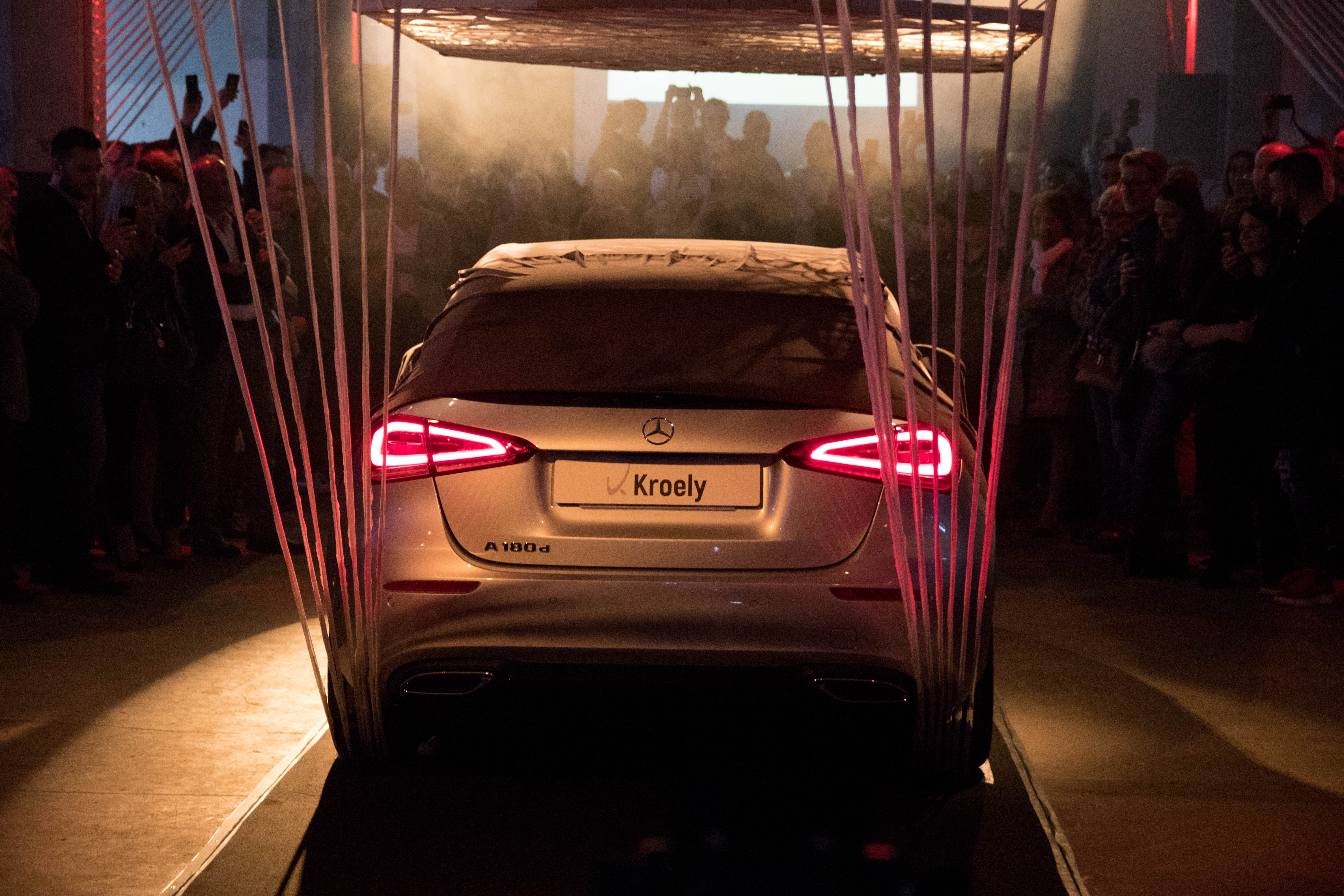
Product Launch in Brussels that lands your message and protects your brand
INNOV'events is a Brussels-based corporate event partner for executive teams, HR, and communications. We deliver Product Launch events from 40 to 800+ guests, with a controlled run-of-show, reliable AV, and a guest experience that supports sales conversations. You keep decision control; we handle the operational pressure, supplier coordination, and on-site execution.
Table of contents
For a local company, entertainment at a corporate launch is not “nice-to-have”: it is a conversion tool. It holds attention between key messages, creates the right energy for demos, and gives your teams a structured reason to start conversations with clients, distributors, and internal stakeholders.
Organizations in Brussels expect precision: multilingual hosting, punctual timing (often between meetings or after office hours), and venues that work for VIP access, press moments, and product handling. The bar is high because your audience has seen many launches—especially around the EU quarter and major business districts.
INNOV'events operates weekly across Brussels, coordinating local venues, AV crews, caterers, security, and artists. Our approach is built for executive-level constraints: brand governance, risk management, budget clarity, and a calm event day with clear responsibilities.
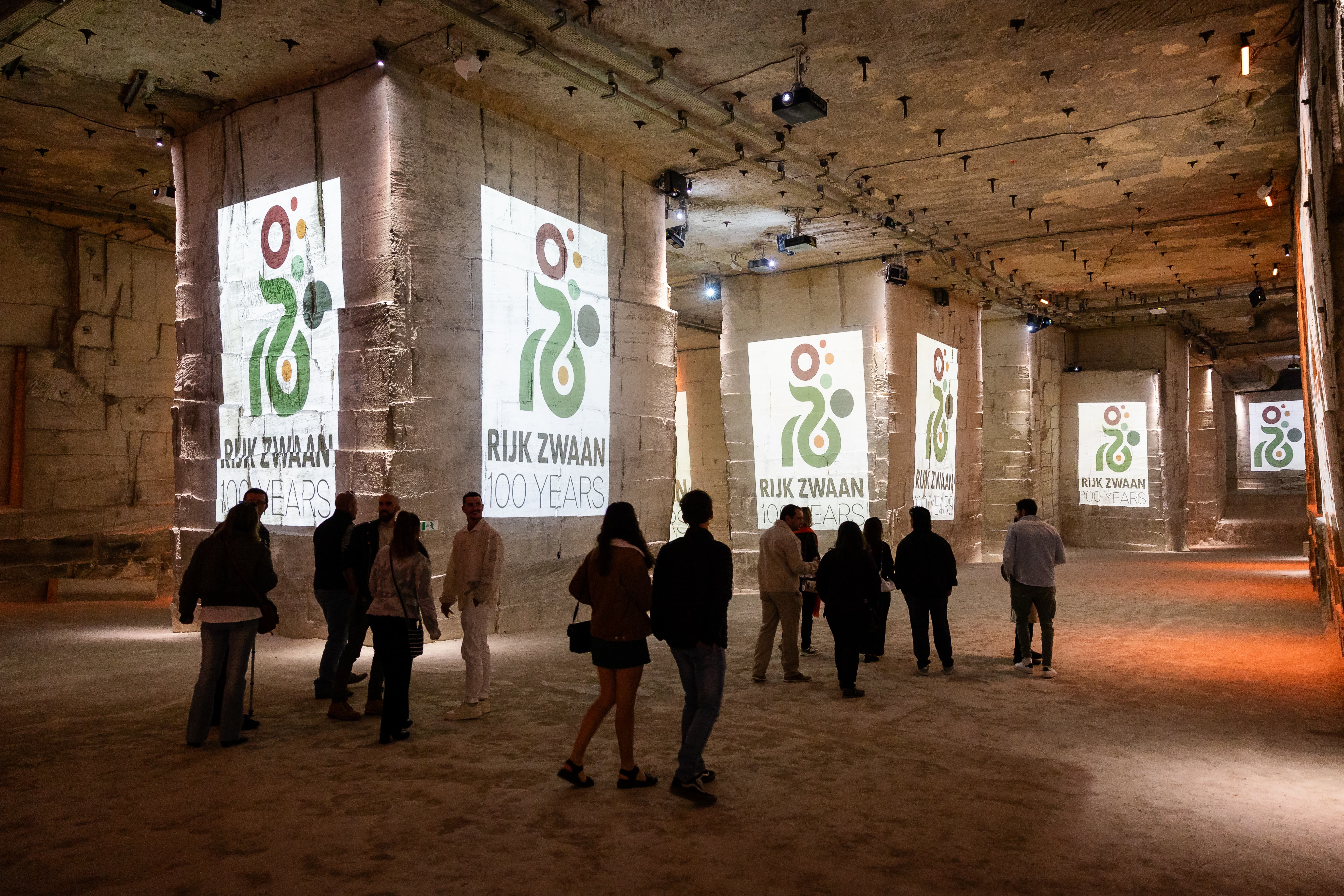
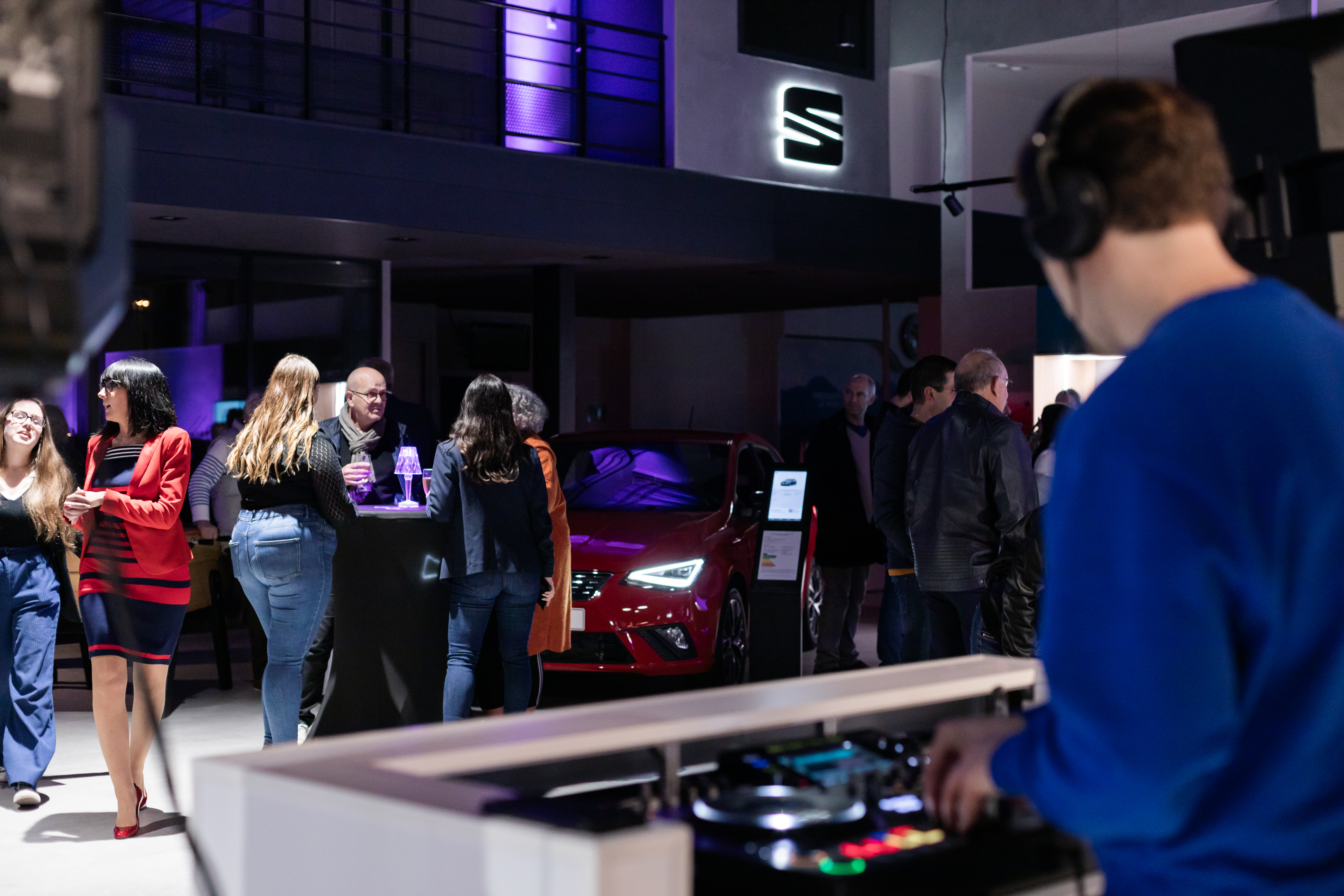
Brussels launch delivery: the credibility basics
12+ years delivering corporate events across Belgium with repeat clients in tech, retail, finance, and public affairs.
150+ corporate events/year managed through our Brussels network (venues, AV, catering, security, hosts, artists, logistics).
24/7 event-day coverage with a single accountable production lead and documented escalation path.
Average vendor response time: 48–72h for scoped quotes in Brussels (faster for pre-vetted partners).
How to organize a professional event in Brussels?
- Define the objective (cohesion, announcement, fidelity, performance).
- Set date, format and size (20–1 000 people).
- Secure the venue and accommodation according to seasonality.
- Lock down technical, suppliers and logistics.
- Drive the day J (timing, scene, entrance, flow).
Who we support year after year in Brussels
We support organizations that need their launch to be both sharp and operationally safe—especially when multiple departments are involved. In Brussels, it’s common to see communications leading the narrative, sales pushing for demo time, HR focusing on internal engagement, and leadership protecting brand and risk. Our work is designed to align those priorities without slowing you down.
Many of our clients come back because launches are rarely one-off: a product line evolves, a platform gets a new release, a brand enters a new market, or the company repositions. We plan with that reality in mind—templates, supplier shortlists, and technical choices that can be reused and improved rather than reinvented every time.
If you want references, we share relevant case examples on request depending on your sector and constraints (NDA permitting). We also work with Brussels-based and Belgium-wide stakeholders who regularly bring together mixed audiences: clients, partners, internal teams, and press.
We send you a first proposal within 24h.
Why run a Product Launch in Brussels rather than “just a press release”
A Product Launch is one of the few moments where you can control message, context, and attention at the same time. In practice, executives use it to accelerate decisions: partners commit, prospects move faster in the pipeline, and internal teams align on what to sell and how to talk about it.
Compress your sales cycle by turning passive interest into scheduled demos and qualified conversations (with a structured guest flow and dedicated demo windows).
Protect brand perception with a controlled environment: lighting that flatters the product, sound that keeps speeches intelligible, and staging that matches corporate governance standards.
Align internal teams (sales, marketing, product, HR, leadership) around one narrative and one set of proof points, instead of multiple versions circulating after launch day.
Generate usable content in one evening: press shots, leadership soundbites, product footage, client testimonials—captured with a pre-approved shot list and usage rights clarified.
De-risk the message by testing it live: which claims create questions, which features resonate, and where the audience needs clarity—valuable feedback you won’t get from a PDF.
Strengthen stakeholder relationships by giving partners and VIP clients time with your decision-makers in a setting designed for conversation (not just a crowded cocktail).
Brussels is a pragmatic business environment: people expect substance, timing discipline, and credibility. A well-run launch here is less about spectacle and more about enabling real business outcomes—without operational surprises.
What Brussels audiences expect from corporate launches
Launching in Brussels comes with specific realities that executives and communications teams recognize immediately. Your guests often include international profiles (EU affairs, regional HQs, visiting leadership) and local decision-makers who compare you to high-standard corporate events they attend regularly.
Multilingual dynamics matter: even when your event is officially in English, you need bilingual signage or staff capable of handling French/Dutch interactions at registration, cloakroom, and wayfinding. We plan guest communications (save-the-date, confirmation, QR check-in instructions) so they work for both local and international attendees.
Access and mobility can make or break arrival. In districts like the European Quarter, Louise, or near central stations, timing and traffic patterns are unpredictable. We design arrival waves (VIP vs general), recommend parking or chauffeur drop-off points, and build a buffer into your run-of-show. If you’re hosting press, we ensure press check-in is separate and fast.
Venue compliance and neighbourhood constraints are not theoretical: noise limits, loading windows, and security requirements often affect staging and set-up. A product demo with power draw, network needs, or special materials requires early technical checks. We build those constraints into the production plan so you’re not negotiating on the day.
Finally, Brussels guests expect a launch to be useful: concise speeches, a clear product story, and a format that gives them time to see, test, and ask questions. Entertainment plays a role, but only when it supports attention and conversation rather than distracting from the product.
Which entertainment fits a Product Launch in Brussels without diluting the message
Entertainment in a Product Launch should do three jobs: hold attention during transitions, create a premium atmosphere that supports pricing and positioning, and encourage conversation at the right moments. In Brussels, the best formats are precise, time-boxed, and designed to integrate with the reveal and demo flow.
Interactive animations in Brussels
Guided demo challenges with timed rotations: guests complete a short product task and receive a results card that your sales team can use to start a follow-up conversation.
Live polling (phone-based) used as a narrative tool: reveal market misconceptions, then show how your product answers them. We set it up so results display cleanly on screen and don’t eat up stage time.
Smart badge or QR journeys: scan at 3–4 stations (feature A/B/C, partner corner). You get analytics on what guests visited—useful for lead scoring—while keeping GDPR-compliant consent messaging.
Host-led micro-interviews with product experts on a small stage: short, structured Q&A that gives substance without turning into a panel discussion.
Art animations in Brussels
Musical trio with controlled sound levels during reception and networking, tuned to the room so speech remains comfortable. In Brussels venues with strict sound management, this is often safer than a DJ.
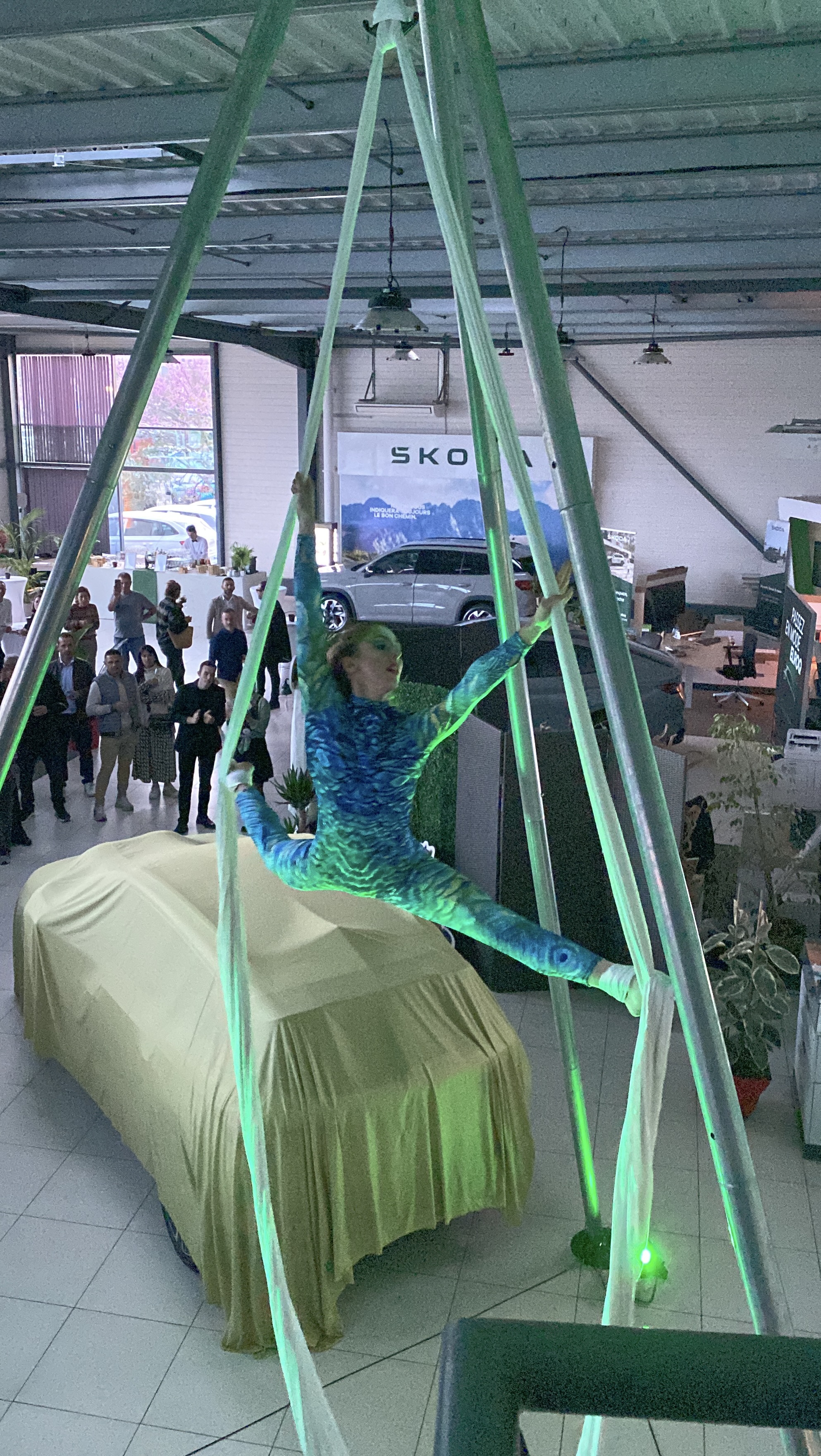
Visual performance timed to the reveal (short LED or light choreography) to create a “moment” for cameras, followed by an immediate switch to demo mode.
Professional MC experienced with corporate audiences and bilingual dynamics (English/French or English/Dutch) to keep pace, manage transitions, and protect leadership time.
Innovative animations in Brussels
Brussels-centric tasting stations (seasonal, high-throughput): designed to avoid long queues that kill networking. We calculate service speed and adjust staffing and station count accordingly.
Pairing concept tied to product attributes (e.g., “precision”, “speed”, “sustainability”) using small-format portions so guests can keep one hand free for demos.
Alcohol policy aligned with corporate governance: we can implement drink token systems, premium non-alcoholic bars, and clear cut-off timing if your company has strict compliance rules.
Gourmand animations in Brussels
AR product reveal in a controlled zone: guests scan a marker to see exploded views or feature overlays. We plan lighting, connectivity, and staff guidance so it feels smooth rather than gimmicky.
Content capture studio corner: a branded mini-set where leadership records short product soundbites and customer testimonials, with pre-approved prompts and release forms.
Silent demo theatre (headsets): ideal when venue acoustics are challenging. Guests get clear audio, and you can run repeated 6–8 minute demo loops.
The key is alignment: every entertainment element must reinforce your positioning, not compete with it. We validate this by mapping each animation to a business purpose—attention, proof, conversation, or content—and removing anything that doesn’t earn its place in the run-of-show.
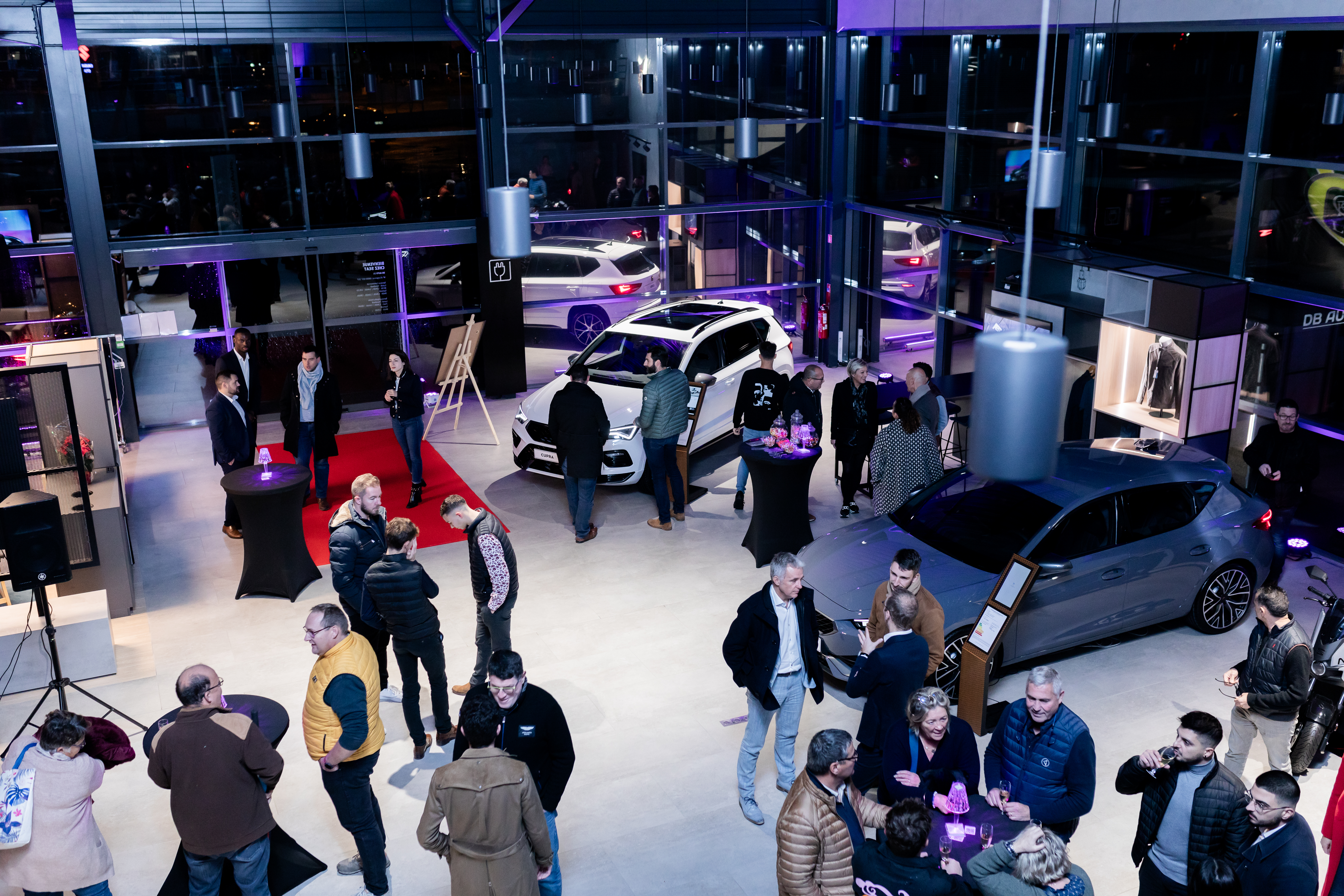
How to choose a Brussels venue that supports your Product Launch
The venue is not just a backdrop; it sets expectations before anyone hears your message. In Brussels, the right setting depends on your audience mix (VIPs, partners, press, internal), the technical needs of your product (power, network, staging), and your confidentiality requirements. We shortlist venues based on circulation, loading access, acoustic behaviour, and the practicalities of running demos.
| Venue type | For which objective? | Main strengths | Possible constraints |
|---|---|---|---|
| Design-forward event spaces (city centre) | Premium positioning, strong visual reveal, press-friendly setting | Photogenic interiors, flexible layouts, good for 80–250 guests | Loading restrictions, limited rigging points, strict timing windows |
| Hotel conference & reception venues | International guests, predictable service, tight schedules | Reliable staffing, strong AV partnerships, accommodation on-site | Less “brandable” by default, package limitations, union rules in some cases |
| Industrial/warehouse-style venues | Large-scale reveals, immersive staging, multiple demo zones | High ceilings, strong production potential, capacity for 300–800+ | More build-out needed (heating, power distribution, acoustics), higher production costs |
| Museums or cultural venues (private hire) | Brand association, prestige, VIP moments | Strong narrative backdrop, memorable setting for clients | Strict conservation rules, limited catering options, complex approvals |
We strongly recommend at least one site visit with your core stakeholders (comms, product, and production). It avoids surprises like obstructed sightlines, weak acoustics, or insufficient back-of-house space—issues that don’t show up in a PDF floorplan.
What a Product Launch budget looks like in Brussels
Budget for a Product Launch in Brussels depends on format, venue category, guest count, and technical complexity. Two launches with the same number of attendees can differ significantly if one requires heavy staging, broadcast-quality video, multiple demo stations, or tight confidentiality and security controls. Our role is to structure a budget that matches your objectives and avoids “hidden” costs.
Guest count and format: a seated reveal + cocktail does not price like a free-flow demo night with multiple stations. As a broad range, Brussels corporate launches often land between €25,000 and €120,000+ depending on production level and scope.
Venue and timing: prime weekdays, central locations, and short set-up windows can add labour costs. Evening events may require additional security and staff.
AV and staging: screens, camera feed, sound design, lighting, and stage build. For product reveals, we often recommend redundancy (backup playback, spare microphones), which is a small cost compared to reputational risk.
Demo infrastructure: power distribution, network (dedicated lines or bonded connectivity), furniture, branding, and technical support staff per station.
Catering strategy: high-throughput service avoids long queues. Costs vary by menu, staffing ratios, and whether you need premium non-alcoholic options or compliance-driven controls.
Entertainment and hosts: fees depend on performance type, rehearsal needs, rights, and whether bilingual hosting is required.
Content capture: photo, video recap, leadership interviews, livestreaming, post-production, and usage rights. Clear scopes prevent last-minute add-ons.
Branding and build: signage, wayfinding, backdrops, demo counters, and printed materials. We often recommend modular assets you can reuse for future releases.
Permits and insurance: depending on venue and activity (special effects, street-facing elements, drone restrictions), plus liability coverage.
We frame budget as an ROI tool: you’re not buying “an event”, you’re buying qualified conversations, credible positioning, and controlled execution. We can propose options (good/better/best) that keep your decision points clear without compromising the essentials that protect your brand.
Why hire a Brussels event agency for a product launch
In a launch, speed and local reliability matter as much as creativity. Working with an event agency in Brussels reduces operational risk because the supplier ecosystem is known, tested, and reachable—especially when something changes late (guest count shifts, venue rules, delivery slots, AV add-ons).
Local presence also helps with the practical details executives care about but rarely have time to manage: venue access negotiations, loading plans, neighbourhood constraints, last-minute staffing, and fast troubleshooting on-site. When leadership arrives, the room must already be “camera-ready”, the sound must be right, and the first five minutes must feel controlled.
- Faster sourcing of trusted Brussels AV crews, hosts, security, and catering teams with known performance under pressure.
- Realistic planning based on local traffic patterns, venue loading restrictions, and typical union or staffing constraints.
- On-site responsiveness: a production lead who can be at the venue quickly for technical checks and rehearsals.
- Better cost control through pre-negotiated supplier frameworks and accurate scoping (less “buffer pricing” from vendors).
We frame budget as an ROI tool: you’re not buying “an event”, you’re buying qualified conversations, credible positioning, and controlled execution. We can propose options (good/better/best) that keep your decision points clear without compromising the essentials that protect your brand.





Examples of Brussels-ready launch scenarios we manage
Our launch projects vary widely, but the operational patterns are consistent: protect the reveal moment, keep demos flowing, and ensure leadership can focus on stakeholder conversations rather than logistics.
Scenario 1: B2B tech release with partner ecosystem. Typical challenge: multiple stakeholders want stage time, while prospects want hands-on demos. We design a concise stage segment (single narrative, controlled timing), then move immediately into structured demo rotations with a booking system and dedicated “expert corners” (security, integration, pricing). Result: fewer bottlenecks, more qualified conversations.
Scenario 2: Consumer product introduction with press and influencers. Typical challenge: content capture needs compete with guest experience. We create a separate press/influencer pathway: fast check-in, a timed reveal, a photo call area with proper lighting, and a controlled product handling protocol so units don’t disappear or get damaged. Meanwhile, general guests have a smooth hospitality flow.
Scenario 3: Internal launch tied to change management. Typical challenge: excitement must translate into adoption. We integrate HR messaging and enablement: short leadership framing, product story, then hands-on stations supported by internal champions. We also plan post-event assets (FAQ video clips, recap deck) so the launch lives beyond one evening.
Across these scenarios, what clients value most is predictability: a clean brief, a transparent budget, vendor coordination, and an event day where everyone knows exactly where to be and when.
Common Product Launch mistakes we prevent in Brussels
Overloading the agenda: too many speakers, not enough demo time. We cap stage time and design a run-of-show that respects attention spans.
Weak intelligibility: beautiful lighting but poor sound. We prioritize speech clarity with proper speaker placement, sound checks, and microphone discipline.
Underestimating arrival flow: one check-in desk for 300 guests creates queues and a bad first impression. We scale staffing and QR check-in lanes to peak arrival.
Demo stations without redundancy: one failed laptop can derail the experience. We plan backups (power, adapters, devices, offline modes) and technical support coverage.
Branding that looks good online but fails on-site: glare, unreadable signage, or wrong dimensions. We validate print specs, lighting conditions, and sightlines.
No clear decision owner on the day: vendors receive conflicting instructions. We define an approval chain and escalation rules before load-in.
Last-minute scope creep: adding video, streaming, or extra staging late inflates costs and risk. We lock scopes early and offer controlled options if priorities change.
Our job is to remove these risks before they reach your executive team. We do that through technical prep, supplier management, rehearsals, and a documented production plan that stands up under pressure.
Why Brussels clients keep INNOV'events on their shortlist
Clients return when the agency behaves like a delivery partner, not a vendor. For executive teams, consistency matters: the same level of rigour every time, clear documentation, and a calm on-site presence that protects leadership bandwidth.
70%+ repeat business across recurring corporate event accounts (internal measurement based on returning clients year over year).
Average planning cycle: 6–10 weeks for Brussels launches with standard production; 3–4 weeks is feasible for smaller formats when key decisions are fast.
Typical on-site ratio: 1 production lead per event + dedicated coordinators depending on guest count and number of zones (registration, stage, demo, VIP).

Loyalty is not a slogan; it’s the consequence of reliable delivery, budget transparency, and a team that knows how to operate in Brussels venues without improvising at the wrong time.
Our Brussels process for controlled, executive-ready launches
👉 Brussels discovery call and objective alignment
We start with a structured call with communications, product, and an executive sponsor. We clarify: target audience, success metrics, key messages, constraints (legal/compliance, confidentiality), and the decision you want guests to make. You receive a written summary with assumptions and open points so internal alignment is fast.
👉 Format and run-of-show design for Brussels venues
We propose 2–3 launch formats with timing, guest flow, and room zoning (stage, demo, networking, VIP, press). We define the run-of-show down to minute blocks, including speaker cues, reveal moment, and transitions. This is where we ensure entertainment supports the product narrative rather than competing with it.
👉 Venue shortlist and technical feasibility checks in Brussels
We shortlist venues based on capacity, access, acoustic behaviour, rigging possibilities, loading constraints, and demo infrastructure. We then run a technical walkthrough with AV to validate power, network, sightlines, and back-of-house space. If needed, we plan a rehearsal slot and confirm venue rules in writing.
👉 Supplier sourcing, budget structure, and approvals
We build a transparent budget with clear scopes (AV, staging, catering, entertainment, staffing, branding, content capture). We offer options where it makes sense (e.g., screen size, lighting design, capture package) and lock what must not fail (sound, backups, safety). Approval gates are set so leadership doesn’t get pulled into daily decisions.
👉 Production planning and stakeholder readiness
We produce the key documents: production schedule, load-in/load-out plan, staffing plan, vendor contact list, floorplans, risk register, and an on-site brief for your internal teams. We coordinate speaker coaching, slide/video technical checks, and demo readiness so product teams are confident.
👉 Event-day delivery and calm control
On the day, we manage vendor arrivals, set-up, rehearsals, and cueing. We run registration, VIP handling, stage management, and demo zone coordination. If something shifts (speaker delay, guest count change), we adjust without exposing the issue to guests. After the event, we handle breakdown, asset retrieval, and post-event reporting.
👉 Post-launch follow-up and measurable outcomes
We deliver recap assets (photos/videos), attendance lists (as per GDPR consents), and a short debrief: what worked, what to improve, and recommended next steps. For sales-driven launches, we can structure the capture so your CRM follow-up is faster and cleaner.
FAQ sur l'organisation Product Launch à Brussels
How much does a Product Launch in Brussels cost?
Most corporate launches in Brussels fall between €25,000 and €120,000+. The main cost drivers are venue category, AV/staging level, demo infrastructure, catering staffing, and content capture. We can also scope smaller formats from €12,000–€20,000 when production is light and guest counts are limited.
How far ahead should we plan a Brussels product launch?
Plan 6–10 weeks ahead for standard launches (venue choice, AV, catering, approvals, and rehearsal). For peak dates or complex staging, 10–14 weeks is safer. A smaller launch can be delivered in 3–4 weeks if decisions and content are available quickly.
Which Brussels venues work best for product demos?
Look for venues with reliable power distribution, strong connectivity options, and sufficient back-of-house space for storage and technical prep. For 80–250 guests, design-forward event spaces or hotel venues are often efficient. For 300+ with heavy production, industrial-style venues offer more rigging and zoning flexibility.
How do you manage VIP and press flow in Brussels?
We separate pathways: dedicated VIP arrival and holding area, a fast press check-in, and time-boxed moments (reveal, photo call, spokesperson interviews). We also coordinate access lists, security requirements, and a clear internal “who speaks to whom” plan so leadership time is protected.
What entertainment fits a Brussels corporate product launch?
Best-performing options are controlled and purposeful: a professional MC, short musical sets during networking, and interactive elements that guide guests into demos (live polling, guided stations, silent demo theatre). We avoid formats that raise sound levels or distract from the product unless the objective is explicitly brand spectacle.
Plan your Product Launch in Brussels with a clear production plan
If you’re comparing agencies, we suggest starting with a scoped conversation: audience, objectives, constraints, and the level of production you need. INNOV'events will come back with a practical format recommendation, a first-budget range, and a venue/production approach that fits Brussels realities.
To secure the right venue and technical teams, contact us early—especially if your launch includes demos, press moments, or executive-level stakeholders. Share your target date, estimated guest count, and product constraints (size, power/network needs, confidentiality), and we’ll propose next steps within 48–72 hours.
INNOV'events Brussels Agency
Justin JACOB is the manager of the INNOV'events Brussels office. Reach out directly by email at belgique@innov-events.be or via the contact form.
Contact the Brussels agencyAll our services & entertainment Brussels, Belgique
Discover our event services
Discover our event entertainment available in the Belgique
- Event Hostess in Brussels
- Escape Game in Brussels
- MasterChef Cooking Workshop in Brussels
- Magician in Brussels
- Marquee Rental in Brussels
- Color Analysis Workshop in Brussels
- Inflatable Games in Brussels
- Valet Parking Service in Brussels
- Football Simulator in Brussels
- LED Furniture Rental in Brussels
- Light Branding in Brussels
- Unique Dining Experience in Brussels
- Light Painting in Brussels
- Murder Mystery Party in Brussels
- Prize Contest in Brussels
- Promotional Displays (POS) in Brussels
- Virtual Reality in Brussels
- Molecular Gastronomy Workshop in Brussels
- Halloween Entertainment in Brussels
- Fireworks Show in Brussels
- Giant Games Challenge in Brussels
- Event Host / MC in Brussels
- Photo Booth Animation in Brussels
- Santa Claus Entertainment in Brussels
- Kids Entertainment in Brussels
- Guided Tour in Brussels
- Urban Rally in Brussels
- Ball Pit in Brussels
- Flight Simulator in Brussels
- Food Truck Rental in Brussels
- World Record Challenge in Brussels
- Surf Simulator in Brussels
- Wine Casino in Brussels
- Makeover Workshop in Brussels
- Perfume Creation Workshop in Brussels
- Acting Workshop in Brussels
- CSR Activities in Brussels
- Archery in Brussels
- Security Staff in Brussels
- Wine Tasting in Brussels
- Mime Performer in Brussels
- TV Game Show in Brussels
- Funfair in Brussels
- Crisis Management Workshop in Brussels
- Crisis Negotiation Workshop in Brussels
- Arcade Games in Brussels
- Indoor Skydiving Simulator in Brussels
- Ski Simulator in Brussels
- Racing Circuit Experience in Brussels
- Introductory Flight Experience in Brussels
- Tasting Experience in Brussels
- Build Your Own Foosball Workshop in Brussels
- 2CV Rally in Brussels
- LEGO Challenge in Brussels
- Casino Night in Brussels
- Interpreter / Translator in Brussels
- Promotional Giveaways in Brussels
- Shuttle Transport in Brussels