Promotional Merchandise in Brussels that actually supports your event goals
INNOV'events supports executives, HR and communication teams with Promotional Merchandise for corporate events in Brussels, from 30 to 3,000+ attendees. We manage sourcing, customization, proofing, delivery, on-site distribution and post-event reporting so your teams stay focused on the program and stakeholders.
Whether you need welcome kits for a leadership offsite, branded giveaways for a product launch, or practical items for a recruitment roadshow, we secure the right items, in the right quantities, with the right lead times.
Sommaire
In corporate events, Promotional Merchandise is not decoration: it is a controlled touchpoint that extends your message beyond the venue. Done properly, it reduces no-show impact (people keep something tangible), reinforces internal alignment (teams wear/use the same codes) and supports measurable objectives like lead capture, onboarding or employer branding.
Organizations in Brussels expect reliability more than “nice ideas”: correct bilingual branding where needed, predictable delivery to venues with strict loading schedules, and merchandise that will not embarrass the brand in front of clients, regulators or international headquarters. They also expect you to handle last-minute changes without losing quality.
We are an event agency on the ground in Brussels, used to coordinating with venues, printers, and couriers across the city and the Belgian network. Our role is to translate your communication intent into concrete items, technical files, production planning, and distribution logistics that work on event day.
Brussels delivery: the numbers that reduce your risk
10+ years supporting corporate events and brand activations in Belgium, with a strong footprint in Brussels.
300+ projects/year coordinated through our supplier network (print, textile, packaging, fulfillment) with documented QA steps.
48–72h emergency turnaround options for selected items (limited catalog) when an internal change request lands late.
1 single production file validated by you before launch (artwork, colors, quantities, delivery addresses, deadlines) to avoid “assumptions” across stakeholders.
Promotional Merchandise projects we handle across Brussels companies
We support corporate teams operating in Brussels, including international HQs, EU-facing organizations, and Belgian scale-ups that need brand consistency across multiple moments (town halls, client events, recruitment and onboarding). Many of our clients come back year after year because they want fewer suppliers to manage and fewer surprises on event week.
You mentioned using company references; to stay accurate and compliant, we only publish company names once we have explicit approval or when the collaboration is already public. In practice, our recurring work in Brussels often includes: welcome packs for leadership and onboarding, trade-show kits for sales teams, premium client gifts aligned with compliance rules, and high-volume distribution items for internal campaigns.
If you share the list of company names you want displayed, we can integrate them in this section exactly as provided, without over-claiming and with the right wording (e.g., “supported”, “coordinated”, “produced”).
 Besoin d’un devis rapide ?
Nous vous envoyons une première proposition sous 24h.
Why invest in Promotional Merchandise in Brussels for corporate events
For executives and communication teams, Promotional Merchandise in Brussels is a practical lever: it aligns people, signals professionalism to partners, and makes your event more “actionable” after the room empties. The strategic question is not “Do we give goodies?” but “What behavior or message must this item support, and how do we control quality and distribution?”
Strengthen brand consistency across departments: when marketing, HR and leadership all touch the same item (lanyard, notebook, kit), you reduce fragmented messaging. This is especially relevant in Brussels where many organizations work in multi-country, multi-language environments.
Support HR and internal communication: onboarding kits, learning program packs and recognition gifts help HR deliver a coherent employee experience—without asking internal teams to become buyers, logisticians and quality controllers.
Increase lead conversion at client events: a well-chosen item can be tied to a clear CTA (QR code to demo booking, personalized card, or post-event content access). We routinely see better follow-up rates when merchandise is integrated into the journey rather than distributed randomly at the exit.
Protect executive image and compliance: premium gifting is sensitive (value thresholds, procurement policies, sustainability commitments). We help you select items that look credible, document unit values, and avoid “too cheap/too flashy” signals in front of senior stakeholders.
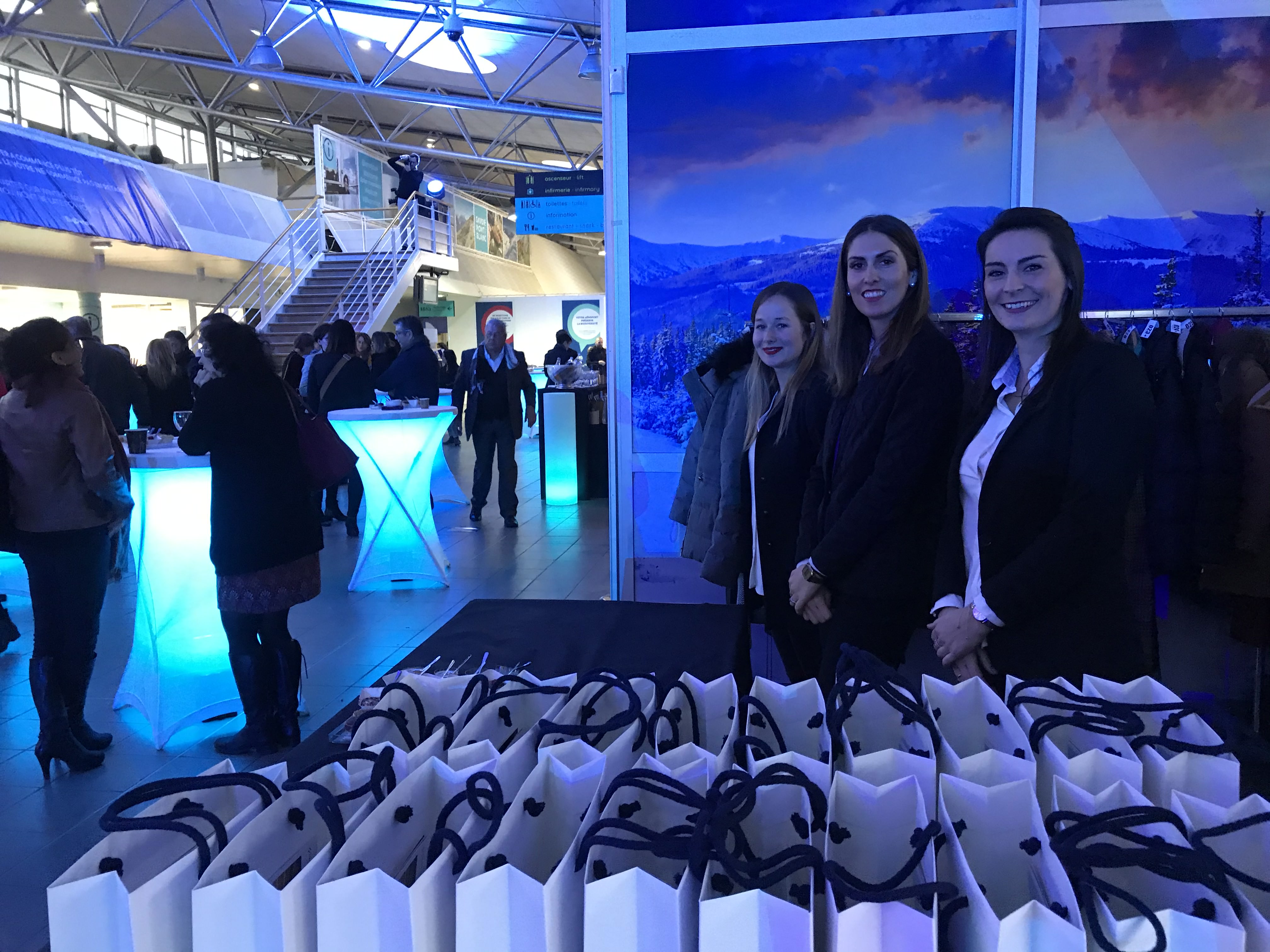
Make complex events run smoother: properly labeled and pre-packed kits reduce registration bottlenecks, limit missing items, and avoid the classic event-day question: “Who has the extra badges / adapters / pens?”
Brussels is a relationship-driven business ecosystem: institutions, consultancies, federations, corporates and SMEs interact continuously. Merchandise that is well executed signals operational maturity—something decision-makers in this city notice quickly.
What Brussels stakeholders expect from corporate merchandise suppliers
In Brussels, the operational reality is specific: venues often impose strict delivery windows; city traffic and loading constraints can turn “a simple delivery” into a failure point; and many events mix local teams with international guests who judge the brand on small details.
We typically see five expectations from executive sponsors and project owners:
- Predictability: clear lead times and a production plan, not just a “we should be fine”. For example, textiles with embroidery and individual name personalization require more time than standard screen printing; we plan accordingly.
- Quality control you can audit: mockups are not enough. You need pre-production proofs, color references, and a documented sign-off moment to avoid last-minute disputes about Pantone, logo spacing or paper weight.
- Bilingual and multicultural sensitivity: packaging inserts, welcome cards, and even size runs for apparel must match the audience profile. A Brussels audience is rarely homogeneous.
- Procurement alignment: many Brussels-based organizations have strict purchasing rules. We provide clear itemized quotes, unit costs, and production origins to support internal approval flows.
- Responsible choices without greenwashing: if your organization has ESG targets, you need credible material specs (recycled content %), transport logic, and “what happens after the event” thinking (reusability, take-back options).
Our job is to integrate these constraints from day one, so the merchandise supports the event instead of creating a new project stream for already-stretched teams.
Which Promotional Merchandise formats work best in Brussels events
Merchandise becomes more effective when it creates interaction: it can trigger a conversation, guide people through the venue, or connect offline participation to online content. In Brussels, where many events are content-heavy (talks, panels, networking), the right formats help structure attention and improve follow-through.
Interactive animations in Brussels
QR-enabled items tied to a specific action: badges, cards, or notebooks that link to a personalized landing page (agenda, feedback form, demo booking). This is useful for communication teams who need measurable engagement.
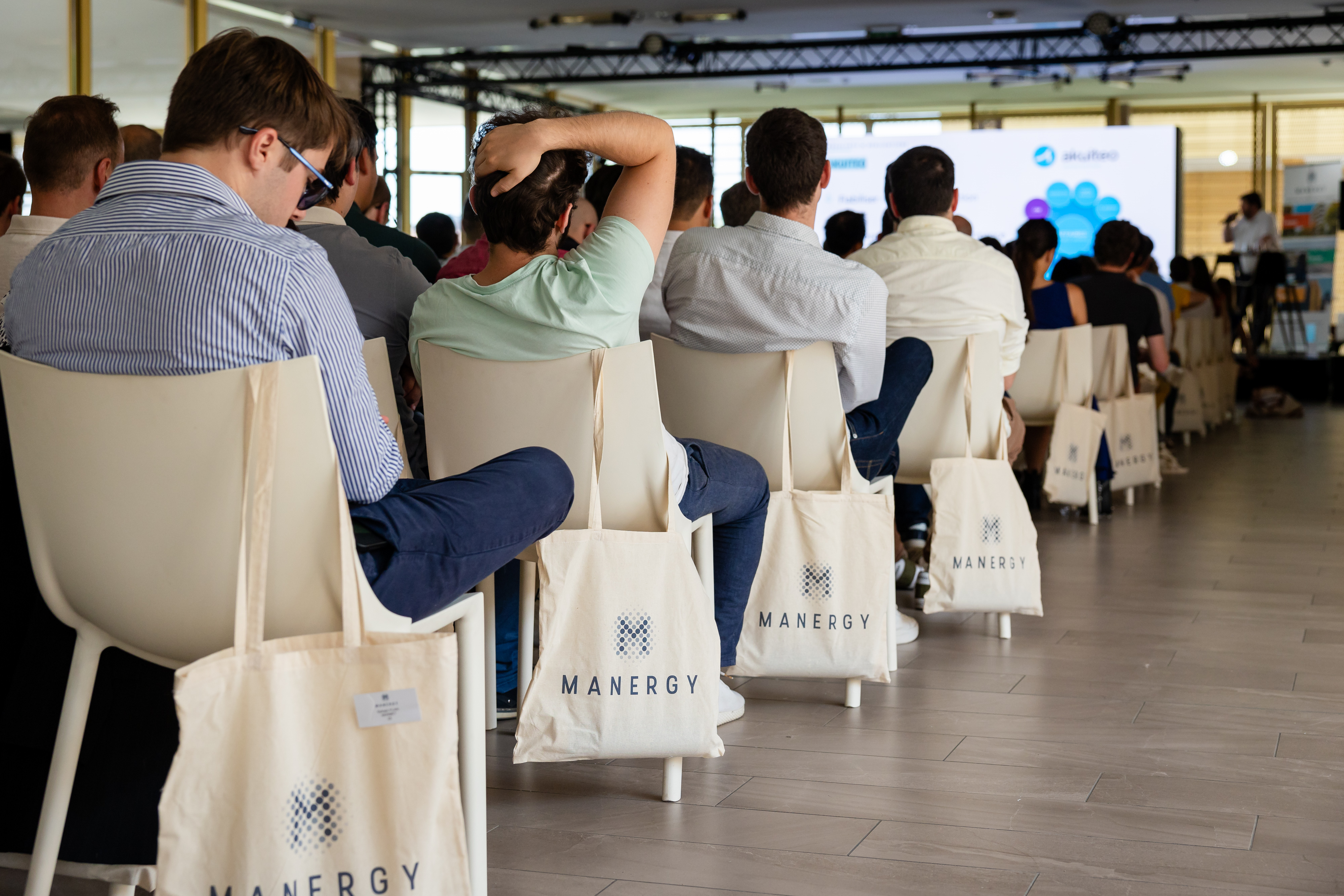
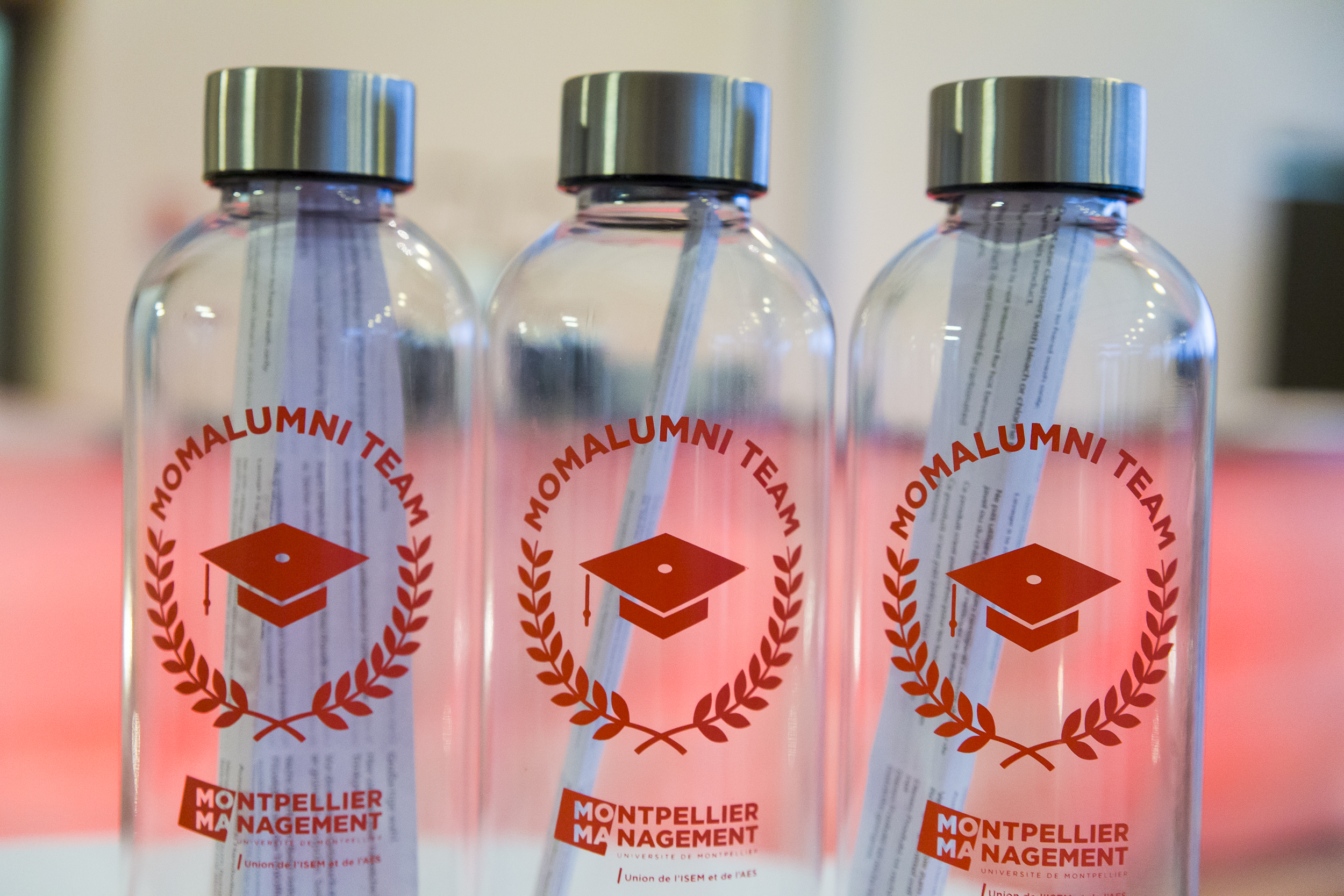
On-site personalization corner: name engraving on metal bottles, embroidered initials on caps, or heat-transfer on tote bags. We plan queue management, power needs, and a “who approves what” rule to avoid off-brand outcomes.
Team identifier kits for large internal events: color-coded lanyards, pins, or wristbands aligned with departments or cohorts. It improves networking and helps HR with community building.
Art animations in Brussels
Limited-edition illustrated series: Brussels-themed but subtle (line drawing of the skyline, local map pattern) integrated into a premium notebook or poster. Useful for client gifting when you want locality without clichés.
Branded packaging with event narrative: sleeves, belly bands, or inserts that explain “why this item exists” (e.g., sustainability commitment, campaign message). This is often what makes a simple item feel executive-grade.
Innovative animations in Brussels
Corporate gifting compliant food options: boxed chocolates or biscuits with controlled unit value, clear allergen labeling, and shelf-life planning. In Brussels, this works well for partner-facing events, but only if distribution timing respects storage constraints.
Coffee-focused items for morning formats: reusable cups or premium mugs paired with a coffee bar. The merchandise supports the program flow (people stay on-site) and reinforces hospitality.
Gourmand animations in Brussels
Tech essentials with realistic specs: chargers, cables, or adapters chosen for reliability (power output, compatibility). We avoid “cheap tech” that fails on day one and damages brand trust.
Hybrid-event packs shipped to remote attendees: when part of your audience joins from outside Brussels, we handle address collection, kitting, and shipping waves so remote participants receive the same experience.
Reuse-first inventory strategy: build a core set (neutral but branded) that can serve multiple Brussels events across the year, then add a small campaign-specific layer. This helps procurement and reduces waste.
The most important rule: merchandise must match your brand image and your stakeholder context. What works for a recruitment fair may be inappropriate for an executive roundtable. We help you select formats that look coherent in photos, on LinkedIn, and in the hands of clients and employees.
Where to distribute Promotional Merchandise in Brussels effectively
The venue influences how merchandise is perceived and how smoothly it can be distributed. In Brussels, access constraints (docks, elevators, security) and room layouts directly impact kitting, storage, and the attendee flow at registration.
| Venue type | For which objective? | Main strengths | Possible constraints |
|---|---|---|---|
| Conference centers (Brussels) | High-volume distribution (500–3,000+ attendees) with structured registration | Clear logistics routes, strong AV, staff used to badge/lanyard workflows | Strict delivery windows, dock booking, security checks, limited storage near plenary rooms |
| Hotels with meeting spaces (Brussels) | Executive offsites, trainings, client breakfasts | Easy kitting at reception, controlled experience, good for premium gifting | Branding rules, limited large-format storage, coordination with hotel operations |
| Corporate offices / HQ sites (1000 area) | Internal launches, onboarding days, town halls | Direct control, easy alignment with internal security and access badges | Loading restrictions, internal procurement rules, limited time slots for deliveries |
We recommend a site visit or at least a logistics call with the venue: where do boxes arrive, where can we stage kits, and what is the attendee path? This is the difference between a smooth welcome and a queue that starts the day with friction.
How to budget Promotional Merchandise in Brussels without hidden costs
The price of Promotional Merchandise in Brussels depends on item choice, branding method, quantities, lead times, and distribution complexity. A realistic budget is built by clarifying what must be premium, what must be high-volume, and what can be reused across events.
Quantity and tiering: we often recommend 2–3 tiers (e.g., attendee kit, speaker kit, VIP gift). This avoids overspending by giving everyone the most expensive item.
Branding technique: embroidery is durable but costs more and requires longer lead time; screen print is cost-effective for volume; laser engraving is premium on metal items; full-color digital print is flexible but must be controlled for color consistency.
Lead time: urgent production compresses supplier planning and increases costs. When teams validate artwork late, budgets rise—often without improving the result.
Kitting and packaging: assembling kits (folding textiles, inserting cards, labeling by language or department) is real labor. It is also what prevents mistakes and improves the welcome experience.
Delivery and access: multi-address deliveries across Brussels (office + venue + storage) add handling and coordination. We price it transparently to avoid “surprise invoices”.
Quality control and reprint contingency: for high-visibility events, we recommend a small contingency for reprints if a batch fails QC or a last-minute attendee count changes.
From an ROI perspective, merchandise is cost-effective when it is tied to a clear goal (conversion, retention, onboarding, employer brand) and when leftovers are managed intelligently. We help you avoid the common waste pattern: over-ordering generic items that end up unused in storage.
Why choose an event partner in Brussels for merchandise execution
When merchandise is linked to an event, the risk is rarely the item itself—it is the coordination. A partner based in Brussels can physically verify deliveries, react to venue constraints, and solve last-mile issues quickly. This matters when a box is missing, when security blocks a courier, or when the venue changes the loading time 24 hours before.
INNOV'events operates as your single accountable interface between internal stakeholders and the supplier chain. If you want a broader view of how we coordinate all event workstreams beyond merchandise, see our event agency in Brussels page.
- Faster issue resolution: on-site checks, local courier alternatives, and real-time coordination with venues.
- Supplier knowledge: we know which Brussels-area partners are reliable for textiles, print, and packaging at corporate standards, and which ones to avoid for mission-critical deadlines.
- Operational realism: we plan around Brussels constraints (traffic, access, security) and corporate approval flows (procurement, brand, legal).
- Consistency across events: we maintain a reference library of your validated items and branding specs to reduce repeated decision cycles across the year.
From an ROI perspective, merchandise is cost-effective when it is tied to a clear goal (conversion, retention, onboarding, employer brand) and when leftovers are managed intelligently. We help you avoid the common waste pattern: over-ordering generic items that end up unused in storage.






What we deliver for Brussels teams: concrete merchandise scenarios
Our Promotional Merchandise work in Brussels covers very different contexts, and the difference is usually operational rather than creative.
Example 1: Leadership town hall (800 attendees)
Challenge: fast registration, consistent branding on stage and in photos, and a kit that supports note-taking and Q&A. Typical solution: pre-kitted tote with agenda, notebook, pen, badge/lanyard, plus a QR card for live questions. We plan kit staging behind registration, replenishment every 15–20 minutes, and a clear “extras” policy to avoid running out.
Example 2: Recruitment roadshow across Brussels campuses
Challenge: high volume, repeated dates, and a need for items that do not look disposable. Typical solution: durable tote + concise employer brand card + practical item (bottle or cable) that survives daily use. We prepare multi-date fulfillment, so HR does not repack boxes for every stop.
Example 3: Client roundtable with compliance constraints
Challenge: premium perception without crossing gifting thresholds, plus discreet branding. Typical solution: low-profile premium stationery or a quality desk accessory with subtle marking, documented unit value, and packaging aligned with the event theme. We validate brand placement and provide cost traceability for internal compliance.
Across these scenarios, what clients value is the same: fewer stakeholders to chase, fewer deliveries to track, and a result that looks deliberate rather than improvised.
Most common Promotional Merchandise mistakes we prevent in Brussels
Choosing items before defining the attendee journey: this leads to boxes of unused giveaways. We start from the moment of use and the desired action.
Underestimating lead times for personalization: names, embroidery, and complex packaging routinely add days. We protect you with a reverse timeline and sign-off gates.
Not validating color and material: the “same logo file” can render differently depending on process. We require proofs and, when needed, physical samples.
Single-point delivery with no contingency: one missed delivery slot in Brussels can cascade. We plan buffer time and backup transport options.
No plan for leftovers: without a reuse strategy, you waste budget and storage. We define who keeps what, where it goes, and how it can be reused.
Distribution chaos on event day: merchandise stored too far from registration, no replenishment plan, unclear responsibility. We assign roles and map flows.
Our role is to reduce operational risk for your team: we translate brand intent into specs, control production, and run distribution with the same discipline you expect for AV, catering, and speaker management.
Why Brussels clients keep INNOV'events for merchandise year after year
Recurring collaboration is rarely about “ideas”. It is about trust that execution will be correct when the pressure rises: last-minute headcount changes, internal approvals, venue constraints, and stakeholders who notice every detail.
Multi-event consistency: clients often ask us to build a core kit for 3–6 events/year in Brussels, then adjust only the campaign layer (insert card, sticker, QR).
Reduction of internal workload: one point of contact, one production file, and consolidated deliveries reduce coordination time for HR and communication teams.
Quality memory: we keep references of what worked (and what didn’t) for your brand—colors, suppliers, packaging, and distribution methods—so you do not restart from zero each time.

Loyalty is proof of quality because it means the operational side held up over multiple cycles. In a city like Brussels, where schedules are tight and stakeholders are demanding, consistency is what protects your reputation.
Our Brussels process to deliver merchandise safely and on time
👉 Step 1 (Brussels): Clarify objectives, audience and constraints
We run a short working session with the event owner (Comms/HR/EA office) to clarify: audience profile, tiers (attendee/speaker/VIP), brand rules, compliance constraints, languages, and distribution moments. Output: a practical brief that procurement and stakeholders can validate quickly.
👉 Step 2 (1000): Item shortlist with real lead times and unit economics
We propose options with transparent unit costs, branding methods, and production lead times. We also flag what is risky (complex personalization, fragile materials, limited stock) and offer safer equivalents that deliver the same perception.
👉 Step 3 (Brussels): Artwork preparation, proofs and sign-off
We prepare print-ready files and a single validation pack: visuals, dimensions, colors, placements, packaging, quantities by variant, and delivery addresses. We schedule a sign-off deadline that protects the production window and prevents “silent changes” by multiple stakeholders.
👉 Step 4 (Brussels): Production follow-up and quality control
We monitor production milestones and perform QC checks (visual consistency, print alignment, packaging integrity). For high-stakes items, we request pre-production samples or photos with measurement references before the full run.
👉 Step 5 (1000): Kitting, labeling and distribution planning
We organize kitting (by language, department, size, or arrival wave), label boxes clearly, and plan storage and replenishment at the venue. Output: a distribution plan with responsibilities, timing, and a contingency approach for missing items or last-minute attendee changes.
👉 Step 6 (Brussels): Delivery, on-site support and post-event wrap-up
We coordinate deliveries within venue access windows and can support on-site distribution when required. After the event, we help you manage leftovers (reuse, internal allocation, storage) and provide a short wrap-up: what was used, what to adjust, and what to keep for next Brussels events.
FAQ sur l'organisation Promotional Merchandise à Brussels
What lead time for Promotional Merchandise in Brussels events?
Plan 2–4 weeks for standard items (print + delivery). For textiles with embroidery, premium packaging, or individual personalization, plan 4–6 weeks. Emergency options exist in 48–72h for a limited range, but choice and branding methods are restricted.
What budget range for corporate merchandise in Brussels?
Typical ranges (excl. VAT) are €3–€8/unit for high-volume basics, €10–€25/unit for quality kits, and €30–€80+/unit for VIP gifts depending on the item and branding. Add kitting and delivery based on complexity and number of drop points in Brussels.
Can you handle bilingual FR/NL packaging for Brussels?
Yes. We plan bilingual inserts, labels, and welcome cards from the start, including proofreading responsibilities and a single validation file. For mixed audiences, we can also kit by language so distribution is error-proof at registration.
How do you avoid wrong logo colors on Brussels merchandise?
We work with defined color references (Pantone/CMYK), request proofs, and validate a pre-production sample when the item is brand-critical. We also specify the branding method because the same color can render differently on textile, metal, recycled plastic, or kraft paper.
Do you deliver directly to venues in Brussels city center?
Yes. We confirm venue access rules (dock booking, time slots, security) and plan delivery buffers. When city-center constraints are strict, we can split deliveries or use local courier alternatives to reduce the risk of missing the allowed window.
Request a Brussels quote with clear lead times and specs
If you are comparing agencies, we can provide a practical proposal: item shortlist, unit costs, branding methods, lead times, and a distribution plan adapted to your Brussels venue and internal approval flow. Share your event date, estimated headcount, audience type (internal/client/mixed), and any brand guidelines—then we will come back with options that are realistic, compliant, and operationally safe.
For best results, contact us as soon as the venue and date are confirmed: merchandise decisions made 4–6 weeks ahead give you better quality, more choice, and fewer rush costs.
INNOV'events Brussels Agency
Justin JACOB is the manager of the INNOV'events Brussels office. Reach out directly by email at belgique@innov-events.be or via the contact form.
Contact the Brussels agencyToutes nos prestations & animations Brussels, Belgique
Découvrez nos prestations événementielles
Découvrez nos animations événementielles disponibles au Belgique
- Event Hostess in Brussels
- Escape Game in Brussels
- MasterChef Cooking Workshop in Brussels
- Magician in Brussels
- Marquee Rental in Brussels
- Color Analysis Workshop in Brussels
- Inflatable Games in Brussels
- Valet Parking Service in Brussels
- Football Simulator in Brussels
- LED Furniture Rental in Brussels
- Light Branding in Brussels
- Unique Dining Experience in Brussels
- Light Painting in Brussels
- Murder Mystery Party in Brussels
- Prize Contest in Brussels
- Promotional Displays (POS) in Brussels
- Virtual Reality in Brussels
- Molecular Gastronomy Workshop in Brussels
- Halloween Entertainment in Brussels
- Fireworks Show in Brussels
- Giant Games Challenge in Brussels
- Event Host / MC in Brussels
- Photo Booth Animation in Brussels
- Santa Claus Entertainment in Brussels
- Kids Entertainment in Brussels
- Guided Tour in Brussels
- Urban Rally in Brussels
- Ball Pit in Brussels
- Flight Simulator in Brussels
- Food Truck Rental in Brussels
- World Record Challenge in Brussels
- Surf Simulator in Brussels
- Wine Casino in Brussels
- Makeover Workshop in Brussels
- Perfume Creation Workshop in Brussels
- Acting Workshop in Brussels
- CSR Activities in Brussels
- Archery in Brussels
- Security Staff in Brussels
- Wine Tasting in Brussels
- Mime Performer in Brussels
- TV Game Show in Brussels
- Funfair in Brussels
- Crisis Management Workshop in Brussels
- Crisis Negotiation Workshop in Brussels
- Arcade Games in Brussels
- Indoor Skydiving Simulator in Brussels
- Ski Simulator in Brussels
- Racing Circuit Experience in Brussels
- Introductory Flight Experience in Brussels
- Tasting Experience in Brussels
- Build Your Own Foosball Workshop in Brussels
- 2CV Rally in Brussels
- LEGO Challenge in Brussels
- Casino Night in Brussels
- Interpreter / Translator in Brussels
- Promotional Giveaways in Brussels
- Shuttle Transport in Brussels