Light Painting Activity in Brussels that delivers usable team outcomes
INNOV'events designs and runs Light Painting Activity formats in Brussels for executive offsites, HR team-building and corporate evenings, typically for 15 to 300 participants.
We handle the full operational chain: venue constraints, technical setup (lighting, camera stations), facilitation, safety, and delivery of branded visuals after the event.
Sommaire
In a corporate event, entertainment is not “extra”; it is the lever that determines whether people actually talk to each other, whether a message lands, and whether energy stays high after a full day of workshops. A well-run Light Painting Activity creates immediate collaboration without forcing extroversion, which is exactly what many leadership and HR teams look for.
In Brussels, organisations often bring together multi-country teams for one evening only, with limited time and high expectations on brand image. They need an activity that works in English/French/Dutch, respects strict venues, and produces a tangible output that can be shared internally without additional editing.
We are an event agency in Brussels used to real operational pressure: last-minute attendee changes, venue sound restrictions, corporate compliance, and VIP timing. Our approach is field-driven: clear run-of-show, trained facilitators, and visuals delivered in formats your comms team can actually use.
Operational indicators from Brussels projects executives care about
15–300 participants managed on a single evening through multi-station rotation (avoids queueing and dead time).
30–90 minutes is the most effective activity window in Brussels corporate agendas (fits between plenary and dinner, or as a post-dessert energiser).
3 languages facilitated on request (EN/FR/NL) with the same briefing quality and timing discipline.
24–72 hours typical delivery for curated photo sets + labelled folders for internal comms (faster options possible with onsite selection).
2–8 light stations depending on headcount and venue footprint (critical to avoid the “everyone watches, few do” problem).
Brussels references and recurring collaborations
We support Brussels-based organisations as well as international groups coming to the capital for leadership meetings, client evenings, and end-of-year gatherings. Many clients rebook because they need predictability: accurate timing, consistent facilitation, and a supplier who understands corporate approval cycles.
We regularly work in the city’s main business areas (European Quarter, Louise, Arts-Loi, Airport/Diegem perimeter) where constraints are real: limited loading access, strict room turnaround, and security procedures. Our team is used to coordinating with venue managers, AV partners and catering schedules so the activity does not disrupt speeches, service flow or VIP moments.
If you share the company names you want us to mention as references, we will integrate them in this section in a compliant way (with your approval on naming and context).
 Besoin d’un devis rapide ?
Nous vous envoyons une première proposition sous 24h.
Why book a Light Painting Activity in Brussels for leadership and HR goals
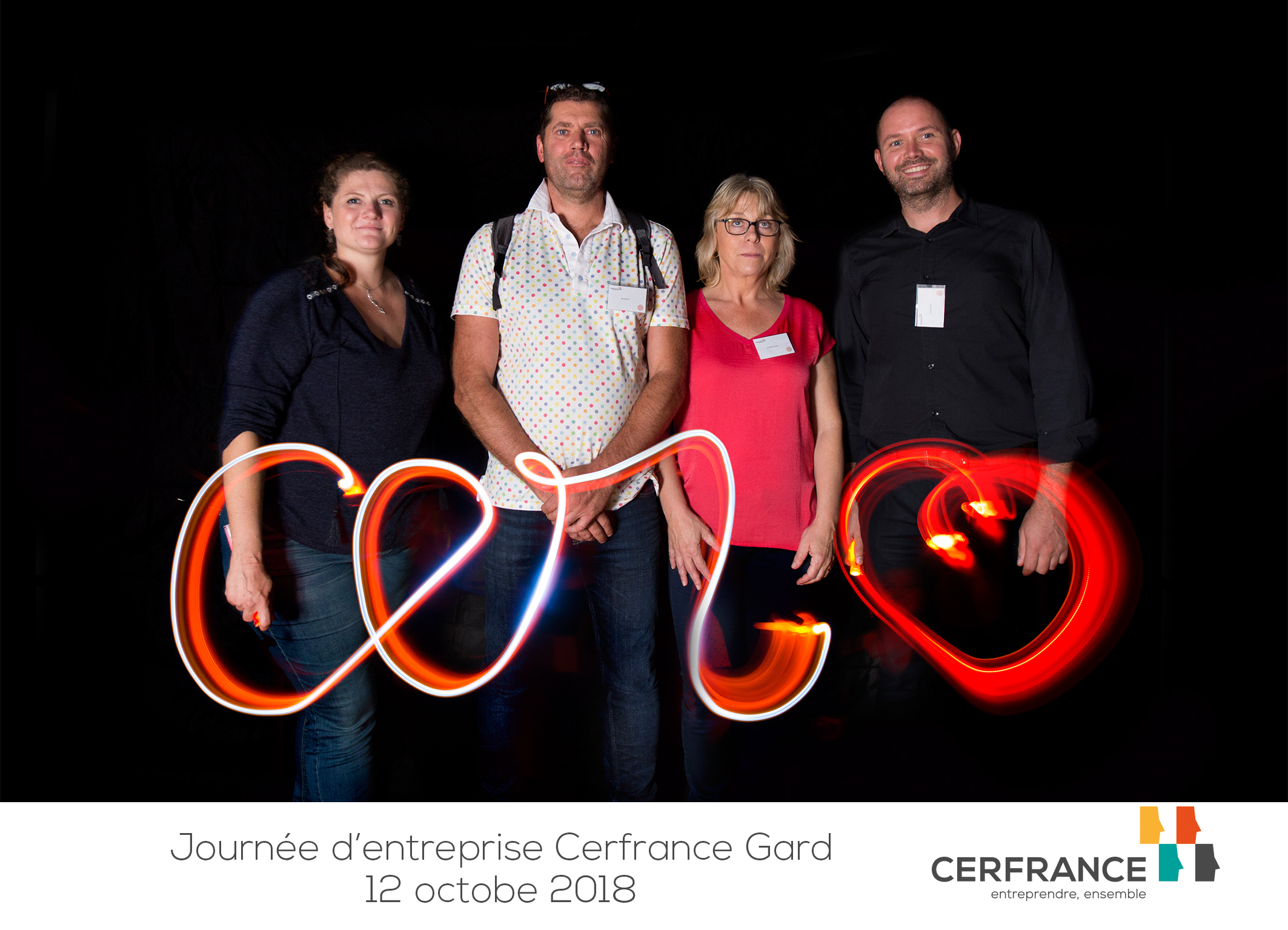
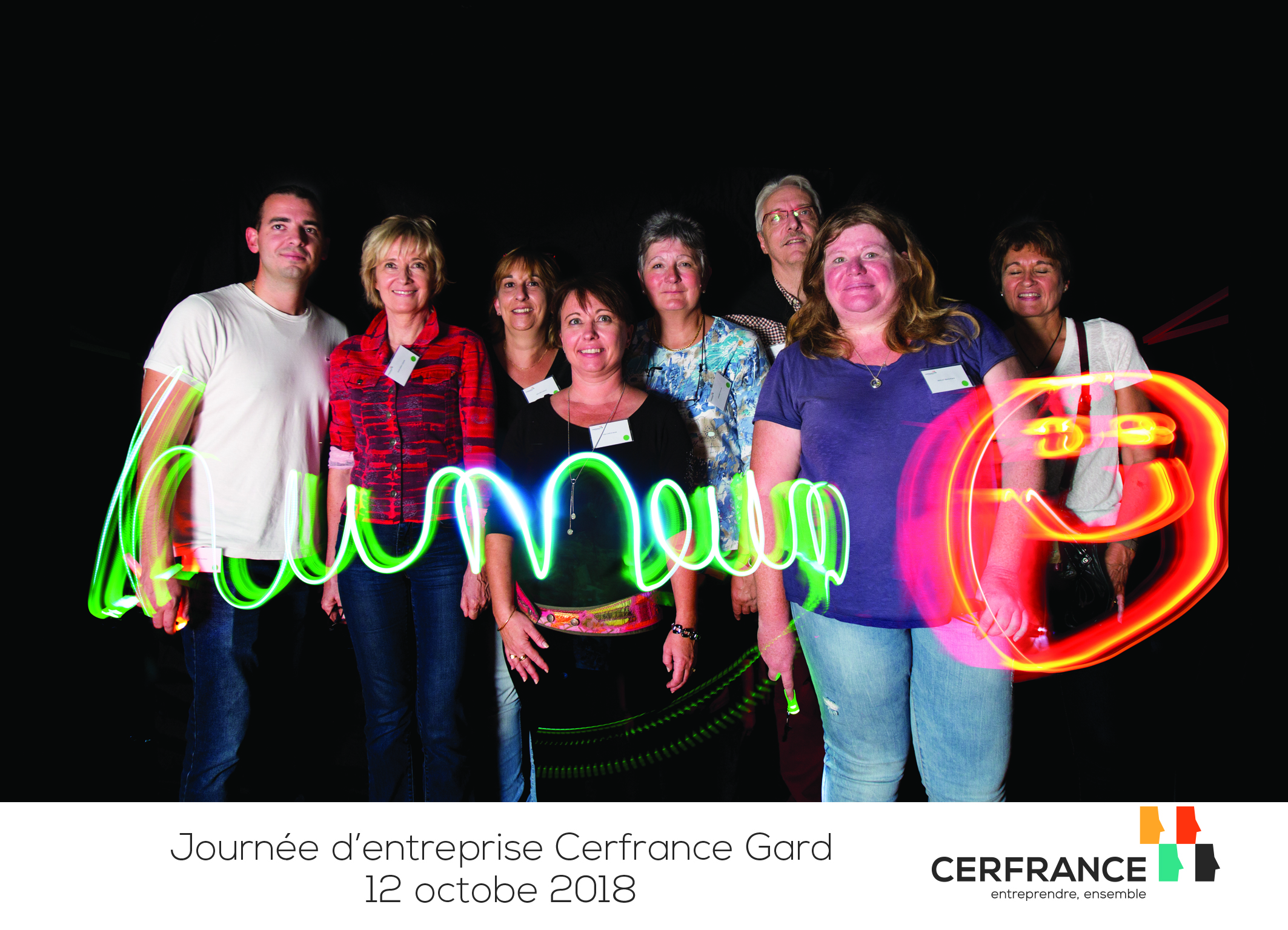
A Light Painting Activity in Brussels works when you need both engagement and control: participants are active, but the output remains framed, brand-safe and deliverable. For executives, that means you gain energy in the room without losing the agenda or compromising on image.
Immediate collaboration without hierarchy: a director can hold a light tool while a junior colleague “directs” the movement for the shot. That switch creates authentic interaction without the awkwardness of forced icebreakers.
Concrete deliverables for internal communication: photos can be organised by team, department, or project stream. HR can reuse them for onboarding, employer branding, or post-event newsletters—without asking people to “pose” or do staged portraits.
High inclusivity: the activity accommodates different personalities because roles vary (performer, planner, timekeeper, photographer assistant). We structure teams so quieter profiles have a real contribution.
Message reinforcement: you can integrate a theme (values, safety, new strategy) through predefined light shapes, colour codes, or a simple briefing grid. The output supports your narrative instead of staying disconnected entertainment.
Works with tight Brussels schedules: it can run in parallel with cocktails, between plenary and dinner, or as a rotating station while networking continues. This is useful when participants must catch trains, flights, or have limited evening availability.
Brussels business culture is pragmatic: people appreciate experiences that are well-run, multilingual, and that respect time. When the activity produces clean visuals and avoids operational friction, it is perceived as professional—not “gadgety”.
What Brussels organisations expect from corporate entertainment suppliers
In Brussels, decision-makers typically manage a complex stakeholder mix: local teams, expats, headquarters visitors, and sometimes external guests (partners, associations, clients). The entertainment must therefore be readable, safe, and adaptable—without requiring long explanations or cultural codes.
We frequently see three recurring expectations:
- Timing discipline: Brussels venues often run tight room changeovers (plenary to dinner to party). A light painting setup must be installed without blocking service corridors or AV sightlines.
- Brand and compliance control: communication teams want visuals that can be published. That implies consent handling where needed, appropriate framing, and avoiding props that feel childish or off-brand.
- Logistics maturity: loading constraints in the centre, parking restrictions, and building access require a supplier who plans realistically (arrival buffers, freight lift checks, coordination with security).
Finally, multilingual facilitation is not a “nice to have”. The difference between a good and a weak entertainment in Brussels often comes down to briefing clarity across languages and a facilitator who can manage a mixed group without losing pace.
What to combine with a Light Painting Activity in Brussels
A Light Painting Activity in Brussels performs best when it is part of a broader engagement design: a few complementary touchpoints that match your objectives (networking, celebration, change communication). We recommend combinations based on the audience profile and the moment in the agenda.
Interactive animations in Brussels
Executive message wall + light signature: leaders record a short sentence (audio or written) that teams then translate into a light “signature” in the photos. Useful for strategy kick-offs where you want message ownership.
Networking missions: simple prompts that push cross-department mixing before the light stations (e.g., “find someone from another country team and co-create a 10-second concept”). Keeps the cocktail purposeful.
Photo selection station: a curated selection corner where teams choose their top 1–2 images for internal publication, accelerating comms after the event.
Art animations in Brussels
Light calligraphy demo: a short professional demonstration sets the quality bar and creates an “opening moment” before participants start. Particularly effective for VIP evenings where you need a premium feel.
Soundscaped creation: low-volume ambient sound design that supports concentration while still allowing conversation—helpful in Brussels hotels with noise constraints.
Innovative animations in Brussels
Pairing with a structured cocktail flow: stations placed near—but not inside—service lines. Guests can create, then return to the bar without blocking staff. This detail matters for venues around Place du Luxembourg and Avenue Louise where space is often segmented.
Dessert-to-activity transition: a 45-minute post-dessert rotation keeps energy up and reduces the drop-off that often happens after coffee.
Gourmand animations in Brussels
Branded light tools: colour-coded LEDs matching your brand palette, plus a controlled set of shapes (arcs, lines, frames). This gives coherence across images without forcing everyone into the same pose.
Instant gallery projection: selected images appear on a screen in near real time (with approval). It creates social proof and increases participation rates, especially with senior audiences who might otherwise “watch”.
Team narrative series: instead of one photo per team, we build a 3-photo storyboard (before/during/after) reflecting a project journey—useful for change programmes.
The main criterion is alignment with your brand and audience maturity. A finance leadership group and a creative agency will not respond to the same tone. We propose combinations that support your communication objective and still respect the operational reality of Brussels venues.
Which Brussels venues work best for a Light Painting Activity
The venue is not a backdrop; it is a technical parameter. Light painting needs controlled lighting, safe circulation, and enough depth for the camera. In Brussels, the right room choice can be the difference between crisp visuals and a frustrating queue-based activity.
| Venue type | For which objective? | Main strengths | Possible constraints |
|---|---|---|---|
Hotel ballroom (city centre) | Leadership offsite evening, end-of-day activation before dinner | Easy logistics, strong staff coordination, reliable power and AV, good flow for rotations | Some rooms cannot go fully dark; strict turnaround times between plenary and dinner |
Industrial/loft event space (canal area) | Brand activation, innovation-themed corporate evenings | High ceilings, flexible layout, stronger “creative” perception for the visuals | Loading and parking can be complex; heating/acoustics vary by site |
Corporate office or HQ atrium | Internal team-building, employer branding content production | Low travel time, strong brand ownership, easier to involve leadership briefly | Security access, limited darkness, circulation constraints and emergency signage |
We strongly recommend a site visit or at least a technical walk-through (photos + measurements) in Brussels. It allows us to confirm darkness level, station placement, and guest flow—so your event day is execution, not improvisation.
What a Light Painting Activity costs in Brussels
Pricing for a Light Painting Activity in Brussels depends on how many stations you need, the expected quality level of the deliverables, and the constraints of the venue. For executive teams, the main risk is under-budgeting the operational elements that prevent queues and ensure consistent results.
Participant count and throughput: 20 guests can run on 1 station; 120 guests typically needs 3–5 stations plus facilitators to keep pace.
Duration and placement in the agenda: a 45-minute energiser is different from a 2-hour open station during a cocktail. Longer durations require more supervision to maintain quality and safety.
Deliverables level: raw files vs curated selection; basic retouching; branded folder structure; rapid delivery within 24 hours vs standard 48–72 hours.
Venue constraints: difficult access, limited load-in windows, restrictions on blackout, or additional safety requirements increase staffing and setup time.
Branding and scenario design: if you want teams to produce specific words/shapes or a storyline series, we add pre-production (templates, tests, briefing materials).
From an ROI perspective, the value is not only “having an activity”; it is producing a controlled engagement moment plus a set of reusable assets for HR and communications. When the output is usable without extra internal effort, the activity pays back beyond the event night.
Why choose a Brussels agency for Light Painting execution
When you organise in Brussels, a local agency advantage is operational, not rhetorical. Many issues happen in the margins: access timing, security checks, parking limitations, room resets, last-minute VIP changes, or venue staff interpreting rules differently on the day.
As a Brussels-based team, we can do real scouting, align with venue managers, and anticipate city-specific constraints (traffic patterns, loading zones, city-centre restrictions). We also know which venues require extra lead time for approvals and which ones have strict limitations on darkness, fog, or placement of equipment.
- Faster troubleshooting on site: an extra cable run, a station relocation, a re-brief in another language—these happen in minutes, not in a call to a remote supplier.
- Better alignment with Brussels venues: we speak the venue’s operational language (service flow, turnaround windows, safety constraints) and build a realistic run-of-show.
- Consistency for recurring events: when you repeat a format annually, local documentation and venue learnings reduce risk and internal workload.
From an ROI perspective, the value is not only “having an activity”; it is producing a controlled engagement moment plus a set of reusable assets for HR and communications. When the output is usable without extra internal effort, the activity pays back beyond the event night.



Brussels use cases we execute beyond the “fun activity”
We deploy Light Painting Activity formats for different corporate objectives in Brussels, with the operational setup adjusted accordingly.
- Leadership offsites: low-friction stations placed after the strategic plenary, with short rotations and curated output for the recap deck. The focus is on energy and cross-functional mixing, not on long artistic coaching.
- HR team-building: structured team roles (designer, performer, timing lead) and a short debrief linking behaviours observed (coordination, clarity, iteration) to workplace habits. Useful when HR wants more than photos.
- Client or partner evenings: premium framing with a professional demo, controlled branding, and a selection workflow so only the best images appear on screens. Protects brand image while still being participative.
- Internal communications moments: campaigns around values, anniversaries, or employer branding where the brief includes specific words/colours and where we deliver pre-labelled image folders for easy publishing.
Across these scenarios, our main contribution is not the equipment; it is the discipline: a setup that scales, facilitators who keep groups moving, and a deliverable pipeline that respects corporate expectations.
Common mistakes we prevent in Brussels light painting events
Underestimating darkness and room layout: if the room cannot be dimmed, results suffer. We check this early and propose alternatives (blackout corners, mobile backdrops, different camera approach).
One station for a large headcount: queues kill engagement and create the feeling that the activity is “for a few”. We calculate throughput and size stations accordingly.
Briefings that are too long: people lose attention fast after a business day. We keep instructions practical and validate by doing a test shot immediately.
No plan for deliverables: if you don’t define who receives what, by when, and in what format, comms teams waste time chasing files. We formalise delivery specs upfront.
Ignoring venue service flow: placing stations in a corridor used by catering creates tension and delays. We align with the banquet manager and map circulation clearly.
Our role is to remove these risks before your event day. That is what executives and HR teams ultimately pay for: predictable execution under real Brussels constraints.
Why Brussels clients rebook INNOV'events
Most of our repeat business comes from teams who have already experienced the event-day pressure: the agenda is tight, stakeholders are watching, and there is little tolerance for operational surprises. They come back because the experience is consistent—before, during, and after the event.
1 single point of contact from brief to delivery, reducing internal coordination time.
48–72 hours standard post-event delivery for curated visuals, supporting timely internal comms.
2-level staffing: facilitators for participant flow + a technical lead for quality control and venue coordination.

Loyalty is the most reliable indicator in corporate events: it means the format worked for the audience and the execution reduced risk for the organisers in Brussels.
Our Brussels delivery process from brief to visual delivery
👉 Brussels scoping call focused on constraints and outcomes
We start with a practical call: audience profile, agenda timing, languages, and what you want to achieve (networking, celebration, change message, content production). We also ask the “boring but decisive” questions: venue access, room darkness, service flow, union or security constraints, and internal approval steps. You receive a short written recap with assumptions and options.
👉 Technical validation for the Brussels venue
We confirm feasibility: can the room be sufficiently dark, where stations can be placed, power availability, and how we protect circulation. If a site visit is possible, we do it; otherwise we request specific photos/measurements and align with the venue manager. This step is what prevents last-minute compromises that reduce output quality.
👉 Experience design and station plan
We define the number of stations, rotation rhythm, and facilitator roles. If branding is requested, we prepare a controlled palette (colours/shapes) and a briefing grid that teams can follow easily. We also define deliverables: number of images per team, curation level, file naming, and delivery timeline.
👉 Onsite setup and rehearsal in Brussels
We arrive with buffer time aligned to venue access. We set up stations, test exposures, check darkness, and run a short internal rehearsal to ensure every facilitator delivers the same briefing and timing. We coordinate with the event lead on the exact start cue to avoid overlap with speeches or catering service.
👉 Facilitation, flow control and quality assurance
During the activity, facilitators keep groups moving, adjust difficulty, and ensure inclusive participation. A technical lead monitors image quality and resolves issues immediately (lighting, camera, spacing). This is the difference between “some good shots” and a consistent set of usable visuals across all teams.
👉 Delivery and post-event follow-up
We curate and deliver the agreed set within 24–72 hours depending on the package. Files are organised in a way your HR/Comms teams can use immediately (team folders, labelled selections, optional web-ready exports). We close with a short debrief on what worked and what to optimise if the event repeats next year in Brussels.
FAQ sur l'organisation Light Painting Activity à Brussels
How long should a Light Painting Activity in Brussels last?
For corporate groups in Brussels, the sweet spot is 45–90 minutes. Under 45 minutes you rush rotations; beyond 90 minutes energy can drop unless it runs as an open station during a cocktail with multiple stations.
How many participants can you handle in Brussels venues?
Typical workable range is 15–300 participants in Brussels. The key is station count and space: for 100–150 guests, plan 3–5 stations to avoid queues and keep everyone active.
Do we need a fully dark room in Brussels?
Full darkness is ideal but not always required. In Brussels hotels and offices, we often work with partial dimming by using a dedicated dark corner, portable backdrops, and adjusted camera settings. We confirm feasibility during technical validation.
When will we receive the photos after a Brussels event?
Standard delivery is 48–72 hours after the event in Brussels, with curated selections and organised folders. Faster delivery within 24 hours is possible if agreed in advance (requires onsite selection workflow).
Can you run the activity in English, French and Dutch in Brussels?
Yes. We facilitate in EN/FR/NL in Brussels. Practically, that means multilingual briefings, clear signage at stations, and facilitators who can manage mixed groups without slowing down the rotation rhythm.
Request a Brussels quote with a realistic station plan
If you are comparing agencies, the fastest way to decide is to evaluate operational clarity: number of stations, staffing, timing, and deliverables. Send us your date, venue (or shortlist), headcount range, and agenda timing. We will come back with a concrete proposal for a Light Painting Activity in Brussels, including throughput logic, technical assumptions, and delivery specifications.
For Brussels venues, we recommend reserving the date early—especially between September–December and around EU/international peak periods—because access windows and room availability can be tight. Contact INNOV'events to secure a setup that runs smoothly on the day and produces visuals your teams will actually use.
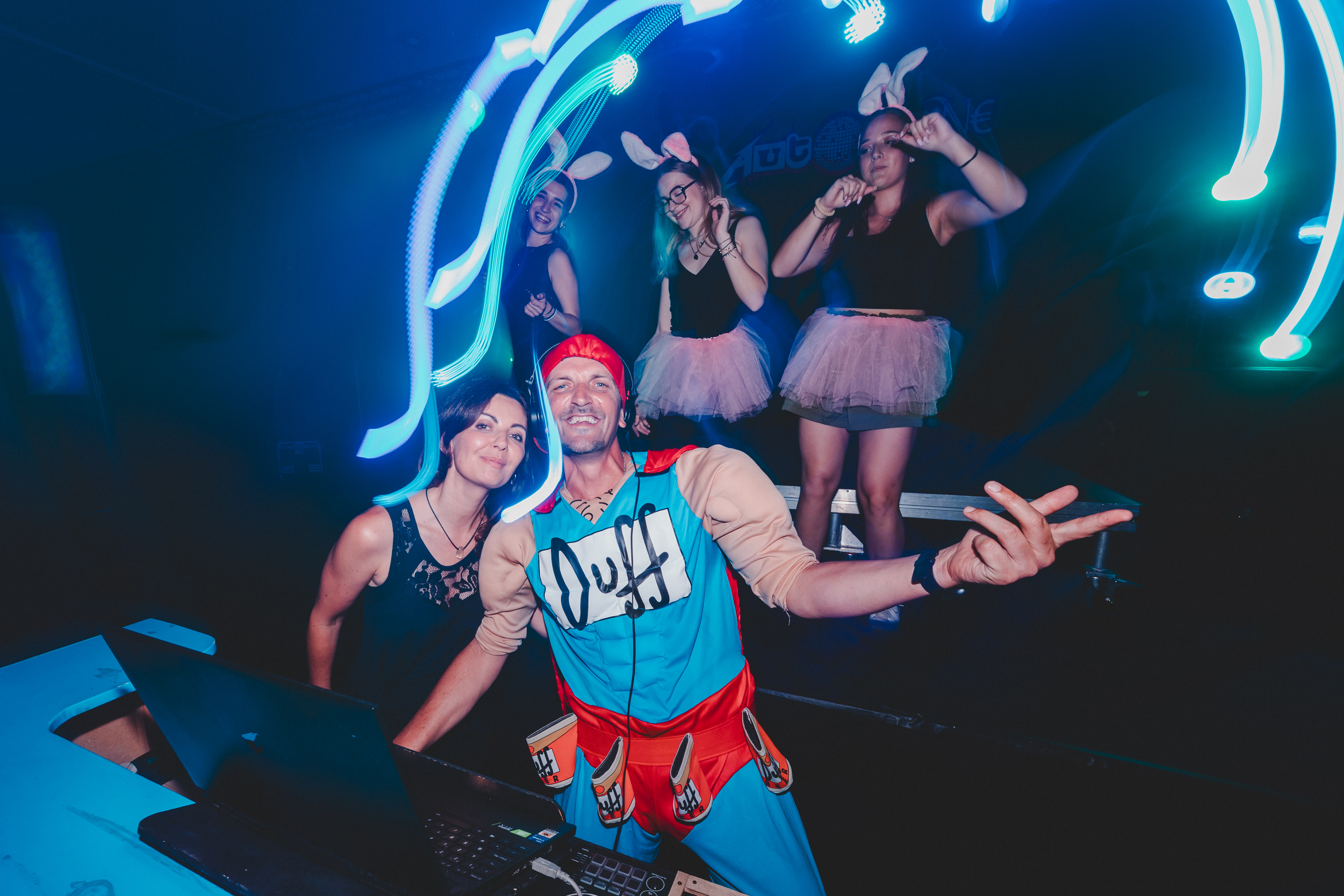
INNOV'events Brussels Agency
Justin JACOB is the manager of the INNOV'events Brussels office. Reach out directly by email at belgique@innov-events.be or via the contact form.
Contact the Brussels agencyToutes nos prestations & animations Brussels, Belgique
Découvrez nos prestations événementielles
Découvrez nos animations événementielles disponibles au Belgique
- Event Hostess in Brussels
- Escape Game in Brussels
- MasterChef Cooking Workshop in Brussels
- Magician in Brussels
- Marquee Rental in Brussels
- Color Analysis Workshop in Brussels
- Inflatable Games in Brussels
- Valet Parking Service in Brussels
- Football Simulator in Brussels
- LED Furniture Rental in Brussels
- Light Branding in Brussels
- Unique Dining Experience in Brussels
- Light Painting in Brussels
- Murder Mystery Party in Brussels
- Prize Contest in Brussels
- Promotional Displays (POS) in Brussels
- Virtual Reality in Brussels
- Molecular Gastronomy Workshop in Brussels
- Halloween Entertainment in Brussels
- Fireworks Show in Brussels
- Giant Games Challenge in Brussels
- Event Host / MC in Brussels
- Photo Booth Animation in Brussels
- Santa Claus Entertainment in Brussels
- Kids Entertainment in Brussels
- Guided Tour in Brussels
- Urban Rally in Brussels
- Ball Pit in Brussels
- Flight Simulator in Brussels
- Food Truck Rental in Brussels
- World Record Challenge in Brussels
- Surf Simulator in Brussels
- Wine Casino in Brussels
- Makeover Workshop in Brussels
- Perfume Creation Workshop in Brussels
- Acting Workshop in Brussels
- CSR Activities in Brussels
- Archery in Brussels
- Security Staff in Brussels
- Wine Tasting in Brussels
- Mime Performer in Brussels
- TV Game Show in Brussels
- Funfair in Brussels
- Crisis Management Workshop in Brussels
- Crisis Negotiation Workshop in Brussels
- Arcade Games in Brussels
- Indoor Skydiving Simulator in Brussels
- Ski Simulator in Brussels
- Racing Circuit Experience in Brussels
- Introductory Flight Experience in Brussels
- Tasting Experience in Brussels
- Build Your Own Foosball Workshop in Brussels
- 2CV Rally in Brussels
- LEGO Challenge in Brussels
- Casino Night in Brussels
- Interpreter / Translator in Brussels
- Promotional Giveaways in Brussels
- Shuttle Transport in Brussels