
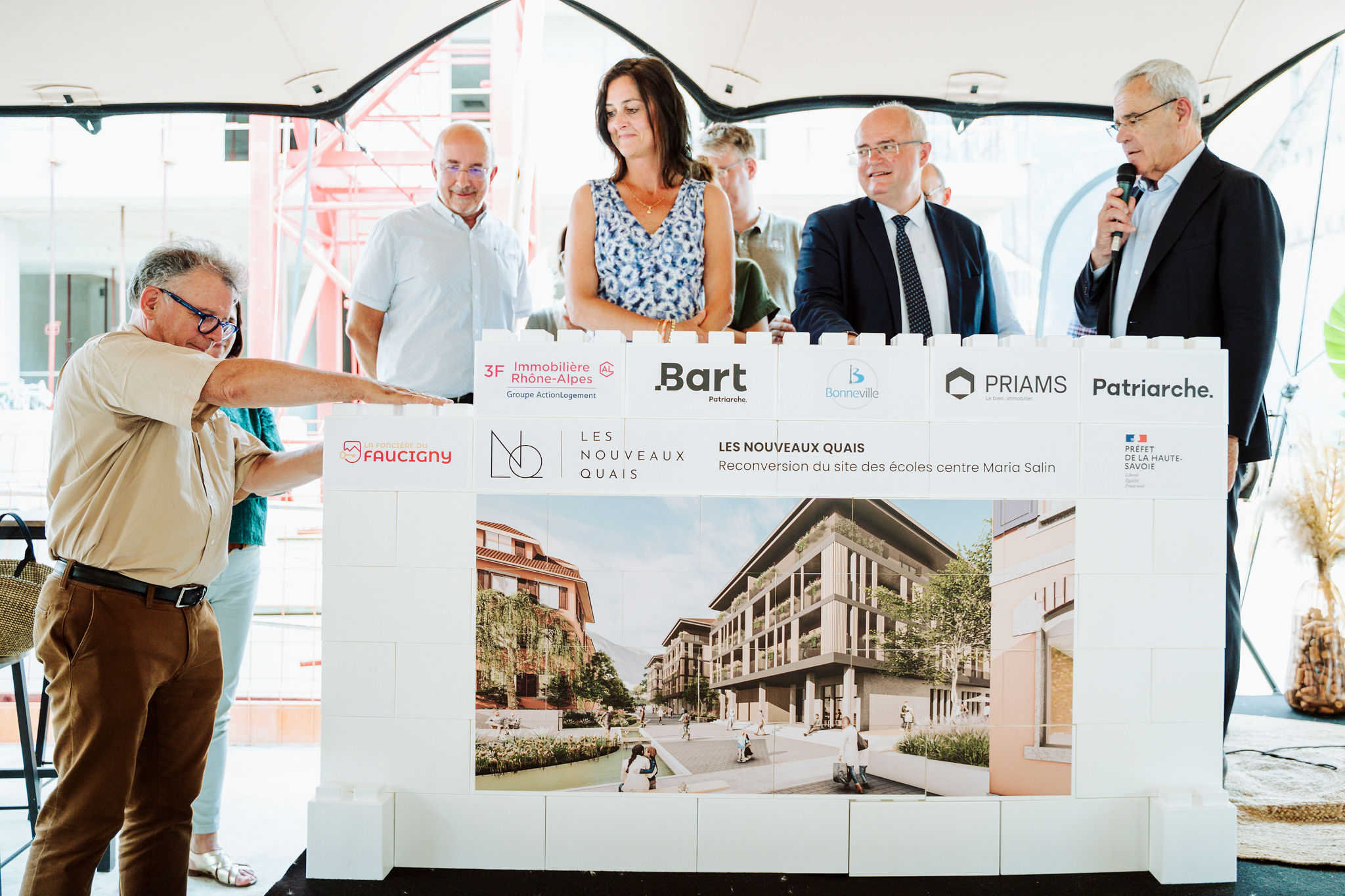
Event Communication in Brussels that keeps messages clear and teams aligned
INNOV'events is a Brussels-based team supporting executives, HR, and communication leaders with Event Communication for corporate events from 30 to 3,000+ attendees. We manage the full communication chain: messaging, run-of-show, speaker coaching, on-site content capture, and post-event reporting. You keep strategic control; we take care of the operational pressure.
Table of contents
In Brussels, entertainment is not “nice to have” when it supports the message: it creates attention, regulates energy in the room, and makes key moments (CEO speech, awards, change announcements) land properly. Done right, it reduces side conversations, improves recall, and protects your leadership credibility.
Local organizations expect bilingual or multilingual delivery, tight timing, and a tone that matches a mixed audience (headquarters, EU stakeholders, partners, and internal teams). They also expect discretion: no overhyped staging that distracts from the business reason people showed up.
As an event agency in Brussels, INNOV'events works close to venues, technicians, and suppliers across the capital. That proximity matters when you need last-minute signage reprints, a revised cue sheet at 6:30 a.m., or a fast switch from plenary to breakout due to attendance changes.
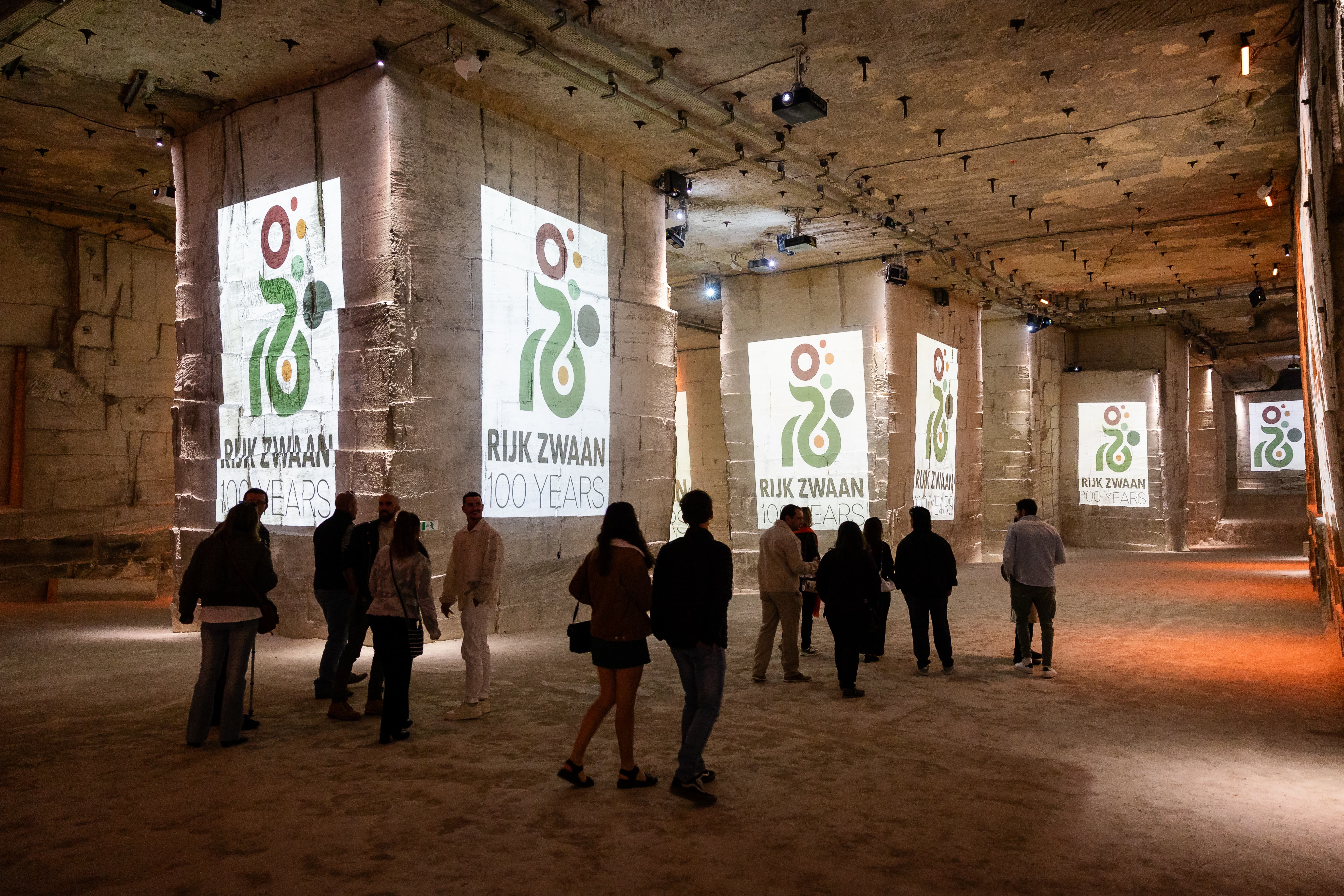
Brussels-ready delivery, backed by clear numbers
12+ years supporting corporate events and internal communications formats (kick-offs, town halls, leadership offsites, employer branding events).
200+ corporate projects delivered across Belgium, including complex multi-stakeholder events in Brussels.
30 to 3,000+ attendees managed with consistent production standards: cueing, show calling, and content workflows.
24–72h typical turnaround for post-event deliverables (highlight edits, photo selection, and a first KPI summary when needed for leadership debriefs).
How to organize a professional event in Brussels?
- Define the objective (cohesion, announcement, fidelity, performance).
- Set date, format and size (20–1 000 people).
- Secure the venue and accommodation according to seasonality.
- Lock down technical, suppliers and logistics.
- Drive the day J (timing, scene, entrance, flow).
Who we support in Brussels, and why they renew
We regularly work with Brussels-based and Brussels-active organizations that need reliable Event Communication in Brussels—especially when several departments are involved and timelines are short. Many clients renew year after year because they want a partner who remembers internal context: brand tone, sensitive topics, leadership style, and what has already been tried.
If you share the company names you want referenced, we will integrate them here in a professional way (e.g., “annual leadership day”, “quarterly town hall”, “employer branding event”) while respecting confidentiality constraints and approval processes. In Brussels, this matters: stakeholders overlap, and reputational risk is real when details leak or messaging is inconsistent.
Our approach is to remain discreet, precise, and accountable: a clear communication plan, a realistic run-of-show, and deliverables that are usable by HR and Comms the next morning—without rework.
We send you a first proposal within 24h.
Why invest in Event Communication for Brussels leadership events?
In a corporate setting, Event Communication is not “promotion”; it is operational leadership. It aligns people on priorities, reduces ambiguity, and turns a moment in time into a shared narrative your teams can repeat afterwards. In Brussels, where audiences are often diverse and politically aware, clarity and tone are as important as creativity.
Executive clarity: turn strategic updates into a structured storyline (context → decision → impact → next steps) that teams can actually re-explain.
HR impact: reinforce culture and retention through concrete proof points (career paths, recognition moments, leadership accessibility), not generic “values slides”.
Internal trust: handle sensitive change communication (reorg, integration, policy shifts) with careful framing, Q&A design, and moderation rules.
Brand consistency: ensure every touchpoint matches your brand system—visuals, scripts, on-screen copy, signage, and speaker language.
Operational control: reduce day-of risk through show calling, cue sheets, backup content, and escalation paths (who decides what, in how many minutes).
Measurable outcomes: define KPIs beyond attendance (engagement rate, questions submitted, content views, post-event sentiment, follow-up actions completed).
Brussels has a pragmatic business culture: people will accept a bold message if it is well prepared, well delivered, and respectful of the audience’s time. Strong Event Communication in Brussels is how you earn that credibility.
What Brussels audiences and HQ teams expect from event communication
Brussels events often combine internal audiences with external stakeholders: partners, associations, institutional contacts, and international colleagues passing through. That changes the communication requirements. A “standard corporate event template” is rarely enough.
Common local expectations we manage in practice:
- Language planning: EN/FR/NL (and sometimes DE) affects stage scripts, slides, subtitles, signage, registration emails, and on-site staff briefings. We help you choose what must be translated, what can be summarized, and where live interpretation is worth the budget.
- Time discipline: Brussels schedules are tight. If your plenary runs 20 minutes late, you lose breakout quality and networking value. We build a run-of-show that is realistic, with buffer zones and strict cueing for speakers.
- Stakeholder sensitivity: For policy-adjacent sectors, wording matters. We review key messages and on-screen copy for ambiguity, compliance risk, and unintended interpretations.
- Hybrid readiness: Even when the event is “in person”, executives may join remotely due to travel or agenda changes. We plan camera framing, audio, and a remote speaker protocol so the message remains consistent.
- Security and privacy: Many Brussels organizations have strict visitor policies and data rules. We align registration flows, badge policies, photo consent, and content capture permissions early.
These are not theoretical points; they are recurring operational realities that decide whether your leadership message lands—or gets diluted by noise.
Which entertainment formats work best in Brussels corporate communications?
Corporate event entertainment in Brussels works when it supports your communication goal: maintaining attention, creating interaction, or giving structure to transitions. We select formats that respect executive tone while still generating real engagement.
Interactive animations in Brussels
Moderated live Q&A with filtering: questions collected via QR, triaged by HR/Comms, and answered on stage with a clear “what we can/can’t share today” rule. Useful for town halls and change communication.
Real-time pulse checks: 3–5 quick questions to measure alignment (e.g., confidence in strategy, clarity of next steps). Results displayed with careful wording to avoid embarrassing teams; used later in the debrief.
Breakout design with outputs: workshops that end with a tangible deliverable (top 3 actions, risk list, commitments). We provide templates and ensure outputs are captured and consolidated.
Art animations in Brussels
Corporate-friendly hosts: presenters who can handle bilingual delivery, keep time, and protect the tone of executive segments. We brief them with do’s/don’ts and sector context.
Short stage interludes: 2–4 minute moments used to reset energy between dense segments (awards, policy updates, financial results). The goal is pacing, not spectacle.
Music as a timing tool: entrance/exit cues, networking ambience control, and clear “back in 2 minutes” signals without aggressive announcements.
Innovative animations in Brussels
Brussels-focused catering storytelling: simple, credible local touches (seasonal sourcing, clear allergen labelling, thoughtful vegetarian/halal options). The communication angle is inclusion and care, not luxury.
Networking stations with purpose: themed corners linked to departments or projects (HR, sustainability, innovation) with hosts who facilitate introductions rather than leaving people to self-organize.
Timed service strategy: we plan food flow to protect plenary timing (e.g., grab-and-go for short breaks; plated service only when agenda allows).
Gourmand animations in Brussels
Content capture studio: a small on-site setup to record executive soundbites, team testimonials, or project demos. Deliverables can feed intranet, LinkedIn, and recruitment within days.
Message walls with moderation: attendees post reactions or commitments; we moderate live and extract themes for leadership closing remarks.
Accessibility-first enhancements: live captions, readable slide design, and controlled lighting for camera capture—often more valuable than “high-tech” gadgets.
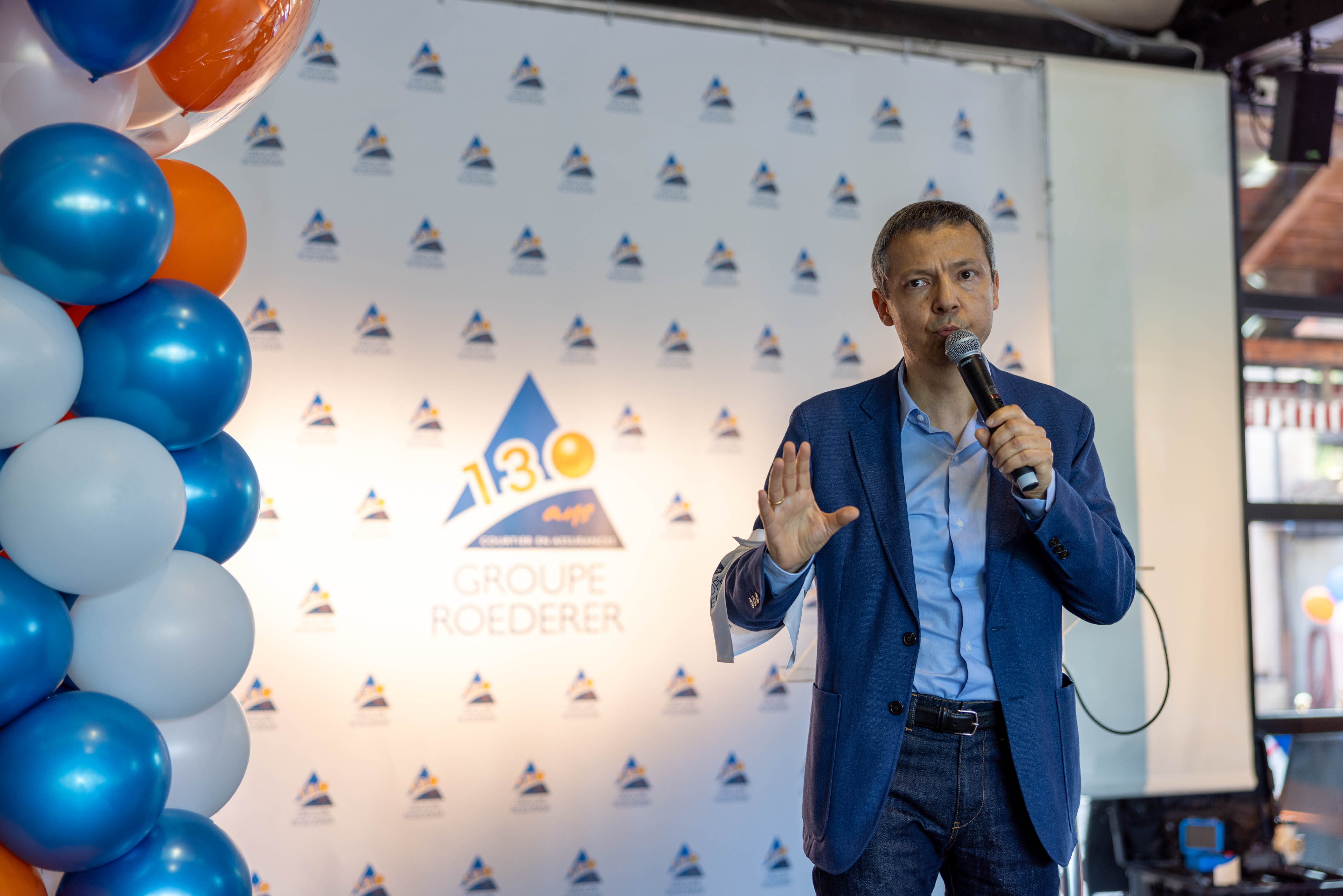
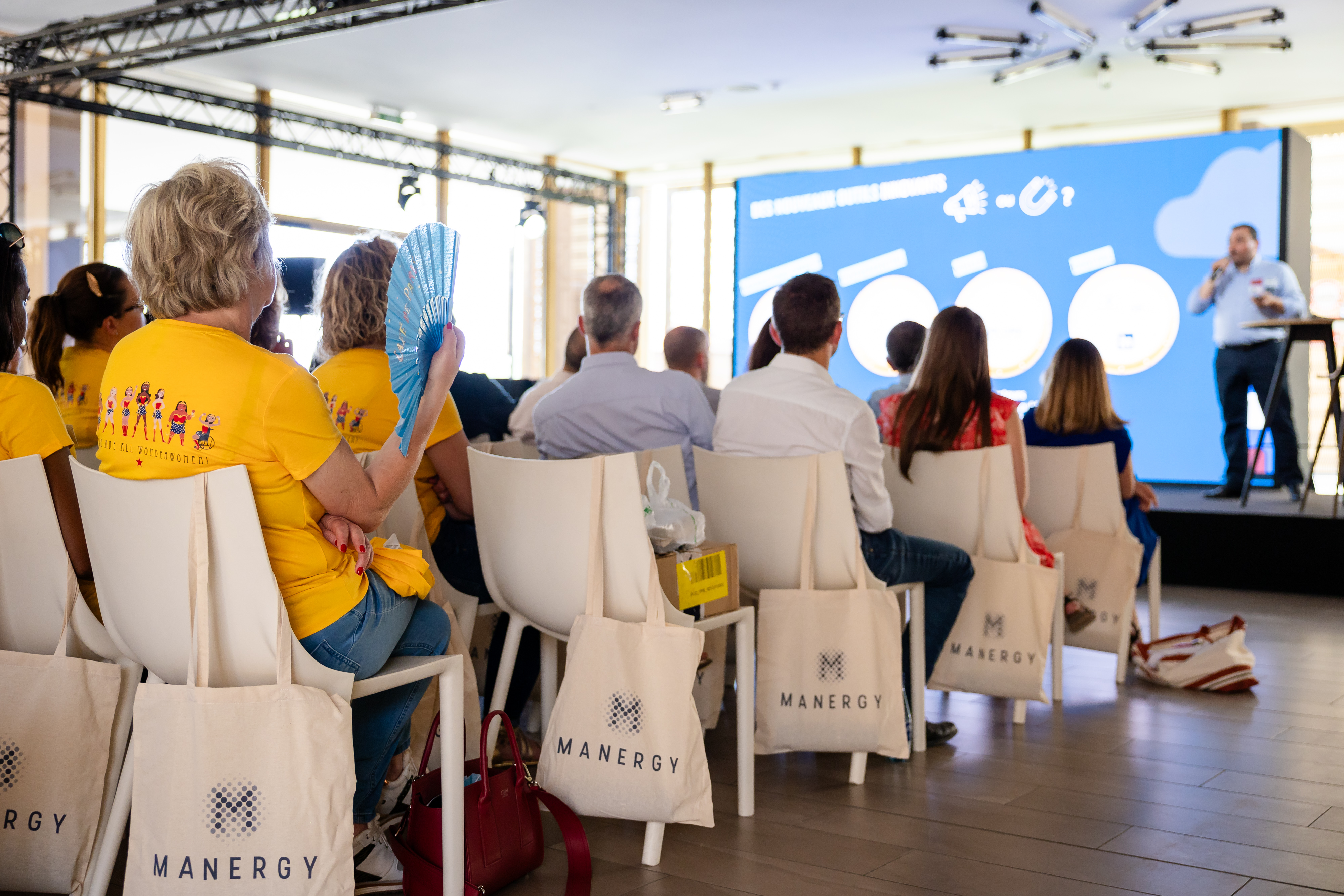
The key is alignment: entertainment must reinforce your brand and your leadership tone. If your corporate culture is understated, we build engagement through structure and interaction. If you’re in growth mode, we add energy—but still keep the message in control.
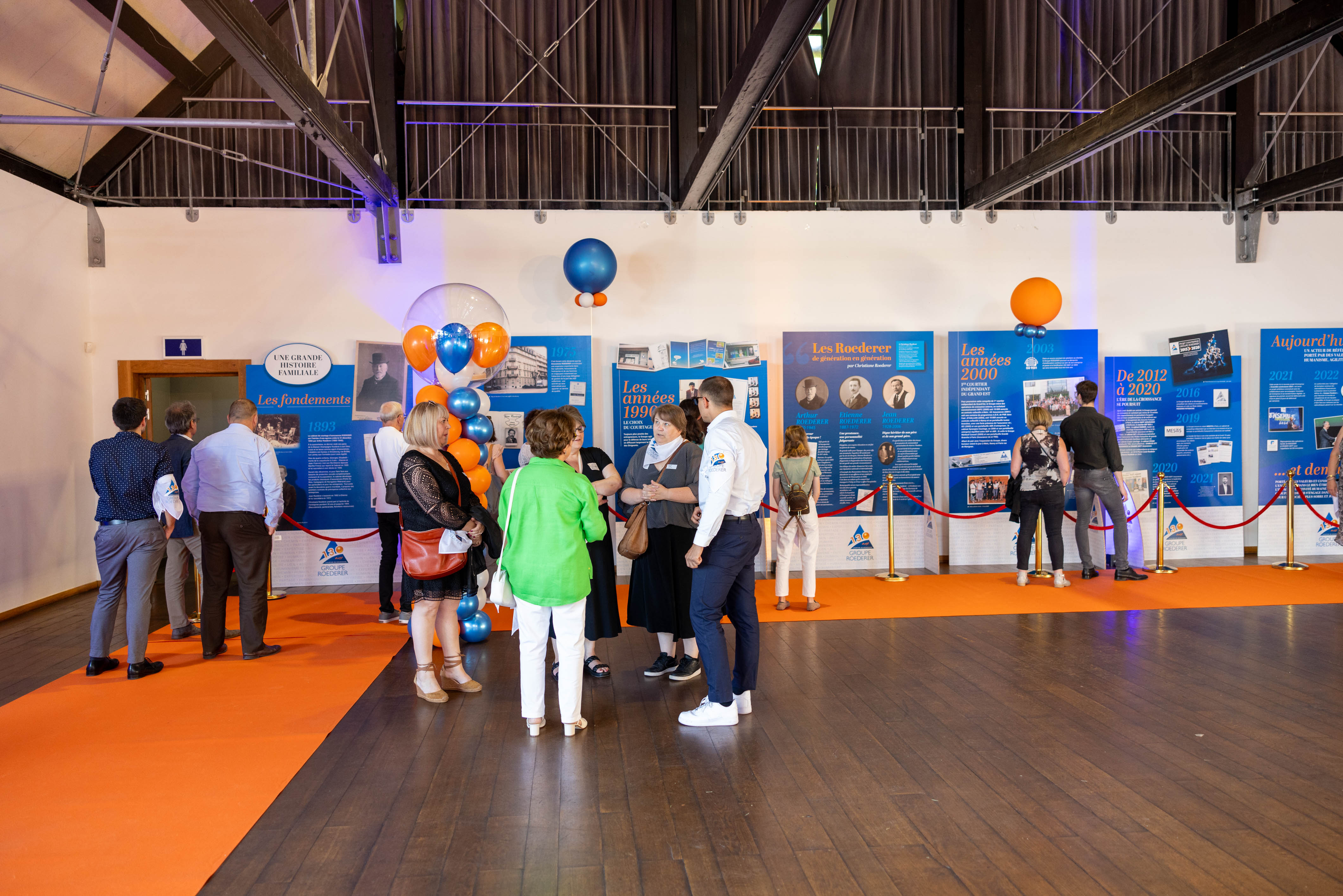
How to choose a Brussels venue for communication-driven events
The venue shapes how your message is perceived: credibility, accessibility, and the quality of attention you can create. In Brussels, location also impacts punctuality, security procedures, and the ease of supplier access.
| Venue type | For which objective? | Main strengths | Possible constraints |
|---|---|---|---|
Hotel conference spaces (Brussels) | Town halls, leadership days, mid-size conferences | Reliable AV baseline, catering integrated, clear service rhythm | Branding limitations, less flexibility on load-in/out timings |
Corporate HQ / office event floors | Internal communication, employer branding, executive announcements | High authenticity, easier leadership access, lower transport friction | Security and visitor flows, acoustic constraints, limited stage depth |
Industrial / cultural venues in the Brussels area | Partner events, brand moments, end-of-year communication | Strong atmosphere, flexible scenography, good for networking zones | More production to add (power, rigging), stricter technical coordination |
We strongly recommend a site visit with your core stakeholders (Comms, HR, IT/AV, security) before locking the format. In Brussels, small constraints—loading bays, union rules, neighbourhood noise, access badges—can have outsized effects on timing and budget.
What does Event Communication cost in Brussels?
Pricing depends on format, audience size, language requirements, and production level. For Event Communication in Brussels, the budget is usually driven less by “decoration” and more by content, technical reliability, and staffing.
Audience size and flow: 50, 200, 800 attendees change registration staffing, room sizing, security needs, and catering logistics.
Language setup: translation, interpretation booths, headsets, bilingual hosts, and multilingual signage can add meaningful cost but often prevents confusion and reputational risk.
AV and content production: screens, sound reinforcement, video playback redundancy, lighting, and a show caller. If you need hybrid streaming, add cameras, encoding, and a remote speaker protocol.
Content deliverables: executive scripts, slide redesign, speaker coaching, on-site photo/video, and post-event edits. These are often the highest ROI items because they extend impact.
Venue and catering: room hire, service model, and timing constraints. In Brussels, costs can vary significantly based on location and day of week.
Risk management: rehearsal time, backup equipment, additional technicians, and contingency planning—this is what prevents “we’ll fix it on stage” scenarios.
For leadership teams, ROI is typically measured in alignment and execution speed: fewer follow-up meetings, clearer management cascades, and stronger engagement. We can propose budget ranges with options (baseline / recommended / premium) once objectives and constraints are confirmed.
Why work with a Brussels-based agency for event communication?
A local agency is not about proximity for its own sake; it’s about operational advantage under pressure. In Brussels, the complexity of venues, traffic, security protocols, and multi-language audiences means issues must be solved fast and calmly.
INNOV'events operates with local supplier relationships and on-the-ground habits: we know typical access constraints, we can schedule rehearsals efficiently, and we can be on site early when your executive agenda shifts. That reduces your internal load—especially for HR and Comms teams already managing stakeholders and approvals.
- Faster escalation: when a speaker changes, we update scripts, slides, and cue sheets quickly and coordinate AV without delays.
- Local vendor control: technicians, printing, host staffing, and transport solutions aligned to Brussels realities.
- Better risk prevention: venue-specific checks (power, acoustics, rigging, audience flow) done early, not discovered during setup.
- Consistent bilingual delivery: local teams used to EN/FR/NL environments and the practical implications on stage and on-site.
For leadership teams, ROI is typically measured in alignment and execution speed: fewer follow-up meetings, clearer management cascades, and stronger engagement. We can propose budget ranges with options (baseline / recommended / premium) once objectives and constraints are confirmed.





Brussels project examples that show operational range
Our projects in Brussels range from high-stakes internal communications to partner-facing formats where brand and stakeholder management are critical. Typical assignments include:
- Town halls and quarterly updates: strengthening narrative structure, implementing controlled Q&A, improving slide clarity, and managing pace so executives stay on time.
- Leadership offsites: facilitating breakouts with concrete outputs, producing recap materials overnight, and ensuring decision points are captured and validated.
- Employer branding events: building an authentic candidate journey, aligning messaging with HR reality, and producing content assets that recruiters can reuse.
- Recognition and awards moments: scripting and staging that feel credible, not forced, with careful timing and consistent brand language.
Across these formats, the constant is execution discipline: the audience should feel the event is smooth and intentional, even when there were changes behind the scenes.
Common mistakes we prevent in Brussels event communication
Too many messages, no storyline: when every department adds slides, the result is noise. We enforce a narrative hierarchy and a time budget per segment.
Underestimating bilingual needs: last-minute translations and unclear signage create friction and reputational damage. We plan language scope from day one.
No real run-of-show ownership: without a show caller, timing slips and speakers improvise. We assign roles, cues, and decision rules.
Overpromising on interaction: “live polls” without moderation can backfire. We design safe engagement mechanisms and contingency wording.
Weak post-event follow-up: the message disappears after the applause. We plan a content package and a management cascade toolkit.
Our role is to reduce risk and protect leadership credibility: we anticipate the predictable problems, and we build a delivery system that holds even when priorities change.
Why Brussels clients stay with INNOV'events over time
Repeat business is usually earned in the details: how we handle last-minute changes, how we brief suppliers, and how we protect your internal team from unnecessary stress. In Brussels, where many organizations run recurring formats (annual kick-off, quarterly town hall, partner evening), consistency is a strategic asset.
Multi-year support is common for leadership communication formats because we retain your context: stakeholder map, tone of voice, and what has already been validated internally.
Fewer approval cycles over time: once templates (slides, signage, scripts) are set, delivery becomes faster and more predictable.
Reduced day-of load on internal teams: HR and Comms focus on people and messaging while we run production and timing.

Loyalty is not an objective; it’s a consequence of reliable delivery. If your stakeholders feel safe on event day, they will want the same operating partner next time.
Our Brussels delivery process from brief to debrief
👉 Brussels discovery call and constraints audit
We confirm objectives, audience profile, language needs, confidentiality level, and decision chain. We also identify constraints that often appear in Brussels: venue access, security, stakeholder sensitivities, and timing dependencies (executive arrivals, transport, interpretation).
👉 Message architecture and content plan
We turn inputs into a structured storyline and define what content is required: keynote structure, panel questions, Q&A rules, slide principles, and what must be produced versus reused. We validate “must-say / should-say / can-skip” to keep the event tight.
👉 Run-of-show, staffing, and technical design
We build a detailed run-of-show with timings, cues, roles, and backup options. We define AV specs, stage layout, interpretation needs, and content playback redundancy. This is where we prevent the classic issues: poor audio, messy transitions, and unclear speaker handovers.
👉 Production coordination and rehearsals
We coordinate suppliers, manage deadlines (scripts, slides, videos), and schedule rehearsals adapted to executive availability. Rehearsal is not theatre; it is risk management: timing, clicker discipline, mic technique, and escalation rules.
👉 On-site show calling and stakeholder support
On event day, we manage check-in flow, backstage timing, speaker readiness, and real-time adjustments. HR and Comms get a clear point of contact and a calm decision framework, even if agenda changes occur.
👉 Post-event reporting and re-use of assets
We deliver agreed assets (photos, highlight edits, recap deck, KPI summary) and run a debrief: what worked, what to improve, and what to systematize for the next Brussels edition.
FAQ sur l'organisation Event Communication à Brussels
How early should we plan Event Communication in Brussels?
For a 150–400 person corporate event in Brussels, plan 6–10 weeks ahead for comfortable approvals and supplier availability. For 500+ attendees, hybrid formats, or multilingual interpretation, target 10–16 weeks. If you have a fixed leadership date, we can compress timelines, but content sign-off becomes the critical path.
Do we need bilingual delivery for Brussels audiences?
Often, yes. A practical approach is: bilingual invites and signage, English or French on stage depending on audience, and interpretation only for high-stakes segments. Budget-wise, professional interpretation typically adds €1,500–€4,000+ depending on duration, number of languages, and technical setup.
What budget range is typical in Brussels for a town hall?
For 150–300 attendees in Brussels, a well-produced town hall with solid AV, show calling, and basic content support often falls in the €15,000–€45,000 range, excluding venue hire if billed separately. Hybrid streaming, multiple languages, and heavier video deliverables can move the range upward.
How do you measure event communication success in Brussels?
We track metrics tied to the objective: attendance vs. registration rate, engagement (poll participation, Q&A volume), content performance (video views in 7–14 days), and leadership alignment indicators (manager cascade completion, follow-up actions). We recommend agreeing on 3–6 KPIs before production starts.
Can you handle last-minute executive changes in Brussels?
Yes—this is a standard reality. We manage a controlled change process: updated script and slide versioning, revised cue sheet, quick re-brief for the host, and AV confirmation. The key is having decision authority defined in advance so changes can be approved in minutes, not hours.
Request a Brussels quote and lock your key dates
If you’re preparing a leadership event, town hall, or employer branding format in Brussels, we can provide a clear recommendation: communication structure, production plan, and budget options. Share your date, audience size, languages, and objectives—then we’ll propose a realistic roadmap and the level of support that matches your internal resources.
Contact INNOV'events early to secure technical availability and leave enough time for message validation and speaker preparation. Strong Event Communication is built before event day—not during it.
INNOV'events Brussels Agency
Justin JACOB is the manager of the INNOV'events Brussels office. Reach out directly by email at belgique@innov-events.be or via the contact form.
Contact the Brussels agencyAll our services & entertainment Brussels, Belgique
Discover our event services
Discover our event entertainment available in the Belgique
- Event Hostess in Brussels
- Escape Game in Brussels
- MasterChef Cooking Workshop in Brussels
- Magician in Brussels
- Marquee Rental in Brussels
- Color Analysis Workshop in Brussels
- Inflatable Games in Brussels
- Valet Parking Service in Brussels
- Football Simulator in Brussels
- LED Furniture Rental in Brussels
- Light Branding in Brussels
- Unique Dining Experience in Brussels
- Light Painting in Brussels
- Murder Mystery Party in Brussels
- Prize Contest in Brussels
- Promotional Displays (POS) in Brussels
- Virtual Reality in Brussels
- Molecular Gastronomy Workshop in Brussels
- Halloween Entertainment in Brussels
- Fireworks Show in Brussels
- Giant Games Challenge in Brussels
- Event Host / MC in Brussels
- Photo Booth Animation in Brussels
- Santa Claus Entertainment in Brussels
- Kids Entertainment in Brussels
- Guided Tour in Brussels
- Urban Rally in Brussels
- Ball Pit in Brussels
- Flight Simulator in Brussels
- Food Truck Rental in Brussels
- World Record Challenge in Brussels
- Surf Simulator in Brussels
- Wine Casino in Brussels
- Makeover Workshop in Brussels
- Perfume Creation Workshop in Brussels
- Acting Workshop in Brussels
- CSR Activities in Brussels
- Archery in Brussels
- Security Staff in Brussels
- Wine Tasting in Brussels
- Mime Performer in Brussels
- TV Game Show in Brussels
- Funfair in Brussels
- Crisis Management Workshop in Brussels
- Crisis Negotiation Workshop in Brussels
- Arcade Games in Brussels
- Indoor Skydiving Simulator in Brussels
- Ski Simulator in Brussels
- Racing Circuit Experience in Brussels
- Introductory Flight Experience in Brussels
- Tasting Experience in Brussels
- Build Your Own Foosball Workshop in Brussels
- 2CV Rally in Brussels
- LEGO Challenge in Brussels
- Casino Night in Brussels
- Interpreter / Translator in Brussels
- Promotional Giveaways in Brussels
- Shuttle Transport in Brussels