
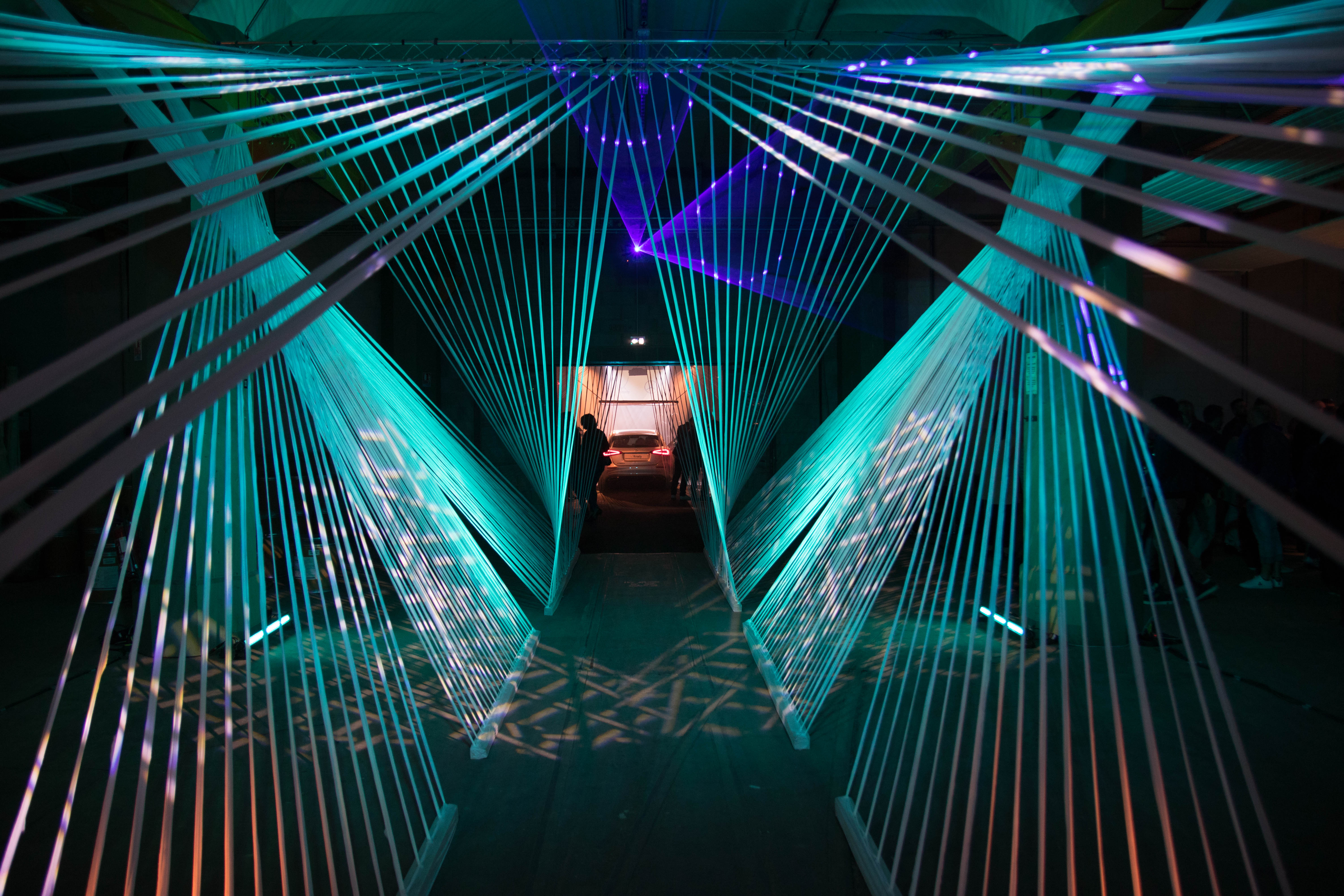
Event Scenography in Brussels that makes your message land—clearly and safely
INNOV'events designs and produces Event Scenography for corporate events in Brussels, from leadership town halls to client evenings and internal celebrations. We typically support formats from 50 to 2,000+ attendees, with full control over concept, spatial design, technical production, supplier coordination, and show-calling on the day. Your teams stay focused on stakeholders; we manage the stage, the room, the timing, and the risk.
Table of contents
In a corporate event, “entertainment” is not the goal—attention and alignment are. The right Event Scenography reduces cognitive load, makes key messages visible from every seat, and keeps energy consistent without derailing the agenda.
In Brussels, organizations expect multilingual clarity, impeccable logistics, and a polished brand feel that works for mixed audiences: executives, staff, unions or works councils, partners, and international guests. A room that looks “almost ready” is not acceptable when senior leadership is on stage.
We are a Brussels-based team with hands-on production experience across venues, hotels, conference centres, and corporate campuses. We design for real constraints: rigging points, load-in windows, fire safety, AV compatibility, and the pressure of a single live take.
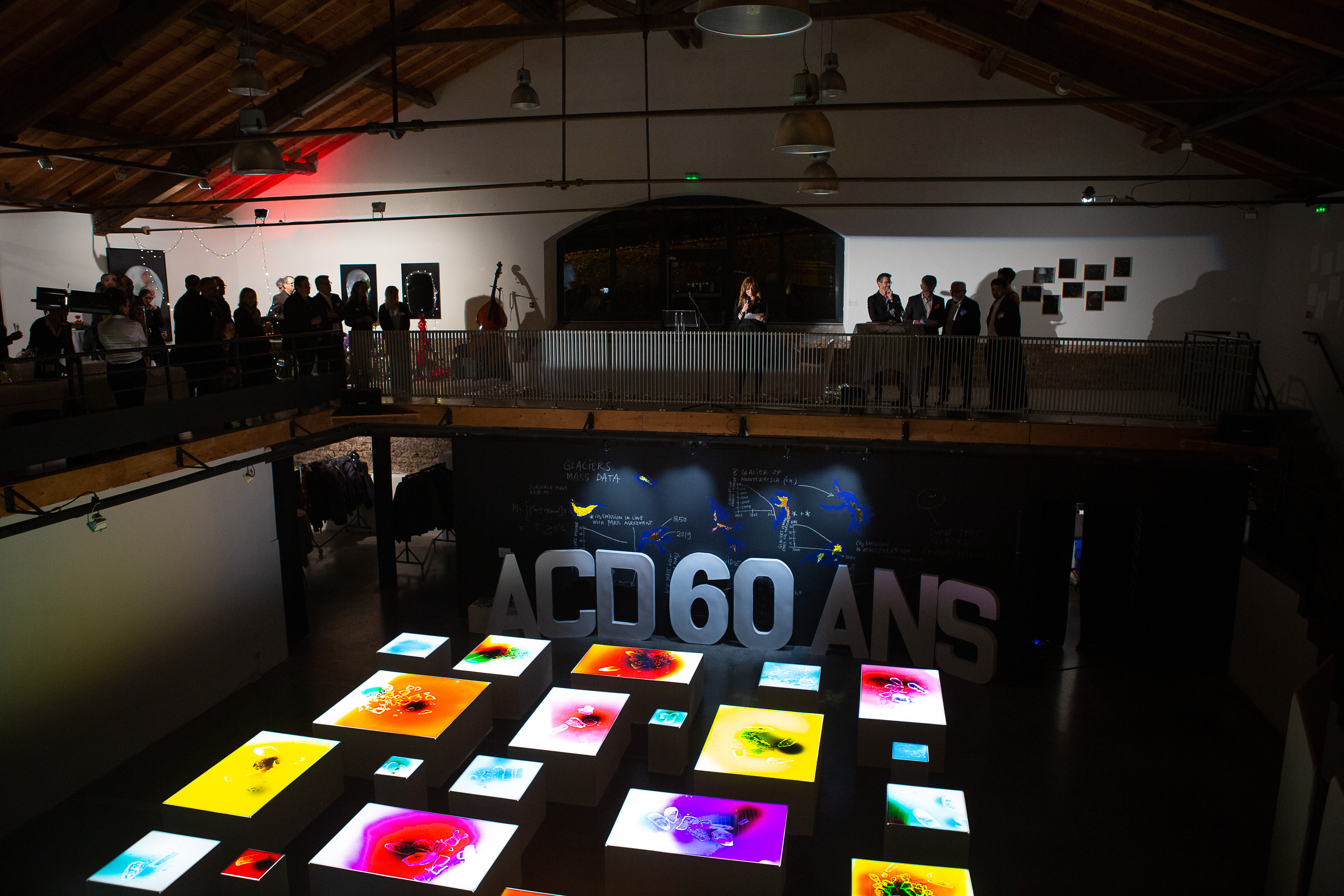
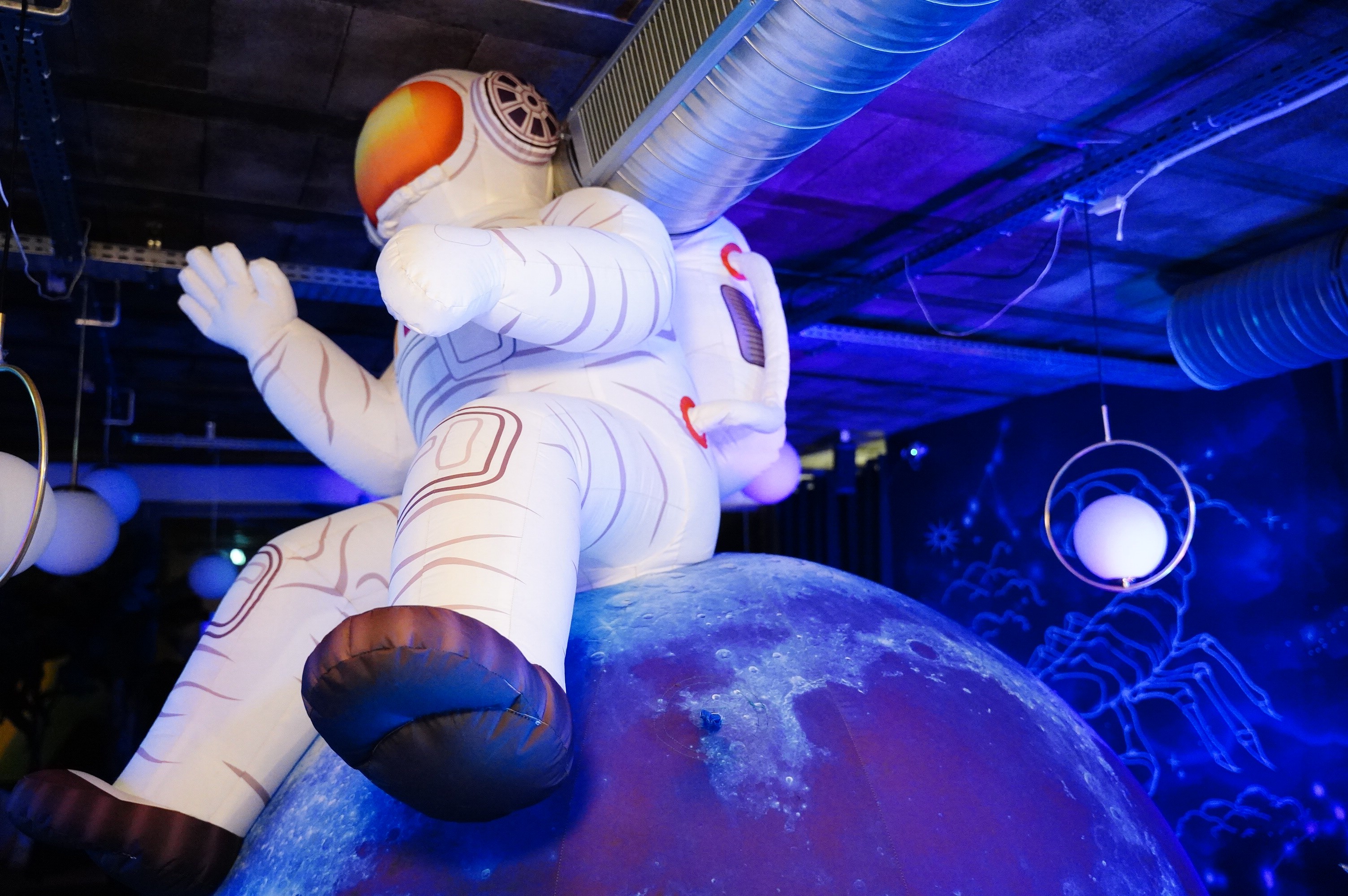
Brussels delivery, backed by measurable production capacity
12+ years delivering corporate event production and Event Scenography in Brussels and across Belgium.
150+ corporate events produced (town halls, gala dinners, product launches, conferences) with repeat client programs year after year.
Operational coverage from 50 to 2,000+ participants, including multi-room formats and hybrid streaming setups.
1 dedicated show caller per event, responsible for cues, timing, and coordination with AV, lighting, stage management, and venue.
How to organize a professional event in Brussels?
- Define the objective (cohesion, announcement, fidelity, performance).
- Set date, format and size (20–1 000 people).
- Secure the venue and accommodation according to seasonality.
- Lock down technical, suppliers and logistics.
- Drive the day J (timing, scene, entrance, flow).
Who we support in Brussels (and why they renew)
INNOV'events supports Brussels-based and Brussels-active organizations that need reliable execution and brand-consistent staging. Our clients include European-facing groups, Belgian headquarters, and local teams managing international audiences.
Many of our collaborations renew because the stakes repeat: a yearly results town hall, an annual partner evening, a recurring awards ceremony, or a multi-site internal kickoff. The scenography must evolve while staying coherent with the brand system, the leadership style, and the venue realities in Brussels.
If you share specific reference names you want featured (clients or partner venues), we will integrate them precisely and respectfully, aligned with what can be publicly stated and what must remain confidential.
We send you a first proposal within 24h.
What Brussels leadership teams gain from strong scenography
Scenography is not decoration—it is a management tool. When your CEO, CHRO, or Communications Director has one hour to align hundreds of people, the room must support the story: visibility, acoustics, pacing, and perceived professionalism.
In Brussels, where audiences are often multilingual and culturally mixed, the scenography has an additional role: it must make the message immediately legible, even for guests who do not share the same first language or corporate background.
Message retention: stage layout, screen sizing, and content rhythm reduce distraction and improve comprehension—especially during strategy updates or change programs.
Executive credibility: a clean set, controlled lighting, and professional audio prevent the “amateur” signals that damage trust during sensitive announcements (reorg, policy changes, performance results).
Operational safety: correct crowd flow, cable management, load calculations, and emergency access reduce incident risk and protect your duty of care.
Time discipline: cueing, speaker management, and rehearsal planning keep the agenda on track—critical when senior leaders have tight schedules and media constraints.
Employer brand: for HR, scenography can visibly reinforce culture (values, inclusion, sustainability) without turning the event into a sales pitch.
Stakeholder confidence: partners and clients see that you can execute at a high level, which matters in a city where reputations circulate quickly across sectors.
Brussels is a decision-making hub: European institutions, federations, international HQ functions, and Belgian leadership teams share the same ecosystem. A well-built scenography signals seriousness and readiness—without overspending or overcomplicating the experience.
Brussels constraints that impact Event Scenography choices
Delivering Event Scenography in Brussels means designing around constraints that are very real on the ground. Load-in and load-out windows can be narrow in central locations; elevators and access routes may limit set piece dimensions; and some venues require strict compliance on rigging, noise levels, and fire-retardant materials.
Audience profiles are also specific: you may have a bilingual Dutch/French internal audience, English-speaking leadership, and international guests in the same room. That affects screen strategy (IMAG, subtitles, dual-language lower thirds), stage sightlines, and room acoustics. We regularly propose scenographic solutions that support multilingual delivery without doubling content work for your Comms team.
Finally, Brussels events often need discretion. Whether it’s a policy announcement, a partner negotiation context, or a sensitive HR milestone, we plan backstage flow, credentialing, and supplier briefings to prevent leaks and keep the “off-stage” side as controlled as the stage itself.
Which scenographic “animations” work best in Brussels corporate events?
Engagement is created by rhythm, interaction, and clarity—not by adding random entertainment. In Brussels, the most effective “animations” are those that support your agenda: they keep people attentive, encourage participation, and provide content your internal teams can reuse.
Interactive animations in Brussels
Live polling integrated on screen: simple Q&A or pulse checks during a town hall, with results displayed in real time to structure discussion and keep the room involved.
Moderated audience questions: one mic runner plus a content filter (or app) to keep questions relevant and protect sensitive topics when external guests are present.
Interactive wall or branded timeline: for anniversaries or change programs, a guided journey through milestones, designed for flow and photo capture without creating crowd bottlenecks.
Art animations in Brussels
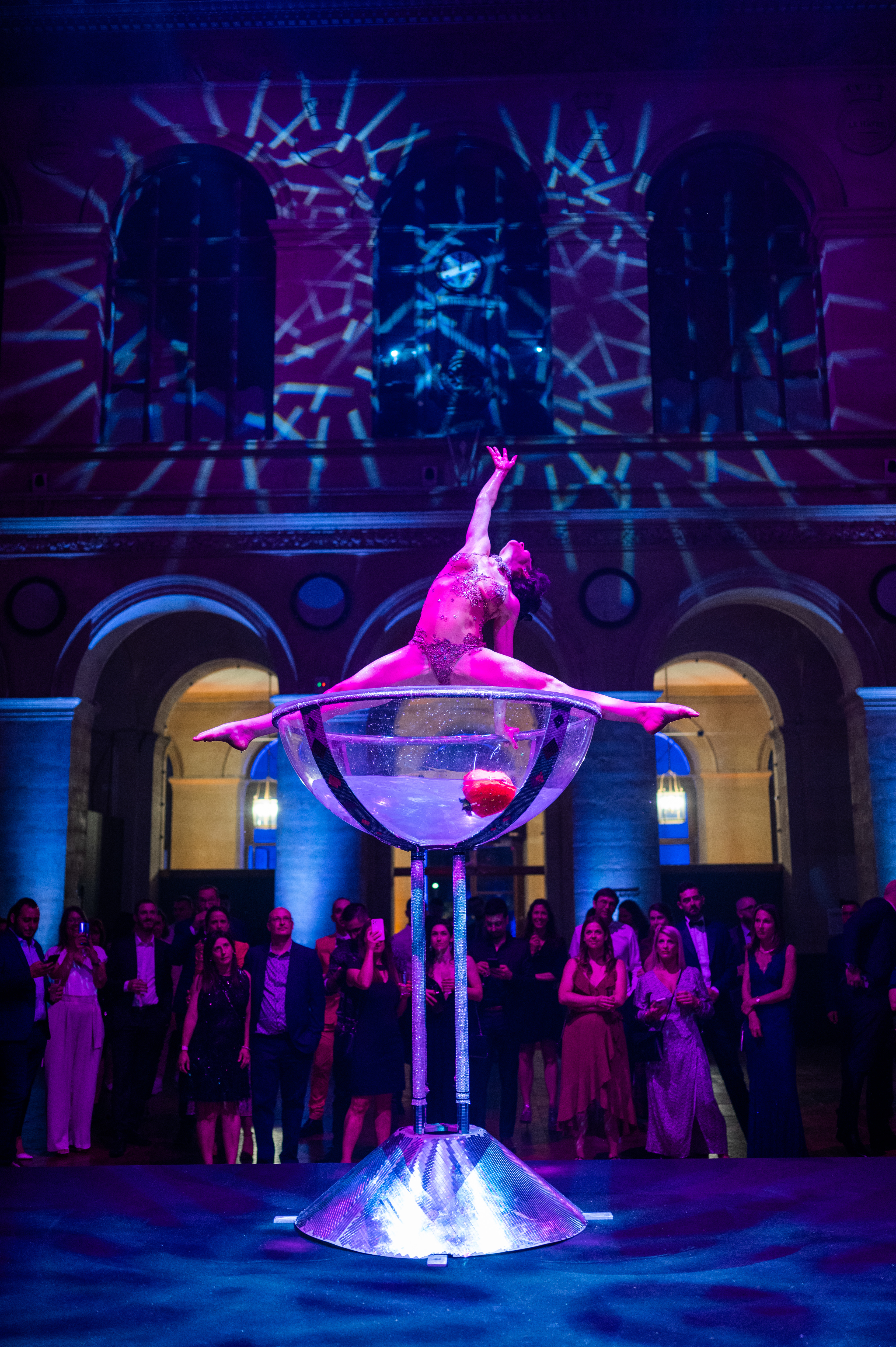
Opening moment with light and sound design: a 60–90 second “walk-on” sequence that frames leadership presence without turning the event into a concert.
Stage choreography for awards: clear entry/exit routes, lighting focus points, and photo positions so every winner experience is consistent and the pace stays controlled.
Discreet ambient performance zones: for receptions, small-format live music placed to preserve conversation and avoid volume complaints common in hotel venues.
Innovative animations in Brussels
Scenographic food stations: not just catering—stations designed as part of the room narrative (lighting, signage, queue management) to avoid long lines and cold service.
Brussels-forward tasting cues: a short guided moment (10–12 minutes) that gives structure to networking, useful when audiences don’t naturally mix across departments.
Alcohol policy alignment: we plan bar placement and service pacing in line with your corporate responsibility guidelines and the tone of the event.
Gourmand animations in Brussels
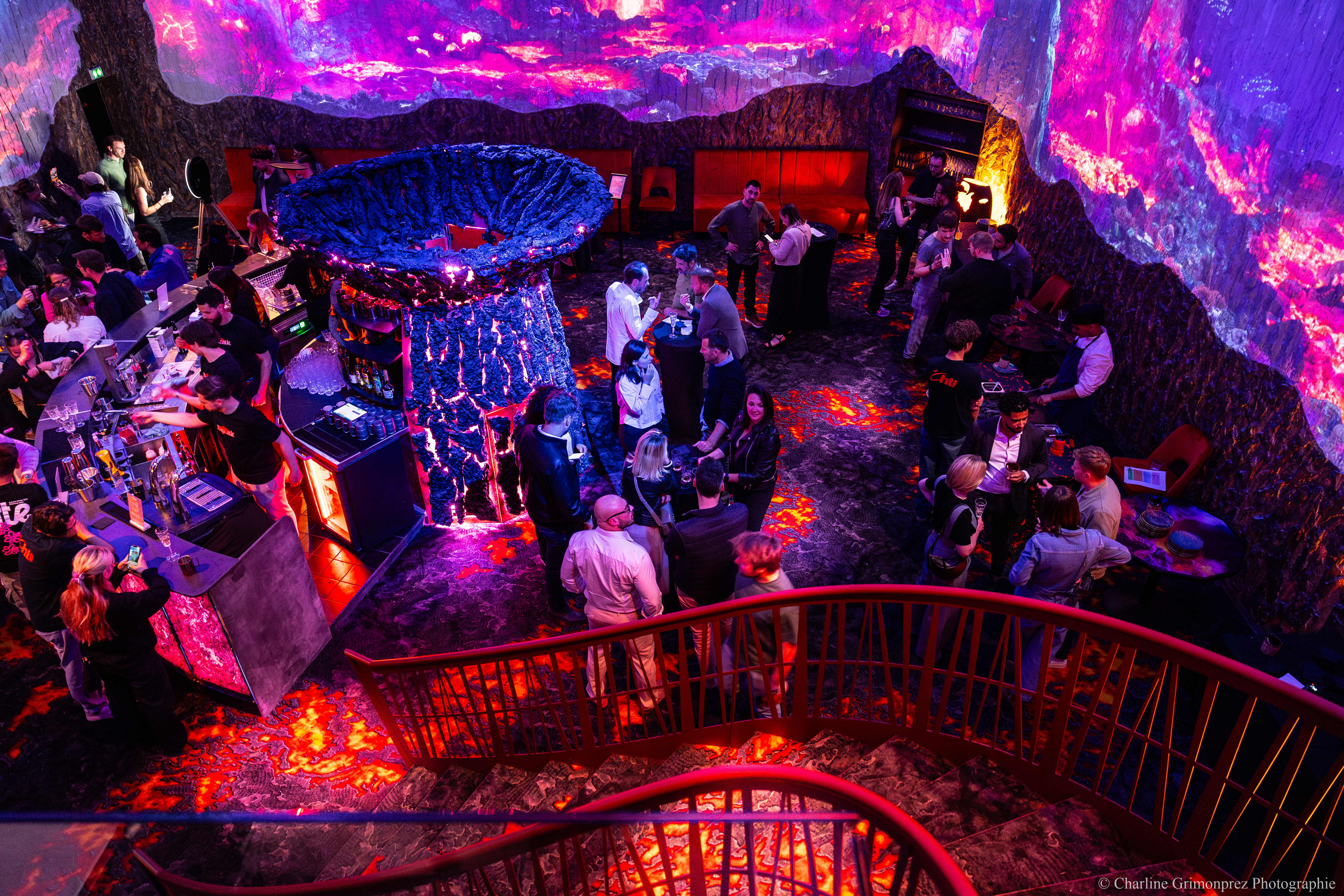
Content-first LED scenography: modular LED or projection surfaces that adapt between plenary, panel, and award segments—reducing set changes and keeping the look premium.
AR-ready photo spots: a controlled lighting corner designed for professional-looking staff photos or partner shots, with brand-safe framing and minimal disruption.
Hybrid stage package: camera-friendly lighting, clean audio routing, and a branded virtual frame—so the stream looks like a broadcast, not a webcam meeting.
The key is alignment: scenography must reflect how your company wants to be perceived—innovative, stable, inclusive, premium, or pragmatic. We challenge ideas that look impressive but don’t serve your brand, your risk profile, or the realities of your Brussels venue.
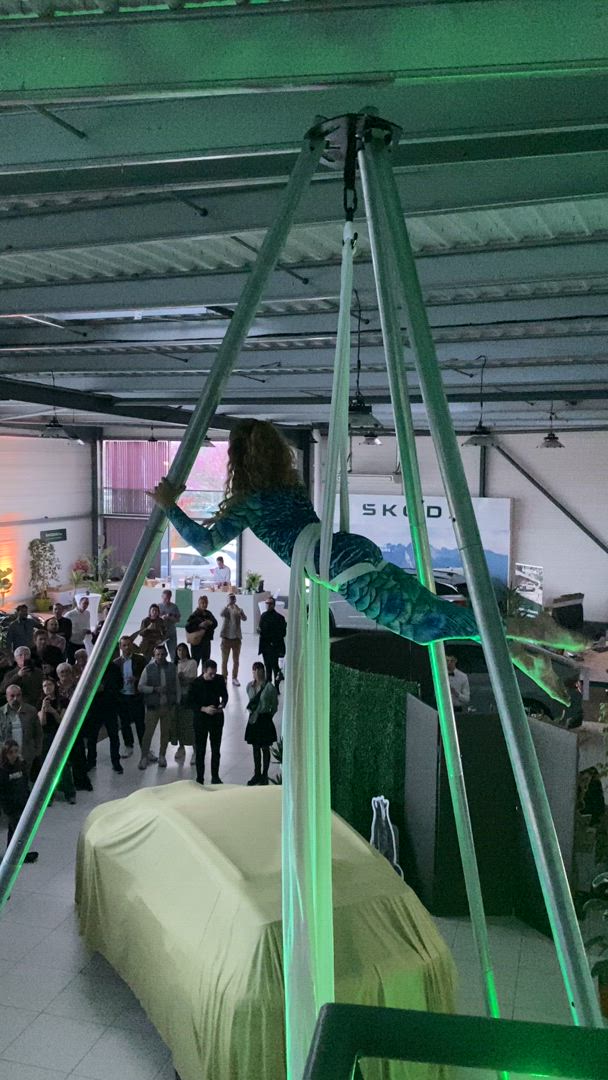
How to choose the right Brussels venue for scenography
The venue determines what is possible: rigging, ceiling height, acoustic behaviour, load capacity, backstage space, and the time you can access the room. A strong concept that ignores these constraints will fail on execution. We help you select the right space by matching your objective to the venue’s technical reality.
| Venue type | For which objective? | Main strengths | Possible constraints |
|---|---|---|---|
Conference centre in Brussels | Town halls, strategy kickoffs, multi-track conferences | Built-in AV infrastructure, audience flow, multiple breakouts, technical staff on site | Branding restrictions, fixed rigging points, union or in-house supplier requirements |
Hotel ballroom (Brussels region) | Awards nights, gala dinners, partner evenings with catering | Integrated F&B, accommodation for out-of-town guests, predictable service standards | Lower ceilings, sound limitations, limited load-in access, décor that may clash with brand look |
Industrial or cultural venue in Brussels | Product reveals, brand activations, high-creative leadership moments | Strong character, flexible floorplan, high perceived “signature” value | More technical build required, strict safety constraints, potentially higher staffing and power needs |
Corporate campus / HQ space (Brussels) | Internal events, cost control, privacy-sensitive announcements | Maximum brand control, simpler access for employees, confidentiality | Acoustic challenges, limited rigging, extra work on crowd flow, security coordination |
We strongly recommend a site visit before finalising scenography. A 60-minute technical walk-through in Brussels (access, power, rigging, storage, backstage, evacuation) often saves days of last-minute improvisation—and protects your budget from avoidable rush costs.
What Event Scenography budgets look like in Brussels
Pricing depends on what you’re building, how long you have to build it, and how complex the technical environment is. Two events with the same headcount can have very different costs based on stage requirements, screen needs, venue access, and rehearsal time.
In Brussels, budgets are often impacted by venue rules (in-house suppliers, restricted access hours) and by the need for multilingual content delivery (extra screens, captions, or additional operators).
Concept and design scope: mood boards and 3D plans versus full technical drawings and detailed set specifications.
Stage build complexity: custom set walls, scenic elements, stairs/ramps, safety rails, and backstage masking.
Screen strategy: projection vs LED, number of surfaces, resolution, IMAG cameras, and content playback redundancy.
Lighting and power: architectural lighting, keynote lighting for speakers, power distribution, and venue limitations.
Audio requirements: room acoustics, panel microphones, translation feeds if needed, and streaming audio mixes.
Labour and timing: load-in windows, night shifts, rehearsal duration, and show-calling resources.
Compliance and safety: fire-retardant materials, signage, crowd management, and venue-specific approvals.
As a reference point, corporate Event Scenography in Brussels often starts around €8,000–€15,000 for a clean, professional stage-and-screen setup, and can move to €25,000–€80,000+ for larger formats with LED, custom scenic build, multi-room, or hybrid broadcast needs. The right way to think about ROI is risk reduction plus message impact: fewer technical failures, better attention, and stronger leadership credibility.
Why work with a Brussels event agency for scenography
Local matters when you’re managing real-world constraints: venue access, supplier reliability, traffic and delivery timing, and the ability to be on site quickly. A Brussels-based production team can solve issues in hours, not days—and that is often the difference between a smooth show and a compromised result.
As an event agency in Brussels, we also understand how decision-making works locally: procurement expectations, internal approvals, and the need to protect corporate reputation in a compact business ecosystem.
- Faster technical recce and validation: quicker site visits, earlier rigging checks, and fewer assumptions in design.
- Supplier ecosystem: trusted AV, scenic, staging, and logistics partners who know Brussels venues and their rules.
- Operational resilience: rapid replacement options if a piece of equipment fails or a delivery is delayed.
- On-site leadership: a clear chain of command and show caller who can make real-time decisions aligned with your priorities.
As a reference point, corporate Event Scenography in Brussels often starts around €8,000–€15,000 for a clean, professional stage-and-screen setup, and can move to €25,000–€80,000+ for larger formats with LED, custom scenic build, multi-room, or hybrid broadcast needs. The right way to think about ROI is risk reduction plus message impact: fewer technical failures, better attention, and stronger leadership credibility.







What we’ve delivered across Brussels event formats
Our scenography work spans leadership and communication moments where the margin for error is close to zero. Examples of typical projects include: a quarterly town hall with live polling and Q&A moderation; an awards evening requiring fast-paced stage transitions and consistent photo angles; a partner conference with plenary plus breakouts and sponsor visibility rules; and product or service launches where the reveal must be timed precisely with lighting, sound, and on-screen content.
We are used to working with demanding stakeholders: a CEO who wants minimal rehearsal time, HR needing a safe and inclusive room design, Comms protecting brand guidelines, and IT/security teams controlling what can be streamed or recorded. In practice, our role is to translate these constraints into a coherent stage picture and a run-of-show that works.
We also adapt to the realities of Brussels schedules. It’s common to have speakers arriving from EU meetings, airports, or other Belgian sites with tight arrival times. We plan stage management and cueing so your programme stays professional even with last-minute changes.
Brussels scenography pitfalls we prevent before they cost you
Underestimating sightlines: screens too small or placed too high/low, creating frustration in the back rows or side seating.
Audio that looks fine on paper but fails in the room: feedback issues, unclear panel sound, or uneven coverage because acoustic checks were skipped.
Rushing load-in: designs that require more build time than the venue allows, leading to unfinished details during guest arrival.
Stage safety oversights: unprotected edges, unstable scenic pieces, or cable runs crossing public paths.
Brand inconsistency: colours, fonts, and materials that don’t match your guidelines, especially when multiple suppliers deliver assets.
No Plan B for key moments: a single playback laptop, no backup microphones, or no redundancy for critical videos.
Ignoring multilingual reality: content not readable enough, missing captions, or confusing language switching for international audiences.
Our job is to remove these risks early—during design, technical planning, and rehearsal—so your executives and teams can focus on content and stakeholder management, not production firefighting in Brussels.
Why Brussels clients renew INNOV'events for scenography
Repeat business is earned in the details: predictable delivery, transparent budgeting, and calm problem-solving when something shifts. Most corporate clients don’t want a new creative overhaul every time—they want consistent quality with smart evolution, and a partner who remembers what worked and what must improve.
We document builds, cue lists, and lessons learned so the next edition is more efficient. That reduces cost and stress while raising quality year after year.
60–70% of our annual production volume typically comes from repeat clients and recurring formats (yearly, quarterly, or multi-edition).
For recurring Brussels events, we aim to reduce on-site decision points by 30–40% from edition one to edition two through better pre-production and standardised show documentation.

Loyalty is the simplest proof: organizations in Brussels come back when the event runs on time, the room looks right, executives feel supported, and the internal teams are not exhausted by production.
Our Brussels process to deliver reliable Event Scenography
👉 Step 1 (Brussels): Briefing that clarifies objective, audience, and constraints
We start with a structured briefing with HR, Comms, and the event owner. We confirm the core message, success criteria, audience profile (languages, seniority mix, external guests), and constraints (brand rules, security, recording permissions). We also align on decision-making: who validates creative, who validates technical, and who signs off on budget.
👉 Step 2 (Department): Venue check, technical recce, and feasibility validation
We review venue specs and, when possible, conduct a technical visit: access routes, loading dock, lifts, ceiling height, rigging points, power availability, backstage, storage, and emergency exits. We validate what is feasible and what requires alternatives, then lock the room layout (seating, stage, FOH position, camera lines if hybrid).
👉 Step 3 (Brussels): Scenography concept and spatial design
We propose a scenography concept that connects your brand and your message: stage look, materials, colour palette, screen architecture, lighting mood, and signage. We keep it practical: what will be built, what will be rented, what will be printed, and how it will be installed within the venue’s time window.
👉 Step 4 (Department): Technical production plan and supplier coordination
We translate design into a production plan: equipment lists, rigging plan, power plan, stage build schedule, staffing, and run-of-show requirements. We coordinate AV, scenic build, lighting, logistics, and venue teams with one shared timeline. We also plan redundancies for critical items (audio, playback, connectivity).
👉 Step 5 (Brussels): Rehearsal, show-calling, and live execution
We run a rehearsal focused on what matters: speaker comfort, mic discipline, video timing, and transitions. On show day, we manage cues and communication through a single show caller, ensuring each segment lands as planned. After the event, we debrief with your team: what worked, what didn’t, and what to improve for the next Brussels edition.
FAQ sur l'organisation Event Scenography à Brussels
How far in advance should we book scenography in Brussels?
For a standard corporate event in Brussels, plan 6–10 weeks ahead to secure venue access, AV resources, and build time. For peak periods (September–December) or complex LED/custom builds, aim for 10–16 weeks.
What budget range is realistic for Brussels event scenography?
In Brussels, a clean stage + screen + lighting package often falls in the €8,000–€15,000 range. Larger formats with LED walls, custom scenic build, multi-room setups, or hybrid broadcast typically land between €25,000 and €80,000+, depending on access hours and technical scope.
Can you handle bilingual French-Dutch delivery in Brussels venues?
Yes. We design Event Scenography to support bilingual delivery: screen layouts that keep subtitles readable, lower thirds in the right language, and audio routing for interpretation when required. We also advise on pacing so language switching doesn’t break the rhythm of the show.
Do we need a site visit for scenography in Brussels?
In most cases, yes. A 60–90 minute technical recce in Brussels helps confirm rigging options, power distribution, load-in paths, FOH placement, and backstage space. It usually prevents last-minute rental add-ons and reduces show-day risk.
What is included in Event Scenography production in Brussels?
Typically: concept and stage look, room zoning, stage and scenic build, screen strategy (projection/LED), lighting design, signage/branding placement, technical planning, supplier coordination, rehearsal support, and show-calling on the day in Brussels. Catering and pure venue booking can be added depending on your needs.
Plan your Brussels scenography with enough lead time
If you’re comparing agencies, we can provide a clear proposal with scope options (essential / enhanced / flagship), a realistic timeline, and an on-site execution plan for Event Scenography in Brussels. Share your date, venue (if known), headcount, and the core objective of the event—we’ll come back with concrete scenography directions, budget ranges, and the operational implications.
For leadership events, we recommend starting early enough to secure the right technical resources and a rehearsal slot. Contact INNOV'events to schedule a practical scoping call and a technical site visit in Brussels.
INNOV'events Brussels Agency
Justin JACOB is the manager of the INNOV'events Brussels office. Reach out directly by email at belgique@innov-events.be or via the contact form.
Contact the Brussels agencyAll our services & entertainment Brussels, Belgique
Discover our event services
Discover our event entertainment available in the Belgique
- Event Hostess in Brussels
- Escape Game in Brussels
- MasterChef Cooking Workshop in Brussels
- Magician in Brussels
- Marquee Rental in Brussels
- Color Analysis Workshop in Brussels
- Inflatable Games in Brussels
- Valet Parking Service in Brussels
- Football Simulator in Brussels
- LED Furniture Rental in Brussels
- Light Branding in Brussels
- Unique Dining Experience in Brussels
- Light Painting in Brussels
- Murder Mystery Party in Brussels
- Prize Contest in Brussels
- Promotional Displays (POS) in Brussels
- Virtual Reality in Brussels
- Molecular Gastronomy Workshop in Brussels
- Halloween Entertainment in Brussels
- Fireworks Show in Brussels
- Giant Games Challenge in Brussels
- Event Host / MC in Brussels
- Photo Booth Animation in Brussels
- Santa Claus Entertainment in Brussels
- Kids Entertainment in Brussels
- Guided Tour in Brussels
- Urban Rally in Brussels
- Ball Pit in Brussels
- Flight Simulator in Brussels
- Food Truck Rental in Brussels
- World Record Challenge in Brussels
- Surf Simulator in Brussels
- Wine Casino in Brussels
- Makeover Workshop in Brussels
- Perfume Creation Workshop in Brussels
- Acting Workshop in Brussels
- CSR Activities in Brussels
- Archery in Brussels
- Security Staff in Brussels
- Wine Tasting in Brussels
- Mime Performer in Brussels
- TV Game Show in Brussels
- Funfair in Brussels
- Crisis Management Workshop in Brussels
- Crisis Negotiation Workshop in Brussels
- Arcade Games in Brussels
- Indoor Skydiving Simulator in Brussels
- Ski Simulator in Brussels
- Racing Circuit Experience in Brussels
- Introductory Flight Experience in Brussels
- Tasting Experience in Brussels
- Build Your Own Foosball Workshop in Brussels
- 2CV Rally in Brussels
- LEGO Challenge in Brussels
- Casino Night in Brussels
- Interpreter / Translator in Brussels
- Promotional Giveaways in Brussels
- Shuttle Transport in Brussels