
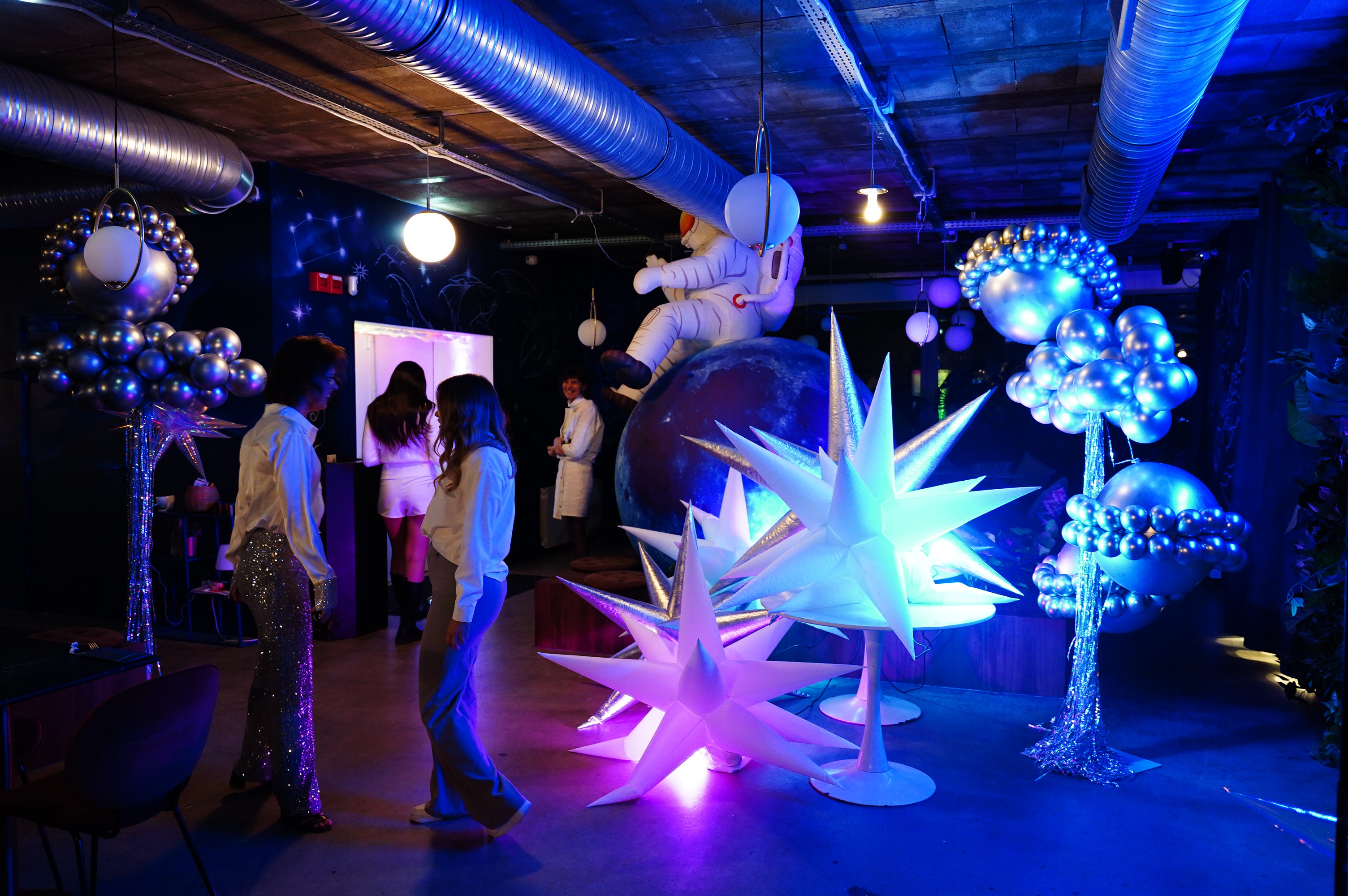
Event Decoration in Brussels that protects your brand and your timing
INNOV'events designs and delivers Event Decoration in Brussels for corporate events from 30 to 2,000+ attendees. We handle concept, technical constraints, production, install and strike, so your teams stay focused on hosts, speakers, and guests.
Whether it’s a leadership town hall, an employer-branding evening, a product reveal, or an end-of-year reception, we build decor that reads well in the room and on camera—without adding operational stress on the event day.
Table of contents
Decoration is not “nice to have” in a corporate setting: it is a strategic tool that sets the tone, supports messaging, and influences how stakeholders perceive leadership decisions. When the decor is coherent, people stay longer, engage more, and your content (speeches, launches, awards) lands with less resistance.
Organizations in Brussels expect speed, compliance, and precision: tight access windows, shared venues, strict fire-safety rules, bilingual signage, and a guest mix that often includes international profiles. Executives and HR teams also need décor that elevates the employer brand without looking extravagant or out of touch.
INNOV'events is a Brussels-based team used to local venue realities and corporate approval cycles. We translate your brand guidelines into décor choices that are installable, safe, and consistent across the entire guest journey—from welcome desk to stage to networking zones.
Key facts clients ask for in Brussels before signing
10+ years supporting corporate events with a focus on décor logistics, timing, and venue constraints.
30–2,000+ attendees covered on a regular basis (board dinners, staff events, large plenaries, public-sector receptions).
48–72 hours is our typical turnaround to deliver a first décor direction + budget range after a proper briefing.
1 project lead + 1 on-site production manager assigned as standard for medium-to-large set-ups, to reduce last-minute decision pressure on your team.
How to organize a professional event in Brussels?
- Define the objective (cohesion, announcement, fidelity, performance).
- Set date, format and size (20–1 000 people).
- Secure the venue and accommodation according to seasonality.
- Lock down technical, suppliers and logistics.
- Drive the day J (timing, scene, entrance, flow).
Who we support in Brussels year after year
We work with Brussels-based head offices, EU-facing organizations, and fast-scaling teams that need dependable event delivery. Many clients come back because they want continuity: the same agency that already knows their brand rules, internal approval paths, and venue preferences.
Typical recurring scenarios include annual staff gatherings, quarterly leadership updates, partner receptions, and end-of-year celebrations where the décor must evolve each edition without reinventing the whole system. That means reusing what can be reused, refreshing only what impacts perception, and documenting every detail so the next edition is faster, safer, and easier to validate.
If you share the company names you want us to reference, we can integrate them here in a compliant and factual way (event type, approximate scale, and delivery scope) without exaggeration.
We send you a first proposal within 24h.
Why invest in event decoration in Brussels for internal alignment
In corporate events, decoration is an operational lever and a management lever. It helps you control what people notice first, where they move, and what they remember—especially in Brussels, where venues are diverse and audiences can be highly mixed (employees, partners, press, and international guests).
Message clarity for executives: a well-built stage environment, branded backdrops, and disciplined colour palettes reduce “visual noise” and reinforce key talking points.
Stronger employer brand for HR: décor that feels considered (lighting, signage, photo moments, lounge layout) supports recruitment and retention narratives without relying on gimmicks.
Better flow and fewer bottlenecks: zoning (welcome, cloakroom, plenary, networking, catering) prevents crowding and keeps service efficient—critical when you have short time slots and strict venue timings.
More usable content: decoration designed with camera angles and acoustics in mind improves the quality of internal videos, social media assets, and leadership communications.
Reduced operational risk: anticipating power needs, rigging limits, load-in routes, and safety requirements avoids last-minute compromises that damage the end result.
Brussels is a relationship-driven market with high expectations for professionalism. When the décor is coherent and controlled, it signals leadership maturity and respect for attendees’ time—two values that matter in the local business culture.
What Brussels venues and stakeholders expect from your décor plan
In Brussels, a décor concept is only credible if it survives real constraints. Many venues have limited loading access, shared time slots with other events, and strict rules for hanging elements, open flames, or fog effects. Some locations require certified materials, pre-approval of floor plans, or additional staffing for safety and security.
On the corporate side, you often have multiple decision-makers: Communications wants brand consistency, HR wants warmth and inclusivity, Procurement wants clear line items, and Facilities/Security wants zero surprises. We structure our décor proposals to match that reality: moodboards are paired with practical specs (dimensions, materials, weight, power), and budgets are broken into understandable blocks (set pieces, lighting, florals, signage, labour, transport, waste).
Brussels audiences also tend to be visually literate: many guests attend several events per year. They notice when décor is generic or disconnected from the message. The expectation is not luxury—it is coherence, quality of finishing, and smooth execution.
Which decoration-driven experiences work best in Brussels events
Good entertainment often starts with the environment. When décor creates clear zones and visual cues, guests naturally interact. For corporate settings in Brussels, we favour experiences that support networking, storytelling, and content capture—without creating noise or operational risk.
Interactive animations in Brussels
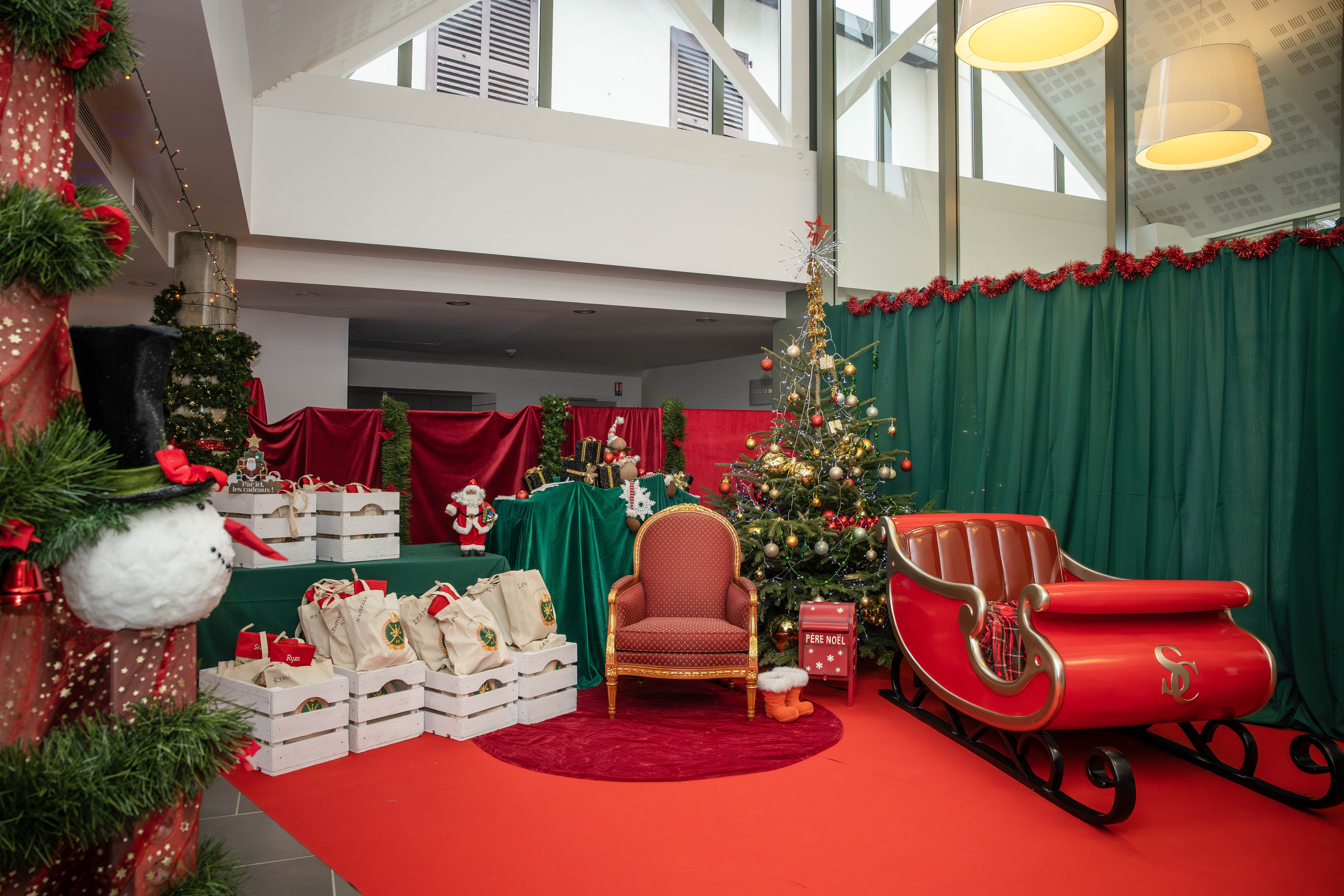
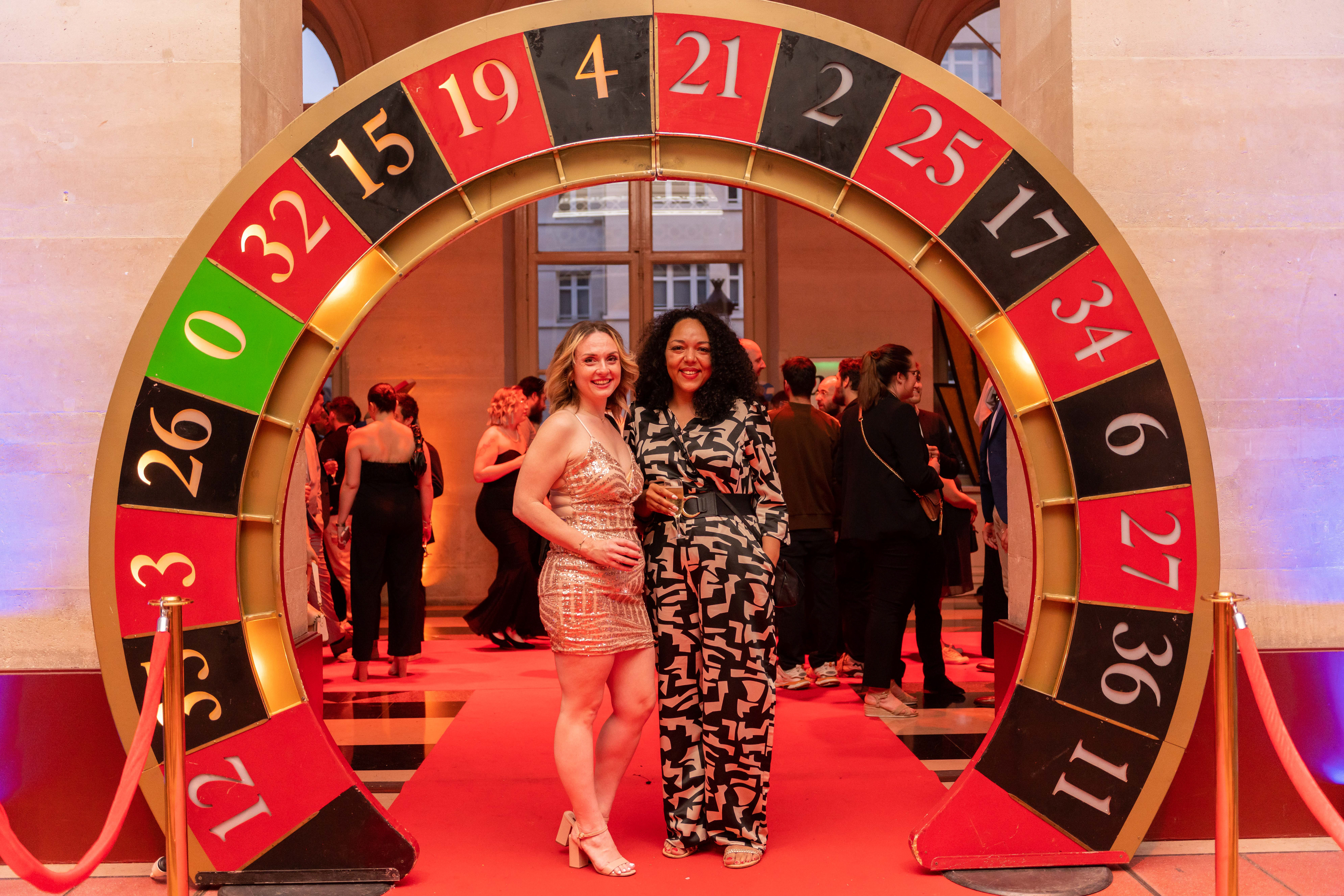
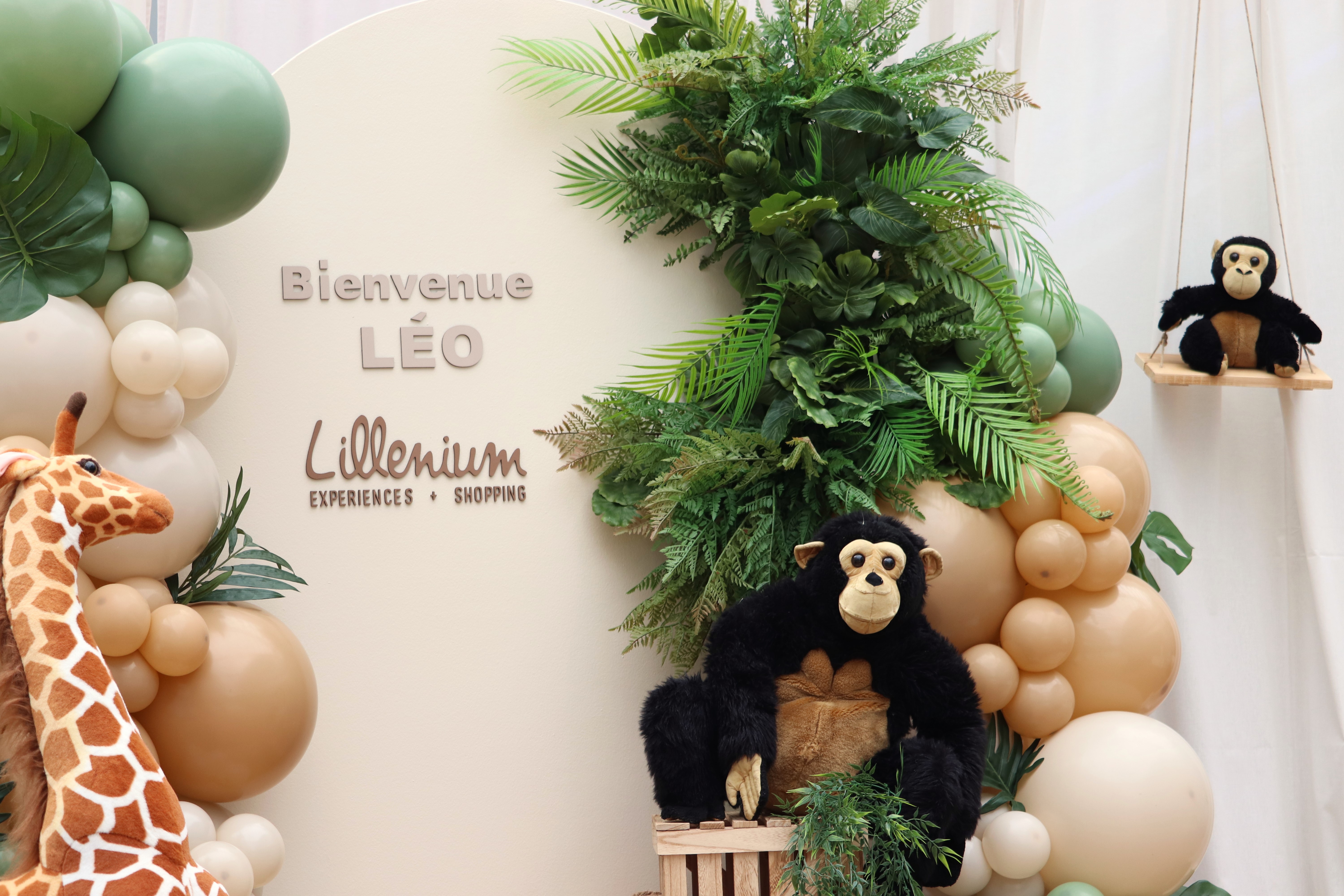
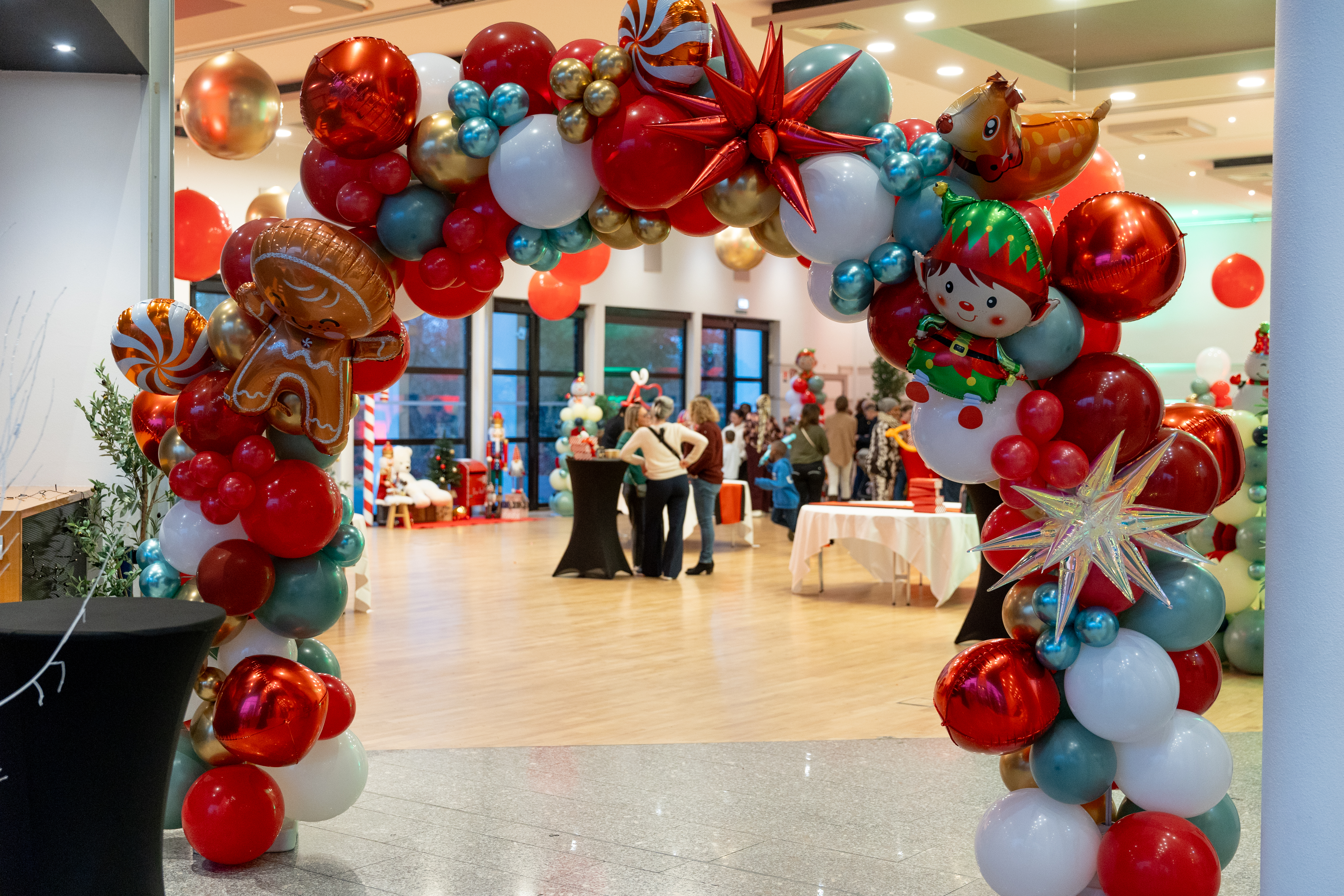
Branded welcome tunnel or entry portal: ideal for registrations and first impressions, especially in venues with a neutral lobby. Designed with durable panels, clean lighting, and a fast install.
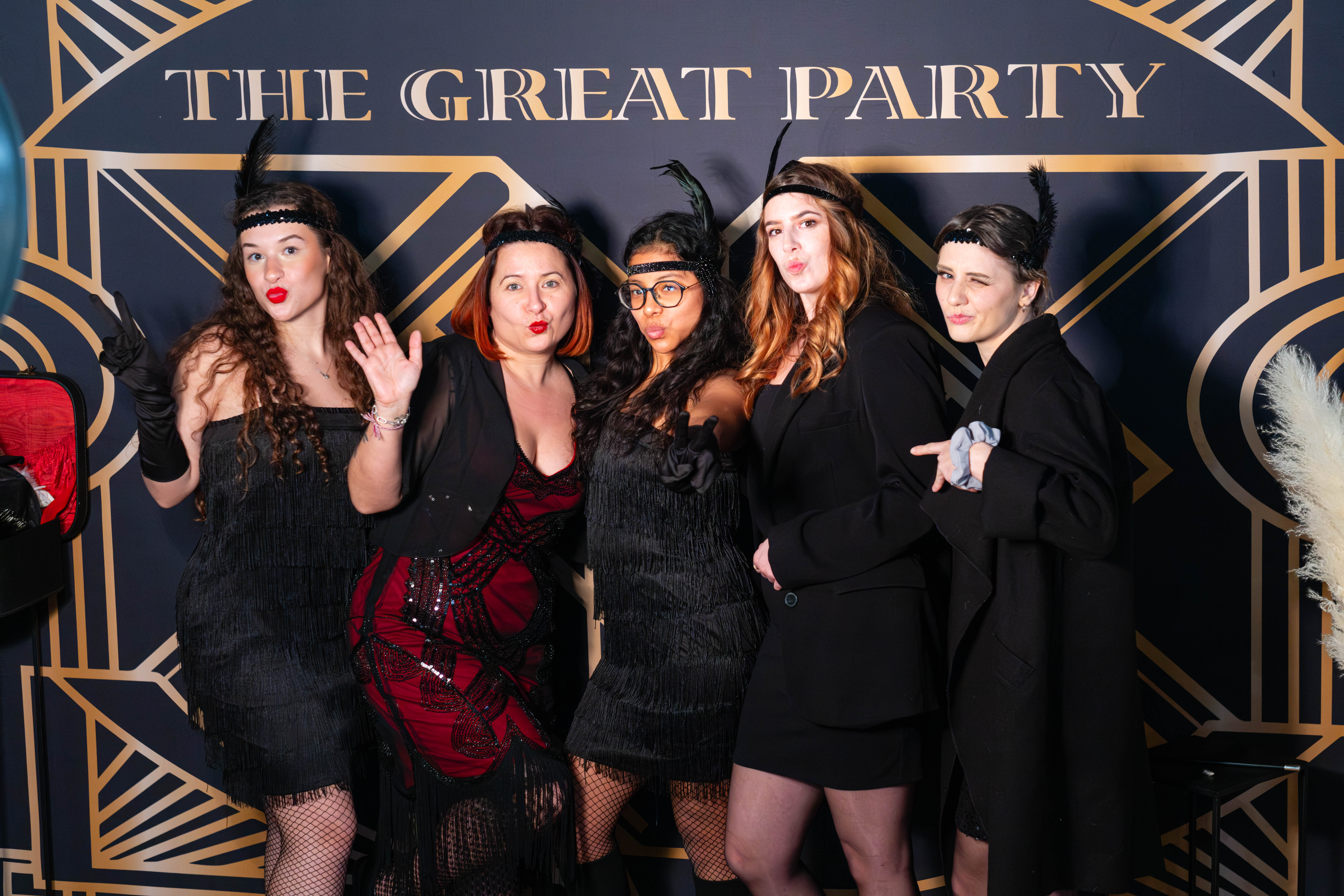
Photo-ready leadership wall: a structured backdrop for executive greetings, partner photos, and award moments. Built for correct skin tones under light and non-reflective finishes.
Wayfinding that reduces staff load: clear bilingual signage (FR/NL, sometimes EN) for cloakroom, plenary, and breakout rooms, designed to match brand guidelines.
Art animations in Brussels
Lighting as “invisible decoration”: uplights and focused beams to reshape a room, highlight architectural features, and reinforce brand colours without heavy set construction.
Stage dressing with corporate restraint: textured backdrops, acoustic drape, and clean scenic elements that frame speakers and make presentations look premium on camera.
Floral strategy with purpose: reception focal points and table centres designed for sightlines (no tall arrangements blocking conversation) and aligned with sustainability expectations.
Innovative animations in Brussels
Decor-led catering stations: structured buffets or tasting corners integrated into the room plan so queues don’t block circulation. Finishes and lighting chosen to make food look clean and appetizing.
Branded bar frontage and menu boards: avoids improvised signage and supports smoother service during peak moments (post-keynote, after awards).
VIP hospitality corner: comfortable lounge décor near the main space for partners or executives who need short private conversations without leaving the event.
Gourmand animations in Brussels
Modular scenic systems: reusable structures that can be re-skinned per edition (new graphics, colours, textures) to balance impact and cost control.
Low-waste décor approach: rented furniture, recyclable print substrates, and planned re-use of branded elements across multiple Brussels events.
Hybrid-ready décor: stage, lighting, and backdrops designed to work both in-room and on stream, with attention to camera framing and glare.
The key is alignment: décor and experiences must match your company’s tone, compliance culture, and audience expectations. A regulated sector event in Brussels does not need the same visual codes as a scale-up celebration—but both require disciplined execution.
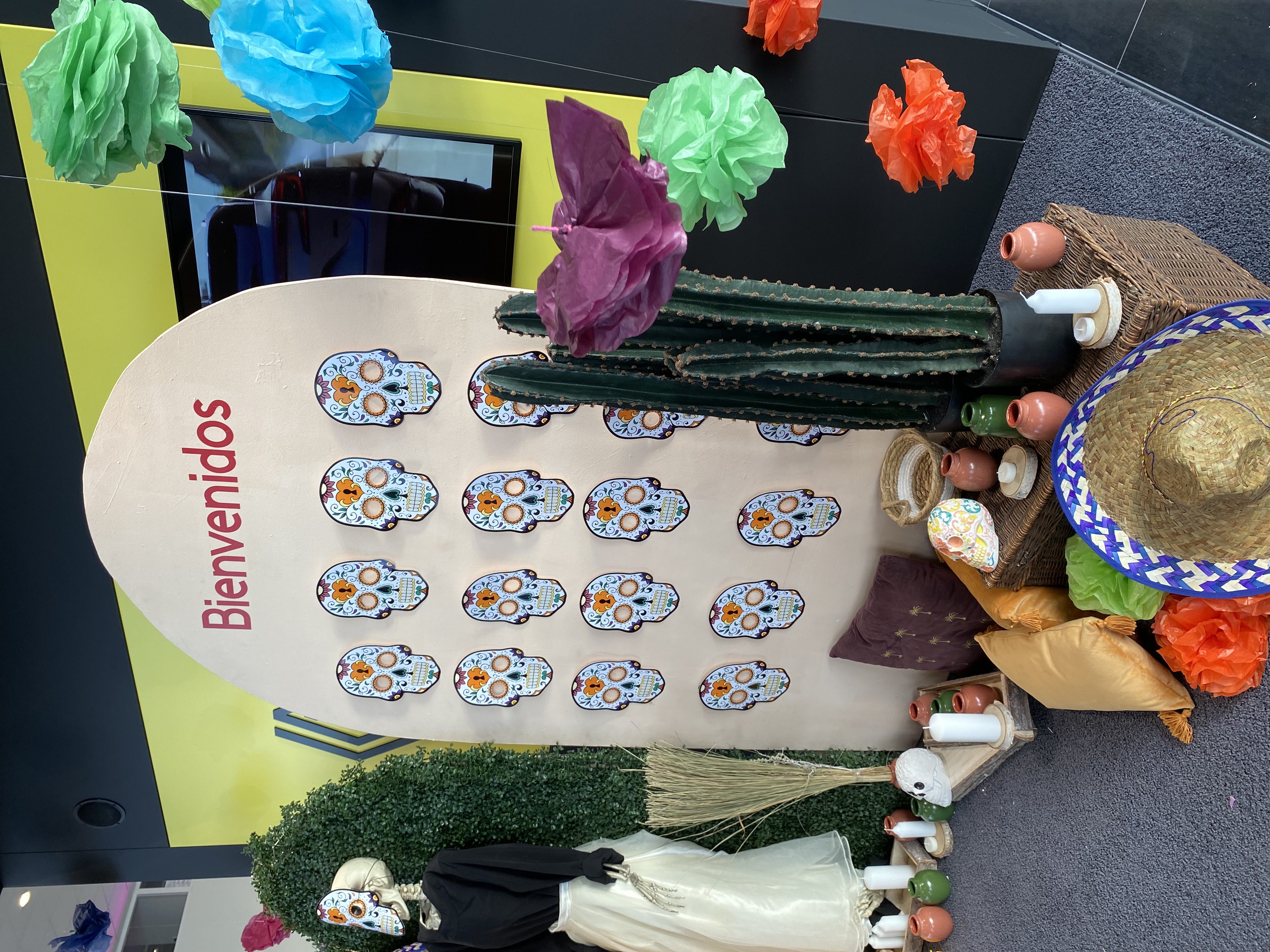
How to choose the right Brussels venue for your decoration concept
The venue is not a background; it dictates what is feasible. Ceiling height, rigging points, loading access, acoustics, and power distribution will either amplify your décor or force costly compromises. In Brussels, where schedules can be tight and venues vary widely, choosing with production in mind protects both budget and reputation.
| Venue type | For which objective? | Main strengths | Possible constraints |
|---|---|---|---|
| Conference centre / hotel ballroom | Town hall, annual results, awards with a structured run-of-show | Built-in tech, professional staffing, predictable guest flow | More rigid supplier rules, limited time windows for install, décor may need to overcome “standard” look |
| Industrial venue / converted warehouse | Brand repositioning, product reveal, bold thematic décor | High creative freedom, strong “wow” architecture, large volumes | Higher production needs (heating, power, acoustics), stricter safety planning, longer install/strike |
| Artistic or cultural venue (museum-style spaces) | Executive receptions, partner events, premium networking | Immediate prestige, strong visual identity, great for content | Very strict protection rules, limited fixings, careful logistics and security coordination |
We strongly recommend a technical site visit before locking décor: we check access routes, ceiling points, floor protection needs, and backstage possibilities. In Brussels, that visit often saves more money than it costs by preventing last-minute rentals, extra labour, or redesign.
What event decoration costs in Brussels and what drives the price
Pricing for Event Decoration in Brussels depends less on “style” than on production reality: quantities, labour time, access constraints, and technical requirements. A clean, corporate look can cost more than a bold one if it requires custom fabrication, tight install windows, or high-end finishing for cameras.
Guest count and zoning: 80 people in one room is not the same as 80 people across plenary + 3 breakouts + VIP lounge. Each zone needs a coherent treatment (furniture, signage, lighting).
Venue constraints in Brussels: limited dock access, elevator-only transport, noise restrictions, and rigid strike deadlines can increase labour and transport.
Level of customization: custom scenic pieces, branded structures, and bespoke joinery drive costs differently than curated rentals and print.
Technical integration: lighting design, power distribution, truss, and safety elements (ballasts, fire-rated drape, floor protection) are often the hidden line items that make delivery reliable.
Sustainability choices: rental-first furniture, reusable scenic systems, and recyclable substrates can reduce waste, but may require more planning and sometimes higher upfront design time.
Install/strike schedule: same-day install in a busy Brussels venue can require a larger crew and more coordination than a venue allowing access the day before.
We frame budget discussions around return: fewer operational incidents, stronger brand perception, smoother guest flow, and higher-quality content assets. For leadership teams, the ROI is often in risk reduction and message delivery—not in decoration alone.
Why a Brussels event partner reduces décor risk
Decoration fails when it is treated as a shopping list instead of a production discipline. A local Brussels partner brings operational knowledge: what a venue actually allows, which suppliers deliver on time, and how to manage last-minute changes without visible panic.
At INNOV'events, we work with a Brussels-based network of scenic builders, rental partners, florists, and technicians. That network matters when something shifts: a speaker requests a different staging, a sponsor banner must be added, or a weather change impacts an outdoor arrival. Local proximity also means faster pre-visits, faster fixes, and more realistic planning.
For clients comparing agencies, we recommend checking three things: who leads on-site, how install schedules are built, and whether proposals include technical constraints (not only visuals). If you’re looking for a broader event scope beyond décor, you can also consult our event agency in Brussels page for how we structure full-service delivery.
- Faster venue coordination: direct relationships and familiarity with access rules, security procedures, and local supplier protocols.
- More accurate budgeting: fewer surprises around transport, parking, labour hours, and technical add-ons.
- On-site accountability: a production manager empowered to decide, adjust, and protect your timeline.
- Consistency across editions: documentation and re-use strategies that keep quality stable while controlling cost.
We frame budget discussions around return: fewer operational incidents, stronger brand perception, smoother guest flow, and higher-quality content assets. For leadership teams, the ROI is often in risk reduction and message delivery—not in decoration alone.






What we’ve delivered in Brussels across different event formats
Our décor projects in Brussels range from executive dinners where every detail must feel discreet and premium, to large internal events where the priority is clarity, flow, and speaker visibility. We regularly handle brand environments for town halls: stage backdrops, lectern dressing, screen masking, audience lighting, and structured welcome zones to avoid the “empty hall” effect.
For HR and employer-branding events, we often build environments that encourage conversation: lounge clusters, warm lighting, textured materials, and signage that guides guests without staff repeatedly answering the same questions. For product or initiative launches, we design focal points that support the reveal moment while keeping the rest of the room functional for networking and catering.
What stays constant is the discipline: we design décor that can be installed within real Brussels access windows, that meets venue safety rules, and that looks correct under event lighting and cameras.
Common decoration mistakes we prevent in Brussels projects
Approving a concept without checking venue constraints: the plan looks great until you realize nothing can be hung, power is limited, or load-in is restricted. We validate feasibility early.
Underestimating labour and timing: décor often fails because the install schedule was optimistic. We build schedules with buffers and realistic crew sizing.
Brand inconsistency across touchpoints: a strong stage with weak signage and generic furniture breaks the experience. We treat the whole guest journey, not only the “main photo.”
Ignoring camera and lighting realities: glossy materials, incorrect colour temperatures, or poor speaker lighting can ruin video and photos. We design with optics in mind.
Over-decorating at the expense of comfort: too many elements reduce circulation and increase noise. We prioritize flow, seating comfort, and service routes.
Last-minute procurement decisions: changes on the day inflate cost and create visible stress. We lock key choices early and keep controlled options for adjustments.
Our role is to anticipate these risks so your leadership team can focus on content and relationships—not on whether the room will be ready on time.
Why Brussels clients keep INNOV'events on their preferred list
Repeat business comes from predictability: decision-makers want an agency that respects budgets, flags constraints early, and delivers the same level of finish even when timelines tighten. In Brussels, many corporate calendars repeat annually, so improving execution edition after edition is a real advantage.
1 consolidated project file per recurring client: venue plans, décor specs, brand rules, supplier notes, and lessons learned for faster approvals.
2 validation milestones used frequently: creative sign-off (look & feel) and production sign-off (feasibility, schedule, safety, budget).
0-surprise approach on event day: clear responsibilities, labelled deliverables, and on-site decision ownership.

Loyalty is not about promises; it is the result of consistent delivery under real conditions. That is what we aim for on every Brussels event.
Our Brussels decoration process from brief to strike
👉 Brussels briefing and constraint mapping
We start with your objectives (audience, message, tone), then map constraints: venue rules, access windows, security, bilingual needs, brand guidelines, and internal approval process. You receive a clear summary of what will drive cost, timing, and risk.
👉 Concept direction and visual references for Brussels audiences
We propose a décor direction with references that match your sector: materials, colour logic, lighting mood, signage approach, and zoning. We avoid “pretty boards” without buildability; each concept includes notes on installation method and what is rental vs custom.
👉 Budget structuring and options (cost control)
We present a structured estimate with options (A/B) so Procurement and Communications can compare impact vs cost: for example, investing in stage and lighting while keeping table décor minimal, or using modular scenic elements that can be reused for future Brussels events.
👉 Technical prep, plans, and venue coordination in Brussels
We produce zoning and layout plans, confirm power needs, validate rigging/fixings, and coordinate with venue teams. If needed, we schedule a technical visit and document loading routes, storage points, and strike conditions.
👉 Production, install, and on-site management
We manage suppliers, deliveries, and crew timing. On site, a production manager runs installation checklists (finishes, safety, sightlines, branding placement) and handles adjustments so your internal team is not pulled into operational decisions.
👉 Strike and post-event debrief
We strike within venue rules, manage returns and waste, and close the loop with a debrief: what worked, what should be adjusted next edition, and what assets can be stored or reused to reduce future costs.
FAQ sur l'organisation Event Decoration à Brussels
How far ahead should we book decoration in Brussels?
For corporate dates in Brussels, plan 6–10 weeks ahead for standard decoration (rentals + signage + lighting). For custom scenic builds or peak periods (September–December), aim for 10–16 weeks to secure suppliers and venue access slots.
What budget range is realistic for Brussels event decoration?
For many corporate events in Brussels, decoration budgets often fall between €3,000 and €25,000, depending on guest count, zoning, venue constraints, and technical integration. A stage-focused setup for 150–300 guests can sit around €8,000–€18,000 when lighting, signage, labour, and logistics are included.
Can you decorate Brussels venues with strict hanging rules?
Yes. We use ground-supported structures, modular scenic walls, safe ballast systems, and lighting solutions that do not rely on ceiling rigging. We validate fixings and materials with the venue in advance to avoid day-of refusals.
Do you handle bilingual signage for Brussels events?
Yes. We can produce signage in FR/NL (and EN when needed), including wayfinding, room naming, agenda boards, and sponsor visibility. We also check readability (font size, contrast, placement) so signage reduces questions at registration instead of creating confusion.
What’s included in on-site decoration coordination in Brussels?
Typically: delivery scheduling, crew management, installation supervision, safety checks, branding placement control, last-minute adjustments, and strike management. For medium-to-large events, we assign an on-site production lead so your executives, HR, and Comms teams are not solving operational issues during guest arrival.
Request a Brussels decoration plan with clear next steps
If you’re planning a corporate event in Brussels, contact INNOV'events early—especially if your venue has limited access windows or your event sits in the September–December peak. Share your date, venue (if known), guest count range, and the purpose of the event, and we’ll come back with a décor direction and a structured budget range you can actually validate internally.
We’re happy to work from your brand guidelines and procurement requirements, and we’ll flag constraints upfront so you don’t discover them during install. The goal is simple: a room that supports your message, your people, and your reputation—delivered calmly and on time.
INNOV'events Brussels Agency
Justin JACOB is the manager of the INNOV'events Brussels office. Reach out directly by email at belgique@innov-events.be or via the contact form.
Contact the Brussels agencyAll our services & entertainment Brussels, Belgique
Discover our event services
Discover our event entertainment available in the Belgique
- Event Hostess in Brussels
- Escape Game in Brussels
- MasterChef Cooking Workshop in Brussels
- Magician in Brussels
- Marquee Rental in Brussels
- Color Analysis Workshop in Brussels
- Inflatable Games in Brussels
- Valet Parking Service in Brussels
- Football Simulator in Brussels
- LED Furniture Rental in Brussels
- Light Branding in Brussels
- Unique Dining Experience in Brussels
- Light Painting in Brussels
- Murder Mystery Party in Brussels
- Prize Contest in Brussels
- Promotional Displays (POS) in Brussels
- Virtual Reality in Brussels
- Molecular Gastronomy Workshop in Brussels
- Halloween Entertainment in Brussels
- Fireworks Show in Brussels
- Giant Games Challenge in Brussels
- Event Host / MC in Brussels
- Photo Booth Animation in Brussels
- Santa Claus Entertainment in Brussels
- Kids Entertainment in Brussels
- Guided Tour in Brussels
- Urban Rally in Brussels
- Ball Pit in Brussels
- Flight Simulator in Brussels
- Food Truck Rental in Brussels
- World Record Challenge in Brussels
- Surf Simulator in Brussels
- Wine Casino in Brussels
- Makeover Workshop in Brussels
- Perfume Creation Workshop in Brussels
- Acting Workshop in Brussels
- CSR Activities in Brussels
- Archery in Brussels
- Security Staff in Brussels
- Wine Tasting in Brussels
- Mime Performer in Brussels
- TV Game Show in Brussels
- Funfair in Brussels
- Crisis Management Workshop in Brussels
- Crisis Negotiation Workshop in Brussels
- Arcade Games in Brussels
- Indoor Skydiving Simulator in Brussels
- Ski Simulator in Brussels
- Racing Circuit Experience in Brussels
- Introductory Flight Experience in Brussels
- Tasting Experience in Brussels
- Build Your Own Foosball Workshop in Brussels
- 2CV Rally in Brussels
- LEGO Challenge in Brussels
- Casino Night in Brussels
- Interpreter / Translator in Brussels
- Promotional Giveaways in Brussels
- Shuttle Transport in Brussels