
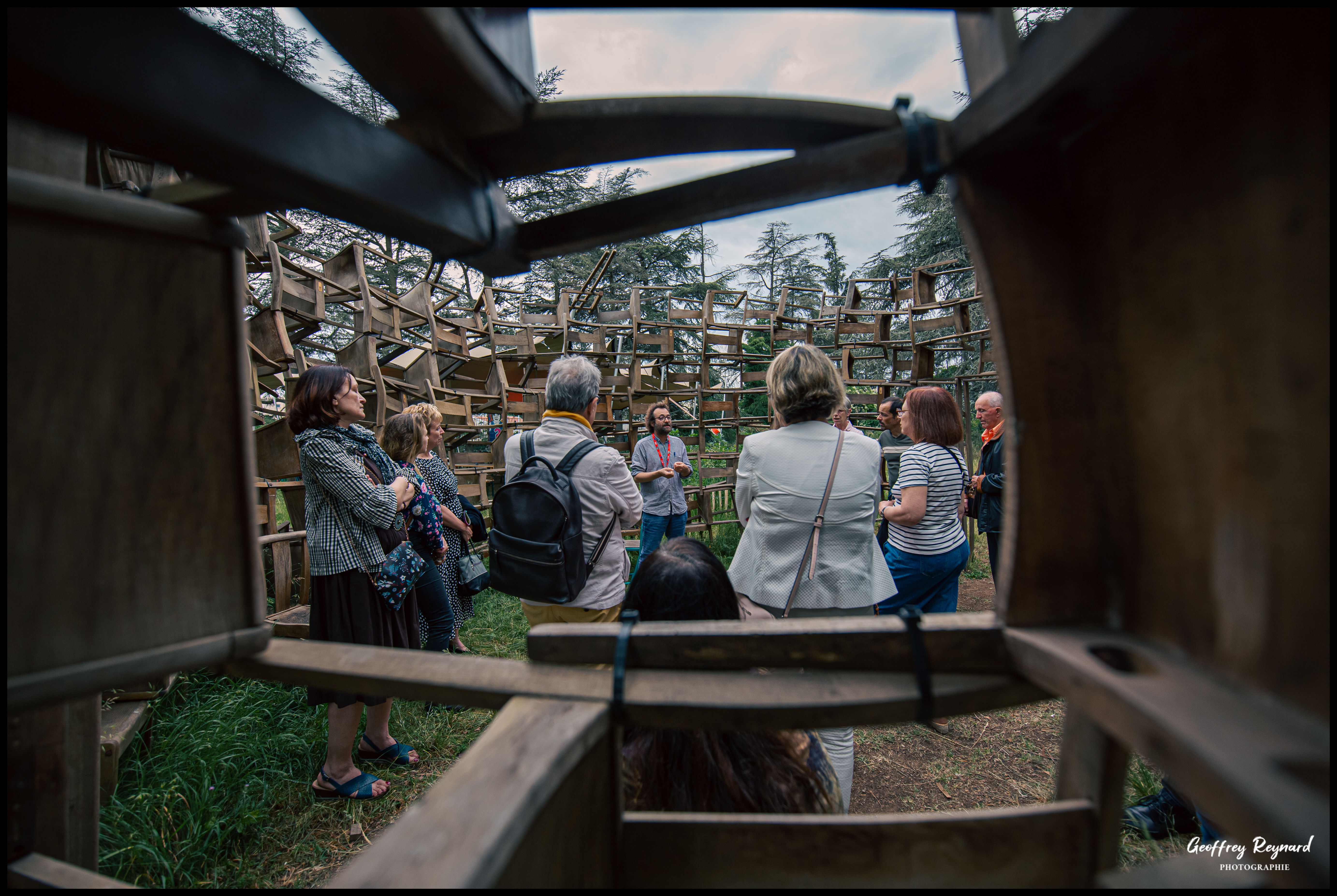
Guided Tour in Brussels that delivers real team alignment
INNOV’events designs and runs corporate Guided Tour formats across Brussels for executive teams, HR and communication departments. Typical groups range from 10 to 300 participants, with multilingual facilitation (FR/NL/EN) and clear run-of-show management.
We handle the route design, permits when required, guide booking, timing, accessibility, weather contingencies and on-site coordination—so your internal teams stay focused on stakeholders, not logistics.
Sommaire
In a corporate event, entertainment is only “nice” when it is controlled. A well-run Guided Tour in Brussels becomes a management tool: it creates shared references, unlocks informal conversations between silos, and gives executives a structured moment to reinforce culture without forcing it.
In Brussels, organisations expect operational precision: multilingual audiences, strict timing between meetings, and a venue landscape where traffic, security perimeters and public transport disruptions can change the day. If the tour is late, the whole agenda slips—so the tour must be built like a production plan, not like a tourist stroll.
INNOV’events is an event agency in Brussels with local field reflexes: route scouting at the right hour, guide briefing to match corporate tone, and contingency options (indoor segments, shortened loops, regroup points) validated before your guests arrive.
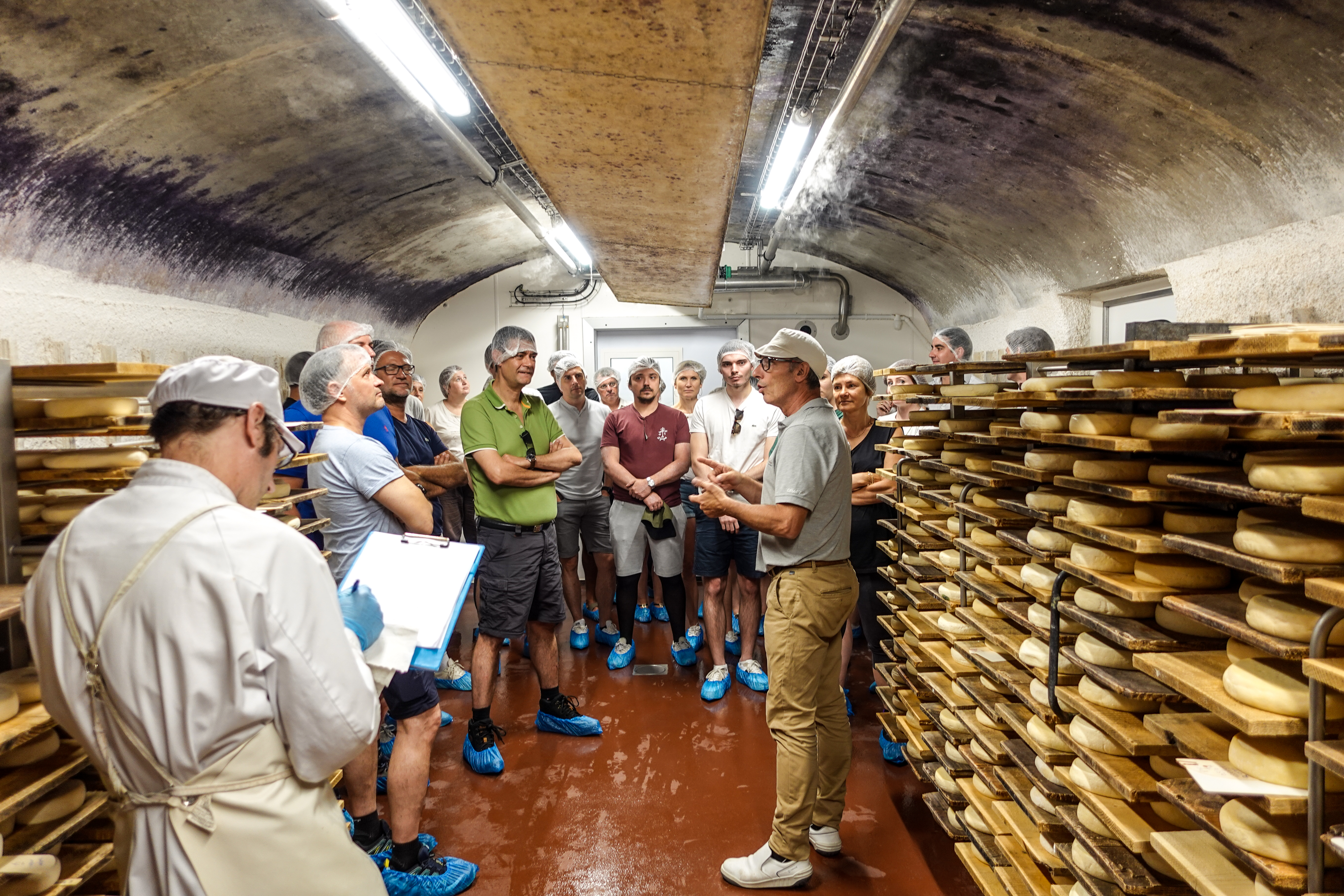
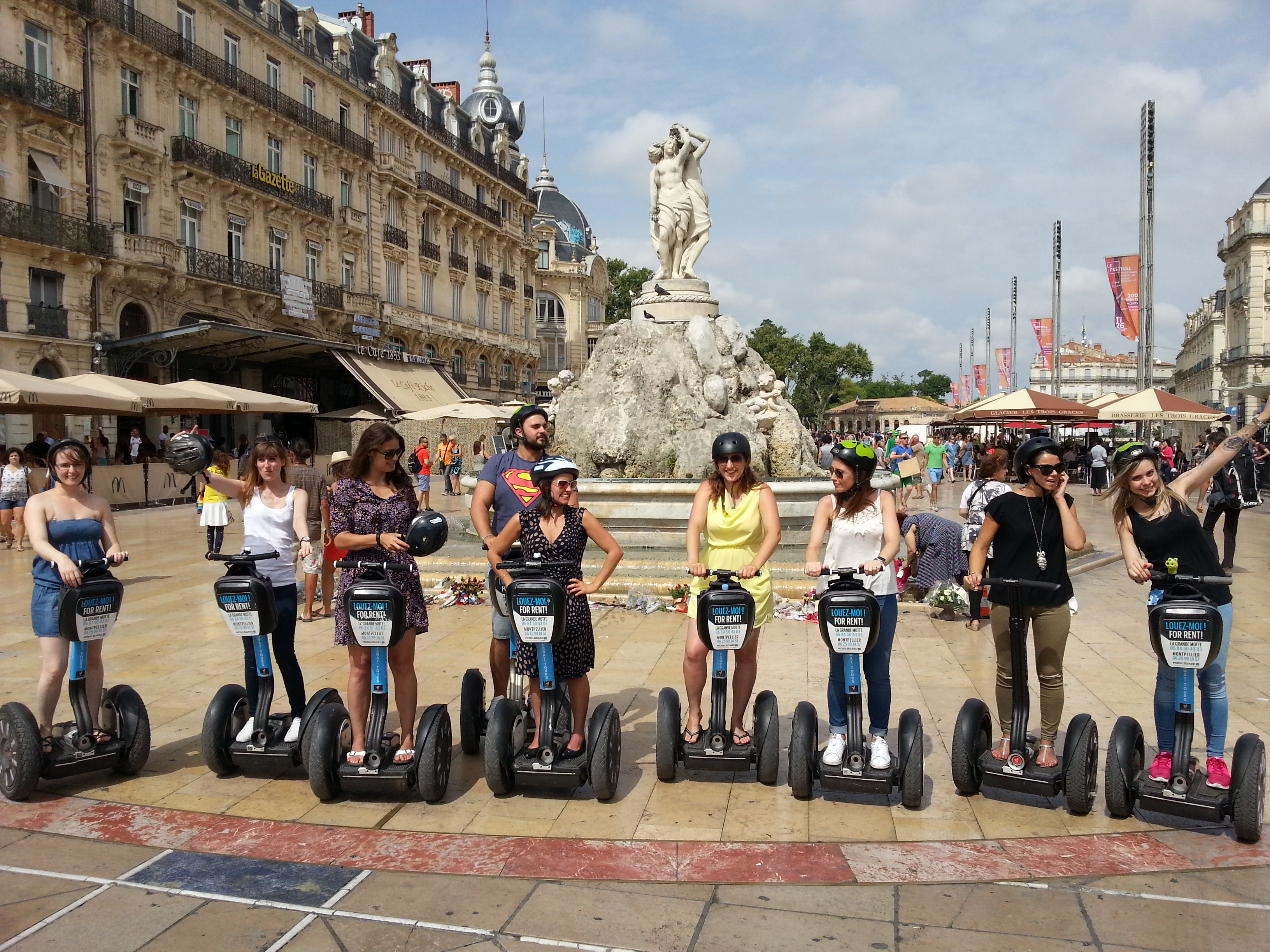
Operational benchmarks from Brussels projects
10–300 participants managed on corporate Guided Tour formats (single group or multi-departure waves).
FR / NL / EN delivery as standard; additional languages available with advance notice for international delegations.
2–4 weeks typical lead time for a clean setup; 5–10 business days possible for simple routes and small groups when calendars allow.
15–25 minutes built-in buffer in run-of-show to absorb real Brussels constraints (crowds, crossings, checkpoints, late arrivals).
1 on-site lead + dedicated guide(s) ratio designed per group size to avoid “lost guests” and to keep brand tone consistent.
Brussels grounding: recurring corporate audiences and repeat formats
We deliver Guided Tour formats for organisations operating in Brussels that need the same thing: a safe, punctual and brand-aligned experience for employees, partners or visiting teams. Many of our clients come back because the operational complexity here is real—especially when you combine tight agendas, multilingual groups and city-centre density.
We frequently support HR teams running onboarding and leadership offsites, communication teams hosting external stakeholders, and executive assistants coordinating high-stakes agendas around the European Quarter. The recurring pattern we see: once an organisation has experienced a tour that stays on time, keeps the group together, and avoids “touristy” tone, it becomes a repeatable module in their annual event calendar (kick-off, client day, delegation visit, post-merger integration).
If you share your attendee profile and objectives, we will propose references and comparable case contexts during the scoping call (group size, route zone, languages, security level). We keep references relevant rather than “name-dropping” without operational similarity.
 Besoin d’un devis rapide ?
Nous vous envoyons une première proposition sous 24h.
Why schedule a corporate Guided Tour in Brussels for executives
A Guided Tour in Brussels works when it serves a managerial purpose: it creates a controlled informal space where leadership messages land naturally. The city itself becomes a narrative tool—about decision-making, compromise, diversity and institutions—without turning your event into a lecture.
For executives, the value is not the monuments; it is what happens between people while moving together: cross-functional conversations, faster trust, and shared memory that makes future collaboration smoother.
Accelerate integration after change: in post-merger or reorganisation contexts, a tour creates low-pressure interactions that HR cannot “force” in meeting rooms. We plan micro-moments (paired prompts, short regroup talks) that feel natural and are briefed to the guide.
Support leadership visibility: executives can walk with different subgroups across segments. We structure the route with safe regroup points so leadership can rotate without disrupting flow.
Improve attendance and engagement: compared to a passive cocktail, a moving format reduces “corner clustering”. People mix more because the route itself reshuffles groups at crossings, stops and photo moments.
Deliver a corporate narrative without slides: communication teams use a Guided Tour to connect company themes (innovation, sustainability, European footprint) to concrete Brussels locations—brief, factual and not promotional.
Manage energy across a long agenda: a 60–90 minute tour between plenary sessions can reset attention and avoid the end-of-day crash. We calibrate distance, pace and stop density to match dress code and weather.
Offer inclusive participation: routes can be built for accessibility, with alternatives for reduced mobility and comfort stops. This is increasingly non-negotiable for HR and CSR policies.
Brussels has a specific business culture: coalition-building, multilingual nuance, and a high concentration of institutional stakeholders. A well-designed tour reflects that reality—structured, respectful of timing, and focused on what helps people work better together the next day.
What Brussels-based organisations expect from a guided tour supplier
Local clients typically come to us after one of two experiences: either a tour felt “too touristy” for an executive audience, or logistics derailed the agenda (late start, group split, noise issues, wrong meeting point). In Brussels, these details matter because many events sit between meetings with limited flexibility.
Here are the constraints we design around in practice:
- Multilingual reality: mixed groups where some guests are fluent in English only, others prefer French or Dutch. We propose either one bilingual guide (for smaller groups) or parallel departures by language, with synchronised timing so the group reunites seamlessly.
- Neighbourhood sensitivity: European Quarter and city-centre zones can be impacted by demonstrations, security perimeters, or heavy flows at specific hours. We pre-validate plan B loops that keep the narrative intact.
- Noise and discretion: corporate guests do not want to shout over traffic. We choose stop points with acceptable acoustics and propose discreet audio solutions when needed, especially for 30+ participants.
- Brand and tone: communication teams want a factual, respectful approach—no clichés, no political opinions, and no improvisation that could embarrass the host. We brief guides like speakers: what to say, what to avoid, and how to answer sensitive questions.
- Time discipline: a guided tour must behave like a meeting with milestones. We design a route with timed segments and clear regroup points so the schedule holds even with late arrivals.
Our job is to translate these expectations into a production-ready plan that your internal teams can trust.
Which Guided Tour formats work best in Brussels for corporate groups
Entertainment creates engagement when it gives people a shared task and a clear social framework. In Brussels, the most effective Guided Tour formats are those that respect corporate tone while still creating interaction—short prompts, optional challenges, and structured moments that do not feel like “forced fun”.
Interactive animations in Brussels
Decision-maker’s route: the guide uses short “choice points” (2 minutes) where subgroups pick between two options (policy vs. business, heritage vs. innovation) and the guide links the choice to a Brussels location. Works well for leadership cohorts and strategy offsites.
Client-hosting tour with conversation prompts: designed for sales and communication teams. We build 6–8 prompts that help hosts start relevant conversations (market entry, ESG, innovation footprint) without looking scripted.
Photo mission with brand guardrails: small teams capture specific details (architecture, signage, materials) and share a curated selection at the end. We pre-brief what is acceptable to photograph (privacy and security) and keep it compliant.
Art animations in Brussels
Architecture and design focus: for industries like real estate, consulting or tech, we position the tour as an “urban reading” of Brussels. It remains professional because it stays factual: urban planning, renovation, materials, decision cycles.
Storytelling with a corporate tone: we select guides who can deliver narrative without theatrical exaggeration. This is ideal when hosting board-level guests who expect sobriety and accuracy.
Innovative animations in Brussels
Structured tasting stop: instead of random snacks, we schedule a timed tasting (10–15 minutes) that does not break the route. It can be used as a regroup moment, useful for speeches or announcements.
Alcohol-aware options: many corporate policies limit alcohol during daytime. We propose alternatives (coffee, local softs) that still feel premium and maintain hospitality standards.
Gourmand animations in Brussels
Hybrid guide + lightweight audio: for groups of 30–80, discreet audio improves comprehension without turning the tour into a “concert headset” vibe. We deploy only when it solves a real problem (noise, multilingual).
Micro-learning segments: 3–4 stops include a short “what this means for business” angle (e.g., institutions, decision-making, sustainability rules). It is practical for visitors who want context quickly.
Whatever the format, we align content with your brand image and risk level: what is acceptable to say, how to handle sensitive questions, and how to keep the experience professional. That alignment is what turns corporate event entertainment in Brussels into a tool—not a gamble.
How to choose the best Brussels area for your guided tour
The setting drives perception. In Brussels, choosing the right zone is not only about beauty—it impacts punctuality, security, noise, and the type of conversation your guests will have. We select the area based on your event venue, your audience profile, and the amount of walking that fits dress code and schedule.
| Venue type | For which objective? | Main strengths | Possible constraints |
|---|---|---|---|
| European Quarter (around Schuman / Luxembourg) | Host international delegations; connect to policy, institutions, business diplomacy | High relevance for EU-facing organisations; easy integration with meeting venues; strong “Brussels identity” for visitors | Demonstrations/security perimeters; peak-hour congestion; content must stay factual and neutral |
| Historic Centre (Grand-Place and surrounding streets) | Client hospitality; cultural anchor for mixed audiences; after-work segment | Instant recognition; dense storytelling points; good for shorter loops with high impact | Tourist density; noise; group cohesion risks—requires strict regroup points and timing |
| Royal District / Mont des Arts | Executive-level tone; architecture and city narrative; photo moment for communications | More space for stops; strong visuals; easier to keep a professional pace | Stairs/slopes for accessibility; timing needed to avoid crowd waves |
We insist on a site visit (or at minimum a time-of-day route check) because Brussels is a city of micro-conditions: works, events, and flows change weekly. A short reconnaissance avoids 90% of day-of surprises.
What a corporate Guided Tour in Brussels costs in practice
Pricing for a Guided Tour in Brussels depends less on “duration” than on operational design: number of guides, languages, group management, and the level of coordination required to protect your agenda. We quote based on the actual run-of-show and constraints—because that is what determines staffing and risk.
To help you benchmark, a standard corporate tour often sits between €450 and €1,800 per guide/operation depending on complexity and add-ons. Large multi-guide deployments and premium logistics can exceed this range.
Group size and split: 12 people can run with one guide; 60 people may need 2–3 guides plus a coordinator; 150+ often needs wave departures and additional staff.
Languages: single-language vs parallel tours (FR/NL/EN). Parallel language groups increase staffing but protect comprehension and satisfaction.
Route constraints: tight time windows, security zones, indoor backup options, and accessibility requirements.
Audio solutions: used when they solve a real noise/comprehension problem; costs include equipment, logistics and hygiene protocols.
Hospitality stops: tastings, coffee stops or a final toast change timing and reservation handling, and can require deposits.
On-site coordination: when your agenda is high-stakes (board guests, press presence, multiple suppliers), an on-site lead from INNOV’events reduces risk and internal workload.
We frame budget in ROI terms that matter to directors: fewer no-shows, higher stakeholder satisfaction, smoother transitions between agenda blocks, and less internal time spent on coordination. A controlled tour often costs less than the hidden cost of a schedule slip in front of executives or clients.
Why working with a Brussels agency reduces event-day risk
For a corporate Guided Tour, local presence is not a branding argument—it is a risk-control mechanism. In Brussels, the difference between a smooth tour and a stressful one is often decided by details that only show up on the ground: which side of the square is actually accessible, where the coach can stop legally, what time a location becomes saturated, or how to reroute when a street is blocked.
As a local team, we can scout quickly, brief guides in person, and intervene fast if conditions change. We also know which suppliers respond reliably in the city centre and how to secure realistic timings between your venue, the route and the next agenda point.
- Faster troubleshooting: route adjustments, regroup point change, or weather-driven switch can be executed without improvisation.
- Supplier control: we work with guides and partners who understand corporate standards (tone, discretion, timing).
- Better timing realism: we build schedules based on actual Brussels walking pace, crossings and peak-hour flows, not on map estimates.
- Consistency for repeat events: once we validate a route and operational plan, we can reproduce it reliably for future cohorts (onboarding, annual kick-off, visiting teams).
We frame budget in ROI terms that matter to directors: fewer no-shows, higher stakeholder satisfaction, smoother transitions between agenda blocks, and less internal time spent on coordination. A controlled tour often costs less than the hidden cost of a schedule slip in front of executives or clients.





Examples of Guided Tour deployments in Brussels contexts
Our Guided Tour in Brussels projects vary because corporate realities vary. A few representative situations we regularly handle:
- Leadership offsite between plenary blocks: 90 minutes, 35 participants, EN delivery. Constraint: strict return time for a board-facing workshop. Solution: route with two cut points (60/75 minutes) and a buffer; on-site lead managing departures and regroup.
- International delegation hosting near EU institutions: 50 participants split into EN/FR groups, synchronised reunite point for a photo and a short executive message. Constraint: security perimeter risk. Solution: pre-approved alternative loop and a decision trigger two hours before start.
- Onboarding cohorts across multiple weeks: recurring 60-minute tour, 15–20 new hires per session. Constraint: consistency and HR workload. Solution: fixed route, standard briefing pack, and an operational template that HR can book repeatedly with minimal effort.
- Client event with hospitality stop: 70 guests, evening timing. Constraint: avoid alcohol-heavy format while keeping hospitality. Solution: structured tasting stop with clear timing and a controlled transition to the dinner venue.
In all cases, the common thread is operational discipline: the story supports your objective, but the logistics protect your reputation.
Common pitfalls to avoid for a guided tour in Brussels
Choosing a route based on a map, not on reality: a “short” distance can become long due to crossings, density and regroup delays in Brussels.
Underestimating multilingual needs: a single-language tour for a mixed audience leads to disengagement and side conversations.
No clear meeting point protocol: “meet at the square” is how groups start late. A photo-based instruction prevents confusion.
Ignoring accessibility and footwear reality: cobblestones, stairs and slopes can create discomfort and reputational risk if not anticipated.
Letting content drift into sensitive topics: institutional areas require a neutral, factual approach. We brief guides to protect your brand.
Overpacking the agenda: too many stops creates delays and frustration. We prioritise fewer, better stops with breathing space.
Our role is to prevent these risks before they show up on event day, by converting your objective into a route, staffing plan and timing that can withstand real Brussels conditions.
Why Brussels clients rebook INNOV’events for guided tours
Repeat business is rarely about creativity; it is about reliability under pressure. HR and communication teams come back when a supplier reduces internal workload, keeps promises on timing, and handles issues without escalating them to leadership.
70–90% of recurring tour requests typically come from the same internal stakeholders once a format is validated (HRBP, internal comms, executive assistants).
1–3 reusable routes per organisation is the usual sweet spot: one “EU Quarter”, one “City Centre”, one “Executive/Architecture” depending on audience.
0 last-minute agenda changes is the target we design for—achieved through buffers, cut points and pre-approved alternatives.

Loyalty is the best indicator of quality in Brussels: it means the tour consistently supports business objectives and does not create extra work for your teams.
Our Brussels delivery process from brief to event day
👉 Clarify objective and constraints in Brussels
We start with a 20–30 minute scoping call to understand your goal (cohesion, hosting, onboarding, leadership message), group composition, languages, and schedule constraints. We also capture operational realities: dress code, mobility constraints, security requirements, and the venue(s) you must connect to in Brussels.
👉 Design the route and run-of-show for Brussels conditions
We propose 1–2 route options with duration, walking distance, stop density, and regroup strategy. For each option, we include timing milestones and at least one cut point to protect your agenda. If needed, we propose parallel language groups and wave departures.
👉 Confirm guides, tone, and content boundaries
We select guides based on your audience (executive vs mixed staff vs clients). We align on tone: factual, corporate-friendly, no improvisation on sensitive topics. Communication teams can validate key messages or “do-not-enter” areas.
👉 Lock logistics: meeting point, access, accessibility, contingencies
We finalise the meeting point with a photo-based instruction, align coach drop-off if relevant, and confirm accessibility needs. We define weather plan B (indoor segments, shortened loops), and set the decision trigger time for switching plans on the day in Brussels.
👉 Event-day execution and stakeholder comfort
Our on-site lead manages arrivals, timekeeping and handovers (venue to tour to next agenda item). Guides follow the agreed narrative and timing. If something changes—late arrivals, street closure, sudden congestion—we execute the pre-approved alternative without escalating stress to your executives.
👉 Post-event debrief for repeatability in Brussels
When the tour is part of a recurring programme (onboarding, annual kick-off), we capture what worked: best meeting point, best time slot, ideal route length, and the exact staffing ratio. This turns your Guided Tour into a reusable module in your Brussels event toolbox.
FAQ sur l'organisation Guided Tour à Brussels
How long should a corporate guided tour in Brussels last?
Most corporate formats work best at 60–90 minutes. For tight agendas, 45–60 minutes is feasible with a dense route. For executive hosting with a hospitality stop, plan 90–120 minutes including buffers and transitions.
What group size is manageable for a guided tour in Brussels?
Up to 20–25 participants works smoothly with one guide. From 30–60, we typically add a second guide or an on-site coordinator to keep cohesion. Above 80, we recommend multi-guide waves with staggered departures and a planned reunite point.
Can you run a multilingual guided tour in Brussels?
Yes. We commonly deliver FR/NL/EN. For mixed audiences, we either run parallel language groups or use a bilingual guide for small groups. We recommend parallel groups when comprehension and stakeholder comfort are priorities (client hosting, executive visits).
Do we need permits for a guided tour in Brussels?
Most walking tours do not require special permits. Permits can be relevant when you add specific elements: reserved space, amplified sound, filming, or private access. We flag requirements during scoping and manage the administrative steps when needed.
How early should we book a guided tour in Brussels?
For standard corporate tours, book 2–4 weeks ahead to secure the right guides and time slot. For large groups (100+) or high-profile agendas, aim for 4–8 weeks. Short-notice options exist, but language and staffing choices become more limited.
Request a Brussels guided tour proposal that fits your agenda
If you are comparing suppliers, we suggest starting with a short call and three facts: your group size, your time window, and the venue(s) you must connect to in Brussels. We will respond with a concrete route proposal, staffing plan (languages included), and a budget range aligned with your risk level.
Planning early gives you better guide availability, smoother logistics, and more realistic timing. Contact INNOV’events to secure a Guided Tour in Brussels that protects your schedule and your brand reputation.
INNOV'events Brussels Agency
Justin JACOB is the manager of the INNOV'events Brussels office. Reach out directly by email at belgique@innov-events.be or via the contact form.
Contact the Brussels agencyToutes nos prestations & animations Brussels, Belgique
Découvrez nos prestations événementielles
Découvrez nos animations événementielles disponibles au Belgique
- Event Hostess in Brussels
- Escape Game in Brussels
- MasterChef Cooking Workshop in Brussels
- Magician in Brussels
- Marquee Rental in Brussels
- Color Analysis Workshop in Brussels
- Inflatable Games in Brussels
- Valet Parking Service in Brussels
- Football Simulator in Brussels
- LED Furniture Rental in Brussels
- Light Branding in Brussels
- Unique Dining Experience in Brussels
- Light Painting in Brussels
- Murder Mystery Party in Brussels
- Prize Contest in Brussels
- Promotional Displays (POS) in Brussels
- Virtual Reality in Brussels
- Molecular Gastronomy Workshop in Brussels
- Halloween Entertainment in Brussels
- Fireworks Show in Brussels
- Giant Games Challenge in Brussels
- Event Host / MC in Brussels
- Photo Booth Animation in Brussels
- Santa Claus Entertainment in Brussels
- Kids Entertainment in Brussels
- Guided Tour in Brussels
- Urban Rally in Brussels
- Ball Pit in Brussels
- Flight Simulator in Brussels
- Food Truck Rental in Brussels
- World Record Challenge in Brussels
- Surf Simulator in Brussels
- Wine Casino in Brussels
- Makeover Workshop in Brussels
- Perfume Creation Workshop in Brussels
- Acting Workshop in Brussels
- CSR Activities in Brussels
- Archery in Brussels
- Security Staff in Brussels
- Wine Tasting in Brussels
- Mime Performer in Brussels
- TV Game Show in Brussels
- Funfair in Brussels
- Crisis Management Workshop in Brussels
- Crisis Negotiation Workshop in Brussels
- Arcade Games in Brussels
- Indoor Skydiving Simulator in Brussels
- Ski Simulator in Brussels
- Racing Circuit Experience in Brussels
- Introductory Flight Experience in Brussels
- Tasting Experience in Brussels
- Build Your Own Foosball Workshop in Brussels
- 2CV Rally in Brussels
- LEGO Challenge in Brussels
- Casino Night in Brussels
- Interpreter / Translator in Brussels
- Promotional Giveaways in Brussels
- Shuttle Transport in Brussels