Crisis Management Workshop in Brussels to protect decisions, reputation, and teams
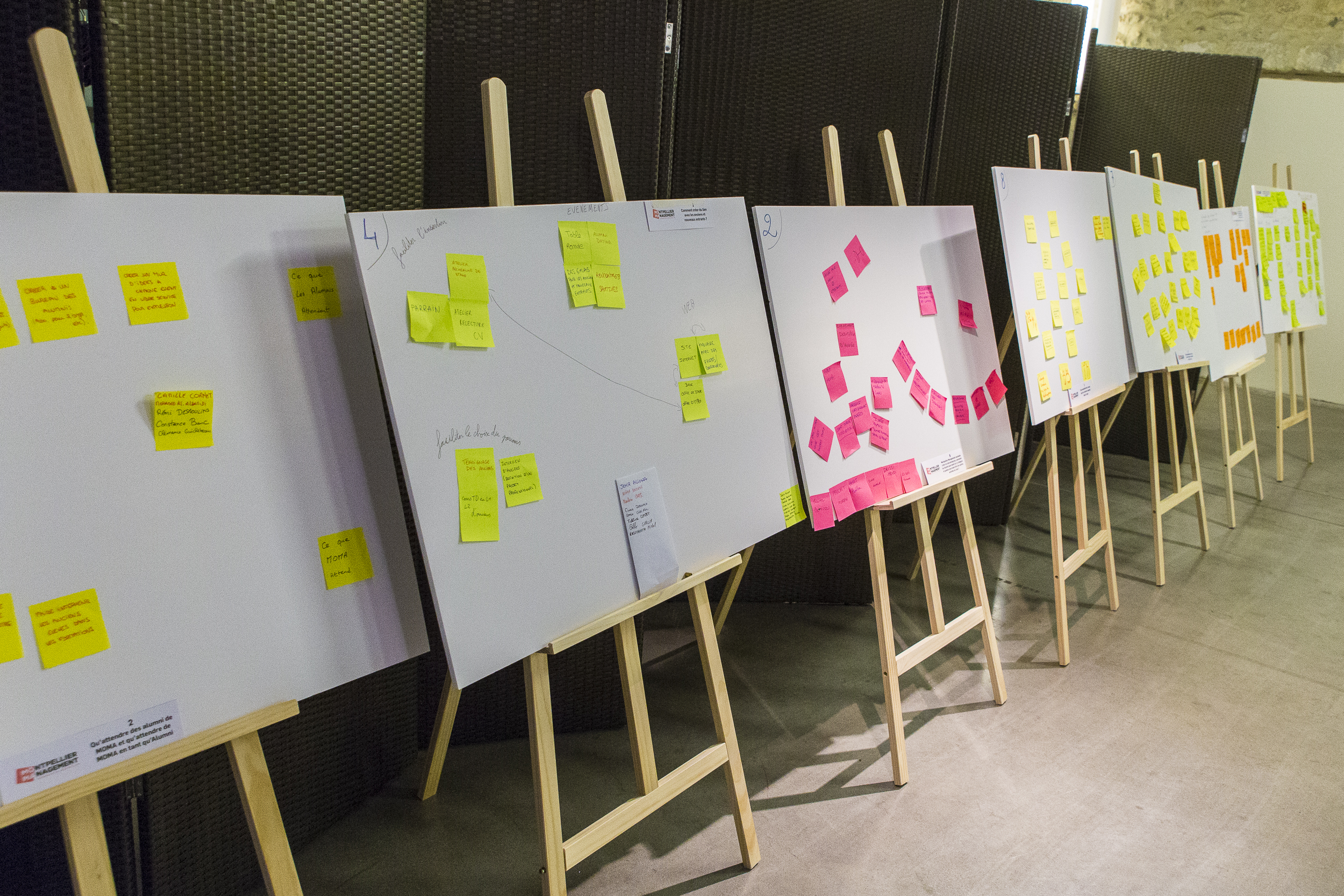
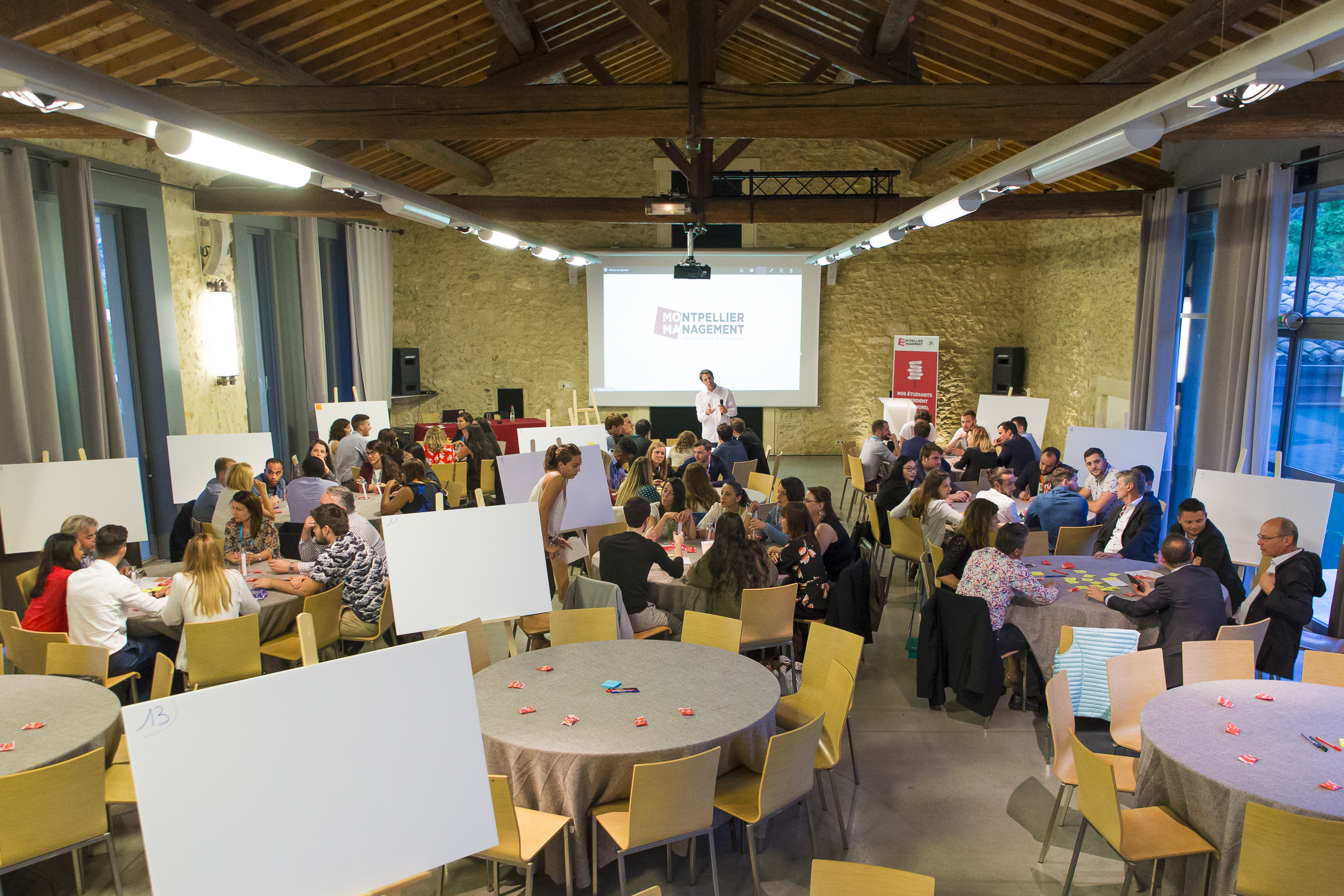
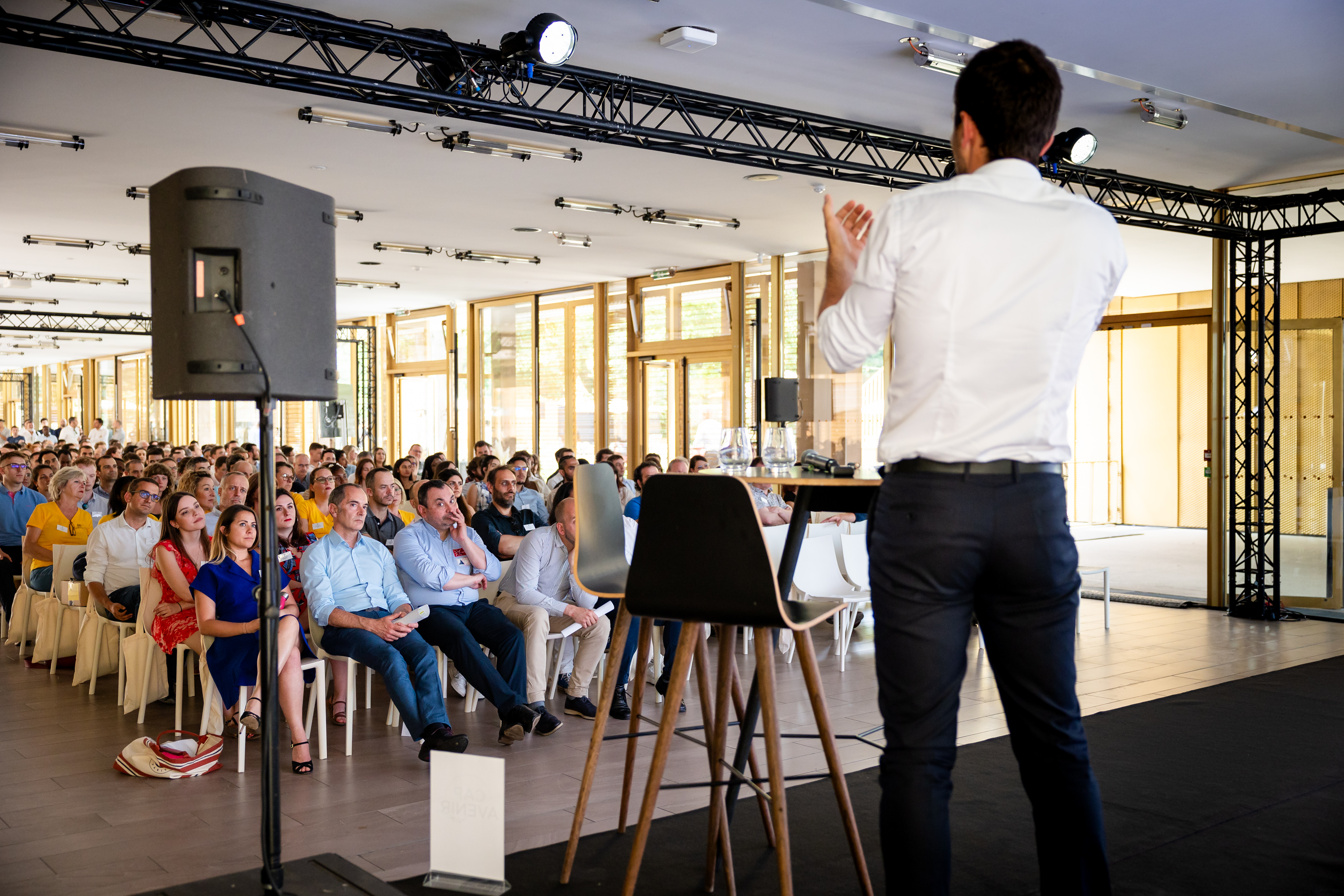
INNOV'events delivers a Crisis Management Workshop designed for executives, HR and communication teams who need to perform under pressure. Typical formats run from 10 to 60 participants, from a focused half-day to a full-day simulation. We handle scenario design, facilitation, actors/media simulation, room set-up and post-workshop deliverables.
Sommaire
In a corporate event, “entertainment” is not a distraction when it is used correctly: it is a controlled way to rehearse decision-making, coordination and messaging. In a Crisis Management Workshop in Brussels, the engagement comes from realism—timed injects, competing priorities, and stakeholders pushing back—so leaders experience consequences without risking the brand.
Organizations in Brussels typically need cross-cultural alignment, fast validation loops, and disciplined communications: one poorly phrased internal message can be screenshotted, translated, and shared across teams in minutes. That is why our workshops are built around concrete governance: who decides what, in which sequence, with which proof and which approvals.
As an agency based in Brussels, we design scenarios that reflect local realities: HQ–EU affairs interactions, multilingual employee populations, supplier ecosystems around the Ring, and the pace of newsrooms. Our facilitators have run crisis simulations for corporate, public-sector and NGO environments, with deliverables that can be used the next day.
Operational benchmarks you can use in Brussels to assess seriousness
48 hours: typical time to send a first proposal (format options + budget ranges) after a scoping call.
10–60 participants per workshop is the sweet spot for engagement and control; above that we split into cells and add facilitators.
6–12 crisis “injects” per half-day simulation (emails, calls, social posts, journalist requests) to create real decision pressure without chaos.
2 deliverables systematically included: a decision log template + a communication approval workflow adapted to your governance.
1 rehearsal recommended for the facilitation team on-site (30–45 minutes) to calibrate timing, acoustics and transitions.
Trusted by Brussels-based teams and repeat clients in the capital
We regularly support organizations with a footprint in Brussels—head offices, regional hubs, and international teams working across Belgium and EU institutions. Many clients come back year after year because crisis readiness is not a one-off: teams change, tools evolve, and the public context shifts (new regulations, new activist narratives, new supply chain risks).
In practice, repeat engagements often start with a first Crisis Management Workshop for the executive committee, followed by a second session for Communication and HR, then a broader cross-functional simulation involving Operations, Legal, IT and Customer Care. This progressive approach is what makes the work usable: decisions are anchored in your actual roles, your reporting lines, and your on-call constraints.
If you share your internal context (industry, footprint in Belgium, decision governance, existing crisis plan maturity), we will propose a format that matches the reality of your teams in Brussels, not a generic “crisis day”.
 Besoin d’un devis rapide ?
Nous vous envoyons une première proposition sous 24h.
Why run a crisis workshop in Brussels before you need it?
When a crisis hits, the first 30–90 minutes are rarely about technical facts; they are about coordination, authority, and clarity. A Crisis Management Workshop in Brussels gives your leadership team a safe but demanding environment to test how they decide, how they communicate, and how they protect employees and reputation under time pressure.
For executives, HR and Communication, the goal is not to “win” a scenario. The goal is to identify what will slow you down in real life: missing phone trees, unclear spokesperson rules, decision bottlenecks, or contradictory priorities between business continuity and external messaging.
Executive decision discipline: clarify who owns the “go/no-go” decisions (site closure, product recall, customer notification), what thresholds trigger them, and what minimum evidence is required.
Communication governance: build a practical approval chain (Comms–Legal–CEO) with time limits, so you can publish within 20–45 minutes when needed instead of waiting half a day.
HR readiness: rehearse employee communication, psychosocial risk handling, and union/works council touchpoints; test what happens when internal information leaks externally.
Cross-functional alignment: confirm the operational interface between IT/security, Operations, Customer Care, Legal, and leadership—especially when multiple incidents occur in parallel.
Reputational protection with realism: simulate journalist pressure, social media escalation, and stakeholder calls (key client, regulator, municipality) so your tone is consistent and defensible.
Actionable improvements: turn observations into a short improvement plan (templates, contact lists, escalation rules, training needs) with owners and deadlines.
Brussels is a high-visibility environment: international staff, multilingual media, and stakeholders who expect rapid, well-evidenced statements. Running a workshop here is a pragmatic investment in speed, coherence, and credibility when it matters.
What Brussels-based executives expect from a crisis workshop
In Brussels, crisis management is rarely purely “local”. Even when an incident starts at one site, the narrative can become international quickly: employees share content across borders, customers escalate through global procurement, and journalists call not only the local spokesperson but also HQ and partners.
That is why we design workshops around the friction points we repeatedly see in Brussels-based organizations:
- Multilingual communication: decisions on language priority (EN/FR/NL), translation timing, and consistency of terms (incident vs. breach vs. disruption). We include a realistic “translation delay” inject to force trade-offs.
- Stakeholder density: public authorities, neighborhood sensitivity (mobility, environmental concerns), regulators, and institutional partners. We simulate inbound calls with different agendas and levels of legitimacy.
- Hybrid work: crisis coordination in a team split between the office, home, and travel. We test how your team manages secure channels, meeting discipline, and decision capture.
- Supplier and subcontractor exposure: in Brussels, many critical services rely on third parties (security, catering, IT, building management). We build scenarios where supplier information is partial or delayed.
- Zero tolerance for improvisation: leadership teams want a workshop that produces operational artifacts. We therefore focus on decision logs, message maps, role cards, and an escalation matrix—usable on day one after the session.
Finally, Brussels teams value facilitation that is firm and structured. The simulation must feel demanding, but not chaotic; participants must leave with clarity on roles and next steps, not “nice insights”.
Which workshop formats work best in Brussels for crisis readiness?
In a Crisis Management Workshop in Brussels, engagement comes from realism and role clarity. “Entertainment” means participants are actively involved—deciding, drafting, calling, validating—rather than listening to a slide deck. The formats below are proven to create learning that sticks, particularly for executive committees and corporate functions.
Interactive animations in Brussels
Executive tabletop simulation (half-day): ExCo works through escalating injects with a facilitator pushing for decisions, not discussion. Best for testing decision thresholds and spokesperson policy.
Comms & HR message room sprint (2–3 hours): build and validate an internal message + holding statement under time pressure, including legal review constraints and translation decisions (EN/FR/NL).
Stakeholder call carousel: role-play short calls with a key client, regulator, municipality, landlord, and journalist. Participants practice consistency of facts and tone while keeping a decision log.
Command-and-control drill: test how your team sets up a crisis cell (agenda, channel rules, evidence gathering, reporting cadence). Useful for organizations with hybrid teams.
Art animations in Brussels
Professional role players for media pressure: not theatre for theatre’s sake—actors follow a realistic newsroom script, interrupt, demand specifics, and exploit inconsistencies. It reveals spokesperson readiness quickly.
Video playback for spokesperson coaching: record a 90–120 second holding statement and review it with a coach (structure, language risks, non-verbal signals). Particularly effective for C-level leaders.
Innovative animations in Brussels
Working lunch with structured prompts: used when a full-day is required. The lunch is not “free time”; we use it for a moderated review of decision rationale, stakeholder priorities, and what the team would do differently in the first hour.
Time-boxed breaks aligned with inject timing: in Brussels schedules are tight; we build breaks into the scenario so the simulation remains credible and participants stay effective.
Gourmand animations in Brussels
Digital crisis room with controlled noise: we simulate Teams/Slack/email flows and force prioritisation: what gets answered now, what is logged, what is escalated. This reflects real crisis dynamics more accurately than paper-only tabletop.
Disinformation module: a short sequence where false claims spread online. Participants practice “acknowledge + verify + correct” without amplifying the rumor, and align legal and comms posture.
Cyber + reputational combined scenario: IT provides partial technical facts; executives must decide on notifications and customer impact messaging. This hybrid format is increasingly requested in Brussels.
Whatever the format, we align the experience with your brand image and governance. A high-end brand may need conservative tone and controlled spokesperson exposure; a scale-up may need faster approval loops and clearer roles. The purpose is consistent: protect trust while keeping the organization operational in Brussels and beyond.
Where to host a Crisis Management Workshop in Brussels for maximum realism
The venue impacts confidentiality, focus, and the workshop’s operational credibility. For a Crisis Management Workshop in Brussels, the “best” location is the one that allows controlled pressure: enough space for a crisis cell, breakouts for Comms/HR/Legal, reliable AV, and discreet access. We also pay attention to sound isolation—nothing kills a simulation faster than hearing another group’s injects.
| Venue type | For which objective? | Main strengths | Possible constraints |
|---|---|---|---|
Client meeting rooms / HQ in Brussels | Test real governance, real tools, real constraints | Direct access to internal systems, realistic hybrid set-up, easier involvement of decision-makers | Confidentiality and interruptions; needs strict room control and pre-brief with facility/security |
Business hotel conference room (central Brussels) | Run a controlled simulation with role players and AV | Neutral environment, good logistics, easy access for participants coming by train/metro | Less “your reality”; ensure breakout rooms and sound isolation are available |
Offsite workshop venue on the Brussels Ring | Full-day immersion and team focus | Lower distraction, more space for multiple cells, parking and equipment handling | Travel time; requires tighter agenda to respect executive schedules |
We strongly recommend a site visit or at least a technical call with the venue: we check Wi‑Fi stability, room adjacency, acoustics, and where role players can operate without being seen. In crisis simulations, small logistics details determine whether the exercise feels professional and credible.
What does a Crisis Management Workshop cost in Brussels?
Pricing for a Crisis Management Workshop in Brussels depends on the intensity of the simulation and the deliverables you want to walk away with. A well-run workshop is a combination of design work (scenario + injects), facilitation, logistics, and post-session documentation. We avoid “per-person” pricing because the main cost drivers are preparation and staffing.
Format and duration: 2–3 hours, half-day, or full-day; whether you run one group or parallel cells.
Level of realism: tabletop discussion vs. timed injects with email/phone flows; inclusion of simulated journalists/stakeholders.
Number of facilitators and role players: typically 1 facilitator per 12–18 participants for high interaction; role players add realism but also staffing needs.
Languages: English-only vs. bilingual/trilingual (EN/FR/NL), including translation timing and review process simulation.
Pre-work: interviews with key stakeholders (CEO, HR Director, Head of Comms, IT/security), review of your existing crisis plan, and alignment with legal constraints.
Deliverables: after-action report depth, updated templates, escalation matrix, role cards, and an implementation roadmap for the next 30–90 days.
Venue and technical setup: breakout rooms, AV, recording for spokesperson coaching, confidentiality requirements.
Most clients view the ROI in terms of time saved and mistakes avoided: reducing approval delays, preventing contradictory messages, and clarifying responsibilities can easily save hours in the first day of a real incident. The workshop is also a governance test: it surfaces decision bottlenecks before they become public failures.
Why work with a Brussels agency for crisis workshops?
Running a crisis simulation is operational work: tight timing, people management, confidentiality, and logistics that must not fail. Working with a team established in Brussels reduces friction at every step—venue coordination, last-minute participant changes, language nuance, and understanding the stakeholder environment.
INNOV'events is an event agency in Brussels, and that local presence matters when executives expect responsiveness, discreet delivery, and a facilitator who can read the room in a multinational context.
- Faster on-site troubleshooting: AV issues, room changes, security checks—handled immediately with local partners.
- Local stakeholder realism: scenarios and role-play that match how Brussels media, authorities and institutional ecosystems operate.
- Confidentiality culture: practical measures for discreet arrivals, controlled access, NDAs for role players if needed, and secure handling of documents.
- Agenda discipline: we build formats that respect Brussels executive calendars and cross-border time constraints.
Most clients view the ROI in terms of time saved and mistakes avoided: reducing approval delays, preventing contradictory messages, and clarifying responsibilities can easily save hours in the first day of a real incident. The workshop is also a governance test: it surfaces decision bottlenecks before they become public failures.




Examples of crisis scenarios we run in Brussels companies
Our projects in Brussels cover a range of industries and risk profiles, which is important because crisis mechanics vary by context. A regulated environment needs strong legal validation and regulator touchpoints; a consumer brand needs speed and tone control; an employer brand crisis requires HR leadership and employee-first communication.
Typical scenarios we design and facilitate (always adapted to the client’s reality and maturity):
- Cyber incident with customer impact: IT provides evolving facts; leadership must decide on notification thresholds, customer messaging, and operational continuity. We test the interface between IT/security, Legal, Comms and Customer Care.
- Workplace accident or psychosocial incident: HR leads employee communication, support measures, and coordination with prevention advisers; Comms handles external inquiries while protecting confidentiality.
- Product quality / contamination suspicion: supply chain uncertainty, distributor questions, and potential recall decisions under time pressure. We test evidence management and decision thresholds.
- Activist pressure and reputational escalation: social media claims, staff questions, and requests for comment from stakeholders. We test the organization’s ability to correct misinformation without escalating it.
- Operational disruption in Brussels: access issues, building incident, or supplier failure affecting services. We test business continuity decisions and internal coordination.
Across all these projects, we focus on making the outputs usable: role cards, escalation matrices, decision logs, and message maps that match the way your teams actually work.
Common pitfalls we prevent in Brussels crisis simulations
Running a scenario without decision rights: discussions stay theoretical because nobody dares to decide. We assign roles and decision authority explicitly.
Overloading participants with noise: too many injects without structure creates confusion rather than learning. We calibrate pressure and keep a clear timeline.
Ignoring HR and internal comms: many teams focus on external statements and forget employees. In Brussels, internal leaks and multilingual staff make this a critical risk.
No documentation during the exercise: without a decision log, the debrief becomes subjective. We enforce capture of decisions, rationales, and gaps.
Unrealistic media role-play: soft questions create false confidence. We simulate real pressure: interruptions, follow-ups, and requests for specifics.
Finishing without an action plan: insights are wasted if there are no owners and deadlines. We close with a prioritized 30–90 day improvement roadmap.
Our role is to protect your investment and your time: we design and facilitate the workshop so it produces measurable improvements in readiness, not a pleasant day out. In crisis preparedness, credibility is everything.
Why Brussels clients keep INNOV'events for crisis readiness
Clients return when the work is practical, discreet, and compatible with executive expectations. In Brussels, teams also value continuity: the facilitator remembers your governance, your sensitivity points, and what was agreed the previous year—so you progress instead of restarting from zero.
Yearly cadence: many organizations choose a yearly simulation for leadership and a second, shorter session for Communication/HR or new managers.
Progressive maturity: we often move from tabletop (year 1) to multi-cell simulation (year 2) to a combined crisis + business continuity drill (year 3).
Template adoption: clients repeatedly tell us the decision log and message map become internal standards because they are simple and enforce discipline.

Loyalty is not about habit; it is proof that the workshop produced concrete operational value and that delivery was dependable under time pressure—exactly what you need in a real incident.
How we deliver a Crisis Management Workshop in Brussels end-to-end
👉 Alignment call in Brussels (30–45 minutes)
We confirm objectives, participants, constraints, and sensitivity points. We identify the crisis types you want to test and the executive behaviours to observe (decision speed, delegation, message discipline). We also agree confidentiality rules and whether the session is “no recording” or includes video for coaching.
👉 Scenario build and inject design (1–2 weeks depending on complexity)
We design the narrative, timeline, and inject pack (emails, calls, social posts, stakeholder requests). We map likely decision points and prepare facilitator prompts so the exercise stays on track. When needed, we coordinate with your Legal, IT/security, HR and Comms leads to ensure realism.
👉 Operational planning in Brussels (venue, AV, roles)
We confirm rooms, breakouts, AV, Wi‑Fi, and discreet logistics. We allocate facilitator and role-player positions, define how injects will be delivered, and prepare printed or digital tools (decision log, message map, escalation matrix draft). If hosted at your office, we align with facility/security to avoid interruptions.
👉 Workshop delivery with controlled pressure
We run the simulation with a clear timeline and role discipline. Participants are pushed to decide, document, and communicate. We manage the “tempo” so executives feel realistic pressure without losing learning value. We also keep a facilitator observation grid for debrief.
👉 Debrief and actionable outputs (within 5–10 working days)
You receive an after-action summary with strengths, gaps, and prioritized recommendations. We include concrete tools: decision log template, message map, and an approval workflow suggestion adapted to your governance in Brussels. If required, we propose a follow-up coaching session for spokespersons or a second simulation for a broader audience.
FAQ sur l'organisation Crisis Management Workshop à Brussels
How long is a Crisis Management Workshop in Brussels?
Most sessions run 3–4 hours (half-day). For multi-cell simulations with HR, Comms, Legal and Operations, plan 6–7 hours (full-day) including a structured debrief.
How many participants per crisis workshop in Brussels?
For high engagement, we recommend 10–18 participants for one crisis cell. Up to 60 is possible by splitting into cells with additional facilitators and a coordinated scenario timeline.
Can you run the workshop in English and French in Brussels?
Yes. We can run EN/FR, and when needed include NL elements. We also simulate translation and approval delays so your team practices realistic multilingual publishing decisions.
Do you include media training in Brussels crisis simulations?
Yes. We can include simulated journalist interviews and 90–120 second holding statements with feedback. For executives, this is often the most revealing part because it exposes tone, discipline, and legal risk.
What do you need from us to start in Brussels?
A participant list, your current crisis plan (if any), key contacts for HR/Comms/Legal/IT, and a clear objective (decision governance, messaging, stakeholder management, or continuity). After a 30–45 minute call, we propose format options and budget ranges.
Plan your Crisis Management Workshop in Brussels with a clear scope
If you are comparing agencies, we suggest starting with a short scoping exchange: your governance, your risk priorities, and the audience (ExCo, HR, Comms, cross-functional). We will then propose 2–3 formats with realistic timelines, facilitation staffing, and deliverables—so you can choose based on operational value, not promises.
Contact INNOV'events in Brussels to secure dates early, especially if you need a bilingual set-up or role players. A well-prepared simulation requires design time; the best results come when we can align the scenario with your real decision pathways and communication constraints.
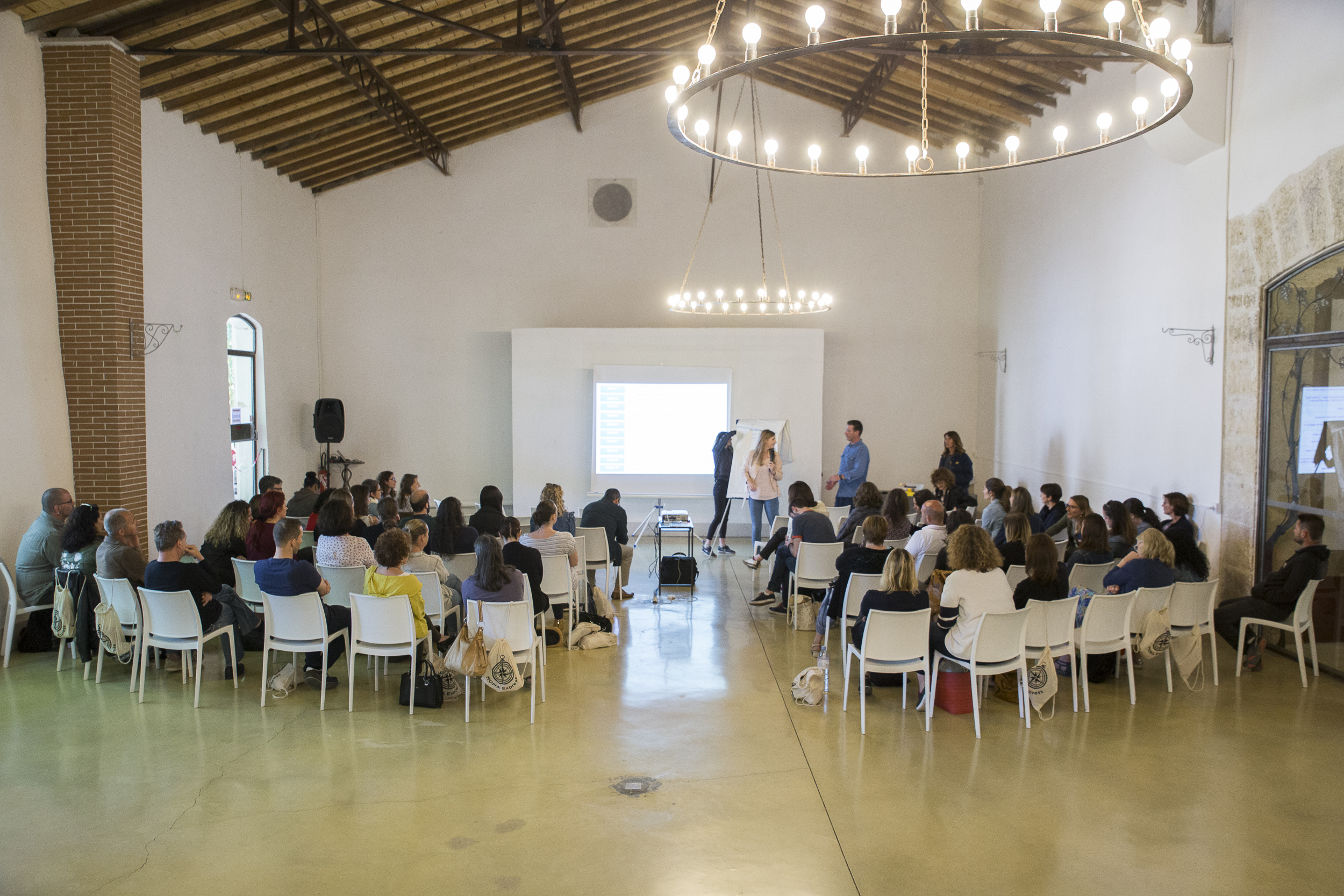
INNOV'events Brussels Agency
Justin JACOB is the manager of the INNOV'events Brussels office. Reach out directly by email at belgique@innov-events.be or via the contact form.
Contact the Brussels agencyToutes nos prestations & animations Brussels, Belgique
Découvrez nos prestations événementielles
Découvrez nos animations événementielles disponibles au Belgique
- Event Hostess in Brussels
- Escape Game in Brussels
- MasterChef Cooking Workshop in Brussels
- Magician in Brussels
- Marquee Rental in Brussels
- Color Analysis Workshop in Brussels
- Inflatable Games in Brussels
- Valet Parking Service in Brussels
- Football Simulator in Brussels
- LED Furniture Rental in Brussels
- Light Branding in Brussels
- Unique Dining Experience in Brussels
- Light Painting in Brussels
- Murder Mystery Party in Brussels
- Prize Contest in Brussels
- Promotional Displays (POS) in Brussels
- Virtual Reality in Brussels
- Molecular Gastronomy Workshop in Brussels
- Halloween Entertainment in Brussels
- Fireworks Show in Brussels
- Giant Games Challenge in Brussels
- Event Host / MC in Brussels
- Photo Booth Animation in Brussels
- Santa Claus Entertainment in Brussels
- Kids Entertainment in Brussels
- Guided Tour in Brussels
- Urban Rally in Brussels
- Ball Pit in Brussels
- Flight Simulator in Brussels
- Food Truck Rental in Brussels
- World Record Challenge in Brussels
- Surf Simulator in Brussels
- Wine Casino in Brussels
- Makeover Workshop in Brussels
- Perfume Creation Workshop in Brussels
- Acting Workshop in Brussels
- CSR Activities in Brussels
- Archery in Brussels
- Security Staff in Brussels
- Wine Tasting in Brussels
- Mime Performer in Brussels
- TV Game Show in Brussels
- Funfair in Brussels
- Crisis Management Workshop in Brussels
- Crisis Negotiation Workshop in Brussels
- Arcade Games in Brussels
- Indoor Skydiving Simulator in Brussels
- Ski Simulator in Brussels
- Racing Circuit Experience in Brussels
- Introductory Flight Experience in Brussels
- Tasting Experience in Brussels
- Build Your Own Foosball Workshop in Brussels
- 2CV Rally in Brussels
- LEGO Challenge in Brussels
- Casino Night in Brussels
- Interpreter / Translator in Brussels
- Promotional Giveaways in Brussels
- Shuttle Transport in Brussels