
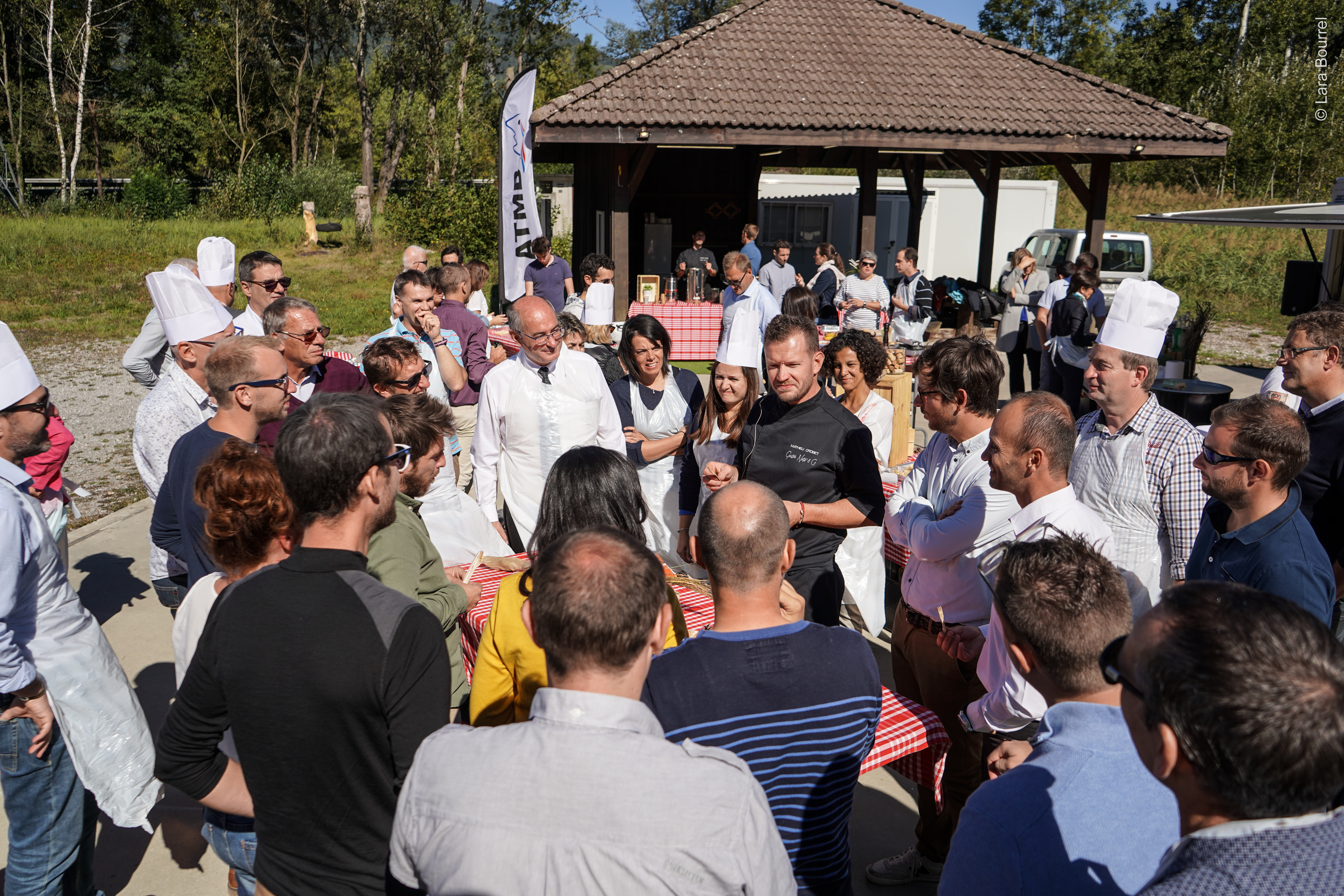
Tasting Experience in Brussels for teams who need results, not improvisation
INNOV'events designs and delivers Tasting Experience formats in Brussels for executive committees, HR and communication teams—from 20 to 600 attendees. We manage concept, venue fit, suppliers, staffing, timings, and compliance so your guests focus on the experience and your brand message.
Sommaire
In corporate events, entertainment is not a “nice-to-have”: it is a lever to create real conversations between departments, activate leadership presence, and anchor key messages without forcing a speech. A well-structured Tasting Experience supports networking and attention—especially when your agenda is tight.
In Brussels, organisations expect a format that works with mixed audiences (languages, cultures, seniority), strict timing, and venues that often have limited load-in windows. The bar is high: if the tasting creates queues, noise, or confusion, your credibility suffers in front of internal and external stakeholders.
As an agency based in Brussels, INNOV'events operates with local producers, trained hosts, and tested run-sheets. We build tastings that are enjoyable but also operationally clean: service flow, allergen management, responsible consumption, and seamless integration into your event schedule.
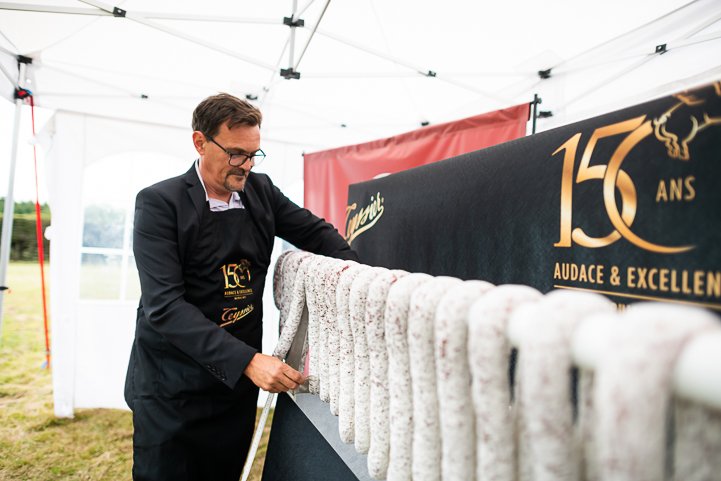
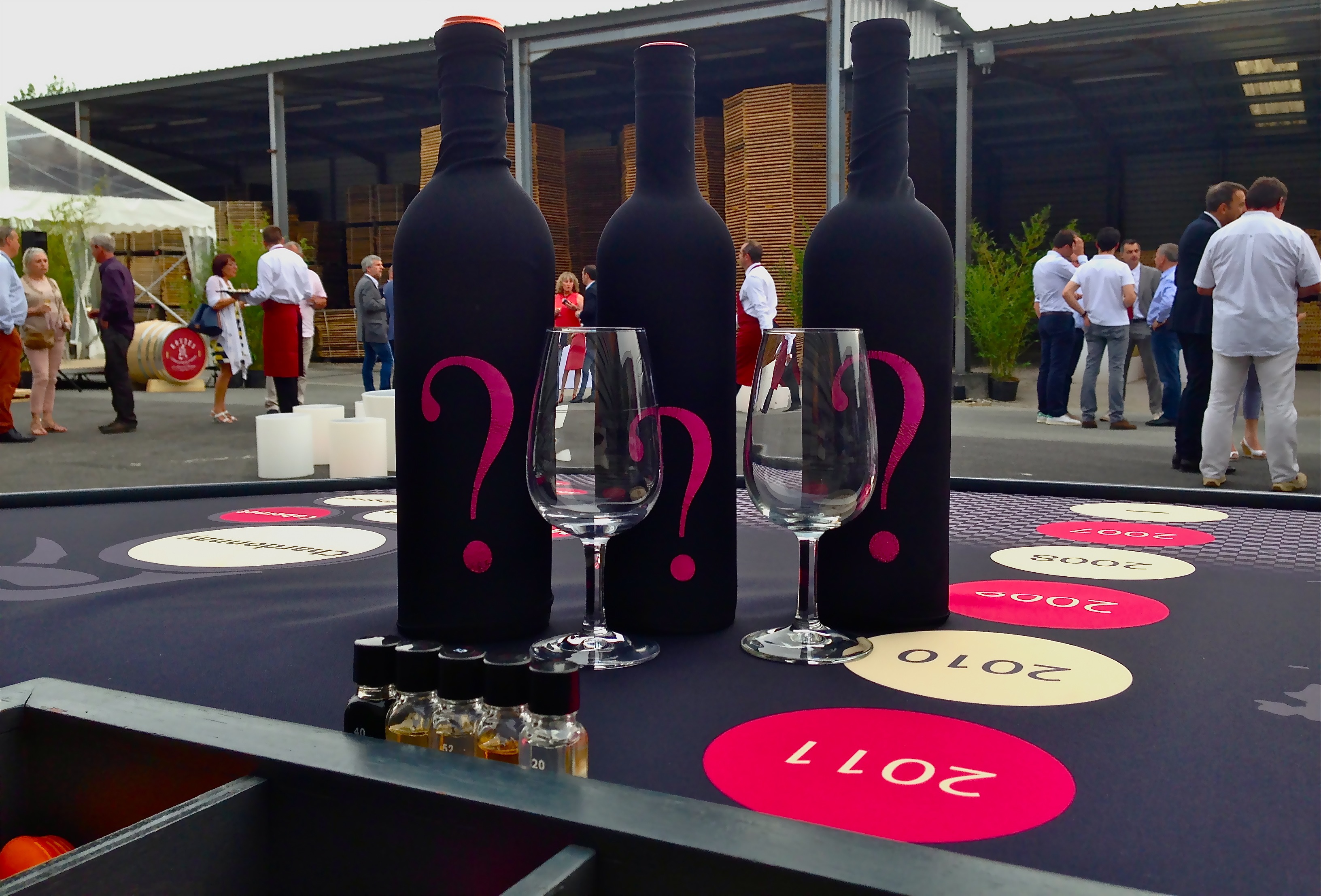
Brussels figures decision-makers ask for before committing
10+ years delivering corporate events across Belgium, with recurring programmes in Brussels for HR and internal communication teams.
200+ corporate events/year supported through our partner network (venues, caterers, AV, hosts), with documented run-of-show and risk registers.
Operational capacity: 20–600 guests per Tasting Experience in Brussels, with scalable staffing (hosts, sommeliers, translators if required).
Supplier reliability: a roster of 30+ vetted local partners (craft beverages, chocolatiers, cheese affineurs, mixologists, coffee roasters) used repeatedly—meaning fewer surprises on event day.
Brussels-based delivery with teams who return year after year
We support companies active in Brussels and across the capital region: headquarters teams, EU-facing organisations, professional federations, and fast-growing scale-ups. Many of our clients run recurring moments (year-end gatherings, leadership offsites, project kick-offs, client evenings) and keep the same agency because consistency matters: same standards, same discipline, better anticipation.
Typical repeat scenarios we handle in Brussels include: a quarterly leadership meeting where the tasting must start exactly after the last slide; an HR onboarding evening where new hires need structured icebreakers; a client reception where brand image and pace are non-negotiable; or an internal celebration where you want quality without the feel of a “catering line”.
If you share your context (audience, objectives, venue constraints, dietary profile), we can propose a Tasting Experience in Brussels concept that fits your corporate tone and your operational reality—without adding friction for your internal teams.
 Besoin d’un devis rapide ?
Nous vous envoyons une première proposition sous 24h.
Why organise a Tasting Experience in Brussels for your leadership and teams?
A Tasting Experience is one of the few formats that creates immediate engagement without requiring participants to “perform”. People can join a station, listen for two minutes, taste, comment, and move on. For executives, this is valuable: the room comes alive naturally, and interactions happen across silos.
Accelerate cross-team connections: curated tasting stations create small, rotating clusters—more efficient than random mingling, especially when you have multiple business units in the same room.
Support leadership visibility: executives can circulate and connect without being stuck in long conversations; the tasting gives them a neutral entry point (“What are you tasting?”) that works across hierarchy.
Reduce event fatigue: after a dense plenary, a tasting resets attention. In practice, we often place it between a keynote and a networking segment to lift energy while maintaining structure.
Strengthen employer brand: quality products and respectful service standards communicate care. HR teams in Brussels frequently use tastings to reinforce culture after reorgs, mergers, or rapid growth phases.
Create controlled “talk triggers”: you can embed themes (sustainability, local sourcing, innovation) in the tasting narrative and briefing, without turning it into a lecture.
Fit multilingual audiences: tastings can be hosted with short bilingual scripts (EN/FR or EN/NL) and clear signage, which is often essential in Brussels.
Brussels is a relationship-driven business environment: institutions, consultancies, associations and corporates meet frequently and compare standards. A well-executed Tasting Experience in Brussels helps you show professionalism while still creating warmth—an important balance in the city’s economic culture.
What Brussels organisations really expect from a tasting format
In Brussels, we rarely deal with “one homogeneous audience”. Your guest list typically mixes nationalities, languages, and seniority levels—sometimes also external stakeholders (clients, partners, candidates). That changes the way we design a Tasting Experience: the goal is not to impress with complexity, but to make participation frictionless.
Common constraints we manage in the field include: strict venue access times (especially in city-centre locations with shared loading docks), noise restrictions in certain spaces, and limited storage for chilled products. We therefore plan service flow and equipment with precision: number of stations, queue management, glassware logistics, waste stream, and cold chain continuity.
Another local reality is compliance and duty of care. Many organisations in Brussels require clear allergen and dietary labelling, responsible alcohol service, and sometimes security screening or badge access. We integrate this early—because fixing it on the day is where reputational risk starts.
Finally, Brussels guests are used to good food. They notice product quality quickly. That is why we insist on credible producers and clear storytelling: origin, tasting notes, pairing logic, and service standards. It is not about being “fancy”; it is about being coherent and professionally delivered.
Which Tasting Experience formats work best in Brussels corporate events?
Entertainment creates engagement when it is designed as a participation framework, not as a distraction. In a Tasting Experience in Brussels, guests engage because the activity gives them a clear “reason to interact” and a shared vocabulary (aromas, textures, origin stories). Below are formats we deploy regularly, with operational implications you can evaluate.
Interactive animations in Brussels
Bilingual guided tasting rotations (EN/FR or EN/NL): small groups rotate every 8–10 minutes between stations. Works well for 40–120 guests when you want structured networking and a predictable rhythm.
Scoring card or tasting passport: participants rate products (flavour, pairing, surprise factor). Useful for internal events where HR wants light engagement without forcing team-building games.
Pairing challenge: guests match a product with a pairing (chocolate/coffee, cheese/beer, mocktail/spice). We set up clear instructions to keep it inclusive for non-experts.
Art animations in Brussels
Live plating and service choreography: a chef or artisan plates small bites while explaining technique. This is effective when communication teams want visual content and a premium feel without raising volume like a stage show.
Storytelling through local producers: inviting a Brussels-based roaster, chocolatier, or brewery representative adds credibility. We manage speaking time tightly (micro-stories of 60–90 seconds) so it stays corporate-friendly.
Innovative animations in Brussels
Belgian chocolate & praline tasting: best when you want a universally accessible format. We propose a progression (cocoa percentage, origin, texture) and handle allergen labelling precisely.
Beer & food pairing (with alcohol-free track): highly relevant in Belgium, but must be handled responsibly. We set serving sizes, provide water points, and ensure an equivalent non-alcohol pairing so nobody is sidelined.
Specialty coffee cupping: works very well for morning or midday corporate events in Brussels. It avoids alcohol entirely, fits tight schedules, and supports a “focus and quality” narrative.
Mocktail lab with botanical tasting: ideal when your policy discourages alcohol or when the audience includes many weekday attendees. We use pre-batched elements for speed and consistency.
Gourmand animations in Brussels
Data-driven station sizing: we map guest flow based on agenda and room layout, then assign stations (and staffing) to prevent congestion. This is particularly useful in high-density receptions in Brussels city-centre venues.
Sustainability-led tasting: clear CO₂-conscious choices (seasonal sourcing, reduced waste, reusable service where possible) with concrete signage—useful when ESG messaging must be credible, not decorative.
Hybrid tasting kits for multi-site teams: for organisations with teams outside Brussels, we can synchronise a central event with curated kits shipped to satellite offices, using a shared script and timing.
Whatever the format, we align the Tasting Experience with your brand image: tone of voice, level of premium, inclusivity, and risk profile. For a law firm reception in Brussels, we design discreet stations and tight timings; for a tech scale-up, we can make it more interactive—while keeping service standards consistent.
Which Brussels venue type fits a corporate Tasting Experience?
The venue influences everything: guest flow, sound level, service logistics, and the perceived seniority of your event. In Brussels, the wrong room can turn a high-quality tasting into a queue management exercise. We therefore select the setting based on objective first (networking, celebration, client impression), then confirm feasibility (load-in, storage, power, waste handling).
| Venue type | For which objective? | Main strengths | Possible constraints |
|---|---|---|---|
| Hotel meeting & reception spaces in Brussels | Executive events with tight schedules and reliable infrastructure | Predictable service standards, AV readiness, staff availability, easy rain plan | Limited flexibility on external suppliers; tasting stations must respect hotel flow |
| Contemporary event venues / galleries in Brussels | Client evenings, brand positioning, premium networking | Strong visual impact, flexible layouts for stations, good for content capture | Load-in constraints, acoustics to manage, often requires full technical build |
| Company HQ / office spaces in Brussels | Employer branding, internal celebrations, cost control | Convenient for guests, reinforces culture, easier stakeholder attendance | Power and waste constraints, building rules, lift access and security protocols |
We strongly recommend a site visit (or at minimum a technical call with floorplan review) before confirming a Tasting Experience in Brussels. Small details—service lift size, closest loading point, available cold storage, noise limits—decide whether the experience feels effortless or improvised.
How to budget a Tasting Experience in Brussels realistically
The cost of a Tasting Experience in Brussels depends on service level and operational constraints more than on “products alone”. A premium ingredient with poor logistics will still deliver a poor experience. We build budgets that reflect what actually drives quality: staffing ratios, station design, compliance, and timing integration.
Guest count and service format: seated tasting vs roaming stations changes staffing and glassware needs. For roaming, we often budget more hosts to keep flow smooth.
Product selection and narrative: standard tasting vs curated selection with producer presence, pairing progression, and bilingual scripts.
Venue constraints in Brussels: limited access windows, parking restrictions, and storage can increase labour time and transport complexity.
Staffing level: mixologists/sommeliers vs general hosts; bilingual staffing when required; dedicated floor manager for tight executive agendas.
Equipment and infrastructure: stations, refrigeration, ice logistics, glassware, rinse points, waste sorting, branding/signage.
Risk and compliance: allergen management, alcohol-free track, water points, responsible serving, security coordination if needed.
From a ROI standpoint, executives usually assess three outcomes: (1) quality of interactions created, (2) brand perception (internal and external), and (3) organiser workload reduced. A disciplined agency approach typically saves internal time and prevents the “hidden costs” of last-minute fixes—often the difference between a controlled event and a reputational risk.
Why choose an agency in Brussels rather than managing tastings internally?
When your team manages a Tasting Experience internally, the hidden workload quickly exceeds expectations: supplier negotiations, access logistics, staffing, briefing, compliance documentation, and on-site arbitration when something shifts. In Brussels, where venues and access rules can be strict, the risk is not theoretical—it is operational.
Working with a local partner means faster decisions, better anticipation, and fewer surprises. INNOV'events is your single point of accountability: one run-sheet, one production lead, and clear validation gates. If you are comparing options, our approach is the same as for any high-stakes corporate programme: define objectives, design the experience, lock logistics, then execute with control.
For organisations looking for an event agency in Brussels that can handle both creativity and execution discipline, we focus on the elements that protect your image: timing, service flow, guest safety, and staff behaviour.
- Local supplier leverage: vetted Brussels partners, with known lead times and realistic capabilities.
- On-site reactivity: faster troubleshooting for access issues, missing equipment, or agenda changes.
- Production discipline: floor management, staffing plans, and clear responsibilities—reducing pressure on HR and communication teams.
- Brand protection: consistent guest journey, professional briefings, and discreet service standards aligned with executive expectations.
From a ROI standpoint, executives usually assess three outcomes: (1) quality of interactions created, (2) brand perception (internal and external), and (3) organiser workload reduced. A disciplined agency approach typically saves internal time and prevents the “hidden costs” of last-minute fixes—often the difference between a controlled event and a reputational risk.











What we have delivered in Brussels across different corporate contexts
Our work in Brussels spans internal events, client receptions, and leadership programmes. The key is adaptability without losing operational rigour. A tasting for a regulated industry audience does not run like a celebration for an internal milestone—and we treat those constraints as design inputs, not obstacles.
Examples of situations we frequently manage:
- Leadership offsite evening: after a day of workshops, we deploy a paced tasting to re-energise the room while keeping noise and timing under control. The priority is executive circulation and meaningful cross-functional contact, not a “busy” entertainment.
- Client reception with brand scrutiny: premium but discreet stations, staff trained to engage without overselling, and strict start/stop times to respect speeches and VIP arrivals.
- HR onboarding and employer branding: inclusive tastings with alcohol-free equivalents, clear allergen signage, and structured introductions so new hires aren’t left on the margins.
- Multi-stakeholder Brussels audience: bilingual hosting, neutral product choices that travel culturally, and a service design that avoids creating “in-groups” around expertise.
Across these contexts, our core deliverable stays the same: a corporate event entertainment in Brussels module that is enjoyable for guests and predictable for organisers.
Common pitfalls we prevent on Brussels tasting events
Underestimating guest flow: one attractive station creates a queue, then the room looks disorganised. We size stations and staff to your actual peak moments, not average attendance.
No clear alcohol-free experience: offering “water and soda” next to wine/beer is not inclusive. We design a parallel tasting track so everyone participates equally.
Allergen and dietary information handled too late: in corporate settings, this is both a safety and reputation issue. We standardise labelling and brief staff on how to answer questions.
Venue access assumptions in Brussels: parking, loading, lift access and storage are often the difference between smooth and stressful. We confirm logistics early and build buffers.
Entertainment that clashes with brand tone: overly loud animation, forced participation, or casual staffing can damage credibility in front of executives and clients. We calibrate style and behaviour to your environment.
Weak run-of-show integration: tastings that ignore speeches or transitions create noise and timing conflicts. We plan service dips and restarts around your agenda.
Our role is to take these risks off your plate. A Tasting Experience in Brussels should feel easy on the day because it was engineered carefully beforehand.
Why Brussels clients renew with INNOV'events
Renewal is rarely about “liking the concept”. It is about trust under pressure: when the agenda shifts, when a VIP arrives late, when the room is fuller than expected, or when venue rules become stricter than anticipated. Clients come back when they know the agency will protect the event and the people accountable for it.
60–70% of our Brussels programmes include at least one repeat collaboration within 12–18 months (internal estimates based on recurring accounts).
On repeat events, we typically reduce organiser workload by standardising templates: briefing docs, station signage, supplier checklists, and a shared approval path.
We maintain continuity: the same production lead when possible, and documented learnings after each event (what to keep, what to adjust, what to anticipate).

Loyalty is a practical indicator: when teams in Brussels have choices, they return to partners who deliver reliably and make them look good internally.
How we build and deliver a Brussels tasting project step by step
👉 Brussels scoping call and constraints mapping
We start with a focused call (typically 30–45 minutes) with HR/Comms and, if relevant, an executive sponsor. We clarify objective (networking, celebration, client impression), audience profile (languages, seniority, dietary), and operational constraints (venue, timing, access rules). You receive a first feasibility view and a recommended format range.
👉 Concept and service design for the Tasting Experience
We design the tasting architecture: number of stations, product themes, alcohol-free track, and interaction level. We align tone with your brand (discreet, premium, playful, educational) and define what “success” looks like (e.g., reduced queues, bilingual hosting, timing compliance).
👉 Supplier sourcing and transparent budgeting in Brussels
We propose a controlled shortlist of producers and service partners, selected for reliability and consistency. We build a budget with clear lines: products, staffing, equipment, logistics, and optional add-ons. If you need procurement alignment, we provide comparable options and explain the operational trade-offs.
👉 Production planning, compliance, and run-sheet lock
We lock timing, load-in, staffing plan, and safety elements: allergen labelling, responsible service, water points, and venue rules. You get a run-of-show, floorplan, and a risk checklist (what could happen, how we mitigate, who decides).
👉 On-site execution in Brussels and post-event debrief
On the day, a production lead manages set-up, supplier coordination, and timing. Hosts are briefed to match your corporate codes. After the event, we share a short debrief: what worked, what to improve, and recommendations if you plan a recurring Tasting Experience.
FAQ sur l'organisation Tasting Experience à Brussels
How far in advance should we book in Brussels?
For Brussels, plan 4–6 weeks for a standard format (venue already confirmed). For peak periods (June, September–December) or premium suppliers, aim for 8–10 weeks. Shorter timelines are possible, but options narrow and costs can increase due to staffing and logistics.
What attendee count works best for a Brussels tasting?
Most Tasting Experience in Brussels formats work well from 20 to 300 guests. Above that, we scale via more stations, duplicated bars, and staggered rotations. The limiting factor is usually venue flow (space per station, access to water/power), not the concept itself.
Can you run alcohol-free tastings in Brussels offices?
Yes. We frequently deliver specialty coffee, tea, chocolate, mocktail, and botanical tastings in Brussels offices. We confirm building rules, lift access, and waste handling, and we design a service flow that avoids congestion in corridors or near meeting rooms.
How do you manage allergens and dietary needs in Brussels?
We use clear station signage with allergen icons and written ingredients when needed, plus a briefing for all hosts on how to answer questions. For corporate audiences in Brussels, we recommend collecting dietary data at RSVP and planning a defined percentage of gluten-free/vegan options depending on your profile (often 10–25%).
What is the typical budget range in Brussels per person?
As a realistic range in Brussels, expect approximately €25–€60 per person for a quality roaming tasting (products + staffing), depending on complexity and venue constraints. More premium formats with producers, advanced pairings, or heavy equipment can be €70–€120+ per person. We confirm after scope and venue checks.
Request a Brussels quote with a plan you can defend internally
If you need a Tasting Experience in Brussels that supports your objectives and holds up under operational scrutiny, share your date range, venue (or shortlist), attendee count, and any non-negotiables (timings, alcohol policy, languages, procurement rules). We will come back with a clear recommendation, a realistic budget, and a production approach that reduces risk for your team.
For best availability of venues and senior staff in Brussels, we recommend starting planning as soon as your date is provisionally held—especially for Q4 and end-of-year events.
INNOV'events Brussels Agency
Justin JACOB is the manager of the INNOV'events Brussels office. Reach out directly by email at belgique@innov-events.be or via the contact form.
Contact the Brussels agencyToutes nos prestations & animations Brussels, Belgique
Découvrez nos prestations événementielles
Découvrez nos animations événementielles disponibles au Belgique
- Event Hostess in Brussels
- Escape Game in Brussels
- MasterChef Cooking Workshop in Brussels
- Magician in Brussels
- Marquee Rental in Brussels
- Color Analysis Workshop in Brussels
- Inflatable Games in Brussels
- Valet Parking Service in Brussels
- Football Simulator in Brussels
- LED Furniture Rental in Brussels
- Light Branding in Brussels
- Unique Dining Experience in Brussels
- Light Painting in Brussels
- Murder Mystery Party in Brussels
- Prize Contest in Brussels
- Promotional Displays (POS) in Brussels
- Virtual Reality in Brussels
- Molecular Gastronomy Workshop in Brussels
- Halloween Entertainment in Brussels
- Fireworks Show in Brussels
- Giant Games Challenge in Brussels
- Event Host / MC in Brussels
- Photo Booth Animation in Brussels
- Santa Claus Entertainment in Brussels
- Kids Entertainment in Brussels
- Guided Tour in Brussels
- Urban Rally in Brussels
- Ball Pit in Brussels
- Flight Simulator in Brussels
- Food Truck Rental in Brussels
- World Record Challenge in Brussels
- Surf Simulator in Brussels
- Wine Casino in Brussels
- Makeover Workshop in Brussels
- Perfume Creation Workshop in Brussels
- Acting Workshop in Brussels
- CSR Activities in Brussels
- Archery in Brussels
- Security Staff in Brussels
- Wine Tasting in Brussels
- Mime Performer in Brussels
- TV Game Show in Brussels
- Funfair in Brussels
- Crisis Management Workshop in Brussels
- Crisis Negotiation Workshop in Brussels
- Arcade Games in Brussels
- Indoor Skydiving Simulator in Brussels
- Ski Simulator in Brussels
- Racing Circuit Experience in Brussels
- Introductory Flight Experience in Brussels
- Tasting Experience in Brussels
- Build Your Own Foosball Workshop in Brussels
- 2CV Rally in Brussels
- LEGO Challenge in Brussels
- Casino Night in Brussels
- Interpreter / Translator in Brussels
- Promotional Giveaways in Brussels
- Shuttle Transport in Brussels