
Interpreter / Translator in Brussels for executive meetings that cannot afford misunderstandings
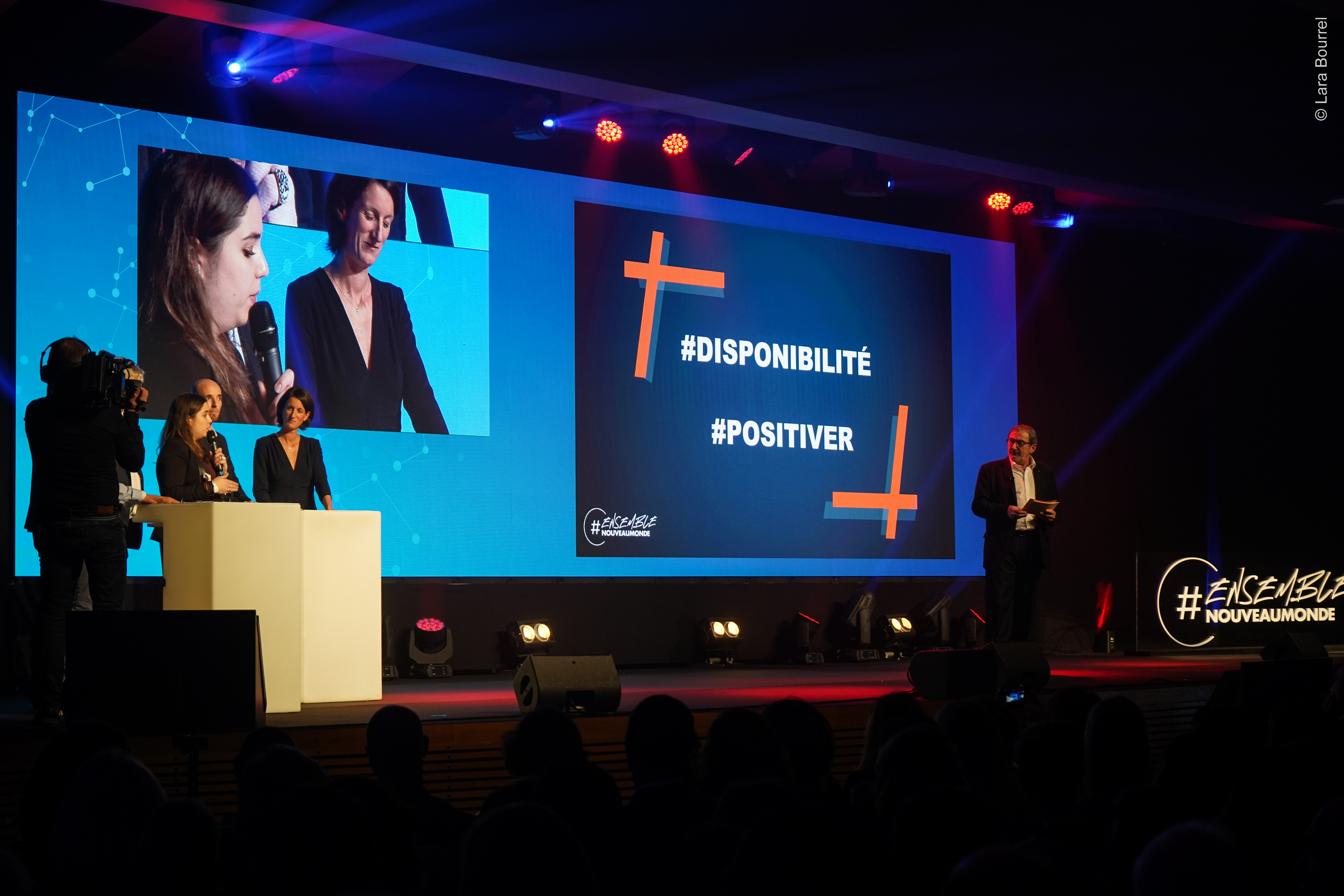
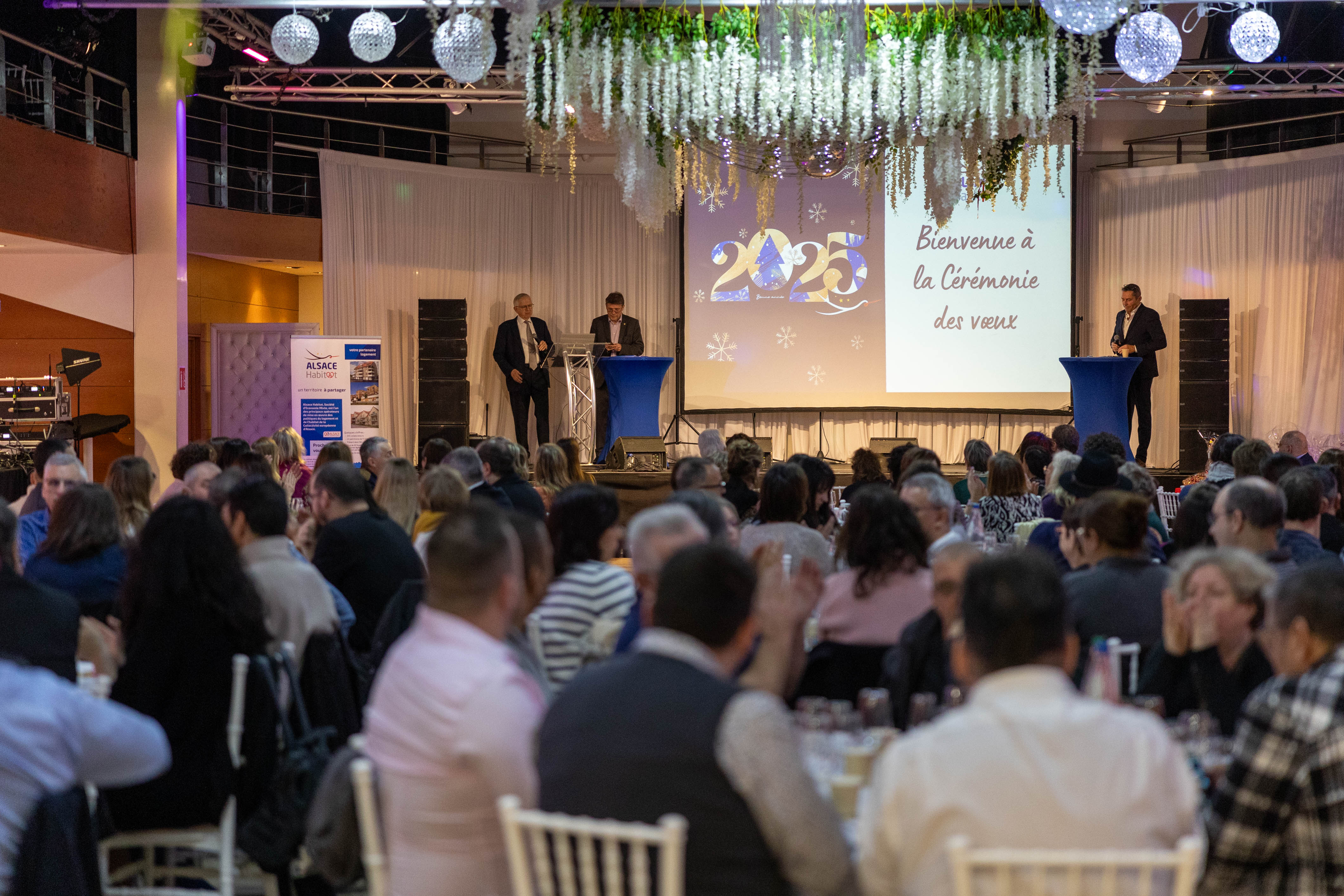
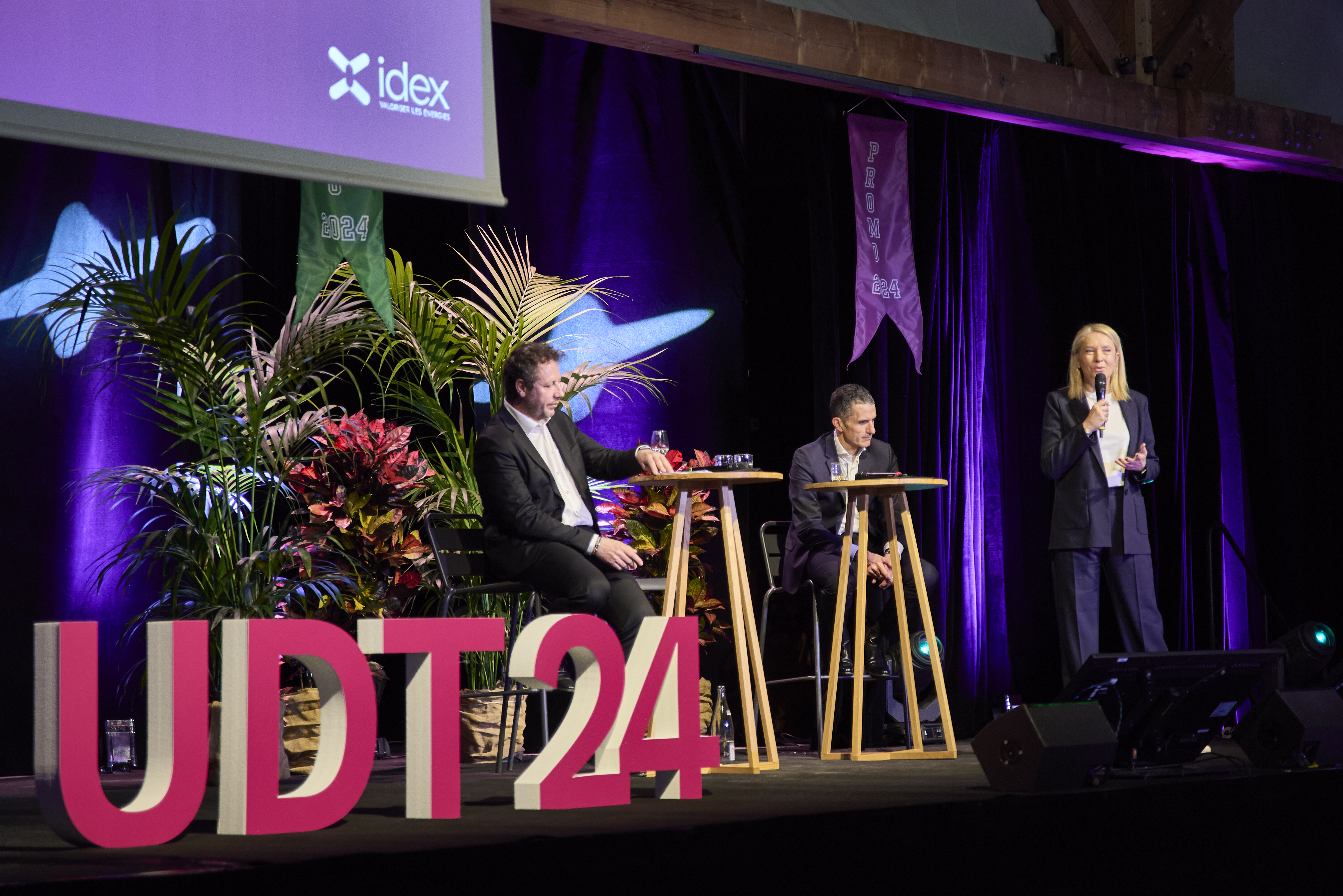
INNOV'events provides Interpreter / Translator services in Brussels for boards, HR, legal, and corporate communications—typically from 10 to 800 participants, in-person, hybrid or fully remote.
We coordinate the right linguists, the right format (simultaneous, consecutive, whispering), and the technical environment (booths, headsets, streaming, multilingual Q&A) so your message remains consistent, confidential, and on time.
Sommaire
In a corporate event, language is not “support”—it is part of risk management. One mistranslated KPI, policy clause or legal nuance can derail alignment, slow decisions, or expose the company during a press moment in Brussels.
Local organisations expect multilingual delivery that looks effortless: perfect timing, no technical friction, and a tone that matches governance culture (formal board, social dialogue, investor update, crisis communications).
As an event agency in Brussels with in-house production reflexes, we manage both the Interpreter / Translator in Brussels sourcing and the operational chain on the day—briefing, run-of-show, technical checks and back-up plans.
Brussels delivery metrics decision-makers ask for
24–72 hours typical lead time possible for last-minute interpreter reinforcement in Brussels (depending on language pair and subject).
2-level selection: linguist shortlist + event producer validation to match tone, industry vocabulary and confidentiality constraints.
1 single point of contact in Brussels for interpretation, written translation, and technical deployment (booths, receivers, stream, captions).
Up to 8 languages routinely managed on one run-of-show, with channel mapping and moderator instructions to avoid Q&A chaos.
Interpreter / Translator projects delivered across Brussels organisations
We support Brussels-based decision-makers who operate in a multilingual reality: headquarters meetings with international management, HR consultations with social partners, policy rollouts across Benelux teams, and high-stakes communications when timing is tight.
Because interpretation quality is easiest to judge when pressure is real, many clients keep us on a preferred-supplier basis for recurring formats: quarterly leadership meetings, yearly town halls, and recurring stakeholder dialogues in Brussels. The reason is operational reliability: the right interpreters, the right equipment, and a production mindset that protects agendas and reputations.
If you share the reference names you want us to mention, we will integrate them precisely (industry + type of meeting + languages + constraints) while respecting confidentiality boundaries.
 Besoin d’un devis rapide ?
Nous vous envoyons une première proposition sous 24h.
Why book an Interpreter / Translator in Brussels for leadership communication?
In Brussels, multilingual communication is often not a “nice-to-have”: it is the condition for speed of execution. When messages cross language lines—FR/NL/EN and beyond—interpretation is what keeps governance aligned and employee trust intact.
Decision velocity: executives can debate and decide in real time without waiting for follow-up notes or post-meeting clarifications that create friction.
Consistency of leadership message: the same narrative lands across languages, reducing the risk of “multiple truths” circulating internally after a town hall or reorganisation briefing.
Risk control for legal/HR topics: social dialogue, policy changes, compliance training and disciplinary processes require precise language; interpretation avoids ambiguous phrasing that can be challenged later.
Better stakeholder management: investors, regulators, works councils, and partners feel respected when they can engage in their working language—particularly in Brussels where formalities matter.
Inclusive participation: multilingual Q&A increases the quality of questions and reduces the “silent room” effect in hybrid meetings where only confident English speakers talk.
Brussels mixes corporate HQ standards with institutional formality and tight schedules. Investing in a professional Interpreter / Translator is often the lowest-cost way to protect the most expensive resource in the room: executive time and organisational credibility.
What Brussels teams really expect from Interpreter / Translator services
In Brussels, the bar is specific: participants are used to multilingual delivery, and they notice immediately when interpretation is treated as an afterthought. The “good enough” approach fails in three recurring scenarios we see in companies: (1) hybrid meetings where audio routing is imperfect, (2) sensitive HR/legal content that requires exact phrasing, and (3) executive speakers who deviate from the script and need interpreters capable of staying accurate under speed.
There are also practical constraints typical to Brussels: tight access rules in corporate buildings and institutions, limited loading windows, strict room layouts, and last-minute agenda changes. A professional setup anticipates badge procedures, sound checks, and backup receivers—because in a multilingual environment, a single technical hiccup instantly becomes a reputational issue.
Finally, local stakeholders expect neutrality and discretion. Many Brussels events involve social partners, regulatory touchpoints or cross-border governance. We therefore treat interpreter NDAs, document handling (secure share links, version control), and “who hears what” channel allocation as part of the production scope—not as optional extras.
How multilingual engagement works in Brussels events beyond “just translation”
Interpretation is not entertainment in the classic sense—but in Brussels corporate events, it directly impacts engagement. When participants can react instantly in their working language, you get better questions, higher attention, and fewer misunderstandings that later become internal noise. We often combine Interpreter / Translator services with interaction formats that keep multilingual audiences active rather than passive.
Interactive animations in Brussels
Multilingual live Q&A: questions collected via app in FR/NL/EN, moderated and read out in one language while interpreters render to the other channels. Practical benefit: executives control pacing while still hearing authentic concerns.
Multilingual polling: short polls displayed in multiple languages, with real-time results used by speakers. This prevents “English-only” responses from skewing employee sentiment readings.
Bilingual facilitation for workshops: rather than interpreting every sentence, a facilitator steers discussion and reformulates key points across languages—effective for HR change workshops where nuance matters.
Art animations in Brussels
Voice-of-the-brand scripting: when a brand manifesto or leadership statement must land emotionally, we combine translation with tone-of-voice adaptation and speaker coaching so it does not sound “translated”.
Multilingual stage management: cues, walk-on music, and on-screen prompts aligned with interpreted segments to avoid awkward pauses that dilute impact.
Innovative animations in Brussels
Table hosting in two languages: for client dinners or stakeholder evenings in Brussels, bilingual hosts support networking without turning the moment into a formal interpreted session.
Product tasting + guided narrative: when a brand story accompanies a tasting, we provide short consecutive interpretation bursts to keep the rhythm and avoid “split tables” by language.
Gourmand animations in Brussels
Live captions (onsite screens or stream overlay): useful for hybrid town halls, hearing accessibility, and when technical vocabulary makes listening harder. We advise realistically: captions help, but do not replace interpreters for nuanced Q&A.
Remote interpretation hubs: for dispersed speakers, we can coordinate interpreters offsite while maintaining a professional listener experience onsite—particularly useful when venue space in Brussels is tight.
Whatever the format, we align multilingual engagement with your brand and governance style. A listed company’s investor update, a sensitive HR briefing, and a partner summit in Brussels do not require the same tone—our role is to make language serve your objective, not steal attention from it.
Which Brussels venue setup fits interpretation without technical surprises?
Venue selection changes the interpretation plan: acoustics, sightlines, booth placement, cable runs, and streaming infrastructure determine whether listeners experience clarity or fatigue. In Brussels, we often pre-check access, power availability, and noise sources (atriums, catering zones, adjacent rooms) because they directly impact interpreter comfort and audio quality.
| Venue type | For which objective? | Main strengths | Possible constraints |
|---|---|---|---|
Hotel conference centre in Brussels | Board meetings, leadership offsites, hybrid town halls | Built-in AV, staff used to multilingual events, easier logistics for booths and receivers | Peak dates, package pricing, limited flexibility on in-house technical standards |
Corporate HQ auditorium (Brussels region) | Internal announcements, compliance sessions, executive roadshows | Brand-controlled environment, easier security and confidentiality, known room for recurring formats | Restricted load-in, limited storage, sometimes insufficient infra for multi-language channels |
Institutional or association meeting rooms in Brussels | Stakeholder consultations, sector roundtables, public affairs briefings | Formal setting, participants used to interpretation, suitable for sensitive governance topics | Strict security and timing, fixed room layouts, high expectations on interpreter credentials |
We recommend a site visit (or at minimum a technical recce with venue plans) before confirming the interpretation format. In Brussels, one hidden constraint—like a no-cable policy, limited FOH position, or a noisy foyer—can force expensive last-minute changes.
What does an Interpreter / Translator cost in Brussels in practice?
In Brussels, pricing depends less on “the event” and more on the linguistic and technical parameters: format, languages, duration, preparation load, and the complexity of content. For directors comparing offers, the key is to ensure you are comparing the same scope: interpreter level, preparation time, equipment, and on-site coordination.
Interpretation mode: simultaneous (highest requirements), consecutive (slower but lighter technically), whispering (only for very small groups), or bilingual facilitation (workshop-oriented).
Number of languages and directions: FR↔EN differs from FR↔NL↔EN with multiple return channels; each extra language adds routing, receivers, and often interpreter teams.
Duration rules: for simultaneous interpretation, professional standards typically require two interpreters per language for longer sessions to avoid fatigue and quality loss.
Technical scope: booths (fixed or mobile), IR/RF receivers, microphones, mixing, streaming platform language channels, and a technician on standby.
Preparation and sector expertise: financial results, legal proceedings, pharma, energy, or IT architecture require deeper prep and specialised vocabulary handling.
On-site constraints in Brussels: security checks, limited load-in times, and hybrid set-ups can add crew hours and contingency planning.
We frame budget as risk-adjusted ROI: one day of high-quality interpretation often costs less than the internal time lost to clarifications, a delayed decision cycle, or reputational damage from a public misstatement. We can provide two or three budget scenarios (baseline / comfort / premium) with clear trade-offs, so procurement and communications can align quickly.
Why use a Brussels team for Interpreter / Translator coordination?
Having a Brussels-based production team is not about proximity for its own sake; it is about controlling the real sources of failure: last-minute room changes, access restrictions, speaker substitutions, and hybrid audio issues. When interpretation is part of the critical path, you want local operational reflexes—someone who can be on site quickly, speak with venue staff, and make decisions without escalation loops.
We also understand the Brussels stakeholder context: multilingual expectations, institutional pace, and formal meeting etiquette. This matters when a works council delegation, international executives, and local management are in the same room and every word will be replayed internally.
- Faster troubleshooting onsite: audio routing, spare receivers, microphone discipline, stage timing.
- Venue familiarity across Brussels: realistic load-in plans, booth placement options, noise risks and streaming constraints.
- Credible interpreter briefing: we translate your internal context into operational guidance—what can be said, how it should sound, and what must remain precise.
- One accountable lead: fewer suppliers to coordinate, fewer gaps between “language” and “production”.
We frame budget as risk-adjusted ROI: one day of high-quality interpretation often costs less than the internal time lost to clarifications, a delayed decision cycle, or reputational damage from a public misstatement. We can provide two or three budget scenarios (baseline / comfort / premium) with clear trade-offs, so procurement and communications can align quickly.






What we deliver in Brussels: real-world Interpreter / Translator use cases
Our projects in Brussels range from discreet executive meetings to large multilingual gatherings. Typical scenarios include: a listed company’s quarterly leadership broadcast with simultaneous interpretation and multilingual Q&A; an HR policy rollout where the legal phrasing must be consistent across FR/NL/EN; and partner roundtables where each stakeholder speaks their preferred language and expects immediate interaction.
We also handle “messy reality” cases: speakers who bring slides 45 minutes before doors, a last-minute addition of a language channel because a delegation confirms late, or a hybrid session where remote participants cannot find the language selector. In these moments, our job is not to improvise—it is to have already built a system: pre-configured channel maps, clear moderator instructions, spare hardware, and interpreters briefed on the day’s priorities.
The common thread is adaptability without lowering standards. Interpretation quality is fragile when logistics are rushed; our approach is to stabilise the environment so interpreters can do their job at the level your executives expect.
Common pitfalls we prevent in Brussels multilingual meetings
Choosing the wrong format: using consecutive interpretation for a fast-paced board debate, or relying on whispering in a room with poor acoustics.
Underestimating preparation: sending 80 pages of documents the night before and expecting accurate terminology for finance, legal or technical content.
Hybrid audio blind spots: the room hears the speaker, but remote participants hear the interpreter feed poorly—or vice versa—because routing was not tested end-to-end.
No channel governance: unclear language channels, moderators switching languages unexpectedly, Q&A without microphone discipline—resulting in unusable interpretation.
Ignoring confidentiality: sensitive documents shared without controlled access, no NDA alignment, or interpreters not briefed on restricted topics.
Single point of failure: no spare receivers, no backup microphone, no plan if an interpreter is delayed by Brussels traffic or access checks.
Our role is to engineer a calm event day: we reduce variables, protect comprehension, and keep the meeting focused on decisions rather than logistics.
Why Brussels clients keep INNOV'events for Interpreter / Translator needs
Most recurring clients do not come back because interpretation is “nice”; they come back because it removes friction from governance. When a leadership team has experienced a multilingual meeting that stays on time, sounds professional, and avoids follow-up confusion, it becomes a standard they do not want to lose.
Recurring formats: quarterly leadership meetings, annual town halls, monthly stakeholder consultations—managed with the same run-of-show logic and updated glossaries.
Operational memory: speaker habits, preferred vocabulary, channel maps, and venue constraints documented and reused to reduce day-of risk.
Continuous improvement: after-action notes (what slowed down, where questions clustered, what terminology caused hesitation) integrated into the next edition.

Loyalty is the best quality indicator in this field: it means we delivered under pressure and made it easy for executives, HR and communications to repeat the format confidently in Brussels.
Our Brussels process from brief to flawless delivery
👉 Scope clarification in Brussels (30–45 min call)
We confirm objectives, audience profile, languages, and the real critical moments (keynote, negotiations, Q&A). We also map constraints: confidentiality level, speaker profiles, hybrid tools, and timing. Outcome: a clear recommendation (simultaneous vs consecutive vs facilitation) and a first budget range.
👉 Interpreter selection and compliance alignment (48–72 hours)
We propose interpreters based on language pair, subject matter and tone (board-level, employee-facing, technical). We align NDAs, document handling rules, and any access requirements. Outcome: confirmed team, roles, and a preparation plan.
👉 Content preparation and terminology control (T-10 to T-2)
We collect the run-of-show, speaker bios, slide deck versions and internal terminology. We build a glossary (acronyms, product names, policy wording) and highlight “must-not-deviate” sentences for legal/HR. Outcome: interpreters ready to sound like your organisation, not like a generic translation.
👉 Technical design and rehearsal (T-7 to T-1)
We validate booth needs, channel routing, receiver quantities, microphone plan, and streaming settings. We run an end-to-end test: speaker mic → mixer → interpreter feed → receivers/stream. Outcome: no surprises on event day, and clear moderator instructions.
👉 On-site production in Brussels + contingency management
We arrive early for room readiness, interpreter comfort (visibility, ventilation, sound), and final checks. During the meeting, we manage pace, handovers and Q&A flow; we keep spares ready and adjust quickly to agenda shifts. Outcome: your executives stay focused on decisions, not on language logistics.
👉 Post-event debrief and reuse kit
We deliver a short debrief: what worked, what to improve, and recommendations for the next edition. We archive glossary and channel maps for continuity. Outcome: lower prep time and higher reliability for recurring Brussels meetings.
FAQ sur l'organisation Interpreter / Translator à Brussels
How many interpreters do we need in Brussels?
For simultaneous interpretation longer than 60–90 minutes, plan typically 2 interpreters per language to maintain quality. For short segments or consecutive interpretation, 1 interpreter may be sufficient. We confirm based on duration, pace and complexity.
Simultaneous or consecutive interpretation for Brussels meetings?
Simultaneous fits town halls, conferences, and board updates where timing matters—audiences listen in real time via headsets or stream channels. Consecutive fits negotiations, workshops, or small committees when interaction and precision outweigh speed. If your agenda is tight, simultaneous is usually the safer choice.
What is the typical lead time in Brussels?
Standard planning is 2–4 weeks for multi-language events with technical setup. For urgent needs, we can sometimes secure interpreters in 24–72 hours in Brussels, but language rarity and subject expertise can extend timelines.
Can you cover FR, NL and EN in Brussels?
Yes. FR/NL/EN is a common configuration in Brussels. We set clear channel mapping (e.g., Channel 1 FR, Channel 2 NL, Channel 3 EN), brief moderators to keep microphone discipline, and test audio routing end-to-end for onsite and hybrid audiences.
Do we need booths and headsets in Brussels venues?
For professional simultaneous interpretation, yes in most cases: a booth (fixed or mobile) plus receivers/headsets ensures clarity and avoids noise for the room. Whispered interpretation can work for 2–4 listeners only. In hybrid meetings, we also plan the interpreted audio feeds for the streaming platform.
Request an Interpreter / Translator quote in Brussels with a clear scope
If you share your date, venue (or shortlist), languages, estimated audience size, and whether the meeting is onsite or hybrid, we can return a structured proposal with options and trade-offs. We will also flag the typical risks (timing, technical routing, confidentiality) so you can validate internally without surprises.
In Brussels, interpretation quality is noticed instantly—by executives, social partners, and international stakeholders. Contact INNOV'events early to secure the right interpreters and the right technical setup, and to keep your agenda protected on the day.
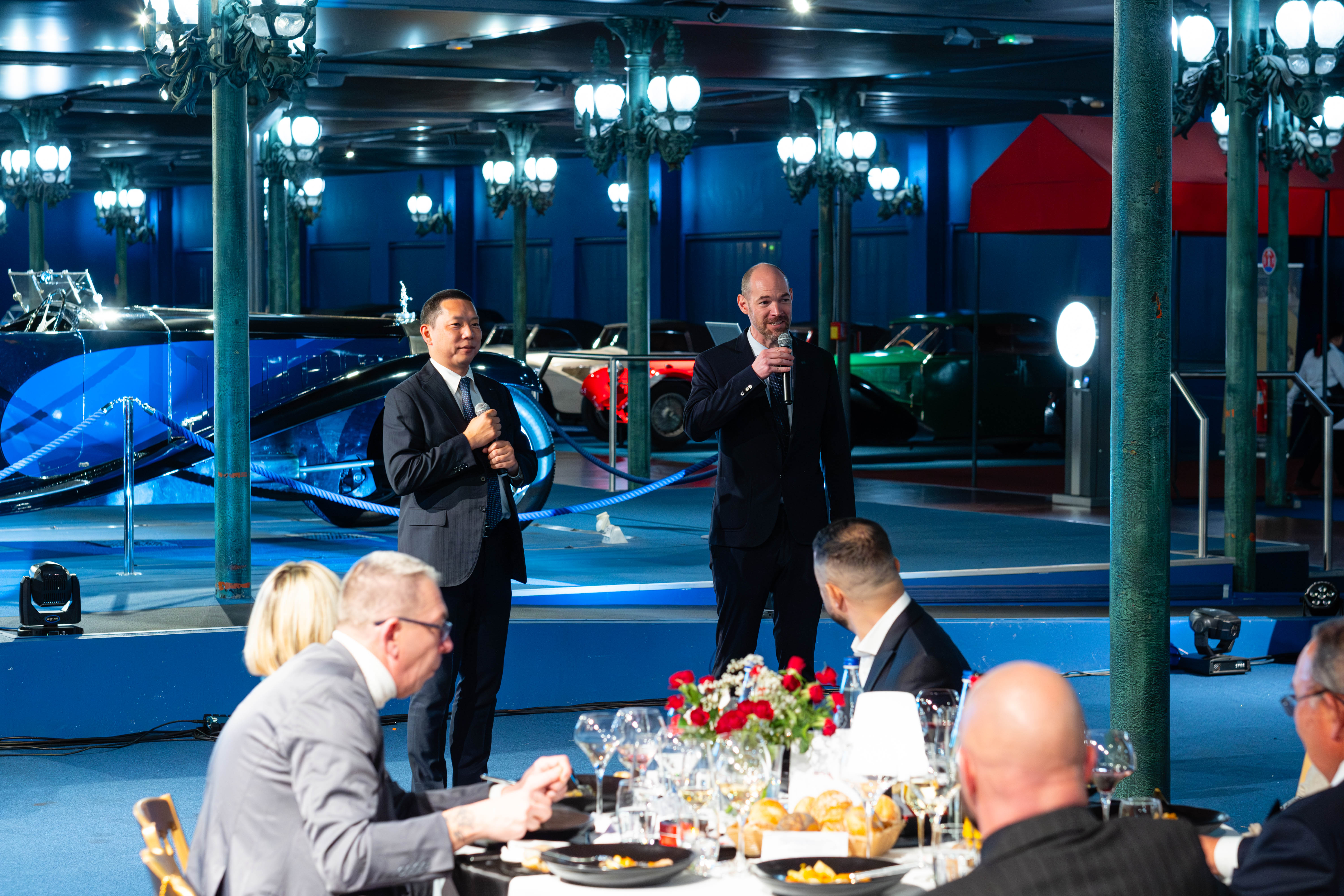
INNOV'events Brussels Agency
Justin JACOB is the manager of the INNOV'events Brussels office. Reach out directly by email at belgique@innov-events.be or via the contact form.
Contact the Brussels agencyToutes nos prestations & animations Brussels, Belgique
Découvrez nos prestations événementielles
Découvrez nos animations événementielles disponibles au Belgique
- Event Hostess in Brussels
- Escape Game in Brussels
- MasterChef Cooking Workshop in Brussels
- Magician in Brussels
- Marquee Rental in Brussels
- Color Analysis Workshop in Brussels
- Inflatable Games in Brussels
- Valet Parking Service in Brussels
- Football Simulator in Brussels
- LED Furniture Rental in Brussels
- Light Branding in Brussels
- Unique Dining Experience in Brussels
- Light Painting in Brussels
- Murder Mystery Party in Brussels
- Prize Contest in Brussels
- Promotional Displays (POS) in Brussels
- Virtual Reality in Brussels
- Molecular Gastronomy Workshop in Brussels
- Halloween Entertainment in Brussels
- Fireworks Show in Brussels
- Giant Games Challenge in Brussels
- Event Host / MC in Brussels
- Photo Booth Animation in Brussels
- Santa Claus Entertainment in Brussels
- Kids Entertainment in Brussels
- Guided Tour in Brussels
- Urban Rally in Brussels
- Ball Pit in Brussels
- Flight Simulator in Brussels
- Food Truck Rental in Brussels
- World Record Challenge in Brussels
- Surf Simulator in Brussels
- Wine Casino in Brussels
- Makeover Workshop in Brussels
- Perfume Creation Workshop in Brussels
- Acting Workshop in Brussels
- CSR Activities in Brussels
- Archery in Brussels
- Security Staff in Brussels
- Wine Tasting in Brussels
- Mime Performer in Brussels
- TV Game Show in Brussels
- Funfair in Brussels
- Crisis Management Workshop in Brussels
- Crisis Negotiation Workshop in Brussels
- Arcade Games in Brussels
- Indoor Skydiving Simulator in Brussels
- Ski Simulator in Brussels
- Racing Circuit Experience in Brussels
- Introductory Flight Experience in Brussels
- Tasting Experience in Brussels
- Build Your Own Foosball Workshop in Brussels
- 2CV Rally in Brussels
- LEGO Challenge in Brussels
- Casino Night in Brussels
- Interpreter / Translator in Brussels
- Promotional Giveaways in Brussels
- Shuttle Transport in Brussels